Plumas National Forest
Plumas National Forest
Top 13 Natural Monuments in Plumas National Forest
Best natural monuments in Plumas National Forest are found within its 1.14 million acres, where the northern Sierra Nevada meets the southern Cascade Range. This region features high-elevation lakes, dramatic river canyons, and extensive trail systems. The forest is characterized by towering Ponderosa and Jeffery Pines, Red Fir, Sugar Pine, and Incense Cedar, alongside mountain meadows and wetlands. It offers diverse natural landscapes for exploration.
Best natural monuments in Plumas National Forest
- The most popular natural monuments is Lookout Springs…
Last updated: July 8, 2026
Lookout Springs
Highlight • Natural Monument
Tip by

Lookout Rock - PCT
Highlight • Viewpoint
Tip by
Sign up now to discover places like this
Get recommendations on the best single tracks, peaks, & plenty of other exciting outdoor places.
Sign up for free
Long Lake
Highlight (Segment) • Lake
Tip by

Silver Lake vista
Highlight • Viewpoint
Tip by
Smith Lake
Highlight (Segment) • Lake
Tip by
Sign up for free to discover even more natural monuments in Plumas National Forest.
Sign up for free
Already have an account?
Start today with a free account
Your next adventure awaits.
Login or Signup
Popular around Plumas National Forest
The tour of your life – music trails on the Pacific coast
California to Nevada – hiking between Volcanoes, Water & Forest
Hiking in Plumas National Forest
MTB Trails in Plumas National Forest
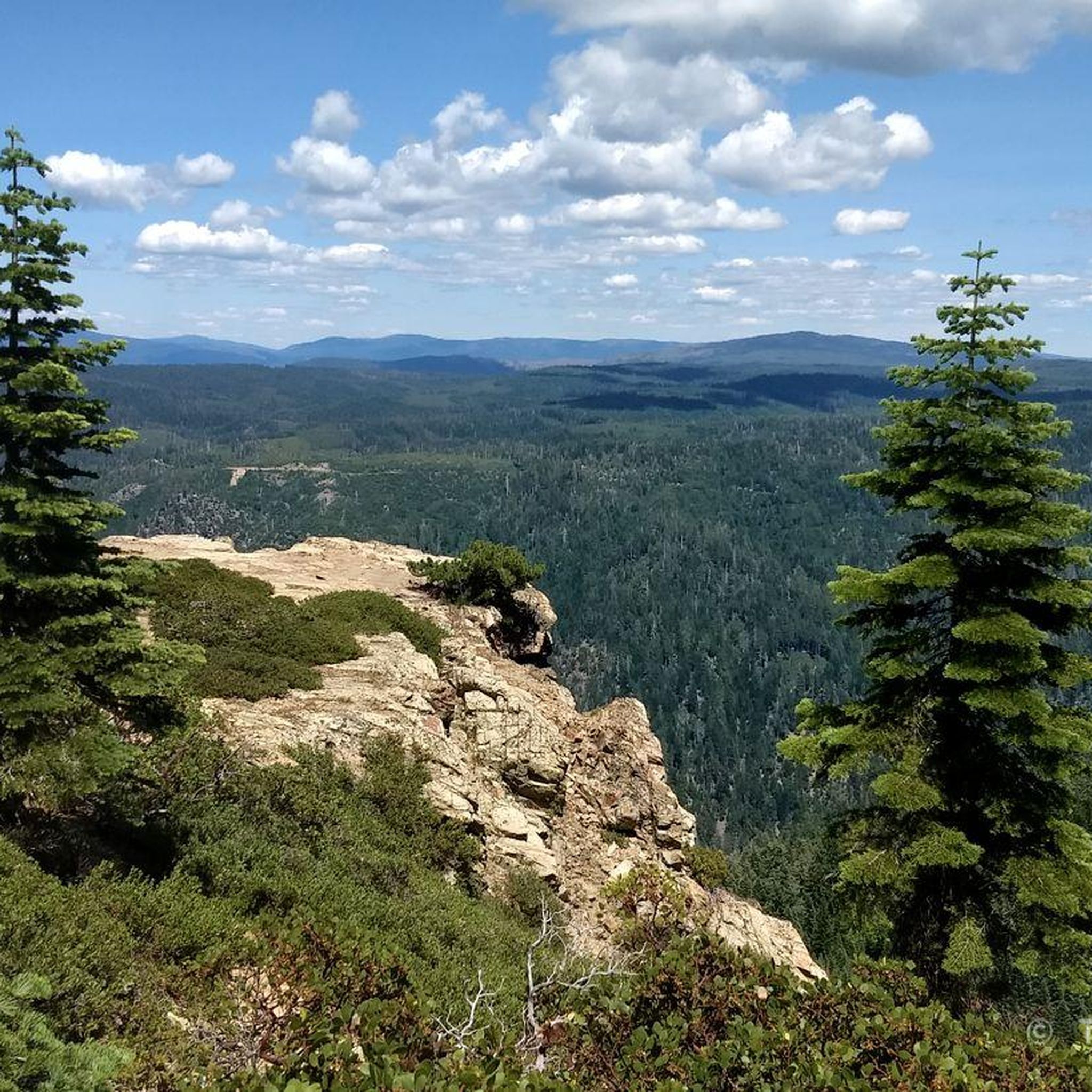
Running Trails in Plumas National Forest
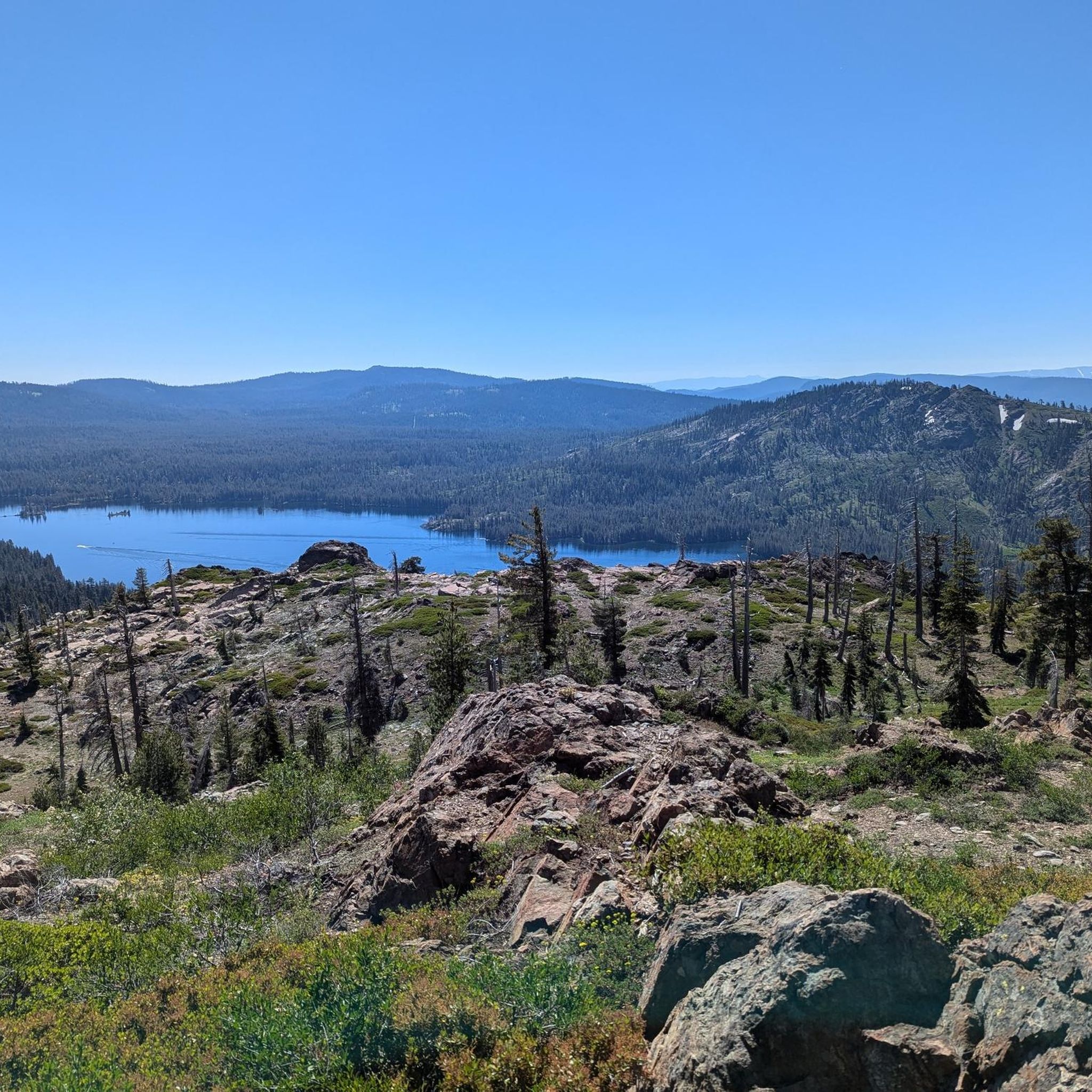
Cycling in Plumas National Forest
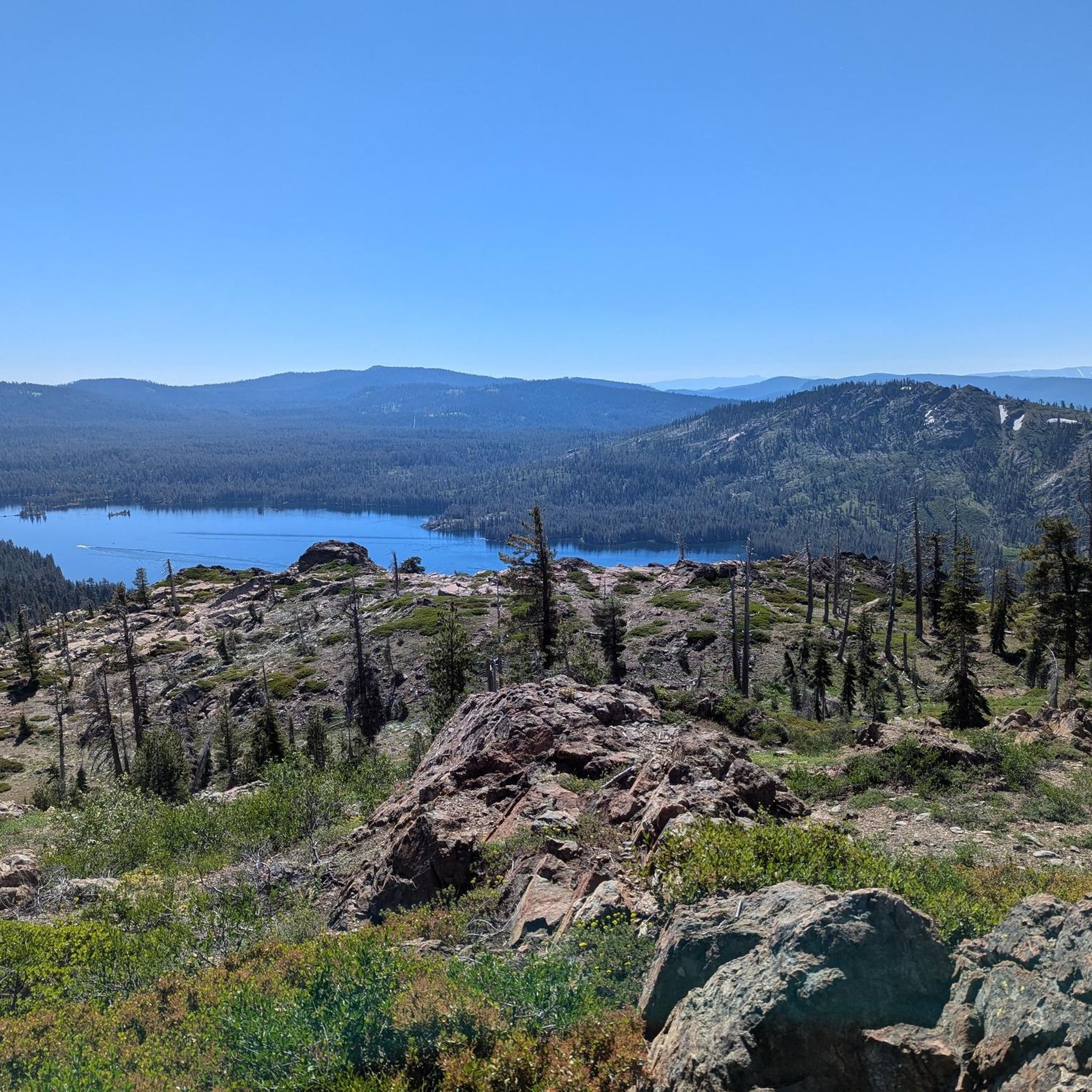
Road Cycling Routes in Plumas National Forest

Gravel biking in Plumas National Forest

Tips from the Community

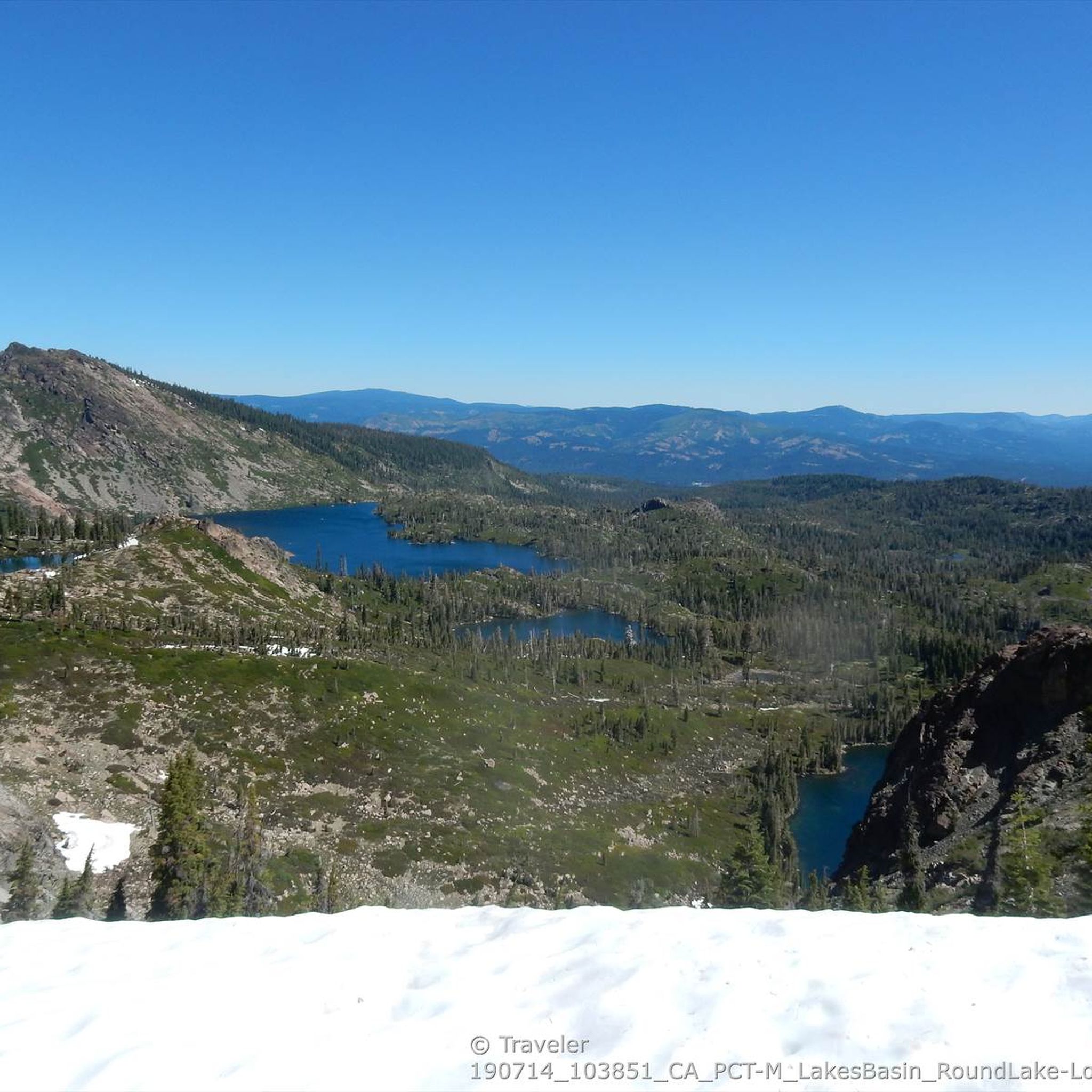
Spectacular views of Long Lake and the entire Lakes Basin area can be had throughout this entire section of trail. The western section of trail is higher up from the lake and offers spectacular views of the surrounding area. As you get closer to the lake be sure to check out the crystal clear water and soak your feet after a long day of hiking.
0
0
Smith Lake offers solitude and rewards you with amazing views of the surrounding valley. The views are earned by walking up along the ridge on the northern side of the lake. Be prepared to cross small streams during the wetter months.
0
0

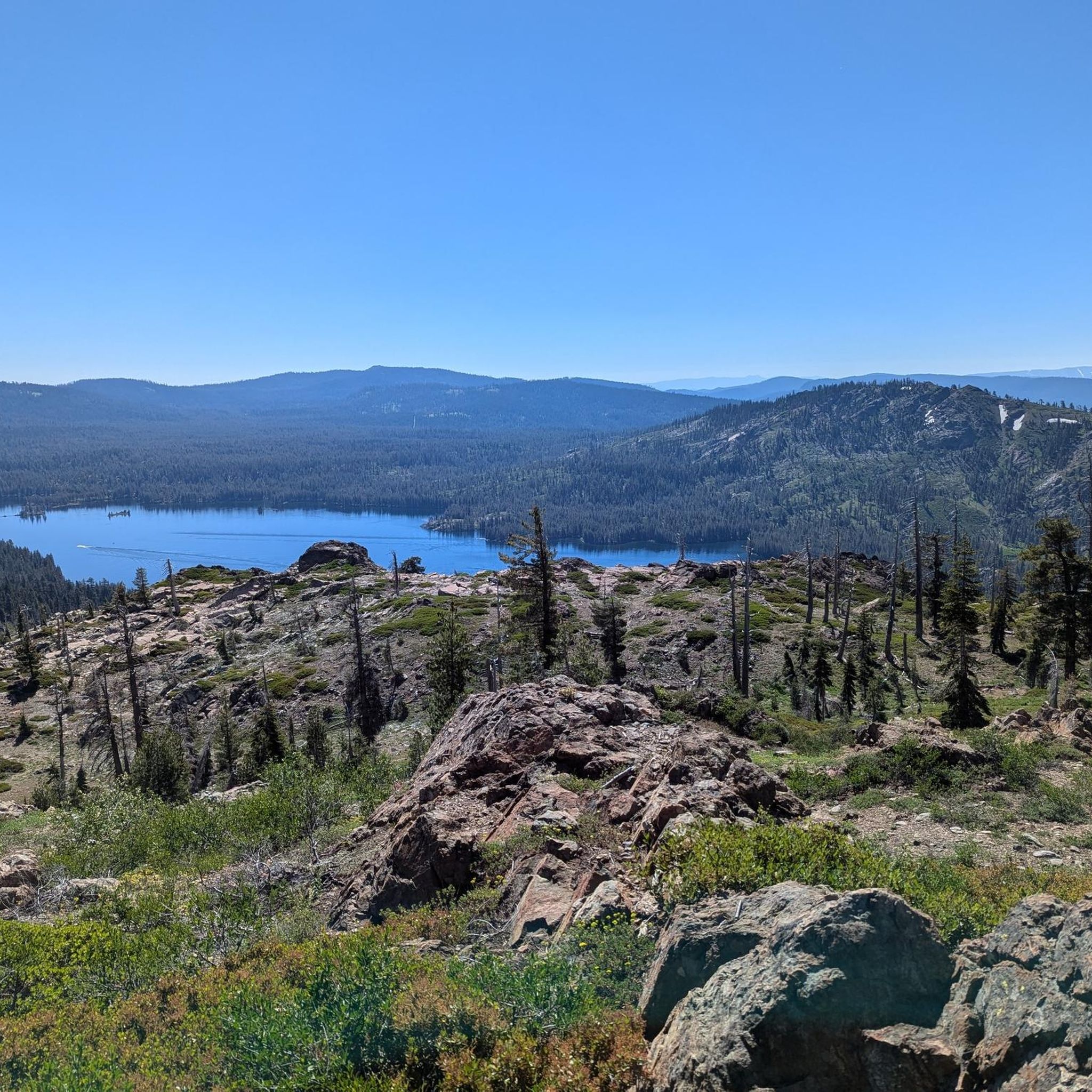
Silver Lake is a beautiful blue lake in the Bucks Lake Wilderness. Unfortunately all the green trees were destroyed in a wild fire around the lake. A side trail will get you down to the lake, but it is a long one.
2
0
Lookout Spring is a reliable water source close to Lookout Rock. The water flows out of a pipe and is ice cold. Enjoy!
2
0
These days, Lookout Rock is not just a popular location for PCT hikers to spend the night. It is also a save haven after the burn area. The view is exceptional! The closest water source is just 0.5 miles southbound with cool, clear water.
4
0

The ridge provides panoramic views to both sides. The most visible is Silver lake to the Northeast.
0
1
The springs are a reliable water source from a Bear Creek tributary, marked with a sign directly along the trail. A halfpipe drops it conveniently 2 feet above the ground. At least early in the season the water literally runs across the PCT, surrounded by gorgeous flowers
0
0
At the highest point of the ridge this rocky outcrop offers awesome views and is popular for night sky observation among PCT hikers.
1
0
Frequently Asked Questions
What are some popular natural monuments to visit in Plumas National Forest?
Beyond the well-known spots, you can explore impressive waterfalls like Feather Falls, which cascades 640 feet, or the easily accessible Frazier Falls. For unique flora, the Butterfly Valley Botanical Area is renowned for its diverse plant life, including the carnivorous California pitcher plant. The Bucks Lake Wilderness also offers granite peaks and pristine lakes.
When is the best time to visit the natural monuments in Plumas National Forest?
The best time to visit largely depends on your activity. For viewing waterfalls like Feather Falls, spring during snowmelt offers the most dramatic flow. For botanical areas like Butterfly Valley, May through July is ideal to see orchids and other unique plants in bloom. Summer and early fall are generally excellent for hiking and enjoying the high-elevation lakes, offering pleasant weather and accessible trails.
Are there any natural monuments suitable for beginner hikers or families with children?
Yes, Frazier Falls is an excellent option for families and beginner hikers. It's easily accessible via a 1-mile paved trail, offering a beautiful waterfall experience without a strenuous hike. Many of the lake areas, such as Long Lake, also have sections of trail that are less challenging.
What kind of natural features can I expect to see in Plumas National Forest?
Plumas National Forest is incredibly diverse. You'll find towering Ponderosa, Jeffery, Sugar, and Incense Cedar pines, along with Red Fir forests. The landscape also features high-elevation lakes like Long Lake and Smith Lake, dramatic river canyons, mountain meadows, and unique botanical areas. Viewpoints such as Lookout Rock - PCT offer panoramic vistas.
What outdoor activities can I do near the natural monuments in Plumas National Forest?
The forest offers extensive opportunities for outdoor activities. You can find numerous cycling routes, including moderate to difficult loops around Lake Davis or from Quincy, as detailed in the Cycling in Plumas National Forest guide. For running, trails like the Pacific Crest Trail sections or loops around Little Bear Lake are popular, as highlighted in the Running Trails in Plumas National Forest guide. Hiking to waterfalls is also a favorite, with options like Mount Elwell and Phantom Falls loops available in the Waterfall hikes in Plumas National Forest guide.
Are there any hidden natural monuments worth exploring for solitude?
For those seeking solitude, the Bucks Lake Wilderness offers 21,000 acres of unspoiled natural beauty with granite peaks and small lakes, perfect for backpacking trips like the 'Three Lakes Loop.' Smith Lake also provides amazing views and a sense of remoteness, especially if you venture along the ridge on its northern side.
What are the parking options like at these natural monuments?
Parking availability varies by location within Plumas National Forest. Many popular trailheads and access points to natural monuments will have designated parking areas, though these can fill up during peak seasons. It's always advisable to arrive early, especially for well-known spots like Feather Falls or areas along the Pacific Crest Trail, to secure a spot.
Are permits required to visit natural monuments in Plumas National Forest?
Generally, permits are not required for day-use visits to most natural monuments in Plumas National Forest. However, if you plan on overnight backpacking, especially in wilderness areas like Bucks Lake Wilderness, or engaging in specific activities, you may need a permit. Always check with the Plumas National Forest service for the most current regulations before your trip.
Can I bring my dog to the natural monuments in Plumas National Forest?
Many trails and natural areas within Plumas National Forest are dog-friendly, provided your dog is on a leash. However, specific regulations can vary, especially in designated wilderness areas or botanical sites like Butterfly Valley. It's best to check the specific rules for the monument or trail you plan to visit to ensure a pleasant experience for everyone.
Are there opportunities for wild swimming near the natural monuments?
Yes, the numerous lakes and rivers within Plumas National Forest offer opportunities for refreshing dips. Long Lake, for instance, is known for its crystal clear water, providing a great spot to soak your feet or take a swim after a hike. Always exercise caution, be aware of water conditions, and follow any posted safety guidelines.
What wildlife might I encounter while exploring the natural monuments?
Plumas National Forest is home to diverse wildlife. You might spot various bird species, including osprey, bald eagles, and red hawks. Larger mammals such as deer and black bears also inhabit the forest. When hiking, especially in more secluded areas, it's important to be aware of your surroundings and practice Leave No Trace principles to minimize your impact on wildlife.
What should I wear when hiking to natural monuments in Plumas National Forest?
Given the varied terrain and elevations, dressing in layers is recommended. Sturdy hiking boots are essential for most trails. Depending on the season, bring rain gear, sun protection (hat, sunscreen), and plenty of water. For higher elevations or early/late season visits, be prepared for cooler temperatures.
Where can I find a reliable water source during my hike?
A notable reliable water source is Lookout Springs, located close to Lookout Rock - PCT. It provides ice-cold water flowing from a pipe, often surrounded by flowers early in the season. While this is a known source, always carry sufficient water and a filter or purification tablets as a backup, as natural sources can be seasonal or require treatment.
Most popular routes in Plumas National Forest
Most popular attractions in Plumas National Forest

Get inspired with the komoot mobile app


Explore more
Extend your search for the best caves by checking out these guides of the top ones in Plumas National Forest:
