Crater Lake National Park
Crater Lake National Park
Top 20 Natural Monuments in Crater Lake National Park
Best natural monuments in Crater Lake National Park include the deepest lake in the United States, formed approximately 7,700 years ago by the collapse of Mount Mazama. The park's landscape features a volcanic caldera filled with exceptionally clear, vibrant blue water, fed solely by rain and snow. This geological formation offers insights into volcanic history and provides diverse natural features for exploration. The park is recognized for its unique geological formations and significant natural features.
Best natural monuments in Crater…
Last updated: October 11, 2026
Crater Lake National Park
Highlight • Lake
Tip by

Watchman Overlook
Highlight • Viewpoint
Tip by
Sign up now to discover places like this
Get recommendations on the best single tracks, peaks, & plenty of other exciting outdoor places.
Cleetwood Cove – Crater Lake National Park
Highlight • Lake
Tip by
Discovery Point
Highlight • Viewpoint
Tip by
Crater Lake from above
Highlight • Viewpoint
Tip by

Sign up for free to discover even more natural monuments in Crater Lake National Park.
Already have an account?
Start today with a free account
Your next adventure awaits.
Popular around Crater Lake National Park

Pacific Crest Trail from Mexico to Canada – 4,200 kilometres of wilderness
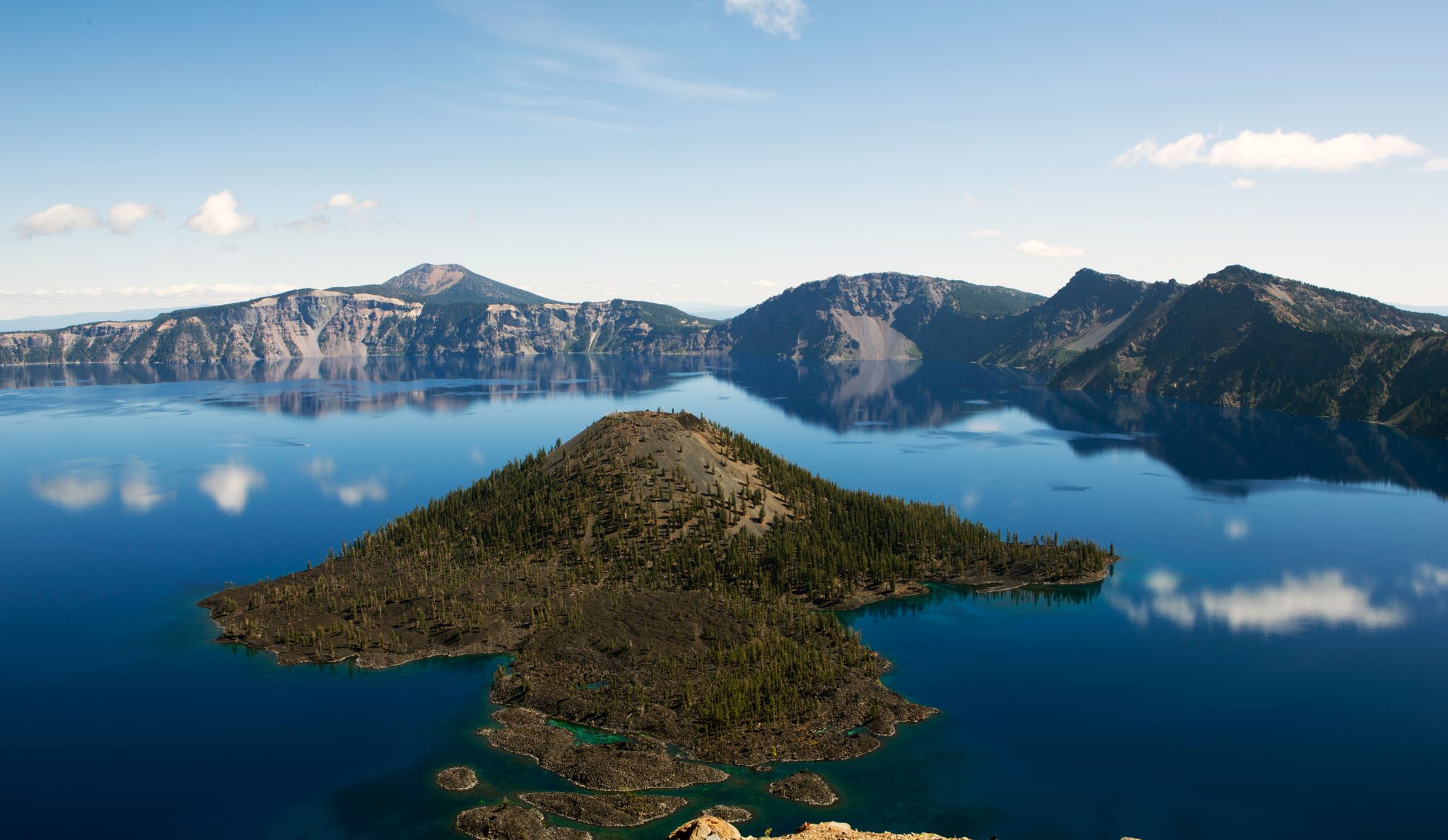
Volcanic peaks and glistening shores – discover Oregon and Washington
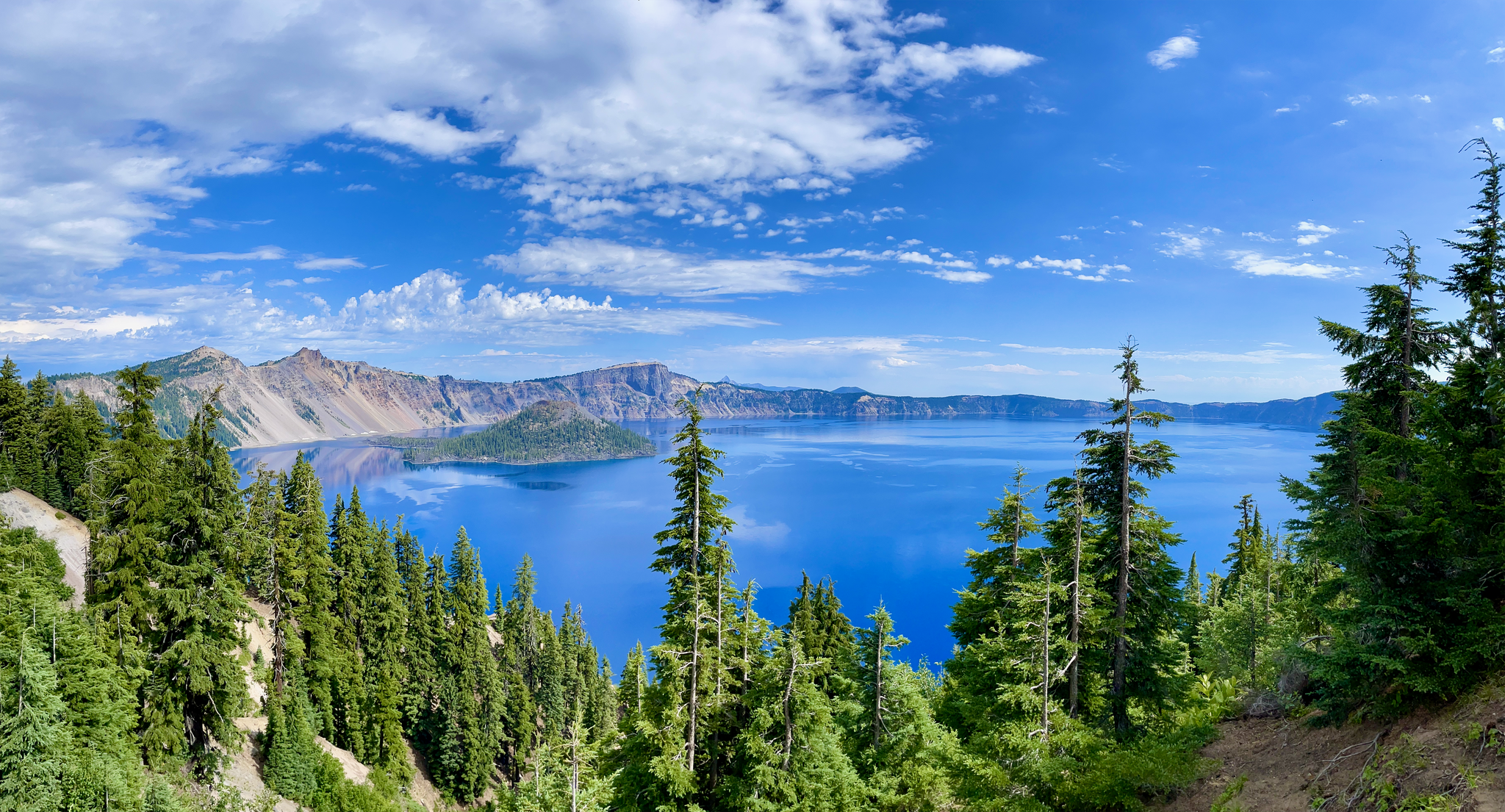
The pristine beauty of the US National Parks
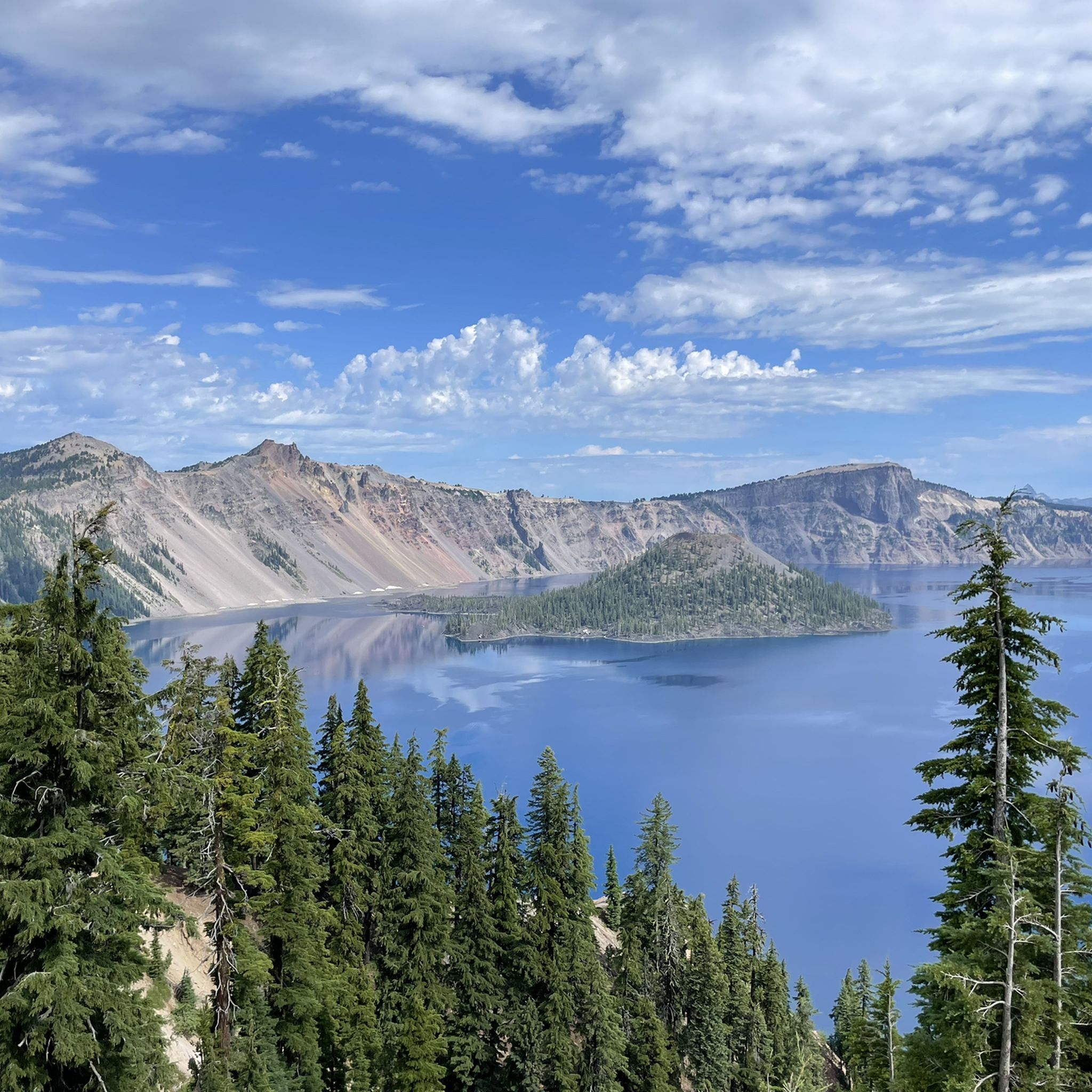
Hiking in Crater Lake National Park

Cycling in Crater Lake National Park
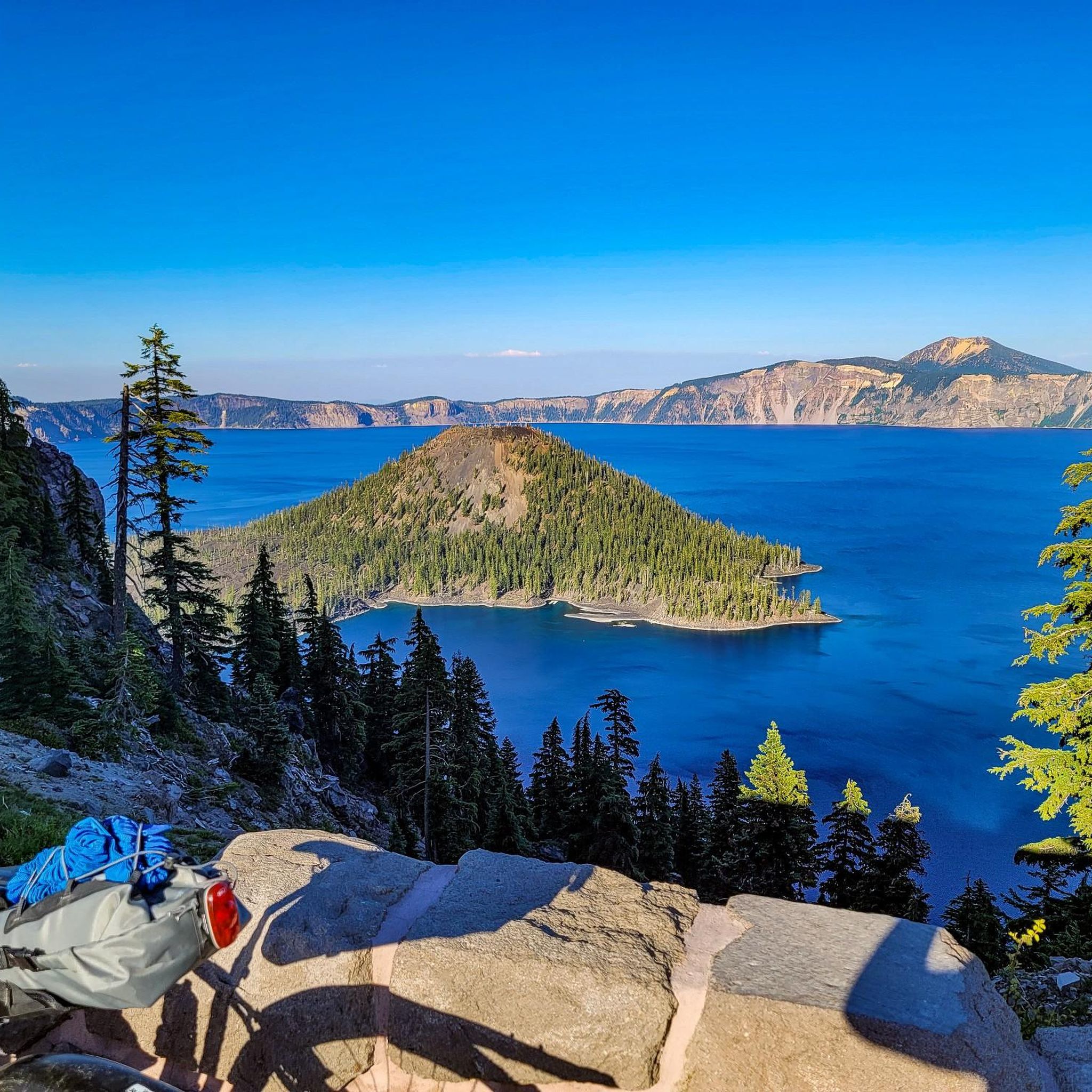
Road Cycling Routes in Crater Lake National Park

Running Trails in Crater Lake National Park
Other adventures in Crater Lake National Park


Tips from the Community

Each year, Crater Lake closes the park to cars for the Ride the Rim event. Best time to visit. So amazing.
0
0

If you are only going to stop at one viewpoint at Crater Lake, this one is at the top of the list! The view of Wizard Island is one of the best you'll get.
0
0

If you walk parallel to the Rim Drive along the crater, you will have fantastic views of the crater lake that are not as crowded as those at Rim Village.
0
0

From the Watchman Overlook, you have a great view towards Wizard Island and Crater Lake itself. If you are willing to leave your bike for some minutes, this is also the starting point for the hike up to the Watchman, an old fire tower with a stunning panoramic view.
0
0
At this location, Crater Lake was first discovered by John Wesley Hillman in June 1853. Crater Lake is the result of a massive eruption of Mount Mazama that collapsed and left a giant hole. Over centuries, the hole filled with rain water and melting snow – the creation of Crater Lake.
1
0
From the Watchman Overlook, you have a great view towards Wizard Island and Crater Lake itself. It is also the starting point for the hike up to the Watchman, an old fire tower with a stunning panoramic view.
4
0

One of the highlights in Oregon and unique in the world due to its size.
0
1
A steep trail will get you to Cleetwood Cove, where you are allowed to swim and to fish. There are restrooms down at the lake. It is 2.2 miles roundtrip with 700 feet of elevation gain/loss. If you bring snacks, try to store them properly as there are some sassy chipmunks at the lake shore.
6
0
Frequently Asked Questions
What are the most prominent natural monuments to see in Crater Lake National Park?
Beyond the lake itself, key natural monuments include Wizard Island, a picturesque cinder cone volcano rising from the lake, and Phantom Ship, a jagged island resembling a sailing vessel. You can also experience the grandeur of Llao Rock, a towering dacite lava flow on the north rim, and Mount Scott, the park's highest point offering panoramic views.
Are there any family-friendly natural monuments or activities in Crater Lake National Park?
Yes, several natural monuments are suitable for families. Watchman Overlook is a great starting point for a relatively easy hike to the Watchman fire tower, offering stunning views. Discovery Point is another family-friendly viewpoint where Crater Lake was first discovered, providing easy access and historical context.
What is the best time of year to visit the natural monuments in Crater Lake National Park?
The best time to visit is typically from July through September when Rim Drive is fully open, allowing access to most viewpoints and trailheads. During these months, the weather is generally mild, and the lake's vibrant blue color is at its most striking. However, for those seeking winter beauty, some areas remain accessible for snowshoeing and cross-country skiing, though many roads and facilities close.
What kind of hiking trails are available to access natural monuments in Crater Lake National Park?
The park offers a range of hiking trails. For example, a moderately challenging 4.2-mile roundtrip trail leads to the summit of Mount Scott, the park's highest point, offering expansive views. The Cleetwood Cove Trail is the only publicly accessible path down to the lake shore, a steep 2.2-mile roundtrip. For more hiking options, you can explore the Hiking in Crater Lake National Park guide.
Can I access Crater Lake's natural monuments during winter?
While many roads and facilities close for winter, the park remains open year-round. The North Entrance and Rim Drive are typically closed to vehicles, but the South and West Entrances usually remain open. You can still access viewpoints like Rim Village for stunning winter views of the lake. Activities like snowshoeing and cross-country skiing are popular, but access to specific natural monuments like Wizard Island or Cleetwood Cove is limited or impossible due to snow and ice.
Are there any less crowded natural monuments or viewpoints in Crater Lake National Park?
To avoid the busiest spots, consider visiting viewpoints along Rim Drive that are slightly further from the main visitor centers, especially during early mornings or late afternoons. While specific 'less crowded' monuments are hard to guarantee, exploring trails like the one to Mount Scott can offer a more solitary experience compared to the most popular overlooks, particularly if you start early.
What makes Crater Lake's water so blue and clear?
Crater Lake's exceptional clarity and intense blue color are due to its depth and the purity of its water. It is fed solely by rain and snowmelt, with no inlets from rivers or streams that would carry sediment. This lack of sediment, combined with its immense depth (it's the deepest lake in the United States), allows for the absorption of all colors of the light spectrum except blue, which is reflected back, creating its iconic hue.
What cycling opportunities are there near the natural monuments?
Cycling is a popular way to experience the park's natural monuments, especially along Rim Drive. Routes like the 'Rim Drive loop around Crater Lake' offer incredible views of the caldera and its features. You can find detailed cycling routes and information in the Cycling in Crater Lake National Park guide, which includes options for touring and road cycling.
What unique geological features can be observed at Phantom Ship?
Phantom Ship is a remarkable geological formation on the southeastern side of Crater Lake. It's a remnant of an ancient volcanic cone, composed of 400,000-year-old erosion-resistant lava, making it the oldest exposed rock within the caldera. Its jagged shape strikingly resembles a sailing vessel, especially when viewed from certain angles or in foggy conditions, adding to its mystique.
Can I take a boat tour to Wizard Island?
Yes, boat tours are typically available to Wizard Island, allowing visitors to experience the lake up close and hike to the island's summit for panoramic views. However, access to Wizard Island and boat tours are subject to closures for rehabilitation projects at Cleetwood Cove. It's advisable to check the official park website for current operating status before planning your visit.
Where can I find the best viewpoints for Crater Lake and its natural monuments?
Many viewpoints along Rim Drive offer spectacular perspectives. Watchman Overlook provides excellent views towards Wizard Island. For a broader perspective, the hike to the summit of Mount Scott offers unparalleled panoramic vistas of the entire caldera. Additionally, Discovery Point offers a significant historical viewpoint.
Are there any restrictions or permits needed to visit the natural monuments?
A park entrance fee is required to enter Crater Lake National Park. While specific permits are not generally needed for day-use access to most natural monuments and viewpoints, backcountry camping requires a permit. Certain areas, such as parts of the Research Natural Area near Llao Rock, may have hiking restrictions to protect sensitive plant species. Always check with the National Park Service for the most current regulations and any temporary closures.
Most popular routes in Crater Lake National Park
Most popular attractions in Crater Lake National Park

Get inspired with the komoot mobile app


Explore more
Extend your search for the best caves by checking out these guides of the top ones in Crater Lake National Park:
