Grand Canyon National Park
Grand Canyon National Park
Top 20 Natural Monuments in Grand Canyon National Park
Best natural monuments in Grand Canyon National Park showcase a landscape carved by the Colorado River over millions of years. This immense geological feature spans hundreds of miles, revealing layers of rock that document Earth's history. The park offers diverse ecosystems and a rich fossil record, making it a significant natural wonder. Its vast scale and intricate formations provide unique insights into arid-land erosion.
Best natural monuments in Grand Canyon National Park
- The most popular natural monuments is South Kaibab Trailhead, a trail head that leads to one of the two corridor trails through the Grand Canyon. There is no parking at the trailhead, requiring shuttle access, and it offers expansive views into the canyon.
- Another must-see spot is Ooh Aah Point, a viewpoint offering stunning panoramic vistas into the Grand Canyon. Its name reflects the common reaction visitors have to the expansive views, making it a popular destination for those seeking a quick immersion into the canyon's grandeur.
- Visitors also love Bright Angel Trailhead, a trail head that marks the beginning of one of the two corridor trails in Grand Canyon. This trail descends into the canyon, offering spectacular views and opportunities for multi-day hikes with proper permits.
- Grand Canyon National Park is known for its vast canyons, iconic viewpoints, and challenging hiking trails. Visitors can explore a variety of natural monuments, from geological formations to the powerful Colorado River.
- The natural monuments in Grand Canyon National Park are appreciated by the komoot community. More than 450 upvotes and over 230 photos highlight the appeal of these natural features.
Last updated: October 11, 2026
Bright Angel Trailhead
Highlight • Trail
Bus shuttle will get you to and from the trailhead into Grand Canyon Village with connections to Tusayan and the backcountry office, where you can park you car for a backcountry adventure.
Tip by

South Kaibab Trailhead
Highlight • Trail
The South Kaibab Trail is also part of the 800 mile Arizona National Scenic Trail that stretches from the Mexican border to Utah stateline.
Tip by
Sign up now to discover places like this
Get recommendations on the best single tracks, peaks, & plenty of other exciting outdoor places.
Ooh Aah Point
Highlight • Viewpoint
Tip by
Cedar Ridge
Highlight • Viewpoint
Tip by
Rim Trail (Grand Canyon National Park)
Highlight (Segment) • Trail
Tip by

Sign up for free to discover even more natural monuments in Grand Canyon National Park.
Already have an account?
Start today with a free account
Your next adventure awaits.
Popular around Grand Canyon National Park
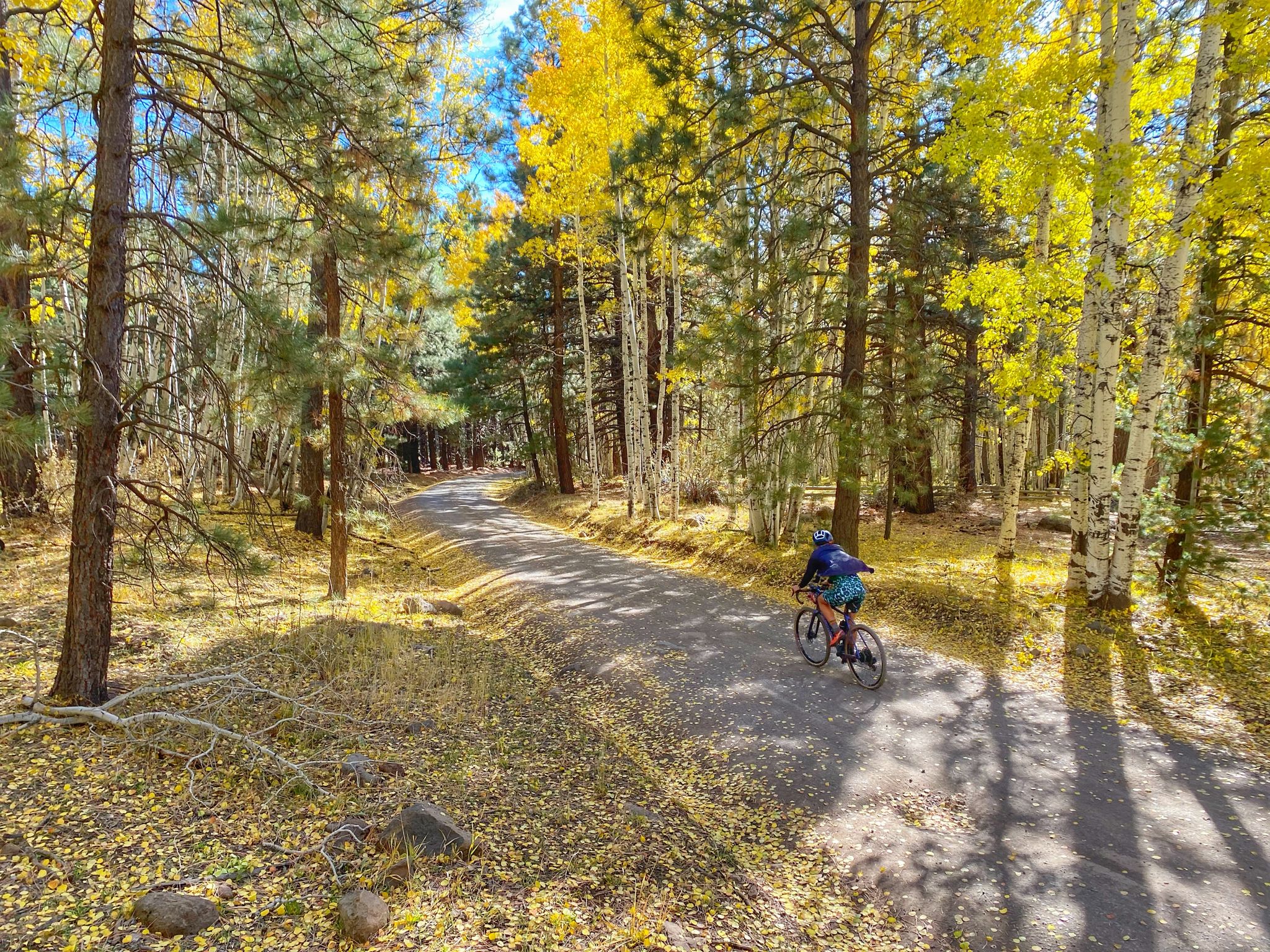
Grand Canyon to Mount Humphreys — a run, bike, run adventure
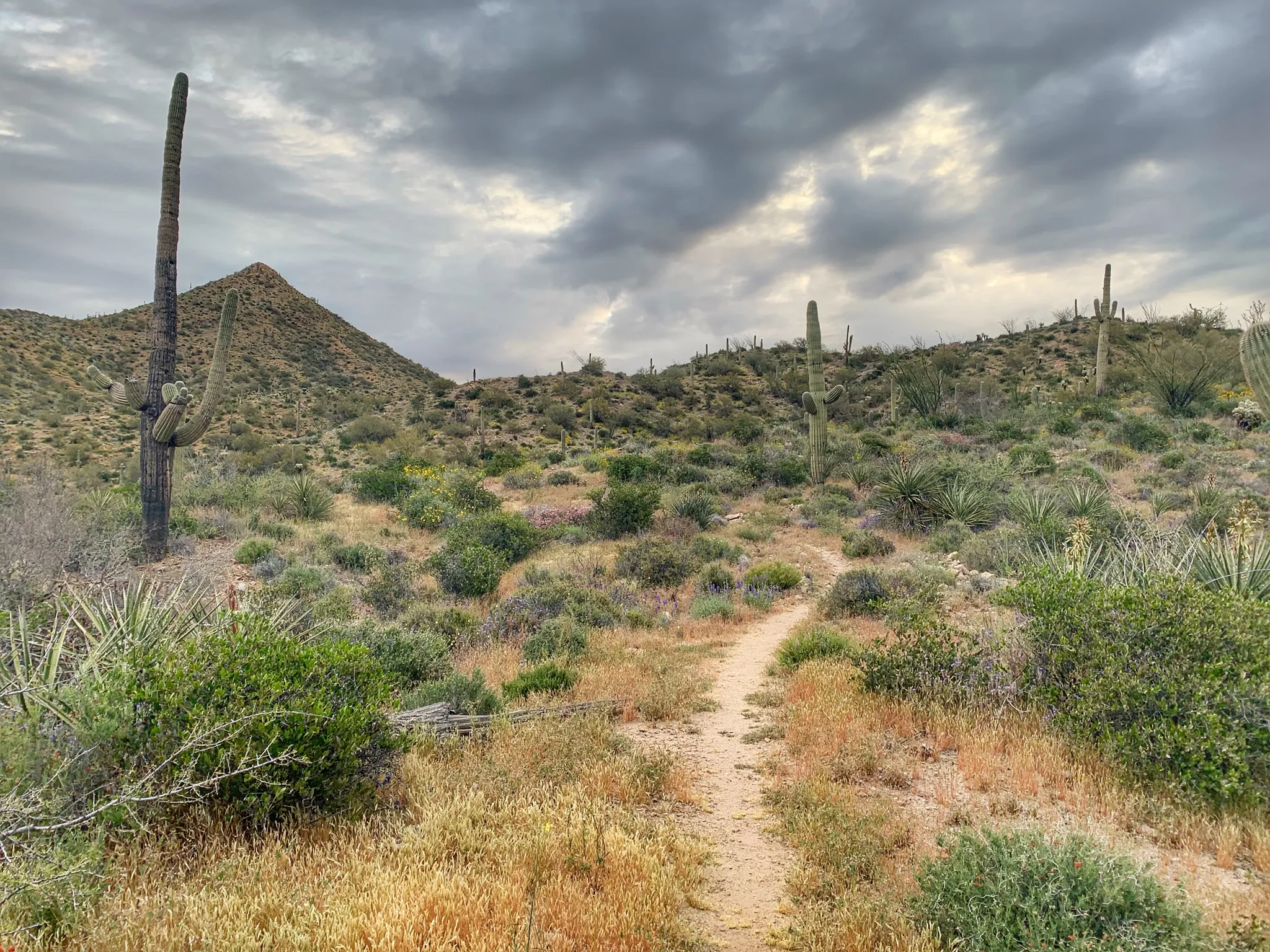
Arizona Trail — A beautiful 800-mile struggle
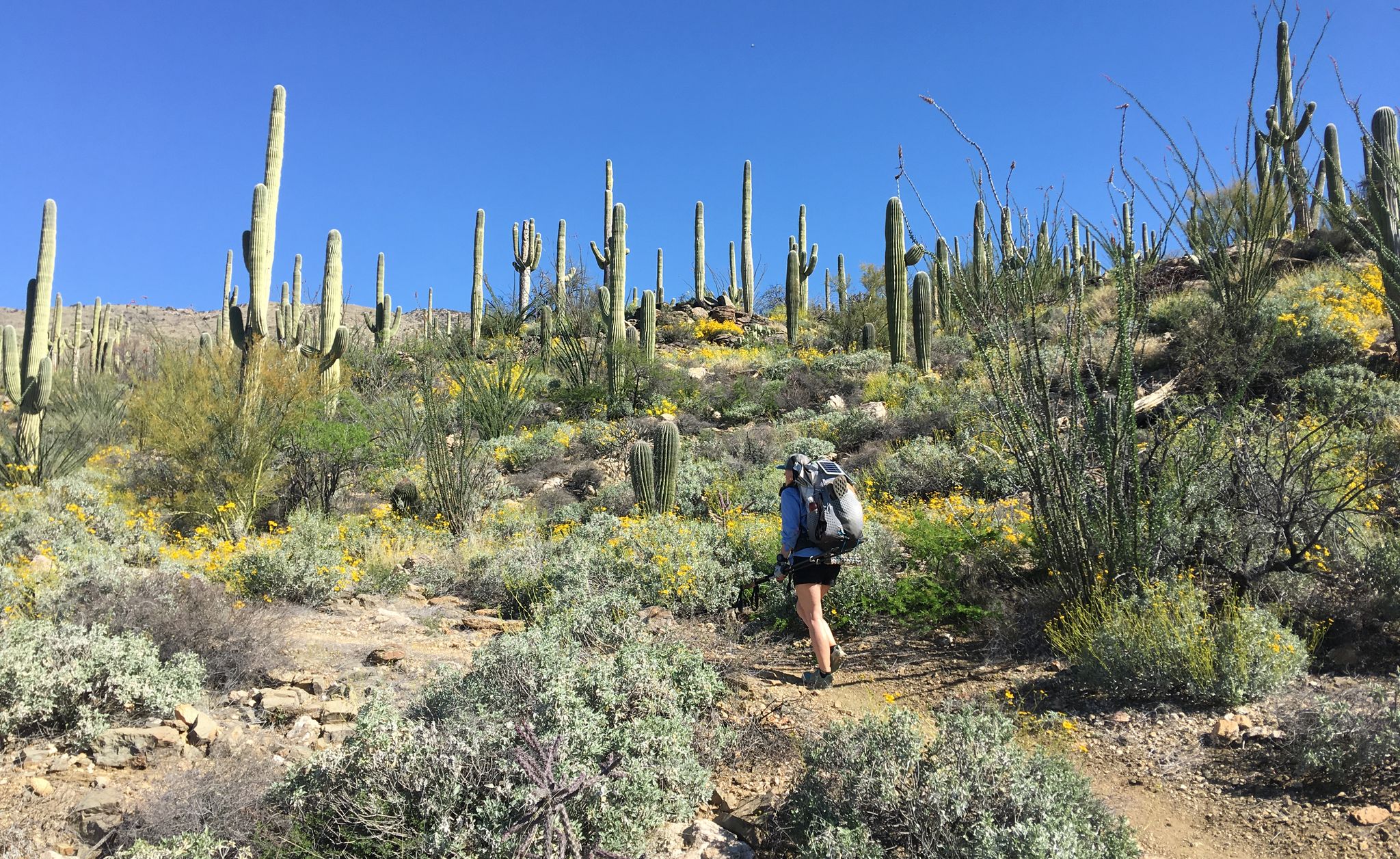
The Arizona Trail — From Mexico to Utah in 43 days
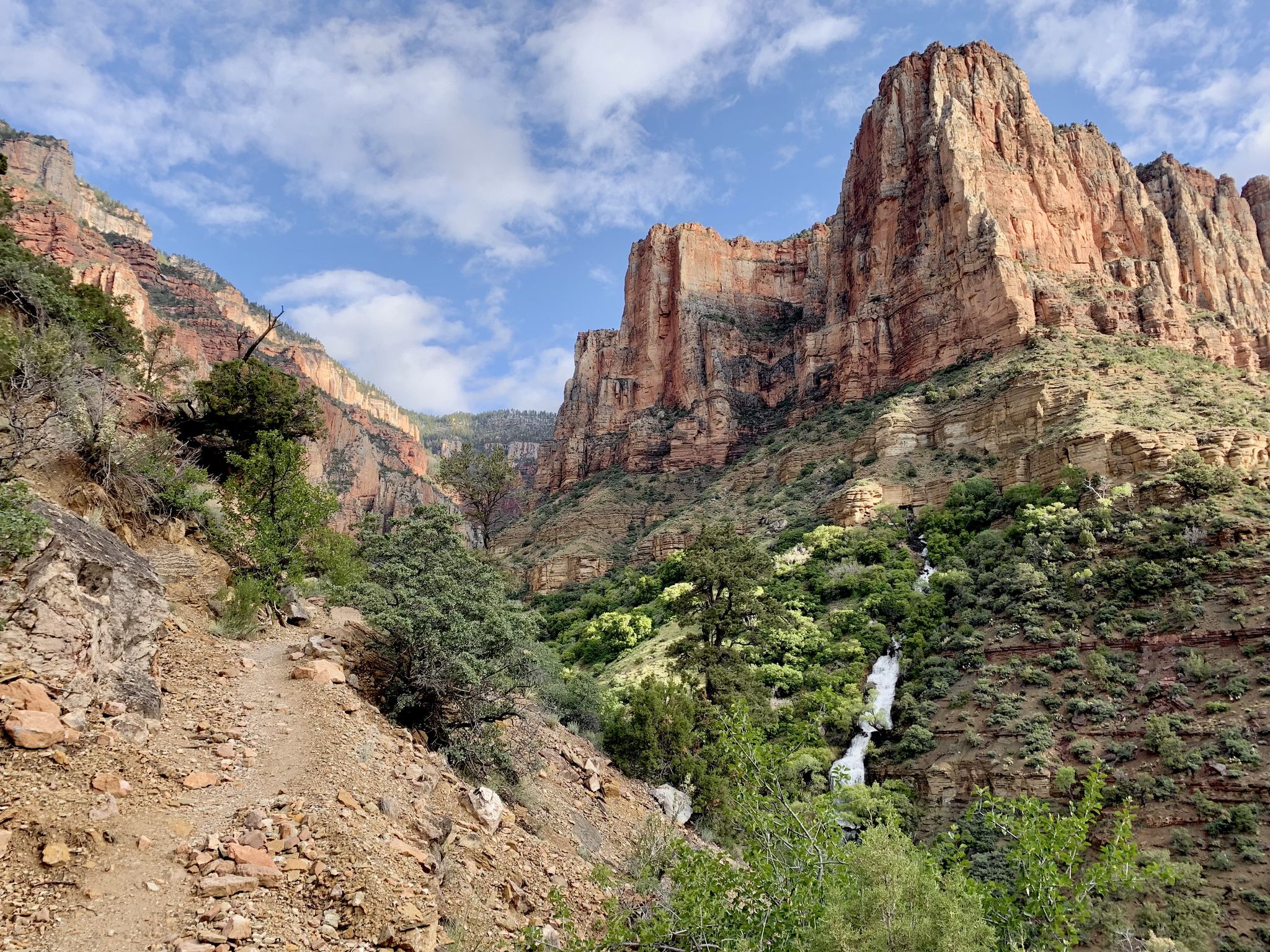
Rim-to-Rim-to-Rim – top to bottom through the Grand Canyon
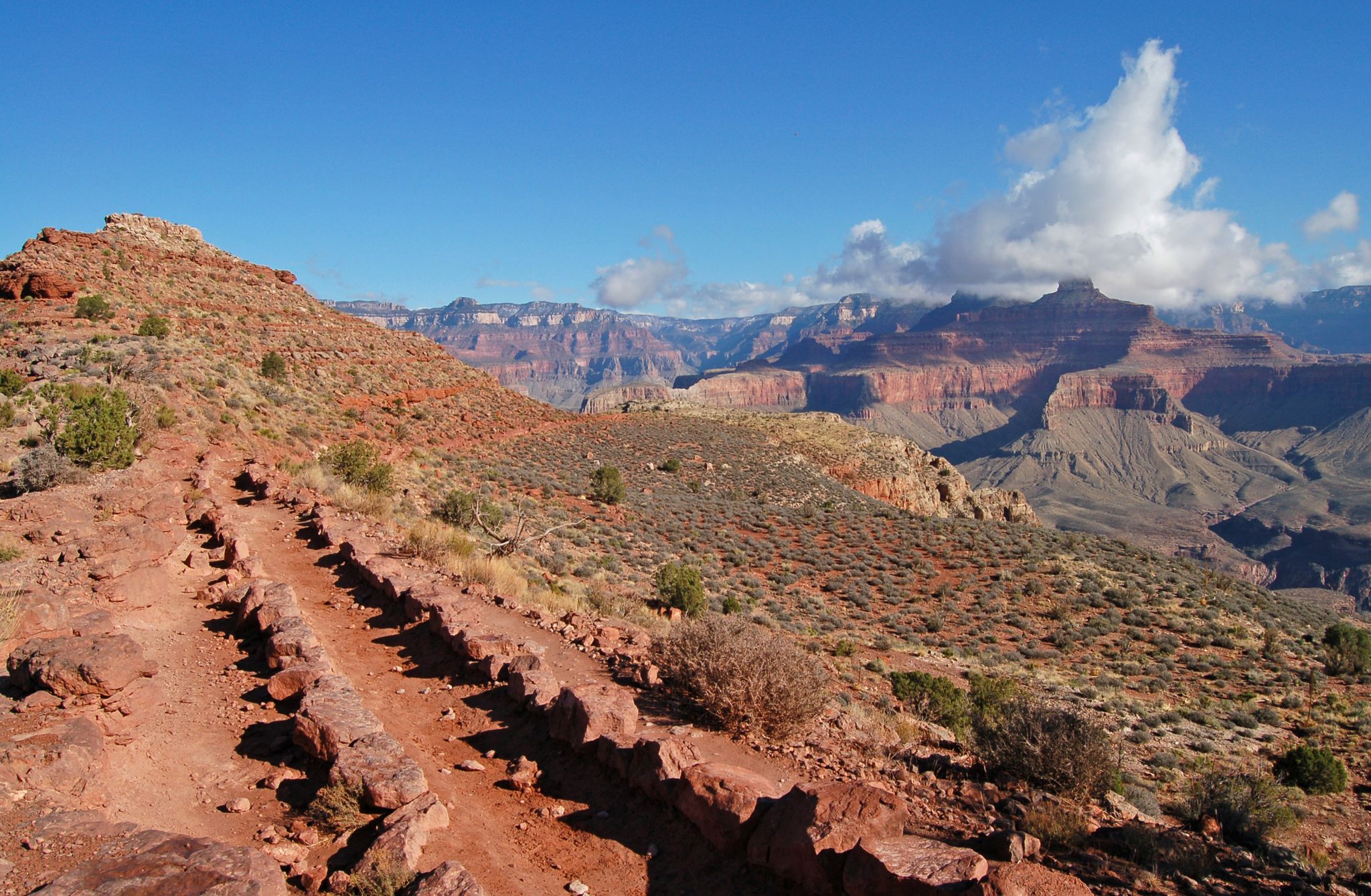
Rim-to-Rim-to-Rim — Fastpacking into the Grand Canyon’s heart
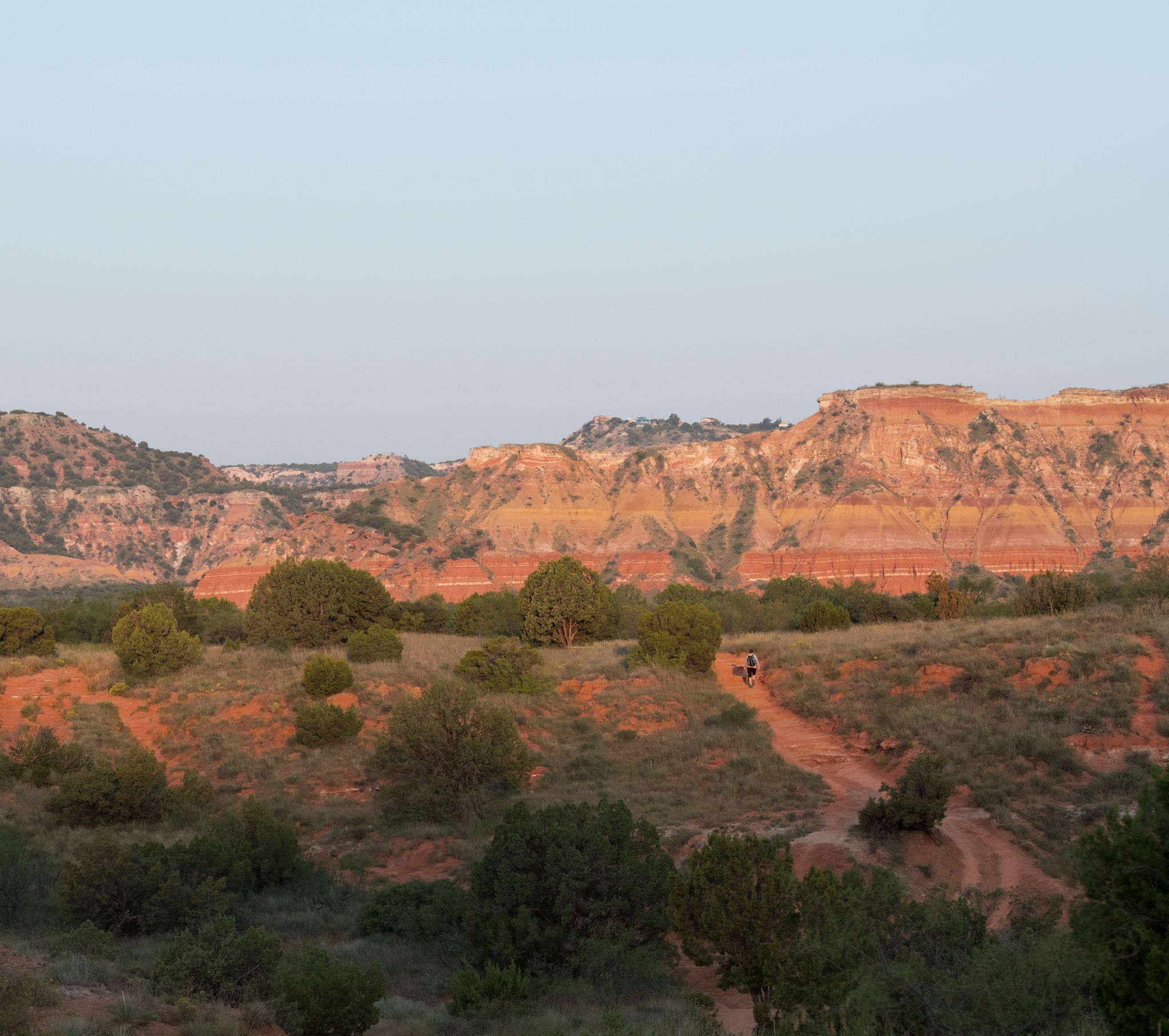
Historic Route 66 – curiosities, selfie spots and diners
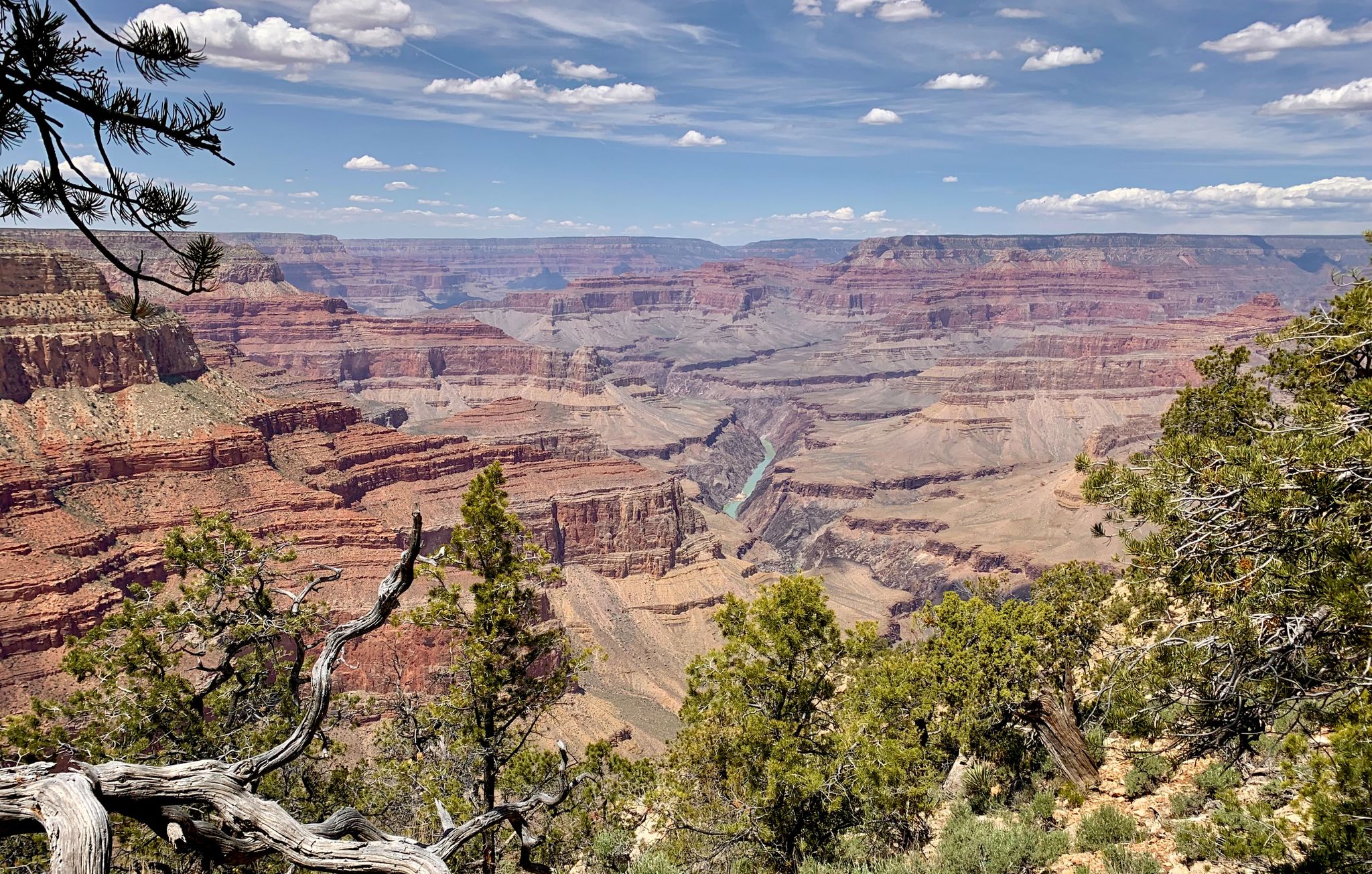
Arizona to Colorado – national parks and Native American culture
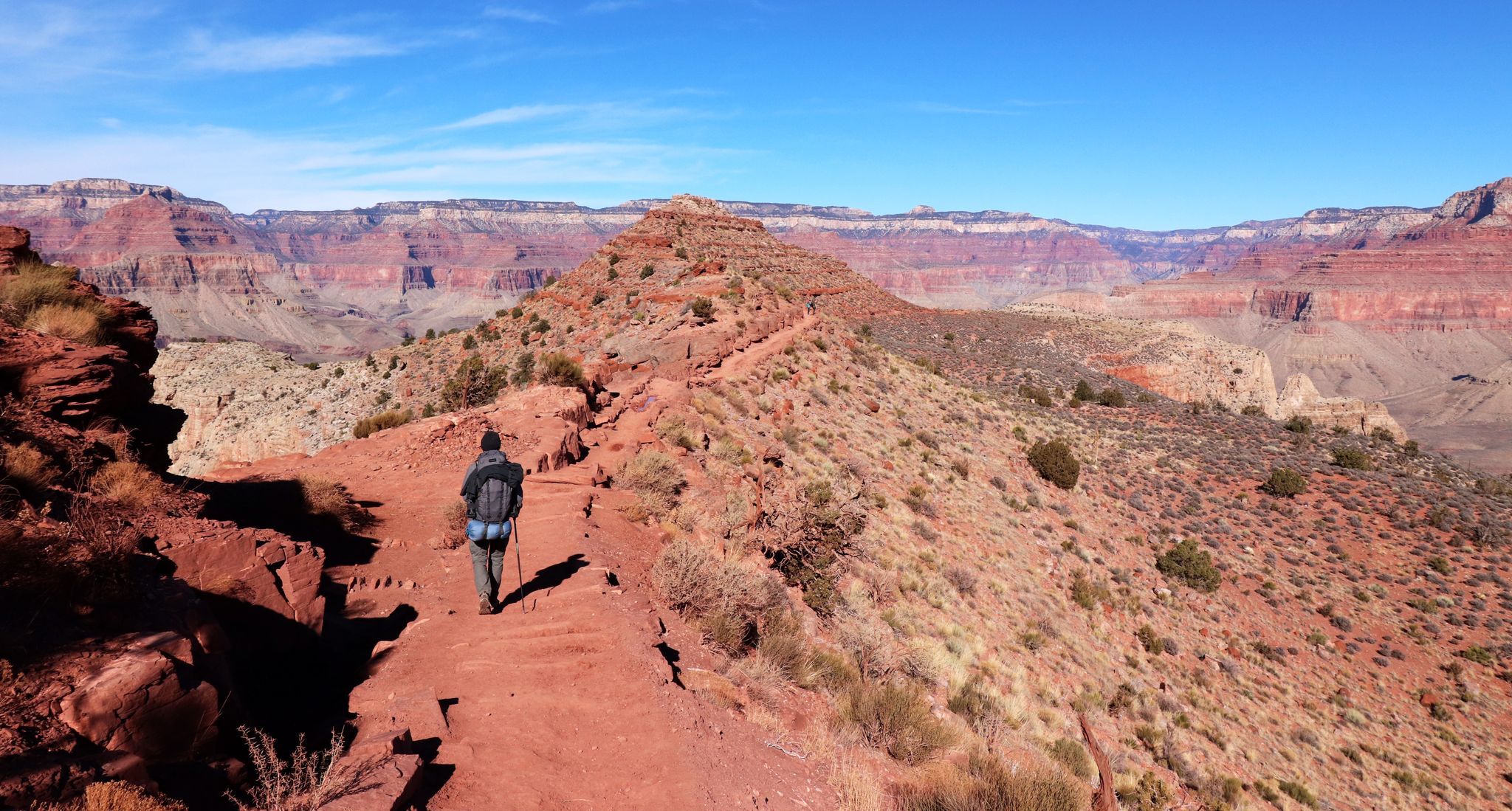
An unforgettable winter hike through the Grand Canyon
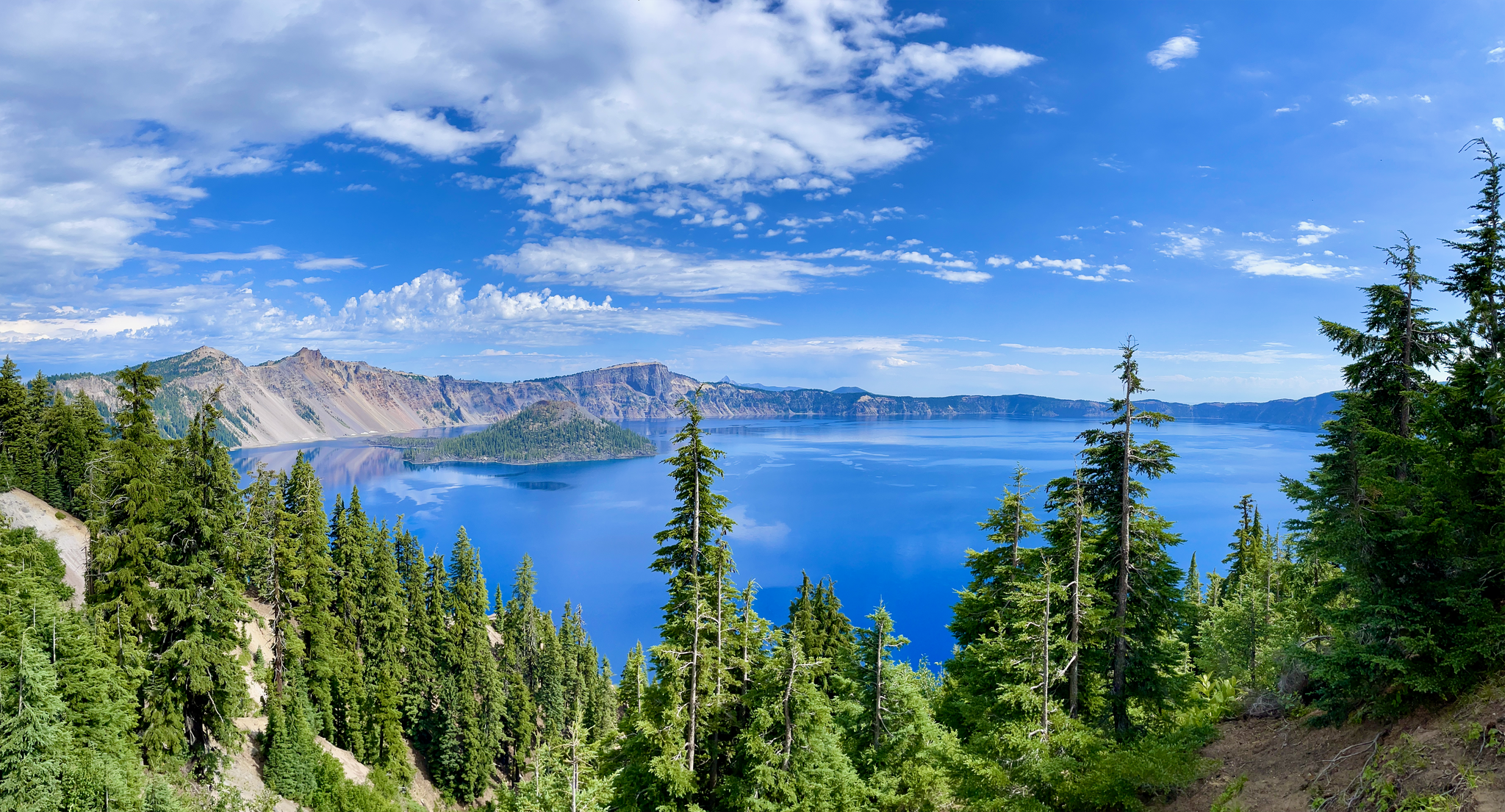
The pristine beauty of the US National Parks
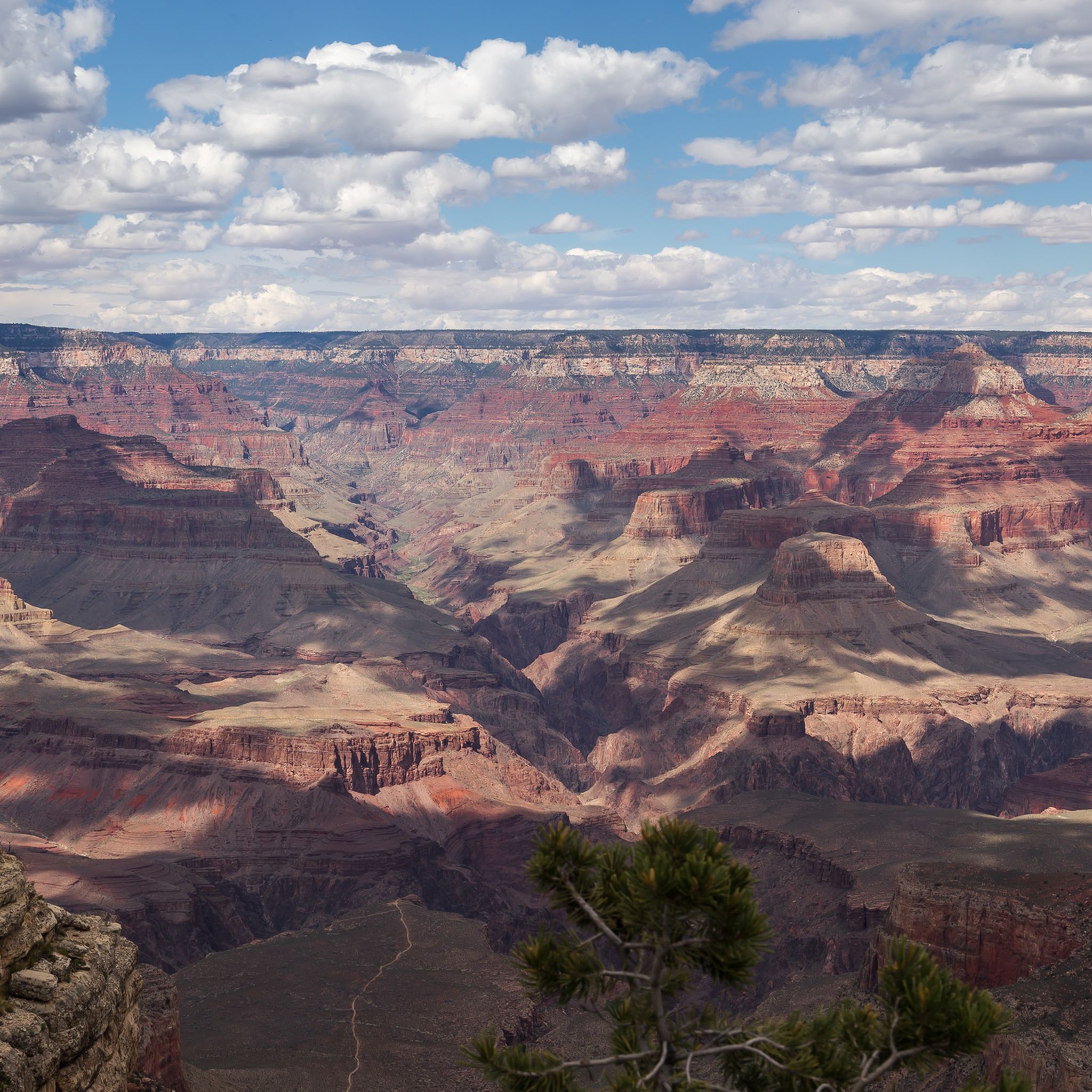
Hiking in Grand Canyon National Park
Other adventures in Grand Canyon National Park


Tips from the Community

You can only recommend walking a few meters on this path in front of this breathtaking scenery. It's worth it.
0
0

We're all here for the incredible panoramic views; the elevation gain to get here also makes this a satisfying turnaround point if you're out for a short run. There is a pit toilet here (no running water). Use with caution and consider noseplugs. Hopefully it goes without saying that heat is a serious consideration here, as is lack of water (there is none available on the ridge).
0
0

There is no parking at the trailhead for the South Kaibab Trail. If you need parking, you can leave your car at the Visitor Center, then take the Kaibab Route shuttle bus to the trailhead. The trail itself is a wonderfully well maintained dirt trail that gives you amazing views.
0
0

The Rim Trail stretches 13 miles from the South Kaibab Trailhead to Hermits Rest, offering a mostly paved, very well-defined trail. The trail is mostly flat and ideal for an easy hike. The views into the Grand Canyon are unbeatable, and there are shaded areas to take advantage of in hot weather. In winter, surfaces may be slippery or icy, so traction devices are recommended, and summer brings the risk of lightning during thunderstorms. Leashed pets are allowed on the trail but not on park shuttle buses. The trail is wheelchair accessible from Lookout Studio to the South Kaibab Trailhead, with dirt sections west of Bright Angel Lodge.
2
0

Easy to walk and around every bend there is a new, magnificent view.
1
0

Descent to the canyon. Unfortunately currently only accessible by bus.
0
3

Beautifully landscaped hiking trails and stunning views of the Grand Canyon
1
1
We walked this walk on a hot day in August but it was fantastic! The views are so beautiful that it was no problem that it was 33°C and full sun. The entire path is paved and also easy to do for the less trained walker, there are even wheelchair paths!
2
0
Frequently Asked Questions
What are some popular natural monuments to visit in Grand Canyon National Park?
Beyond the well-known highlights, visitors often seek out unique perspectives. Ooh Aah Point is renowned for its immediate, breathtaking panoramic views, accessible via the South Kaibab Trail. Another popular spot is Cedar Ridge, which offers distinct views of the canyon's rock formations and is a common turnaround point for day hikers.
Are there popular hiking trails to access natural monuments in the Grand Canyon?
Yes, two of the most popular trails that lead to significant natural monuments are the Bright Angel Trail and the South Kaibab Trail. The Bright Angel Trailhead marks the start of a path that descends deep into the canyon, offering spectacular views. Similarly, the South Kaibab Trailhead provides expansive views and access to points like Ooh Aah Point and Cedar Ridge.
What should I know about hiking the more challenging trails in the Grand Canyon?
Trails like the Bright Angel Trail and South Kaibab Trail are challenging, especially the ascent. It's crucial to carry ample water; 4 liters per person for a day tour is recommended, as temperatures inside the canyon can be much hotter than at the rim. There is no shade or water sources on the South Kaibab Trail, so plan accordingly. For multi-day hikes into the canyon, a backcountry permit is required and should be applied for four months in advance.
Which viewpoints offer the most stunning panoramic views of the Grand Canyon?
Many viewpoints along the South Rim provide incredible vistas. Ooh Aah Point is famous for eliciting strong reactions due to its expansive panorama. Other iconic locations like Mather Point, Yavapai Point, and Hopi Point are also highly regarded for their unique perspectives and are popular for photography, especially during sunrise and sunset.
Are there wheelchair-accessible natural monuments or viewpoints in Grand Canyon National Park?
Yes, the Rim Trail is largely wheelchair accessible. Specifically, the section from Lookout Studio to the South Kaibab Trailhead is wheelchair-friendly, allowing a wider range of visitors to enjoy the panoramic views into the Grand Canyon. Some sections west of Bright Angel Lodge are dirt, so accessibility may vary there.
What is the best time of year to visit the natural monuments in Grand Canyon National Park?
The Grand Canyon offers unique experiences year-round. Spring and fall generally provide the most pleasant weather for hiking and exploring. Summer can be very hot, especially within the canyon, with a risk of lightning during thunderstorms. Winter brings cooler temperatures, and surfaces on trails like the Rim Trail may be slippery or icy, requiring traction devices.
Are there family-friendly natural monuments or activities in Grand Canyon National Park?
The Rim Trail is an excellent family-friendly option, being mostly flat and well-defined, with shaded areas. It's suitable for easy hikes and offers unbeatable views. Many viewpoints along the rim are also easily accessible and provide stunning sights for all ages without strenuous hiking.
What geological features make the Grand Canyon's natural monuments unique?
The Grand Canyon itself is a monumental testament to arid-land erosion, carved by the Colorado River over millions of years. Its unique geological features include vast layers of rock that reveal millions of years of Earth's history, from the red Kaibab Limestone to the deep purple Bright Angel Shale. The immense scale, vibrant colors, and intricate rock formations are unparalleled, showcasing the powerful forces that shaped this iconic landscape.
What are the parking and permit requirements for visiting natural monuments?
For trailheads like the South Kaibab Trailhead, there is no parking directly at the trailhead. Visitors must use the shuttle bus (orange line) from the Visitor Center. For multi-day hikes into the canyon, such as from the Bright Angel Trailhead, a backcountry permit is required. These permits are very popular, so it's advisable to apply four months prior to your trip.
What other outdoor activities can I do near the Grand Canyon's natural monuments?
Beyond hiking, Grand Canyon National Park offers a variety of outdoor activities. You can find numerous road cycling routes, including the 'Grand Canyon Rim Trail' and 'Grand Canyon Village to Desert View Point'. There are also running trails like the 'Bright Angel Trail' and 'South Kaibab Trail to Skeleton Point'. For mountain biking, options like the 'Rainbow Rim Trail Loop' are available. You can explore more routes in the Road Cycling, Running, and MTB guides for the region.
Are there less crowded natural monuments to visit in Grand Canyon National Park?
While popular spots can draw crowds, exploring areas further along the Rim Trail away from the main visitor centers can offer a more serene experience. Additionally, visiting during the off-season (winter) or during sunrise/sunset can often provide opportunities to experience the canyon's natural monuments with fewer people.
What are the Havasu Waterfalls and how can I visit them?
The Havasu Waterfalls are a series of stunning waterfalls with shimmering turquoise pools located in side canyons within the Grand Canyon, on the Havasupai Indian Reservation. They are renowned for their remote beauty and vibrant colors. Visiting requires a permit from the Havasupai Tribe, which are highly sought after and often booked far in advance due to their popularity and the need to protect this unique natural and cultural site.
Most popular routes in Grand Canyon National Park
Most popular attractions in Grand Canyon National Park

Get inspired with the komoot mobile app


Explore more
Extend your search for the best caves by checking out these guides of the top ones in Grand Canyon National Park:
