Top 15 Natural Monuments in Hennepin County
Natural monuments in Hennepin County, Minnesota, feature diverse landscapes shaped by the Mississippi River and numerous lakes. The region encompasses extensive park systems that preserve natural beauty and ecological significance. These areas provide varied recreational opportunities, from waterfalls to expansive forests. Hennepin County's natural features contribute to its environmental health and quality of life.
Best natural monuments in Hennepin County
- The most popular natural monument is Minnehaha Falls, a waterfall that offers sights and sounds, particularly powerful after rainfall.…
Last updated: October 11, 2026
Minnehaha Falls
Highlight • Waterfall
Tip by

Minnehaha Creek Flows into the Mississippi Rive
Highlight • River
Tip by

Sign up now to discover places like this
Get recommendations on the best single tracks, peaks, & plenty of other exciting outdoor places.
Lyndale Park Rose Garden
Highlight • Natural Monument
Tip by

Gold Medal Hill
Highlight • Viewpoint
Translated by Google •
Tip by

Sandstone Overhang
Highlight • Natural Monument
Tip by
Wolsfeld Woods Scientific and Natural Area
Highlight • Forest
Tip by
Artesian Well
Highlight • Natural Monument
Tip by
Coldwater Spring
Highlight • Natural Monument
Tip by
Eloise Butler Wildflower Garden and Bird Sanctuary
Highlight • Forest
Tip by
North Mississippi Regional Park
Highlight • River
Tip by
Sign up for free to discover even more natural monuments in Hennepin County.
Already have an account?
Start today with a free account
Your next adventure awaits.
Popular around Hennepin County



Tips from the Community

At ground level where Minnehaha Creek meets the Mississippi River, the layer of rock you see is known as the St. Peter Sandstone. This rock formation is renowned for its "dazzling white" appearance—often likened to sugar because it is nearly 99% pure quartz—yet in the Mississippi River gorge, it often appears in vivid shades of yellow, orange, and rusty red. The vivid coloration you observe is not the inherent color of the sand but rather the effect of iron oxide (limonite) staining, which occurs through two distinct steps: Leaching: Water filters down through the overlying Platteville Limestone and Glenwood Shale, both of which contain iron-rich minerals. Oxidation: This mineral-laden water permeates the porous St. Peter Sandstone. As the dissolved iron is exposed at the cliff face or ground surface, it oxidizes (effectively "rusts"), coating the originally white quartz grains and producing the yellow and orange hues.
0
0

Nice place tucked away off a church parking lot.
0
0

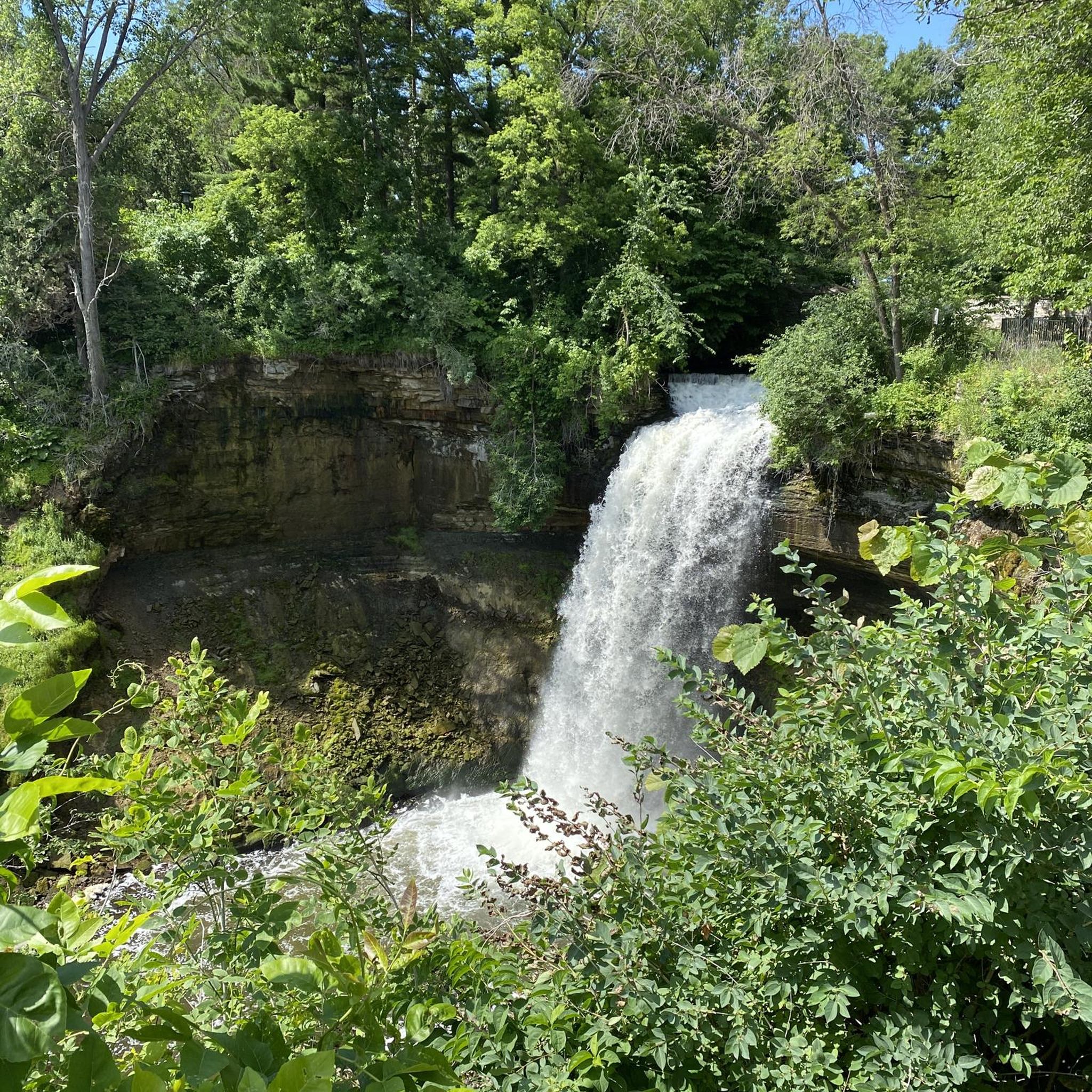
When waters run high, this 53-foot-tall waterfall turns into a thundering cataract. There are picnic tables up top, and a trail that takes you down to nice views of the falls from below. It's well worth parking your bike to spend some time here.
1
0
This is the second-oldest public rose garden in the United States, showcasing a hundred different types of roses and some 3,000 plants in all.
0
0

Wolsfeld Woods was one of Minnesota's earliest Scientific and Natural Areas, established in 1978. It boasts some of the state's largest sugar maple trees, with Wolsfeld Lake enhancing the northwest corner. Be sure to keep an eye out for the diverse wildlife that frequents this area.
0
0
This artesian well is bubbling to the surface under the pressure of the underlying aquifer. This artesian well is listed in the 2006 Minnesota Valley State Recreation Area Management Plan as a cultural resource in and near the Minnesota River valley that needs protection.
0
0

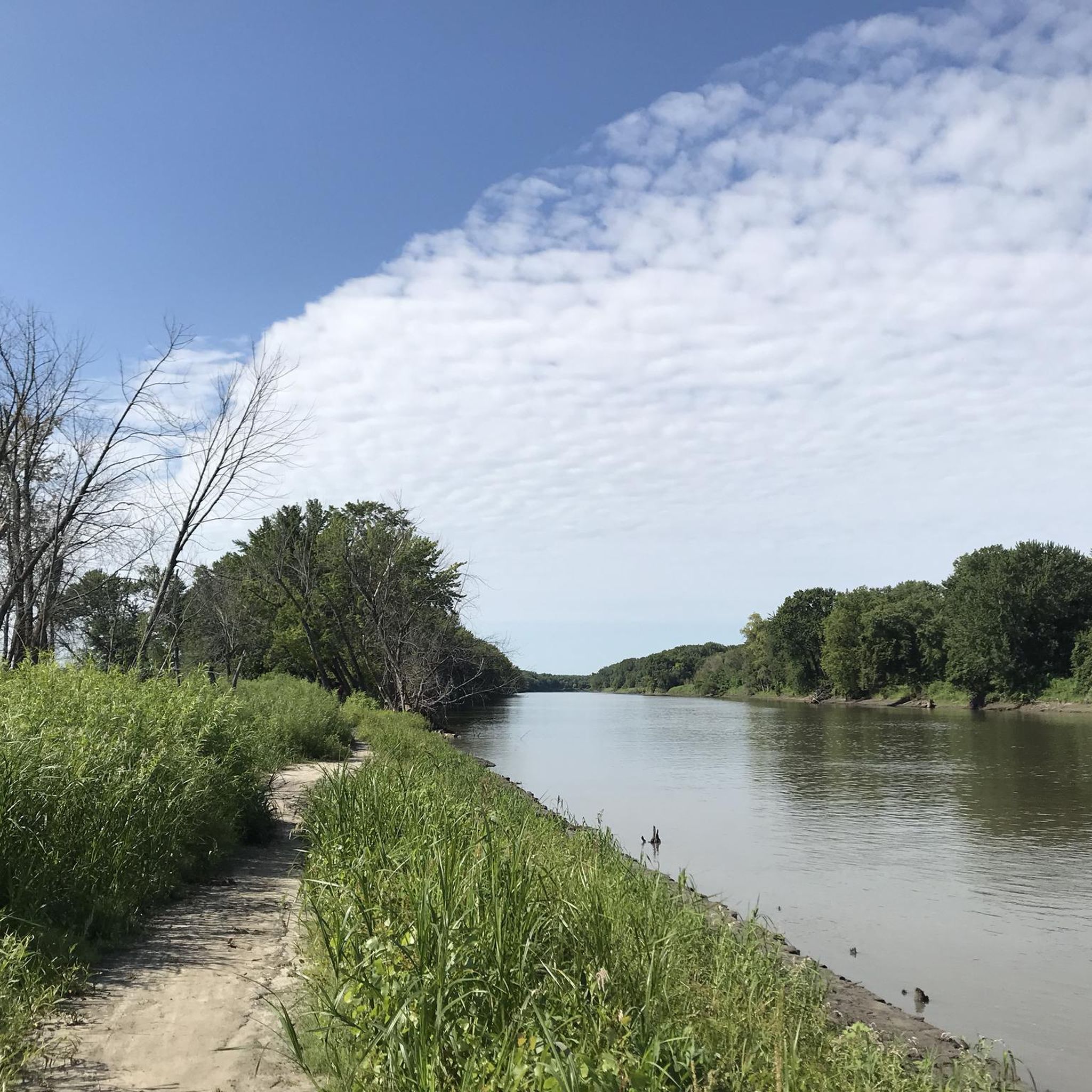
North Mississippi Regional Park is a long-reaching park along the Mississippi River. There are bike paths that travel the length of the park and offer great views of the river, bridges, islands, and dense woods. If you hop off your bike and sit by the riverside, you may just encounter some of the park's beaver population or spot some unique birds.
0
0
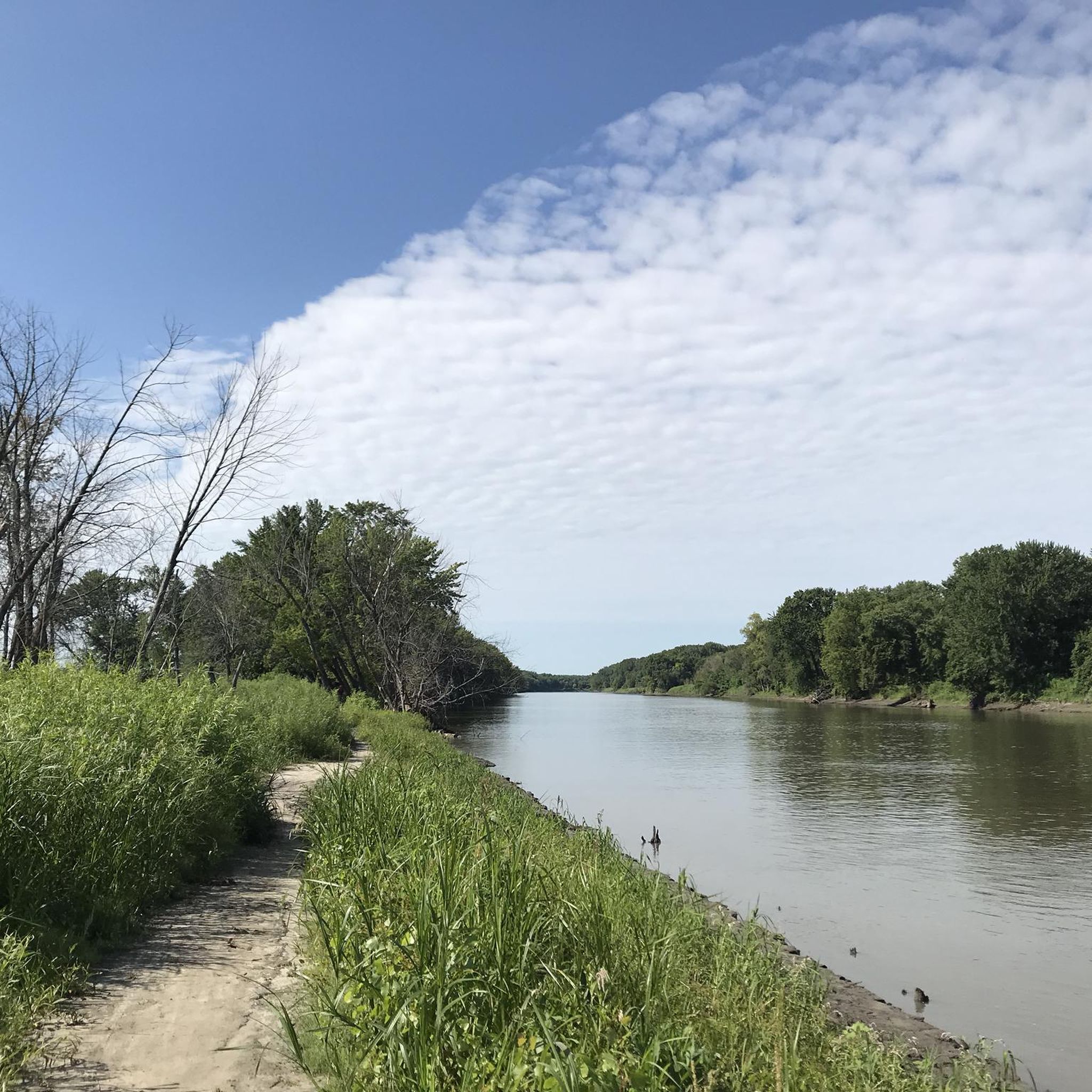
This small wooden bridge crosses the Minnehaha Creek, offering a unique viewing opportunity as it marks the point where the Minnehaha Creek meets the Mississippi River.
0
0
Frequently Asked Questions
What natural features can I explore in Hennepin County?
Hennepin County offers a diverse range of natural features. You can experience the captivating Minnehaha Falls, where a 53-foot waterfall creates a powerful display, especially after rainfall. The region also features significant rivers like the Mississippi, with spots such as Minnehaha Creek Flows into the Mississippi Rive, where the creek meets the larger river. Additionally, you can find unique geological formations like the Sandstone Overhang, and serene springs such as Artesian Well and Coldwater Spring.
Are there family-friendly natural monuments in Hennepin County?
Yes, many natural monuments in Hennepin County are suitable for families. Minnehaha Falls is a popular choice, offering easy access and scenic views. The Wolsfeld Woods Scientific and Natural Area provides a great setting for family hikes amidst large sugar maple trees. The Eloise Butler Wildflower Garden and Bird Sanctuary is another excellent option for families to explore diverse plant life and observe birds in a peaceful setting.
Where can I go for a peaceful walk or birdwatching in Hennepin County?
For a peaceful experience and excellent birdwatching opportunities, visit the Eloise Butler Wildflower Garden and Bird Sanctuary. This natural haven features picturesque ponds and marsh ecosystems, ideal for observing diverse native plants and birds. Another serene spot is North Mississippi Regional Park, which offers pleasant walking paths along the Mississippi River, enhanced with native plants to create a welcoming bird habitat.
What are some unique natural areas to visit in Hennepin County?
Beyond the well-known spots, Hennepin County features several unique natural areas. The Wolsfeld Woods Scientific and Natural Area is one of Minnesota's earliest SNAs, boasting some of the state's largest sugar maple trees. Another distinctive site is the Quaking Bog, offering a unique ecological experience within a forest setting.
Are there any natural monuments that are wheelchair accessible?
Yes, the Lyndale Park Rose Garden is noted as wheelchair accessible. This beautiful garden, the second-oldest public rose garden in the United States, allows visitors to enjoy hundreds of rose types and thousands of plants.
What outdoor activities can I do near these natural monuments?
Hennepin County offers a wide range of outdoor activities near its natural monuments. You can find numerous hiking opportunities, including routes like the Minnehaha Falls Loop or the longer Mississippi River Trail Loop. For cycling, explore trails such as the Rush Creek Regional Trail or the Mississippi, Rush Creek & Shingle Creek Trails Loop. You can find more details on these activities and routes in the Waterfall hikes in Hennepin County, Hiking in Hennepin County, and Cycling in Hennepin County guides.
Are there specific parks known for their natural beauty in Hennepin County?
Beyond individual monuments, Hennepin County is home to expansive park systems renowned for their natural beauty. Minnehaha Regional Park, which includes Minnehaha Falls, offers a blend of natural beauty and recreational amenities. The Minneapolis Chain of Lakes, including Lake Harriet and Lake Nokomis, are popular for their picturesque settings. Elm Creek Park Reserve, one of the largest parks, provides diverse landscapes for various outdoor activities.
When is the best time to visit the natural monuments in Hennepin County?
The best time to visit depends on your interests. Spring brings vibrant wildflowers to areas like the Eloise Butler Wildflower Garden and Bird Sanctuary and Wolsfeld Woods. Summer is ideal for enjoying the lakes and waterfalls, with Minnehaha Falls being particularly powerful after rainfall. Fall offers stunning foliage, especially in wooded areas like Wolsfeld Woods. Even winter provides opportunities for cross-country skiing and snowshoeing in larger reserves like Elm Creek Park.
Can I bring my dog to natural monuments in Hennepin County?
Many parks and natural areas in Hennepin County are dog-friendly, often requiring dogs to be on a leash. For example, North Mississippi Regional Park is noted as dog-friendly, offering paths along the river. Always check specific park regulations before visiting, as rules can vary.
What historical significance do some natural monuments in Hennepin County hold?
Some natural monuments in Hennepin County also have historical significance. Coldwater Spring is recognized as a historical site. The Mississippi National River and Recreation Area, which encompasses attractions like Minnehaha Falls, preserves not only natural but also historical resources along its 72-mile corridor.
Are there opportunities for mountain biking near natural monuments?
Yes, for mountain biking enthusiasts, Elm Creek Park Reserve, one of the largest parks in Hennepin County, offers a challenging 12-mile mountain biking trail. This provides a robust option for those looking for more adventurous cycling near the region's natural landscapes.
Most popular routes in Hennepin County
Most popular attractions in Hennepin County

Get inspired with the komoot mobile app


Didn’t find what you were looking for?
Find even more amazing natural monuments in Hennepin County by checking out the top Highlights region by region:
Explore more
Extend your search for the best caves by checking out these guides of the top ones in Hennepin County:
