Top 13 Natural Monuments in New York County
Best natural monuments in New York County are primarily shaped by ancient geological forces and glacial activity. New York County, synonymous with Manhattan, features bedrock formed over a billion years ago and landscapes sculpted by colossal glaciers. These sites offer insights into the island's deep geological past.
Best natural monuments in New York County
- The most popular natural monument is Central Park — 5th Avenue & 59th Street Entrance, a forest that is a city park in central Manhattan.…
Last updated: October 11, 2026
National September 11 Memorial & Museum
Highlight • Monument
At first …
Translated by Google •
Tip by

The High Line
Highlight (Segment) • Trail
Translated by Google •
Tip by

Sign up now to discover places like this
Get recommendations on the best single tracks, peaks, & plenty of other exciting outdoor places.
Central Park — 5th Avenue & 59th Street Entrance
Highlight • Forest
Translated by Google •
Tip by

Jacqueline Kennedy Onassis Reservoir East Side
Highlight • Lake
Translated by Google •
Tip by

Little Island at Pier 55
Highlight • Structure
Translated by Google •
Tip by

Columbus Circle
Highlight • Monument
Translated by Google •
Tip by

North Woods
Highlight • Waterfall
Tip by

Small Hill with Stones
Highlight • Viewpoint
Translated by Google •
Tip by

Jacqueline Kennedy Onassis Reservoir South Side
Highlight • Viewpoint
Translated by Google •
Tip by

Central Park Model Boat Sailing
Highlight • Monument
centralparknyc.org/locations/alice-in-wonderland
Tip by

Sign up for free to discover even more natural monuments in New York County.
Already have an account?
Start today with a free account
Your next adventure awaits.
Popular around New York County
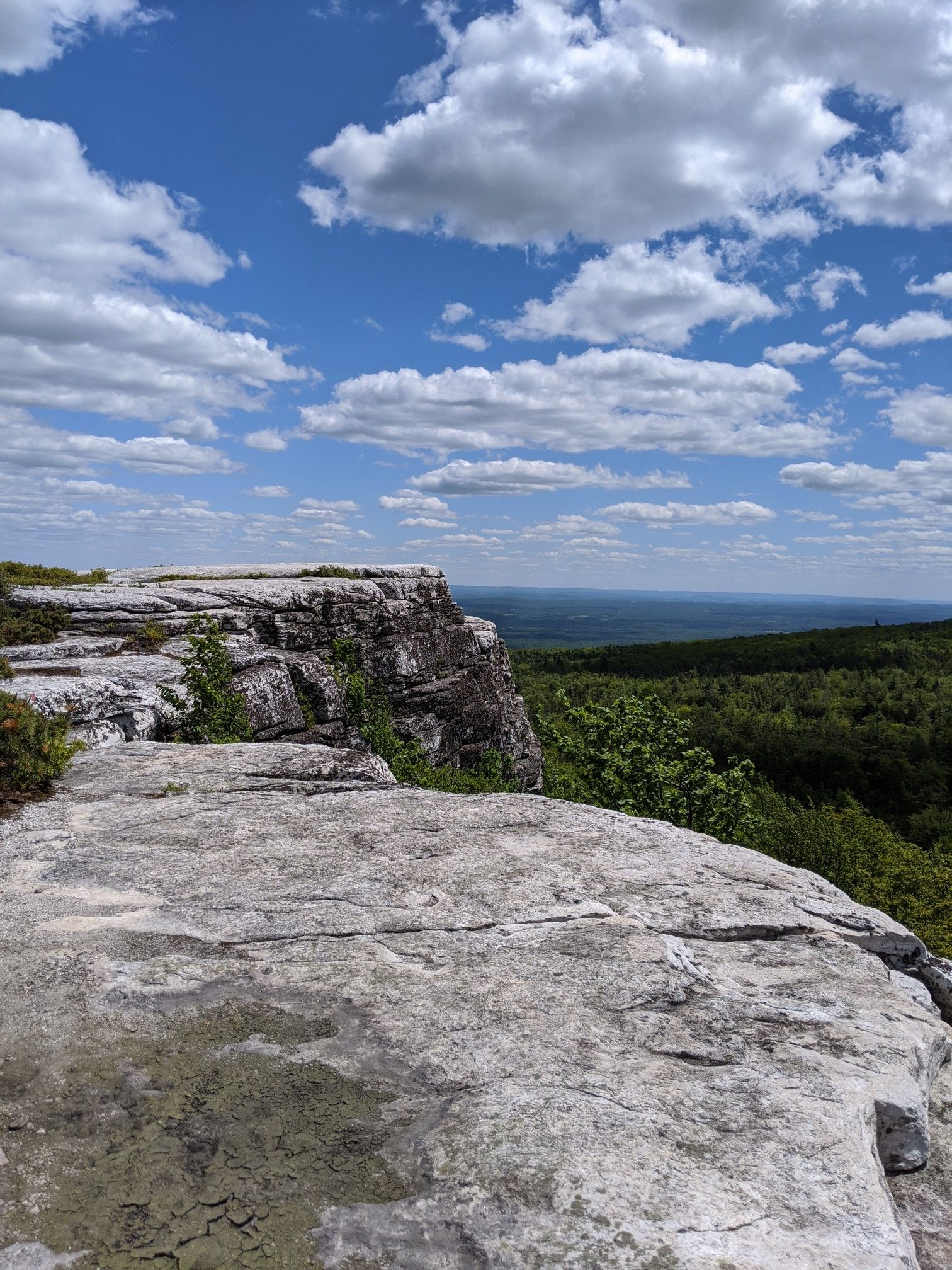
Long Path — A walk through wild New York

On the trail of the Pilgrim Fathers – road trip along the Atlantic coast
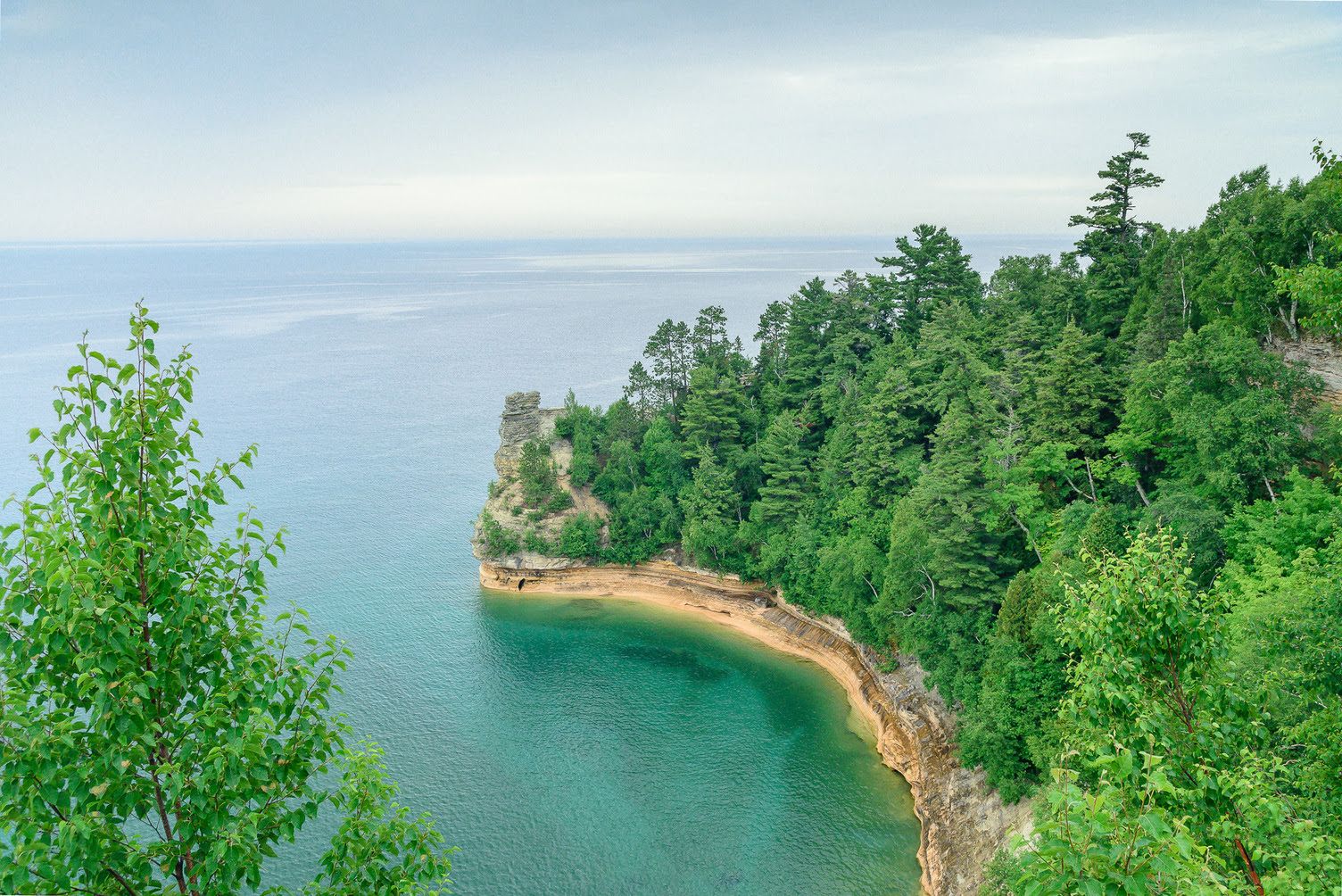
Great North Music Tour – hiking in the footsteps of music legends
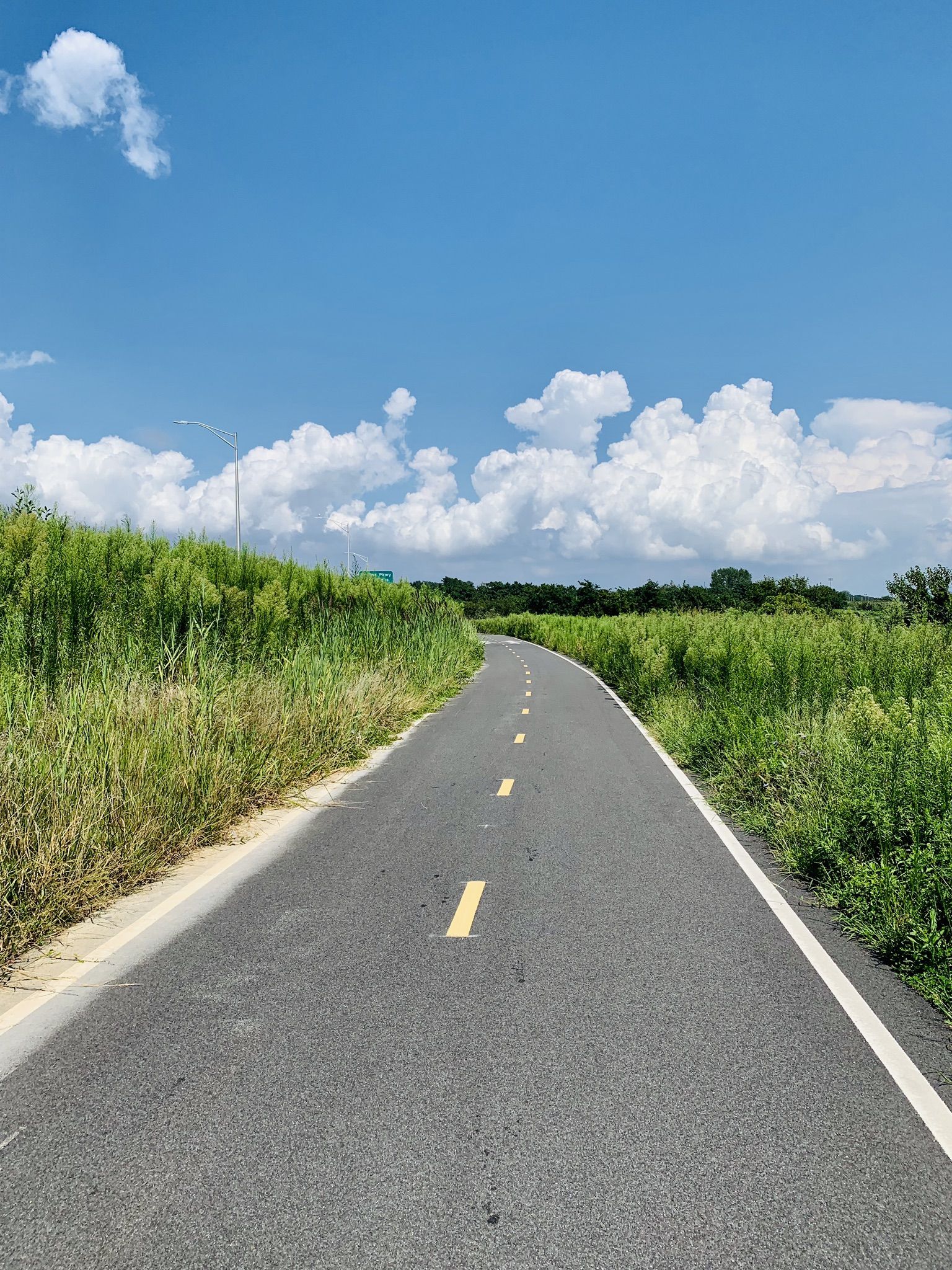
From Manhattan to Long Island – The best road rides around the Big Apple
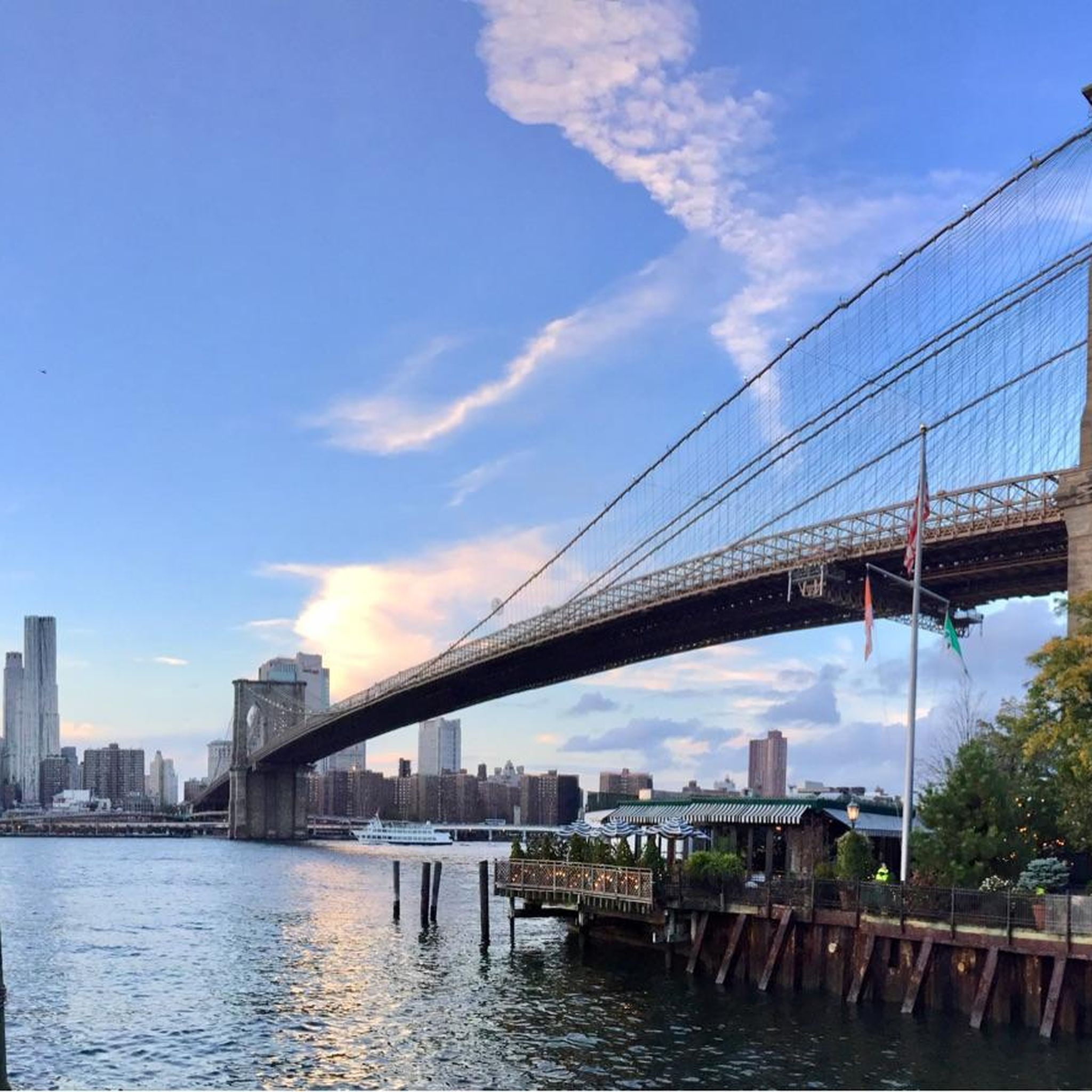
Hiking in New York County
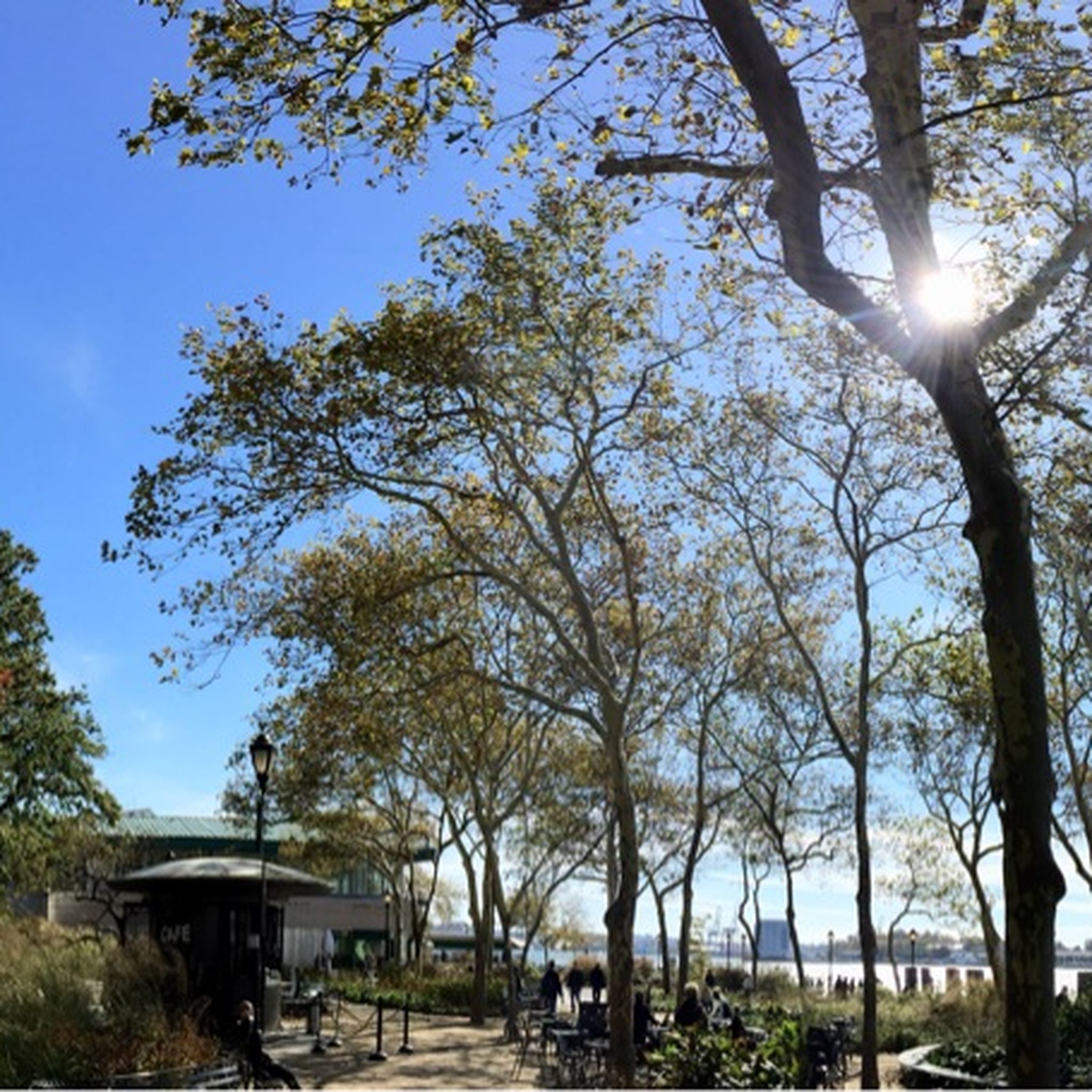
Cycling in New York County
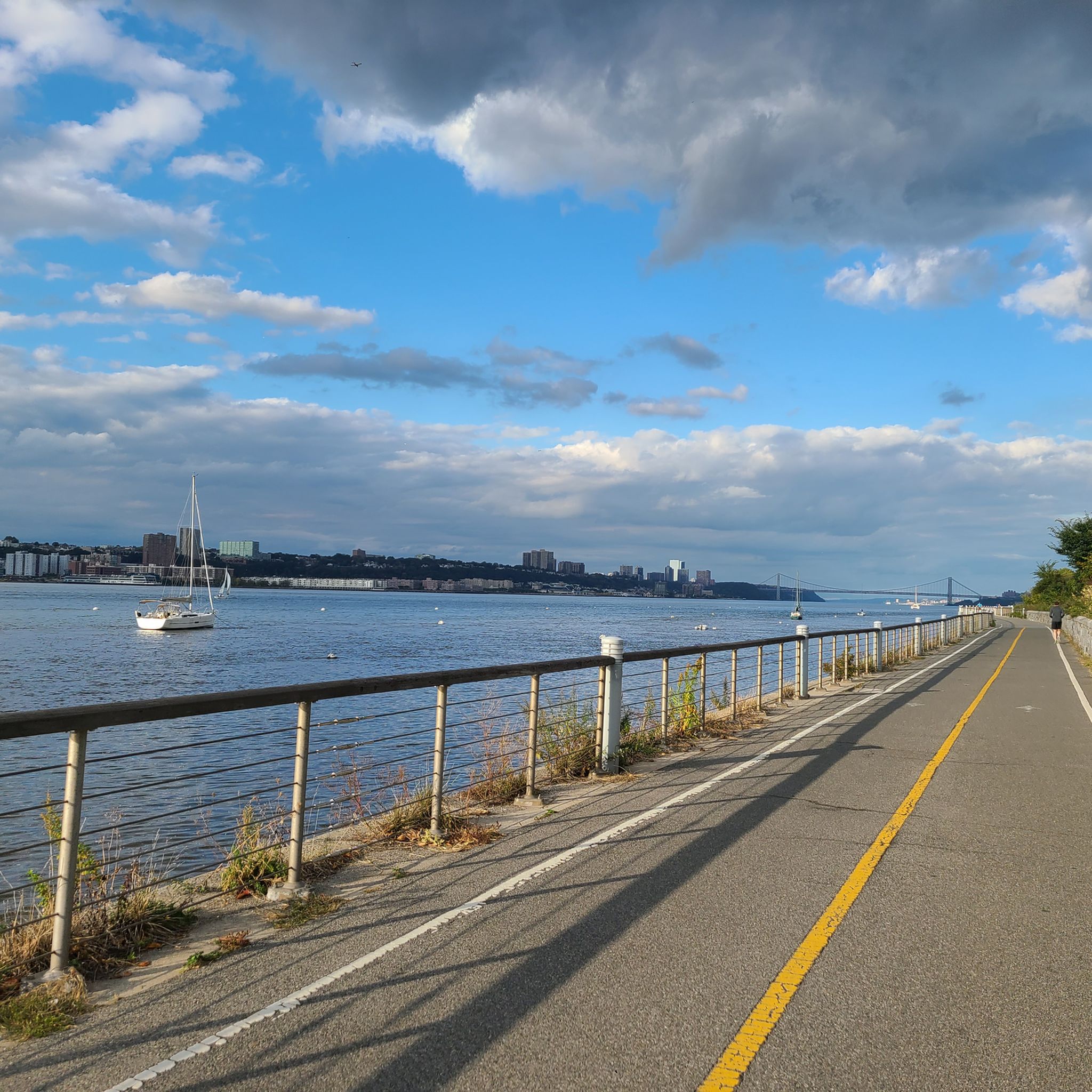
Road Cycling Routes in New York County
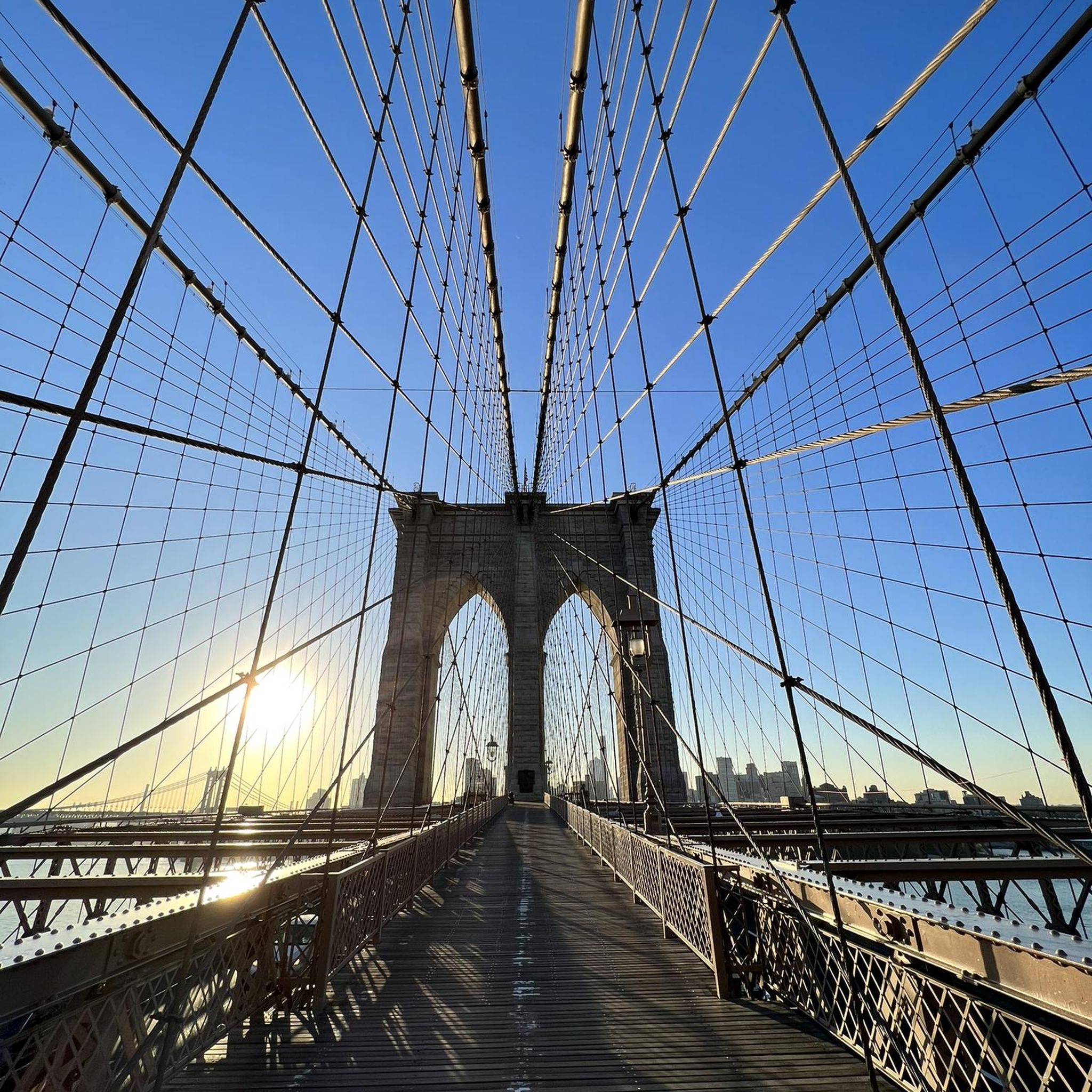
Running Trails in New York County
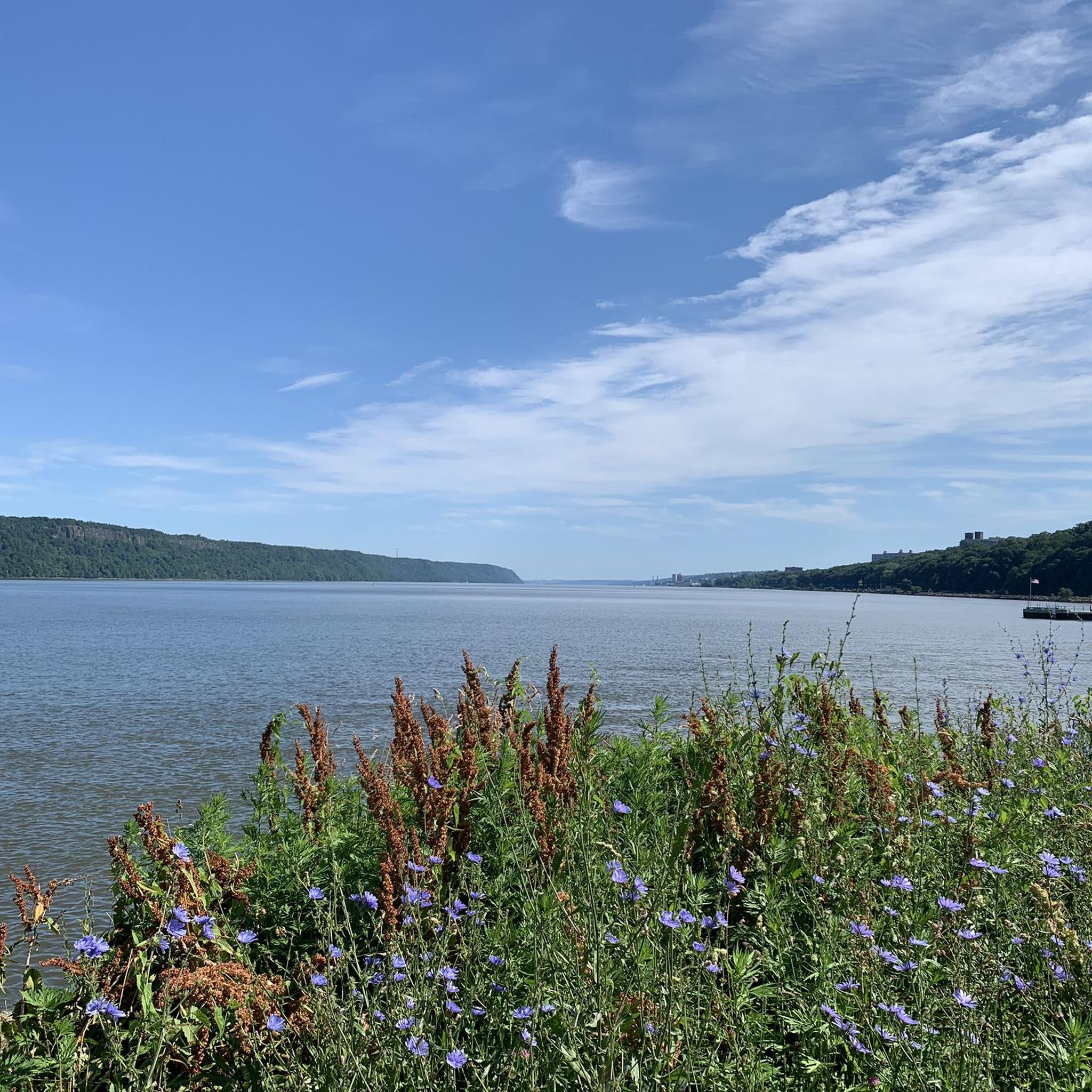
MTB Trails in New York County

Gravel biking in New York County
Other adventures in New York County


Tips from the Community

The rock is approximately in the center of Central Park. It is one of the highest points with 40 m height. It offers a very good viewpoint.
0
0

Vista Rock is a prominent rock in Central Park in New York City. It is the second-highest natural point in the park (approximately 40 meters above sea level) and offers beautiful views of Turtle Pond, the Delacorte Theater (home of Shakespeare in the Park performances), and the famous Belvedere Castle, built directly atop Vista Rock.
2
0

A sculpture by José de Creeft.
0
0

Alice in Wonderland sculpture, very worth seeing.
0
0

The Jacqueline Kennedy Onassis Reservoir, also known as Central Park Reservoir, is a large lake in Central Park. Despite being in the center of Manhattan, sitting on the side of the reservoir is one of the most peaceful places you could be in the city.
1
0

Most amazing park I've ever visited🥰🇺🇸👌
0
0
Most amazing park I've ever visited🥰🇺🇸👌
2
0
Beautifully landscaped, oasis of greenery and tranquility
0
0
Frequently Asked Questions
What unique geological features can I explore in New York County?
New York County, particularly Manhattan, showcases a fascinating geological history. You can observe ancient Manhattan Schist outcroppings in parks like Central Park, Morningside Park, and Inwood Hill Park, which are metamorphic rocks formed over 450 million years ago. In areas like Isham Park and Inwood Hill Park, you might find Inwood Marble, a distinct layer of rock from ancient marine sediments. The region also features Glacial Erratics, large boulders deposited by glaciers, especially visible in Central Park, and ancient fault lines like the 125th Street Fault that shaped the topography.
Are there family-friendly natural monuments in New York County?
Yes, many natural monuments in New York County are family-friendly. Central Park, with its vast green spaces, lakes like the Jacqueline Kennedy Onassis Reservoir East Side, and wooded areas like the North Woods, offers numerous opportunities for families to explore. Other highlights like The High Line and Little Island at Pier 55 are also popular with families, providing unique urban natural experiences.
What outdoor activities can I do near these natural monuments?
New York County offers a variety of outdoor activities near its natural monuments. You can enjoy hiking on trails like the Central Park Loop or the Hudson River Greenway. For cycling, routes such as the Manhattan Waterfront Greenway and Central Park Loop are popular. Many of these routes are detailed in guides like Hiking in New York County and Cycling in New York County.
How can I access natural monuments in New York County by public transport?
Given that New York County is synonymous with Manhattan, most natural monuments are highly accessible via the city's extensive public transportation system. Subway and bus lines serve areas around Central Park, Inwood Hill Park, and other green spaces. For specific directions, it's best to consult a local transit map or app for the monument you plan to visit.
What is the best time to visit natural monuments in New York County?
The best time to visit natural monuments in New York County largely depends on your preference. Spring (April-May) and Fall (September-October) offer pleasant temperatures and beautiful foliage, making them ideal for exploring parks like Central Park and Inwood Hill Park. Summer (June-August) is vibrant but can be hot and crowded. Winter (November-March) offers a unique, quieter experience, especially after a fresh snowfall, though some facilities might have reduced hours.
Are natural monuments in New York County dog-friendly?
Many parks and natural areas in New York County are dog-friendly, though specific rules vary by location. Central Park, for example, allows dogs off-leash in designated areas during certain hours. It's always recommended to check the specific regulations for each park or natural monument you plan to visit to ensure a pleasant experience for you and your dog.
Which natural monuments are easily accessible or suitable for a relaxed visit?
For a relaxed visit, Central Park offers numerous easy paths and scenic spots like the Jacqueline Kennedy Onassis Reservoir East Side. The High Line is another excellent choice, providing an elevated, accessible walk through urban nature. Little Island at Pier 55 is also designed for easy strolling and offers beautiful views.
What historical context do these natural monuments provide?
The natural monuments in New York County offer a profound historical context, showcasing geological processes that span over a billion years. The Manhattan Schist outcroppings tell a story of ancient continental collisions, while Glacial Erratics are tangible evidence of the last ice age's immense power. Even the ancient fault lines reveal the tectonic forces that shaped the island's topography, influencing where valleys and parks formed.
Are there wheelchair-accessible natural monuments in New York County?
Yes, several natural monuments and related attractions in New York County offer wheelchair accessibility. The High Line is fully wheelchair accessible, providing ramps and elevators. Little Island at Pier 55 is also designed with accessibility in mind. Many paved paths within Central Park are also suitable for wheelchairs.
What should I bring when visiting natural monuments in New York County?
When visiting natural monuments in New York County, especially for longer walks or hikes, it's advisable to bring comfortable walking shoes, water, and weather-appropriate clothing. Sunscreen and a hat are recommended during sunny days. For those interested in geology or wildlife, binoculars and a field guide can enhance your experience. Don't forget your camera to capture the unique urban nature.
What do visitors enjoy most about New York County's natural monuments?
Visitors frequently express awe at the existence of such significant natural beauty within a bustling metropolis. The ability to walk above the city on The High Line, the sheer scale and tranquility of Central Park, and the unique architectural and natural blend of Little Island at Pier 55 are often highlighted. The geological features, like the schist outcroppings, also provide a fascinating contrast to the modern cityscape.
Are there amenities like cafes or restrooms near these natural monuments?
Yes, due to their urban location, many natural monuments in New York County are well-equipped with amenities. Central Park has numerous restrooms, cafes, and food vendors. Areas around Columbus Circle and Little Island at Pier 55 also offer various dining and restroom options. It's always a good idea to check specific park maps for the exact locations of facilities.
Most popular routes in New York County
Most popular attractions in New York County

Get inspired with the komoot mobile app


Explore more
Extend your search for the best caves by checking out these guides of the top ones in New York County:
