Top 5 Natural Monuments in Trinity County
Natural monuments in Trinity County, California, offer a rugged and heavily forested landscape for outdoor exploration. This region is characterized by towering granite peaks, expansive wilderness areas, and dynamic waterways. Visitors can experience diverse natural features, from alpine lakes to geological formations, showcasing the area's preserved wild beauty. The county provides varied opportunities for hiking, water sports, and experiencing pristine natural environments.
Best natural monuments in Trinity County
- The most popular natural monuments is Trinity Alps Wilderness, an other…
Last updated: October 11, 2026
Trinity Alps Wilderness
Highlight • Natural
Tip by

Granite Lake
Highlight • Lake
Tip by

Sign up now to discover places like this
Get recommendations on the best single tracks, peaks, & plenty of other exciting outdoor places.
Picayune Spring
Highlight • Natural Monument
Tip by
Diamond Lake
Highlight • Lake
Tip by
Red Rock Spring
Highlight • Natural Monument
Tip by
Start today with a free account
Your next adventure awaits.
Popular around Trinity County
Other adventures in Trinity County

Tips from the Community

This is the smallest of the alpine lakes on the Four Lakes Loop. From here you get views of the upper Stuart Fork Valley toward Morris Meadow.
0
0
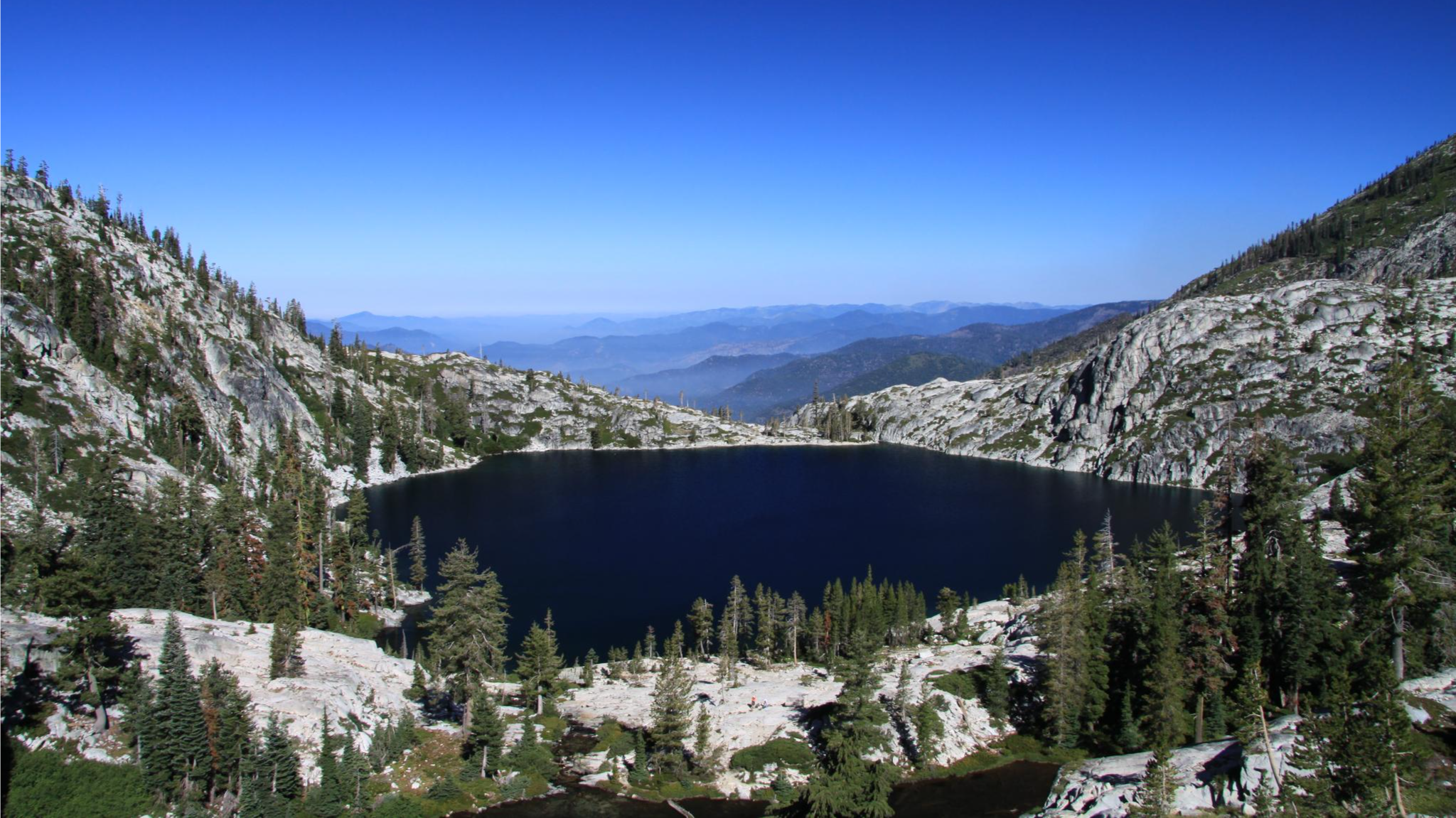
Granite Lake sits in a basin formed by the tall shoulders of Gibson Peak, which rises up to 8400 feet. There is a wide, flat chunk of bedrock near the trail which makes for the perfect picnic spot on the water's edge.
0
0

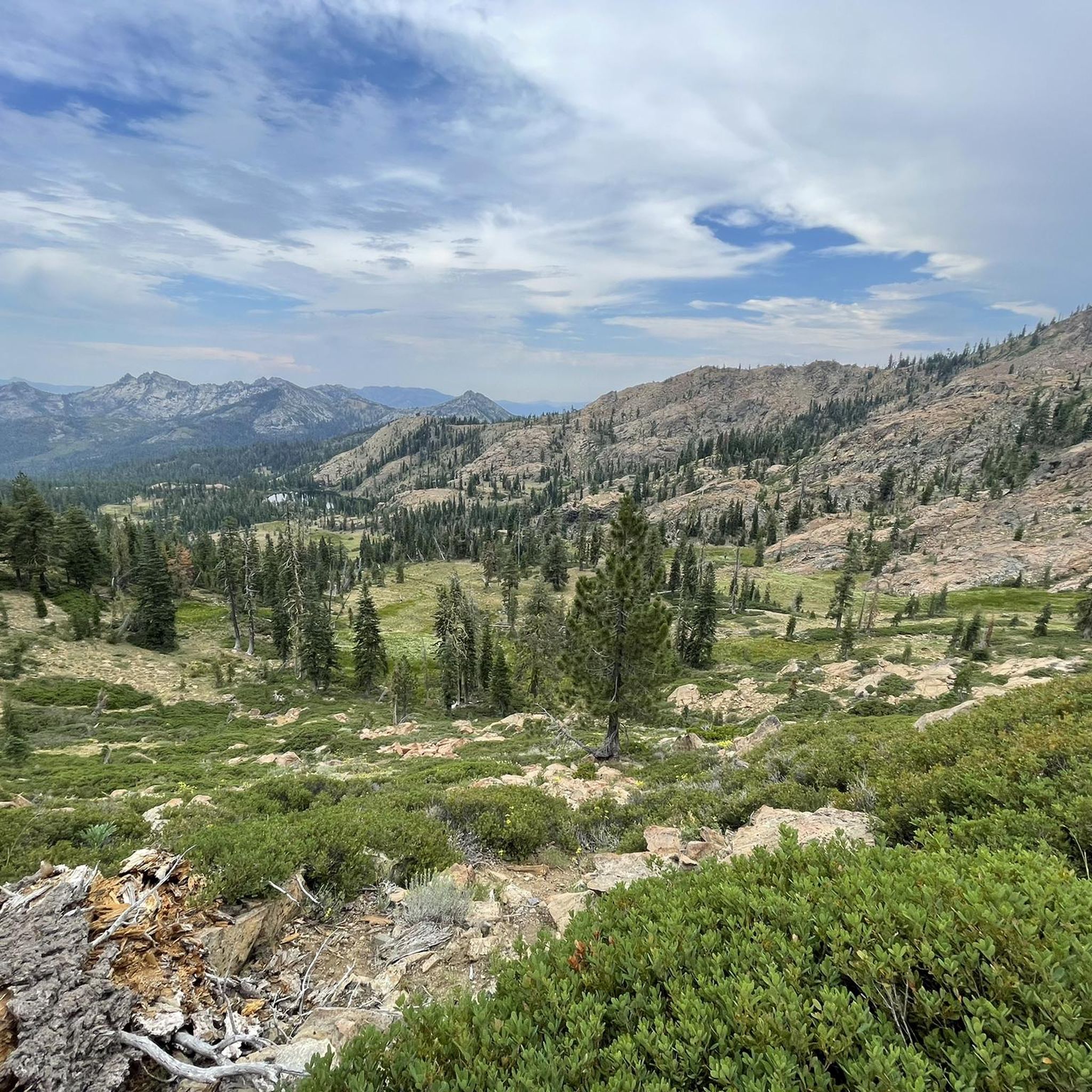
This landscape is unique along the PCT! You can see the rough peaks of the Trinity Alps with red rocks, pine trees, flowing streams and you will even hear some cow bells down in the valley. A true gem in Northern California.
6
0
Don’t miss the narrow side trail that leads to the cool water of Red Rock Spring. It is just 100 feet from the trail.
2
0
This trailhead offers some campsites next to a dirt road with Picayune Spring as a reliable water source.
4
0
Frequently Asked Questions
What are the most popular natural monuments in Trinity County?
Trinity County offers several remarkable natural monuments. The Trinity Alps Wilderness is highly popular for its unique landscape along the Pacific Crest Trail, featuring rough peaks, red rocks, and flowing streams. Visitors also appreciate Granite Lake, known for its scenic picnic spots, and Picayune Spring, which provides convenient campsites and a reliable water source.
What kind of natural features can I expect to see in Trinity County's natural monuments?
Trinity County's natural monuments showcase diverse features. You'll find towering granite peaks and wildflower-filled meadows in the Trinity Alps Wilderness, dynamic waterways like the Trinity River, and expansive bodies of water such as Trinity Lake and Lewiston Lake. Unique geological formations like Natural Bridge, a limestone arch, also highlight the region's natural beauty.
Are there opportunities for hiking near these natural monuments?
Yes, Trinity County is an excellent destination for hiking. The Trinity Alps Wilderness alone boasts over 550 miles of trails. You can find various routes, from easy to difficult, including the 'Four Lakes and Siligo Peak Loop' and 'Porcupine Lake via Pacific Crest Trail'. For more hiking options, explore the Hiking in Trinity County guide.
What water-based activities are available at Trinity County's natural monuments?
The region is ideal for water activities. The Trinity River is popular for whitewater rafting, kayaking, and steelhead fishing. Trinity Lake, the third-largest lake in California, offers houseboating, camping, recreational boating, and fishing for trout, bass, and King Salmon. Lewiston Lake is perfect for kayakers, canoeists, and fly-fishing for trophy-size trout.
Are there any family-friendly natural monuments in Trinity County?
Many natural monuments in Trinity County offer family-friendly experiences. Trinity Lake provides ample space for recreational boating and camping. Lewiston Lake is excellent for kayaking and birdwatching, offering a peaceful setting for families. While some trails in the Trinity Alps can be challenging, there are also easier sections and opportunities for picnicking by lakes like Granite Lake.
What historical or cultural significance do these natural monuments hold?
Beyond their natural beauty, some sites have historical significance. Natural Bridge, for instance, holds ancient stories from the Wintu Indians describing its formation and was a popular picnic spot for early pioneers. Within the Trinity Alps Wilderness, hikers can find Hodges Cabin, a historical point of interest along the North Fork of Coffee Creek Trail.
What is the best time of year to visit Trinity County's natural monuments?
The best time to visit Trinity County's natural monuments generally depends on your preferred activities. Summer and early fall are ideal for water sports on Trinity Lake and the Trinity River, as well as for hiking in higher elevations of the Trinity Alps Wilderness. Spring offers beautiful wildflowers and pleasant temperatures for hiking at lower elevations. Some areas, especially higher up, may be inaccessible due to snow in winter.
Can I find campsites or reliable water sources near the natural monuments?
Yes, several natural monuments offer camping and water access. Picayune Spring provides campsites next to a dirt road with a reliable water source. Trinity Lake has numerous camping facilities and four marinas. Additionally, Red Rock Spring offers a narrow side trail leading to cool water, just 100 feet from the main trail.
What makes the Trinity Alps Wilderness a unique destination?
The Trinity Alps Wilderness is unique for its expansive size (over 500,000 acres) and dramatic landscape, often compared to the Swiss Alps. It features towering granite peaks, wildflower-filled meadows, over 550 miles of trails, and 55 alpine lakes. Its rough peaks, red rocks, pine trees, and flowing streams create a distinct environment, especially along the Pacific Crest Trail.
Are there any natural monuments suitable for birdwatching?
Lewiston Lake is particularly popular with birdwatchers, offering excellent opportunities to spot wildlife, including bald eagles. Its serene environment makes it a great spot for observing various bird species in their natural habitat.
What are some less-known but worthwhile natural monuments to explore?
While the Trinity Alps are well-known, smaller gems like Diamond Lake offer a peaceful experience. It's the smallest of the alpine lakes on the Four Lakes Loop and provides views of the upper Stuart Fork Valley. Red Rock Spring is another hidden spot, offering a refreshing stop just off the trail.
Where can I find more information about the Natural Bridge in Trinity County?
The Natural Bridge is a unique geological formation with significant local history. For more detailed information about its features and historical context, you can visit the Shasta-Trinity National Forest website or explore resources like visittrinity.com.
Most popular routes in Trinity County
Most popular attractions in Trinity County

Get inspired with the komoot mobile app


Explore more
Extend your search for the best caves by checking out these guides of the top ones in Trinity County:
