Top 9 Natural Monuments in Suffolk County
Natural monuments in Suffolk County offer diverse natural and historical sites. This region features a mix of urban green spaces, botanical gardens, and coastal areas. Visitors can explore a variety of landscapes, from serene public gardens to expansive arboretums and historical beaches. The area provides opportunities for outdoor enjoyment and connection with local ecosystems.
Best natural monuments in Suffolk County
- The most popular natural monuments is Boston Public Garden Footbridge, a bridge that is part of a serene oasis…
Last updated: July 7, 2026
Boston Public Garden Footbridge
Highlight • Bridge
Tip by

Arnold Arboretum
Highlight • Forest
Translated by Google •
Tip by

Sign up now to discover places like this
Get recommendations on the best single tracks, peaks, & plenty of other exciting outdoor places.
Sign up for free
Winthrop Square
Highlight • Historical Site
Translated by Google •
Tip by

Sand Sculptures at Revere Beach
Highlight • Beach
Tip by

Nira Rock Urban Wild
Highlight • Natural Monument
Tip by

Rhododendron Dell
Highlight • Natural
arboretum.harvard.edu/collections/rhododendron-dell
Translated by Google •
Tip by
Leventritt Shrub and Vine Garden
Highlight • Natural
arboretum.harvard.edu/collections/leventritt-shrub-vine-garden
Translated by Google •
Tip by
Training Field Monument
Highlight • Monument
Translated by Google •
Tip by
Start today with a free account
Your next adventure awaits.
Login or Signup
Popular around Suffolk County

On the trail of the Pilgrim Fathers – road trip along the Atlantic coast
Great North Music Tour – hiking in the footsteps of music legends
New England – vibrant cities, picturesque coastlines and wild mountain landscapes
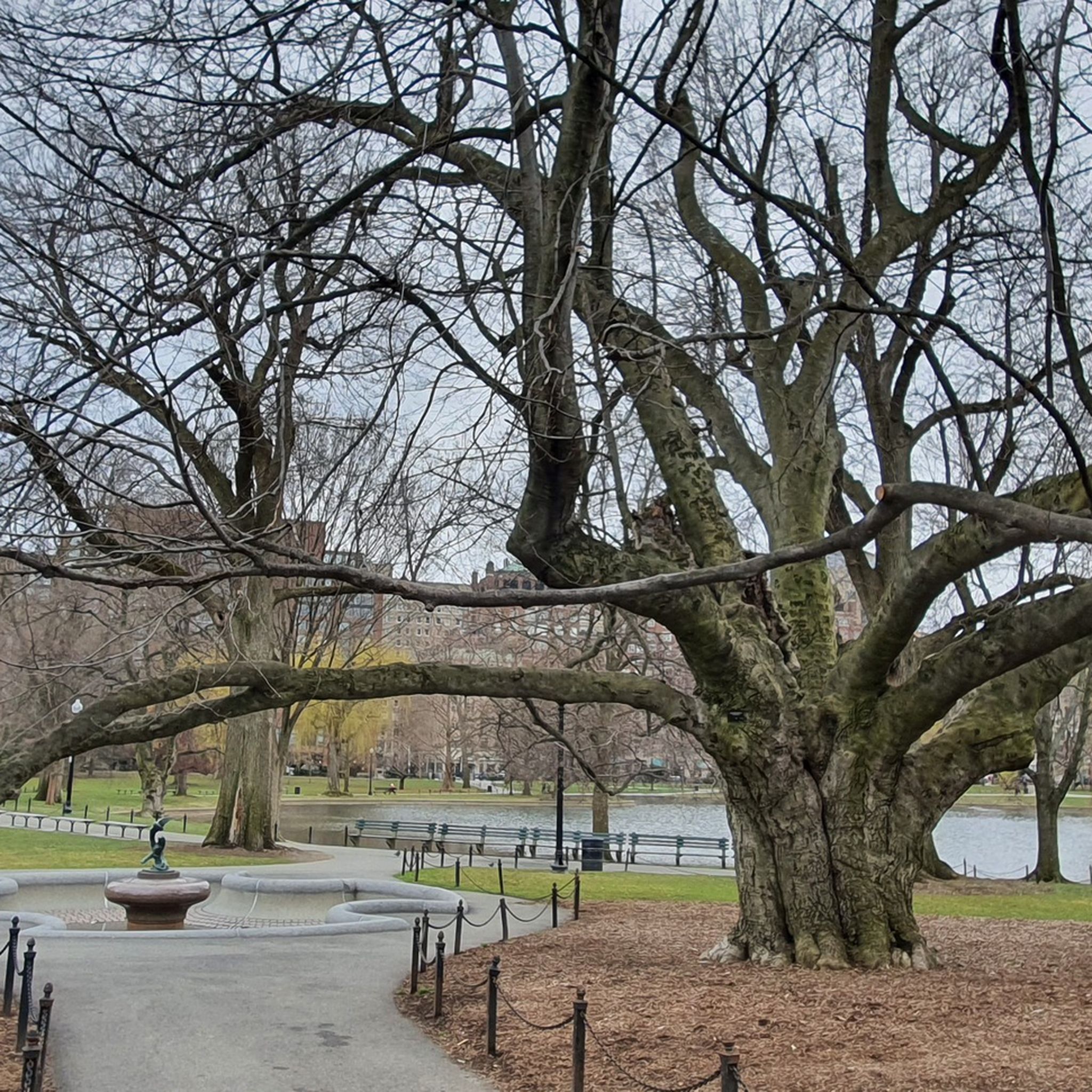
Hiking in Suffolk County
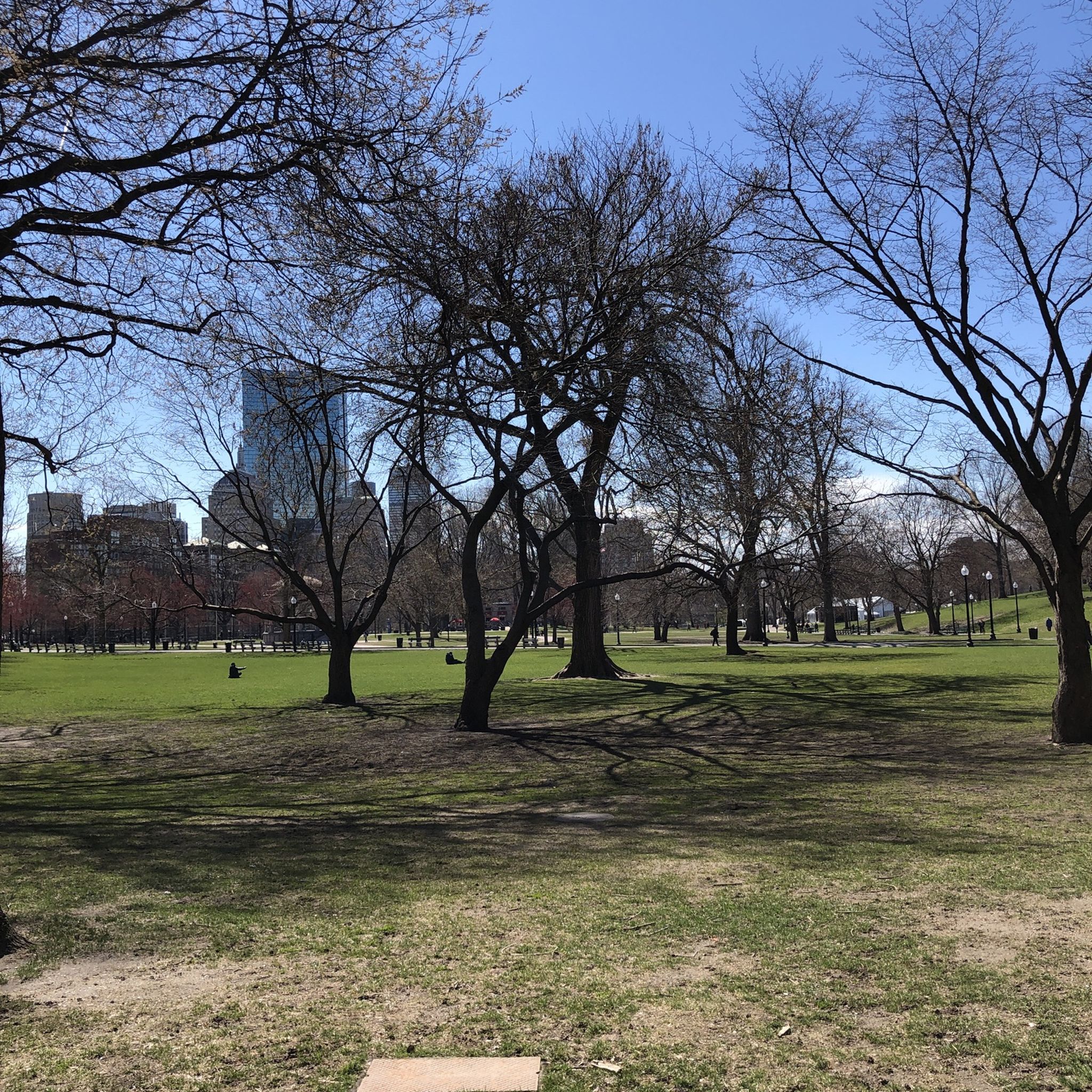
Cycling in Suffolk County
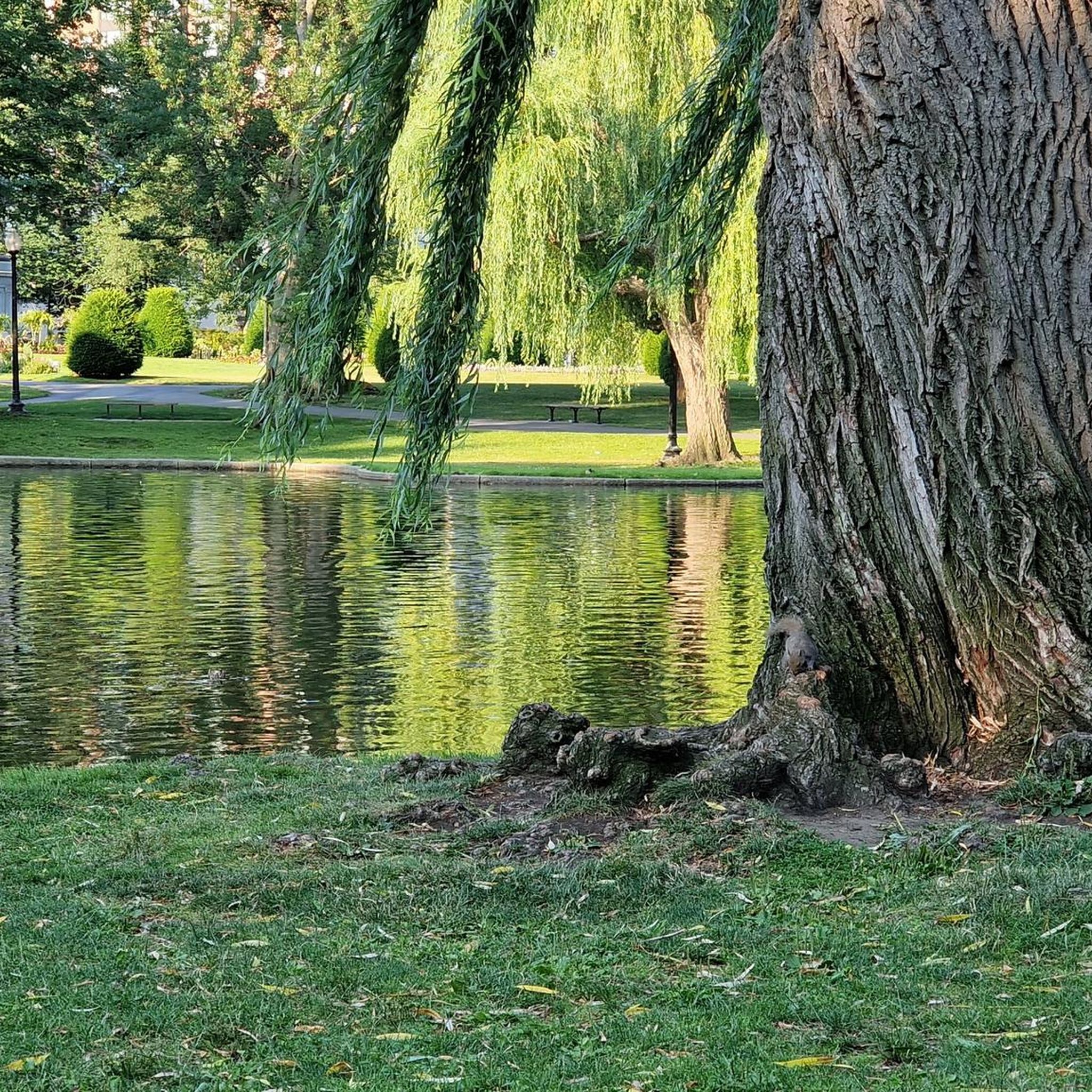
Running Trails in Suffolk County

Road Cycling Routes in Suffolk County

Gravel biking in Suffolk County
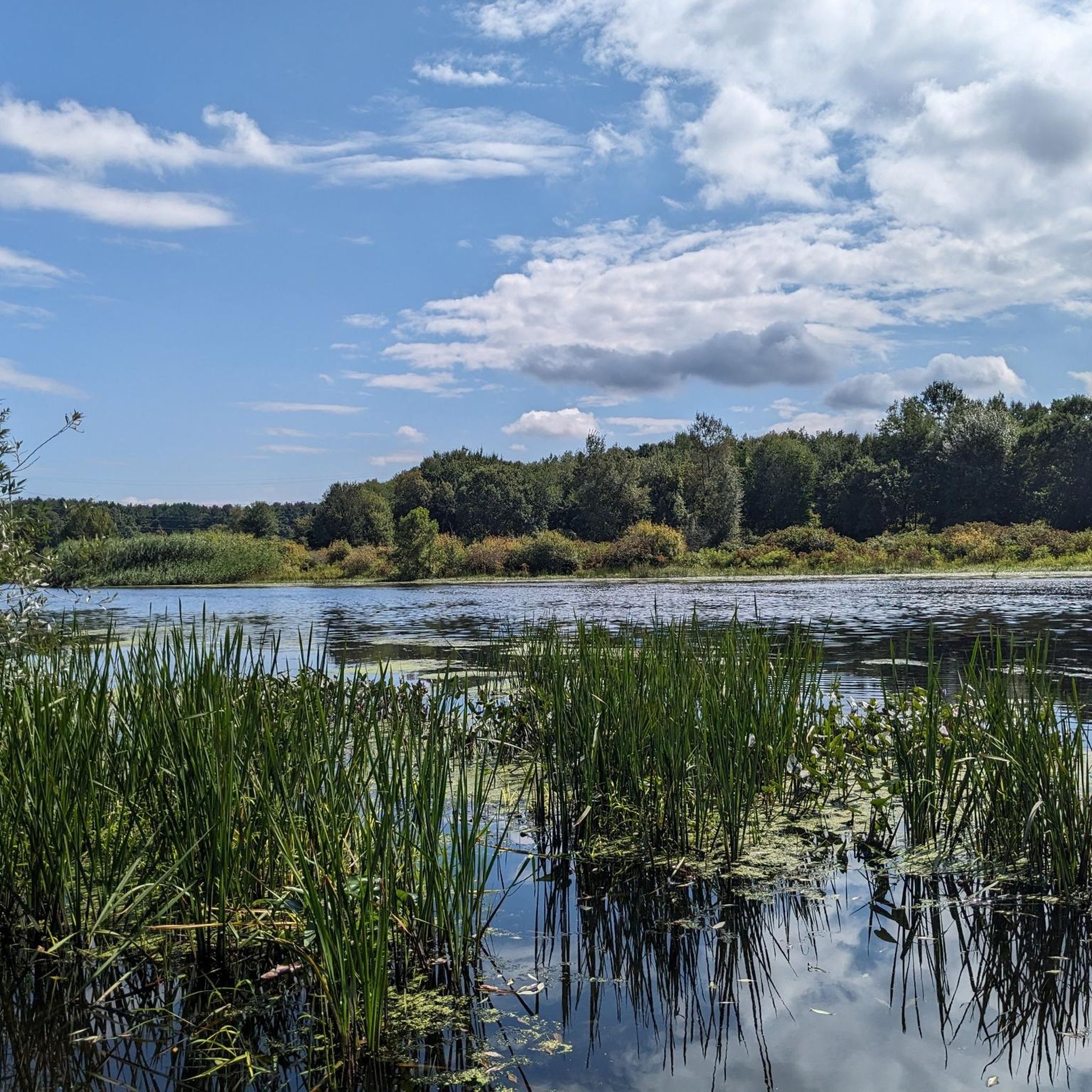
MTB Trails in Suffolk County
Other adventures in Suffolk County

Tips from the Community

Harvard University's Great Botanical Garden is located on and around three hills, with the highest, Peters Hill, offering a particularly beautiful view of the city skyline. And botany enthusiasts can, of course, spend days here, admiring the sheer number of exotic plants.
2
0

The ‘Rhododendron Dell’ showcases the arboretum’s core collection of hybrid and evergreen rhododendrons. The hemlocks, birches, oaks, maples and pines provide an ideal habitat for rhododendrons. https://arboretum.harvard.edu/collections/rhododendron-dell/
2
0
This one-acre garden showcases numerous plant species. Since its opening in 2002, the M. Victor and Frances Leventritt Garden has been a popular destination for visitors and has gained recognition as a unique plant collection and horticultural display. https://arboretum.harvard.edu/collections/leventritt-shrub-vine-garden/
2
0
The Arnold Arboretum of Harvard University is a 270-acre nature reserve in the heart of Boston. It manages one of the world's most comprehensive and best-documented collections of temperate woody plants, with a particular focus on the floras of eastern North America and East Asia. As part of the Emerald Necklace park system, it is open daily for free. The arboretum was founded in 1872, designed by Frederick Law Olmsted (1872) and co-designed by Charles Sprague Sargent, the first director. https://arboretum.harvard.edu/ https://arboretum.harvard.edu/explorer/
1
0
Winthrop Square / the Training Field is a city park in Charlestown with an 1872 monument honoring the men of Charlestown who fought in the American Civil War in 1861. This square is of national significance because of its connection to the Battle of Bunker Hill. On June 17, 1775, fighting between American patriots and British soldiers took place on or near what is now Winthrop Square. Since its creation in the 1640s, the park has served the citizens of Charlestown as farmland and pasture; it has been a military training ground, a schoolyard, a site for political rallies, a children's playground, and a peaceful retreat in a dense urban environment. Over time, Winthrop Square has undergone extensive changes, from an open field to an urban city park. Its current appearance is characterized by redesigns in 1872 and 1919. https://cps-ris.org/wp-content/uploads/2020/03/Winthrop-Square.pdf
2
0
The Boston Public Garden was founded in 1837 and was the first public botanical garden in America. Two centuries lie between the creation of the Boston Common and the neighboring Public Garden. While the Common was a public park with a variety of uses, the Public Garden was designed in the Victorian style with flowerbeds, exotic trees, a lagoon, monuments and fountains. https://www.boston.gov/parks/public-garden
2
0
The Boston Public Garden Foot Bridge is a pedestrian bridge over the lagoon in Boston Public Garden. It was completed in 1867. Although this bridge has been equipped with modern girders to carry live loads since 1921, it still has the oldest known suspension system in the country. https://www.historicnewengland.org/explore/collections-access/gusn/196278 https://en.wikipedia.org/wiki/Boston_Public_Garden_Foot_Bridge
2
0
The panels contain a lot of background information about the famous Battle of Bunker Hill.
0
0
Frequently Asked Questions
What are some of the most popular natural monuments in Suffolk County?
Visitors to Suffolk County frequently enjoy the unique maritime forest at Fire Island National Seashore / The Sunken Forest, known for its rare ecosystem and tranquil boardwalks. Another favorite is Arnold Arboretum, a botanical garden of Harvard University, offering diverse plant collections and scenic paths. The Sand Sculptures at Revere Beach, a National Historic Landmark, also draws many visitors with its beautiful shores and annual events.
Are there family-friendly natural monuments in Suffolk County?
Yes, several natural monuments in Suffolk County are great for families. Arnold Arboretum offers paved paths suitable for bikes and strollers. Revere Beach is a popular spot for sand sculptures and beach activities. Additionally, places like Quogue Wildlife Refuge and Blydenburgh County Park provide trails and opportunities for wildlife observation that children often enjoy.
What kind of natural features can I expect to see in Suffolk County's natural monuments?
Suffolk County's natural monuments showcase a wide array of natural features. You can find pristine beaches and unique maritime forests at Fire Island, lush woodlands and waterfront views at Caumsett State Historic Park Preserve, and sandy pine barrens, wetlands, and ponds at Connetquot River State Park Preserve. Other areas feature diverse plant collections, rugged bluffs, and tranquil lakes.
What historical sites are integrated with natural monuments in Suffolk County?
Several natural monuments in Suffolk County also boast historical significance. Caumsett State Historic Park Preserve, once the estate of Marshall Field III, features historical structures amidst its natural beauty. Revere Beach is recognized as a National Historic Landmark. Additionally, Caleb Smith State Park Preserve combines natural beauty with historical context, offering insights into the region's past.
What outdoor activities can I do near these natural monuments?
Suffolk County offers numerous outdoor activities. You can enjoy hiking on trails like the Freedom Trail or Charles River Pathway Short Loop. For cycling, explore routes such as the Dr. Paul Dudley White Path or the Arnold Arboretum to Bedford via Minuteman Bikeway. Gravel biking options include the Battle Road and Minuteman Bikeway Loop. Find more details on these activities in the Hiking in Suffolk County, Cycling in Suffolk County, and Gravel biking in Suffolk County guides.
What is the best time to visit natural monuments in Suffolk County?
The best time to visit natural monuments in Suffolk County largely depends on your preferred activity. Spring and fall offer pleasant temperatures for hiking and exploring, with vibrant foliage in autumn. Summer is ideal for beach activities at places like Fire Island and Revere Beach. Birdwatching is excellent year-round, with migratory species visible in spring and fall.
Are there any natural monuments in Suffolk County that are considered 'hidden gems'?
While many sites are well-known, Cranberry Bog Nature Preserve offers a unique and less-trafficked experience. This 165-acre preserve allows for hiking and features sights of the Little Peconic River, various plants, and a white-cedar swamp with large trees, providing a chance to explore a distinct bog ecosystem.
Where can I go for birdwatching in Suffolk County's natural monuments?
Suffolk County is a haven for birdwatchers. Connetquot River State Park Preserve is home to over 200 bird species. Bayard Cutting Arboretum is a paradise for birdwatchers with its diverse flora. Muttontown Preserve offers spectacular opportunities to spot characteristic species like the chestnut-sided warbler, indigo bunting, Baltimore oriole, and various owls. Heckscher State Park also provides chances to spot migratory species.
What are the terrain and difficulty levels of trails in Suffolk County's nature preserves?
The terrain and difficulty levels vary across Suffolk County's nature preserves. You can find easy, paved paths suitable for all abilities at Arnold Arboretum. Other preserves like Caumsett State Historic Park Preserve and Connetquot River State Park Preserve offer trails winding through woodlands, wetlands, and sandy areas, ranging from easy strolls to moderate hikes. Montauk Point features rugged bluffs, providing more challenging, scenic walks.
Are there natural monuments in Suffolk County that are accessible by public transport?
While specific public transport routes vary, many natural monuments in Suffolk County are accessible, though some may require a combination of public transport and a short taxi or ride-share. For instance, Fire Island is primarily accessible by ferry, which connects to mainland transport options. Urban green spaces like Boston Public Garden Footbridge and Arnold Arboretum are generally well-served by public transportation within their respective cities.
What do visitors enjoy most about the natural monuments in Suffolk County?
Visitors frequently appreciate the diverse landscapes, from pristine coastal areas to serene woodlands and unique ecosystems. The opportunity for peaceful outdoor exploration, wildlife observation, and connecting with nature is a major draw. Many also value the blend of natural beauty with historical elements found at several sites, and the well-maintained trails for hiking, cycling, and birdwatching.
Can I bring my dog to natural monuments in Suffolk County?
Dog policies vary by specific location within Suffolk County's natural monuments and preserves. Many state and county parks allow dogs on leash in designated areas, but some sensitive ecological sites or specific trails may have restrictions. It's always best to check the official website or signage for each individual preserve before visiting with your dog.
Most popular routes in Suffolk County
Most popular attractions in Suffolk County

Get inspired with the komoot mobile app


Didn’t find what you were looking for?
Find even more amazing natural monuments in Suffolk County by checking out the top Highlights region by region:
Explore more
Extend your search for the best caves by checking out these guides of the top ones in Suffolk County:
