Top 20 Natural Monuments around Serrania De Ronda
Natural monuments around Serrania De Ronda showcase a diverse and dramatic mountainous landscape in Andalusia, Spain. This captivating region features unique geological formations, including deep gorges and extensive cave systems. The area offers opportunities for outdoor exploration amidst its natural beauty and significant historical connections. These protected natural areas Serranía de Ronda provide stunning vistas and a rich natural environment.
Best natural monuments around Serrania De Ronda
- The most popular natural monuments is Tajo de Ronda (Ronda Gorge), a gorge carved by the Guadalevín river. This deep gorge divides the city of Ronda into two parts and is bridged by three structures.
- Another must-see spot is Cat Cave, a cave with a natural waterfall. This site marks the outlet of the Guadiaro river after its channel travels underground for almost 4 km.
- Visitors also love Cueva del Hundidero, a challenging cave system. It is part of a large underground network that includes the Cat Cave.
- Serrania De Ronda is known for its gorges, caves, and viewpoints. The region offers a variety of natural monuments to see and explore, from dramatic river formations to extensive underground systems.
- The natural monuments around Serrania De Ronda are appreciated by the komoot community. More than 1100 upvotes and over 1100 photos highlight the appeal of these natural attractions.
Last updated: October 10, 2026
New Bridge
Highlight • Bridge
Showing Translation
Tip by

View of the Puente Nuevo
Highlight • Viewpoint
Translated by Google •
Tip by

Sign up now to discover places like this
Get recommendations on the best single tracks, peaks, & plenty of other exciting outdoor places.
Tajo de Ronda (Ronda Gorge)
Highlight • Gorge
Translated by Google •
Tip by

Alameda del Tajo Park
Highlight • Structure
Translated by Google •
Tip by
Cat Cave
Highlight • Cave
Showing Translation
Tip by

Road section with views of the Sierra de las Nieves
Highlight (Segment) • Mountain Pass
Showing Translation
Tip by

Cueva del Hundidero
Highlight • Cave
Translated by Google •
Tip by

Mirador del Viento
Highlight • Viewpoint
Translated by Google •
Tip by
Charco de la Barranca
Highlight • River
Translated by Google •
Tip by

Molino Caído Dam
Highlight • Structure
Translated by Google •
Tip by
Sign up for free to discover even more natural monuments around Serrania De Ronda.
Already have an account?
Start today with a free account
Your next adventure awaits.
Popular around Serrania De Ronda

Triathlon 360 – my journey around the world
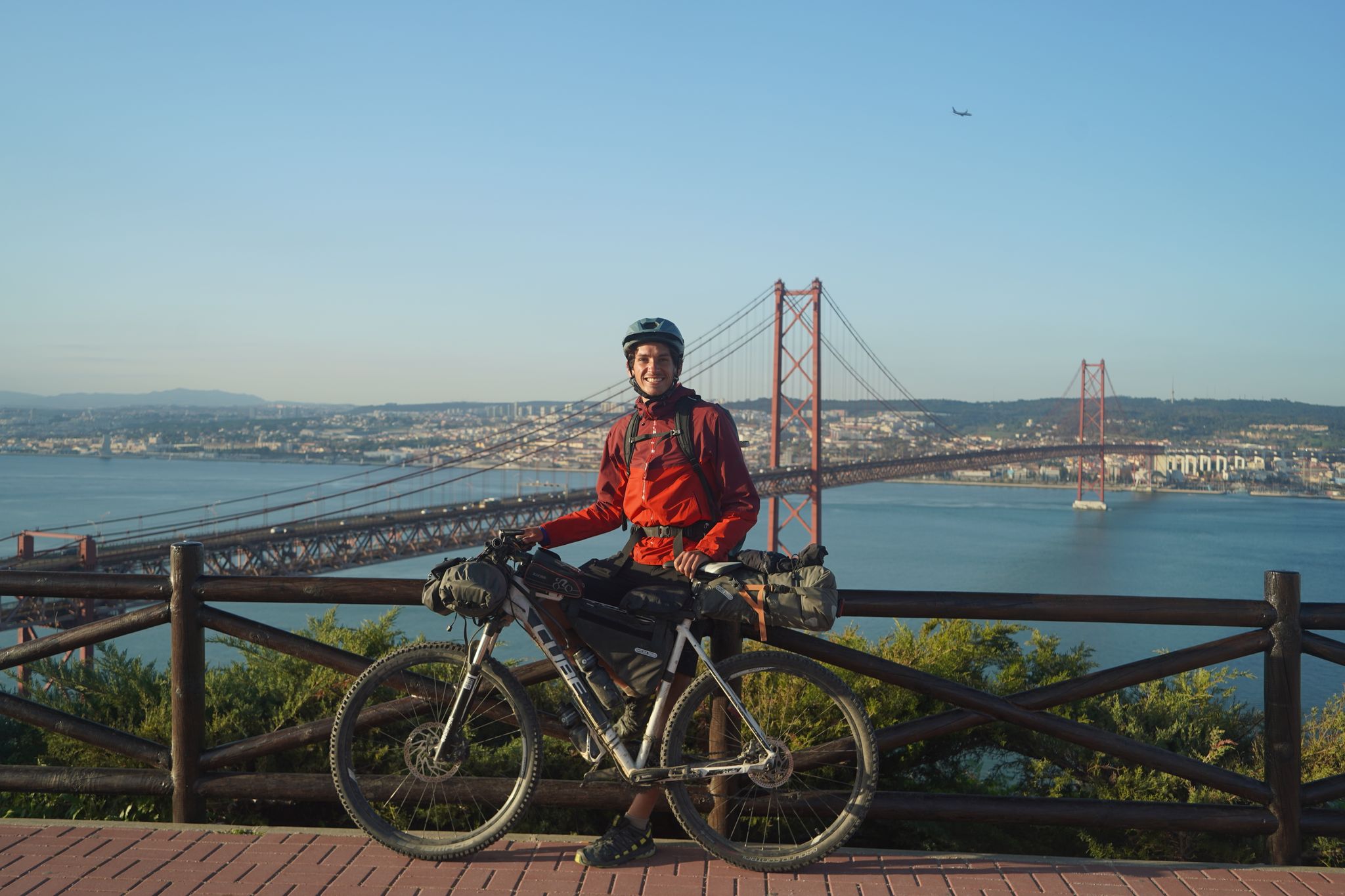
Road to Lisbon – bikepacking the Alps, Pyrenees and Picos de Europa
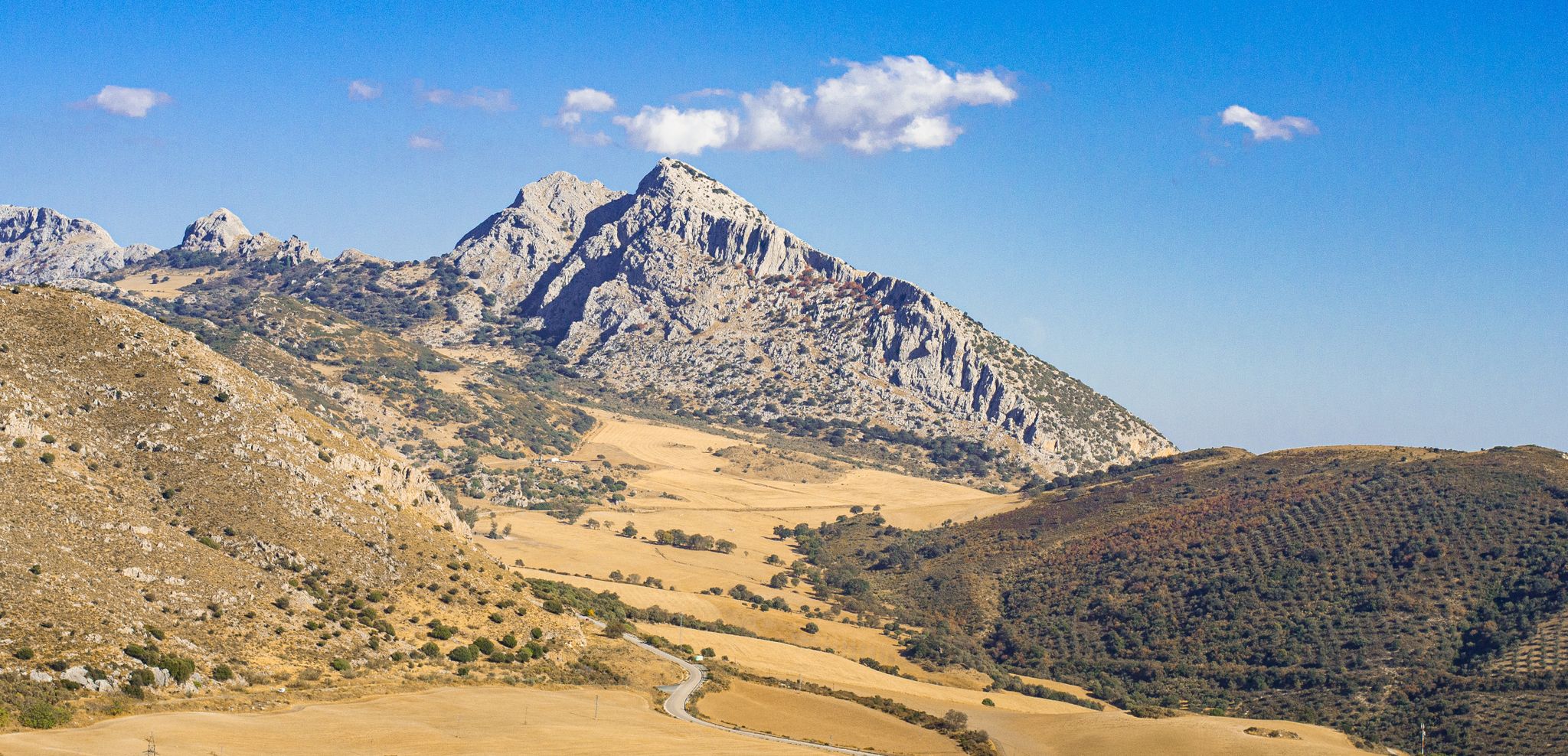
The beauty of the Andalusian mountains – Transandalus southern section
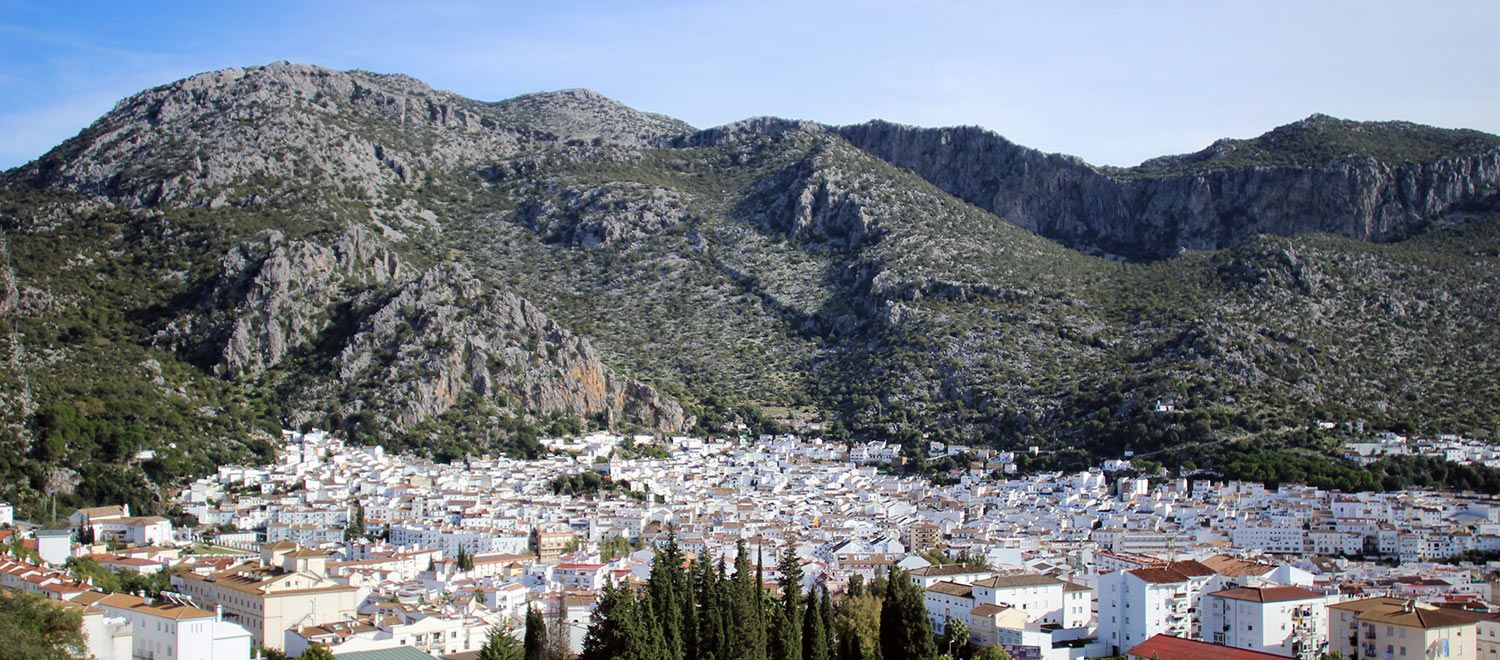
Explore the Betic Mountains on two wheels – Altravesur
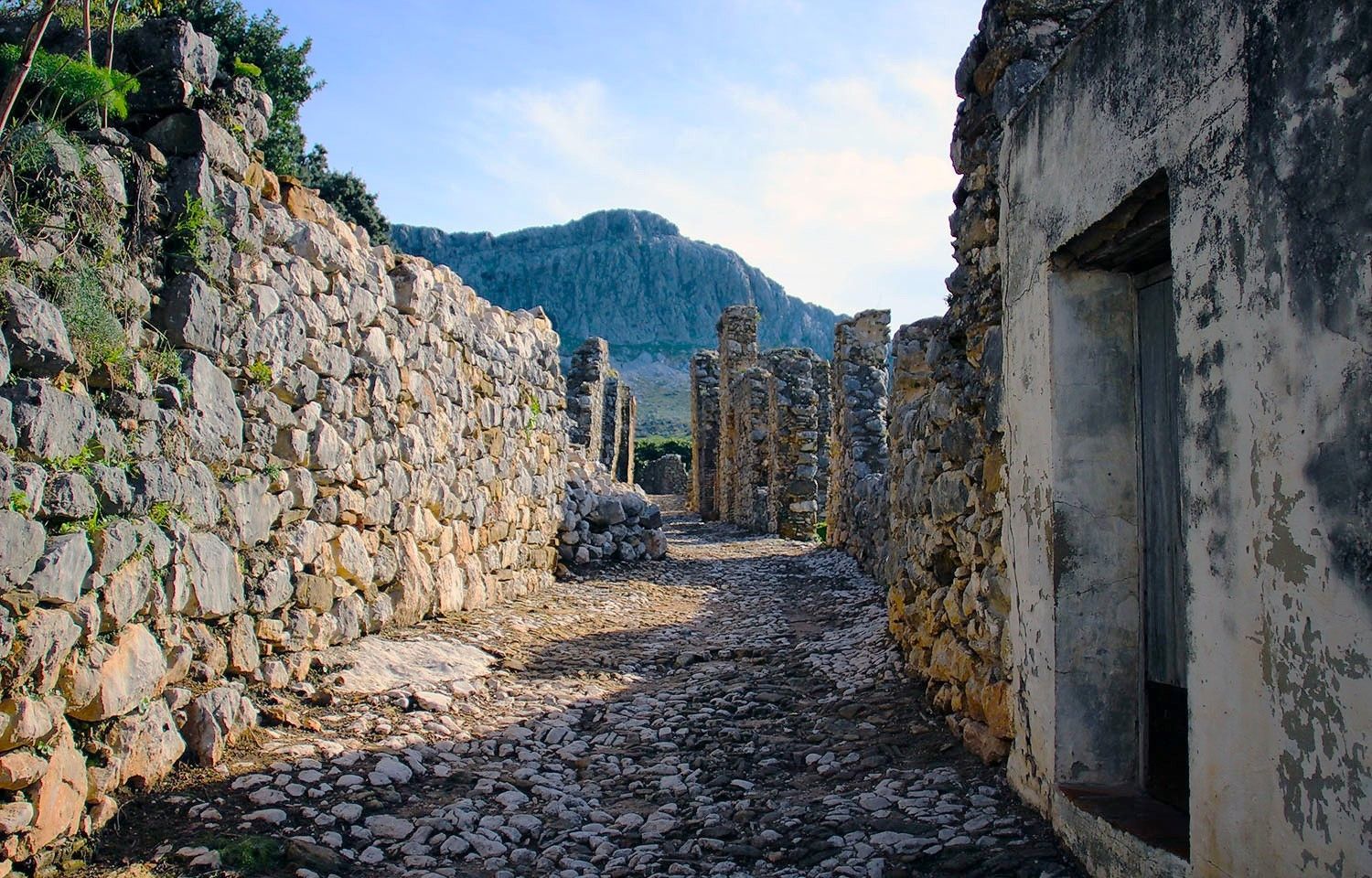
Andalusia without limits – Tarifa to La Puebla de Don Fabrique on the GR 7
A journey through the Spanish hinterland – cycling across Andalusia
Magic in its purest form – hiking in Spain’s Sierra de las Nieves
A jewel of Malaga – Gran Senda de la Serranía de Ronda (GR 141)
Hike between sea and mountains — Gran Senda de Málaga (GR 249)
Seven days walking along the Gran Senda de Málaga (GR 249)
Other adventures around Serrania De Ronda


Tips from the Community


A hiking trail leads from Ronda to below the bridge.
0
0

It's very beautiful there. It's tempting to swim.
1
0

The Tajo de Ronda is the spectacular gorge that literally splits the heart of Ronda in two. 🌄 • It is approximately 120 meters deep and carved out by the Guadalevín River, which flows right through the city. • Impressive bridges stand above the gorge, the most famous and iconic of which is the Puente Nuevo. This bridge connects the old Moorish city with the newer part of Ronda. • For centuries, the Tajo served as both a natural defense against enemies and a challenge to urban expansion. • From its edges, you have breathtaking views of the Ronda valley, the Serranía mountains, and the white villages in the distance. It is one of the most photographed places in Andalusia and a highlight of Ronda's charm: nature and architecture in a dramatic interplay.
1
0

The view of Ronda from the plains is breathtaking and one of the most impressive panoramas in Andalusia. From the flat plain below the city, Ronda appears as a spectacularly situated cluster of whitewashed buildings perched on a high plateau, crisscrossed by the dramatic Tajo de Ronda gorge. Ronda is literally perched on the steep cliffs and seems almost interwoven with the landscape. Particularly striking is the Puente Nuevo (New Bridge), which connects the two parts of the city across the deep gorge. From the valley below, the bridge appears monumental and showcases the engineering skills of the 18th century.
4
0

See also nearby Presa de los Caballeros dam with suspension bridge and via ferrata
1
0

From the new bridge there is a good view of Puente Viejo: an old stone bridge that is one of three bridges that spans the deep Tajo de Ronda gorge with the Guadalevín river in it.
19
1

Puerto del Viento is a climb in the Costa del Sol region, popular with cyclists and hikers. The pass connects Ronda with El Burgo and is approximately 13.3 kilometers long from El Burgo. It overcomes an elevation gain of 612 meters from El Burgo, with an average gradient of 4.6%. This route offers beautiful views of the Sierra de las Nieves and the Sierra de Grazalema, and is a great place to explore the nature and landscape of Andalucía. It is a relatively quiet route with little traffic, making it ideal for a relaxing and enjoyable ride.
8
0
Frequently Asked Questions
What are some of the most unique natural features to explore in Serranía de Ronda?
The Serranía de Ronda is rich in diverse natural features. You can explore dramatic gorges like the Tajo de Ronda (Ronda Gorge), carved by the Guadalevín River, or extensive cave systems such as the Cat Cave, known for its unique entrance and underground river. The region also features striking karst landscapes with craggy limestone cliffs, as seen at Los Riscos de Cartajima, and impressive waterfalls like the Salto de la Rejía.
Are there any family-friendly natural monuments in the Ronda area?
Yes, the Alameda del Tajo Park in Ronda offers a family-friendly experience with stunning viewpoints over the Tajo Gorge. While the interior of some caves like Cueva del Gato requires permits, the exterior and surrounding river areas are easily accessible for families to enjoy picnics and the natural beauty. The 'Sendero de la Cascadas' trail to Salto de la Rejía can also be a rewarding family outing, especially in spring or autumn.
What outdoor activities can I do near the natural monuments in Serranía de Ronda?
The region offers a variety of outdoor activities. You can enjoy running on trails like the Cueva del Gato Trail, or take easy hikes such as the 'Natural Monument Cueva del Gato via the Guadiaro River'. For more challenging adventures, there are gravel biking routes like the 'City of Ronda – Puerto del Viento loop'. You can find more details on these activities in the Running Trails around Serrania De Ronda, Easy hikes around Serrania De Ronda, and Gravel biking around Serrania De Ronda guides.
What is special about the Cueva del Gato natural monument?
The Cat Cave is a significant speleological system and the southern entrance to the extensive Hundidero-Gato system. Its name comes from the feline-like shape of its entrance. The site is notable for the Guadares River emerging with permanent, crystalline waters after flowing underground for over four kilometers. It also holds cultural importance with cave paintings and Neolithic material, and is home to a large colony of cave bats. While internal exploration requires permits, the exterior and river areas are accessible for visitors. For more information, you can visit the Wikipedia page for Cueva del Gato.
Where can I find the best viewpoints to appreciate the natural monuments in Ronda?
Ronda offers several spectacular viewpoints. The View of the Puente Nuevo and El Tajo Gorge is considered one of the best, offering panoramic views of the iconic bridge and the deep gorge. Another excellent spot is the View of the Puente Nuevo from the La Hoya del Tajo viewpoint, which provides a unique perspective of the bridge and the surrounding landscape.
What is the best time of year to visit the natural monuments in Serranía de Ronda?
The best times to visit are generally autumn and spring. During these seasons, the weather is milder and rainfall ensures that waterfalls like the Salto de la Rejía have substantial water flow, which can significantly reduce in summer. These periods also offer pleasant conditions for hiking and exploring the outdoor sites.
Are there any historical or cultural aspects associated with the natural monuments?
Yes, several natural monuments have significant historical and cultural connections. The Tajo de Ronda (Ronda Gorge), for instance, served as a natural defense for centuries, and its three bridges, especially the Puente Nuevo, are masterpieces of engineering integrated into the natural landscape. The Cat Cave also holds cultural importance, housing ancient cave paintings and Neolithic material culture, and is historically linked to 18th-century banditry.
What makes Los Riscos de Cartajima a unique natural monument?
Los Riscos de Cartajima, located near Cartajima and Júzcar, is a striking natural monument characterized by its craggy limestone cliffs. Erosion has sculpted these sedimentary rocks into extraordinary, ruiniform shapes that resemble ancient castles, such as 'Águila de Júzcar' and 'Camello de Cartajima'. It's a prime example of a karst landscape, featuring lapies, sinkholes, and gorges, offering a unique opportunity to witness the powerful effects of natural erosion.
Can I explore challenging cave systems in the region?
Yes, for experienced cavers, the region offers challenging cave systems. The Cueva del Hundidero is part of a large underground network that connects to the Cat Cave. Internal exploration of these extensive systems typically requires permits and is generally restricted to experienced cavers due to their complexity, including chasms, lakes, and siphons.
What is the Salto de la Rejía and how can I visit it?
The Salto de la Rejía is Malaga province's highest natural waterfall, with an impressive drop of 51 to 67 meters, located in the Sierra Parda near Tolox within the Sierra de las Nieves National Park. It is a highlight of the 'Sendero de la Cascadas' (Waterfall Trail, PR-A-282), a hiking route that allows visitors to witness its grandeur. It's best visited during autumn and spring when rainfall ensures substantial water flow.
What do visitors appreciate most about the natural monuments in Serranía de Ronda?
Visitors frequently highlight the awe-inspiring views from places like the Tajo de Ronda (Ronda Gorge) and the architectural marvel of the Puente Nuevo. The unique geological formations, such as the feline-shaped entrance of the Cat Cave and its natural waterfall, are also highly appreciated. The natural beauty and the sense of history integrated into the landscape are common themes in visitor feedback.
Are there any natural monuments that offer panoramic views of the Sierra de las Nieves?
Yes, the Road section with views of the Sierra de las Nieves is a natural monument that provides stunning panoramic vistas of the Sierra de las Nieves. This area, known for its reddish peridotite rocks, offers a different geological perspective compared to the region's more common limestone formations.
Most popular routes around Serrania De Ronda
Most popular attractions around Serrania De Ronda

Get inspired with the komoot mobile app


Didn’t find what you were looking for?
Find even more amazing natural monuments around Serrania De Ronda by checking out the top Highlights region by region:
Explore more
Extend your search for the best caves by checking out these guides of the top ones around Serrania De Ronda:
