Top 8 Natural Monuments around Costa
Natural monuments around Costa offer a diverse landscape, characterized by extensive wetlands, coastal beaches, and significant river estuaries. This region is notable for its rich biodiversity, particularly in its marshlands, which serve as crucial habitats for various bird species. The confluence of major rivers with the Atlantic Ocean has shaped a unique environment, providing both natural beauty and ecological importance. Visitors can explore a variety of natural settings, from tranquil lagoons to expansive beaches and protected marsh areas.
Best natural…
Last updated: June 23, 2026
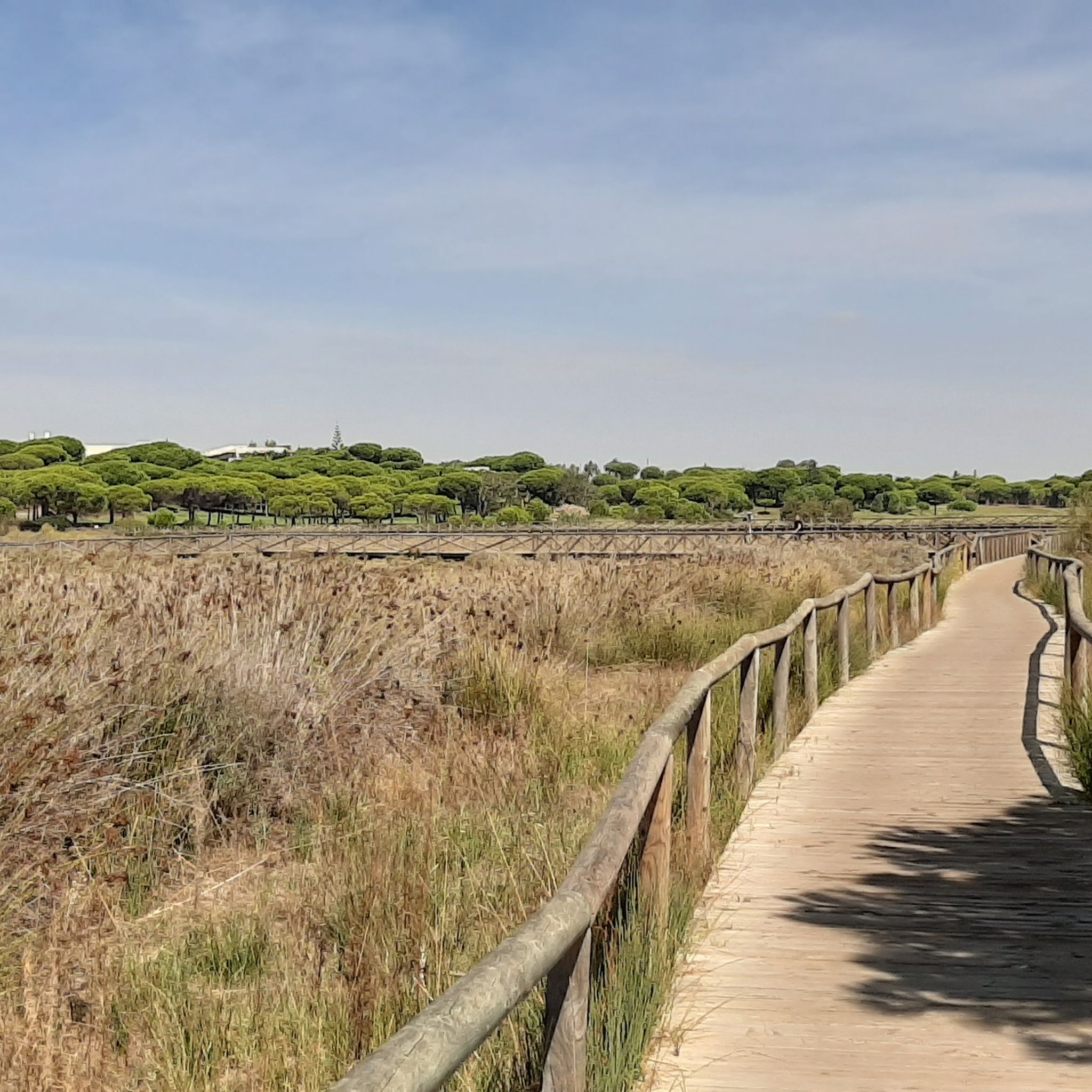
Marshes and Saltworks of Isla Cristina 🌿 Via Verde crossing
Highlight • Natural Monument
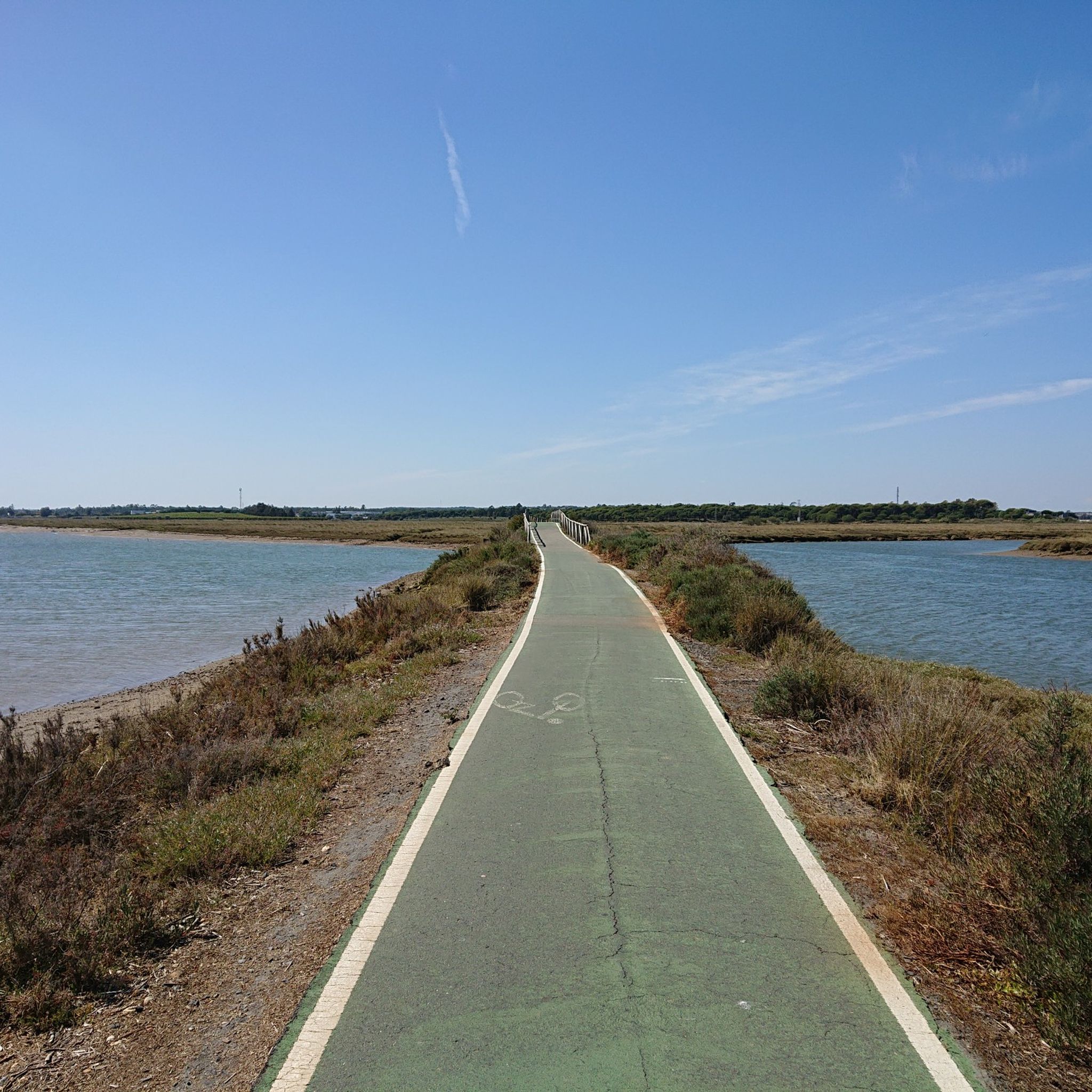
The coastal biketrail ViaVerde west to Ayamonte is good. To the East …
Tip by

Monument to the Discovering Faith
Highlight • Monument
Translated by Google •
Tip by

Sign up now to discover places like this
Get recommendations on the best single tracks, peaks, & plenty of other exciting outdoor places.
Sign up for free
Odiel Marshes
Highlight • Natural Monument
Translated by Google •
Tip by

Playa del Hoyo
Highlight • Beach
Translated by Google •
Tip by

El Portil Lagoon
Highlight • Lake
It …
Translated by Google •
Tip by
Old Astur Saltworks
Highlight • Natural Monument
Translated by Google •
Tip by
Odiel Marshes
Highlight • Natural
Translated by Google •
Tip by
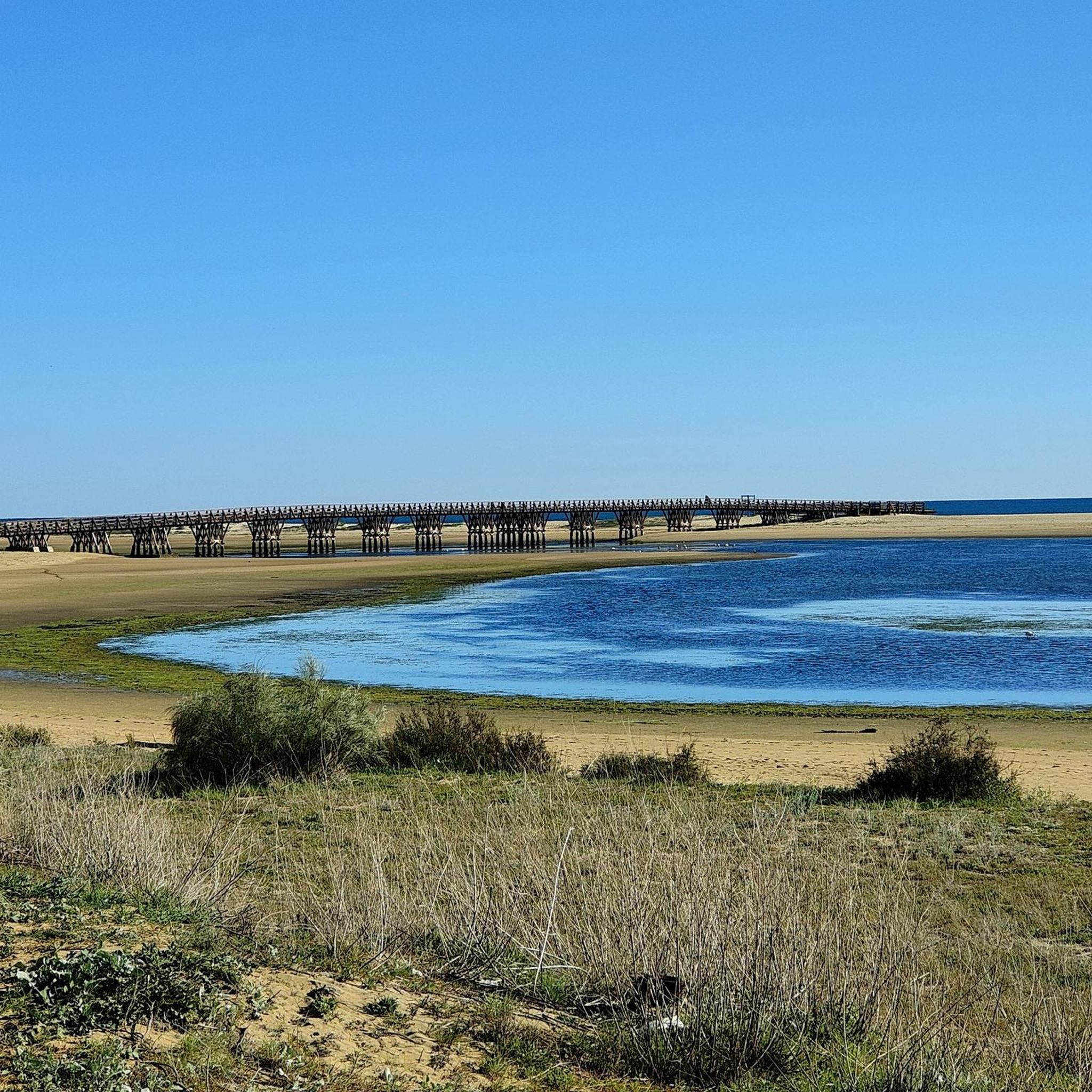
Nueva Umbría Beach
Highlight • Beach
Translated by Google •
Tip by
Odiel River in Gibraleón
Highlight • River
Translated by Google •
Tip by
Start today with a free account
Your next adventure awaits.
Login or Signup
Popular around Costa


Tips from the Community

The Monument to the Faith of the Discoverer, also known as the Columbus Monument, is one of the most representative symbols of the city of Huelva. It is located at Punta del Sebo, a natural setting where the Tinto and Odiel rivers meet, approximately 4 km from the city center.
9
0

Good route, but it needs some fine-tuning. Try optimizing it another day.
1
0
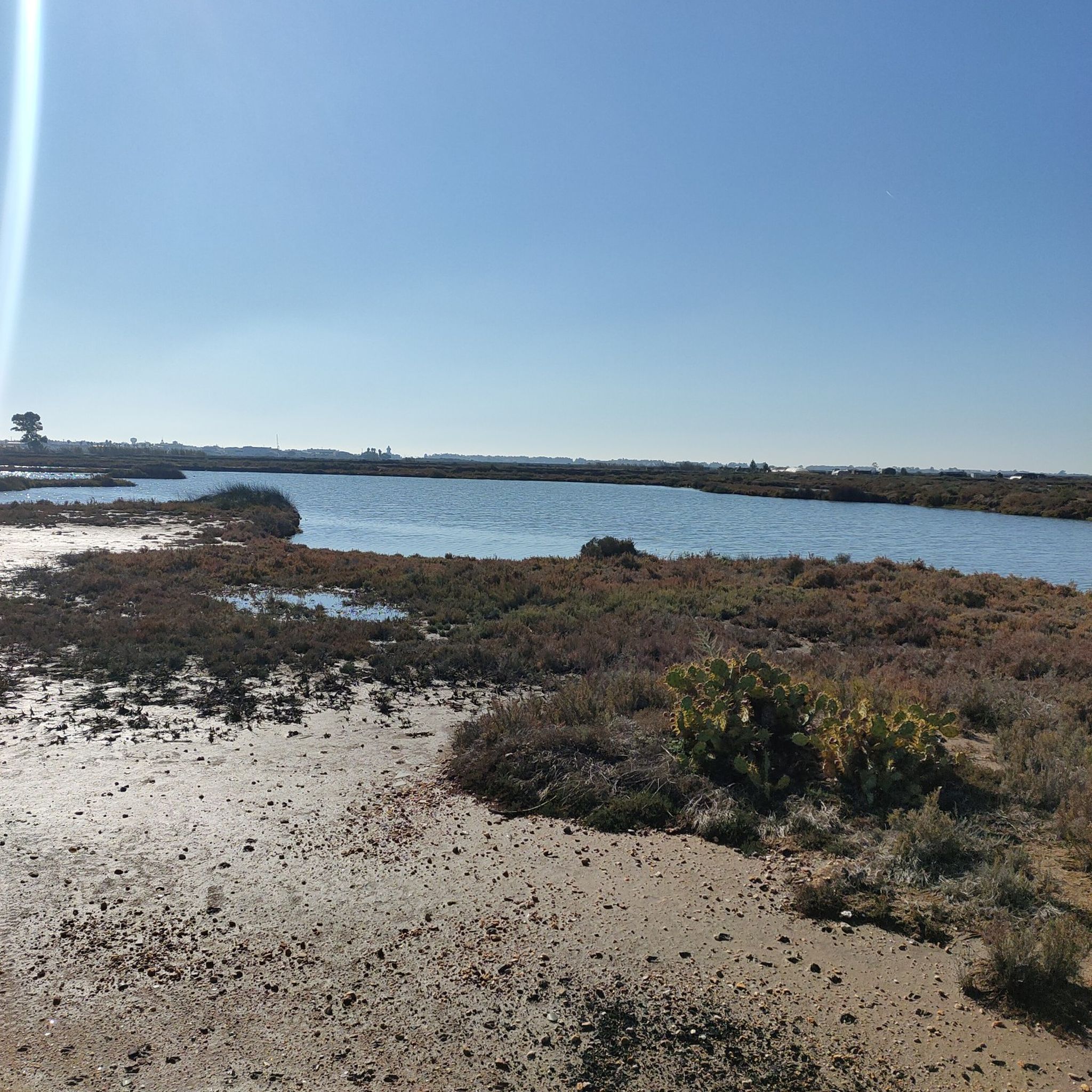
This natural area covers approximately 7,185 hectares and is known for its rich biodiversity and its importance as a breeding area and refuge for numerous bird species. Notable species include the Eurasian spoonbill, the flamingo, various ducks, grey and purple herons, and birds of prey such as the osprey. The area also has an interpretation center, birdwatching points, trails, and rest areas.
4
0
This area is known for its focus on aquaculture and environmental tourism. The salt flats were built in the 1920s by Antonio Sánchez Allende-Valledor. Today, the Salinas del Astur offer a variety of activities such as safe recreational fishing, hiking, birdwatching, and photography. You can also enjoy canoeing and observe a wide variety of birds in the Marismas del Odiel Natural Park.
4
0
It was designed by the American sculptor Gertrude Vanderbilt Whitney and donated to Spain by the United States in 1929. The sculpture, in Cubist style and inspired by Egypt, is 37 metres high and represents a Franciscan friar from the Monastery of La Rábida. This friar welcomed Christopher Columbus while he was planning his first voyage and awaiting confirmation of funding from the Spanish monarchs. The pedestal of the monument includes reliefs depicting Mayan, Aztec, Inca and Christian elements.
9
0
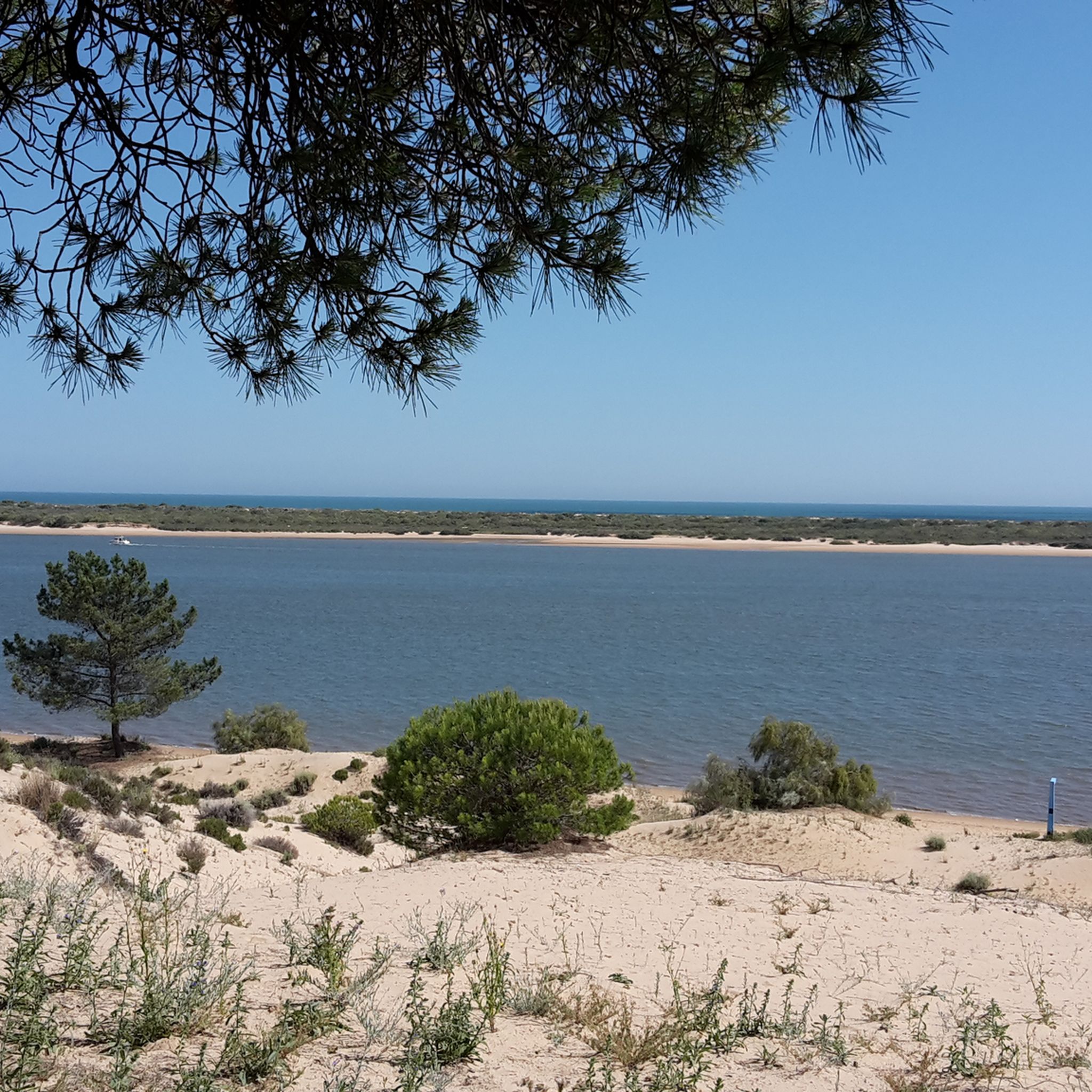
It is equipped with an area with tables, benches and a children's play area, which makes it one of the favorite places to spend a full day at the beach. If you ever visit Isla Cristina, don't hesitate to explore Playa del Hoyo and enjoy its natural beauty and relaxed atmosphere. Have some wonderful coastal adventures! 😊
3
0

In winter it is wonderfully quiet and there are many shells
9
0

Meeting of the Tinto and Odiel rivers
3
0
Frequently Asked Questions
What types of natural monuments can I explore around Costa?
The Costa region is rich in diverse natural monuments, primarily featuring extensive wetlands, tranquil lagoons, and beautiful coastal beaches. You can explore significant river estuaries, marshlands, and pine forests, all contributing to a unique environment. Highlights include the Marshes and Saltworks of Isla Cristina, El Portil Lagoon, and Playa del Hoyo.
Are there good opportunities for wildlife spotting in Costa's natural monuments?
Yes, the natural monuments around Costa are excellent for wildlife spotting, especially birdwatching. The marshlands and lagoons, such as the Marshes and Saltworks of Isla Cristina and Odiel Marshes, are crucial habitats for various bird species. You can frequently spot flamingos, particularly in the Odiel Marshes, which host the second-largest flamingo colony in Spain. El Portil Lagoon also preserves a high population of waterfowl and is vital for migratory birds.
Which natural monuments are suitable for families with children?
Many natural monuments around Costa are family-friendly. Playa del Hoyo is a favorite, equipped with tables, benches, and a children's play area, making it ideal for a full day at the beach. The Marshes and Saltworks of Isla Cristina and El Portil Lagoon offer easy trails and birdwatching opportunities that can be enjoyed by all ages.
What outdoor activities can I do near these natural monuments?
The region offers a variety of outdoor activities. You can enjoy hiking, mountain biking, and gravel biking. For hiking, consider routes like the Natural Area Marismas del Río Piedras or the Boardwalk La Ría - Huelva. Mountain biking options include the Litoral Greenway and Odiel River Loop. Gravel biking routes like The marshes are rich in birdlife – Guadiana River loop are also popular. You can find more details on these activities in the Hiking around Costa, MTB Trails around Costa, and Gravel biking around Costa guides.
Are there any historical sites or monuments combined with natural beauty?
Yes, the region offers a blend of natural beauty and historical significance. The Monument to the Discovering Faith, also known as the Columbus Monument, is located at Punta del Sebo, where the Tinto and Odiel rivers meet. This natural setting provides a beautiful panoramic point to appreciate the Huelva landscape while visiting a significant historical landmark. Additionally, the Old Astur Saltworks are another example of a natural monument with historical context.
What are the best places for scenic views and photography?
For scenic views and photography, the confluence of the Tinto and Odiel rivers at the Monument to the Discovering Faith offers a beautiful panoramic perspective of the Huelva landscape. The Odiel Marshes and Marshes and Saltworks of Isla Cristina are also highly recommended for capturing the unique wetland scenery and diverse birdlife, especially flamingos.
Can I find beaches that are part of the natural monuments?
Absolutely. The Costa region is known for its coastal beaches that are often integrated into natural monument areas. Playa del Hoyo is a popular beach surrounded by a pine forest, offering a natural and relaxing environment. Nueva Umbría Beach is another natural monument beach, providing expansive coastal beauty.
What makes the Odiel Marshes a significant natural monument?
The Odiel Marshes are a UNESCO biosphere reserve and a vital natural area located at the mouth of the Odiel river. They are one of the most important tidal areas in Andalusia, formed by sedimentary processes and Atlantic Ocean dynamics. This area is renowned for its rich birdlife, notably hosting the second-largest colony of flamingos in Spain, making it a crucial wetland for biodiversity.
Are there any trails for cycling or walking through the natural monuments?
Yes, there are trails suitable for both cycling and walking. The Marshes and Saltworks of Isla Cristina are crossed by a Via Verde, a coastal biketrail that is good for cycling west towards Ayamonte. For walking, the circular route around El Portil Lagoon through its surrounding pine forest is a great option. Many of the marshland areas also feature boardwalks and paths for exploration.
What do visitors particularly enjoy about the natural monuments around Costa?
Visitors frequently praise the tranquility and natural beauty of the region. They enjoy the extensive wetlands, the opportunities for birdwatching, especially spotting flamingos, and the peaceful atmosphere of places like Playa del Hoyo, which is described as wonderfully quiet in winter. The combination of beaches, pine forests, and rich biodiversity makes for a relaxing and engaging outdoor experience.
What is the best time of year to visit for birdwatching?
For birdwatching, particularly to see flamingos, the period from November to March is ideal. During these months, flamingos are loyal visitors to the region's lagoons and saltwater marshes, including the Marshes and Saltworks of Isla Cristina and the Odiel Marshes. This is when they can be most easily spotted.
Most popular routes around Costa
Most popular attractions around Costa

Get inspired with the komoot mobile app


Didn’t find what you were looking for?
Find even more amazing natural monuments around Costa by checking out the top Highlights region by region:
Explore more
Extend your search for the best caves by checking out these guides of the top ones around Costa:
