Top 12 Natural Monuments around Bajo Deba
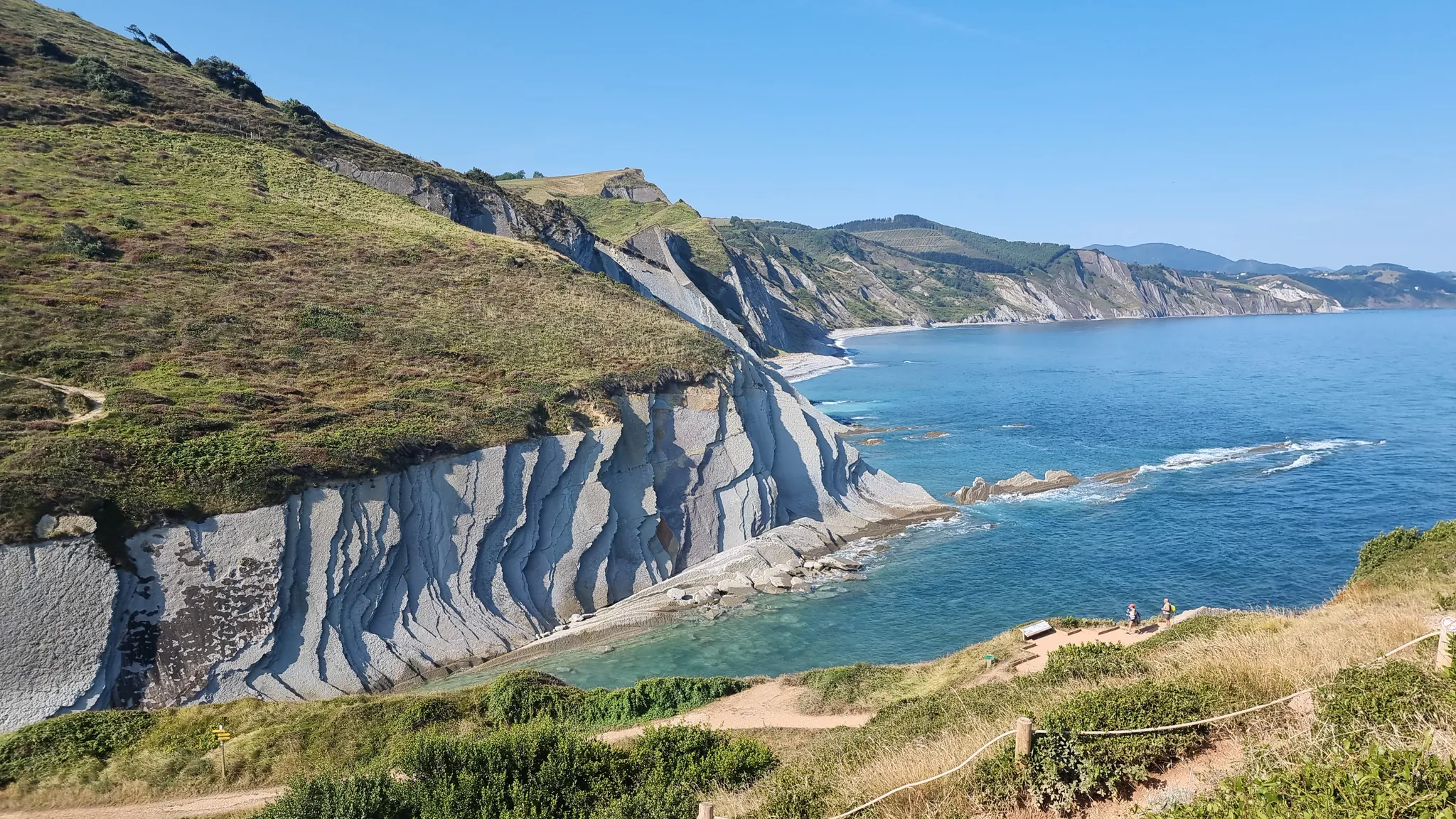
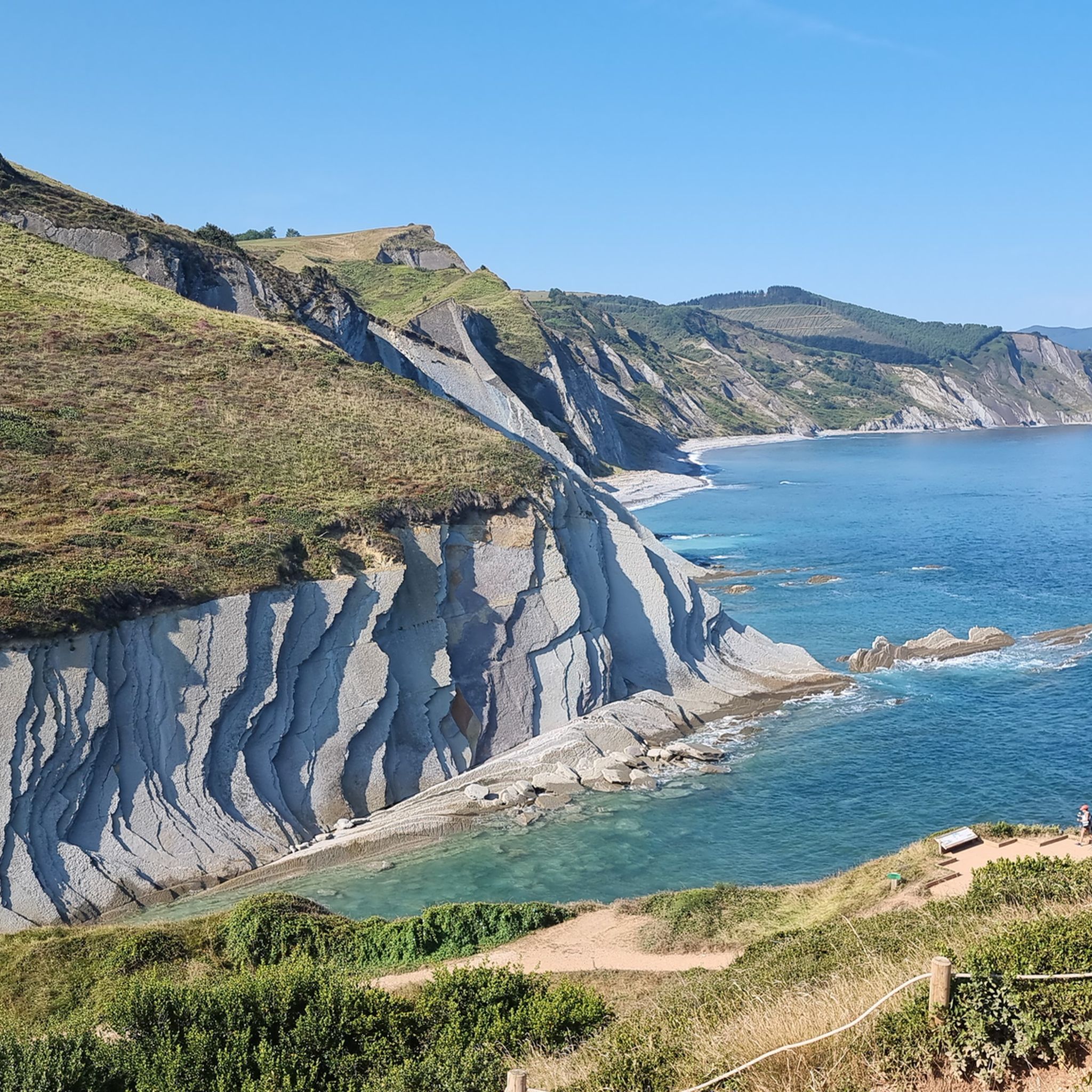
Natural monuments around Bajo Deba are primarily concentrated within the UNESCO Global Geopark of the Basque Coast. This region features a unique blend of geological wonders, including the renowned Flysch formations, and diverse coastal landscapes. It offers significant scientific interest and compelling destinations for nature enthusiasts. The area presents millions of years of geological evolution through its dramatic scenery.
Best natural monuments around Bajo Deba
- The most popular natural monuments is Mendatagaina Viewpoint and Flysch Cliffs, a viewpoint that…
Last updated: October 10, 2026
Playa de Sakoneta
Highlight • Beach
Translated by Google •
Tip by

Portutxiki Viewpoint
Highlight • Viewpoint
Translated by Google •
Tip by

Sign up now to discover places like this
Get recommendations on the best single tracks, peaks, & plenty of other exciting outdoor places.
Andutz Summit
Highlight • Summit
Translated by Google •
Tip by

Kalamua Summit
Highlight • Summit
At its vertex, in addition to beautiful views, you can find several mailboxes.
Translated by Google •
Tip by
Karst Farmhouse
Highlight • Settlement
Translated by Google •
Tip by
Viewpoint of the Virgin of Itziar
Highlight • Viewpoint
Translated by Google •
Tip by

Kurutzebakarra Summit
Highlight • Summit
Translated by Google •
Tip by

View of the Olatz Depression
Highlight • Viewpoint
Translated by Google •
Tip by
View of the Basque Coast Cliffs
Highlight • Viewpoint
Translated by Google •
Tip by

Flysch de Zumaia
Highlight • Natural Monument
It is an area with a great geological diversity where the …
Translated by Google •
Tip by

Start today with a free account
Your next adventure awaits.

Other adventures around Bajo Deba

Tips from the Community

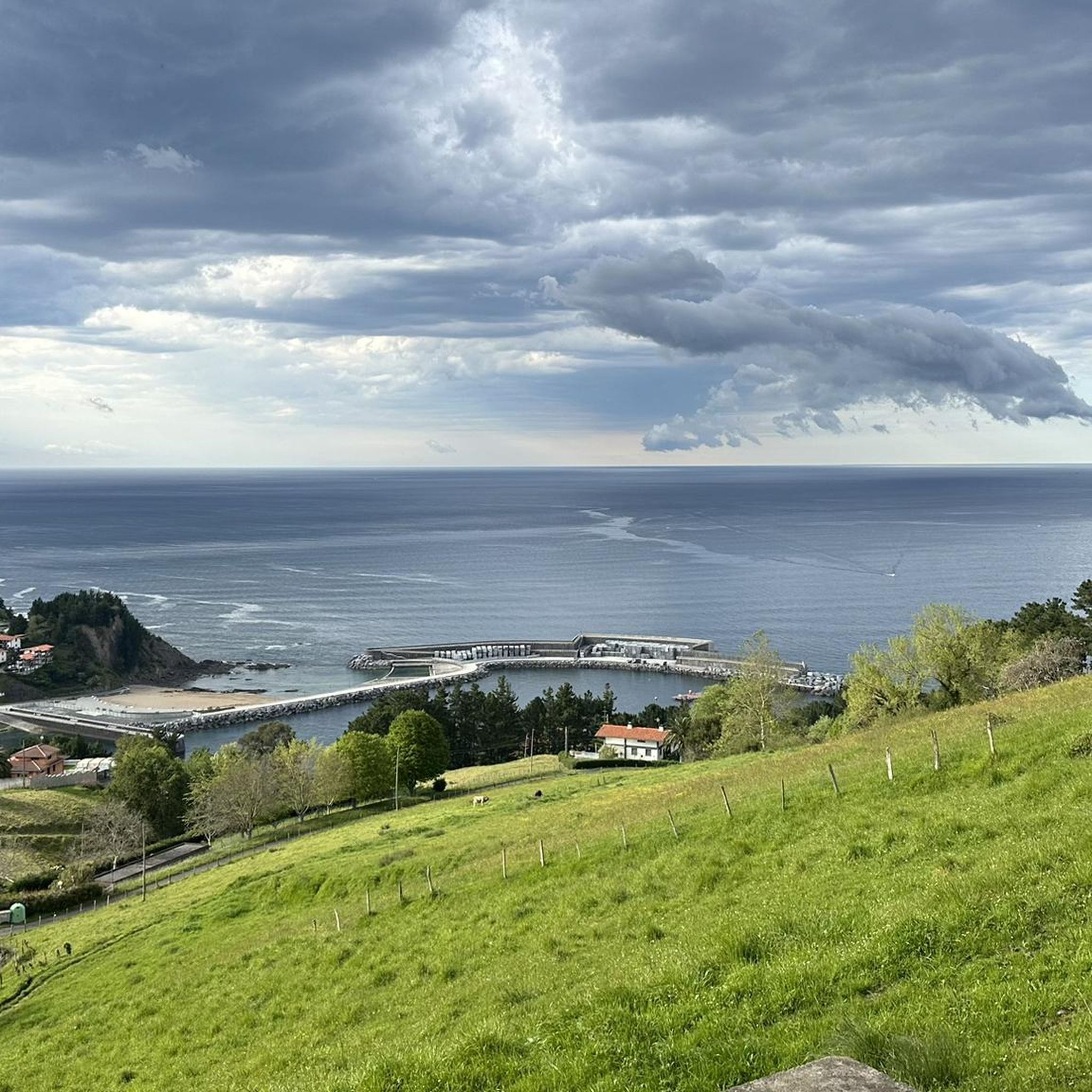
Great view! At low tide, you can walk along the path to a small pebble beach. And at high tide, you can admire the wild beauty of the ocean. Highly recommended!
0
0

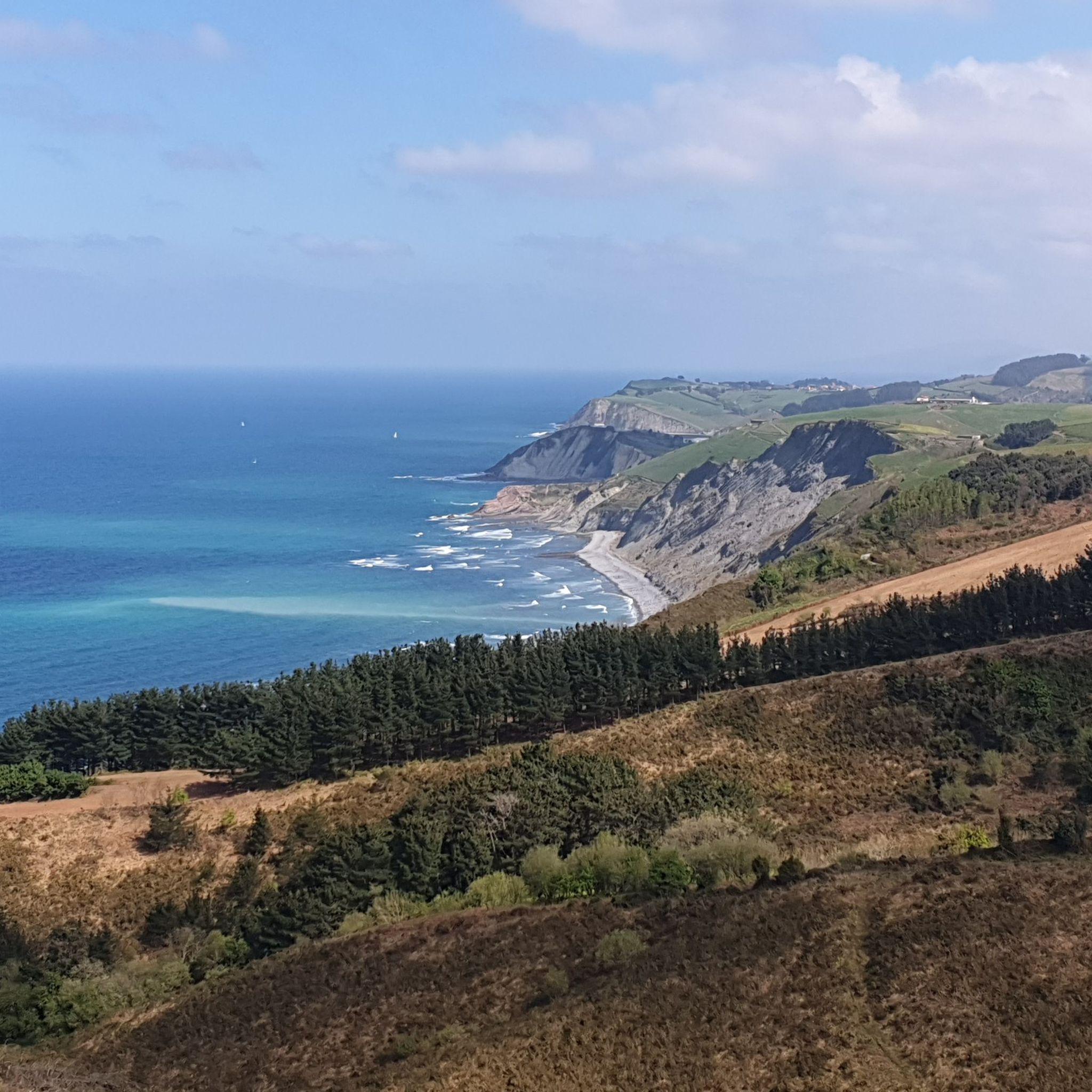
Amazing views of much of the coast where you can see the flish
1
0

eremu basariena what a unique landscape
7
0
You can sometimes see a thin black layer in the different layers of the rocks. This was caused by a meteorite impact 66 million years ago, which led to the extinction of dinosaurs (and 60% of other animal species).
8
0

This 770 meter high summit is an excellent vantage point from which to observe the mountains that surround us. It is an outcrop of slate. At its vertex, in addition to beautiful views, you can find several mailboxes.
1
0
This peak is very close to the sea, so you can see it clearly from here, along with other peaks on the coast of the Bay of Bizkaia. The cross that is seen is from 1965, although it is not the original, since the first one was raised in 1926.
1
0
As you can see, this hamlet is located inside a sinkhole, which also makes it somewhat sheltered from the wind. This is another of the curiosities that can be seen in this area of great geological interest.
0
0
This is a good point from which to observe the central depression of Olatz, 250 meters high. This depression has been formed over thousands of years by the action of water on the limestone rock. As part of the Olatz georoute, you can find an information panel here.
0
0
Frequently Asked Questions
What unique geological features can I explore in Bajo Deba?
Bajo Deba is renowned for its unique geological formations, primarily the Flysch de Zumaia and other sections of the Flysch Route. These formations consist of alternating layers of hard and soft rock, revealing over 60 million years of Earth's history, including the event that led to the extinction of the dinosaurs. You can also find the distinctive 'black flysch' at Saturraran Beach, representing some of the region's oldest geological layers, and the inland karst landscape of the Lastur Valley.
Where are the best places to observe the famous Flysch formations?
The most spectacular Flysch formations can be observed along the coastline between Zumaia, Deba, and Mutriku. Key spots include Flysch de Zumaia, the extensive wave-cut platforms at Playa de Sakoneta, and sections near Deba. These areas offer an unparalleled opportunity to 'read' Earth's geological past, especially at low tide.
Are there any viewpoints offering panoramic views of the coast and Flysch cliffs?
Yes, several viewpoints provide magnificent vistas. The Mendatagaina Viewpoint and Flysch Cliffs offers spectacular views over the entire Basque coast and Sakoneta beach. Another excellent spot is Portutxiki Viewpoint, located directly on the Flysch Route, providing dramatic views of the sedimentary rocks and geological formations.
What outdoor activities can I do near the natural monuments in Bajo Deba?
The region offers a variety of outdoor activities. You can explore numerous hiking trails, including easy options like the 'Olatz, the hidden valley' circular route. For more challenging adventures, there are several mountain biking and cycling routes. You can find more details on these activities in the MTB Trails around Bajo Deba, Cycling around Bajo Deba, and Easy hikes around Bajo Deba guides.
Are there family-friendly natural monuments or activities in Bajo Deba?
Yes, Bajo Deba offers family-friendly options. The Viewpoint of the Virgin of Itziar and the View of the Olatz Depression are noted as family-friendly viewpoints. Exploring the tidal platforms of the Flysch at low tide can also be an engaging educational experience for families, though care should be taken with younger children on uneven terrain.
Can I take a guided tour to learn more about the geology of the Flysch Route?
Yes, guided tours are available to enhance your understanding of the Flysch Route. These can include boat trips and georoutes that delve into the geological significance of the formations. For specific details on georoutes, you might find information on the Sakoneta Geo-Route helpful.
What is special about Playa de Sakoneta?
Playa de Sakoneta is a highlight of the Flysch Route, known for its spectacular sequence of crescent-shaped coves and a large abrasion platform. At low tide, it reveals an impressive 'geology museum' with intricate geological structures and features like basins and potholes. It's also a place where you can sometimes spot a thin black layer in the rocks, marking the meteorite impact that led to the extinction of dinosaurs 66 million years ago.
Are there any mountain summits to visit in the Bajo Deba region?
Yes, beyond the coastal wonders, Bajo Deba also features impressive summits. Kalamua Summit, at 770 meters, is an excellent vantage point for observing the surrounding mountains. Other notable summits include Andutz Summit and Kurutzebakarra Summit, which is the highest in its immediate area at 902 meters.
What is the Lastur Valley and what makes it unique?
The Lastur Valley is an inland karst area within the Geopark, offering a stark contrast to the coastal Flysch. It's characterized by a closed valley with expansive green areas and impressive rock formations, all shaped by the dissolution of limestone. This area showcases the inland geological diversity of the Geopark and offers insights into traditional rural scenery and cultural heritage, including old foundries.
What do visitors enjoy most about the natural monuments in Bajo Deba?
Visitors consistently praise the spectacular views and the unique geological insights offered by the Flysch formations. Many highlight the dramatic coastal scenery, especially from viewpoints like Mendatagaina Viewpoint. The opportunity to witness millions of years of Earth's history laid bare in the rock layers, particularly at Sakoneta Beach, is a major draw. The interplay of green countryside and dark cliffs also leaves a lasting impression.
What is the best time to visit the natural monuments in Bajo Deba?
The natural monuments in Bajo Deba, especially the coastal Flysch, are best visited during low tide to fully appreciate the exposed geological formations and tidal platforms. Weather-wise, spring and autumn generally offer pleasant temperatures for exploration, while summer provides warmer conditions for coastal activities. Always check local tide tables and weather forecasts before your visit.
Most popular routes around Bajo Deba
Most popular attractions around Bajo Deba

Get inspired with the komoot mobile app


Didn’t find what you were looking for?
Find even more amazing natural monuments around Bajo Deba by checking out the top Highlights region by region:
Explore more
Extend your search for the best caves by checking out these guides of the top ones around Bajo Deba:
