Top 6 Natural Monuments around Coria
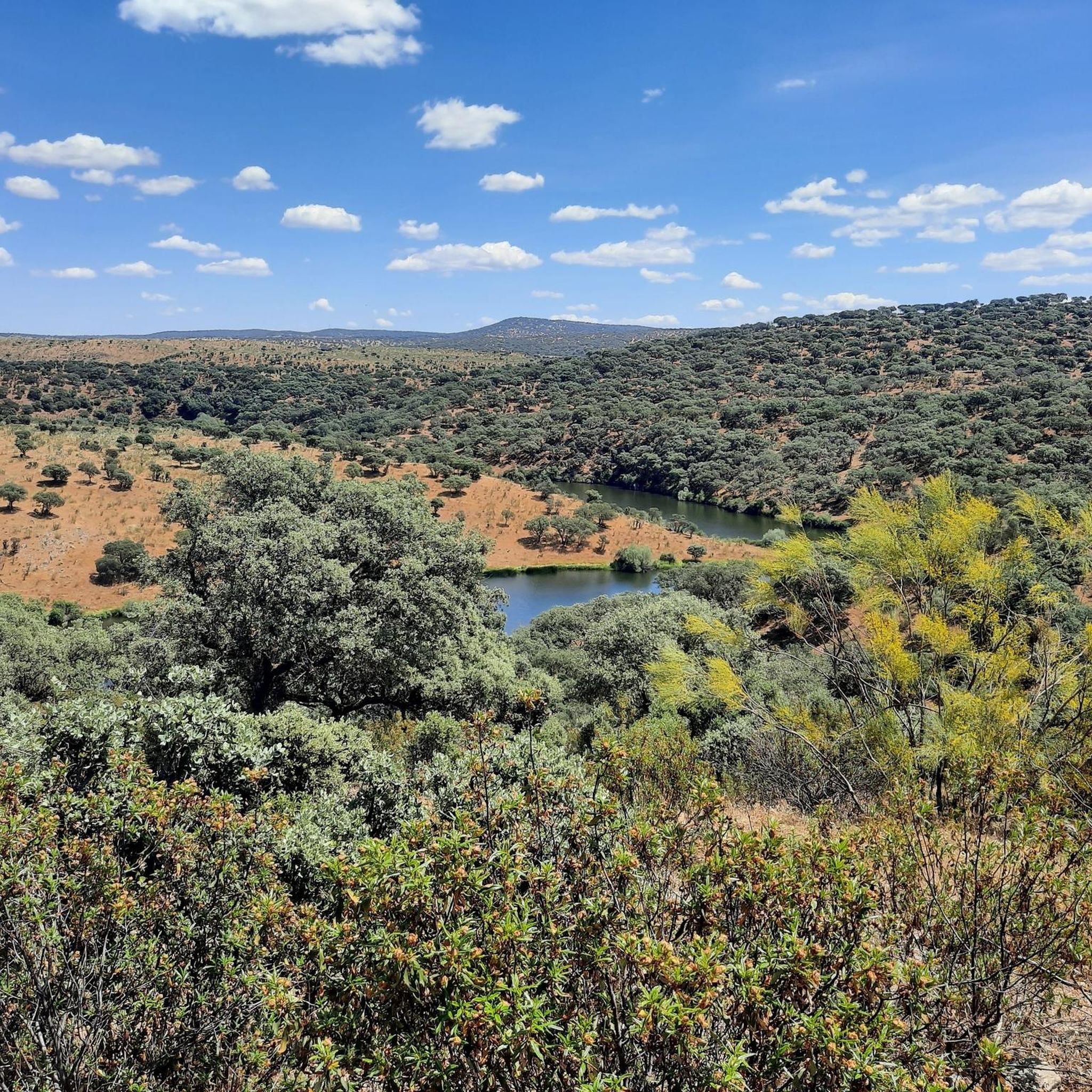
Best natural monuments around Coria offer diverse landscapes for outdoor exploration. Situated in the Alagón Valley, the region features mountains, riverbanks, and fertile plains. These areas provide opportunities for recreation and experiencing the local flora and fauna. The natural monuments around Coria, Spain, are ideal for hiking and enjoying scenic views.
Best natural monuments around Coria
- The most popular natural monuments is Pico Jálama Summit, a summit that offers spectacular views of the region. At 1,487 meters above sea…
Last updated: June 23, 2026
Pico Jálama Summit
Highlight • Summit
The route to climb Pico Jálama is popular with hikers and offers …
Translated by Google •
Tip by

Pico de Dios Padre
Highlight • Summit
Translated by Google •
Tip by
Sign up now to discover places like this
Get recommendations on the best single tracks, peaks, & plenty of other exciting outdoor places.
Sign up for free
El Chorrerón Waterfall and Stone Bridge
Highlight • Waterfall
Translated by Google •
Tip by

Natural Pool of Descargamaría
Highlight • Lake
Translated by Google •
Tip by
La Cochina Bath
Highlight • Lake
Translated by Google •
Tip by

Natural Pools of the Jevero River (Acebo)
Highlight • River
Translated by Google •
Tip by
Natural pools of the Sierra de Gata
Highlight • Lake
Translated by Google •
Tip by

Miraol dus Arrevises
Highlight • Viewpoint
Translated by Google •
Tip by
Mirador del Boquerón
Highlight • Viewpoint
Translated by Google •
Tip by
Start today with a free account
Your next adventure awaits.
Login or Signup
Tips from the Community

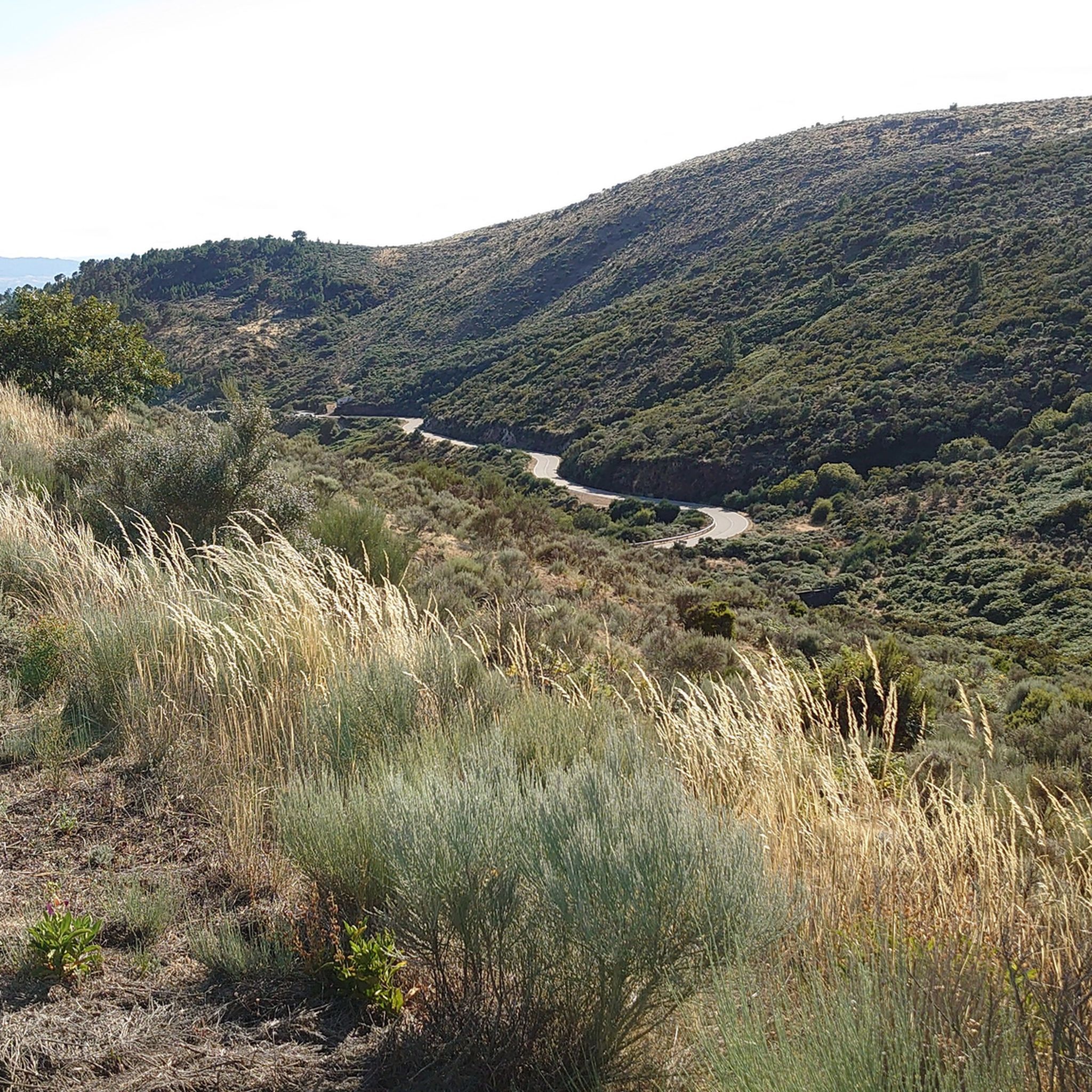
At 1,487 metres above sea level, it is one of the highest peaks in the Sierra de Gata. The route to climb Pico Jálama is popular with hikers and offers spectacular views of the region. The route begins in the town of Acebo and passes by the Mirador de La Ventosa and Puerto de Perales.
7
0

The bridge..... ...... eye
1
0

Natural pools on the side of the road for a quick dip. There is also a small park with a picnic area across the road.
1
0

The path comes to an end in the natural park of Los Canchos De Ramiro, the Mirador del Boquerón is an incredible scenic spot to see the confluence of the Alagón and Gata rivers.
1
0
There is something better than jumping into the river on a warm summer day after a walk. The natural pools of the Jevero (Acebo) River are the perfect answer. With on-site parking, you can enjoy starting your adventure here and resting up afterward.
0
0
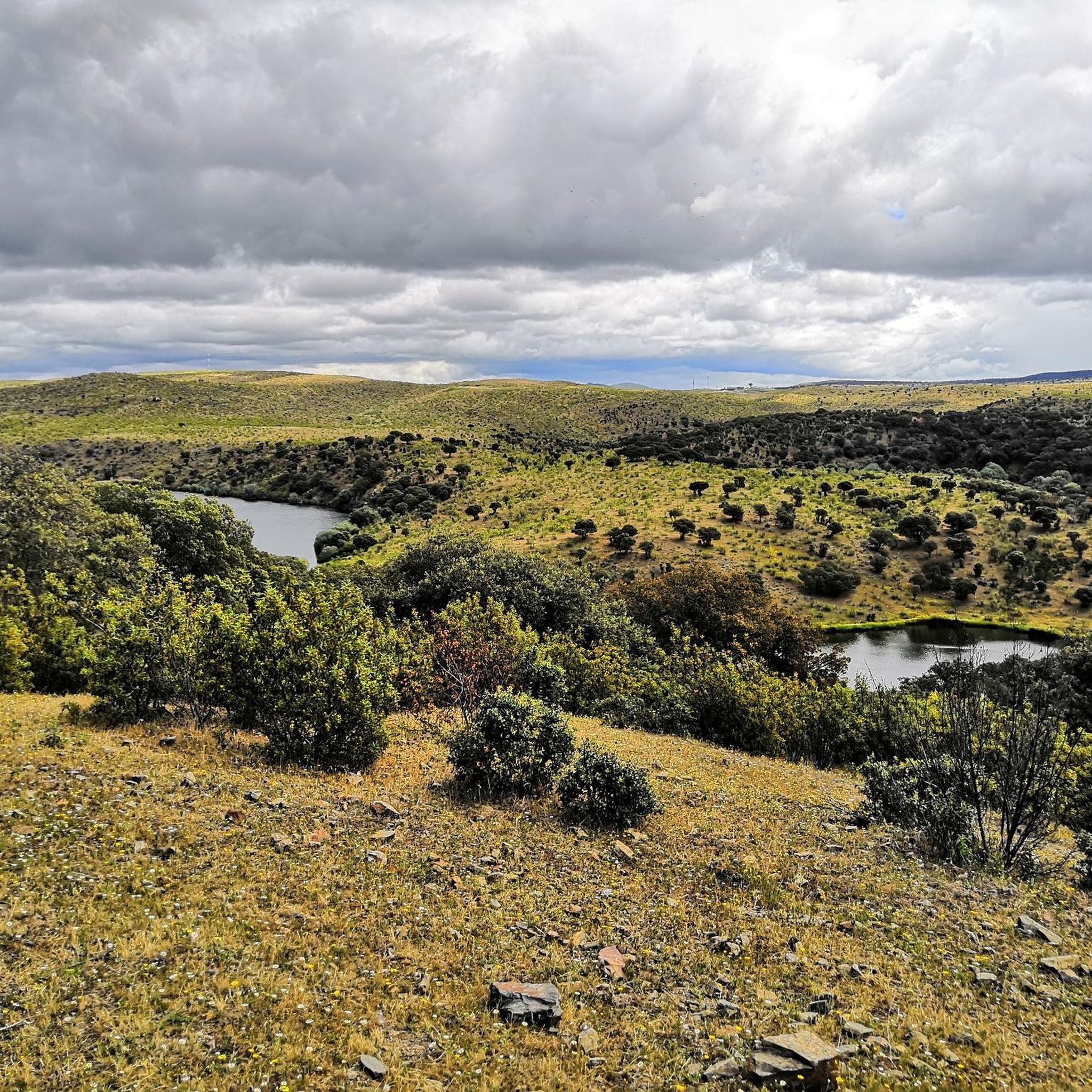
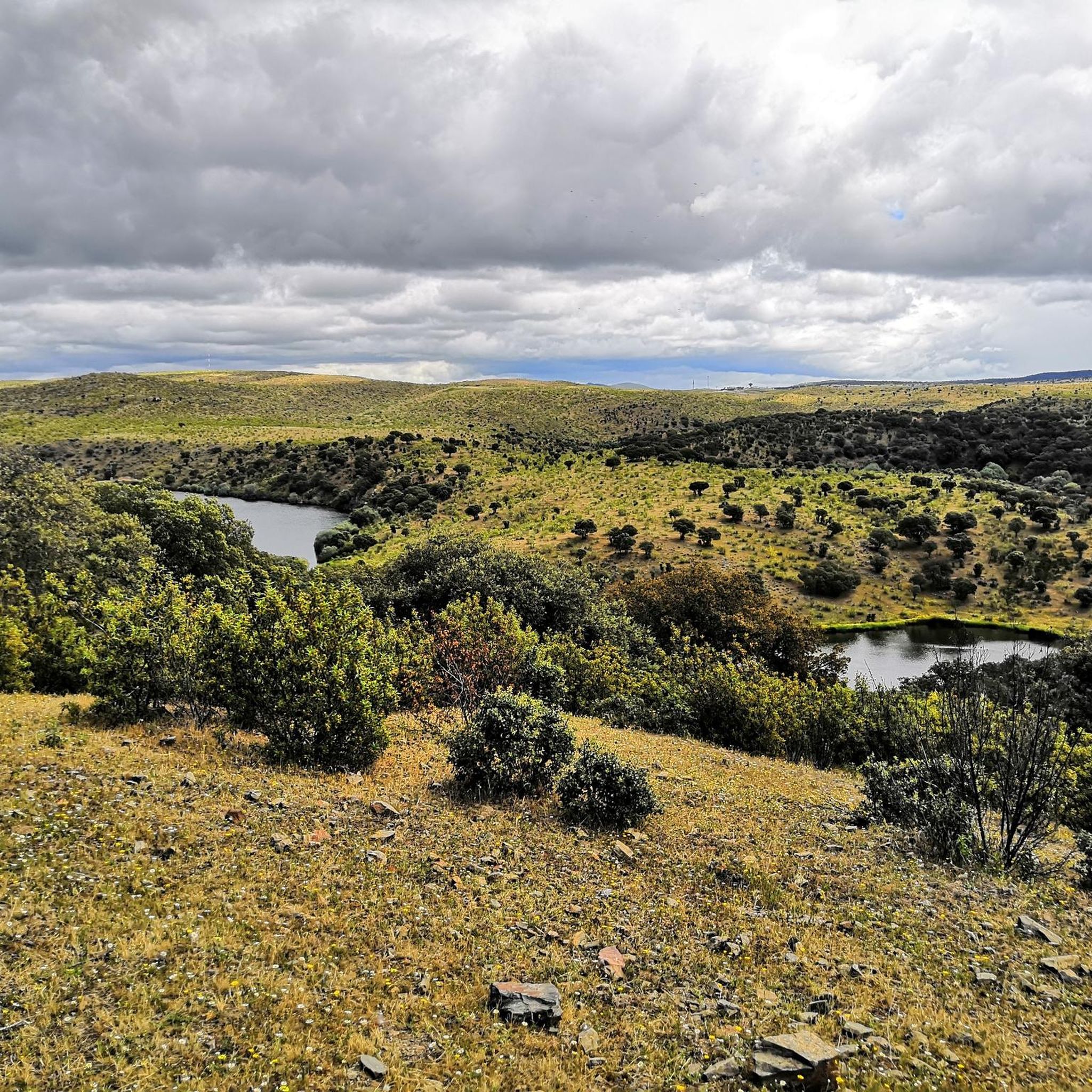
On the shores of the Gata Reservoir you reach this incredible natural pool full of rejuvenating minerals.
1
0
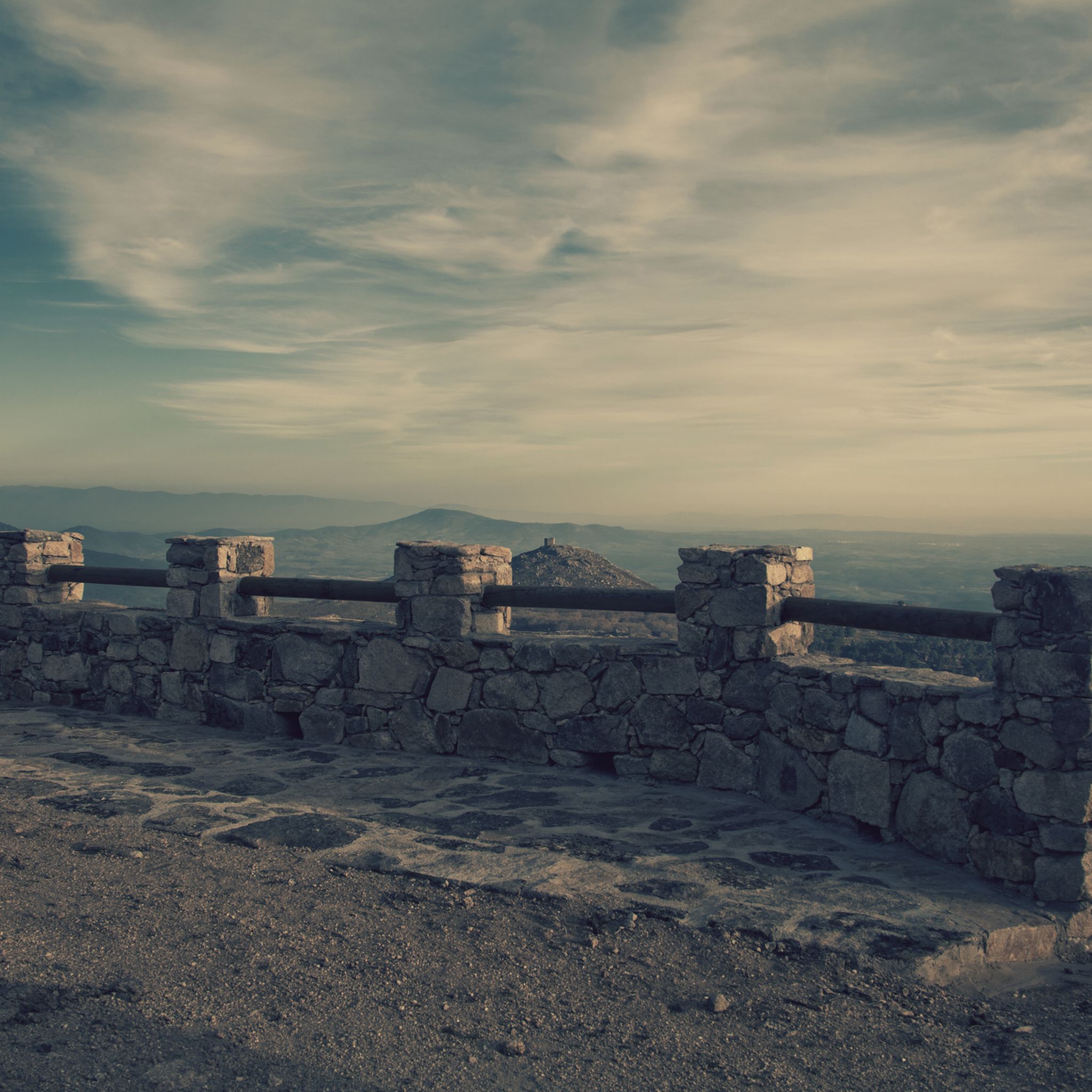
Go up to the small chapel on the peak of Dios Padre at 950 meters above sea level. Take in the spectacular views of the surrounding landscape below.
1
0

Viewpoint from where you can see the views of the town of San Martín de Trevejo and in addition to the mountain range that is located in front called Sierra de Cachaza. Nice valley that descends from Sierra de Gata.
0
0
Frequently Asked Questions
What are some of the most popular natural monuments around Coria?
Visitors frequently enjoy the diverse landscapes. Among the most popular are Pico Jálama Summit, offering spectacular views from one of the highest peaks in the Sierra de Gata. Another favorite is the Natural Pool of Descargamaría, a refreshing spot for a dip. Also highly regarded is Pico de Dios Padre, which provides panoramic views of the surrounding mountain ranges and reservoirs.
Are there natural areas within Coria itself?
While Coria doesn't have formally designated 'Natural Monuments' within the city, the Alagón River and its riverside parks are significant natural attractions. The Paseo Fluvial de La Isla and Parque del Tamujal offer idyllic settings for walks, leisure, and birdwatching, with diverse fluvial vegetation.
What kind of natural features can I expect to see around Coria?
The region around Coria, situated in the Alagón Valley, boasts a variety of natural features. You'll find mountains, fertile plains, abundant riverside forests, and numerous natural pools and waterfalls. Highlights include summits like Pico Jálama Summit, natural swimming spots such as Natural Pool of Descargamaría, and scenic viewpoints like Miraol dus Arrevises.
Are there family-friendly natural monuments or activities near Coria?
Yes, several natural monuments are suitable for families. The Natural Pool of Descargamaría and La Cochina Bath are great for swimming and have picnic areas. The Miraol dus Arrevises viewpoint offers easy access and beautiful forest surroundings. Additionally, the Botanical Garden of Coria, located about 2 km from the city, provides an educational and peaceful experience for all ages.
What outdoor activities can I do near these natural monuments?
The area around Coria is excellent for various outdoor activities. You can enjoy hiking on trails like the 'San Martín de Trevejo to Puerto de San Martín via Calzada Romana' or 'Torre Almenara from Gata'. Cycling is also popular, with routes such as 'Cañaveral from Torrejoncillo'. For runners, there's the 'Jálama Peak Circular Trail'. You can find more details on these activities and routes in the Hiking around Coria, Cycling around Coria, and Running Trails around Coria guides.
What is the best time to visit the natural monuments around Coria?
The Alagón Valley experiences a Mediterranean climate. Spring (April-May) and autumn (September-October) are generally ideal, offering pleasant temperatures for hiking and exploring. Summers can be very hot, making natural pools like Natural Pool of Descargamaría particularly appealing for cooling off. Winters are mild, suitable for walks, especially along the Alagón River where birdlife is abundant.
Are there opportunities for birdwatching near Coria?
Yes, the Alagón Valley is known for its rich diversity of fauna, especially birdlife. The riverside forests along the Alagón River, including the Parque del Tamujal, provide refuge for various bird species and are ideal for birdwatchers. Further afield, the Monfragüe National Park, a renowned Biosphere Reserve, is a prime destination for spotting rare and protected birds like black vultures and imperial eagles.
Are there any natural monuments with historical or cultural significance?
While the natural monuments themselves are primarily geological or ecological, some, like Pico de Dios Padre, feature a small chapel at the summit, adding a cultural layer to the natural experience. The wider region of Extremadura is rich in history, and exploring the natural areas can often lead to discovering ancient routes or traditional landscapes.
What should I wear when visiting natural monuments in the Coria area?
For hiking and exploring, wear comfortable, sturdy footwear suitable for varied terrain. Layered clothing is advisable, especially during spring and autumn, to adapt to changing temperatures. In summer, light, breathable clothing and sun protection (hat, sunscreen) are essential. If visiting natural pools, bring swimwear and a towel.
Are there any natural monuments that are less crowded or considered 'hidden gems'?
While popular spots are well-loved, exploring the extensive Alagón Valley can reveal quieter areas. The Botanical Garden of Coria, with its focus on environmental education and a singular 130-year-old *Platanus hispanica* tree, offers a peaceful and less-trafficked experience. Additionally, some of the smaller natural pools or less-known viewpoints might offer a more secluded visit.
Is public transport available to reach natural monuments around Coria?
Public transport options directly to many remote natural monuments can be limited. It is often more convenient to reach these areas by car. However, Coria itself is accessible by bus, and from there, local taxis or cycling can help you reach closer natural attractions like the riverside parks or the Botanical Garden. For more distant sites, a personal vehicle is generally recommended.
Are there any natural monuments suitable for dog walking?
Many natural areas around Coria are dog-friendly, especially trails and open spaces. The riverside parks along the Alagón River, such as Paseo Fluvial de La Isla and Parque del Tamujal, are great for walks with your dog. When visiting, always keep your dog on a leash, especially in areas with wildlife, and ensure you clean up after them to preserve the natural environment for everyone.
Most popular routes around Coria
Most popular attractions around Coria

Get inspired with the komoot mobile app


Didn’t find what you were looking for?
Find even more amazing natural monuments around Coria by checking out the top Highlights region by region:
Explore more
Extend your search for the best caves by checking out these guides of the top ones around Coria:
