Top 11 Natural Monuments around Conca De Barbera
Best natural monuments around Conca De Barbera feature diverse landscapes, from extensive cave systems to high mountain peaks. This region in Catalonia is characterized by its mountainous terrain, protected natural areas, and significant geological formations. Visitors can explore a variety of natural features, including unique rock formations, forests, and rivers. The area offers opportunities to experience both natural beauty and historical significance.
Best natural monuments around Conca De Barbera
- The most popular natural monuments is Tossal de la Baltasana summit, a summit that offers panoramic views of the surrounding areas, including the village of Prades and the Montsant mountain range. It is the highest point in the Prades Mountains and Conca de Barberà, providing expansive vistas.
- Another must-see spot is Hermitage and Viewpoint of Sant Joan de la Muntanya, a hermitage and viewpoint. From its location, visitors can expect extensive views of the Conca de Barberà and Serra Carbonària, with distant glimpses of Montserrat and the Pyrenees on clear days.
- Visitors also love Vall Waterfall, a small waterfall. It offers a tranquil setting for rest amidst natural surroundings.
- Conca De Barbera is known for its summits, waterfalls, and caves. The region offers a variety of natural monuments to see and explore, from high peaks with panoramic views to ancient underground systems.
- The natural monuments around Conca De Barbera are appreciated by the komoot community, with 46 upvotes and 21 photos shared by visitors.
Last updated: October 10, 2026
Tossal de la Baltasana summit
Highlight • Summit
From the geodesic vertex, protruding a little from the forest, you will contemplate the views of the surroundings: you will see the village of Prades below and, beyond, the Montsant mountain range. Other peaks in the Tarragona regions can also be seen, such as the Mola de Colldejou or the antennas of the Mussara. In the background, on clear days, you might be able to see the Massif del Port. On the other side, if the sky is clear you can see the Pyrenees, from Puigmal to Mont Perdut.
This peak is on the list of the 100 peaks of the F.E.E.C.
Translated by Google •
Tip by

Deport Spring
Highlight • Natural Monument
The Sport source is located under the Cingle de les Cabres. From this location, the trail leads up to the La Pena viewpoint.
The place has a lot of charm and in the past the monks had some kind of construction there (remember that the place is very close to the site of the old La Pena farm and currently a forestry house). These constructions were maintained after the exclaustration of the Poblet monastery, when the Pena estate was sold to private individuals and also later (in 1906) when it was expropriated to be reincorporated into the management of the forestry services. Currently, however, we can only find small evidence of those constructions.
The location of the Deport fountain has also had other changes or modifications over the years, and one of these was the location of the fountain itself.
Translated by Google •
Tip by
Sign up now to discover places like this
Get recommendations on the best single tracks, peaks, & plenty of other exciting outdoor places.
Vall Waterfall
Highlight • Waterfall
Translated by Google •
Tip by

Mola d'Estat
Highlight • Summit
Translated by Google •
Tip by

Salt of the Barranc de la Vall
Highlight • Waterfall
Translated by Google •
Tip by

Sanctuary of the Springs of Sant Magí de la Brufaganya
Highlight • Religious Site
Translated by Google •
Tip by

Mas d'en Llort Rock Shelter – Cave Paintings
Highlight • Historical Site
This shelter, together with that of Portell de les Lletres and that of Mas d'en Ramon d'en Bessó, are part of the Catalan rock art ensemble, declared World Heritage by UNESCO since 1998, they constitute a group where a short distance away you can observe the two great cultural traditions and styles of cave art in our country, Levantine art and schematic art. This gives the visit a good opportunity to get to know the societies between the late Paleolithic and the Neolithic-Bronze, between 12,000 and 4,000 years ago.
You can also visit the interpretation center located in the town of Montblanc.
Translated by Google •
Tip by
The Hundred Springs
Highlight • Natural Monument
We find several ponds, built by the Espluga de Francolí Town Council, in order to increase faunal biodiversity and create an aquatic habitat. In this way, we can see various amphibians such as toads and salamanders. There is also a picnic area further down with stone tables and benches.
In 1887, Sister Mercè Farré Oró, the superior nun of the convent of the Daughters of Charity of l'Espluga de Francolí, promoted the channeling of the water from Les Cent Fonts to the town.
Translated by Google •
Tip by
Tossal Gros de Vallbona
Highlight • Summit
Translated by Google •
Tip by

Coves de l'Espluga
Highlight • Cave
The archaeological findings inside show that they have been occupied since the Paleolithic: the last discovery, in 2019, was a Paleolithic sanctuary made up of more than 300 engravings, some of them more than 36,000 years old. The visits are guided and can be booked from covesdelespluga.info
Translated by Google •
Tip by

Sign up for free to discover even more natural monuments around Conca De Barbera.
Already have an account?
Start today with a free account
Your next adventure awaits.
Popular around Conca De Barbera
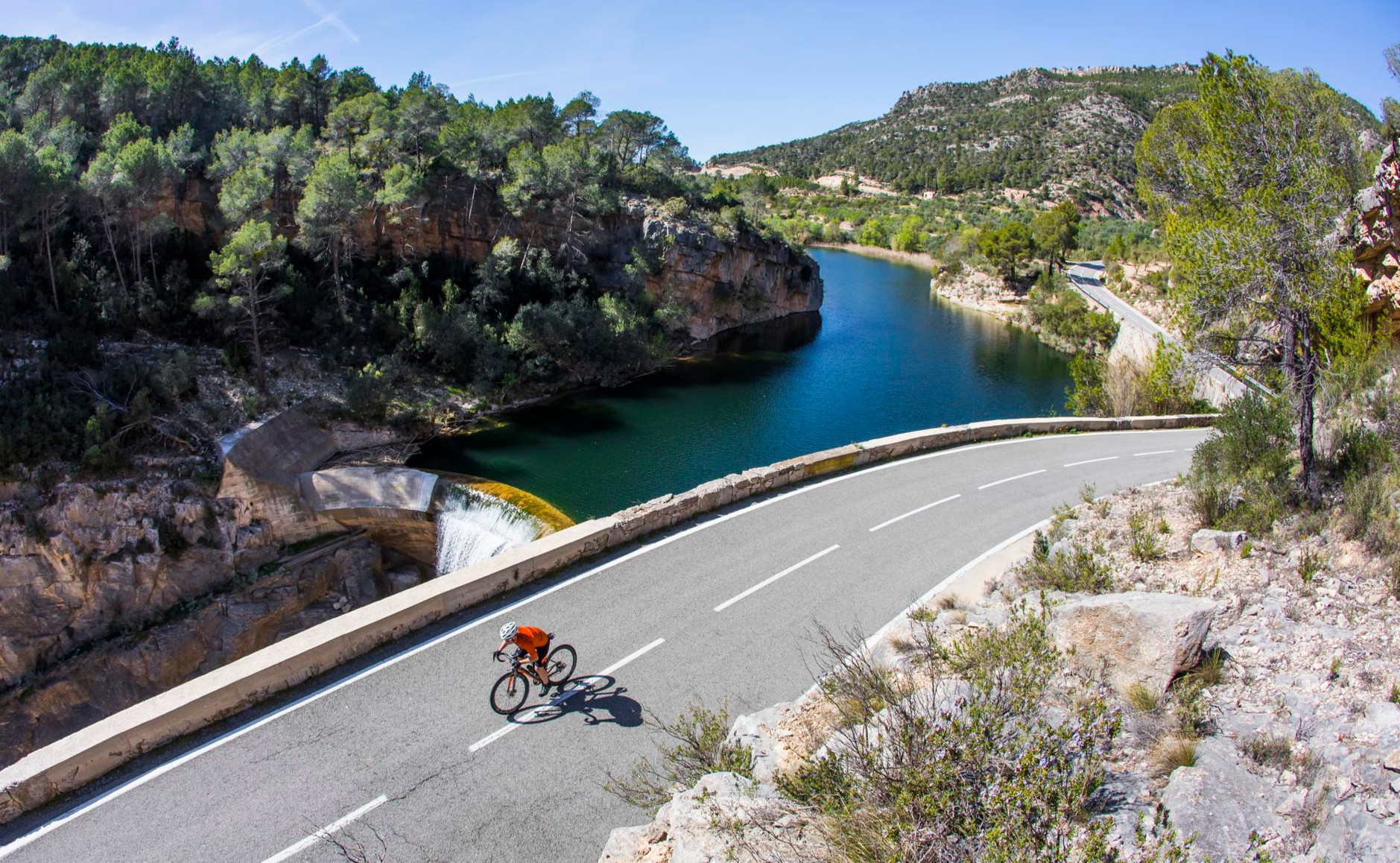
Costa Daurada - Mountains, orchards and monuments by bike
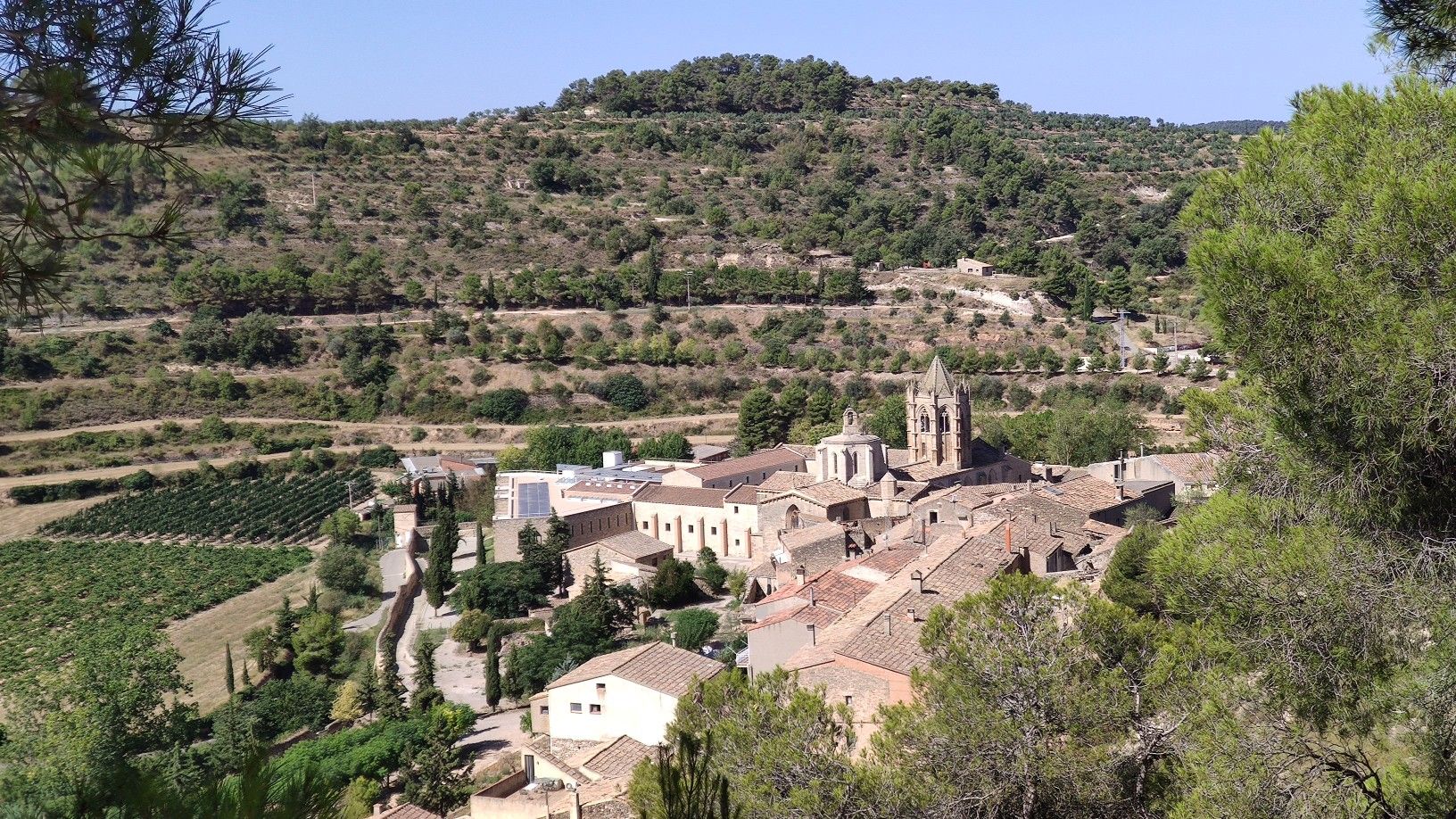
Catalonia's wild south — between sea and mountains
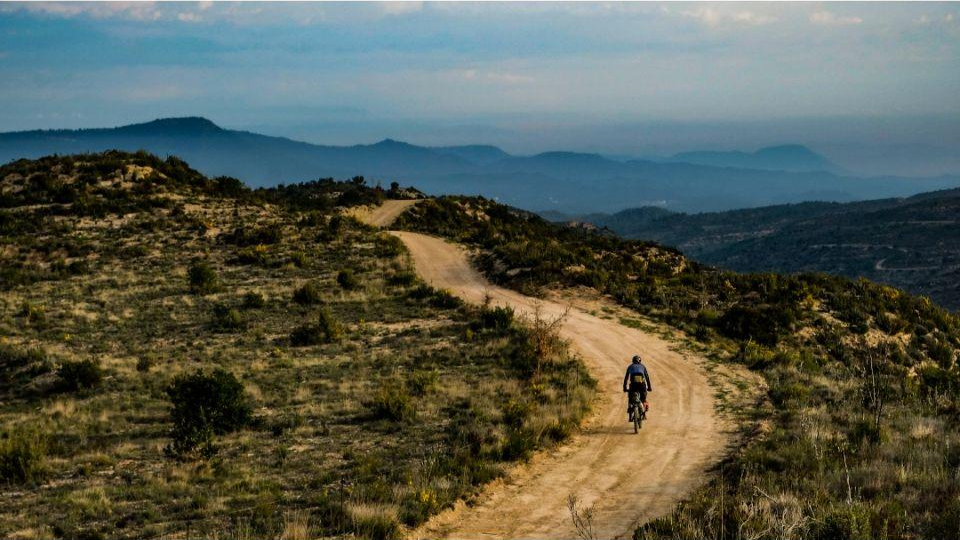
European Divide Trail across the Iberian Peninsula – north
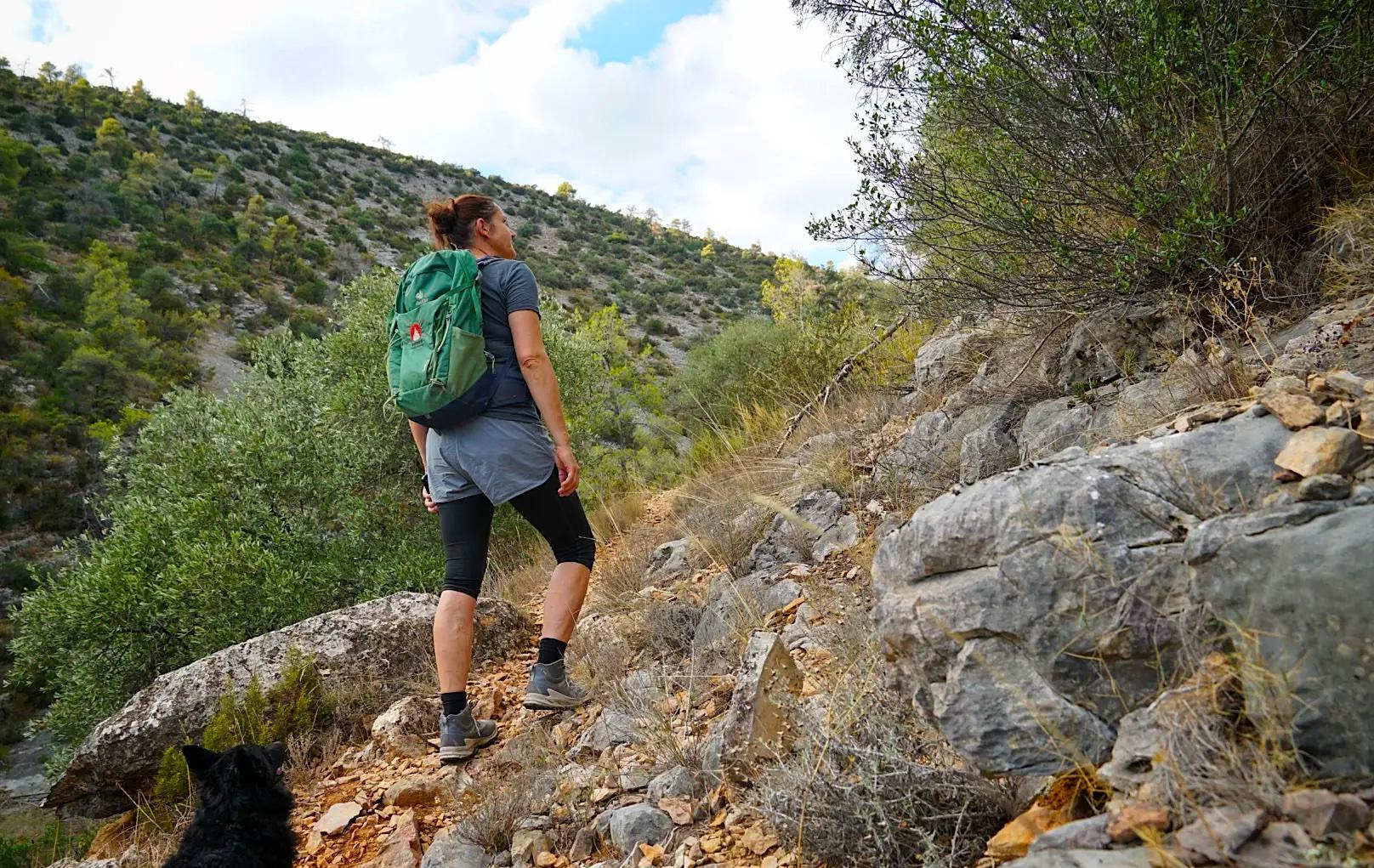
Monasteries, nature and culture – the Cistercian Route on foot
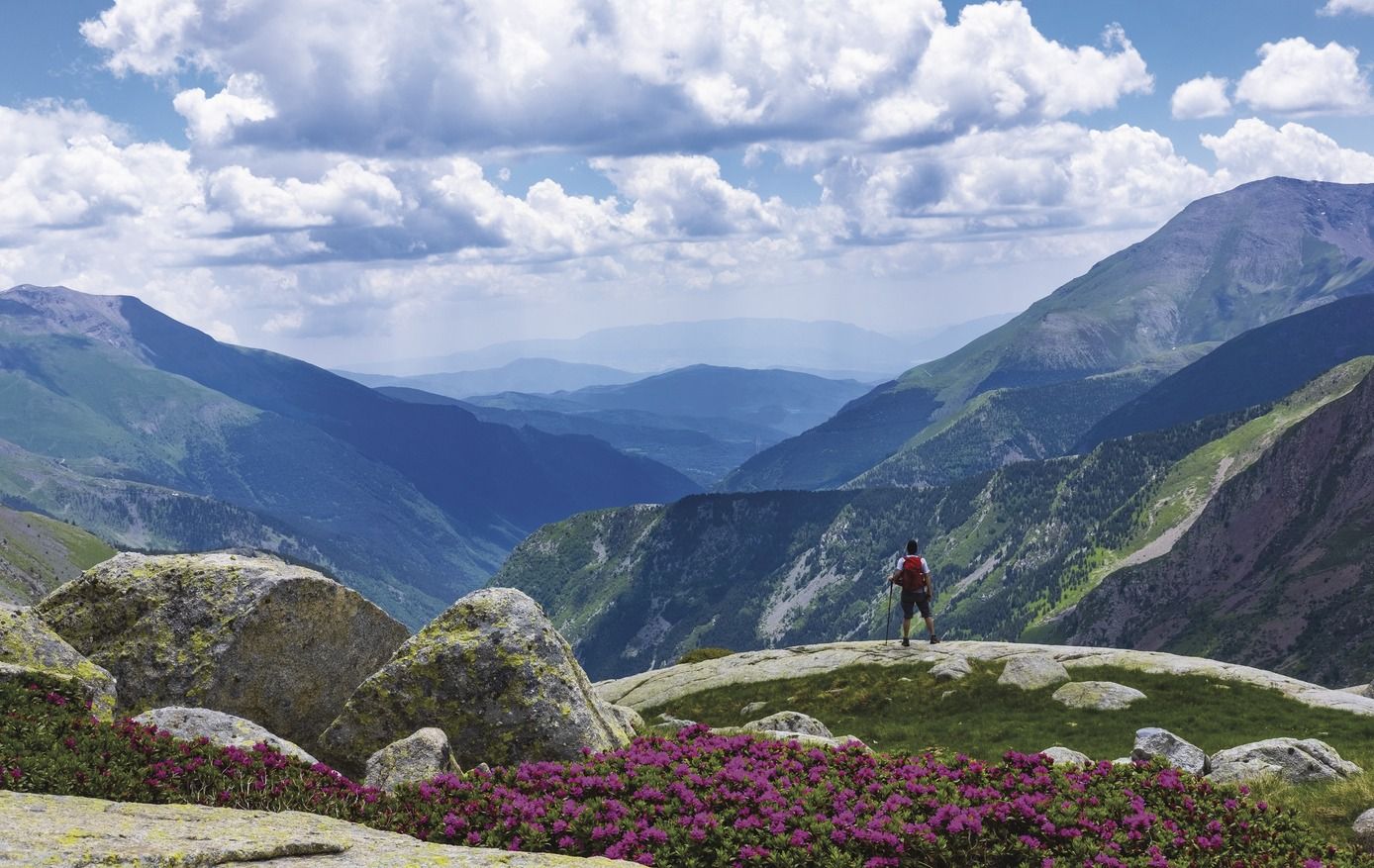
Great Hiking Routes of Catalonia
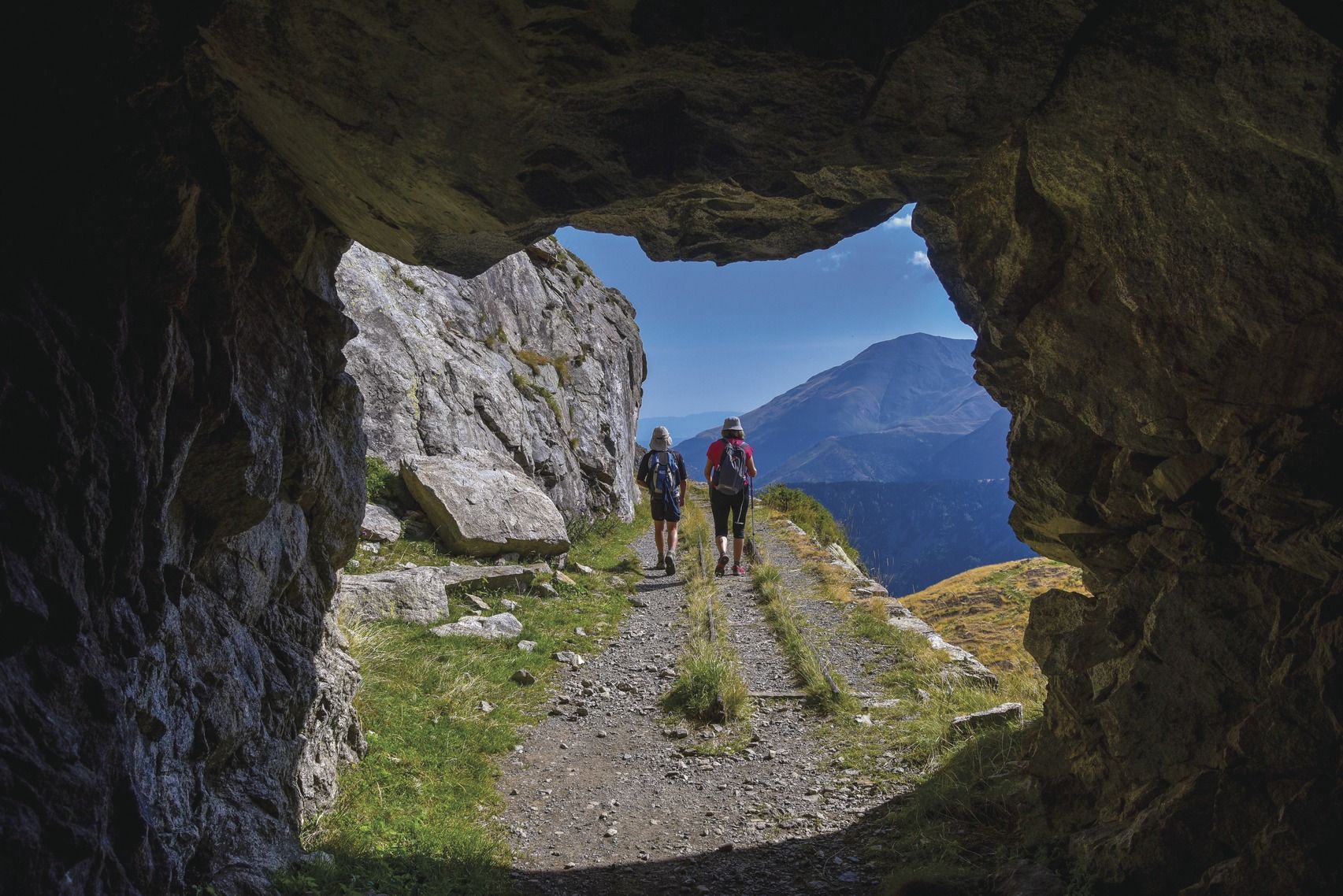
Six spectacular circular tours to discover Catalonia
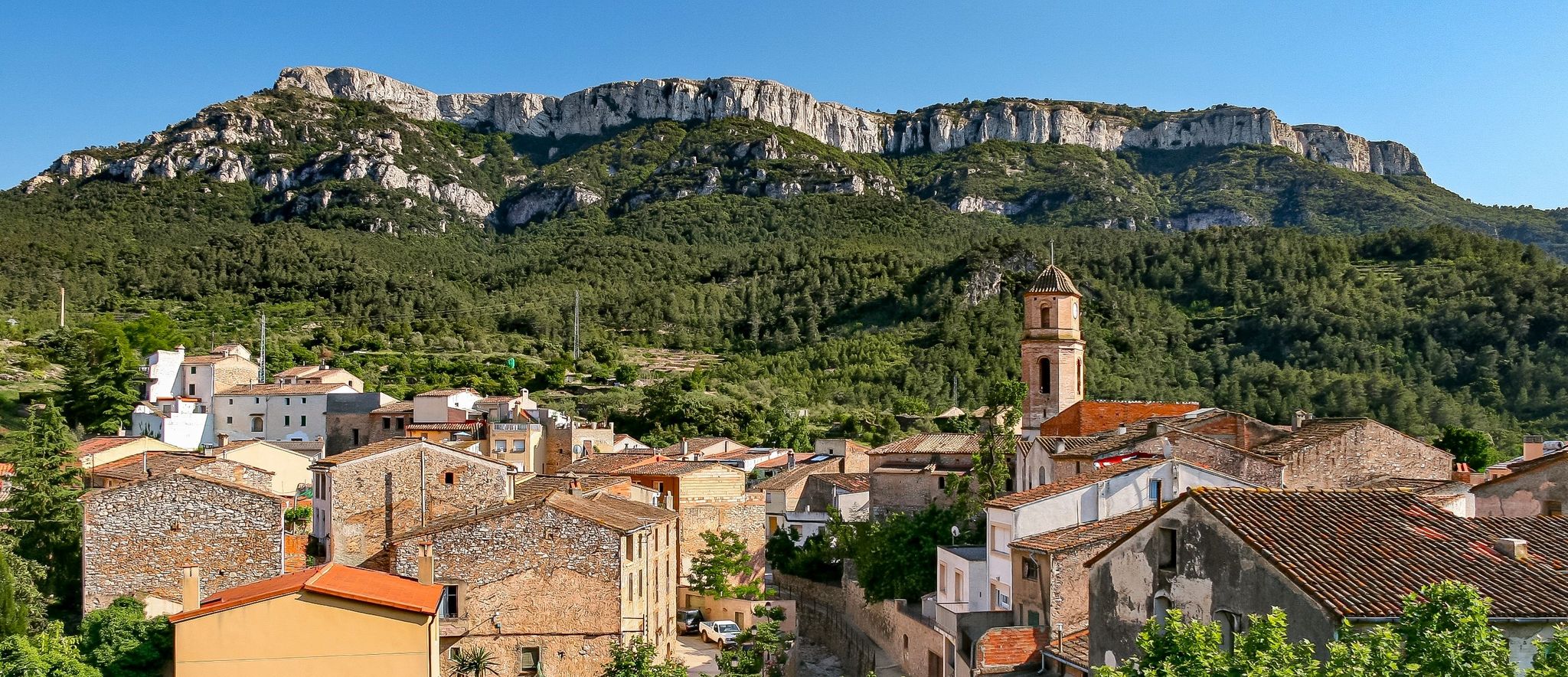
A land of contrasts – Tarragona to the Pyrenees on the GR 7
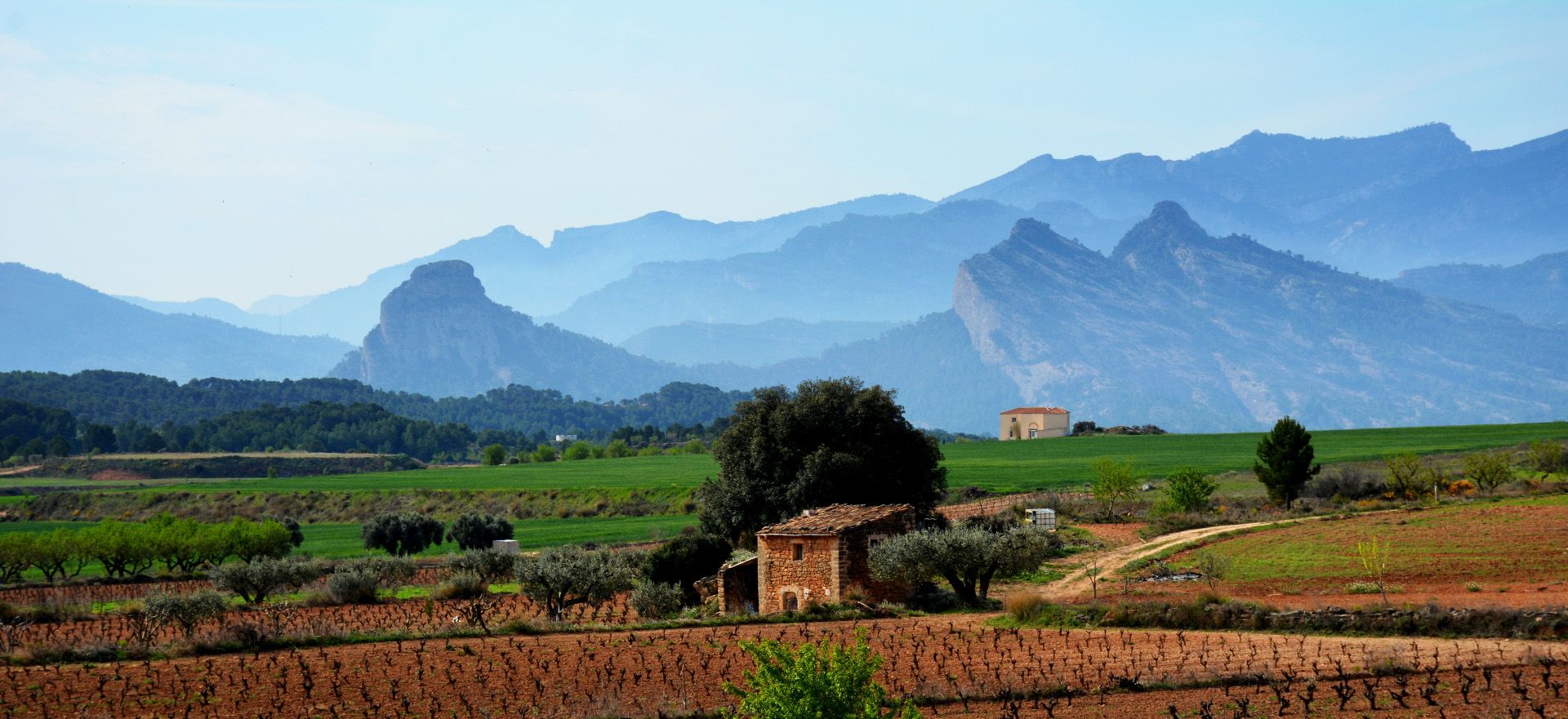
From the heart of southern Catalonia – GR 171
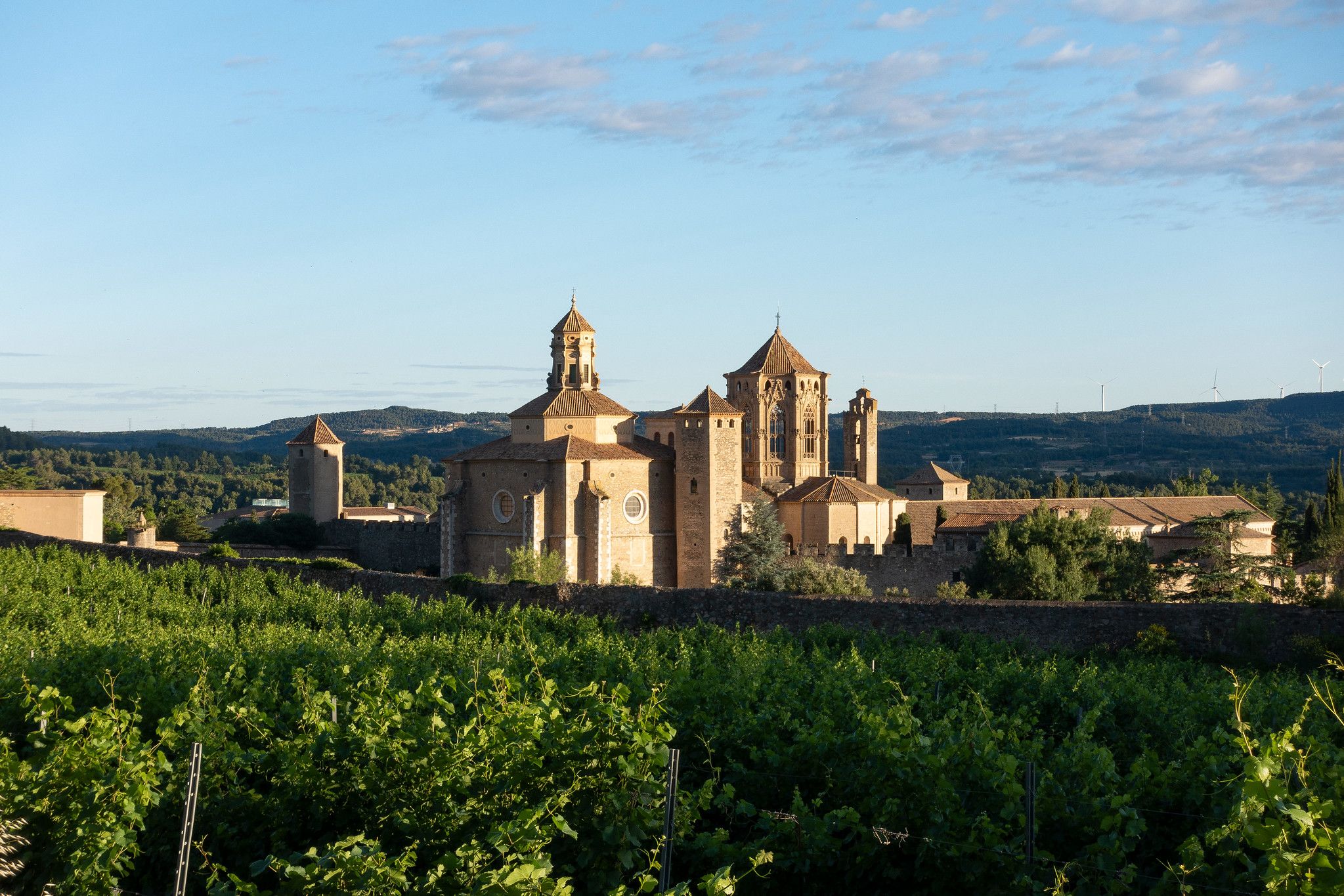
Ride Spain’s Cistercian Route – three monasteries and gravel
Hiking around Conca De Barbera
Other adventures around Conca De Barbera


Tips from the Community

Ideal place to see the Pyrenees with clear skies, amazing.
1
0

Sant Magí de la Brufaganya is a sanctuary located at 760 m above sea level, above the beginning of the Torrent de Sant Magí, in the municipality of Pontils (Conca de Barberà). It is part of the nucleus of Sant Magí de Brufaganya. It is accessed by a detour on the Pontils a la Llacuna road. A gathering is held on the third Sunday of September. Under the sanctuary is the Chapel of the Fonts de Sant Magí, with water considered miraculous and object of pilgrimage; according to legend, the saint made it spring up by hitting the ground three times with his staff when the Roman soldiers were taking him down from the Brufaganya mountain, in Santa Perpètua de Gaià. For centuries, towns such as Barcelona, Tarragona, Lleida, Cervera or Igualada have gone to fetch water from the sources of Sant Magí de la Brufaganya, to then bring it solemnly into their municipality and distribute it among the neighbors. Near the Capella de les Fonts there is a stone dedicated to Sant Magí by the city of Igualada. It is a one and a half meter column with an inscription that attests to the devotion of the Igualadin. It was inaugurated on August 16, 1927 and was destroyed in 1936 during the Civil War. The people of Igualada returned in 1950 to restore it and for the second inauguration by priest Amadeu Amenós. On August 16, 2010, it was reopened by representatives of the Igualada City Council and the Friends of the Horses of Anoia, after a new restoration.
0
0
Sant Magí de la Brufaganya is a sanctuary located at 760 m above sea level, above the beginning of the Torrent de Sant Magí, in the municipality of Pontils (Conca de Barberà). It is part of the nucleus of Sant Magí de Brufaganya. It is accessed by a detour on the Pontils a la Llacuna road. A gathering is held on the third Sunday of September. Under the sanctuary is the Chapel of the Fonts de Sant Magí, with water considered miraculous and object of pilgrimage; according to legend, the saint made it spring up by hitting the ground three times with his staff when the Roman soldiers were taking him down from the Brufaganya mountain, in Santa Perpètua de Gaià. For centuries, towns such as Barcelona, Tarragona, Lleida, Cervera or Igualada have gone to fetch water from the sources of Sant Magí de la Brufaganya, to then bring it solemnly into their municipality and distribute it among the neighbors. Near the Capella de les Fonts there is a stone dedicated to Sant Magí by the city of Igualada. It is a one and a half meter column with an inscription that attests to the devotion of the Igualadin. It was inaugurated on August 16, 1927 and was destroyed in 1936 during the Civil War. The people of Igualada returned in 1950 to restore it and for the second inauguration by priest Amadeu Amenós. On August 16, 2010, it was reopened by representatives of the Igualada City Council and the Friends of the Horses of Anoia, after a new restoration. Source: Wikipedia
0
0

The caves of l'Espluga de Francolí are a set of natural cavities formed in the conglomerate rock. Speleological explorations began in 1956, and so far 3,600 meters of galleries have been explored, making them one of the longest caves in the world. The archaeological findings inside show that they have been occupied since the Paleolithic: the last discovery, in 2019, was a Paleolithic sanctuary made up of more than 300 engravings, some of them more than 36,000 years old. The visits are guided and can be booked from https://covesdelespluga.info/
0
0

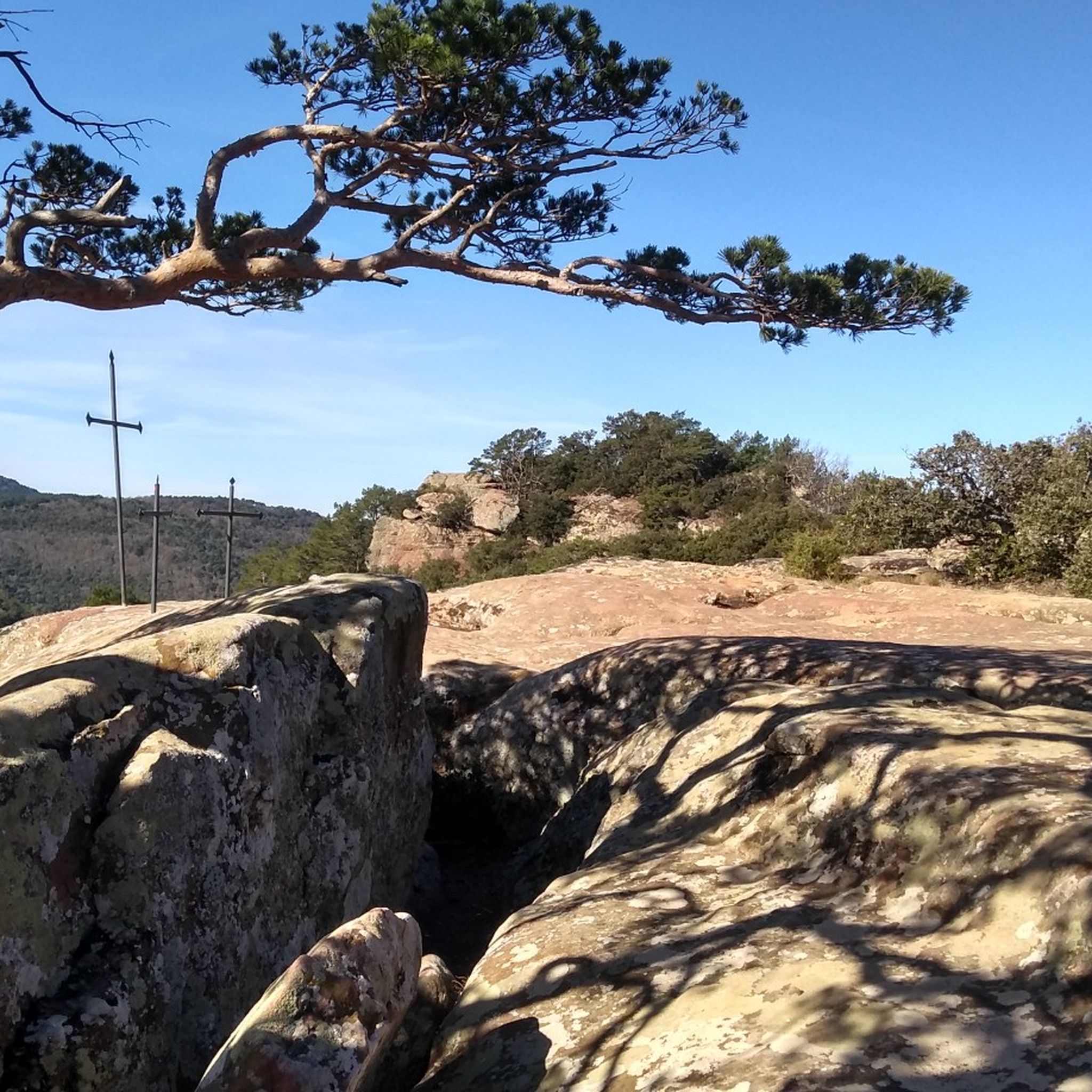
La Mola d'Estat, also known as the Mola dels Quatre Termes, is a tozal located 1117 meters high in the Prades Mountains. Marked with three crosses, from this summit, one of the highest in the nature reserve, you have fantastic views of the surroundings.
0
0

The tozal Gros de Vallbona is located at 804 meters above sea level. It is the highest summit of the Urgell and offers magnificent views of the Conca de Barberà.
2
0

After a small detour from the main route, you will find this small waterfall that seems like an oasis of tranquility and freshness. Ideal to rest before continuing with the adventures.
1
0
In spring is when more water runs through the Barranc de la Vall waterfall
0
0
Frequently Asked Questions
What are the most popular natural monuments around Conca De Barberà?
Visitors frequently enjoy the panoramic views from Tossal de la Baltasana summit, the highest point in the Prades Mountains. Another favorite is the Hermitage and Viewpoint of Sant Joan de la Muntanya, offering extensive vistas of the Conca de Barberà and Serra Carbonària. The tranquil Vall Waterfall is also a popular spot for rest and refreshment.
Where can I find the best panoramic views in the Conca de Barberà region?
For breathtaking panoramic views, head to Tossal de la Baltasana summit, which offers expansive vistas of the village of Prades, the Montsant mountain range, and even the Pyrenees on clear days. The Hermitage and Viewpoint of Sant Joan de la Muntanya also provides extensive views of the Conca de Barberà and Serra Carbonària. Additionally, La Pena Viewpoint is described as an 'impressive balcony' with broad panoramas over the western part of the region.
Are there family-friendly natural monuments to visit in Conca de Barberà?
Yes, several natural monuments are suitable for families. The Vall Waterfall is a tranquil spot perfect for a family stop. The Hundred Springs is another family-friendly natural monument. The Coves de l'Espluga offer guided tours that can be engaging for families, exploring geological formations and prehistoric history.
What unique natural features can I explore in Conca de Barberà?
Conca de Barberà is rich in diverse natural features. You can explore the extensive Coves de l'Espluga, one of the longest conglomerate cave systems globally, featuring an underground river and sculptural rock formations. The region also boasts high summits like Tossal de la Baltasana and Mola d'Estat, offering stunning views. You'll also find charming waterfalls like the Vall Waterfall and natural springs such as Deport Spring within the Poblet forest.
Are there historical or cultural sites among the natural monuments?
Yes, the region's natural monuments often intertwine with history. The Coves de l'Espluga are not only geologically significant but also hold immense prehistoric importance with archaeological findings and ancient engravings. The Hermitage and Viewpoint of Sant Joan de la Muntanya features a chapel excavated into the rock and offers a blend of natural beauty and historical elements. Additionally, the Mas d'en Llort Rock Shelter contains cave paintings, highlighting ancient human presence.
What outdoor activities can I do near these natural monuments?
The natural monuments of Conca de Barberà are surrounded by opportunities for outdoor activities. You can find numerous hiking trails, including those leading to waterfalls like the Vall Waterfall – Pujada Coma loop. The region is also excellent for cycling, with routes like the Cistercian Route, and gravel biking, offering challenging rides such as the Guimerà Historic Village loop. The Serra de Prades and Serra de Montsant Protected Natural Areas are paradises for hiking, cycling, climbing, and even astrotourism due to their dark skies.
Are there hiking trails near the natural monuments, and what are their difficulty levels?
Yes, there are many hiking trails. For example, near the Vall Waterfall, you can find moderate trails like the Vall Waterfall – Pujada Coma loop (8.2 km) or the Vall Waterfall – Rojals Village loop (15.3 km). An easier option is the Salt of the Barranc de la Vall – Vall Waterfall loop (3.5 km). The Serra de Prades and Serra de Montsant Natural Parks offer a wide range of trails, from easy walks to challenging climbs and via ferratas.
When is the best time to visit the natural monuments in Conca de Barberà?
The Conca de Barberà region, nestled between mountains and coast, offers diverse experiences throughout the year. Spring and autumn generally provide pleasant temperatures for hiking and exploring. The Serra de Prades and Serra de Montsant are designated Starlight Tourist Destinations, making them ideal for stargazing, especially on clear nights, which can be enjoyed year-round. For cave exploration at Coves de l'Espluga, conditions are generally stable regardless of the season.
What makes the Serra de Prades Protected Natural Area special?
The Serra de Prades is the largest protected natural area in the region, known for its immense biological diversity, distinctive habitats, and landscapes. It features the Brugent and Glorieta rivers flowing through its mountainous terrain. A unique aspect is its recognition as a Starlight Tourist Destination, offering exceptionally clean night skies perfect for stargazing and astrotourism.
Can I find any natural springs or water features to visit?
Yes, the Poblet forest is known for its rich natural springs. The Deport Spring, located beneath the Cingle de les Cabres, is a popular spot and part of a scenic trail leading to the La Pena viewpoint. The Boixets fountain is another well-known spring in the area. Additionally, the Vall Waterfall and the Salt of the Barranc de la Vall offer refreshing water features.
What is the Tossal Gros de Miramar Protected Natural Area known for?
The Tossal Gros de Miramar Protected Natural Area is characterized by its large rocks and calcareous cliffs, which contrast beautifully with its holm oak forests. It's home to diverse fauna, including the Iberian skink. The area is popular for hiking and mountain biking, with long-distance routes like the GR 7 and GR 175 passing through it, offering a unique blend of rocky and forested landscapes.
What do visitors enjoy most about the natural monuments in Conca de Barberà?
Visitors particularly appreciate the stunning panoramic views from summits like Tossal de la Baltasana, often describing them as 'amazing' and 'great views of the nature reserve.' The tranquility and freshness of spots like the Vall Waterfall are also highly valued, especially by those seeking a peaceful break. The historical and cultural significance of sites like the Hermitage and Viewpoint of Sant Joan de la Muntanya also receives positive feedback for its picturesque setting and extensive vistas.
Most popular routes around Conca De Barbera
Most popular attractions around Conca De Barbera

Get inspired with the komoot mobile app


Didn’t find what you were looking for?
Find even more amazing natural monuments around Conca De Barbera by checking out the top Highlights region by region:
Explore more
Extend your search for the best caves by checking out these guides of the top ones around Conca De Barbera:
