Top 20 Natural Monuments around Pallars Sobira
Best natural monuments around Pallars Sobira are characterized by high mountains, glacial lakes, and unique geological formations within the Catalan Pyrenees. This region hosts Catalonia's only National Park, Aigüestortes i Estany de Sant Maurici, and its largest Natural Park, Alt Pirineu. These areas offer diverse landscapes, including lush forests and significant peaks. The notable landmarks and natural features of Pallars Sobira provide numerous opportunities for outdoor exploration.
Best natural monuments around Pallars Sobira
- The most popular natural monuments is Lake…
Last updated: June 23, 2026
Lake Sant Maurici
Highlight • Lake
Translated by Google •
Tip by

Ratera Lake
Highlight • Lake
Translated by Google •
Tip by

Sign up now to discover places like this
Get recommendations on the best single tracks, peaks, & plenty of other exciting outdoor places.
Sign up for free
Ratera Waterfall
Highlight • Waterfall
Translated by Google •
Tip by
Gerber Waterfall
Highlight • Waterfall
Translated by Google •
Tip by
Coma Pedrosa Summit
Highlight • Summit
Showing Translation
Tip by

Black Lake of Comapedrosa
Highlight • Lake
Translated by Google •
Tip by

Port del Cantó (1,721 m)
Highlight • Mountain Pass
Translated by Google •
Tip by

Pica d'Estats
Highlight • Summit
Translated by Google •
Tip by
Port de Cabús
Highlight • Mountain Pass
Translated by Google •
Tip by

Estany de Romedo de Dalt
Highlight • Lake
Tip by

Sign up for free to discover even more natural monuments around Pallars Sobira.
Sign up for free
Already have an account?
Start today with a free account
Your next adventure awaits.
Login or Signup
Popular around Pallars Sobira
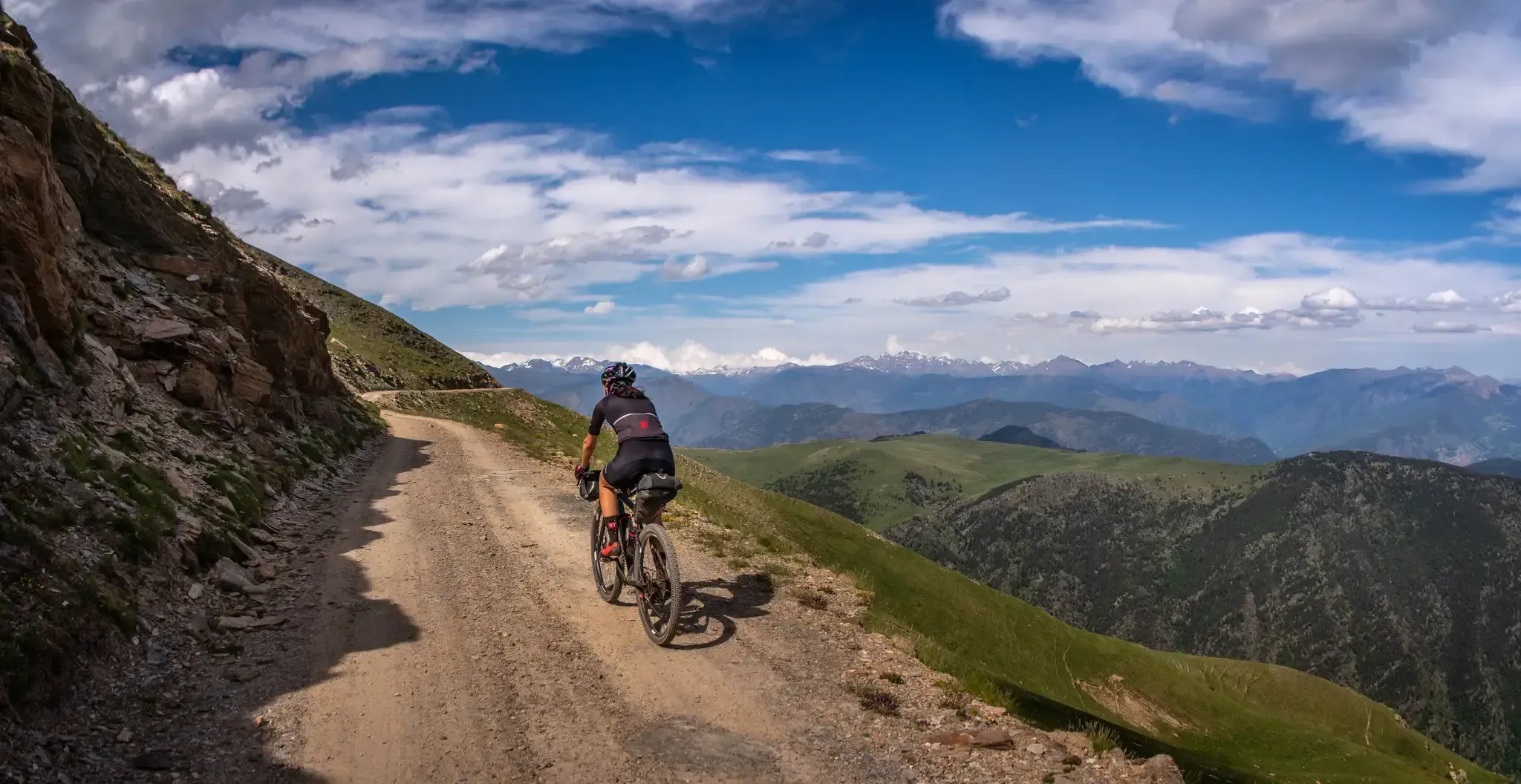
Pedals de Foc – An adventure through the Catalan Pyrenees
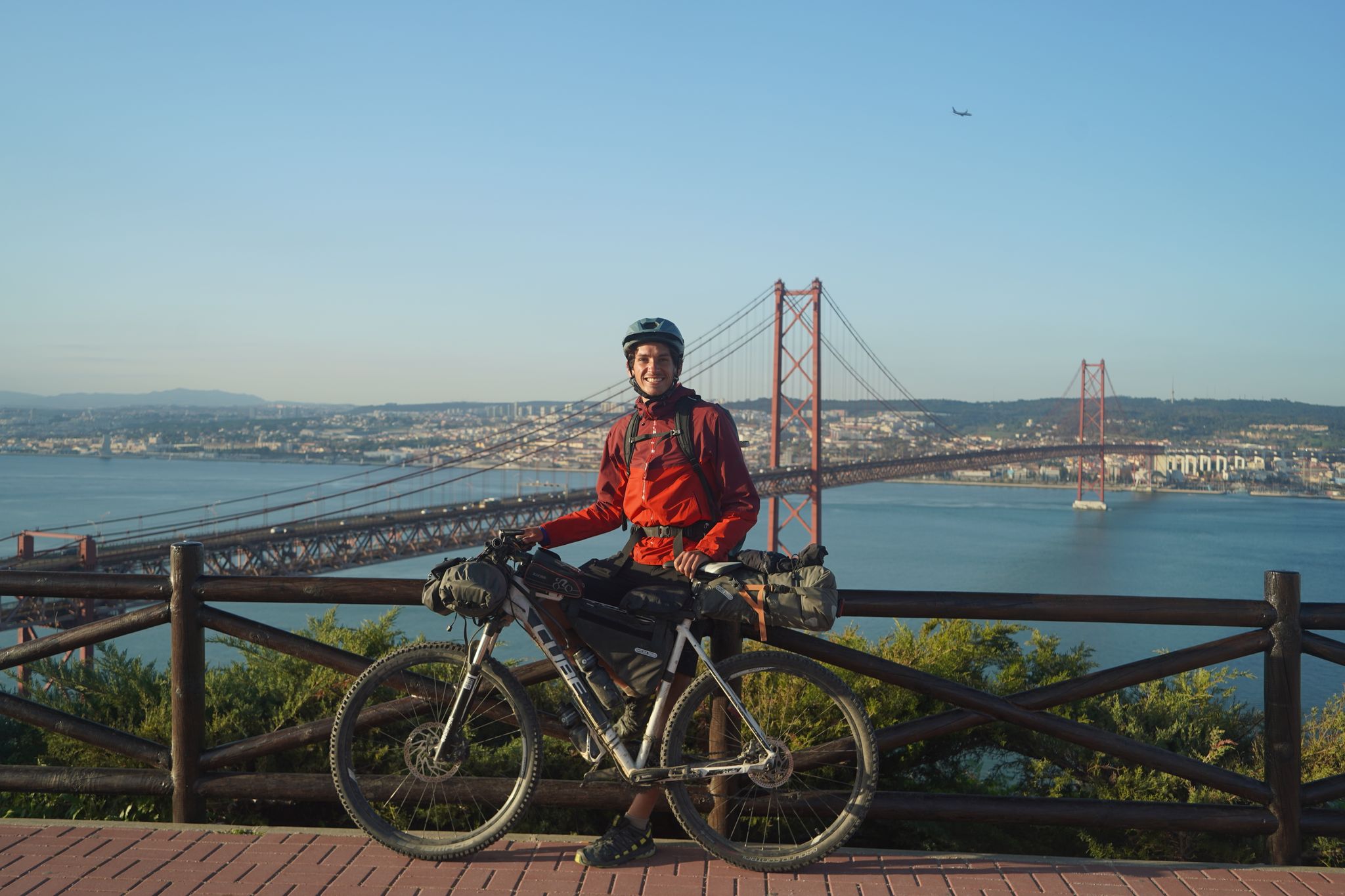
Road to Lisbon – bikepacking the Alps, Pyrenees and Picos de Europa
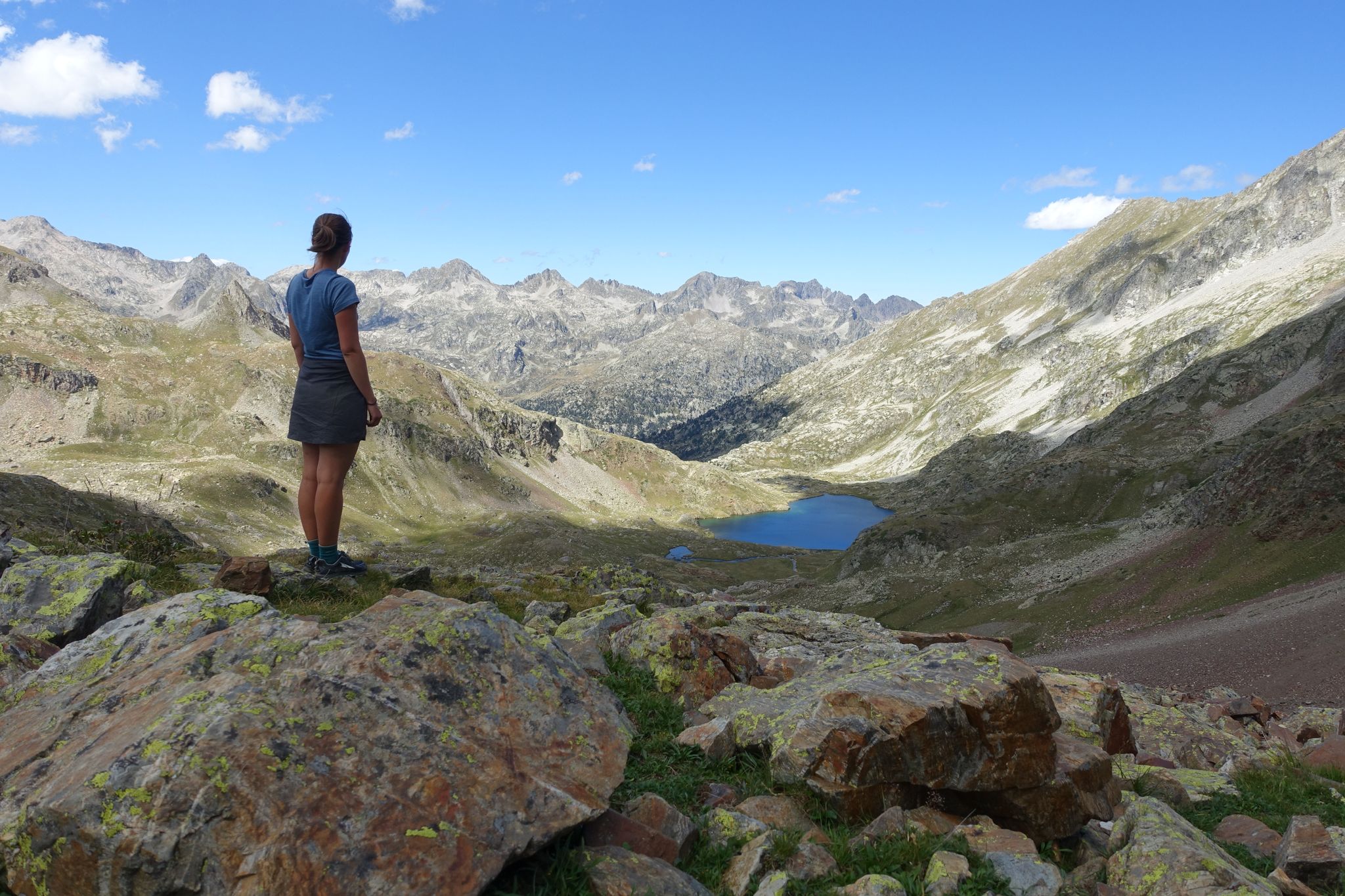
Haute Route Pyrénéenne – Pyrenees Crossing
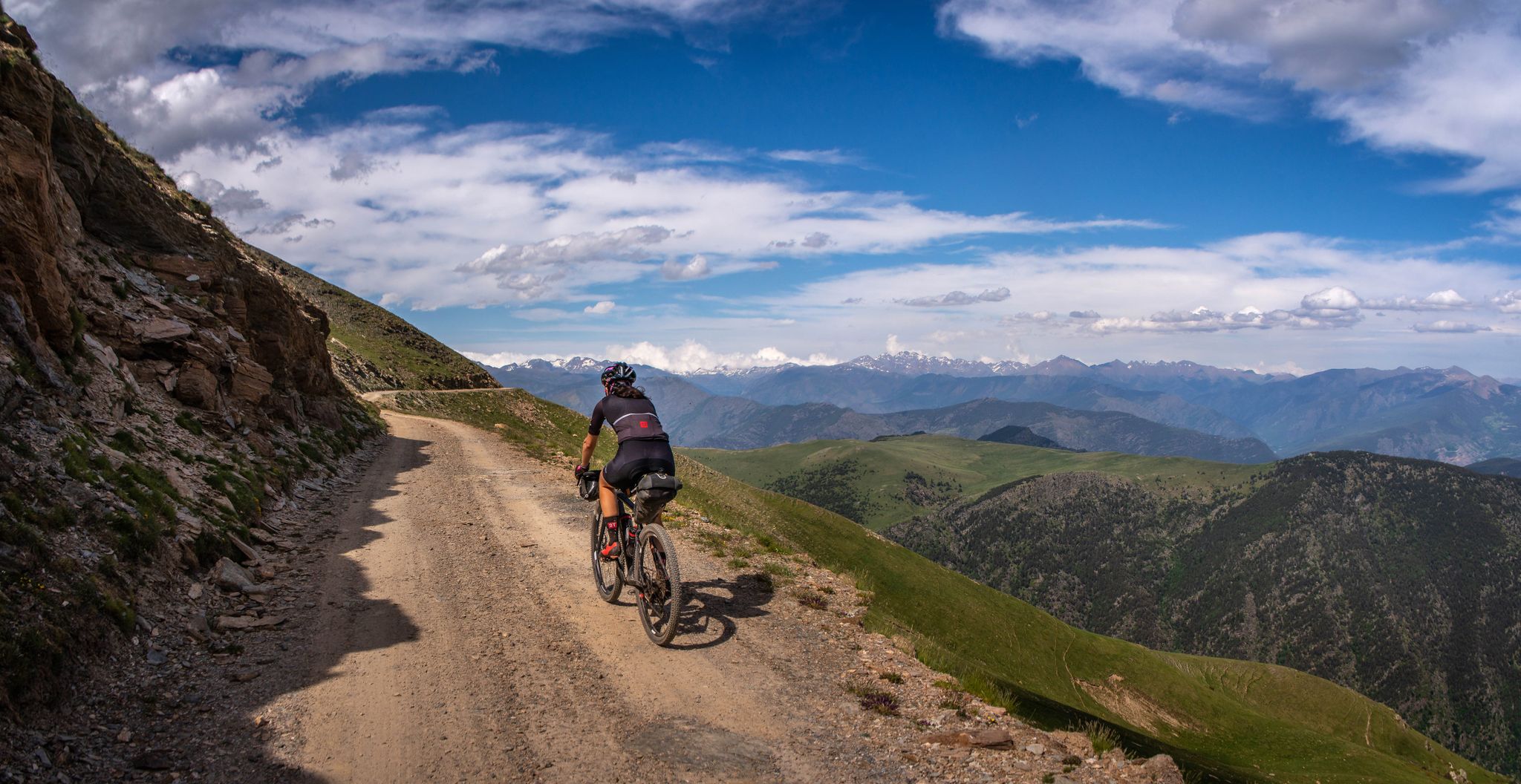
Bikepacking in the Catalan Pyrenees
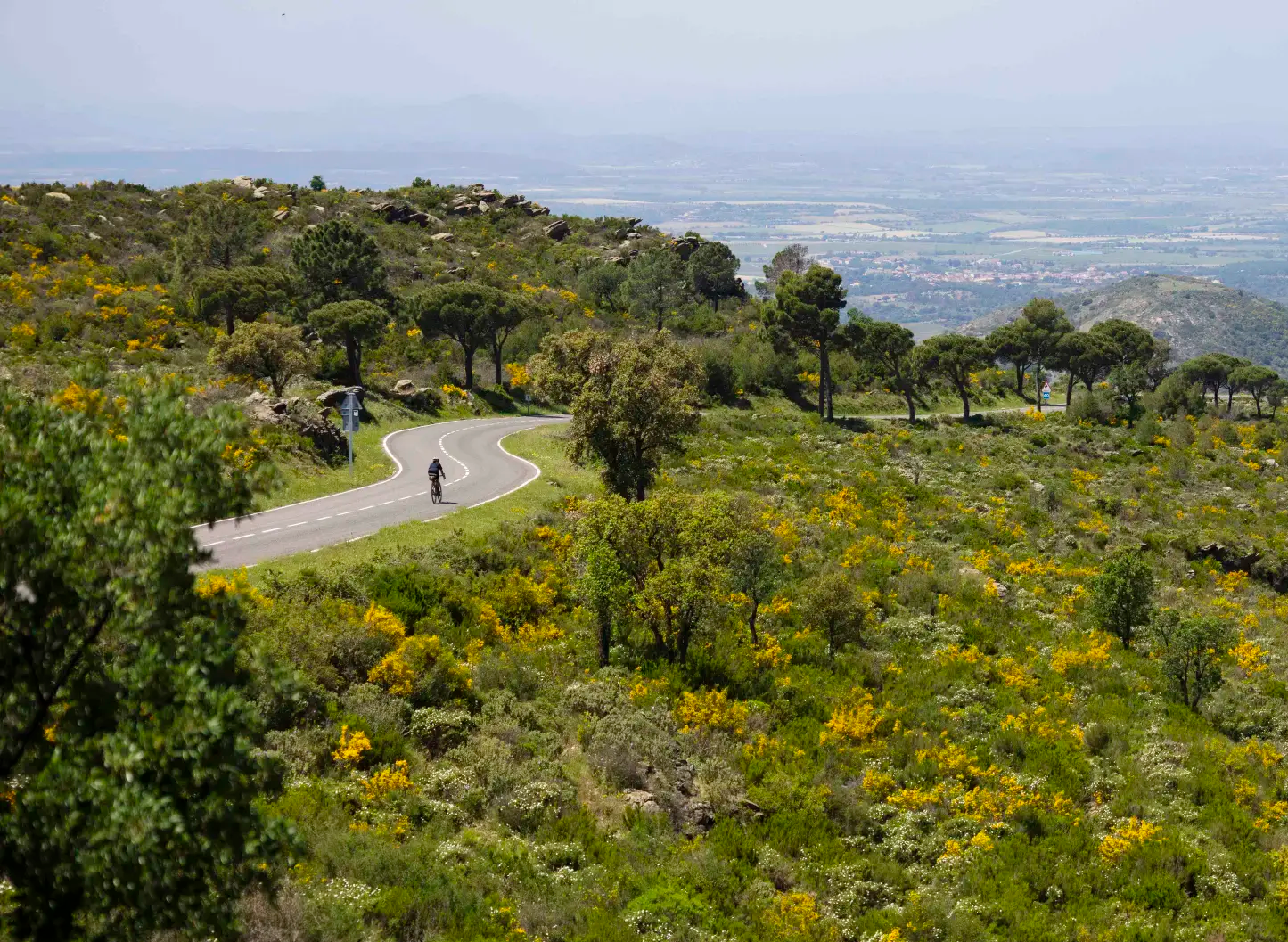
Ports and Roads — Catalonia on Wheels
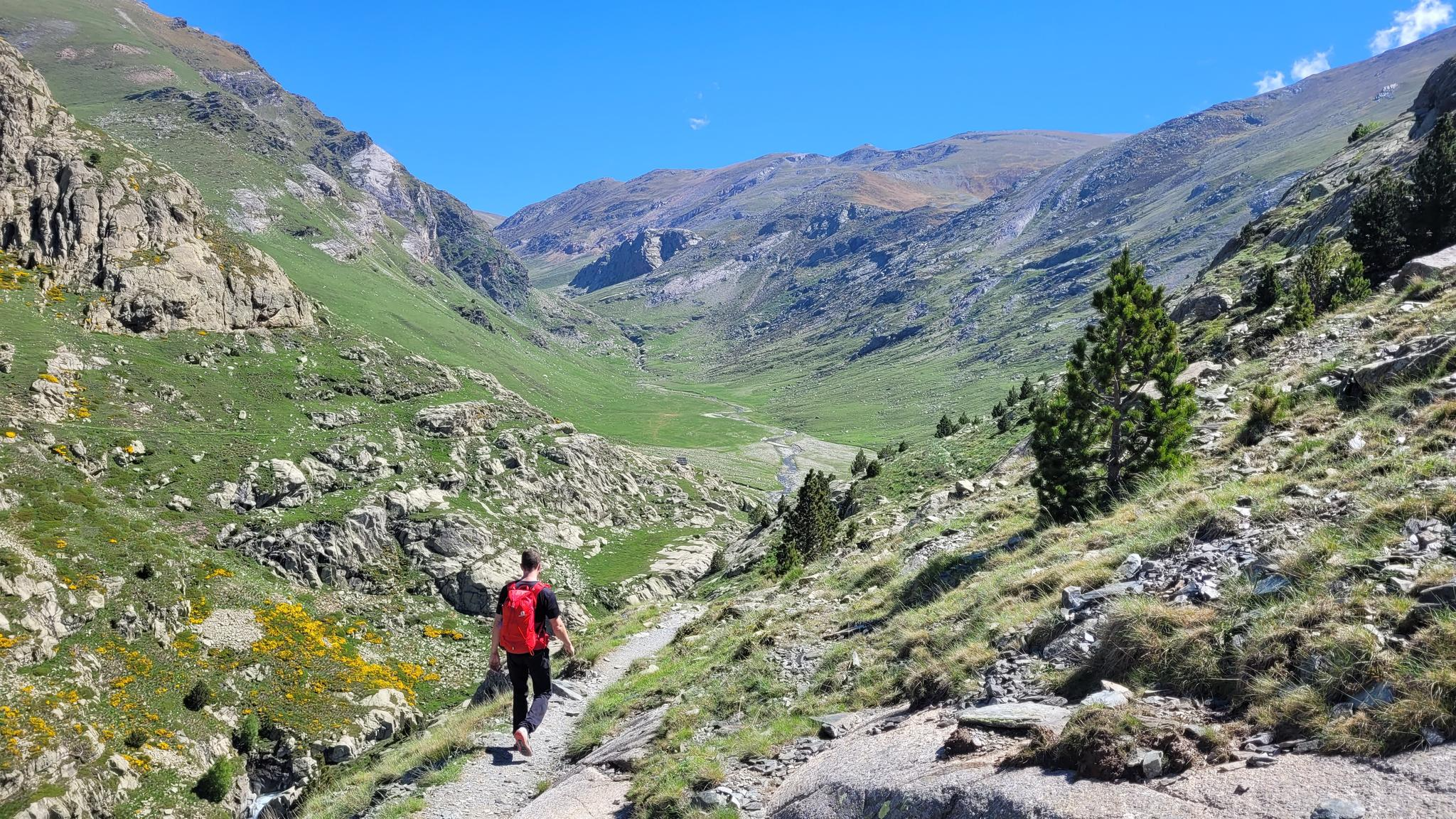
10 hikes with teenagers — Catalan paradises
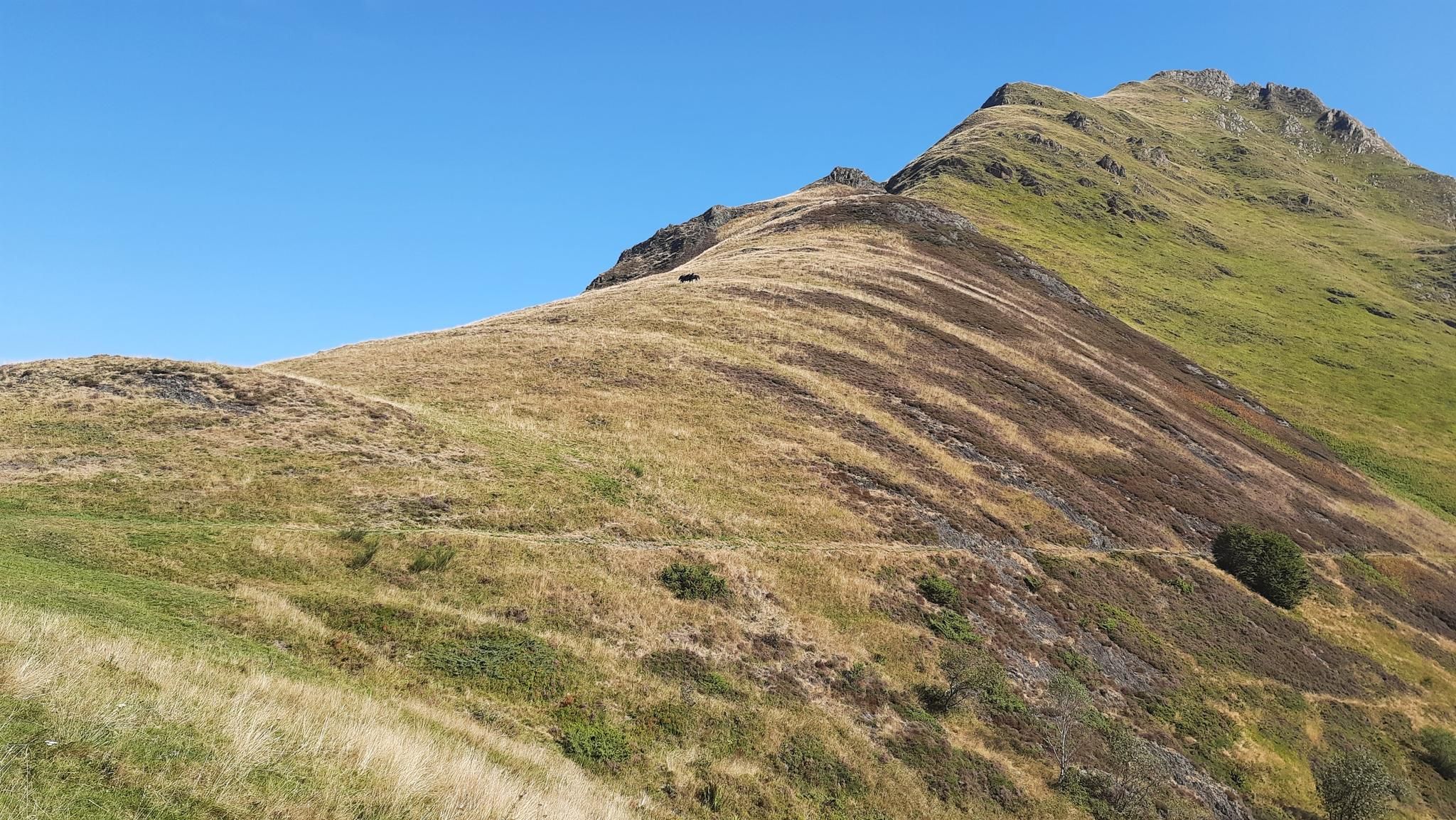
Tour of Mont Valier - The Giant of Ariège
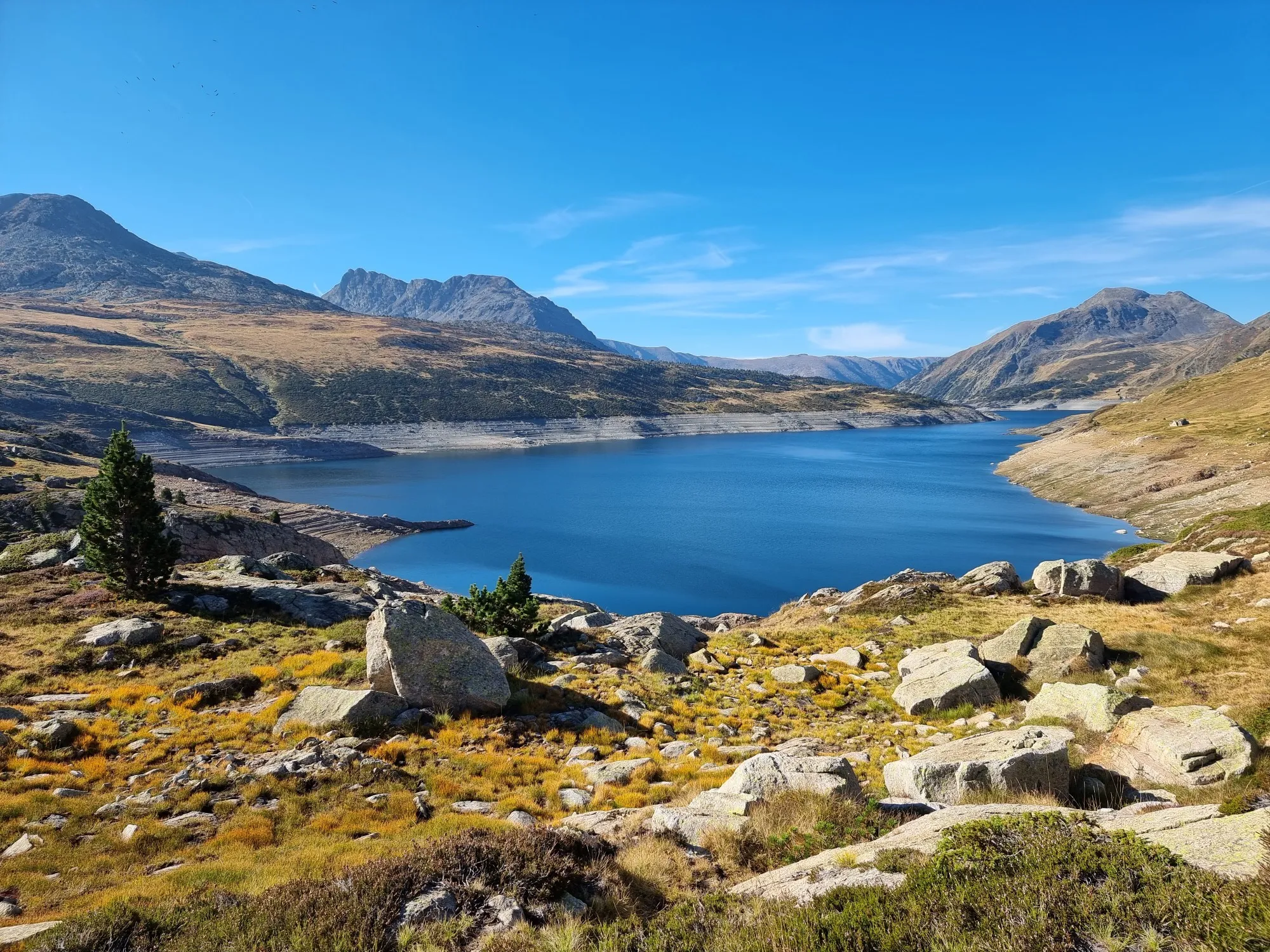
On wild ridges: Catalonia to Ariège – Hexatrek, Eastern Pyrenees
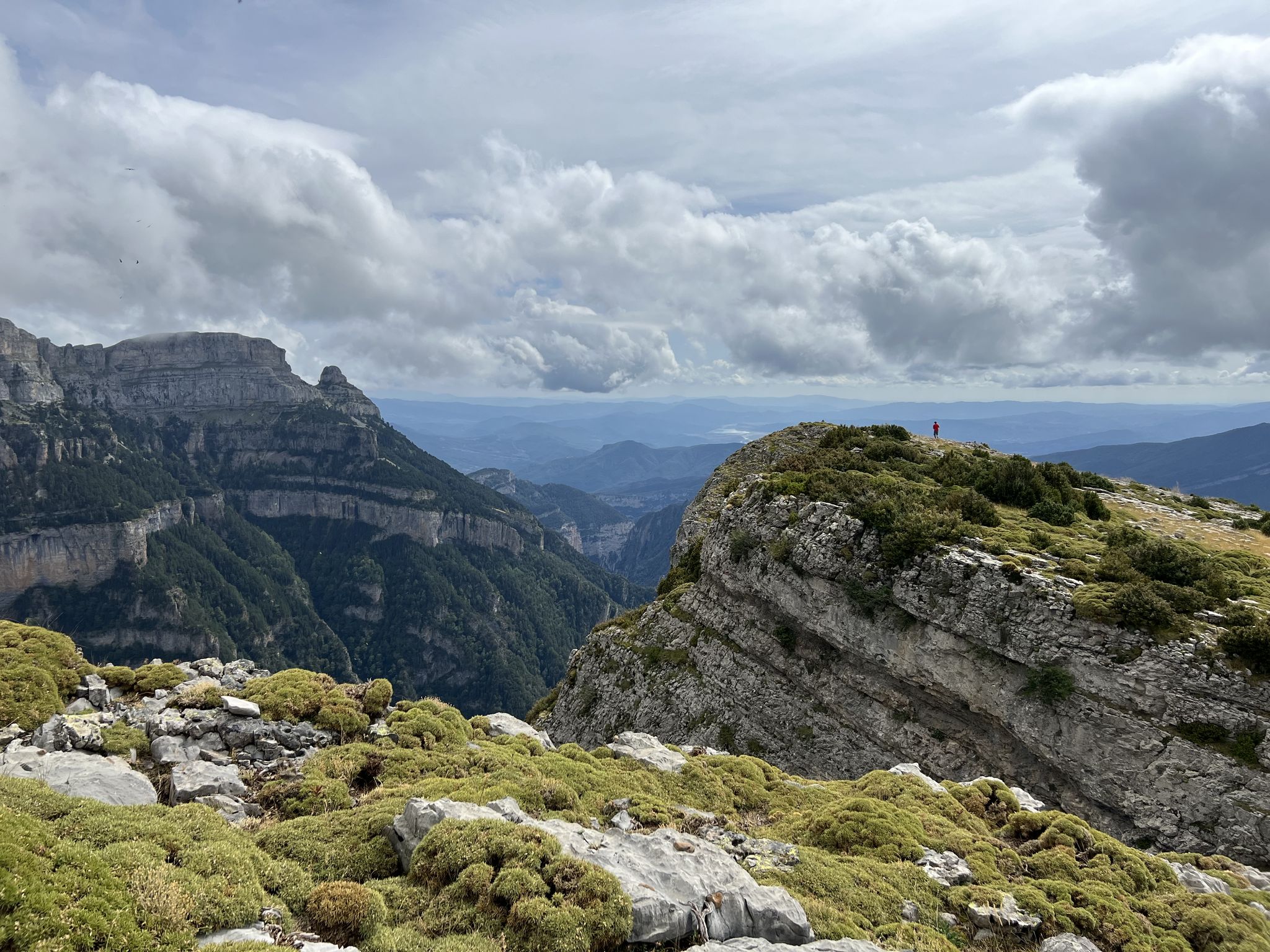
Summit conquests and idyllic mountain lakes – Spanish Pyrenees
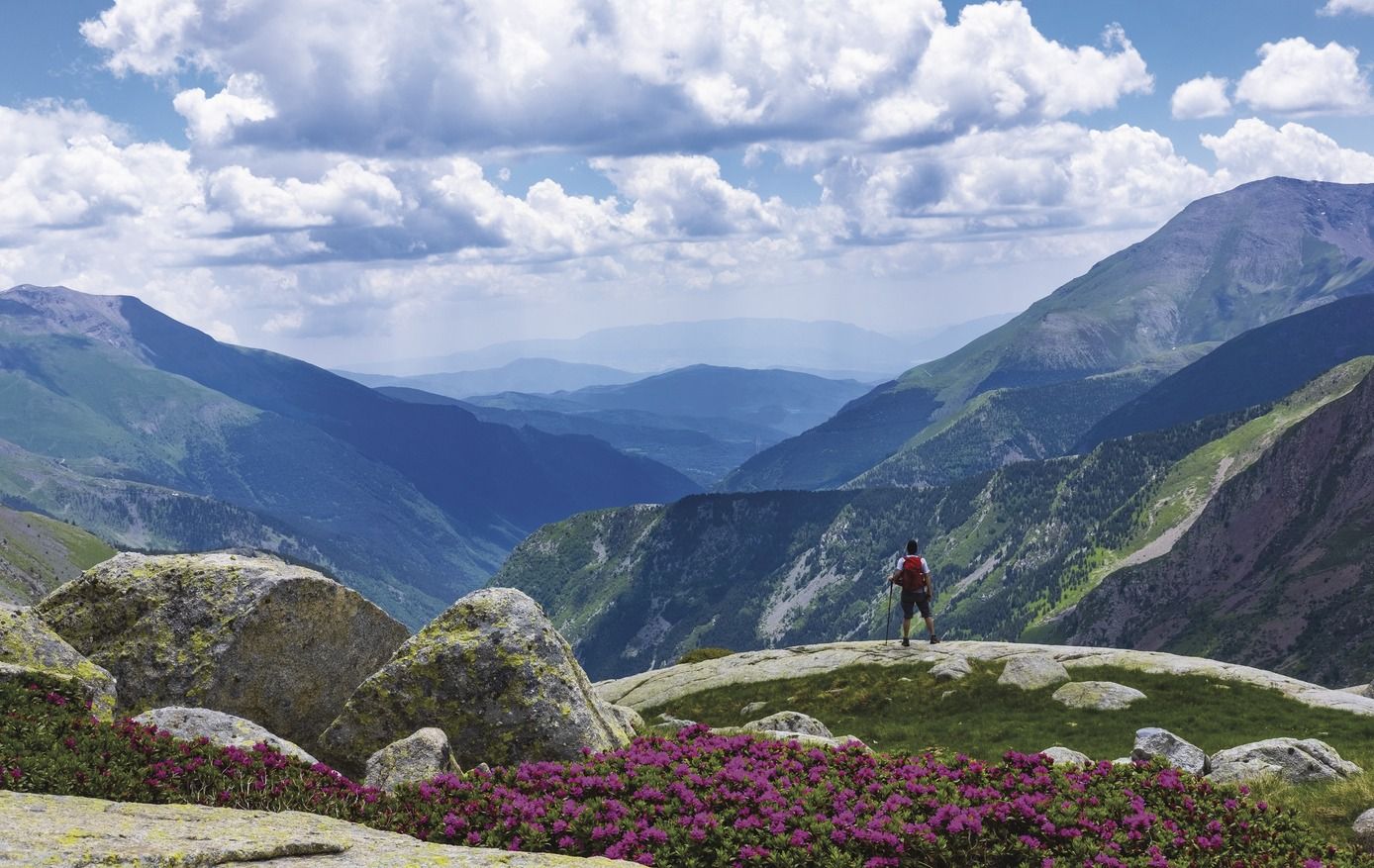
Great Hiking Routes of Catalonia
Other adventures around Pallars Sobira


Tips from the Community


The highest peak in the Catalan Pyrenees is well worth the visit, although you have to earn it as it is a long route with considerable elevation gain to overcome.
0
0

Fantastic panoramic views all around; this summit is well worth it, as you can see from my two panorama photos. Ascent from Estany de Sotllo via the pass. I took the partly exposed scrambling/climbing ridge via Pic Verdaguer. Beautiful scrambling; you just have to be careful to stay on the right track. Descent around the summit, then back to the same pass and down past the same beautiful mountain lakes, and via the Valferrera Hut into the valley. The length and roughness of this route surprised me. Luckily, I didn't start my ascent from the hut. The section along the mountainside, especially above the hut, was quite challenging. There are frequent short climbs over rocky outcrops, and at one point, I found myself on a side path below the main trail, which then ended in the undergrowth. After a short climb, everything was fine again.
0
0

The pass summit has been reached. The climb is pleasant!
1
0
The pass summit has been reached
0
0

The Cabús Pass is a mountain pass that crosses the Pyrenees at 2,302 m above sea level. It is located on the border between Andorra and Spain, between the parish of La Massana and the municipality of Alins. Only the Andorran side is paved. From Alins, in the High Pyrenees, the climb is impressive and involves paths and trails that are not always in good condition.
0
0

Poblar de Segur, the pass on the marked beautiful route
0
0
Frequently Asked Questions
What are some of the most notable natural features to explore in Pallars Sobirà?
Pallars Sobirà is rich in diverse natural features. Beyond the well-known Lake Sant Maurici, you can discover the impressive Ratera Lake and the cascading Ratera Waterfall within the Aigüestortes i Estany de Sant Maurici National Park. The region also boasts high mountain summits like Coma Pedrosa Summit and Pica d'Estats, Catalonia's highest peak.
Are there family-friendly natural monuments or activities in Pallars Sobirà?
Yes, several natural monuments in Pallars Sobirà are suitable for families. The area around Lake Sant Maurici offers accessible paths and stunning views, making it a popular choice. Additionally, the Pont de Perosa, a historical bridge, is categorized as family-friendly and offers a pleasant trail experience.
What kind of hiking trails can I find near the natural monuments in Pallars Sobirà?
The natural monuments in Pallars Sobirà are surrounded by an extensive network of hiking trails, ranging from moderate to challenging. For instance, you can find routes like 'Cascada de la Ratera y Mirador del Lago de San Mauricio desde Prat de Pierró' or 'Estany de Sant Maurici y Estany de Ratera' which are moderate hikes within the Aigüestortes i Estany de Sant Maurici National Park. More challenging mountain hikes, such as the 'Pica d'Estats Summit – Pic Verdaguer loop', are also available. You can explore more options on the Hiking around Pallars Sobira guide.
What is the highest waterfall in Aigüestortes National Park?
The highest waterfall in Aigüestortes National Park is the Gerber Waterfall (also known as Salto de Comials), which boasts a 125-meter drop. It's a popular spot, especially during summer and spring weekends, and offers information panels and a viewpoint for visitors.
What is the best time of year to visit the natural monuments in Pallars Sobirà?
The best time to visit depends on your preferred activities. Summer (July and August) is popular for hiking and enjoying the lakes, though some areas like Lake Sant Maurici can be very busy. Spring and autumn offer milder temperatures and fewer crowds, with vibrant flora in spring and stunning foliage in autumn. Winter provides opportunities for mountain skiing and snowshoeing, transforming the landscape into a snowy wonderland.
Are there any unique geological formations in Pallars Sobirà?
Yes, Pallars Sobirà features several unique geological formations. The Amitges Needles in Aigüestortes i Estany de Sant Maurici National Park are impressive rock formations shaped by glacial erosion. The Argenteria within the Collegats Canyon is another striking example, with rock walls carved into twisted shapes by water, which can form beautiful icicles in colder months. The region also includes the Cigalera de l'obaga de Baleran, one of Catalonia's deepest gorges.
Can I find opportunities for mountain biking or gravel biking near these natural monuments?
Absolutely. Pallars Sobirà offers excellent opportunities for both mountain biking and gravel biking. You can find routes like 'Circular gravel on the Transpirenaica' or 'Via Verda Pallaresa' for gravel biking. For more options, refer to the Gravel biking around Pallars Sobira guide. The region's diverse terrain, from high mountains to deep valleys, provides varied cycling experiences.
What is unique about Montcortès Lake compared to other lakes in the region?
Montcortès Lake stands out because it is of karstic origin, rather than glacial, and is fed by an underground spring. This makes it unique in Pallars Sobirà. It's listed as an area of natural interest, offering peaceful waters set in a wavy landscape between the Pyrenees and Pre-Pyrenees.
What kind of wildlife can I expect to see in the natural parks of Pallars Sobirà?
The natural parks in Pallars Sobirà are rich in biodiversity. In Aigüestortes i Estany de Sant Maurici National Park, you might spot Pyrenean chamois, marmots, ermine, golden eagles, and lammergeiers. The Alt Pirineu Natural Park and Virós Forest are home to deer, chamois, and wood grouses. The Boumort Natural Reserve is particularly known for its wild animals, including deer, chamois, and wood grouses.
Are there any significant mountain passes in Pallars Sobirà that offer panoramic views?
Yes, Pallars Sobirà features several mountain passes known for their panoramic views. The Port del Cantó (1,721 m) and Port de Cabús are notable. Additionally, the Bonaigua Pass, at 2,076 meters above sea level, connects Pallars Sobirà with the Aran Valley and offers exceptional vistas of both the Atlantic and Mediterranean slopes of the Pyrenees.
What do visitors particularly enjoy about the natural monuments in Pallars Sobirà?
Visitors frequently praise the stunning views and the serene atmosphere. For example, the area around Lake Sant Maurici is highlighted for its 'stunning views from every direction' and being a 'really nice area for hiking or walking in front of a beautiful backdrop.' The impressive panoramas shaped by glacial activity, such as those near Ratera Lake, are also highly appreciated.
Where can I find the largest fir forest in the Iberian Peninsula?
The largest fir forest in the Iberian Peninsula is the Mata de València Forest, located within the Aigüestortes i Estany de Sant Maurici National Park. It offers a magical experience with sunlight filtering through its tall branches and is one of the few places where endangered wood grouses can still be found.
Most popular routes around Pallars Sobira
Most popular attractions around Pallars Sobira

Get inspired with the komoot mobile app


Didn’t find what you were looking for?
Find even more amazing natural monuments around Pallars Sobira by checking out the top Highlights region by region:
Explore more
Extend your search for the best caves by checking out these guides of the top ones around Pallars Sobira:
