Top 5 Natural Monuments around Pisuerga
Best natural monuments around Pisuerga are found in a region shaped by the Pisuerga River, a significant waterway originating in the Cantabrian Mountains. This area, primarily within the Palencia province of Castile and León, features diverse natural landscapes. Visitors can explore unique geological formations, extensive forests, and notable viewpoints. The region offers a variety of natural attractions, from karst landscapes to mountain passes.
Best natural monuments around Pisuerga
- The most popular natural monuments is Alto de Mostelares Viewpoint, a…
Last updated: May 9, 2026
Alto de Mostelares Viewpoint
Highlight • Viewpoint
Translated by Google •
Tip by

CastroAmaya
Highlight • Historical Site
Translated by Google •
Tip by

Sign up now to discover places like this
Get recommendations on the best single tracks, peaks, & plenty of other exciting outdoor places.
Sign up for free
Peña Amaya
Highlight • Summit
Translated by Google •
Tip by
Cave of Amaya
Highlight • Cave
Translated by Google •
Tip by
View of the Cross on the Rocky Mound
Highlight • Monument
Translated by Google •
Tip by
CuevaAmaya
Highlight • Cave
Translated by Google •
Tip by
Start today with a free account
Your next adventure awaits.
Login or Signup

Other adventures around Pisuerga

Tips from the Community

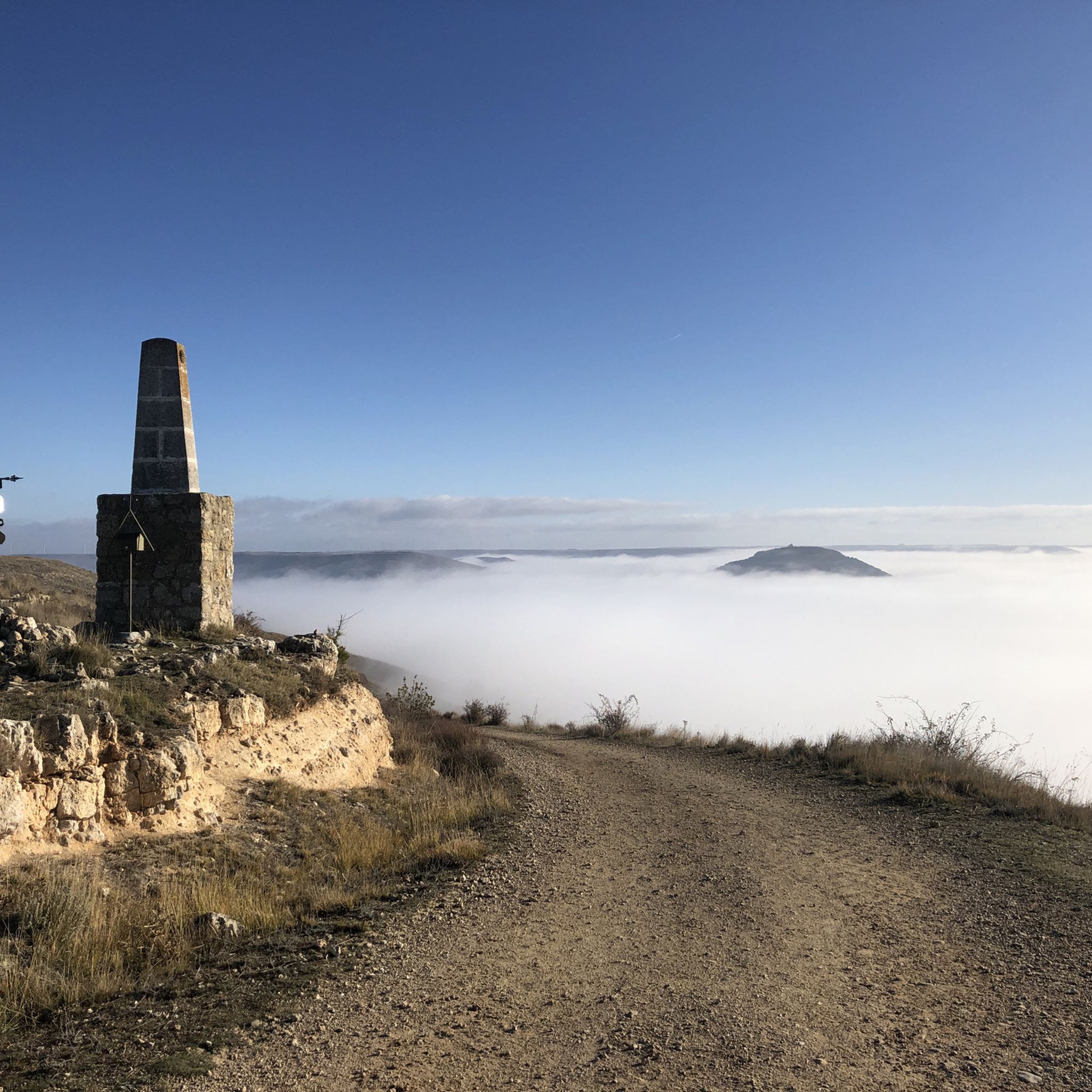
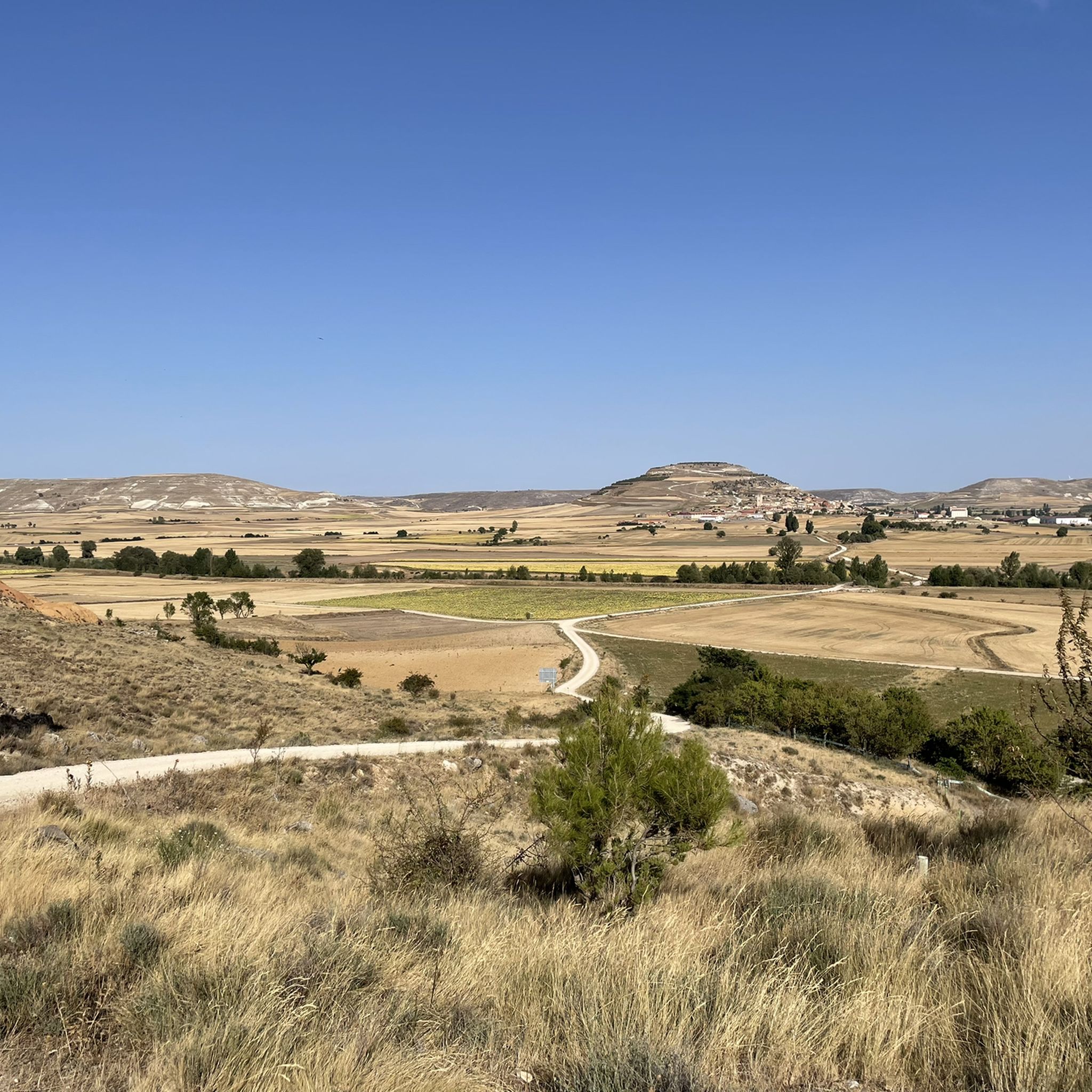
The view from Alto de Mostelares is one of the most iconic and spectacular views of the Camino de Santiago in the province of Burgos. This peak is located approximately 4 km west of Castrojeriz and is famous for both its challenging climb and its panoramic views.
2
0

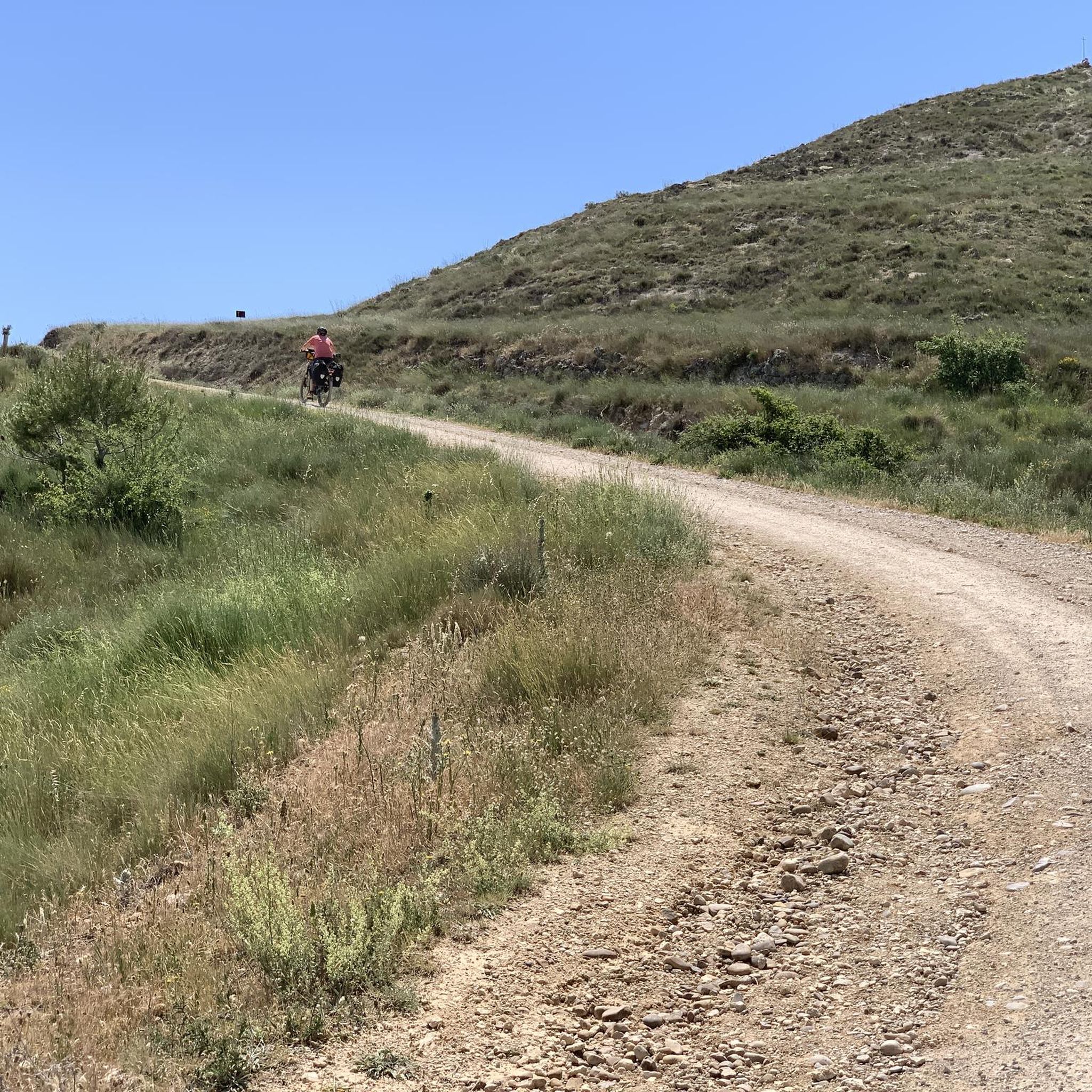
A tough climb with 12% gradients, spectacular views of Castrojeriz and its region when you reach the top. It is highly recommended to stop and contemplate them before continuing on the path.
0
0

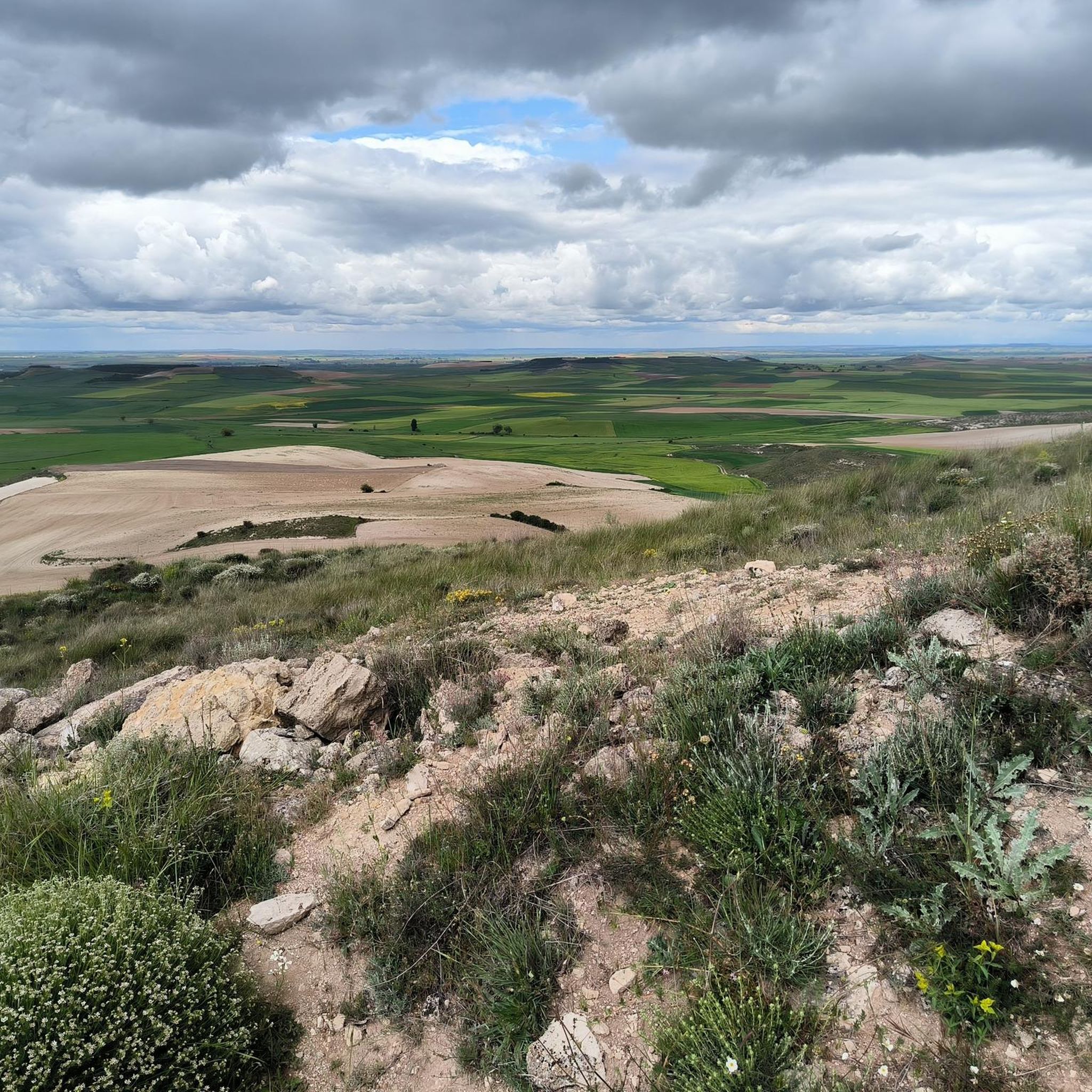
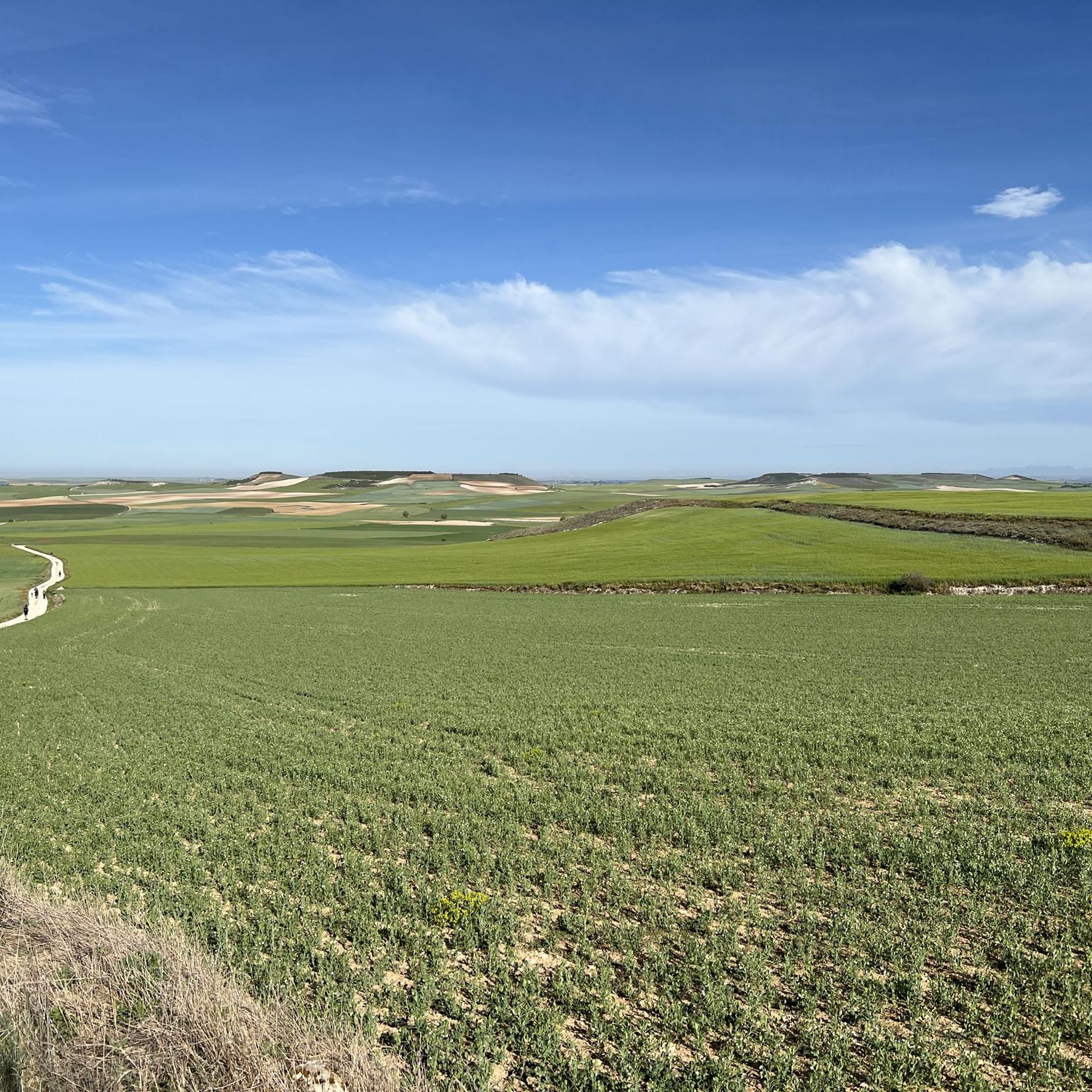
The Alto de Mostelares is a well-known point on the Camino Francés, located between Castrojeriz and Hornillos del Camino. It offers a beautiful view of the Meseta, the vast plain that forms an important part of the pilgrimage route. It is a popular place for pilgrims to stop and enjoy the panoramic views.
2
0
The cave is a remarkable example of the region's karst formations, with stalactites and stalagmites that have been formed over thousands of years. Archaeological remains have been found indicating that the cave was used by prehistoric communities. The cave is surrounded by an impressive landscape, with views of the Peña Amaya and the Peña Ulaña, which separate the Castilian plateau from the Cantabrian mountains.
6
0

A fantastic spot to watch the sunrise as the ridgeline faces East. Be sure to leave Castrojeriz very early to get to the top in time and find a viewpoint. Climbing the hill in the dark, you'll also be likely rewarded by seeing the necklace of torches of other pilgrims winding it's way upwards ahead.
1
1
If you have the opportunity to explore this trail, you will enjoy the natural beauty and ecological richness of the area. Good hike! 🌿🚶♀️
3
0
If you have the opportunity to explore this trail, you will enjoy the natural beauty and ecological richness of the area. Good hike! 🌿🚶♀️
3
0

The Alto de Mostelares is the highest of the peaks you'll encounter along the Meseta, but it's not as difficult as it looks from Castrojeriz. From the summit, the view back in the direction you came from is even more remarkable. At the top there is shelter from the weather but no water.
2
0
Frequently Asked Questions
What unique natural formations can I explore around Pisuerga?
The Pisuerga region is known for its distinctive geological features. You can explore the impressive karst landscape of the Natural Monument of Las Tuerces, characterized by its labyrinth of corridors, alleys, and whimsical rock formations like gigantic stone mushrooms. Another notable formation is the Cave of Amaya, a remarkable example of karst formations with stalactites and stalagmites.
Where can I find the best panoramic views of the Pisuerga region?
For breathtaking vistas, visit the Alto de Mostelares Viewpoint, which offers an excellent panorama of the area. The View of the Cross on the Rocky Mound also provides beautiful natural scenery. Additionally, the Puerto de Piedrasluengas, located within the Palencia Mountain Natural Park, offers stunning panoramic views of the Cantabrian valleys and the Picos de Europa.
Are there any historical sites integrated with the natural monuments?
Yes, several natural monuments in the Pisuerga region have historical significance. CastroAmaya is an ancient city located on top of Peña Amaya, featuring remains of old buildings. The Cave of Amaya also holds archaeological remains, indicating its use by prehistoric communities.
What natural parks are prominent in the Pisuerga area?
The Pisuerga region is home to significant natural parks. The Palencia Mountain Natural Park is a vast area characterized by extensive forests, peaks, and numerous hiking trails, and is known for its rich wildlife, including brown bears. The Natural Park of Fuentes Carrionas and Fuente Cobre-Montaña Palentina also encompasses the traditional source of the Pisuerga River, offering diverse landscapes.
What outdoor activities can I do near these natural monuments?
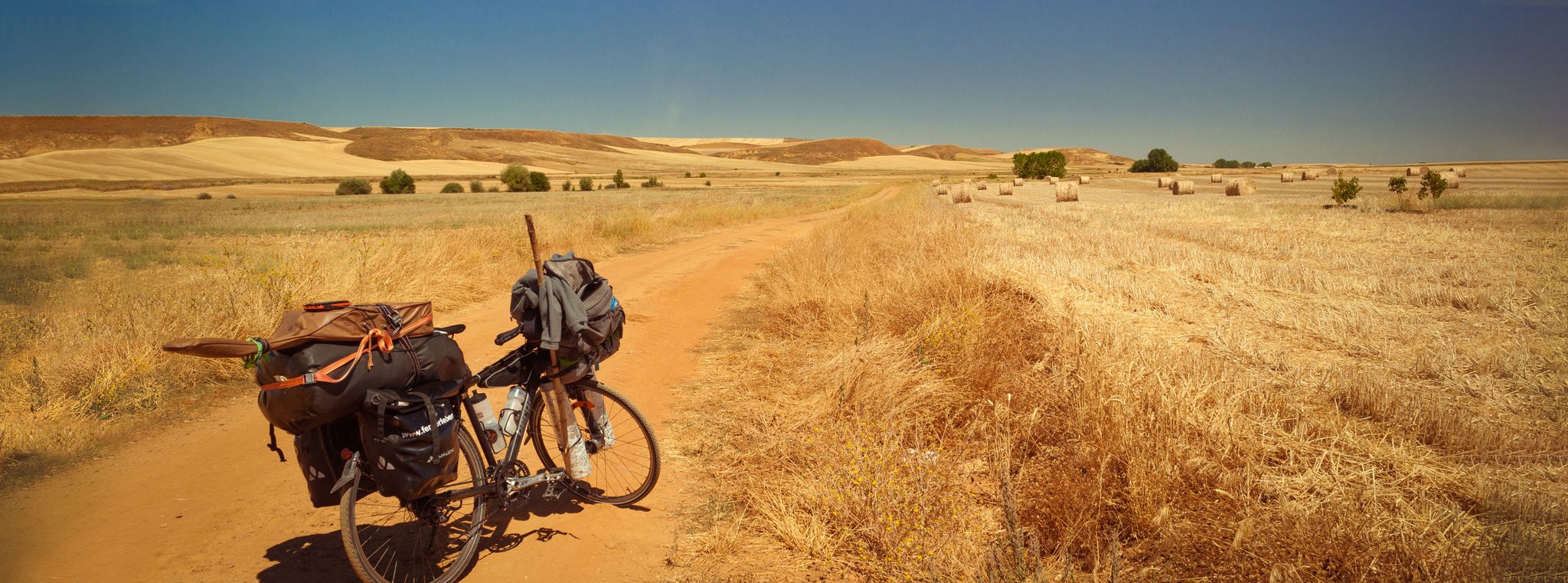
The area around Pisuerga's natural monuments is ideal for various outdoor activities. You can find numerous routes for mountain biking, cycling, and gravel biking. For example, explore trails like the 'Portillo del Infierno Trail' for MTB, or enjoy road cycling on routes such as 'Hontanas from Castrojeriz via EuroVelo 3'. You can find more details on these activities in the MTB Trails around Pisuerga, Cycling around Pisuerga, and Gravel biking around Pisuerga guides.
Are there hiking trails suitable for exploring the natural monuments?
Yes, the Pisuerga region offers many hiking opportunities. A popular route is the trail to the Source of the Pisuerga River (Fuente Cobre), which takes you through beautiful beech and oak forests and past waterfalls. The Palencia Mountain Natural Park also provides extensive hiking trails, allowing you to immerse yourself in the natural heritage of the area.
What kind of wildlife can be observed in the natural monuments around Pisuerga?
The diverse ecosystems around Pisuerga support a variety of wildlife. In areas like Las Tuerces, you might spot vultures, eagles, and roe deer. The broader Palencia Mountain Natural Park is also home to a rich array of fauna, including brown bears, making it a great spot for nature observation.
What do visitors enjoy most about the natural monuments around Pisuerga?
Visitors frequently praise the stunning geological formations and the opportunities for outdoor activities. Many appreciate the panoramic views from spots like Alto de Mostelares Viewpoint and the unique landscapes of areas like Las Tuerces. The natural beauty and ecological richness of the trails are also highly valued.
Is the traditional source of the Pisuerga River accessible for visitors?
While the true source of the Pisuerga River is higher in the mountains, the traditional source at Fuente Cobre (Copper Cave) is a significant natural attraction and a popular hiking destination. Visitors can explore the cave where the river's waters traditionally emerge, enjoying the surrounding landscapes of forests and waterfalls.
Are there any ancient forests or notable trees in the Pisuerga region?
Yes, the region is home to extensive deciduous forests, particularly large oak groves. Around the Source of the Pisuerga River, within the Natural Park of Fuentes Carrionas and Fuente Cobre-Montaña Palentina, you can find ancient oak trees, some of which are potentially over 200 or 300 years old, adding to the natural grandeur of the area.
What is the significance of La Horadada Canyon?
La Horadada Canyon is a striking gorge of karst origin, carved by the Pisuerga River, and is a key feature of the Natural Monument of Las Tuerces. It is accessible from Olleros de Pisuerga and offers impressive views of the river's erosive power on the limestone rock, showcasing the unique geological processes of the region.
What is the best time to visit the natural monuments around Pisuerga?
The best time to visit largely depends on the activities you plan. Spring and autumn generally offer pleasant temperatures for hiking and cycling, with vibrant foliage or blooming wildflowers. Summer is also popular for outdoor activities, though it can be warmer. Winter can offer unique snowy landscapes, especially in higher elevations like the Palencia Mountain Natural Park, but some trails might be less accessible.
Most popular routes around Pisuerga
Most popular attractions around Pisuerga

Get inspired with the komoot mobile app


Didn’t find what you were looking for?
Find even more amazing natural monuments around Pisuerga by checking out the top Highlights region by region:
Explore more
Extend your search for the best caves by checking out these guides of the top ones around Pisuerga:
