Top 7 Natural Monuments around Arlanza
Best natural monuments around Arlanza are found within the Comarca del Arlanza, a region in Burgos, Spain, known for its natural landscapes. The area features geological formations, diverse flora, and wildlife, particularly within the Sabinares del Arlanza - La Yecla Natural Park. This protected area includes ancient juniper forests, dramatic gorges, and various rocky outcrops. The region's limestone terrain has been sculpted by the Arlanza River, creating a variety of natural features.
Best natural monuments around Arlanza
- The most popular…
Last updated: June 23, 2026
Alto de Peña Alta (1078 m)
Highlight • Mountain Pass
Translated by Google •
Tip by

Dolmen of Cubillejo de Lara
Highlight • Historical Site
Translated by Google •
Tip by

Sign up now to discover places like this
Get recommendations on the best single tracks, peaks, & plenty of other exciting outdoor places.
Sign up for free
El Churrión Waterfall
Highlight • Waterfall
Translated by Google •
Tip by
Castillejo
Highlight • Summit
Translated by Google •
Tip by
Alto de la Cabeza Summit
Highlight • Summit
Translated by Google •
Tip by
Peñas del Tuero Viewpoint
Highlight • Viewpoint
Translated by Google •
Tip by

La Encina Grande – Notable Tree
Highlight • Natural Monument
Showing Translation
Tip by
La Muela
Highlight • Summit
Translated by Google •
Tip by
Las Peñas de Cervera Viewpoint
Highlight • Viewpoint
Translated by Google •
Tip by

Start today with a free account
Your next adventure awaits.
Login or Signup
Popular around Arlanza



Tips from the Community

Spectacular area for hiking routes
0
0
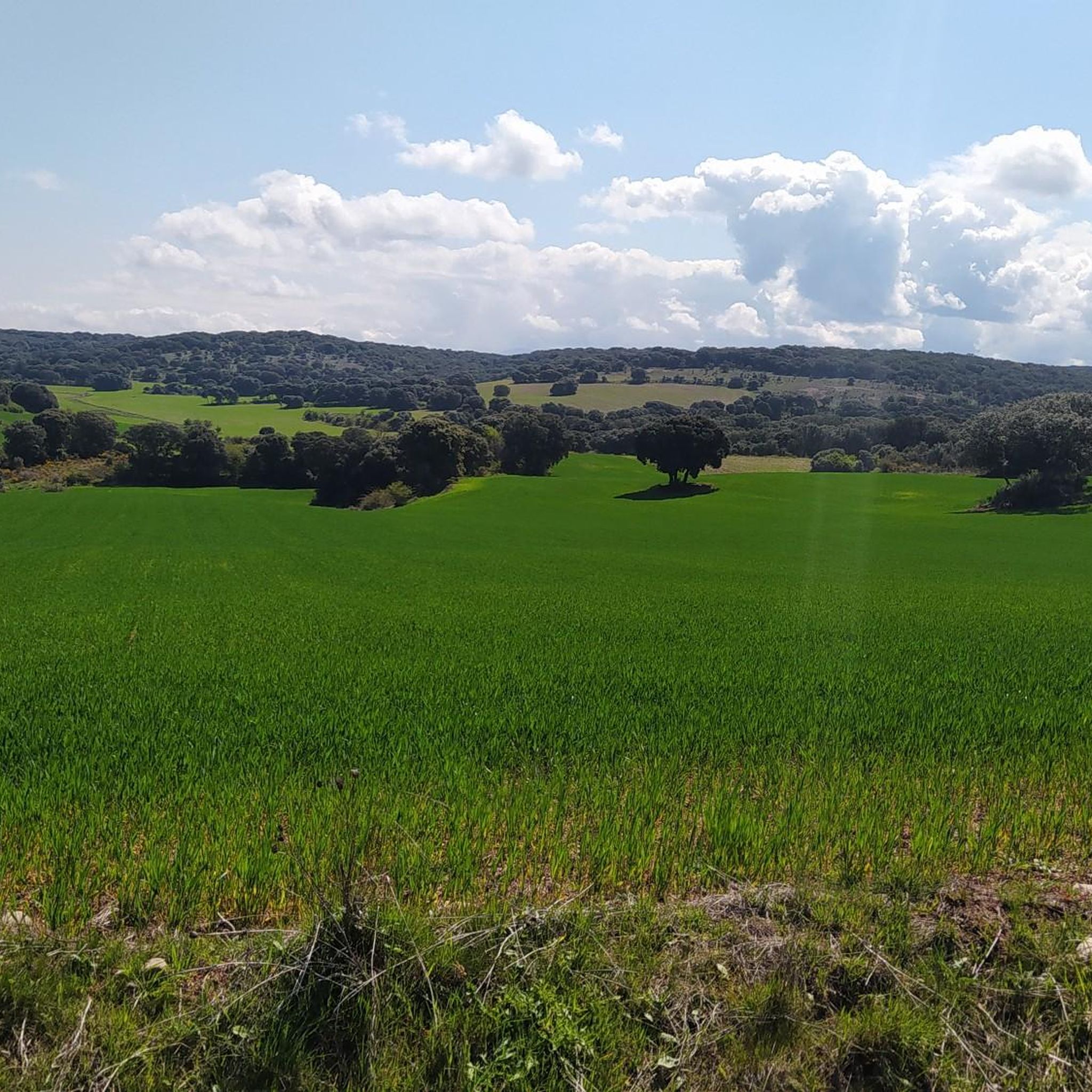
La Encina Grande de Solarana is a notable tree that is part of an important group of holm oaks in the province of Burgos, Spain. It is located in the Llano del Santo, in a dehesa holm oak gully in the town of Solarana.1 This area is situated in the Arlanza region, west of the province of Burgos, and is part of an area with great historical and natural value.
0
0
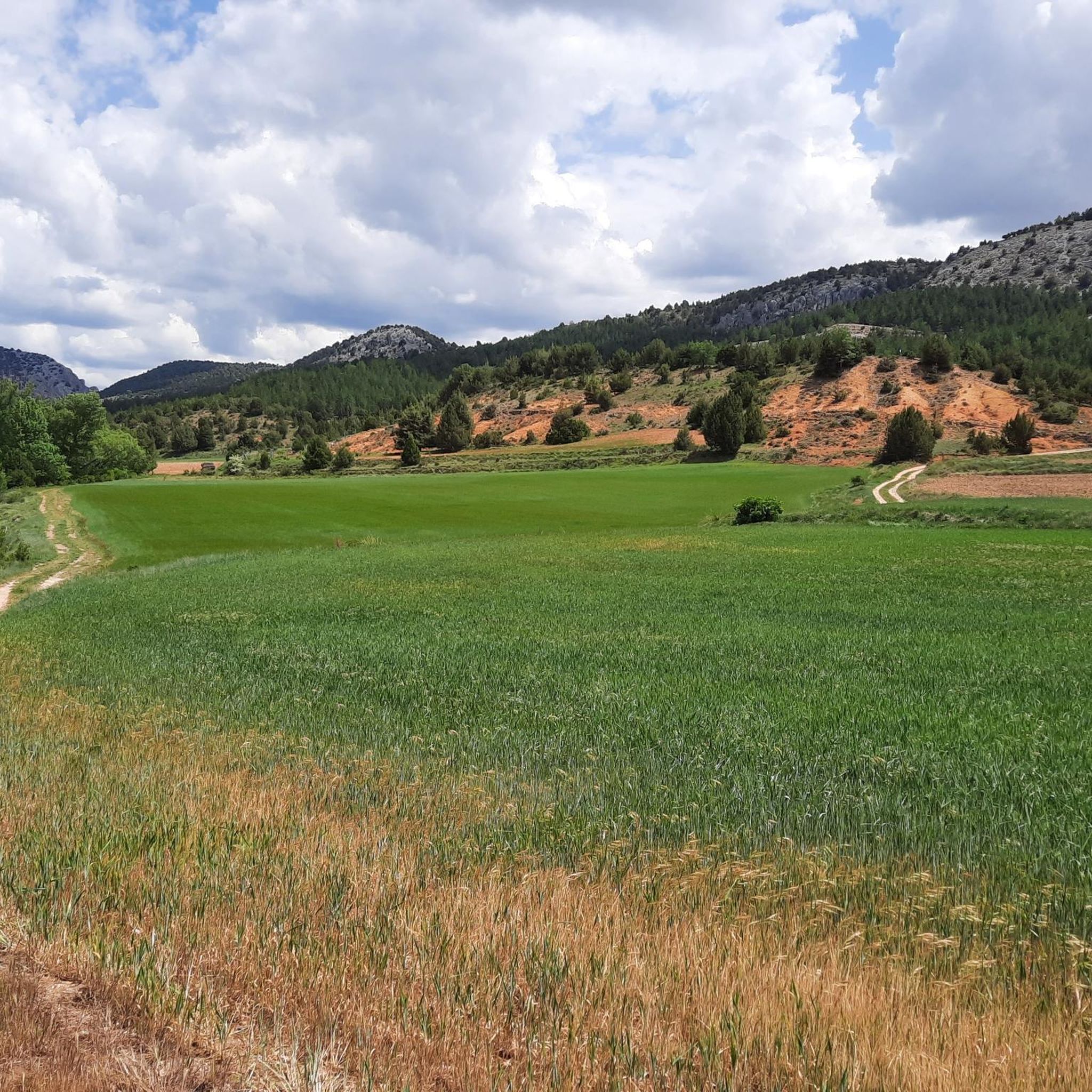
A spectacular waterfall with dizzying walls
0
0

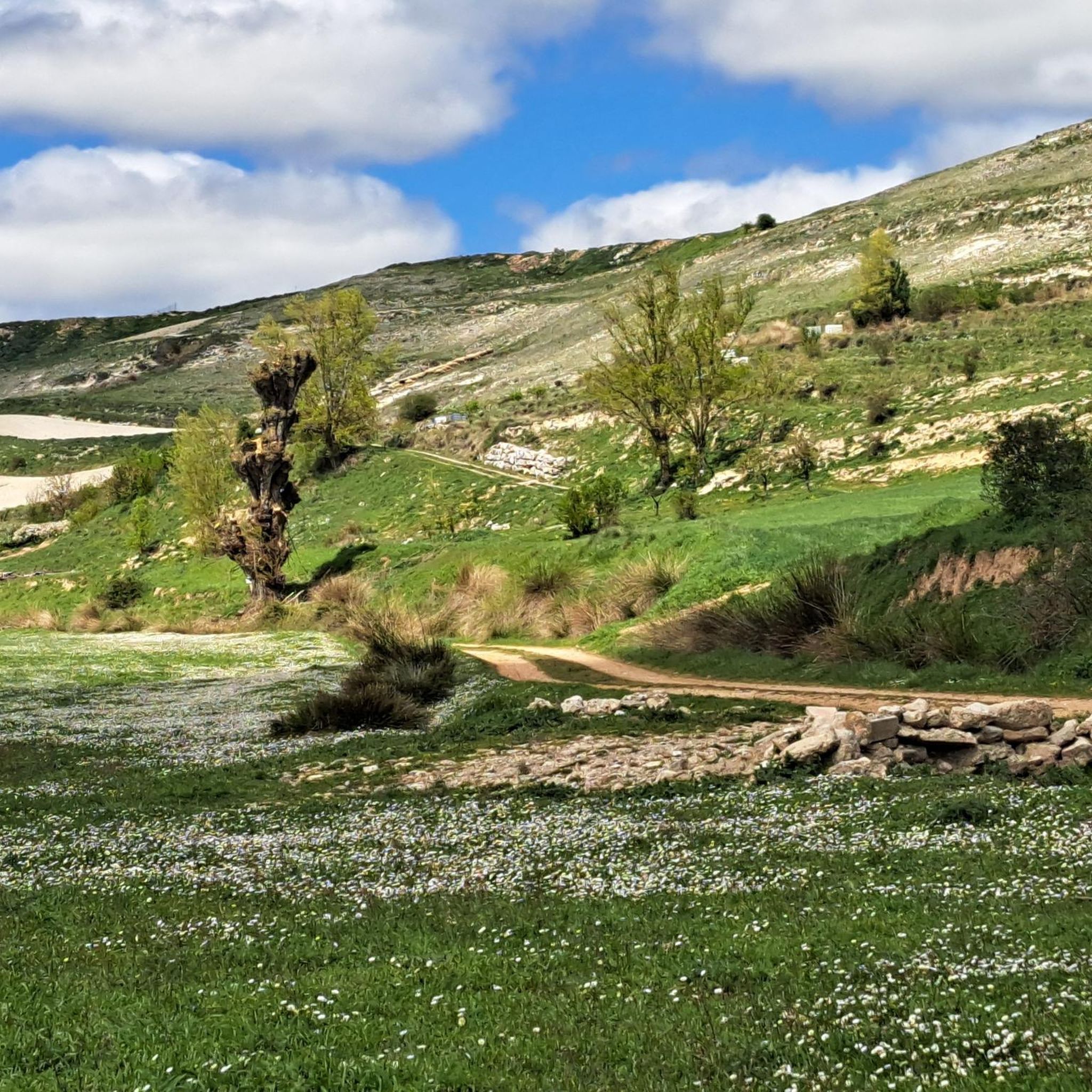
The Cubillejo/Mazariegos dolmen is considered the prototype of the megalithic passage tomb and preserves, on one of the large stone blocks that form its structure, a series of interesting rock carvings.
0
0


Alto de la Cabeza is the highest point in the Ribera del Duero with its 1343 m high. The top is crowned by a metal cross.
1
0
The climb can be a bit complicated, since there is no marked path, but you can always guide yourself by looking at the top. The views from the top are spectacular. To the east, the Sierra de Gayúbar, the Peña de Carazo and the Fort San Carlos; a little further, the Sierra de la Demanda and the Campiña as the most prominent peak. To the north, the Sierra del Mencilla, the Pico Trigaza, and the Sierra de Peñalara.
1
0
Frequently Asked Questions
What are some unique natural monuments to explore in the Arlanza region?
Beyond the well-known spots, the Arlanza region offers diverse natural monuments. You can visit the Castillejo summit, known for its tower shape and spectacular views of the Sierra del Mencilla and Sierra de Cervera. Another excellent choice is the Peñas del Tuero Viewpoint, which provides stunning vistas of gorges and forests. For a higher perspective, consider the Alto de la Cabeza Summit, the highest point in the Ribera del Duero at 1343 meters, crowned by a metal cross.
Are there family-friendly natural monuments in Arlanza?
Yes, several natural monuments are suitable for families. The El Churrión Waterfall offers a nice and easy walk, and if you're lucky, you might spot deer in the area. The Las Peñas de Cervera Viewpoint is another family-friendly option, providing accessible scenic views. Additionally, the famous Desfiladero de la Yecla (Yecla Gorge) has suspended footbridges that make it an immersive and exciting experience for all ages.
What kind of geological formations can I expect to see in the Arlanza region?
The Arlanza region, particularly within the Sabinares del Arlanza - La Yecla Natural Park, is rich in unique geological formations. You'll encounter dramatic gorges like the Desfiladero de la Yecla, carved by the Arroyo del Cauce stream into limestone rock. The landscape features folded reliefs, caves, cascades, and rugged cliffs, all sculpted by the Arlanza River over time. The Peñas de Cervera are prominent rocky outcrops contributing to the dramatic scenery.
What outdoor activities can I do near the natural monuments in Arlanza?
The area around Arlanza's natural monuments is perfect for various outdoor activities. You can find numerous hiking trails, such as the easy Mataviejas Gorge Trail or the moderate Sierra de las Mamblas — circular desde Covarrubias. For runners, there are routes like the Desfiladero de La Yecla y Monasterio de Santo Domingo de Silos loop. Gravel biking is also popular, with challenging routes like the Historic Center of Covarrubias – Sad Hill Cemetery loop. You can find more details on these activities in the dedicated guides for hiking, running, and gravel biking around Arlanza.
What is the best time to visit the natural monuments in Arlanza?
The Arlanza region is beautiful year-round, but the best time to visit for outdoor activities is typically during spring (April-June) and autumn (September-October). During these seasons, the weather is mild and pleasant for hiking and exploring. Summer can be hot, while winter offers a different, often tranquil, experience, though some waterfalls might have less water, and higher elevations could see snow.
Can I see ancient historical sites among the natural monuments?
Yes, the Arlanza region beautifully blends natural wonders with ancient history. A prime example is the Dolmen of Cubillejo de Lara. This funerary megalithic monument, approximately 5,000 years old, is a corridor tomb type with a circular chamber and a long corridor, offering a glimpse into prehistoric times amidst the natural landscape.
What kind of wildlife can I observe in the Arlanza natural park?
The Sabinares del Arlanza - La Yecla Natural Park is home to exceptional biodiversity. The ancient juniper forests and diverse riparian ecosystems along the Arlanza River support a wide array of plant and animal species. You can observe insects, spiders, fish, reptiles, amphibians, and a significant population of birds of prey, including griffon vultures, Egyptian vultures, and golden eagles.
Are there any challenging trails or summits for experienced hikers?
Yes, for experienced hikers seeking a challenge, the Arlanza region offers summits like La Muela. While specific details on its difficulty are not always highlighted, it is categorized as challenging. The region's limestone terrain and rocky outcrops provide varied and sometimes demanding routes for those looking for more strenuous climbs and rewarding views.
What makes the juniper forests in Arlanza special?
The juniper forests in the Sabinares del Arlanza - La Yecla Natural Park are particularly special because they are among the largest and best-preserved globally. Some specimens are estimated to be over 2,000 years old, making them ancient ecosystems. These forests contribute significantly to the area's ecological value and offer a serene environment for hiking and experiencing a unique, ancient landscape.
Is it possible to combine a visit to natural monuments with cultural heritage sites?
Absolutely. The Arlanza region is not only rich in natural wonders but also boasts a significant cultural and historical heritage. Nearby towns such as Covarrubias and Santo Domingo de Silos offer historical architecture, monasteries, and charming village atmospheres. You can easily combine a day exploring the natural monuments with a visit to these cultural sites for a well-rounded experience.
Are there good viewpoints to appreciate the landscape?
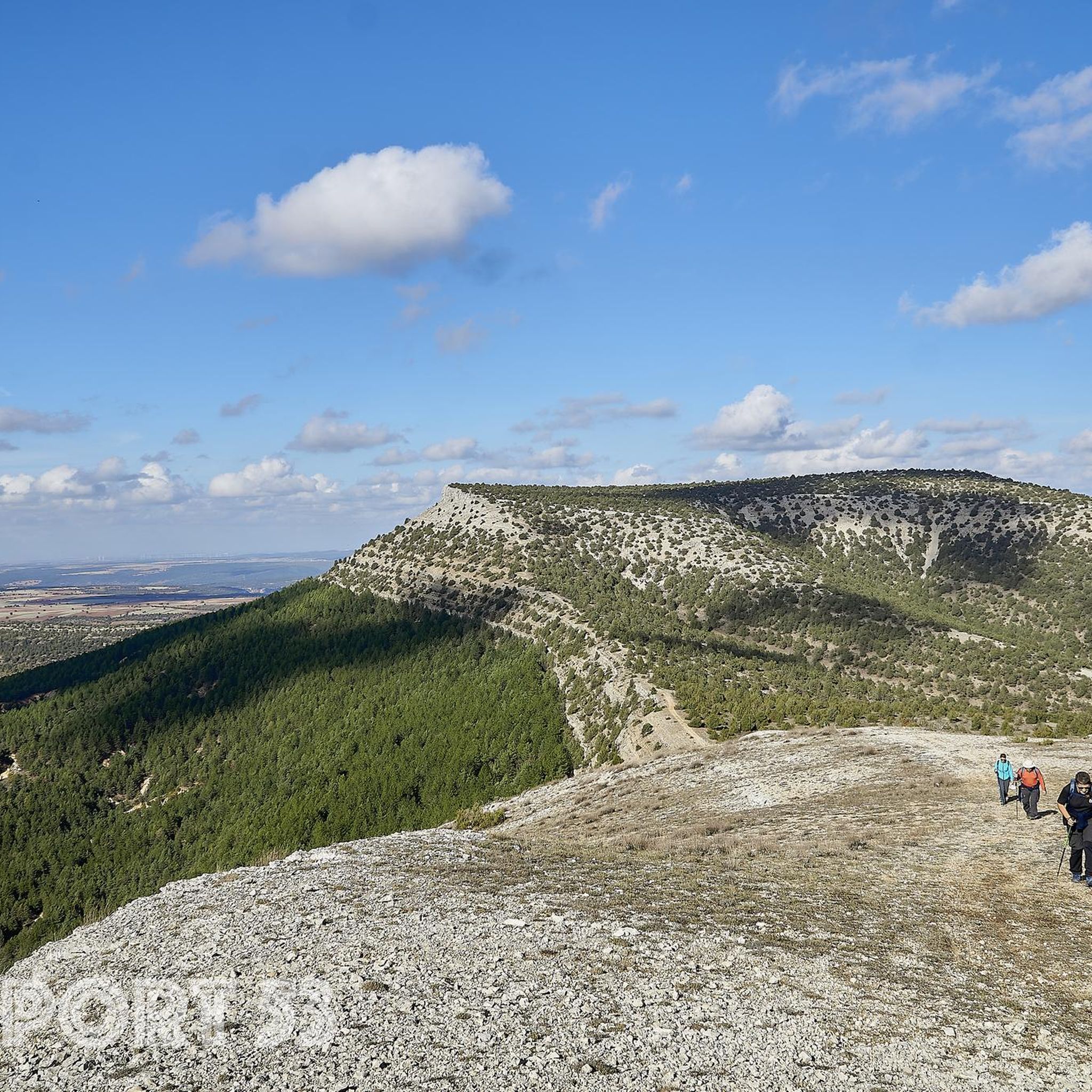
Yes, the Arlanza region is dotted with excellent viewpoints. Besides the Peñas del Tuero Viewpoint and Las Peñas de Cervera Viewpoint, many of the summits, like Alto de Peña Alta (1078 m), offer panoramic views of the surrounding natural park and distant peaks. These spots are ideal for appreciating the dramatic scenery and geological formations.
Most popular routes around Arlanza
Most popular attractions around Arlanza

Get inspired with the komoot mobile app


Didn’t find what you were looking for?
Find even more amazing natural monuments around Arlanza by checking out the top Highlights region by region:
Explore more
Extend your search for the best caves by checking out these guides of the top ones around Arlanza:
