Top 20 Natural Monuments around Hauts-De-France
Best natural monuments around Hauts-De-France feature a diverse landscape ranging from dramatic coastal cliffs to expansive wetlands and ancient forests. This northern French region is characterized by its unique geological formations, including chalk and sandstone cliffs along the Opal Coast. The area also encompasses significant estuaries and vast deciduous forests, providing varied natural environments. These natural features offer opportunities for outdoor exploration and wildlife observation.
Best natural monuments around Hauts-De-France
- The most popular natural monuments is Cape Blanc-Nez, a…
Last updated: October 10, 2026
Cape Blanc-Nez
Highlight • Viewpoint
Translated by Google •
Tip by

Petit Blanc-Nez (Little Blanc-Nez)
Highlight • Viewpoint
Translated by Google •
Tip by

Sign up now to discover places like this
Get recommendations on the best single tracks, peaks, & plenty of other exciting outdoor places.
Dunes of the Slack
Highlight (Segment) • Natural Monument
Translated by Google •
Tip by

Cran d'Escalles
Highlight • Beach
Translated by Google •
Tip by
Dune Dewulf Nature Reserve
Highlight • Natural Monument
Translated by Google •
Tip by
Ault Chalk Cliffs
Highlight • Natural Monument
Translated by Google •
Tip by
Cap Gris-Nez Lighthouse
Highlight • Monument
Translated by Google •
Tip by

Dover Patrol Monument, Cap Blanc-Nez
Highlight • Monument
Translated by Google •
Tip by
Cape Hornu
Highlight • Beach
The name Cap Hornu comes from the Picard word “hornu”, which means “horned” …
Tip by
La Cise Cliff
Highlight • Natural Monument
Translated by Google •
Tip by

Sign up for free to discover even more natural monuments around Hauts-De-France.
Already have an account?
Start today with a free account
Your next adventure awaits.
Popular around Hauts-De-France
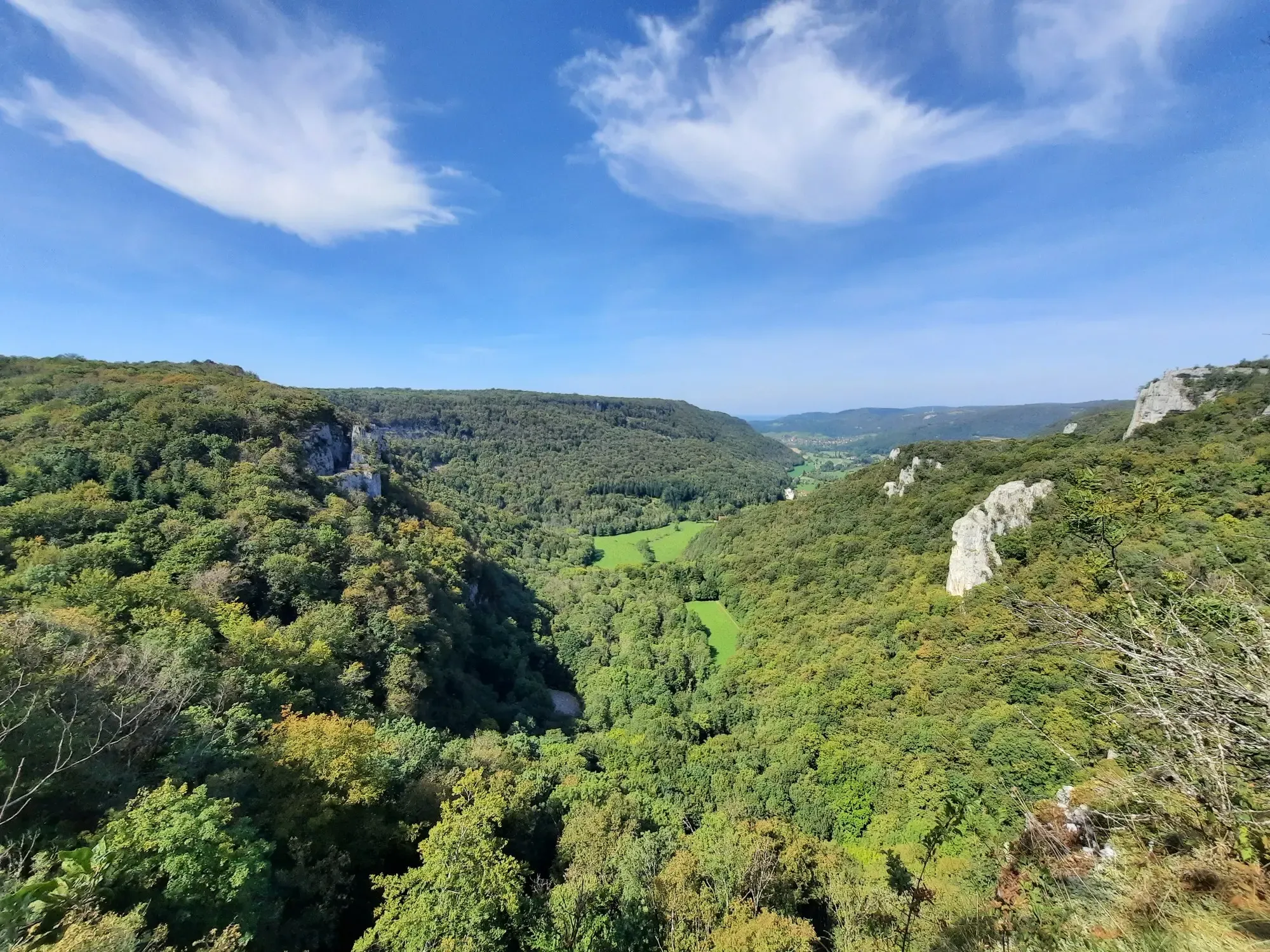
The Ardennes Trail (GR 14) – From Paris to the Belgian border
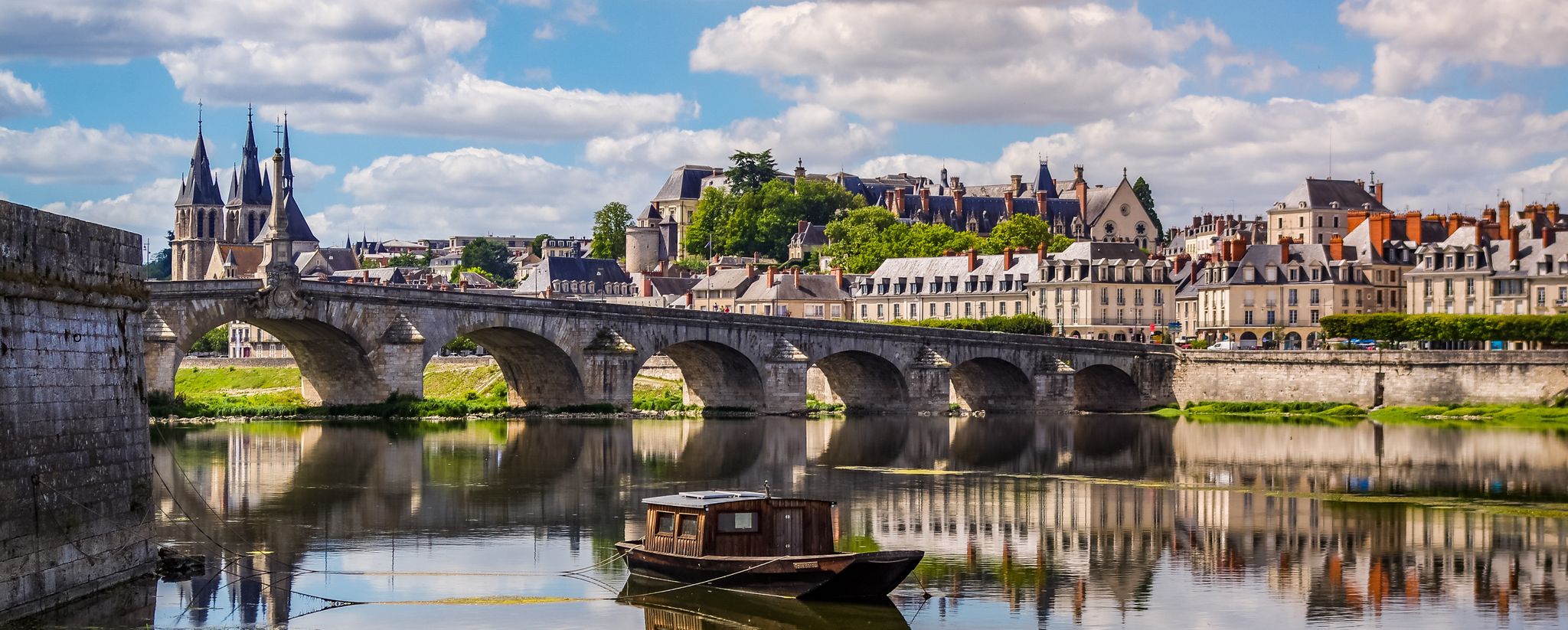
EuroVelo 3 – A cycling pilgrimage from Norway to France
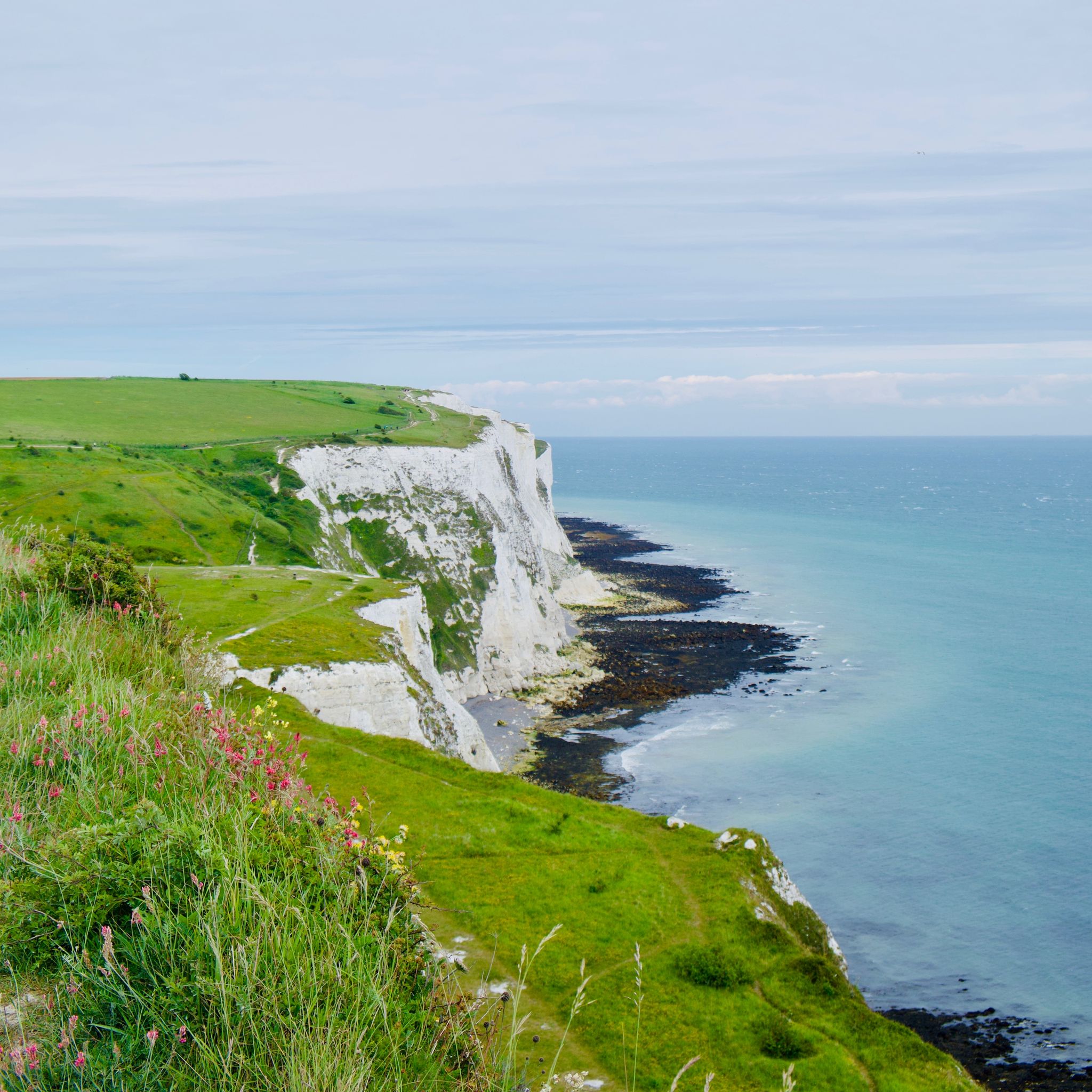
From Amsterdam to London - along the North Sea and across the water
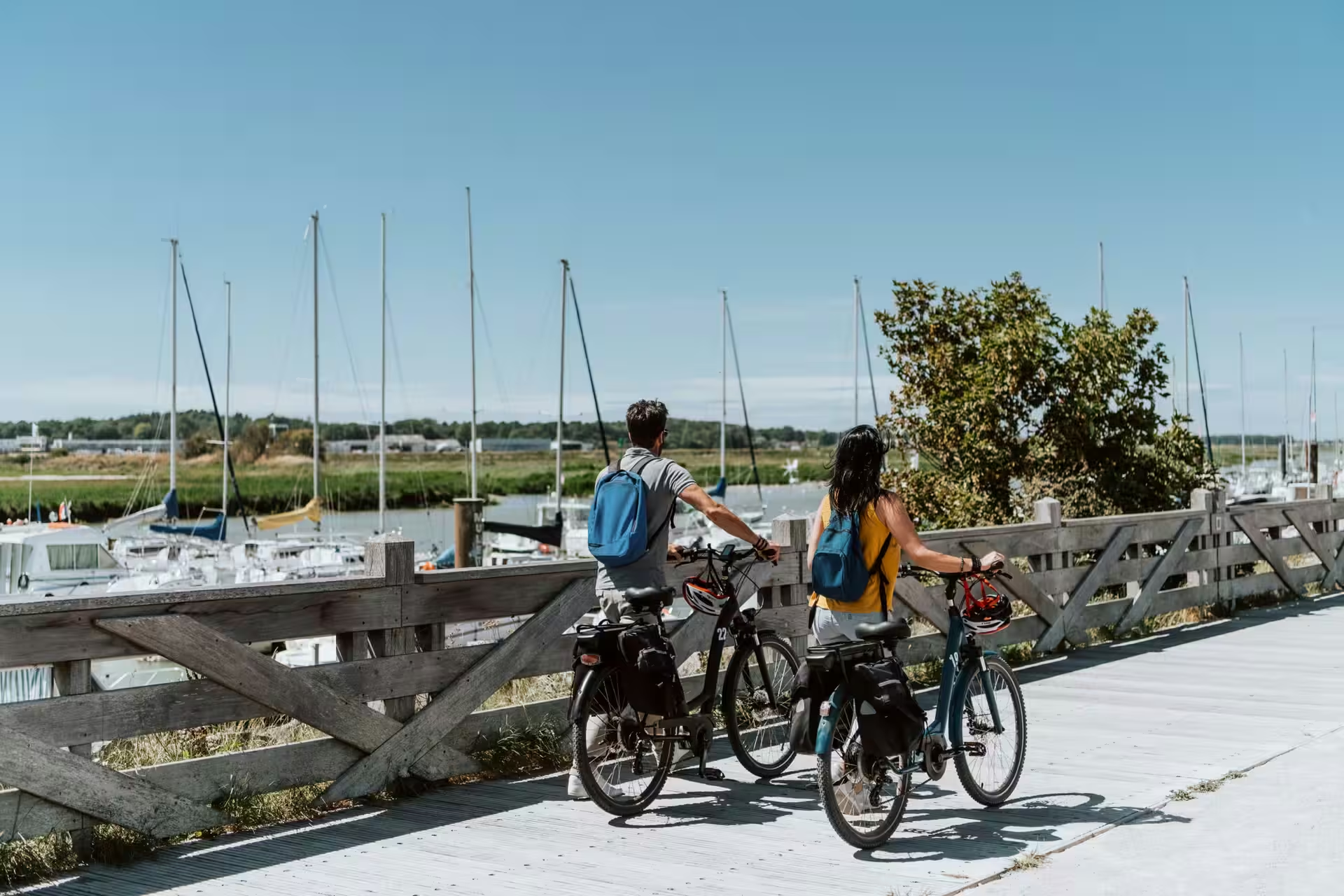
Routes in Hauts-de-France for cycling enthusiasts
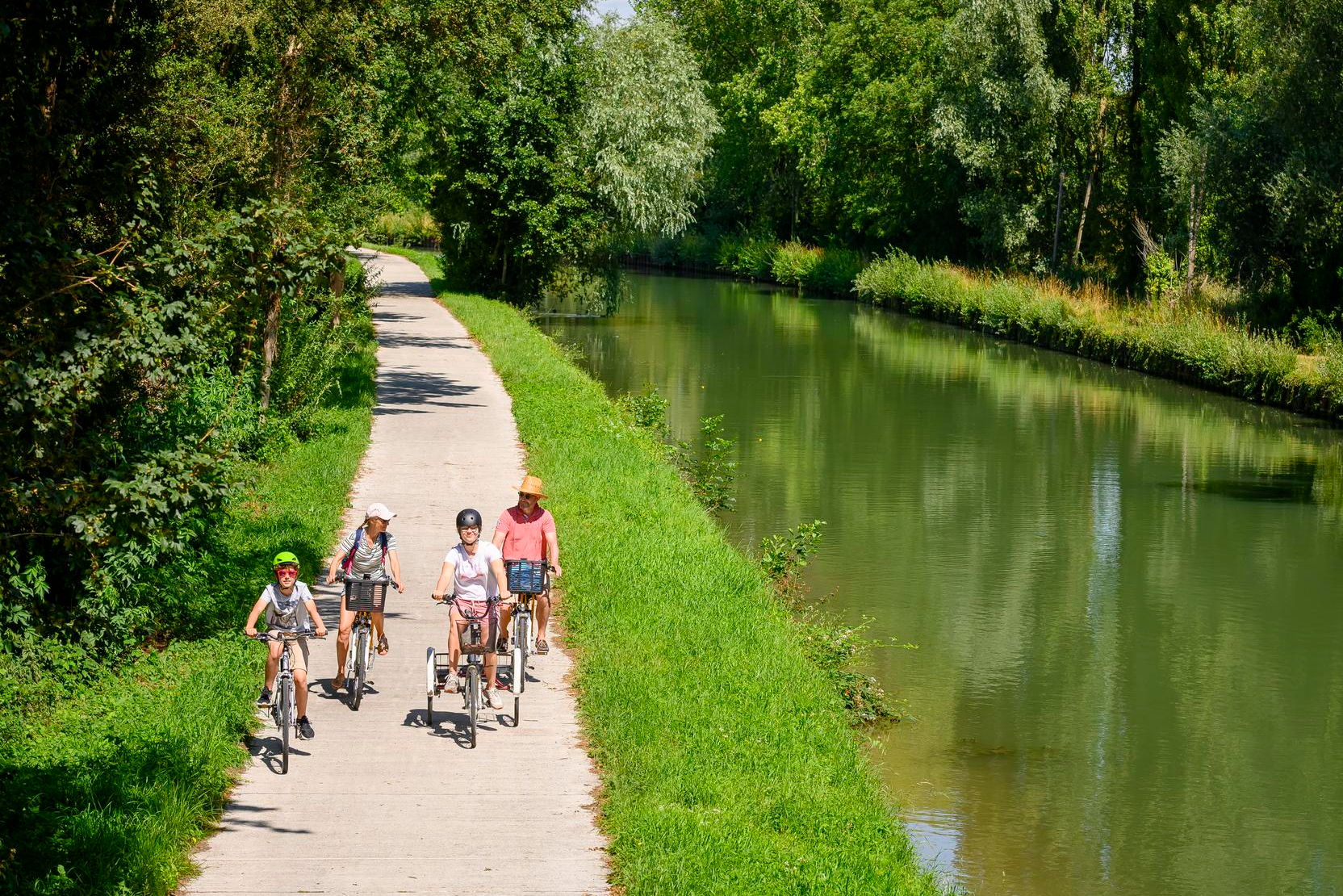
Cycling routes in Hauts-de-France for beginners and families
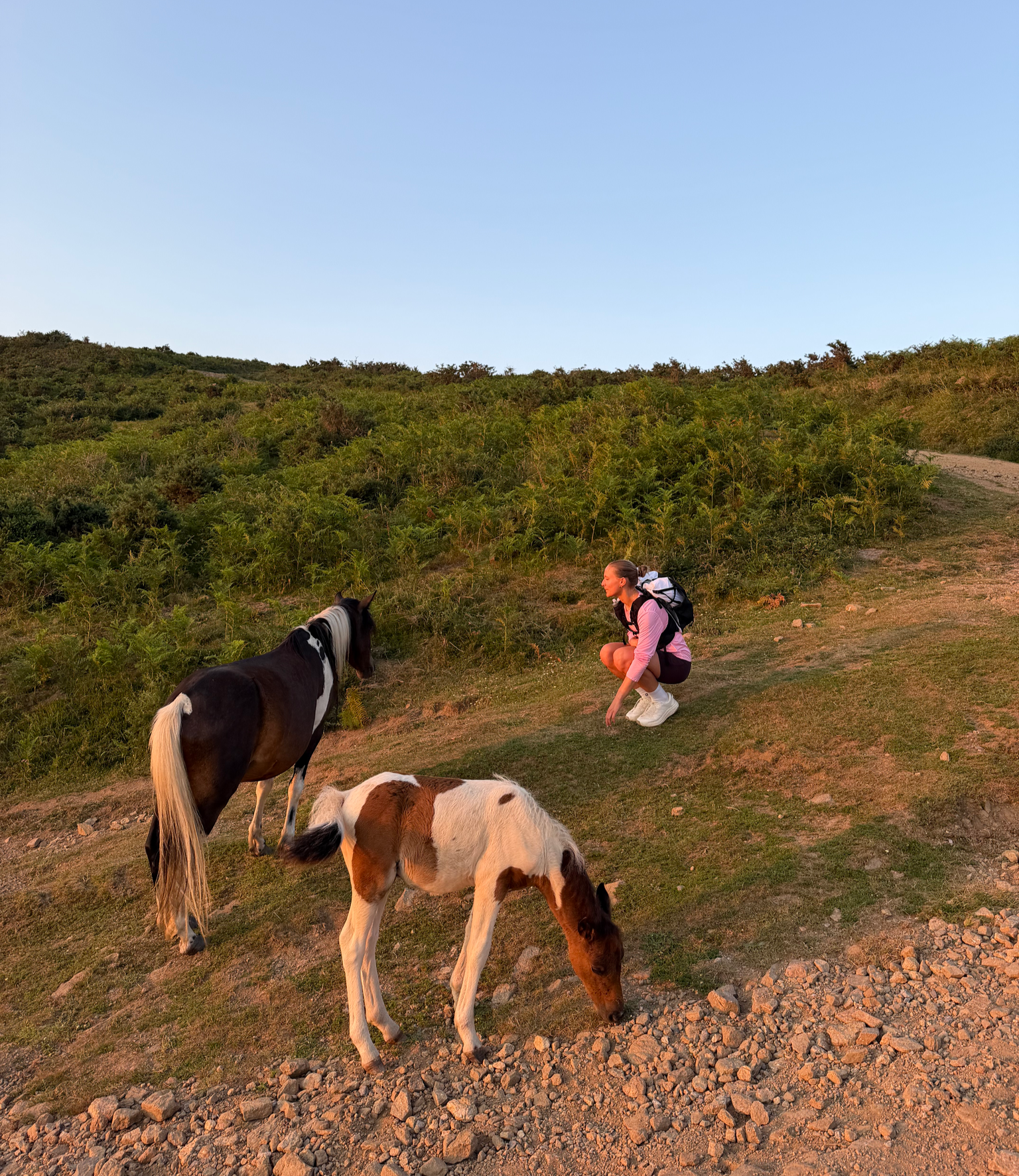
France’s Best Sunrise & Sunset Hikes
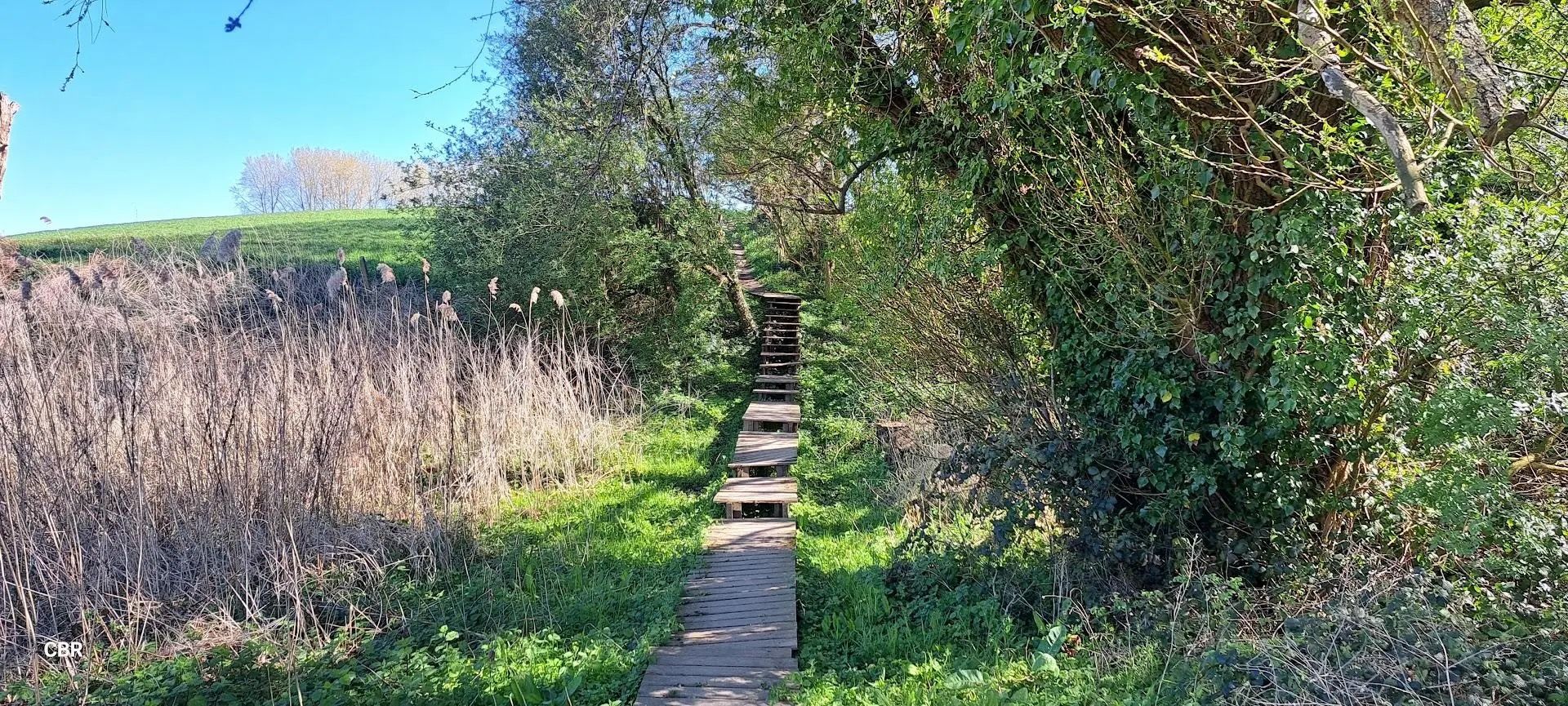
At the pace of the Westhoek - Streek-GR Heuvelland
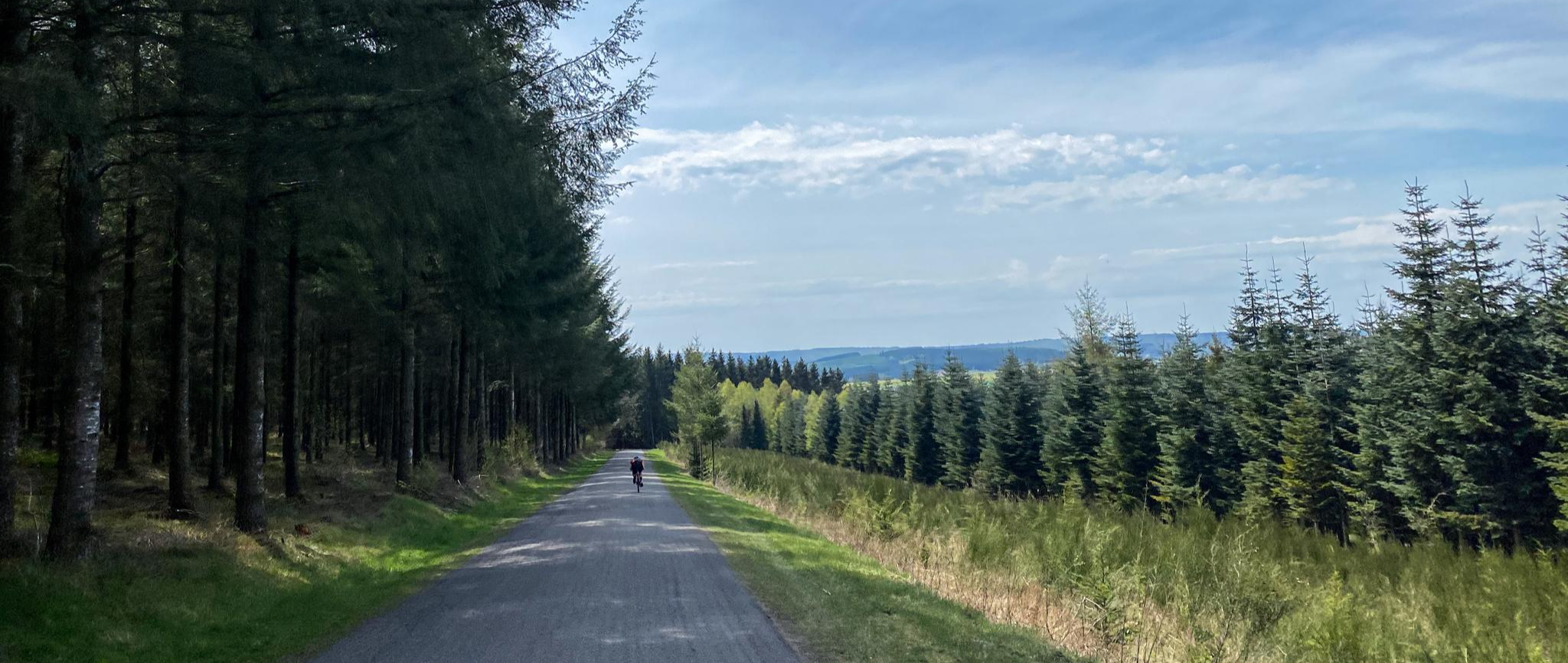
From Picardie to the Ardennes — Crossing Wallonia by Bike
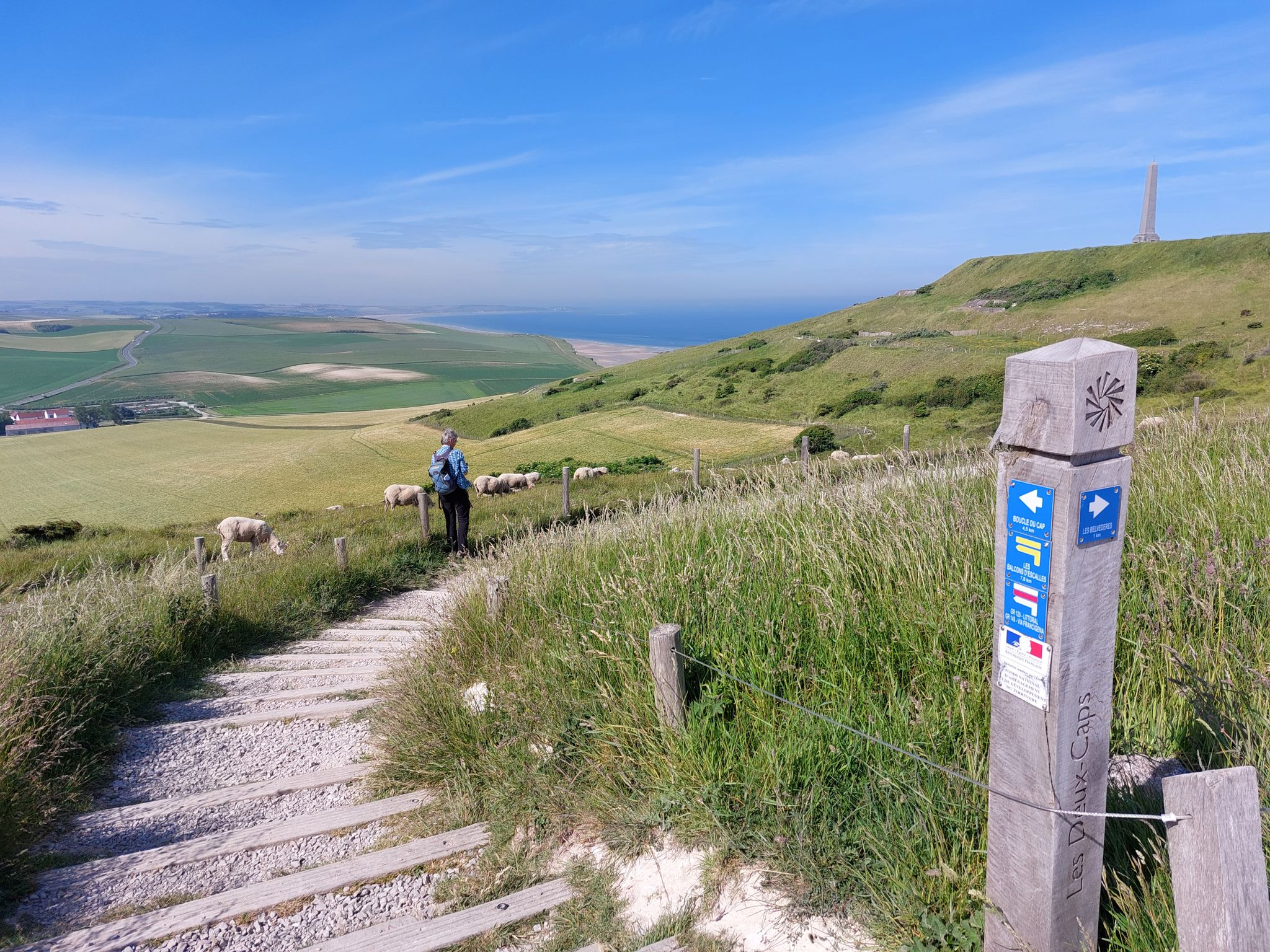
Via Francigena in the Pas-de-Calais – GR 145
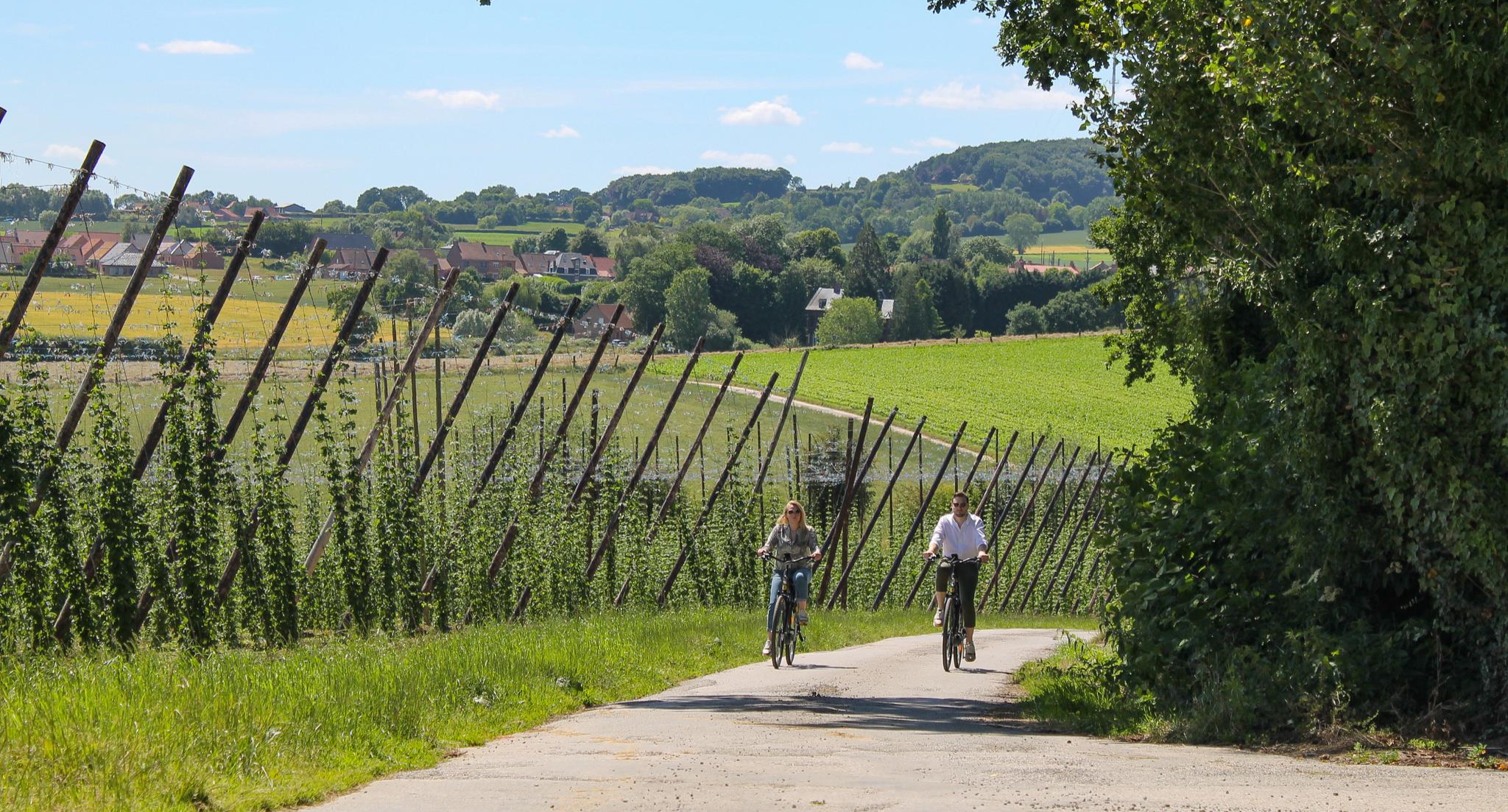
Flanders, Land of Cycling – Hills, Cobblestones and Estaminets
Other adventures around Hauts-De-France


Tips from the Community

Unfortunately, the bike path here is no longer paved. Still, the scenery is beautiful.
0
0


The cliffs are made of chalk and are impressive to look at.
3
0


the rocks of the Gris-Nez are being loosened by rain and sea.
0
0

The cliffs around the beach of Ault are composed of chalk from the Upper Cretaceous, more precisely from the Turonian and Coniacian (around 83 million years ago to 90 million years ago). They are strewn with flint nodules which highlight the subhorizontal stratification planes (the formation of flint has already been discussed in Discovery of the geology of the cliffs of Étretat, presentation of an excursion from the beach of Tilleul (Antifer) to the Porte d'Amont (Étretat Nord)). The relative proportion of chalk and flint is around 90-95% chalk to 5-10% flint. Flint horizons are stratigraphic markers. On the cliffs of Ault, the regular flint band called Seven Sisters is recognizable and characterizes the boundary between the Middle Coniacian and the Upper Coniacian (around 87 million years ago). The boundary between the lower and middle Coniacian is marked by the Shoreham 2 marl level, which is more difficult to identify. These lithostratigraphic markings allow in particular the correlation of distant deposits, such as between the Normandy and Picardy coasts, or between the French and English coasts.
2
0
The cliffs around the beach of Ault are composed of chalk from the Upper Cretaceous, more precisely from the Turonian and Coniacian (around 83 million years ago to 90 million years ago). They are strewn with flint nodules which highlight the subhorizontal stratification planes (the formation of flint has already been discussed in Discovery of the geology of the cliffs of Étretat, presentation of an excursion from the beach of Tilleul (Antifer) to the Porte d'Amont (Étretat Nord)). The relative proportion of chalk and flint is around 90-95% chalk to 5-10% flint. Flint horizons are stratigraphic markers. On the cliffs of Ault, the regular flint band called Seven Sisters is recognizable and characterizes the boundary between the Middle Coniacian and the Upper Coniacian (around 87 million years ago). The boundary between the lower and middle Coniacian is marked by the Shoreham 2 marl level, which is more difficult to identify. These lithostratigraphic markings allow in particular the correlation of distant deposits, such as between the Normandy and Picardy coasts, or between the French and English coasts.
3
0

Not passable by bike.
1
0
Frequently Asked Questions
What are some unique natural features to explore in Hauts-de-France?
Hauts-de-France offers a diverse range of natural features. You can explore the dramatic white chalk cliffs of Cape Blanc-Nez and the grey sandstone cliffs of Cap Gris-Nez, where you might even spot the White Cliffs of Dover on a clear day. The region also boasts the expansive wetlands of the Baie de Somme, known for its migratory birds and seal colonies, and the intricate Audomarois Marshes, a UNESCO Biosphere Reserve with unique market gardens accessible by traditional boats. Additionally, the ancient Forest of Compiègne provides vast woodlands with diverse flora and fauna.
What is the best time to visit the natural monuments in Hauts-de-France?
The best time to visit depends on your interests. Spring and autumn are ideal for birdwatching, especially in the Baie de Somme, as millions of migratory birds pass through. Summer offers pleasant weather for coastal walks and exploring the forests, though it can be busier. The cliffs and forests are beautiful year-round, but always check local conditions, especially for coastal areas where tides can affect access.
Are there family-friendly natural monuments in Hauts-de-France?
Yes, many natural monuments in Hauts-de-France are suitable for families. The Dunes of the Slack offer varied paths through dunes and forests, perfect for an adventurous stroll. The Baie de Somme is excellent for wildlife spotting, with seals and numerous bird species. The Forest of Compiègne has extensive paths for easy walks and cycling, and the Audomarois Marshes offer unique boat tours that children often enjoy.
Can I bring my dog to the natural monuments in Hauts-de-France?
Many natural areas in Hauts-de-France are dog-friendly, but it's essential to keep your dog on a leash, especially in nature reserves or areas with wildlife, to protect the local ecosystem and other visitors. For example, the Dunes of the Slack and the Forest of Compiègne are generally welcoming to dogs on leash. Always look for specific signage at each location regarding pet policies.
What kind of terrain can I expect on trails around Hauts-de-France's natural monuments?
The terrain varies significantly across the region. Along the Opal Coast, you'll find paths along dramatic chalk and sandstone cliffs, such as at Cape Blanc-Nez and Ault Chalk Cliffs, which can be steep in places. Dune systems like the Dunes of the Slack feature sandy paths. Inland, the Forest of Compiègne offers mostly flat, well-maintained forest tracks, while the Audomarois Marshes involve flat paths along waterways or boat exploration. Some coastal trails can be challenging due to elevation changes and erosion, so appropriate footwear is recommended.
What historical elements can be found at the natural monuments?
Several natural monuments in Hauts-de-France have significant historical connections. At Cape Blanc-Nez, you can find remnants of World War I and II bunkers and bomb craters, including the Dover Patrol Monument. The Forest of Compiègne is famously home to the Armistice Clearing, where the armistices ending World War I and World War II were signed. The region's coastal areas also feature historical lighthouses, such as the Cap Gris-Nez Lighthouse.
What outdoor activities can I do near the natural monuments in Hauts-de-France?
The region offers a wide array of outdoor activities. You can enjoy extensive hiking and walking trails along the coast, through dunes, and in forests. Cycling is popular, with dedicated paths in areas like the Forest of Compiègne and routes along the Opal Coast. Birdwatching is exceptional in the Baie de Somme and Audomarois Marshes. For more detailed routes, you can explore options for running, road cycling, and gravel biking around Hauts-de-France.
Are there specific routes for cycling near the natural monuments?
Yes, Hauts-de-France provides excellent cycling opportunities. For road cycling, you can find routes like 'From Wimereux to Cap Blanc-Nez' or the 'Two Caps and Opal Marshes Loop' which take you through scenic coastal and marshland areas. If you prefer gravel biking, routes such as 'Crépy-en-Valois to the Ourcq Canal and the Forest of Retz' or 'The Retz Forest and the Automne Valley' offer adventures through forests and valleys. You can find more cycling options in the Road Cycling Routes and Gravel Biking guides for the region.
Where can I go for a run near these natural sites?
Many natural monuments offer great running trails. The Forest of Compiègne has numerous paths suitable for running. Coastal areas like the Dunes of the Slack also provide varied terrain for runners. For specific routes, consider options like 'La citadelle de Lille — loop' or the 'Boucle des Bonniers Trail'. More running routes can be found in the Running Trails around Hauts-De-France guide.
What do visitors enjoy most about the natural monuments in Hauts-de-France?
Visitors frequently praise the breathtaking panoramic views from the cliffs, especially at Cape Blanc-Nez, where the sight of the English coast is a highlight. The diverse landscapes, from sandy beaches to dense forests and unique marshlands, are also highly appreciated. Many enjoy the exceptional opportunities for wildlife observation, particularly birdwatching and spotting seals in the Baie de Somme. The historical significance embedded within these natural settings, such as World War II remnants, also adds a compelling layer to the experience.
Can I spot wildlife at these natural monuments?
Absolutely! Hauts-de-France is a haven for wildlife. The Baie de Somme is renowned for its large colony of harbor seals and over 300 species of migratory birds. The Audomarois Marshes are a UNESCO Biosphere Reserve, home to over 230 types of birds, including kingfishers and white storks, as well as diverse plant life. In the Forest of Compiègne, you might encounter deer, roe deer, and wild boars. The cliffs of Cape Blanc-Nez provide nesting sites for numerous seabirds.
Are there any hidden gems among the natural monuments in Hauts-de-France?
While the major sites are well-known, exploring areas like the Audomarois Marshes by traditional boat offers a uniquely tranquil and less-traveled experience. The smaller, less frequented sections of the Forest of Compiègne can also reveal peaceful spots and ancient trees like the 800-year-old Saint-Jean oak. Additionally, the Cran d'Escalles, a secluded beach near Cap Blanc-Nez, offers stunning views away from the main crowds.
Most popular routes around Hauts-De-France
Most popular attractions around Hauts-De-France

Get inspired with the komoot mobile app


Didn’t find what you were looking for?
Find even more amazing natural monuments around Hauts-De-France by checking out the top Highlights region by region:
Explore more
Extend your search for the best caves by checking out these guides of the top ones around Hauts-De-France:
