Top 9 Natural Monuments around Liesveld
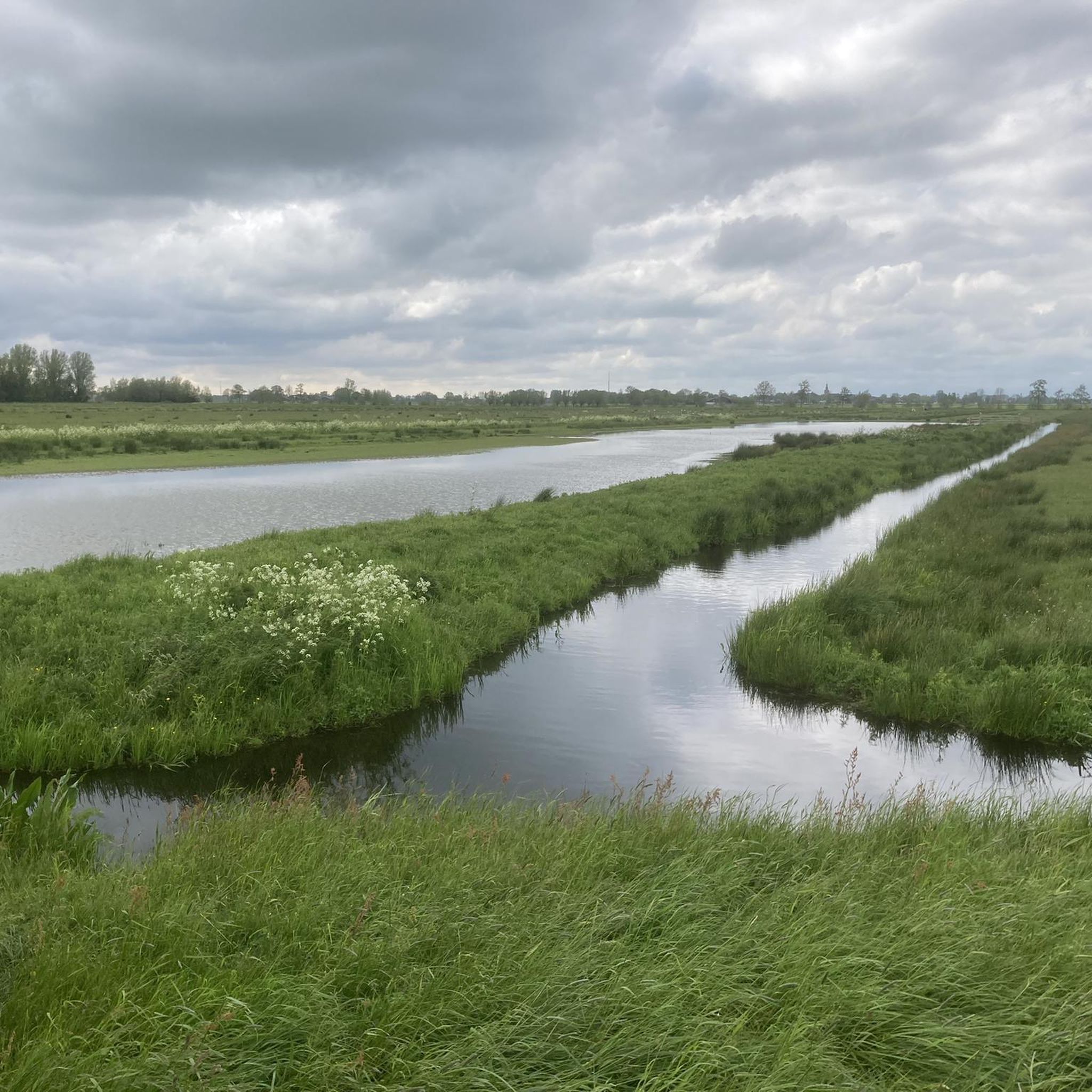
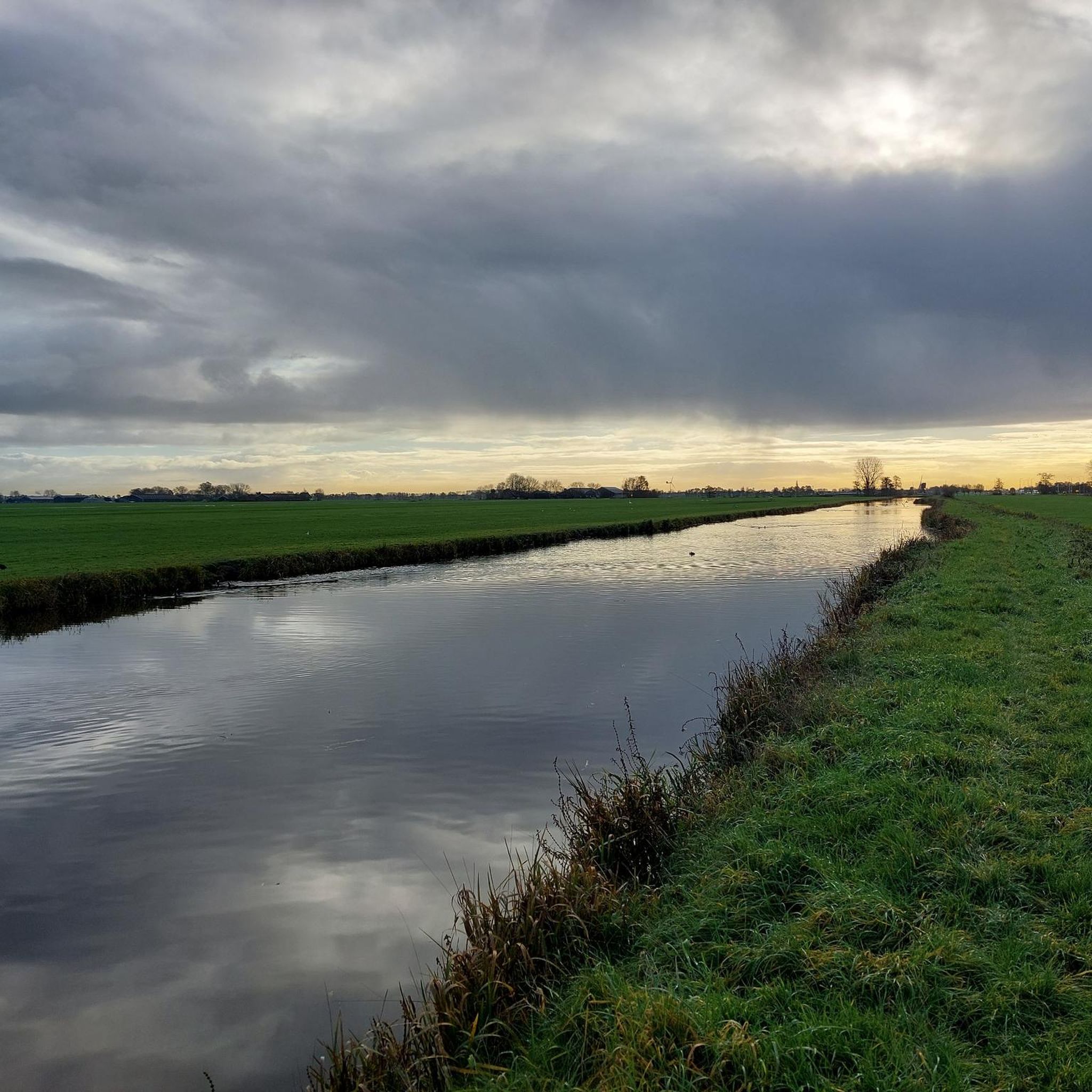
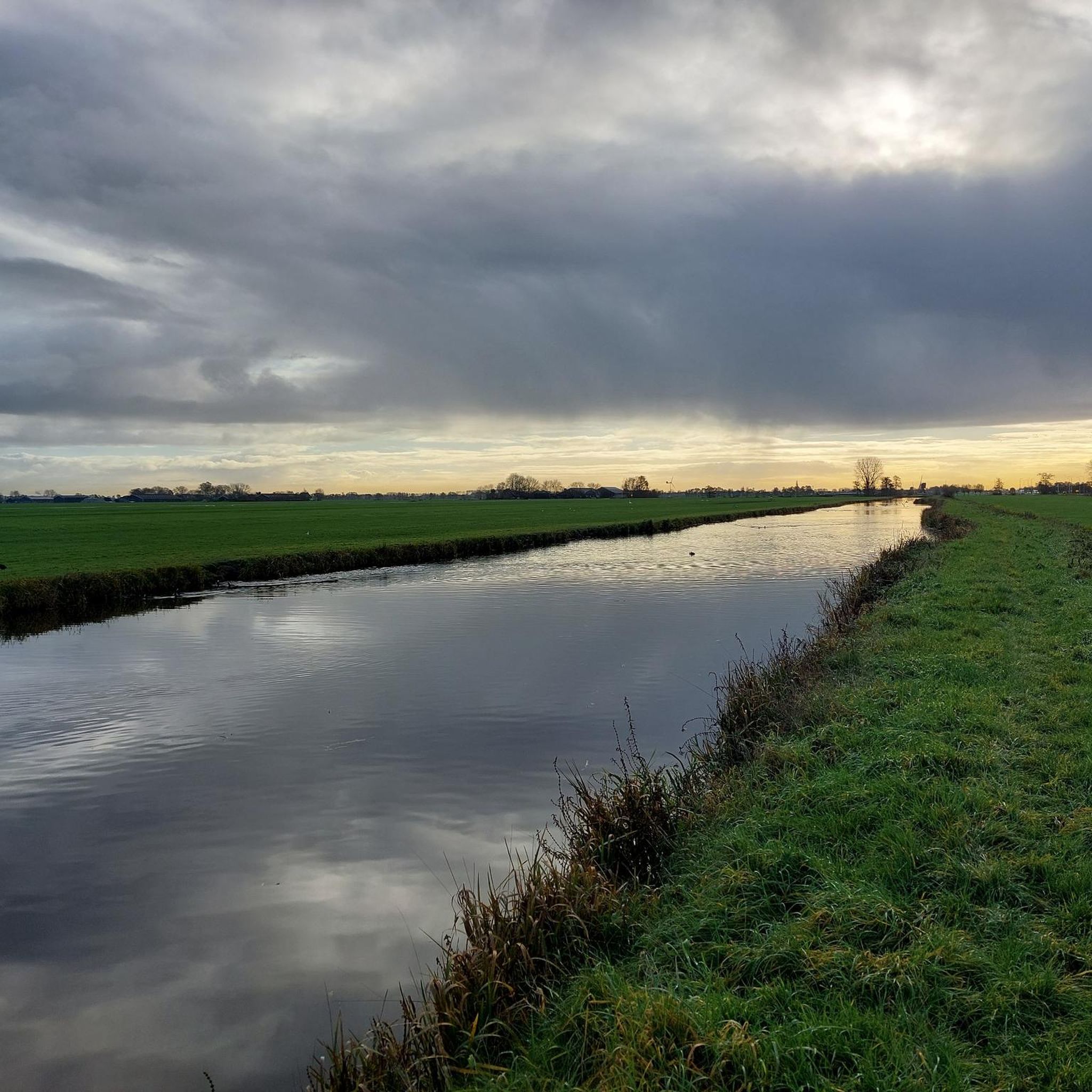
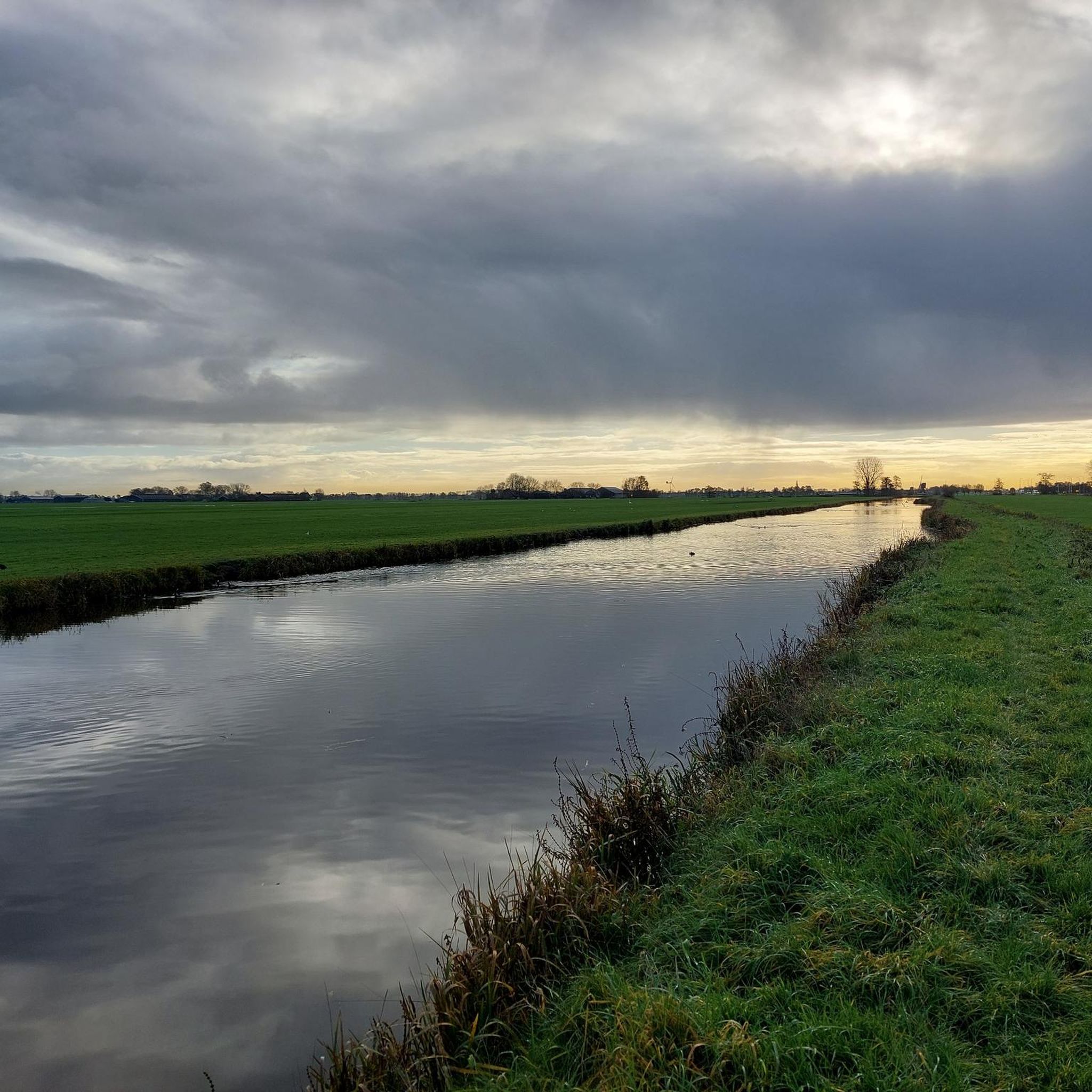
Best natural monuments around Liesveld are characterized by the distinctive Dutch polder landscape, a region now part of Molenlanden. This area's natural features are deeply connected to historical water management systems, creating a unique environment shaped by both human endeavor and nature. The flat terrain is crisscrossed by waterways and dotted with windmills, reflecting centuries of engineering. This landscape offers a peaceful setting for exploring authentic Dutch scenery.
Best natural monuments around Liesveld
- The most popular natural monuments is Kinderdijk…
Last updated: June 23, 2026
Kinderdijk Windmills (UNESCO World Heritage Site)
Highlight • Monument
Translated by Google •
Tip by

Kinderdijk Windmills
Highlight (Segment) • Monument
Kinderdijk is known for its mills, which were added to the UNESCO World Heritage List in 1997.
Translated by Google •
Tip by

Sign up now to discover places like this
Get recommendations on the best single tracks, peaks, & plenty of other exciting outdoor places.
Sign up for free
Observation tower in the Crezéepolder
Highlight • Viewpoint
Translated by Google •
Tip by
Sophiapolder Nature Island
Highlight (Segment) • Natural
Translated by Google •
Tip by

Willeskop Birdwatching Area
Highlight • Natural Monument
Translated by Google •
Tip by

Sign up for free to discover even more natural monuments around Liesveld.
Sign up for free
Already have an account?
Start today with a free account
Your next adventure awaits.
Login or Signup
Popular around Liesveld
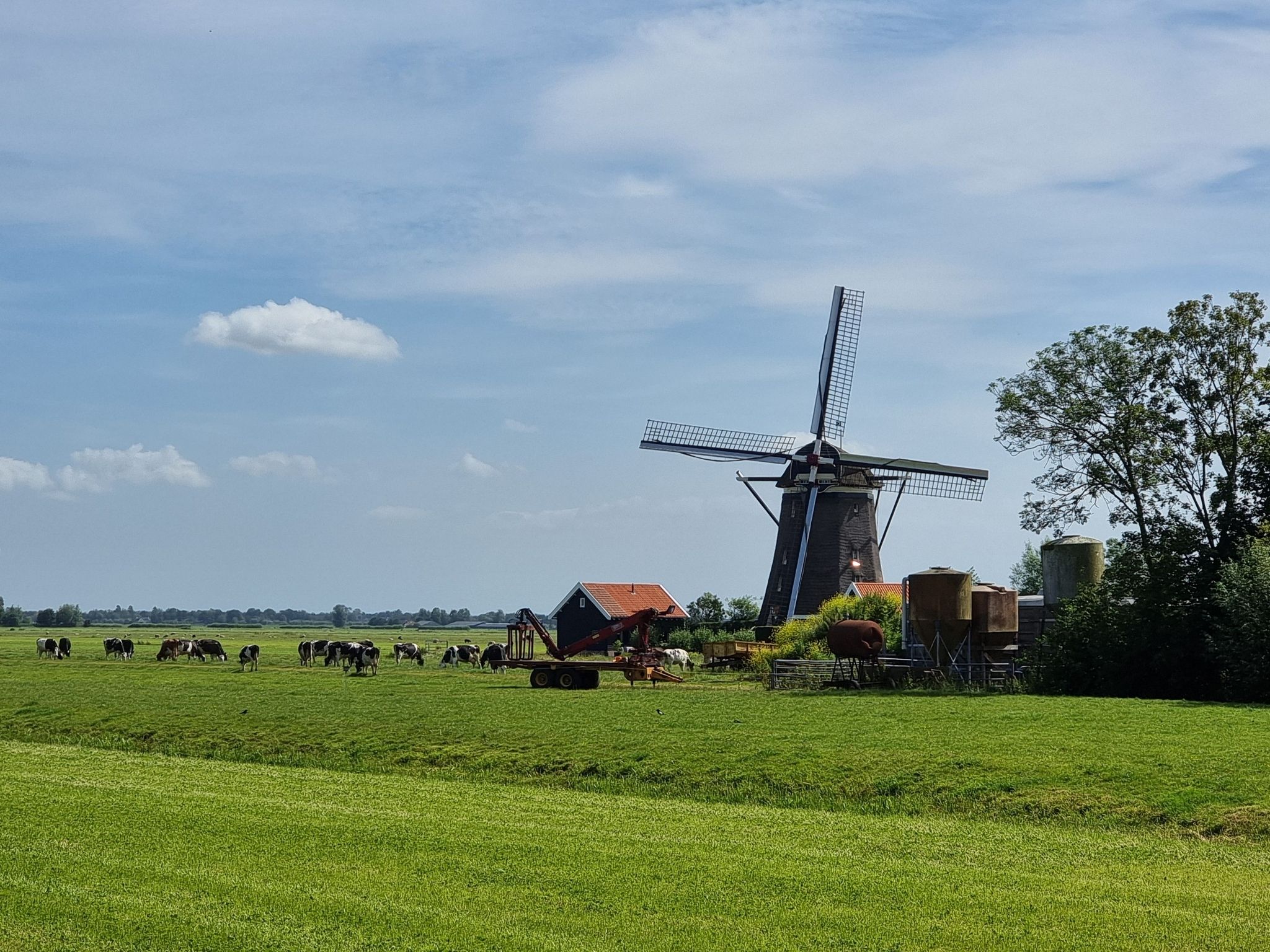
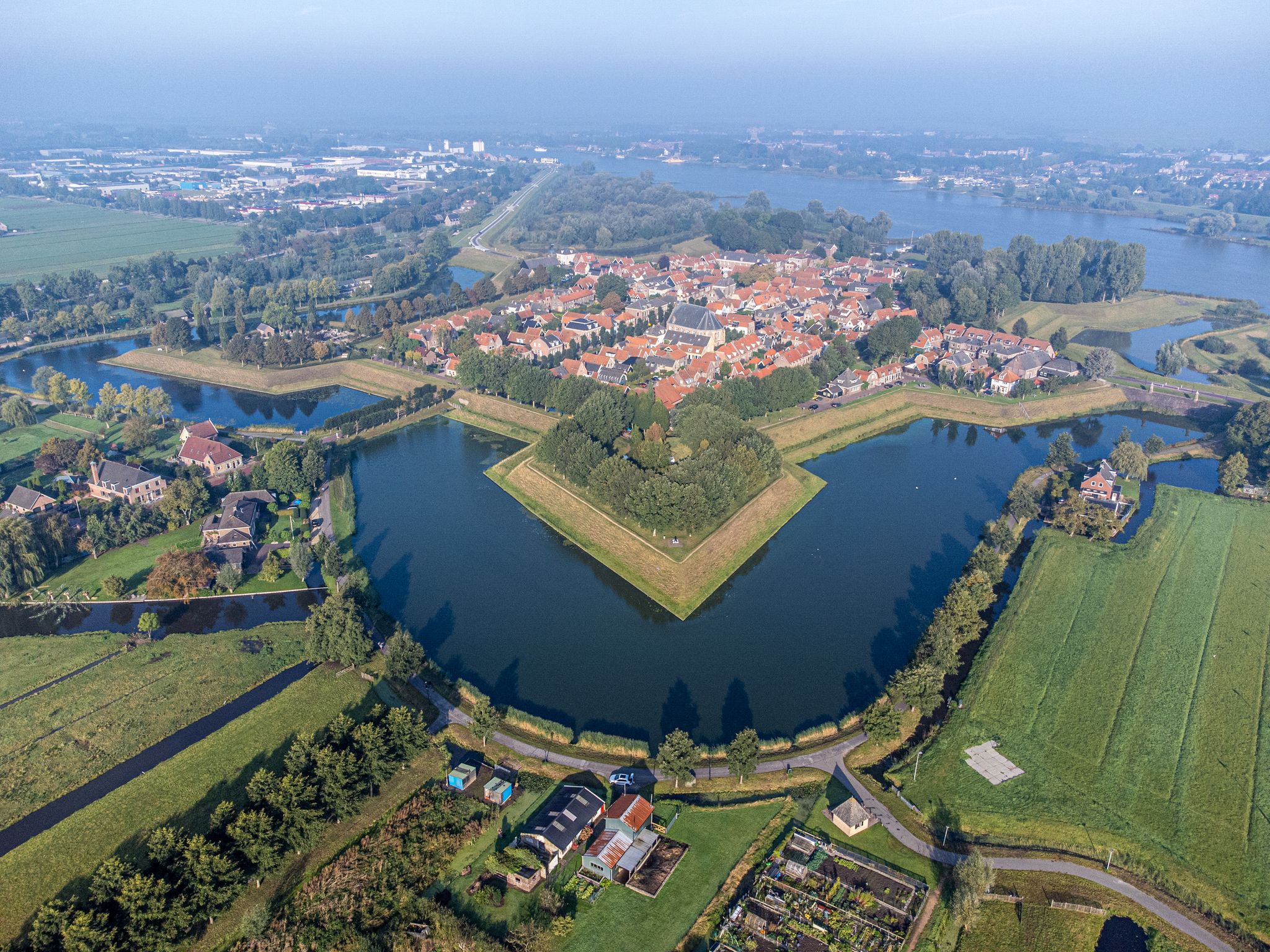
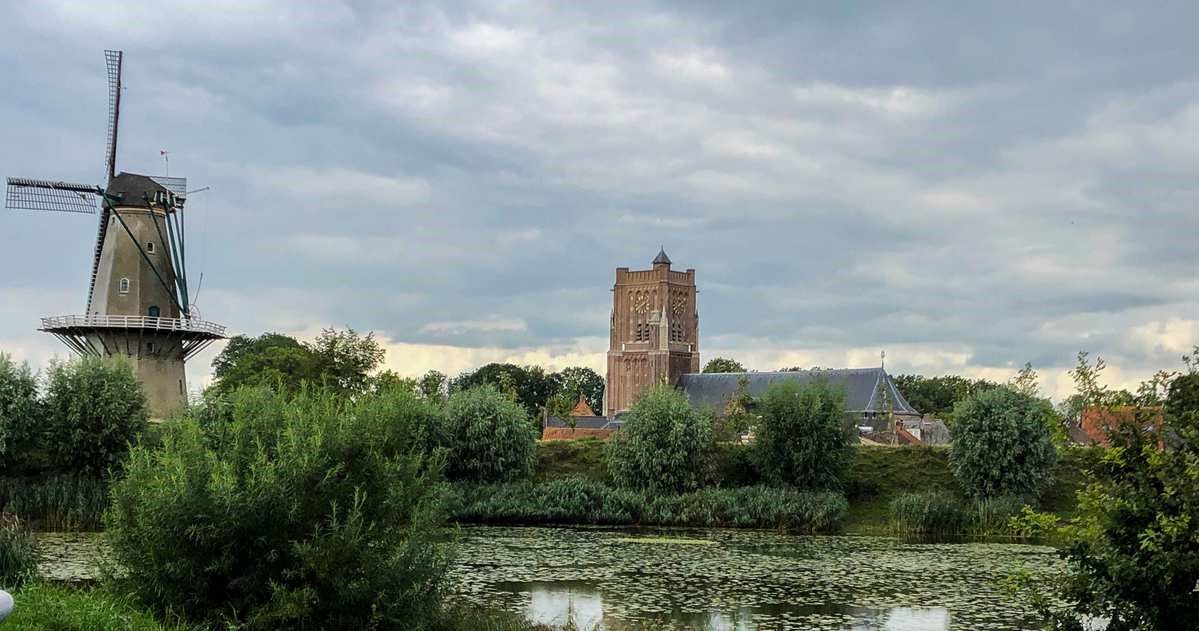
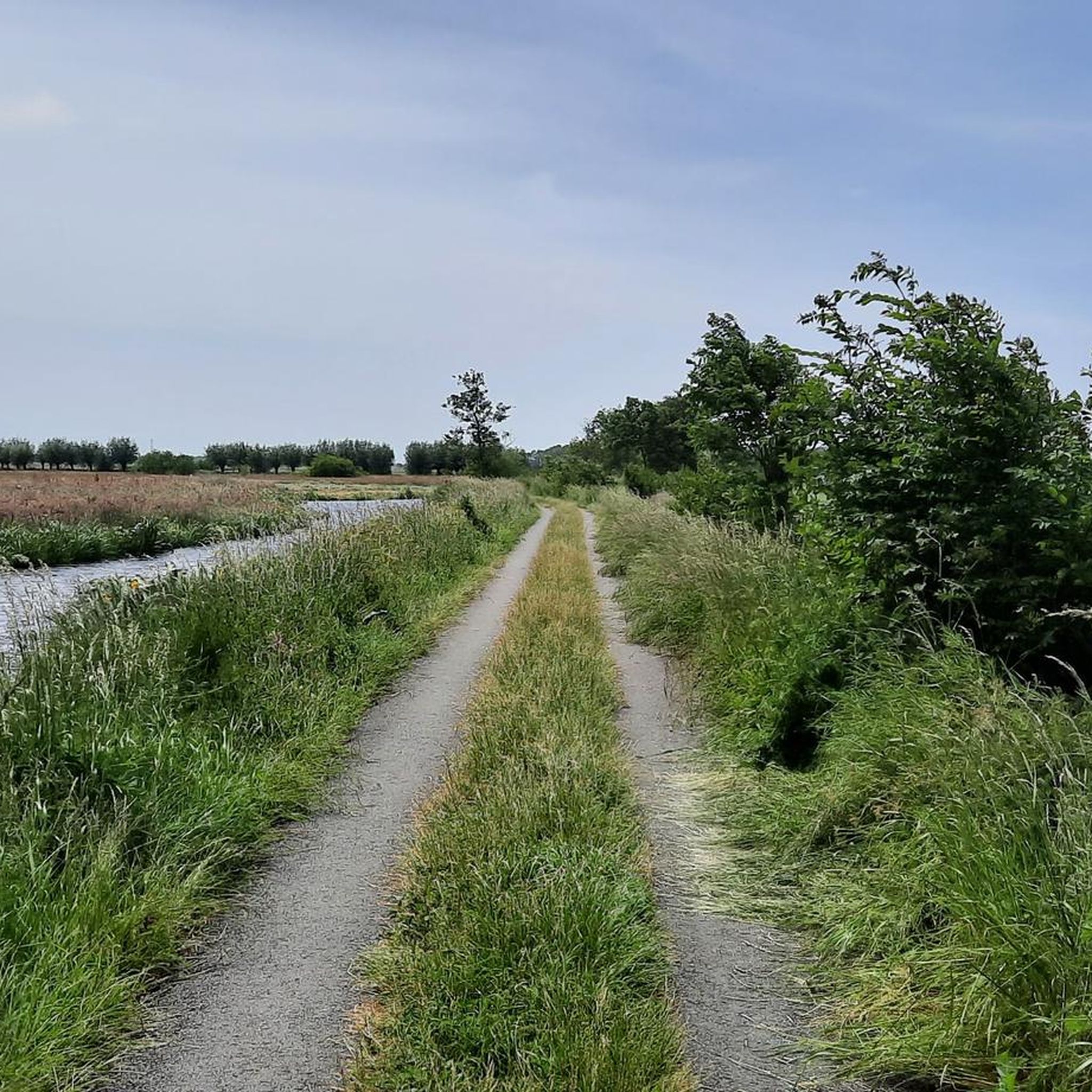
Other adventures around Liesveld


Tips from the Community

Very impressive how large this complex with the many windmills is. In the middle, a dike runs through with a foot/bike path, for which you don't have to pay. But if you want to go directly to the windmills, then it costs admission. Tickets can be bought online or on-site at the visitor center. On weekends and especially on weekends with good weather, it can also get veeeery crowded there. kinderdijk.nl
0
0

Willeskop is a hamlet that lies partly in the municipality of Montfoort and partly in the municipality of Oudewater in the Dutch province of Utrecht and consists of a number of farms and houses along the N228. The place is located in the Lopikerwaard polder and was an independent municipality from 1818 to 1989.
2
0

Beautiful walking location between water and windmills...
17
0
For those who don't plan a tour on komoot themselves...
14
0
You see a windmill everywhere... Don't forget to enjoy the surroundings...
14
0
An absolute must to walk between the many windmills and the waterways...
18
0
You have beautiful paths here between the windmills...
15
0

The Kinderdijk mills are one of the most famous sights in the Netherlands. They are a group of 19 wind pumps that are used to pump the water from the polders to make the land suitable for agriculture. The mills pump the water into the Nieuwen Waterschap, which flows into the river Lek. They were built in the 18th century after the older canal systems proved ineffective. The waterways, which also separate the polders, also divide the mills into several groups: To the west of the Nieuwen Waterschap, on the Nederwaard polder, there are eight round red brick mills, all built in 1738. On the Overwaard polder to the east there are eight octagonal wooden mills right on the waterway and three similar mills a little further inside the polder. Except for one of the mills in the “polder interior” (1761), all were built in 1740. On the Blokweer polder, southeast of Kinderdijk, there is a single wooden mill, the Blokweerse Molen. It is also known by the nickname “De Blokker”. The year the original mill was built is unknown. “De Blokker” has been the victim of fires several times, most recently in 1997. Since 2001, the mill has been rebuilt and restored. This mill is also the only one in the group where the paddle wheel is outside the mill and is therefore visible from the outside. Nowadays, pumps (first diesel pumps, now electric pumps) have taken over the work of the mills. Nevertheless, the mills are still very popular. They are put back into operation on special occasions, such as the Landelijke Molendag (National Mill Day, see also Vereniging De Hollandsche Molen). One of the mills on the Nederwaard Polder can even be visited from the inside, but some others are privately owned and used as residential buildings.
17
1
Frequently Asked Questions
What defines the natural monuments around Liesveld?
The natural monuments around Liesveld are characterized by the distinctive Dutch polder landscape, which is deeply connected to historical water management systems. This creates a unique environment where human engineering and nature intertwine. You'll find flat terrain crisscrossed by waterways, dikes, and iconic windmills, rather than traditional mountains or rock formations.
Which are the most popular natural monuments in the Liesveld area?
One of the most popular and iconic sites is the Kinderdijk Windmills (UNESCO World Heritage Site), showcasing the Netherlands' relationship with water management. Another highly appreciated spot is the Observation tower in the Crezéepolder, offering expansive views. Visitors also enjoy the Sophiapolder Nature Island, a unique tidal river island.
Are there good viewpoints to appreciate the polder landscape?
Yes, the Observation tower in the Crezéepolder provides a beautiful view over the Crezéepolder, with the Kinderdijk windmills also visible in the distance. This offers an excellent perspective on the vast polder landscape.
What kind of wildlife can be observed in the natural areas?
The region is rich in birdlife. At Sophiapolder Nature Island, the nutrient-rich mud plates attract many bird species like avocet, redshank, shelduck, green-legged rider, and spoonbills. Greylag and Canada geese are also present year-round. The nearby Willeskop Birdwatching Area is another excellent spot for bird observation.
Are there family-friendly natural monuments to visit?
Absolutely. The Kinderdijk Windmills are very family-friendly, offering easy walking and cycling paths. The Observation tower in the Crezéepolder and the Queen Wilhelmina Tree are also suitable for families, providing accessible and engaging experiences.
What outdoor activities can I do near these natural monuments?
The flat polder landscape is ideal for cycling and hiking. You can find numerous routes, such as the 'Kinderdijk Windmills – Nieuwpoort loop' for mountain biking or the 'Lekdijk – De Liefde Mill loop' for road cycling. For hiking, consider the 'Gelkenes Mill – Nieuwpoort loop'. You can explore more options on the hiking guide, MTB trails guide, and road cycling guide for Liesveld.
Can I explore the Kinderdijk Windmills on foot or by bike?
Yes, the Kinderdijk Windmills area is perfect for exploration on foot or by bicycle. The paths between the many windmills and waterways offer a beautiful and serene experience. You can even visit Museum Mill Nederwaard to see how a 1738 mill still operates.
What is unique about the Sophiapolder Nature Island?
The Sophiapolder Nature Island is a natural island located in the tidal river De Noord. Its landscape, with sandbanks and creeks, is constantly changing under the influence of the tide. It's a haven for various bird species and features unique flora adapted to its wet conditions. You can only reach it via a foot ferry for a 2.5-kilometer walk.
Is there a significant natural park nearby that offers a different kind of nature experience?
Yes, De Biesbosch National Park, located in the vicinity of Molenlanden, is one of the largest freshwater tidal wetlands in Europe. It features a labyrinth of rivers, creeks, and willow forests, providing a habitat for diverse flora and fauna, including beavers. It offers opportunities for hiking, boating, and wildlife observation in a dynamic river delta ecosystem.
What is the historical significance of the Queen Wilhelmina Tree?
The Queen Wilhelmina Tree in Schoonhoven is a monumental linden tree planted in 1895. It commemorates the inauguration of Queen Wilhelmina in 1898 and is an important historical symbol for the city, often accompanied by an ornamental fence.
What is the best time of year to visit the natural monuments around Liesveld?
The region can be enjoyed year-round. Spring and summer offer lush greenery and active wildlife, while autumn brings beautiful colors. Even winter is ideal for a day trip to the iconic Kinderdijk Windmills, offering a unique, tranquil atmosphere.
How can I get to the Sophiapolder Nature Island?
To reach the Sophiapolder Nature Island, you must take a foot ferry. Voluntary skippers from the Zuid-Hollands Landschap provide transfers, which take about 5 to 10 minutes and can carry a maximum of 10 passengers.
Most popular attractions around Liesveld

Get inspired with the komoot mobile app


Explore more
Extend your search for the best caves by checking out these guides of the top ones around Liesveld:
