Top 11 Natural Monuments around Jacobswoude
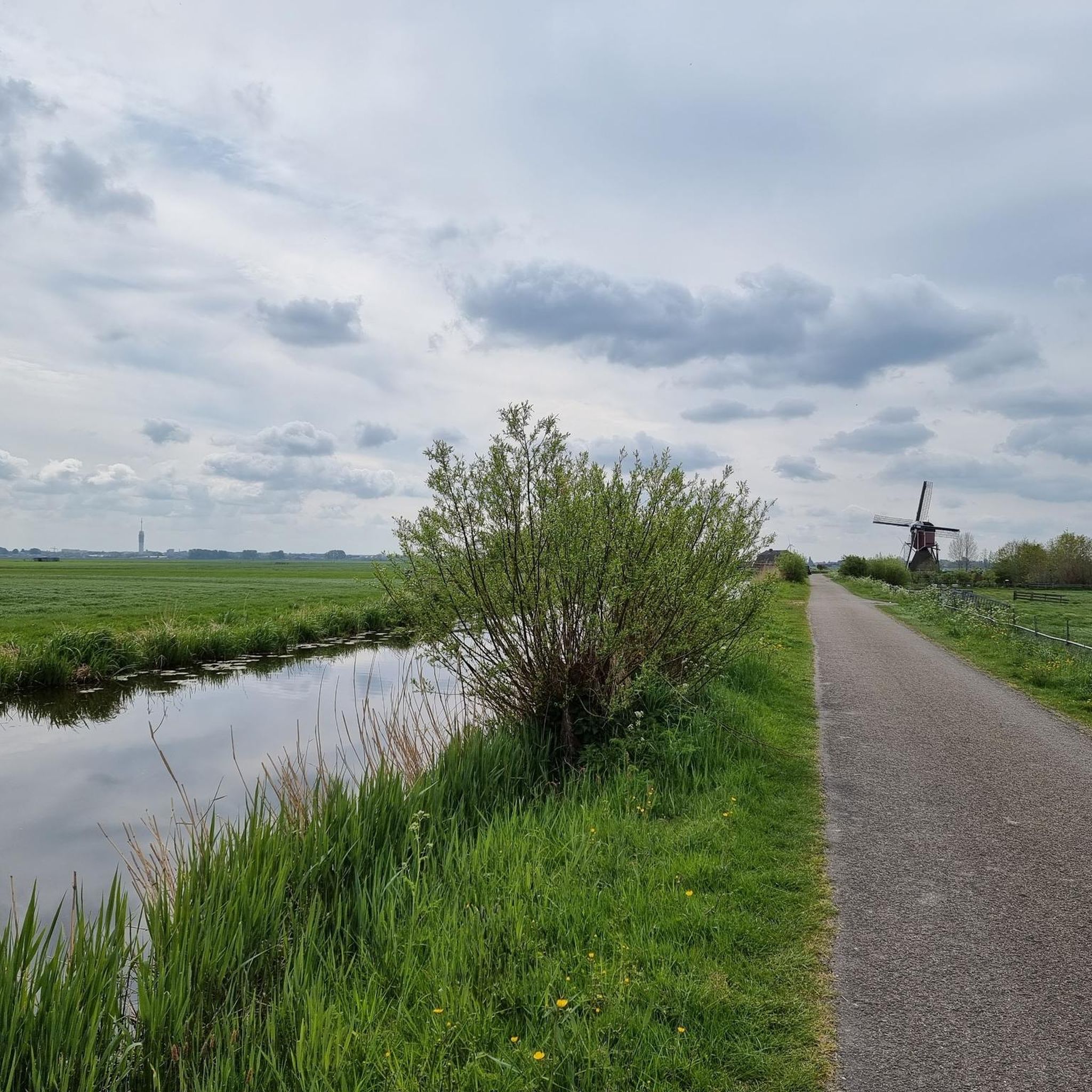
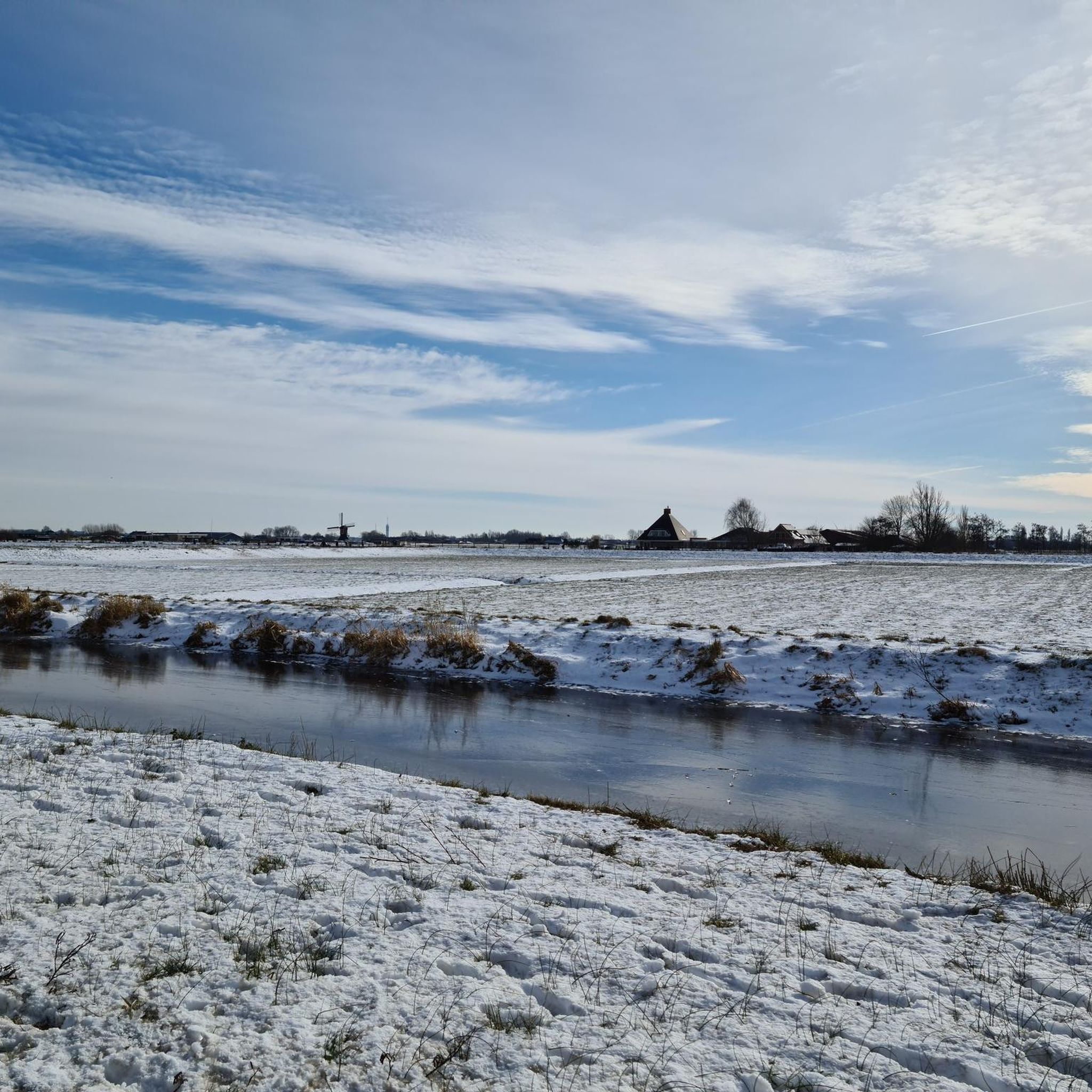
Best natural monuments around Jacobswoude are characterized by the region's polder landscape and waterways. This area, part of the municipality of Kaag en Braassem, offers natural features and recreational opportunities. The landscape is defined by reclaimed land, often featuring ditches, farmlands, and expansive skies. Visitors can experience typical Dutch scenery, providing opportunities for outdoor activities.
Best natural monuments around Jacobswoude
- The most popular natural monuments is Keukenhof, a natural monument known for its extensive flower displays. This 32-hectare park…
Last updated: August 16, 2026
Keukenhof Tulip Fields
Highlight • Natural
Translated by Google •
Tip by

Keukenhof
Highlight • Natural Monument
Keukenhof in a few figures, it is 32 hectares of flowers, 7 million …
Translated by Google •
Tip by

Sign up now to discover places like this
Get recommendations on the best single tracks, peaks, & plenty of other exciting outdoor places.
Sign up for free
Keukenhof Flower Gardens
Highlight • Natural Monument
Translated by Google •
Tip by

Hortus Botanicus Leiden
Highlight • Natural
Translated by Google •
Tip by

Benthuizer Lake
Highlight • Lake
Translated by Google •
Tip by

Sign up for free to discover even more natural monuments around Jacobswoude.
Sign up for free
Already have an account?
Start today with a free account
Your next adventure awaits.
Login or Signup
Other adventures around Jacobswoude

Tips from the Community

🌷The Netherlands- a colorful 🌷tulip nation🌷 💐Almost 80 percent of all tulip plants available worldwide are grown in the Netherlands. Red, White, Purple or Orange – visitors can admire the full splendor of colors of the flowers at Keukenhof in the province of South Holland💐. Besides tulips, 🌼daffodils, hyacinths, and crown imperials also grow there. The plants thrive particularly well thanks to calcareous soil. 💐The beds are artfully designed so that the splendor of colors of the plants can unfold in interplay🌷. The 32-hectare park is explored via walking paths, which are a total of 15 kilometers long💐.
1
0

The cultivation and trade of extremely valuable tulips began in the Netherlands after Carolus Clusius brought tulips from Turkey to Europe in 1593. During the Dutch Golden Age, tulip bulbs became an object of speculation. In the 1630s, prices for tulip bulbs rose to comparatively extremely high levels before the market collapsed abruptly in early February 1637 (= the first relatively well-documented speculative bubble in economic history). (Source: Wikipedia) THE TULIP: It came to Europe from Persia and Turkey in the 16th century. The Netherlands, especially Leiden, became the center of tulip cultivation. The "Semper Augustus" became particularly valuable because a virus caused it to have unique red and white flame patterns on its petals. During the tulip mania around 1643, it was recorded as the most expensive tulip in the world (Collection of the Norton Simon Art Foundation, USA). It is unknown who bred the Semper Augustus, as it is a historical, now extinct specimen. However, it became a symbol of the Dutch "tulip mania" (nl = tulpenwoede, tulpengekte) in the 17th century. At its peak in 1637, one bulb of this variety fetched 10,000 guilders, exactly the price of a house on a canal. In 1624, there were only 12 of this variety. (Source: Book "Leidener Runde und Rembrandt Route" by Leiden City Marketing)
2
0
🌿🌱After the founding of Leiden University in 1575, it seemed sensible to establish a "hortus medicus," a herb garden where medical students could study medicinal plants. This marked the beginning of a development that continued at the LUMC Academic Hospital and the Bio Science Park. The "Hortus Botanicus Leiden" was established in 1590, making it the oldest botanical garden in the Netherlands. 🌷Carolus CLUSIUS, a Hortulanus from Vienna, was the first director of the garden in 1593. He oversaw its design and cultivated the first large tulip collections in Europe. These form the basis of the nearby Keukenhof in Lisse, the "Garden of Leiden." ☘In the 19th century, Philipp Franz von SIEBOLD introduced around 700 previously unknown plants from Japan and China. (Source: Book "Leidener Runde and Rembrandt Route" by the Leiden City Marketing)
2
0

For tulip lovers and fans of beautiful, flowery parks, a visit to Keukenhof in the Netherlands is a MUST. Between mid-March and the end of May, tulips of various varieties bloom there.
1
0

After the foundation of Leiden University in 1575, it was deemed desirable to create a 'hortus medicus': a garden in which medical students could study medicinal plants. The start of a development that has continued in the Academic Hospital LUMC and the Bio Science Park. Hortus Botanicus Leiden was founded in 1590, making it the oldest botanical garden in the Netherlands.
4
0

Highly recommended! You have to take the day to see everything! Wonderful flowers galore ❤️
1
0

The Benthuizerplas, like the other two lakes, has an important function as a water storage facility, but is also a nature development lake between Benthuizen and Zoetermeer. The lake is a special area when it comes to nature. The water is completely closed off from the other lakes and has its own natural water level management system. This means that rain and evaporation largely determine the height of the water level.
13
0

You won't see so many tulips anywhere else, all at once. It's truly impressive.🇳🇱🌷
1
0
Frequently Asked Questions
What kind of natural monuments can I expect to find around Jacobswoude?
The natural monuments around Jacobswoude are characterized by the region's unique polder landscape and waterways. While not traditional geological formations, the area offers expansive flower parks, historic botanical gardens, and serene lakes, providing a quintessential Dutch scenery experience.
What are some of the most popular natural monuments to visit near Jacobswoude?
Among the most popular natural monuments are Keukenhof, famous for its extensive flower displays, and Hortus Botanicus Leiden, a historic botanical garden. Visitors also enjoy the tranquil Benthuizer Lake for its natural beauty and birdwatching opportunities.
Are there family-friendly natural monuments in the area?
Yes, several natural monuments are great for families. Keukenhof and Keukenhof Castle offer extensive grounds to explore, including gardens and a petting zoo at the castle. Hortus Botanicus Leiden also provides an engaging experience for all ages with its diverse plant collections.
What outdoor activities can I do near these natural monuments?
The region around Jacobswoude is ideal for various outdoor activities. You can find numerous routes for hiking, running, and road cycling, allowing you to explore the polder landscapes and waterways. The Benthuizer Lake area is particularly popular for bird lovers.
When is the best time to visit the natural monuments around Jacobswoude?
The best time to visit largely depends on what you wish to see. For the vibrant flower displays at Keukenhof and the surrounding tulip fields, spring (typically late March to mid-May) is essential. Other natural areas, like the polder landscapes and lakes, can be enjoyed throughout the warmer months for hiking and cycling, and even in winter for serene walks or ice skating if conditions allow.
Are there hiking trails near the natural monuments?
Yes, there are many hiking opportunities. For instance, you can find moderate trails like the 'Path Along Braassemermeer – Roelofarendsveen Lock loop from Woubrugge' or easier options such as the 'Polder View – Canal-Side Houses loop from Woubrugge'. You can explore more options on the Hiking around Jacobswoude guide.
Can I visit these natural monuments with my dog?
While specific rules vary, many outdoor areas in the Netherlands are dog-friendly, often requiring dogs to be on a leash. For specific locations like Keukenhof, dogs are generally allowed on a leash, but it's always best to check their official website for the most current regulations before your visit.
What kind of wildlife can I spot in the natural areas?
The polder landscapes and waterways around Jacobswoude are rich in birdlife. Areas like the Benthuizer Lake are designated nature reserves, popular with waterfowl and bird lovers. Keep an eye out for various species adapted to the wetland environment.
Are there any historical sites associated with these natural monuments?
Yes, several sites combine natural beauty with historical significance. Keukenhof Castle, for example, is an estate with a rich history, featuring a castle, gardens, and forest. Similarly, Hortus Botanicus Leiden is a historic botanical garden associated with the University of Leiden, showcasing plants brought from various expeditions.
What makes the polder landscapes around Jacobswoude special?
The polder landscapes are a defining feature of the region, representing reclaimed land often characterized by intricate systems of ditches, farmlands, and expansive skies. They offer a unique insight into Dutch engineering and agricultural heritage, providing serene routes for cycling and walking.
Are there any hidden natural gems near Jacobswoude?
Beyond the well-known attractions, the quiet roads meandering along the Meije River offer a tranquil experience with typical Dutch polder views, perfect for a peaceful cycle or scenic drive. The smaller polder areas, like the Vierambachtspolder, also provide subtle beauty and a chance to experience the authentic Dutch landscape away from crowds.
Can I find cafes or restaurants near these natural monuments?
Yes, many popular natural monuments, such as Keukenhof and Keukenhof Castle, have on-site facilities including cafes and restaurants. In the broader region, towns like Woubrugge offer various dining options. It's advisable to check specific opening hours for smaller establishments.
Most popular routes around Jacobswoude
Most popular attractions around Jacobswoude

Get inspired with the komoot mobile app


Explore more
Extend your search for the best caves by checking out these guides of the top ones around Jacobswoude:
