Top 19 Natural Monuments around Dirksland
Natural monuments around Dirksland are primarily found within the diverse landscapes of Goeree-Overflakkee, an island recognized for its ecological value. The region features extensive nature reserves, dynamic coastal areas, and significant wetland habitats. These areas offer a variety of natural attractions, including dunes, salt marshes, mudflats, and creek systems. The interplay of fresh and saltwater contributes to a rich diversity of flora and birdlife across the island.
Best natural monuments around Dirksland
- The most popular natural monuments is Kwade Hoek…
Last updated: June 23, 2026
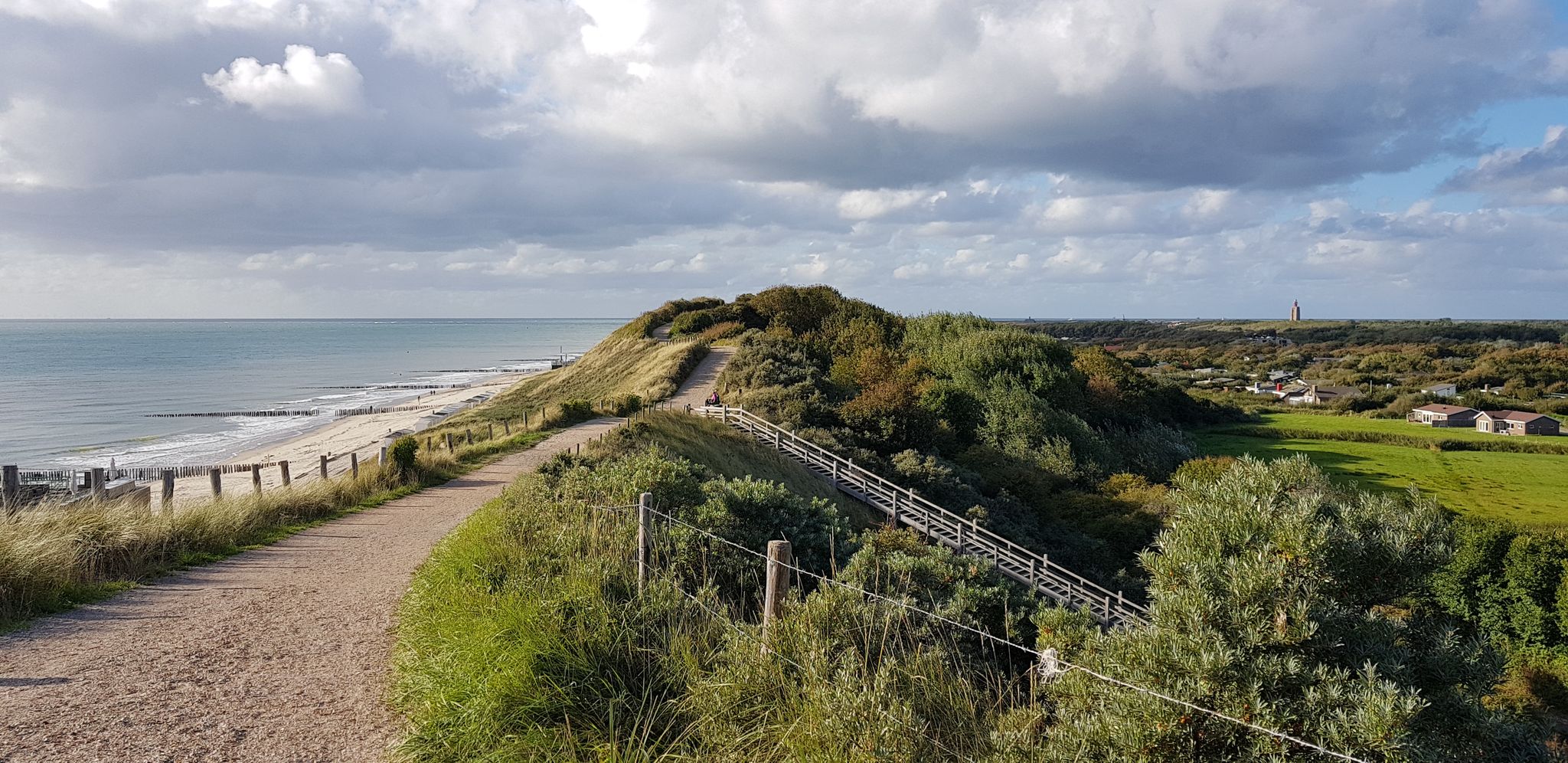
Kwade Hoek
Highlight • Natural Monument
Translated by Google •
Tip by

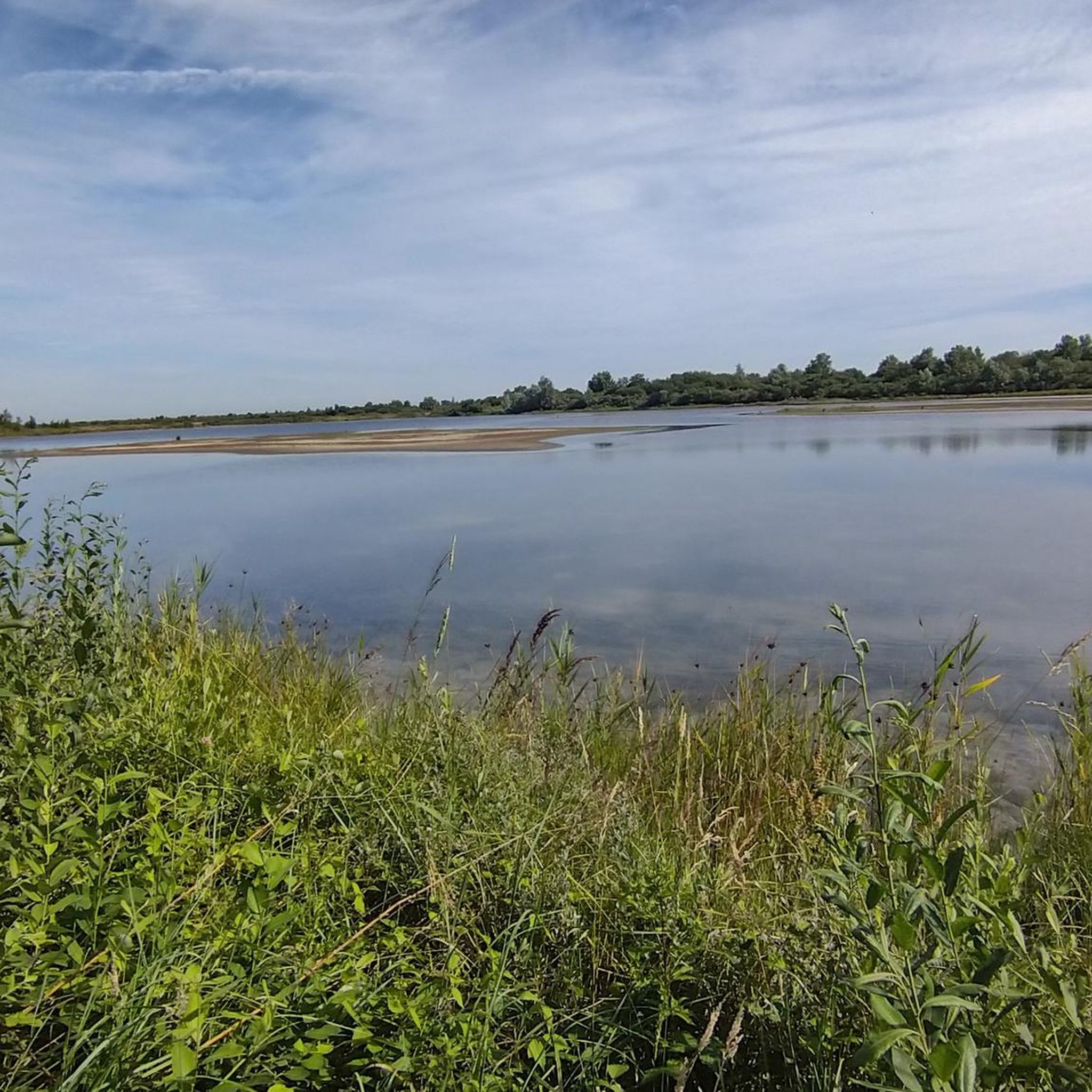
Road through the Dijkwater
Highlight • Lake
Translated by Google •
Tip by

Sign up now to discover places like this
Get recommendations on the best single tracks, peaks, & plenty of other exciting outdoor places.
Sign up for free
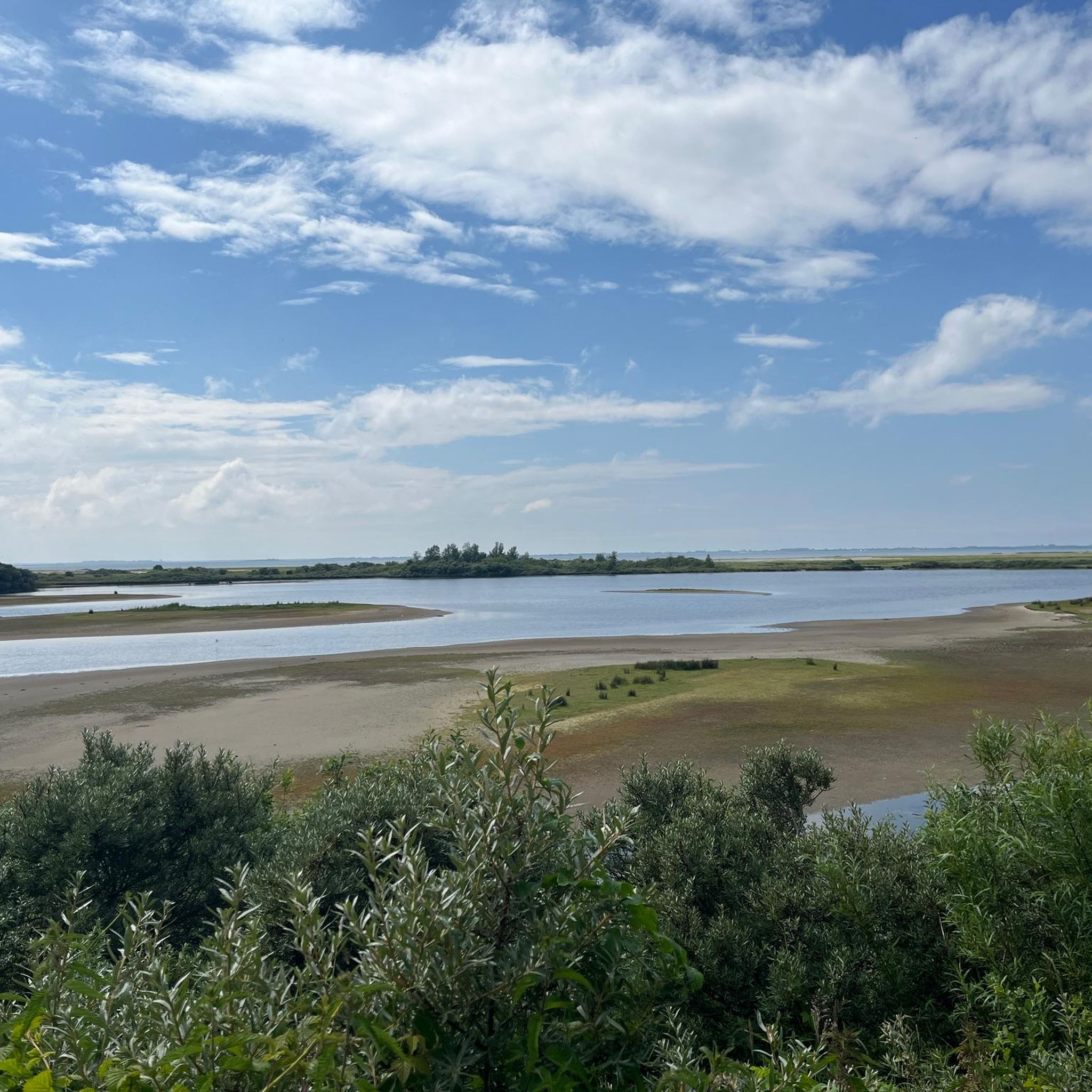
Kwade Hoek Dune Landscape
Highlight • Natural
Translated by Google •
Tip by

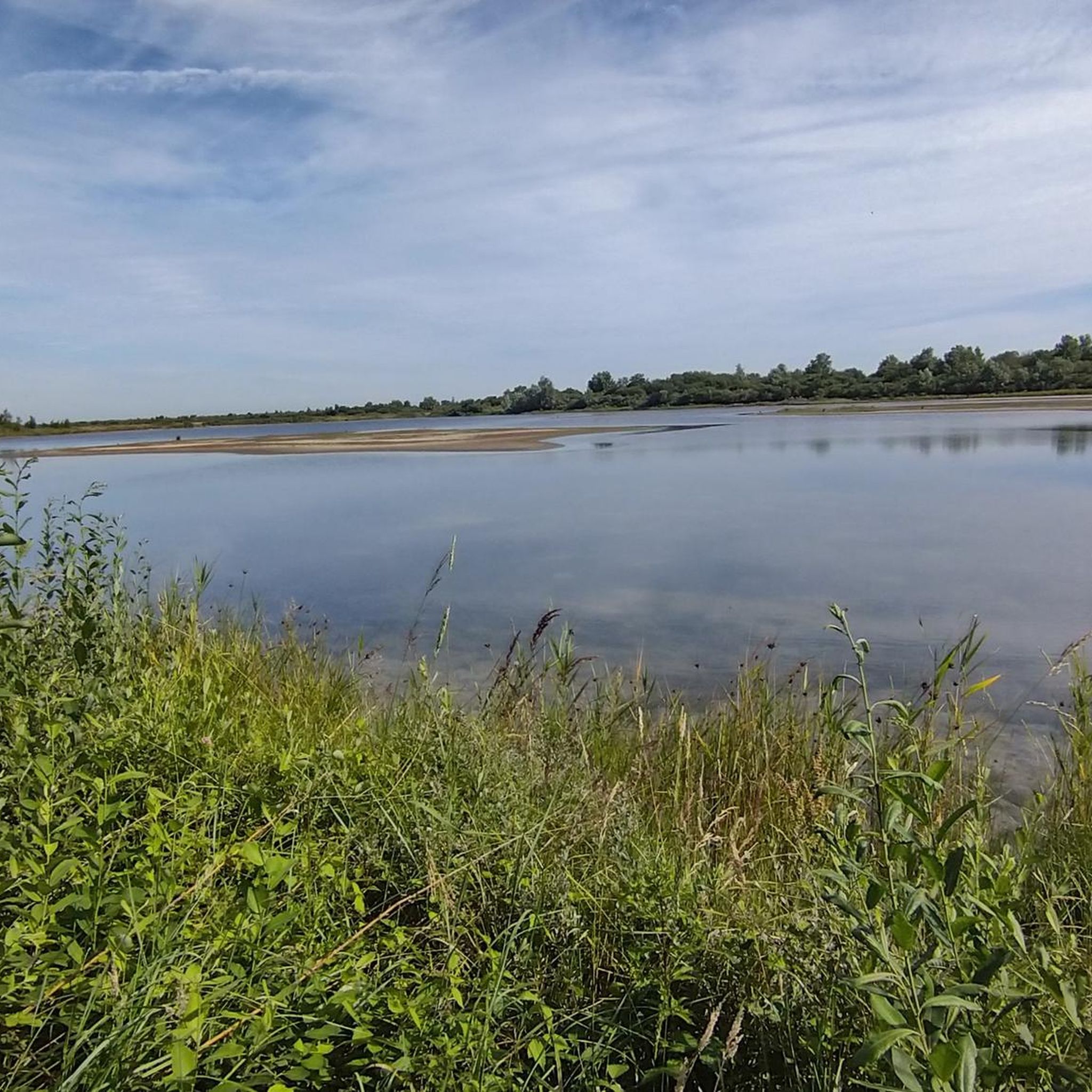
History of the Grevelingenmeer
Highlight • Lake
Translated by Google •
Tip by
Tij Bird Observatory
Highlight • Structure
Translated by Google •
Tip by

Sign up for free to discover even more natural monuments around Dirksland.
Sign up for free
Already have an account?
Start today with a free account
Your next adventure awaits.
Login or Signup

Other adventures around Dirksland

Tips from the Community

The beach at the Kwade Hoek Nature Reserve is expansive and secluded. You might be lucky enough to spot seals or grey seals lazing in the sun on the sandbanks. In any case, you'll see plenty of ships and boats, freighters, and shrimp boats passing by. Europe's largest seaport is almost around the corner.
0
0
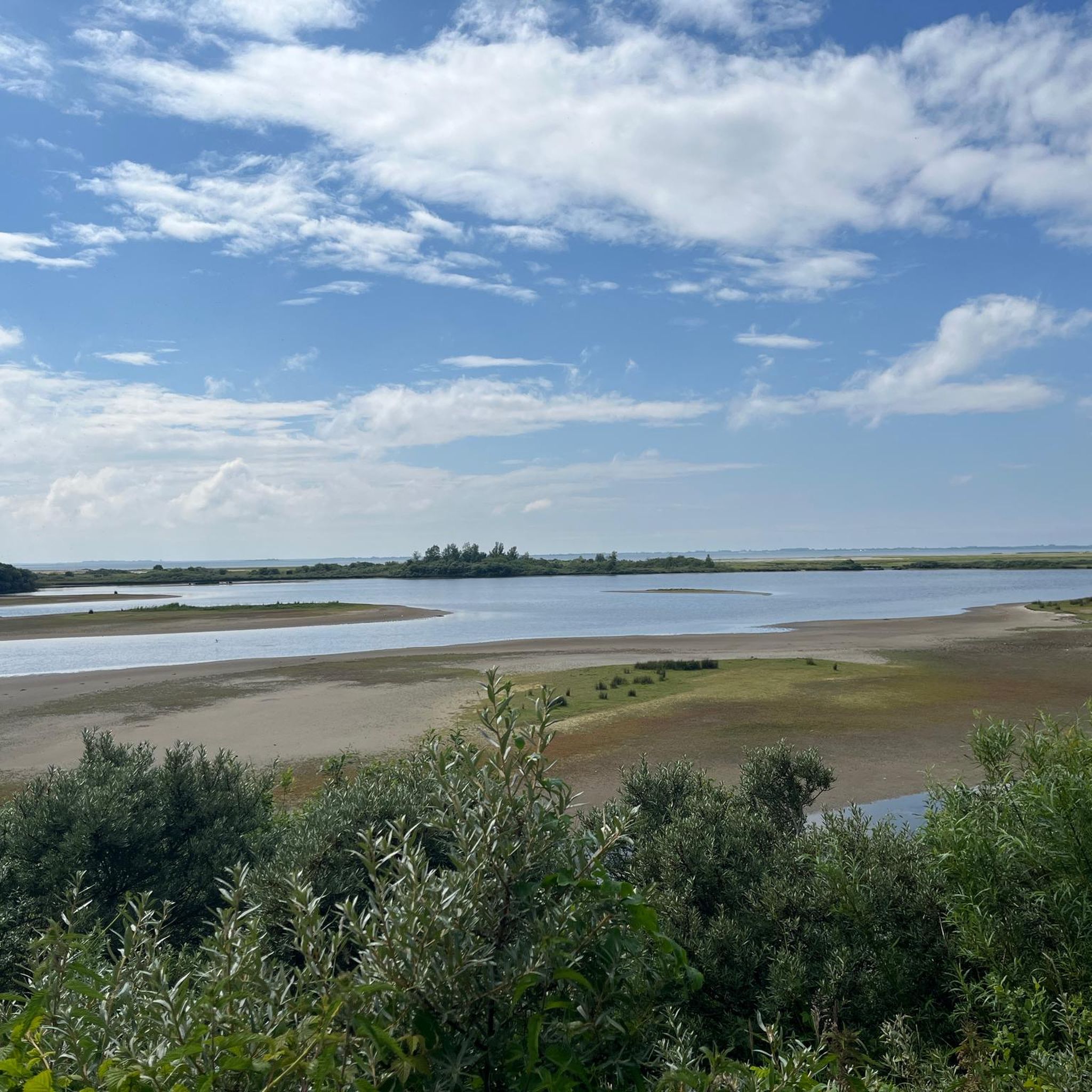
In the province of South Holland lies the island of Goeree-Overflakkee with the Kwade Hoek nature reserve. The name is said to refer to treacherous currents and sandbanks in this area, where many ships sank in the past. This still young dune landscape is a mosaic of damp dune slacks, salt marshes, and mudflats, with a very special flora and fauna.
4
1

Navigation address: Deltahaven 69, Stellendam You can park for free at the parking lot of the Stellendam marina, the path starts from the parking lot Dogs are not allowed to and in the bird observatory (not even on a leash) The walking path (where you will also encounter a staircase) and Tij itself are not accessible with a wheelchair/walker, because the observatory is located outside the dike on the Haringvliet
1
0

The beach is a great change from the dunes, the Kwade Hoek and the Slufters.
0
0

Cycling along the water is never boring.
0
0

Very beautiful area, not always accessible due to breeding season from March 15 to July 16.
3
0

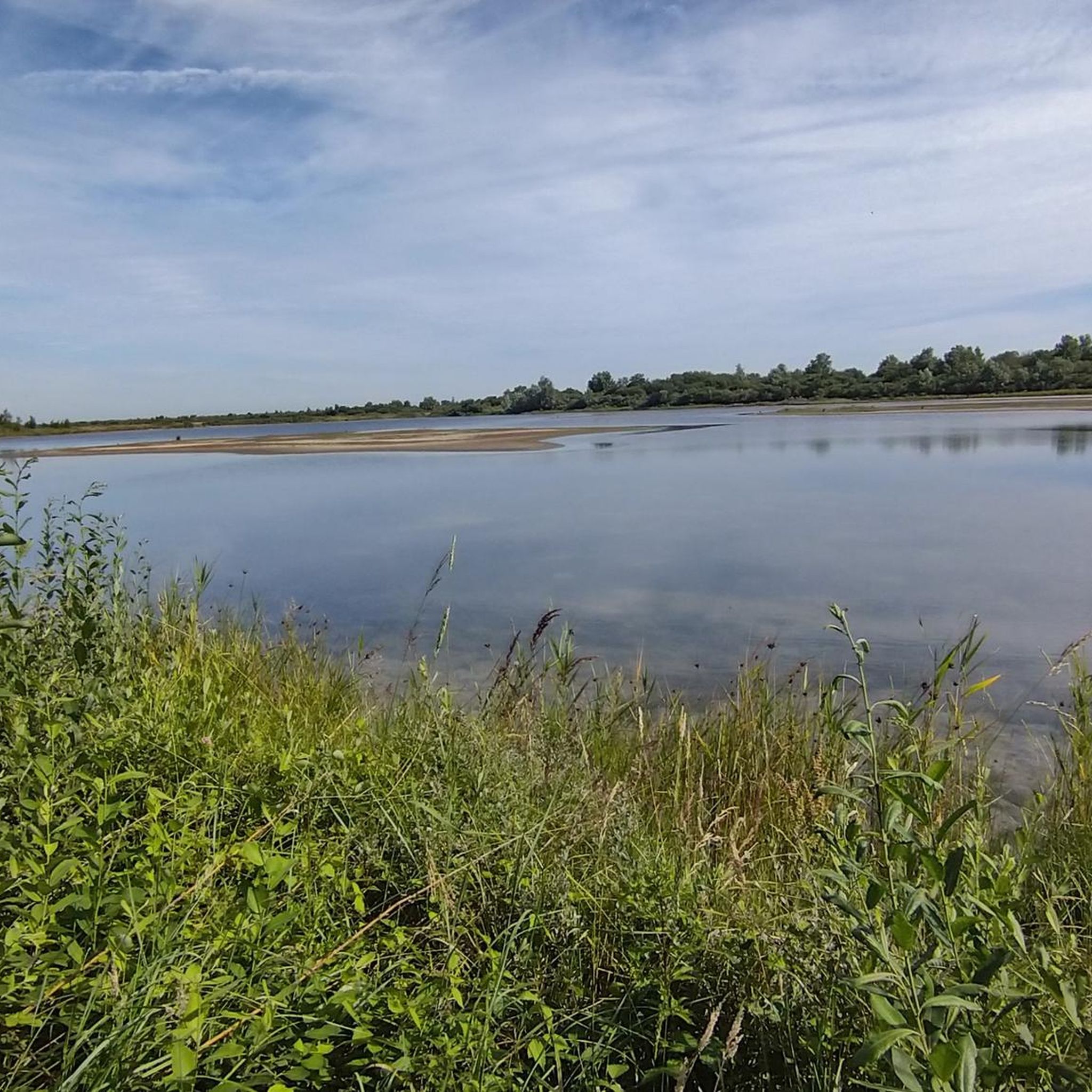
In 1971, the Grevelingenmeer with a surface area of 14,000 hectares was created by damming. In the past, the Grevelingen was mainly important for oyster and mussel farming. Now this salty lake is an attractive area for water sports. In addition, nature receives a lot of attention. For the benefit of pleasure craft, the Mosselbank has been located on the plate directly in front of the water sports island since 1990. On the other side is Herkingen on the former island of Goeree-Overflakkee. In your field of vision on the right you can see the Grevelingendam. It is one of the most important connections between Schouwen-Duiveland and the mainland. As part of the Delta Plan, this dam was built between Bruinisse and Goeree-Overflakkee in 1961-1965. The northern channel, the Bocht van Sint Jacob, was closed off by dumping a dam of stones using a cable car. On 1 April 1965, the Grevelingendam was opened to traffic.
6
0

If you like birds, you'll get your money's worth here: sand martins, common terns, lots of seagulls, ducks, herons, cormorants, etc. In May and June you can see lots of young birds.
0
0
Frequently Asked Questions
What are some notable natural areas to explore around Dirksland?
The region around Dirksland, specifically Goeree-Overflakkee, offers diverse natural areas. You can explore the dynamic coastal landscape of Kwade Hoek, which features dunes, salt marshes, and mudflats. Other significant areas include the extensive Dunes of Goeree, the vast Beningerslikken wetland, and the expansive Mudflats of Flakkee, known for their wildlife.
Where can I go birdwatching near Dirksland?
Goeree-Overflakkee is a prime birdwatching destination. The Tij Bird Observatory, shaped like a giant egg, offers a 360-degree view for observing terns, spoonbills, and sea eagles. Other excellent spots include the Beningerslikken Nature Reserve, known for over 150 species, and the various creek landscapes like Galathese Kreek, Paardengat, Koudenhoek, and Hellegatsplaten, which feature bird screens and huts for quiet observation.
Are there family-friendly natural monuments in the area?
Yes, several natural spots are suitable for families. The Dike water (Grevelingen) is categorized as family-friendly, offering views of the Grevelingenmeer. The Tij Bird Observatory is also a great family outing, providing an engaging experience for observing diverse birdlife. The general nature reserves with their walking trails are also suitable for families to explore together.
What kind of wildlife can I expect to see in the natural monuments around Dirksland?
The natural monuments around Dirksland are rich in wildlife. In areas like the Mudflats of Flakkee, you might encounter wild animals such as Heck cattle, Fjord horses, roe deer, and even sea eagles. The wetlands and creek systems are particularly known for their abundant birdlife, including rare species like great egrets, purple herons, spoonbills, avocets, and ospreys.
Are there historical sites among the natural monuments?
Yes, some natural monuments also have historical significance. The Dike water (Grevelingen) is a remnant of the old sea channel 'Gouwe', offering a historical geographical point. Additionally, Fort Penserdijk, though primarily a historical site, is now a national monument and a resting place for bats, blending historical interest with natural preservation.
What outdoor activities can I do near these natural monuments?
The area around Dirksland is excellent for various outdoor activities. You can find numerous routes for gravel biking, mountain biking, and road cycling. For example, there are gravel biking routes like the 'View of Westhoofd Lighthouse – Kop van Schouwen Dunes loop' and mountain biking trails such as the 'Brouwersdam – Marina on Lake Grevelingen loop'. Road cycling options include the 'Brouwersdam Coastal Bike Path'. You can find more details on these activities in the Gravel biking around Dirksland, MTB Trails around Dirksland, and Road Cycling Routes around Dirksland guides.
What is the best time of year to visit the natural monuments around Dirksland?
The natural monuments around Dirksland offer unique experiences throughout the year. Spring and autumn are particularly good for birdwatching due to migration. The dynamic coastal landscapes and wetlands are beautiful in all seasons, but for comfortable hiking and cycling, the milder months from spring to early autumn are generally preferred. Always be prepared for potentially wet conditions, especially in coastal and wetland areas.
Are there hiking trails suitable for different difficulty levels?
Yes, the natural reserves around Dirksland offer various hiking trails. Areas like Kwade Hoek have trails that can be very wet, requiring good waterproof shoes, indicating varying terrain. While specific difficulty grades for hiking trails are not detailed here, the diverse landscapes from dunes to wetlands suggest options for different preferences, from easy strolls to more challenging walks through dynamic environments.
Can I bring my dog to the natural monuments?
While many natural areas in the Netherlands are dog-friendly, specific rules can vary by reserve, especially in areas with sensitive flora and fauna or grazing animals. It's always advisable to check local signage or the specific reserve's website for regulations regarding dogs, such as whether they need to be on a leash or if certain areas are restricted.
Where can I find parking when visiting these natural areas?
Parking availability varies by specific natural monument or reserve. Generally, popular nature reserves and birdwatching spots often have designated parking areas nearby. For instance, if visiting the Tij Bird Observatory or other well-known reserves, you can usually find parking within a reasonable distance. It's recommended to check maps or local information for specific locations before your visit.
How can I reach the natural monuments around Dirksland by public transport?
Public transport options to reach the natural monuments around Dirksland may be limited, as many reserves are located in more remote natural settings. Buses typically connect Dirksland to other towns on Goeree-Overflakkee. From these towns, you might need to walk or cycle to reach the reserves. Planning your route with a public transport planner is recommended for the most up-to-date information.
What unique natural features can I look out for?
The region is characterized by its dynamic interplay of fresh and saltwater, especially in areas like Kwade Hoek, which creates unique ecosystems. You'll find extensive dune systems, salt marshes, and mudflats. The island's creek landscapes, managed by Staatsbosbeheer, are also unique, supporting specific plant life and attracting numerous water and meadow birds.
What do visitors particularly enjoy about the natural monuments here?
Visitors appreciate the diverse natural beauty and tranquility of the area. Many enjoy the opportunity for birdwatching, with the Tij Bird Observatory being a highlight. The dynamic coastal landscapes and the historical geographical points like the Dike water (Grevelingen) also receive positive feedback for their scenic views and sense of history. The komoot community has shown strong appreciation, with over 370 upvotes and 90 photos shared.
Most popular routes around Dirksland
Most popular attractions around Dirksland

Get inspired with the komoot mobile app


Explore more
Extend your search for the best caves by checking out these guides of the top ones around Dirksland:
