Top 6 Natural Monuments around Wormerland
Best natural monuments around Wormerland include a diverse landscape shaped by historical peat extraction and water management. The region features extensive peat meadow areas, historic polders, and significant viewpoints. Visitors can explore 6 natural monuments that showcase the area's unique ecological importance and cultural heritage. This landscape offers opportunities to observe specific flora and fauna, including a variety of bird species.
Best natural monuments around Wormerland
- The most popular natural monuments is De Poelboerderij Visitor Centre, a facilities that…
Last updated: May 9, 2026
Moordenaarsbraak Nature Reserve
Highlight • Natural Monument
Translated by Google •
Tip by

De Poelboerderij Visitor Centre
Highlight • Rest Area
Translated by Google •
Tip by

Sign up now to discover places like this
Get recommendations on the best single tracks, peaks, & plenty of other exciting outdoor places.
Sign up for free
Volgermeerpolder
Highlight • Natural Monument
Translated by Google •
Tip by

UNESCO World Heritage Site Beemster Polder
Highlight • Historical Site
Translated by Google •
Tip by

Hortus Bulborum Limmen
Highlight • Natural
Translated by Google •
Tip by

Sign up for free to discover even more natural monuments around Wormerland.
Sign up for free
Already have an account?
Start today with a free account
Your next adventure awaits.
Login or Signup
Tips from the Community

IJsselmeer dike between Edam and Warder. From Wikipedia
0
0
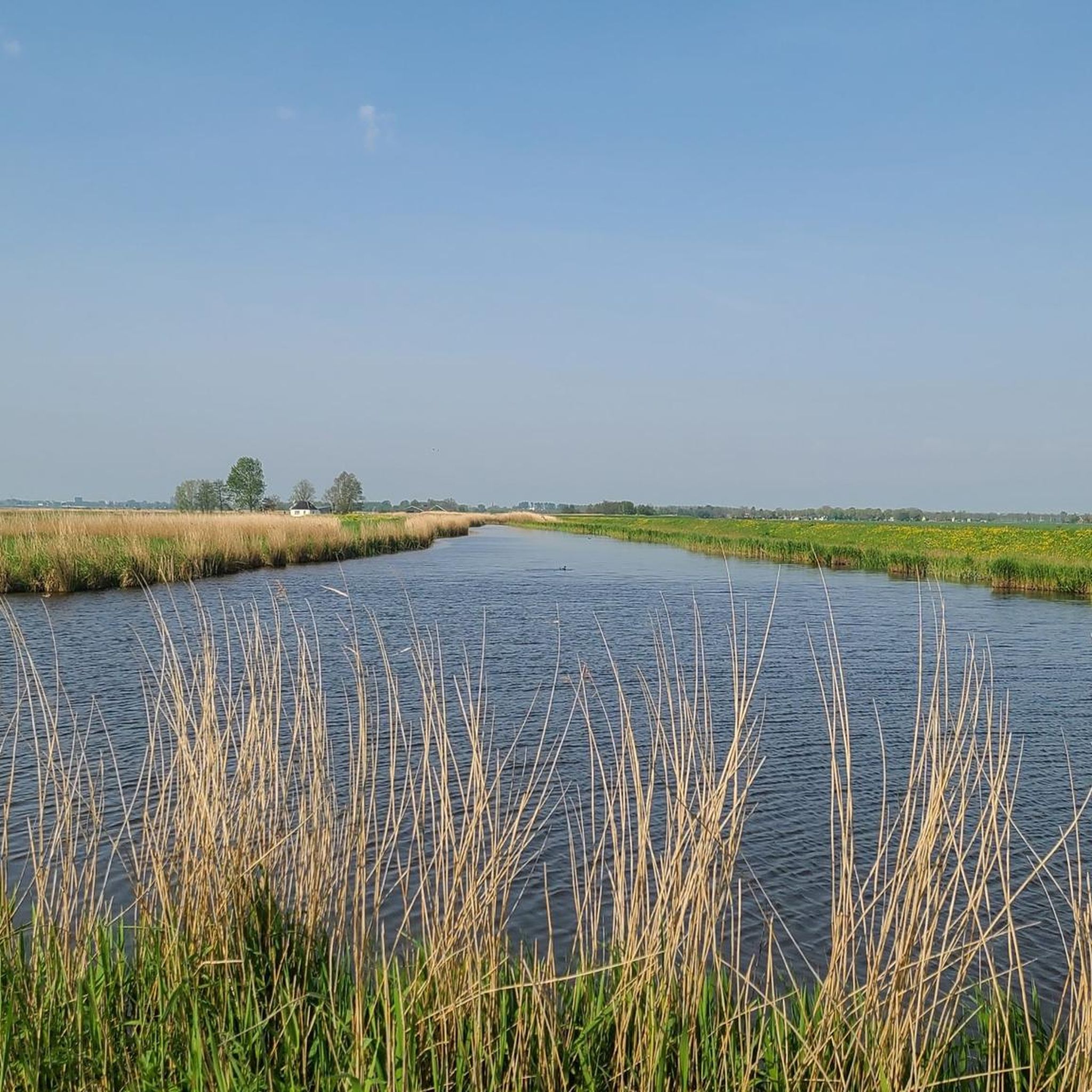
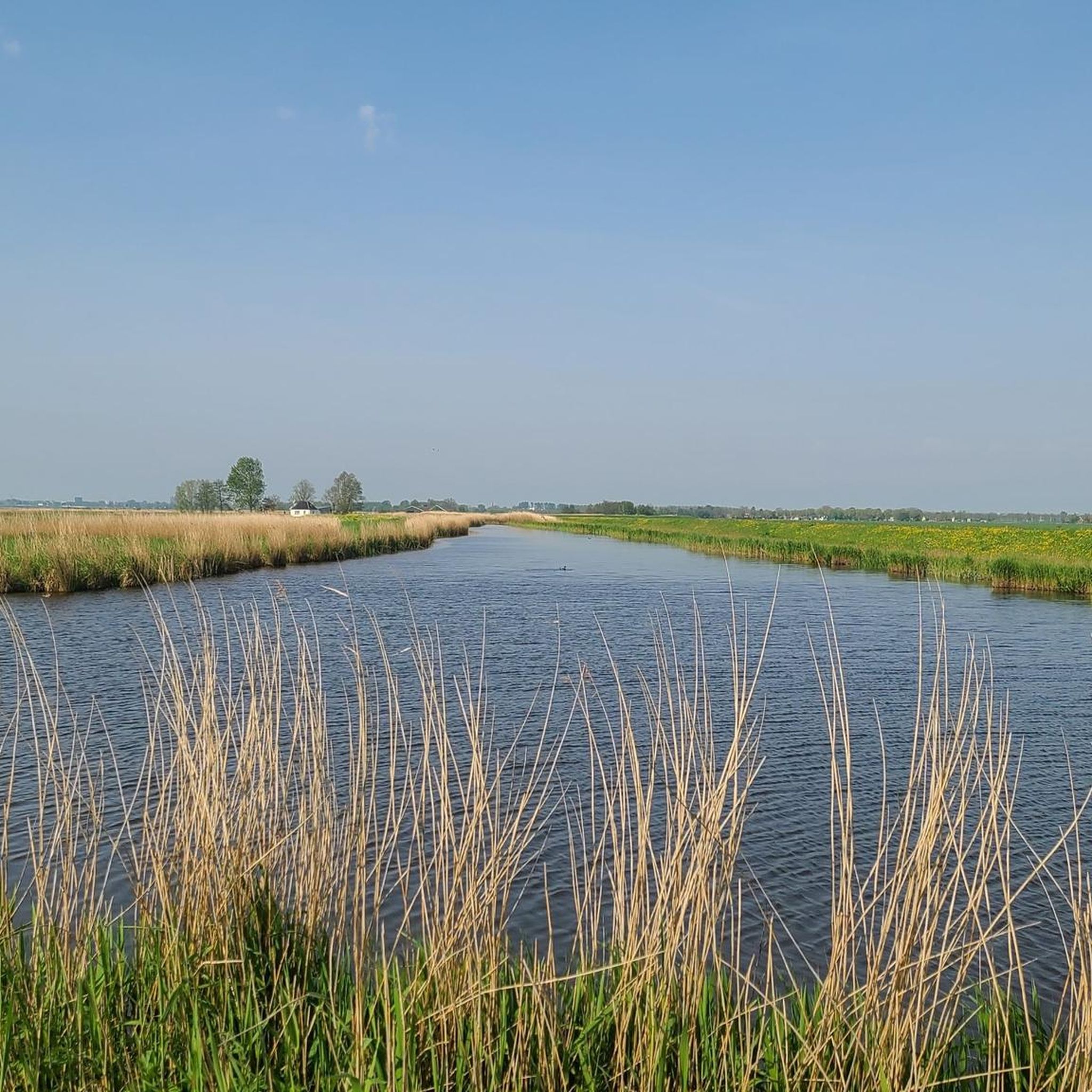
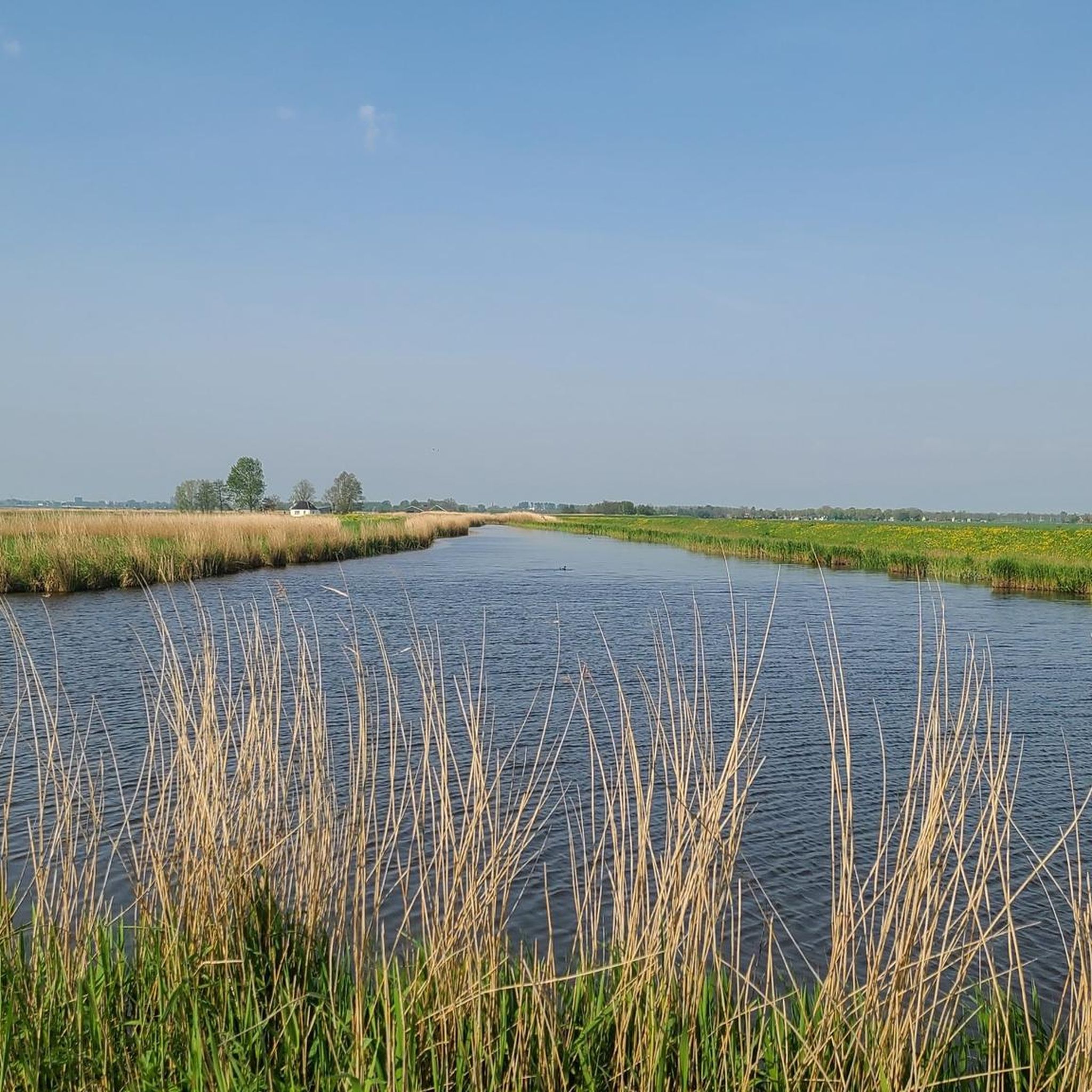
The Moordenaarsbraak is the remains of one of the many dike breaches in North Holland caused by flooding of the Zuiderzee. Between Edam and Hoorn, the IJsselmeer dike owes its winding shape to the dike breaches, which the dike was then built around. The Moordenaarsbraak probably originated in the period between 1775 and 1849.[1] The Moordenaarsbraak is a more or less circular water area, which is bordered by a reed collar. The Moordenaarsbraak has been designated as a provincial monument because it is seen as a "defining element in the North Holland Polder landscape".[2] The name Moordenaarsbraak refers to the violence of the sea, which caused people in the area to be murdered.[3] The nature reserve is managed by Staatsbosbeheer. Just south of the Moordenaarsbraak are the Groote Braak and the Kleine Braak and just north of the Zandbraak and the Hogendijkerbraak, all located within a distance of approximately 5 kilometers along the IJs
0
0


This hortus was created by a teacher who started collecting flower bulbs. Now there are 2650 different types of historical bulbs neatly grouped and clearly marked. A feast for the eyes and you won't get bored because there are species that are known from 1560. Really worth a visit in Limmen
0
0

This place has long been used as a dumping ground for the municipality. Not only domestic waste was dumped, but also a lot of industrial and chemical waste, making it one of the most toxic places in the Netherlands. "To clean up the area, steel sheet piles were driven deep into the ground. The pollution was also covered and provided with a thick layer of living. As a result, the area is higher than the surroundings and you have a beautiful view over the rest of North-East. ."
0
0

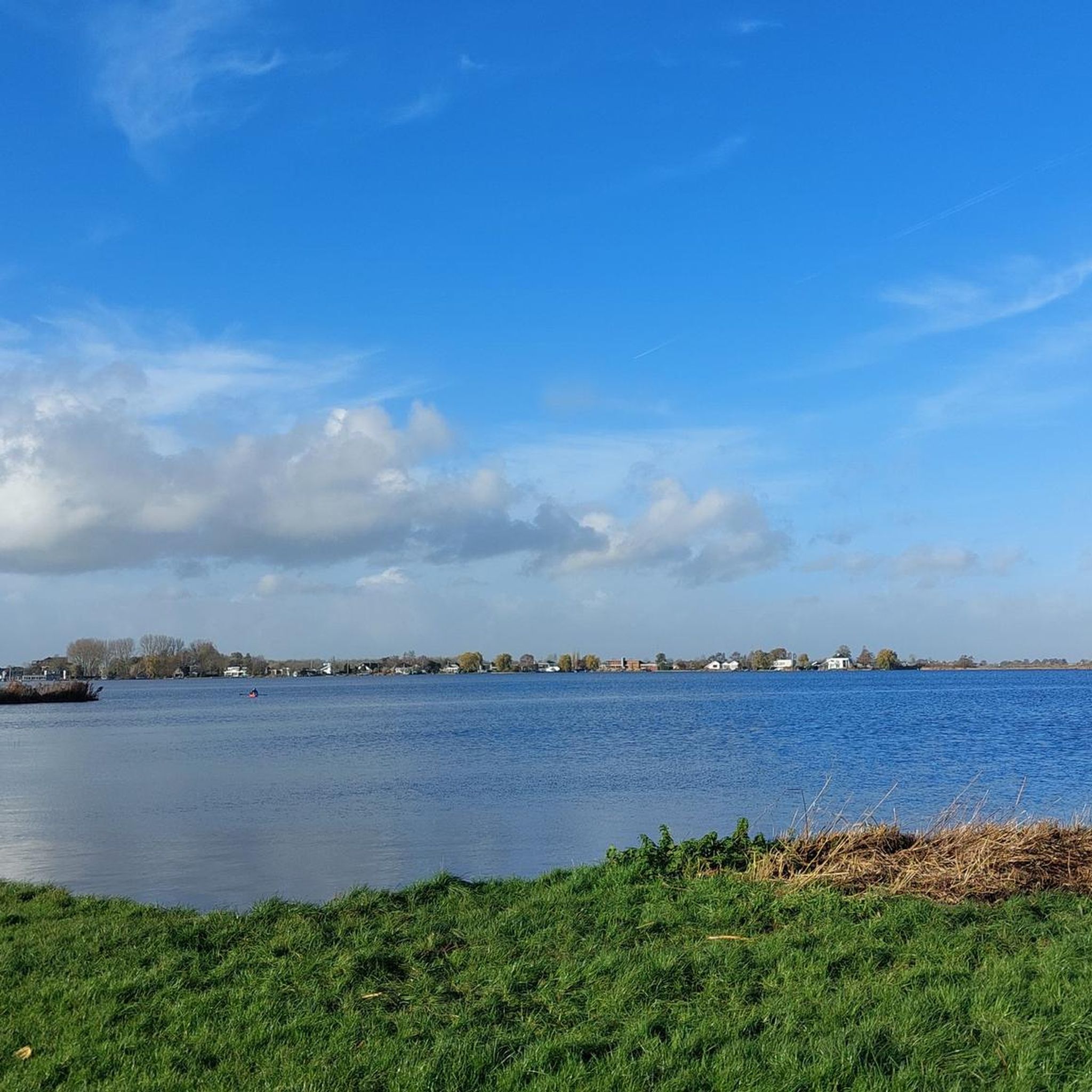
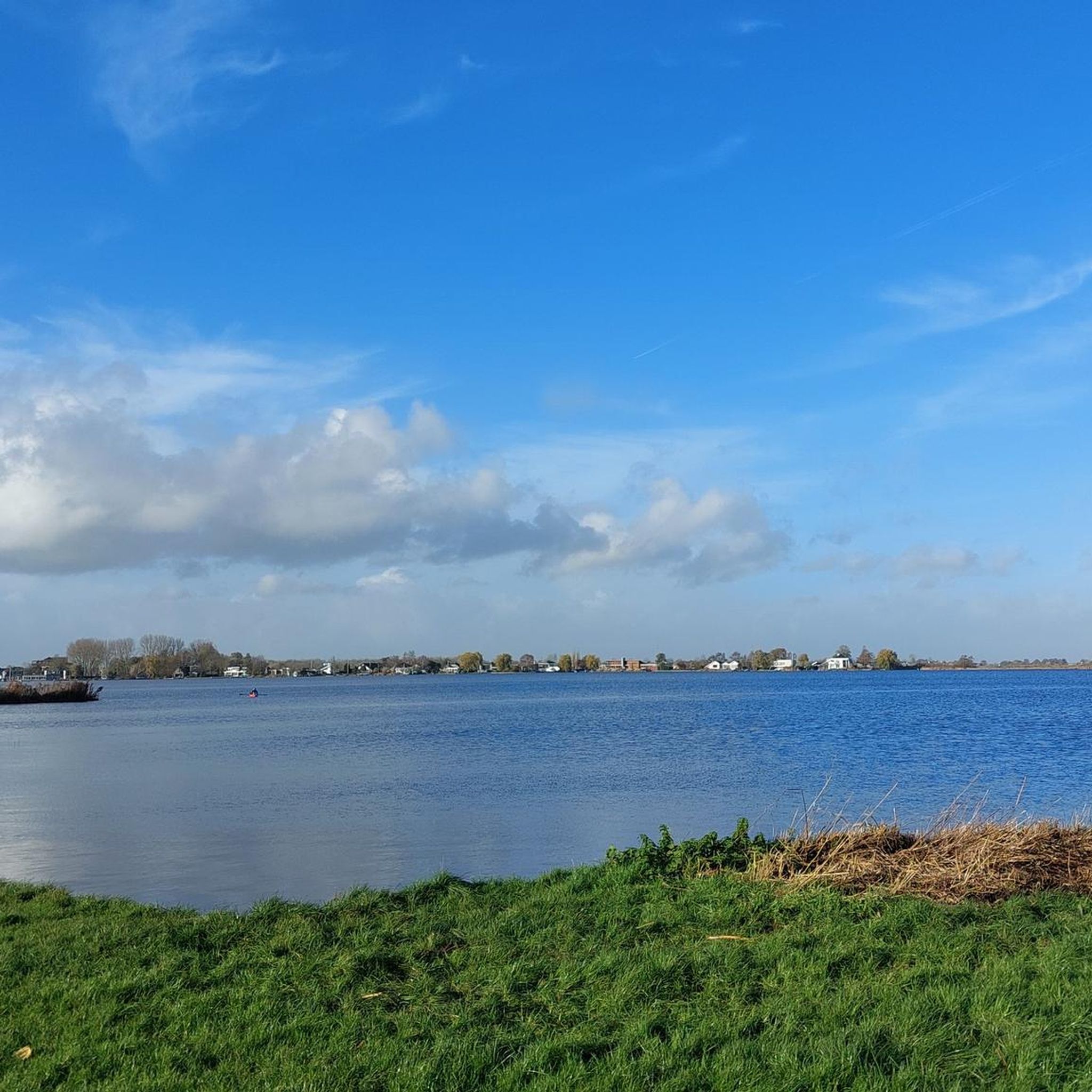
The De Poelboerderij foundation in Wormer was established in 1988. A group of involved people from the Zaan region realized that the unique natural and cultural-historical value of the Wormer and Jisperveld was in danger of being lost due to economic factors. By bringing the beauty and richness of flora and fauna (one of the largest meadow bird breeding areas in north-western Europe) of this area to the attention of a wide audience, the foundation wants to emphasize the unique values of this almost thousand-year-old peat meadow area. hold on. This in collaboration and with the support of the Vereniging voor Natuurmonumenten, the manager of a large part of the Wormer and Jisperveld. Detailed information about the history of De Poelboerderij Visitor Center can be found below.
3
0

The visitor center of UNESCO world heritage Droogmakerij de Beemster. This 17th-century reclaimed land is a textbook example of how the Dutch have reclaimed large areas of land. There is a 42-kilometer-long dike around the polder, within which you will find beautiful farms in a tight, orderly pattern of meadows.
1
0

The Hortus Bulborum in Limmen is the only garden in the world to have a collection of historic spring bulbous plants. Over 4,500 different types of tulips, daffodils, hyacinths, crocuses and fritillaria show their beautiful colors in the spring.
0
0
Frequently Asked Questions
What makes the natural monuments around Wormerland unique?
The natural monuments around Wormerland are characterized by their distinctive peat meadow landscape, largely shaped by centuries of human peat extraction and water management. This has created an intricate network of shallow ditches, reed collars, and meadows, particularly evident in the Wormer- en Jisperveld. The area also features historic polders like the UNESCO World Heritage Site Beemster Polder, showcasing Dutch land reclamation history.
What kind of wildlife can I expect to see in Wormerland's natural areas?
Wormerland is a significant area for wildlife, especially birds. The Wormer- en Jisperveld is considered one of Europe's most important bird areas, hosting numerous meadow bird species like the great bittern, ruff, godwit, and black-tailed godwit. You might also spot spoonbills, various snipes, harriers, and large numbers of wigeons and geese in winter. The unique brackish water environment also supports specific plant life such as marsh fern and common scurvygrass, and it's a refuge for a rare Dutch subspecies of the tundra vole.
What outdoor activities can I do to explore the natural monuments in Wormerland?
The tranquil landscape of Wormerland is ideal for various outdoor activities. You can explore the waterways by boating or canoeing, with marked routes available. Hiking is popular, especially on the 'Laarzenpad' (Boots Path) in the Wormer- en Jisperveld, which offers panoramic views. Cycling routes also allow you to experience the beautiful peat meadows. For more specific routes, you can check out the Running Trails around Wormerland or Cycling around Wormerland guides.
Are there any historical natural monuments or cultural sites related to nature in Wormerland?
Yes, the entire Wormer- en Jisperveld is a historic natural landscape, created by human peat extraction over a thousand years ago. The UNESCO World Heritage Site Beemster Polder is a prime example of a man-made monument, a 17th-century reclaimed land with an orderly pattern of farms and meadows. The De Poelboerderij Visitor Centre also highlights the unique natural and cultural-historical value of the region.
What is the best time of year to visit the natural monuments in Wormerland?
The best time to visit depends on your interests. Spring is excellent for birdwatching, as almost all meadow bird species found in the Netherlands breed here. If you wish to hike the 'Laarzenpad' in the Wormer- en Jisperveld, it is typically open from July 15 to October 15. Generally, the warmer months offer pleasant conditions for boating, cycling, and enjoying the open landscape.
Are there family-friendly natural monuments or activities in Wormerland?
Absolutely. The De Poelboerderij Visitor Centre is a great starting point for families, offering exhibitions, whisper boat excursions, and a water playground. The 'Veenweidepark de Trickel' there is a miniature version of the Wormer- en Jisperveld with a walking route and bird hide. The View of the Gouwzee from Monnickendam is also family-friendly, offering views over a body of water popular with water sports enthusiasts.
Where can I find a good viewpoint to appreciate the landscape?
For expansive views, consider the View of the Gouwzee from Monnickendam, which offers vistas over the shallow, clear waters of the Gouwzee, part of the Markermeer nature reserve. Another interesting spot is the Volgermeerpolder, which, due to its remediation, is higher than its surroundings and provides beautiful views over the North-East region.
What do visitors enjoy most about the natural monuments around Wormerland?
Visitors frequently appreciate the tranquility and peacefulness of the area, especially the unique peat meadow landscape. The rich birdlife, particularly in the Wormer- en Jisperveld, is a major draw for nature enthusiasts. Many also enjoy the extensive network of bike trails and the opportunity to explore by boat or canoe. The historical significance of sites like the Beemster Polder also adds to the visitor experience.
Are there specific hiking trails to explore the natural monuments?
Yes, one notable hiking trail is the 'Laarzenpad' (Boots Path) located in the southern part of the Wormer- en Jisperveld. This path offers a unique walking experience through the peat meadows, providing panoramic views and opportunities to spot special plants and birds. It is typically open from July 15 to October 15. For more hiking options, you can consult the Running Trails around Wormerland guide.
Is there a visitor center for more information about the natural monuments?
Yes, the De Poelboerderij Visitor Centre is an excellent starting point. Located at the edge of the Wormer- en Jisperveld, it provides exhibitions about the natural environment, organizes whisper boat excursions into the field, and emphasizes the richness of flora and fauna, including its importance as a meadow bird breeding area.
What is the Gouwzee and why is it significant?
The Gouwzee is a shallow and clear body of water situated between the mainland of Waterland and Marken. It is part of the Markermeer nature reserve, meaning it's protected under nature conservation laws. The Gouwzee is popular with water sports enthusiasts and is particularly significant as a gathering point for many crowned ducks before their autumn migration, making it a great spot for birdwatching.
Most popular routes around Wormerland
Most popular attractions around Wormerland

Get inspired with the komoot mobile app


Explore more
Extend your search for the best caves by checking out these guides of the top ones around Wormerland:
