Top 20 Natural Monuments around Weesp
Best natural monuments around Weesp include a variety of landscapes, from historic estates and marshlands to ancient heathlands. The region is characterized by its canals, green spaces, and significant natural areas in its immediate surroundings. These areas offer rich biodiversity and historical natural landscapes, providing diverse terrain for outdoor exploration. Weesp serves as a gateway to these lush natural settings, reflecting the typical Dutch landscape.
Best natural monuments around Weesp
- The most popular natural monuments is Gooilust Estate and Gardens…
Last updated: October 10, 2026
Tafelberg (Tafelberg Heath)
Highlight • Viewpoint
Translated by Google •
Tip by

Boekesteyn Estate
Highlight • Forest
Beautiful area for walking, with several marked routes. Walking paths go …
Translated by Google •
Tip by

Sign up now to discover places like this
Get recommendations on the best single tracks, peaks, & plenty of other exciting outdoor places.
Gooilust Estate and Gardens
Highlight • Historical Site
Translated by Google •
Tip by

Auschwitz Monument (Never Again Auschwitz) – Wertheimpark, Amsterdam
Highlight • Monument
Translated by Google •
Tip by

The oldest elm in the city
Highlight • Natural Monument
Translated by Google •
Tip by

Sign up for free to discover even more natural monuments around Weesp.
Already have an account?
Start today with a free account
Your next adventure awaits.
Popular around Weesp
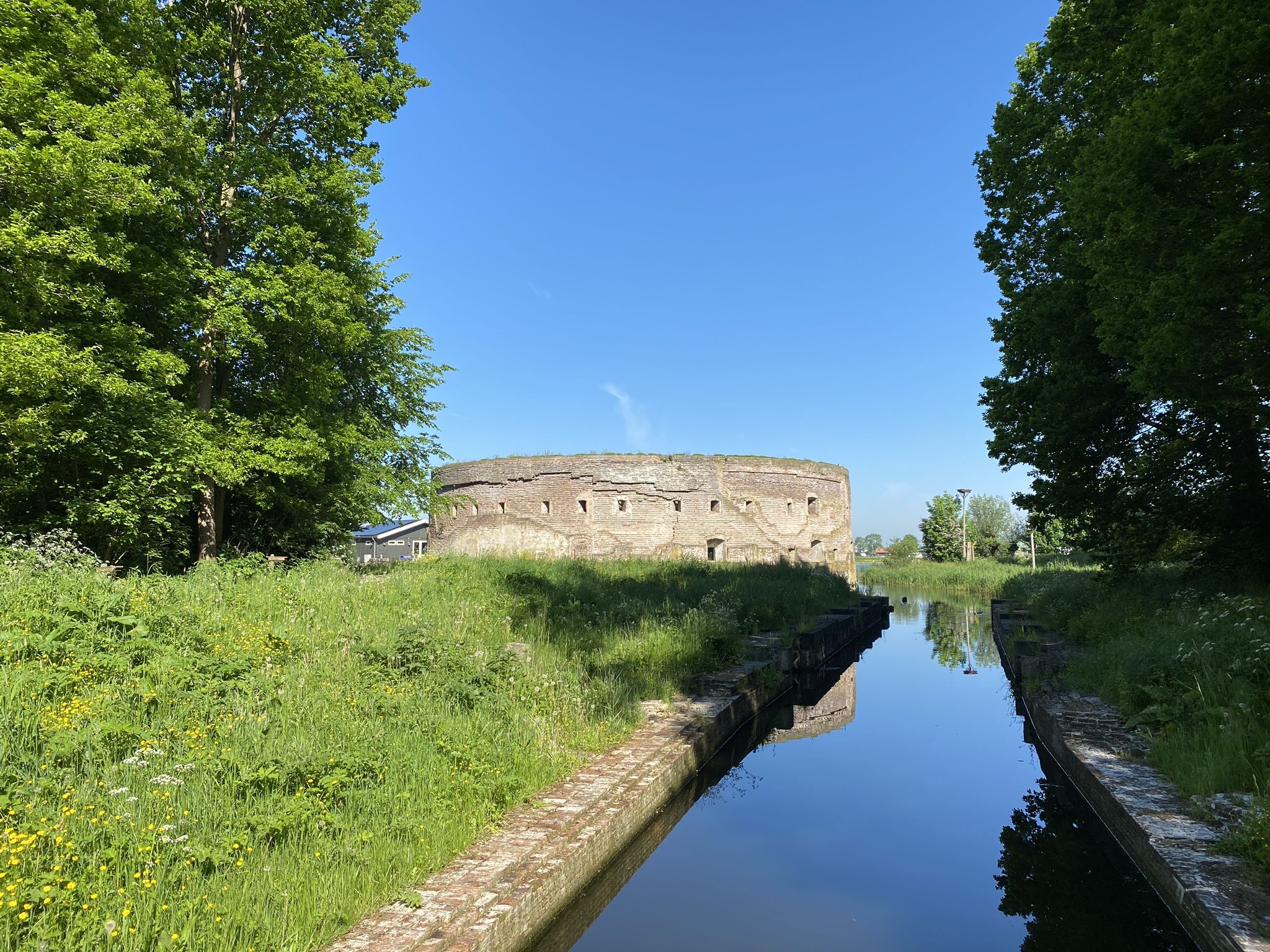
History and Nature – walking the Waterliniepad
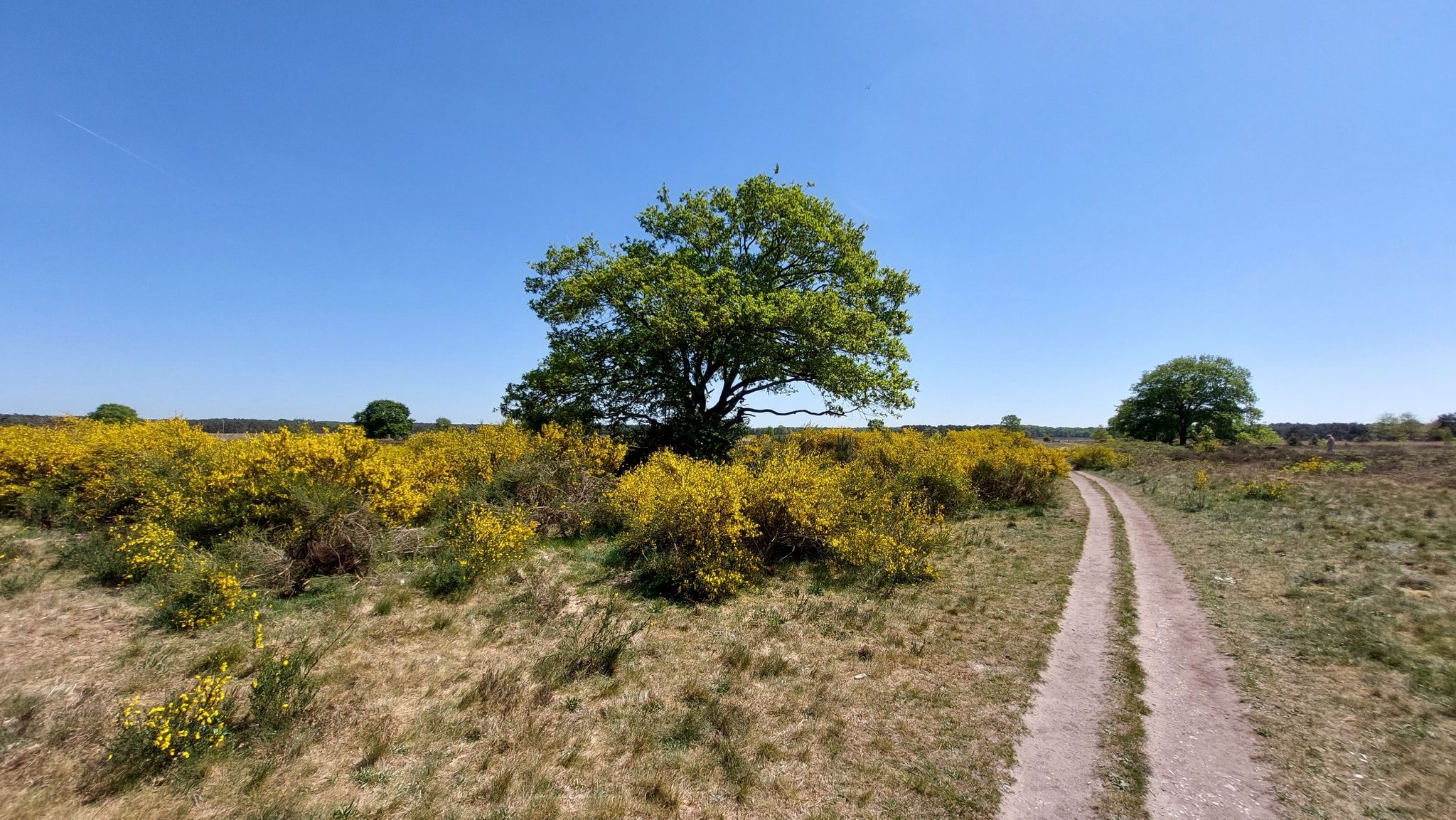
Reflecting on the paths of the Westerbork Trail
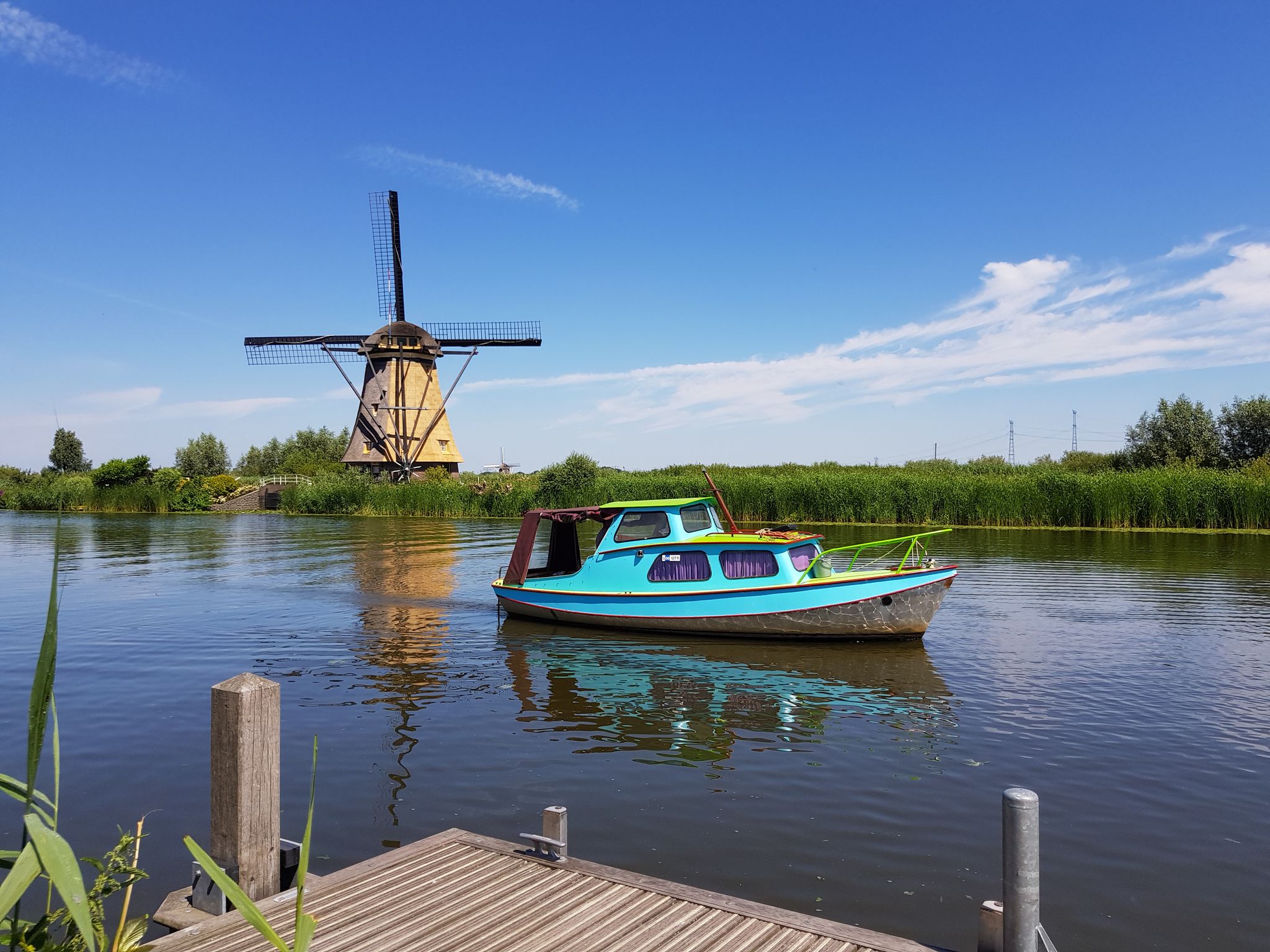
Floris V-pad long-distance hike – Dutch History on LAW 1-3
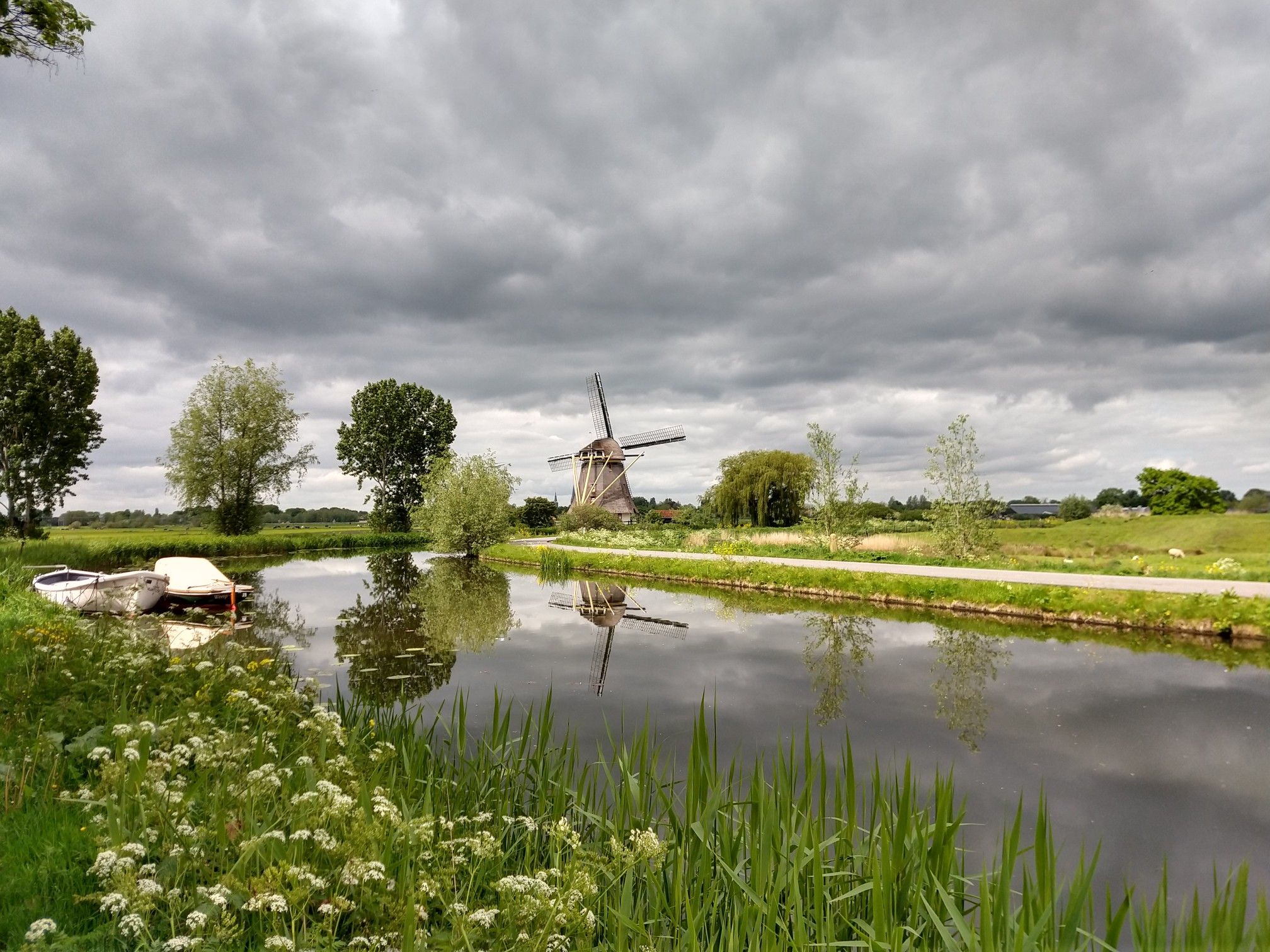
Around Amsterdam – Escape the city within 30 minutes by train
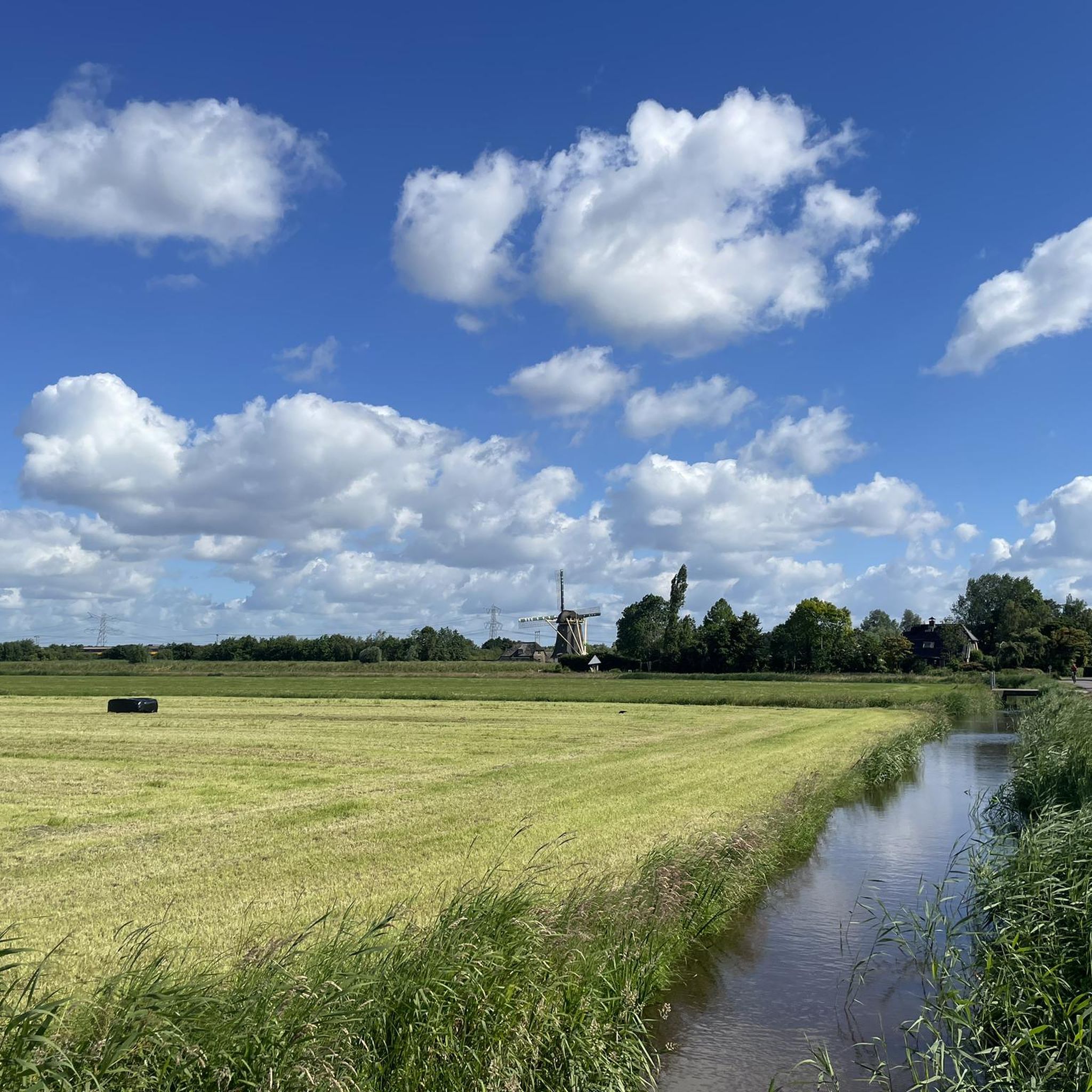
Cycling around Weesp
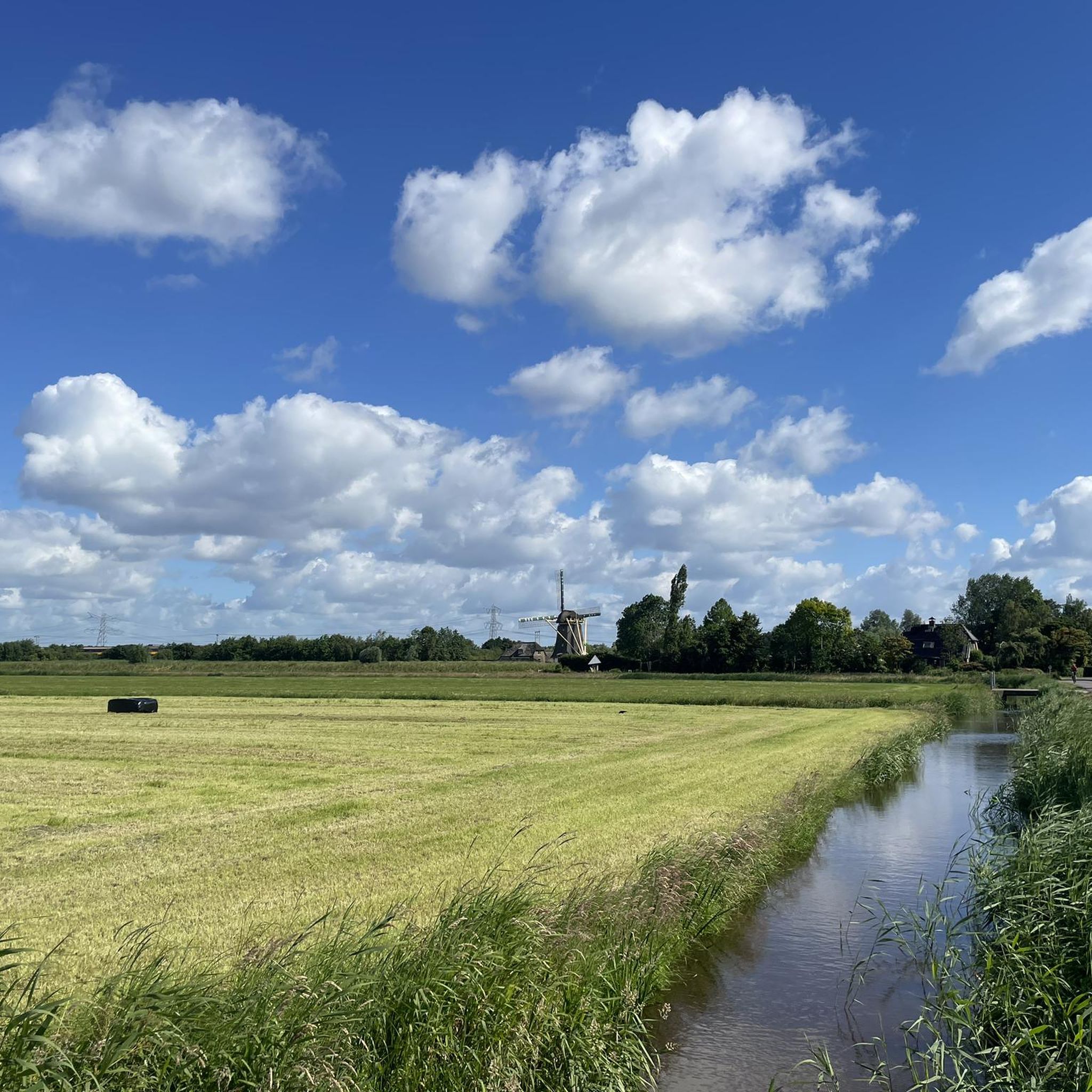
Road Cycling Routes around Weesp
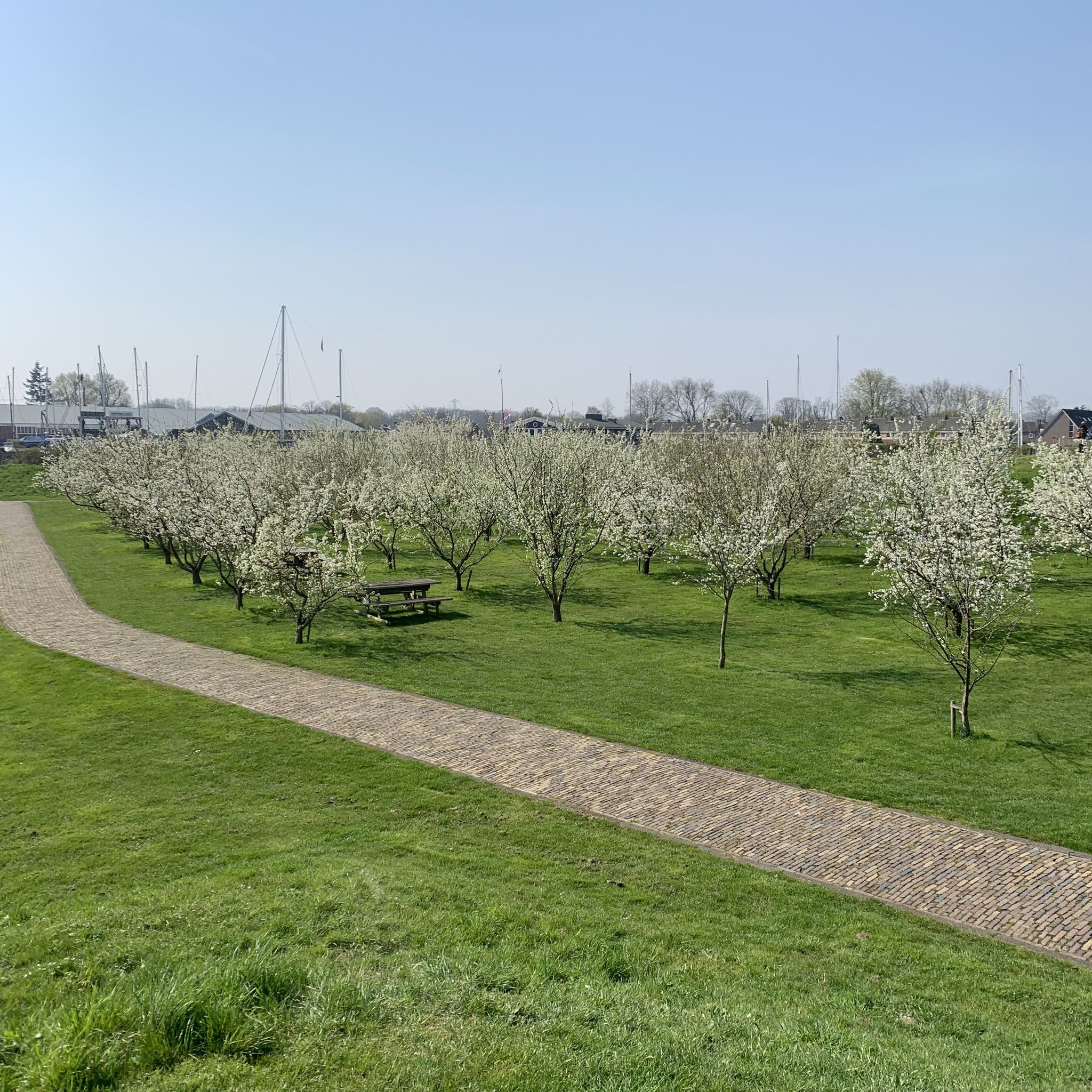
Hiking around Weesp
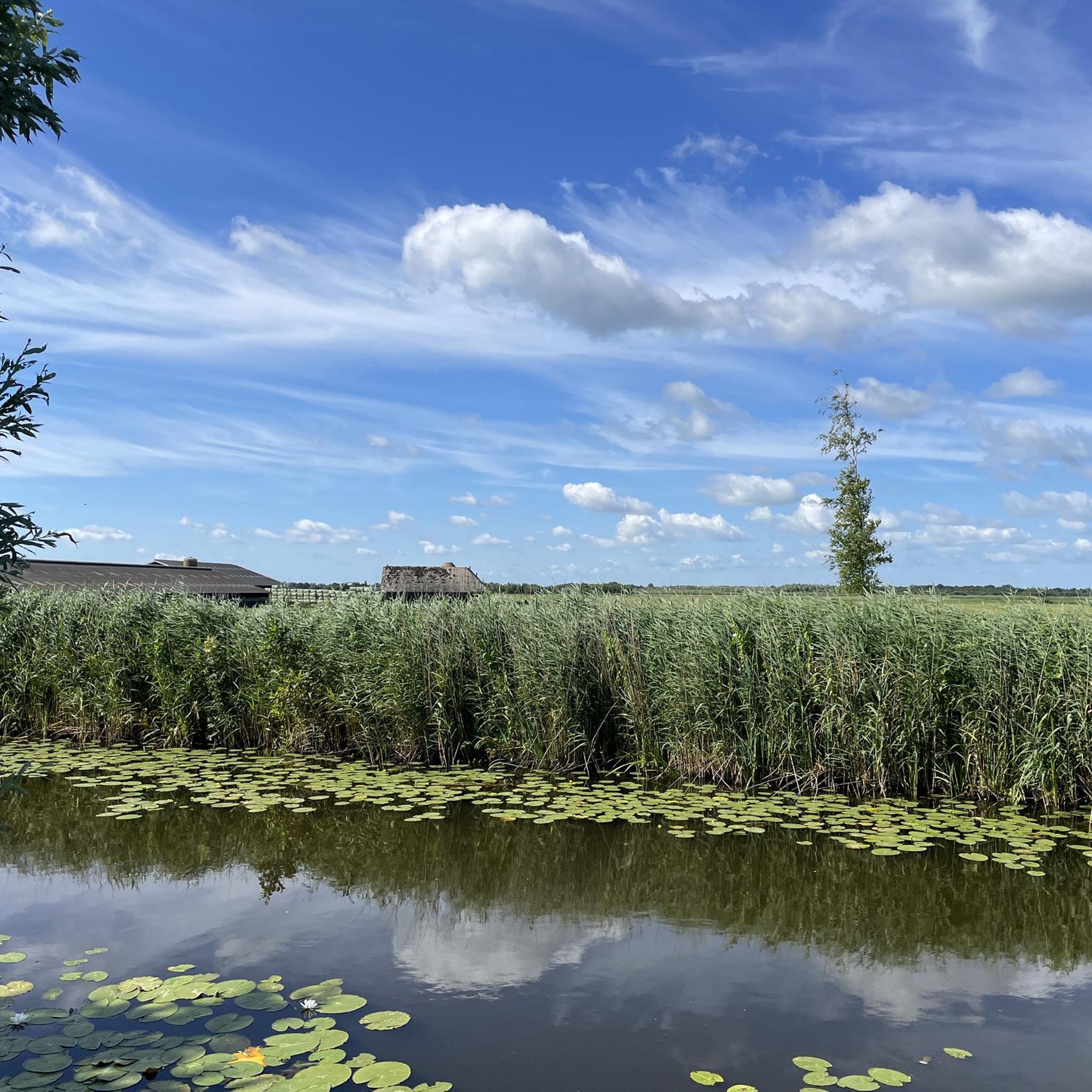
Running Trails around Weesp

Gravel biking around Weesp
MTB Trails around Weesp
Other adventures around Weesp


Tips from the Community

Gooilust is a beautiful walking area in 's-Graveland, near Hilversum. Formerly the estate of Lady Louise Six
0
0

Visit the garden along the way. Pleasant surprise.
0
0

The moorland path passes Table Mountain here. Soft surface and possibly even up the mountain for a nice view over the heath
1
0

Café-restaurant Brambergen is located next to the visitor center. Wonderful place to take a break during your walk.
0
0

super place for a walk, then a delicious cup of coffee with apple pie or a sandwich
0
0

A place to pause for a moment. The Auschwitz Monument (also known as Spiegelmonument 'Nooit Meer Auschwitz' or Broken mirrors) is a Dutch memorial monument in the Wertheimpark in Amsterdam in memory of those who died in the Auschwitz concentration camp and the other concentration and extermination camps. The monument was designed in 1977 by writer and visual artist Jan Wolkers. Wolkers had been commissioned to make a monument above an urn with ashes of victims from the Auschwitz concentration camp.
1
0
The Auschwitz Monument (also known as Spiegelmonument 'Nooit Meer Auschwitz' or Broken mirrors) is a Dutch memorial monument in the Wertheimpark in Amsterdam in memory of those who died in the Auschwitz concentration camp and the other concentration and extermination camps. The monument was designed in 1977 by writer and visual artist Jan Wolkers. Wolkers had been commissioned to make a monument above an urn with ashes of victims from the Auschwitz concentration camp.
3
0
1 of the country estates of the many estates. Very nice environment.
0
0
Frequently Asked Questions
What kind of natural landscapes can I expect to see around Weesp?
The area around Weesp offers a diverse range of natural landscapes. You can explore historic marshlands like the Naardermeer, which is characterized by reeds, hayfields, and swamp forests. There are also ancient heathlands such as the Zuiderheide, featuring a mix of heath, sand dunes, and forest areas with noticeable elevation differences. Additionally, the River Vecht and surrounding polders provide picturesque views and expansive green spaces typical of the Dutch landscape.
What unique natural monuments can I explore near Weesp?
Near Weesp, you can discover several unique natural monuments. The Gooilust Estate and Gardens is a historical site with an ornamental garden and Star Forest, known for its exotic trees and rhododendrons. The Tafelberg (Tafelbergheide) offers the highest point in the Gooi region with views over the heathland. Another notable spot is Boekesteyn Estate, a forest and country estate that hosts a Natuurmonumenten visitor center.
Do the natural monuments near Weesp have historical significance?
Yes, many natural monuments near Weesp are rich in history. The Naardermeer is significant as the first Dutch nature reserve, established in 1906. The Zuiderheide features terrain formed during the penultimate ice age and contains prehistoric burial mounds, some dating back around 4,000 years, known as the 'Zeven Bergjes'. The Bronze Age Burial Mound in Westerheide is another example, with 14 protected burial mounds in the Goois nature reserve, dating from 2000-800 BC.
When is the best time to visit the natural monuments around Weesp?
The best time to visit depends on what you wish to experience. For birdwatching, spring and autumn are ideal at Naardermeer. If you want to see the heathland in full bloom, late summer (typically August to September) is perfect for visiting areas like the Zuiderheide, when the landscape turns vibrant purple. May is particularly beautiful at Gooilust Estate and Gardens when the rhododendrons are in bloom.
Can I spot wildlife in the natural monuments near Weesp?
Absolutely. The Naardermeer Nature Reserve is a haven for wildlife, especially birds, with over 75 breeding species including purple herons and a large colony of cormorants. Otters, ring snakes, deer, foxes, and hares also inhabit the reserve. Birdwatchers can use five observation points around the lake. The diverse ecosystems of the heathlands and polders also support various other animal species.
Are there family-friendly natural monuments to visit near Weesp?
Yes, several natural monuments are suitable for families. Boekesteyn Estate offers marked walking routes and a geocaching route, which can be fun for children. Gooilust Estate and Gardens and the Tafelberg (Tafelbergheide) are also listed as family-friendly, providing pleasant environments for walks and exploration.
What outdoor activities can I do near the natural monuments around Weesp?
The natural monuments around Weesp offer a variety of outdoor activities. You can enjoy hiking and cycling through diverse terrains, from marshlands to heathlands. For specific routes, consider exploring the MTB Trails around Weesp, Gravel biking around Weesp, or Cycling around Weesp guides. The Naardermeer also offers silent boat trips for a unique nature experience.
Are there facilities like cafes or visitor centers at these natural monuments?
Yes, some natural monuments offer facilities. The Boekesteyn Estate hosts a Natuurmonumenten visitor center, along with a cafe and restaurant. This estate also has a large parking lot, making it a convenient starting point for exploring the 's Gravelandse Buitenplaatsen.
Is parking available at the natural monuments near Weesp?
Yes, parking is generally available at key natural monuments. For instance, the Boekesteyn Estate has a large parking lot, serving as a convenient access point for the surrounding natural areas.
Are the natural monuments around Weesp dog-friendly?
While many natural areas in the Netherlands welcome dogs, specific rules can vary by reserve, especially in protected areas like Naardermeer. It's always best to check local signage or the Natuurmonumenten website for the specific monument you plan to visit, as some areas may require dogs to be on a leash or restrict access to protect wildlife.
How can I reach the natural monuments near Weesp by public transport?
Weesp itself is well-connected by train. From Weesp, many natural monuments like Naardermeer and Zuiderheide are accessible by bicycle, which is a popular mode of transport in the region. For detailed public transport information to specific locations, it's advisable to consult local travel planners or the websites of the nature reserves themselves.
What do visitors particularly enjoy about the natural monuments around Weesp?
Visitors appreciate the tranquil escape into pristine nature, the rich biodiversity, and the historical significance of areas like Naardermeer. The beautiful settings for outdoor activities, unique geological formations, and ancient burial mounds in areas like Zuiderheide also draw many. The scenic views and well-maintained paths for walking and cycling are frequently highlighted by the komoot community.
Most popular attractions around Weesp

Get inspired with the komoot mobile app


Explore more
Extend your search for the best caves by checking out these guides of the top ones around Weesp:
