Top 20 Natural Monuments around Valkenswaard
Best natural monuments around Valkenswaard are characterized by diverse landscapes, including extensive heathlands, fens, forests, and meandering rivers. This region, situated near the Dutch-Belgian border, offers a variety of natural attractions for outdoor enthusiasts. It is known for its unique biodiversity, with areas like De Groote Heide designated as Natura 2000 sites. Visitors can explore a rich tapestry of natural environments, from sandy soils to water-rich areas with rare plant life.
Best natural monuments around Valkenswaard
- The most popular natural…
Last updated: July 6, 2026
Lommelse Sahara Observation Tower
Highlight • Viewpoint
Translated by Google •
Tip by

Lommel Sahara
Highlight • Natural Monument
Translated by Google •
Tip by

Sign up now to discover places like this
Get recommendations on the best single tracks, peaks, & plenty of other exciting outdoor places.
Sign up for free
Birdwatching wall Lommelse Sahara
Highlight • Natural
Translated by Google •
Tip by

Willow huts by Will Beckers
Highlight • Forest
Translated by Google •
Tip by

Lommel Sahara
Highlight • Natural Monument
Translated by Google •
Tip by

Sign up for free to discover even more natural monuments around Valkenswaard.
Sign up for free
Already have an account?
Start today with a free account
Your next adventure awaits.
Login or Signup
Popular around Valkenswaard
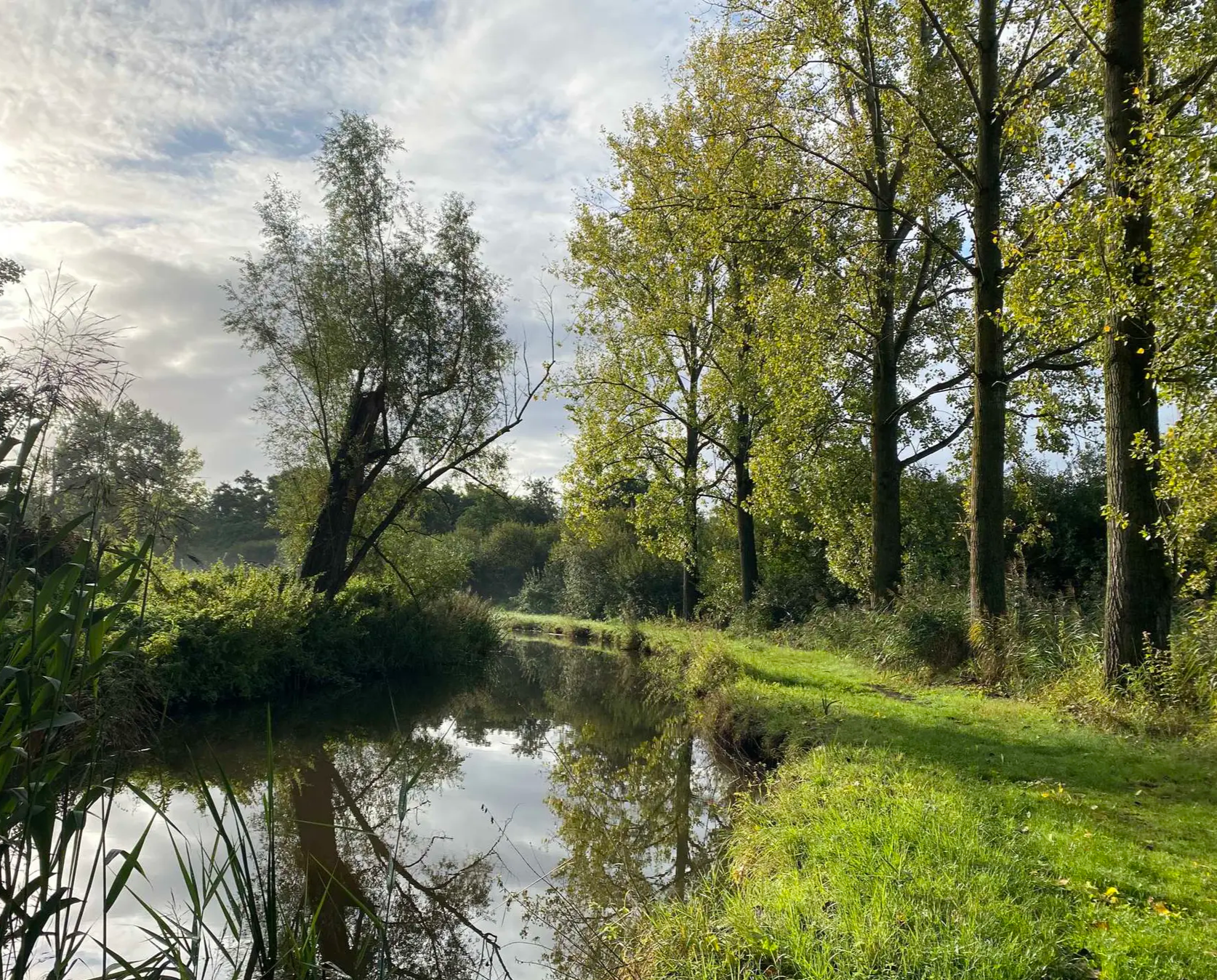
The Brabants Vennenpad - Burgundian Brabant in twelve days
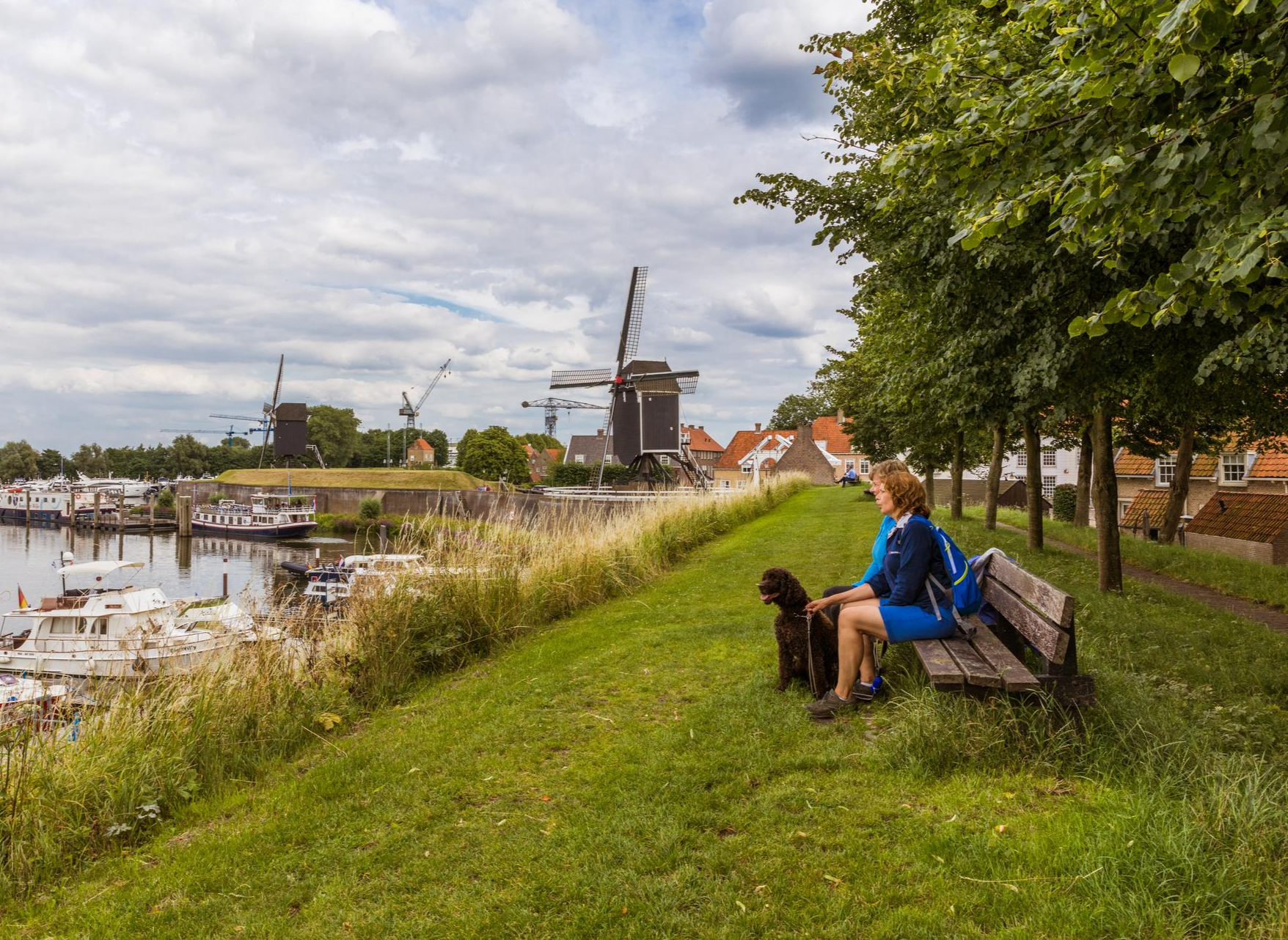
Hiking in Brabant – in Van Gogh’s footsteps in Southern Netherlands
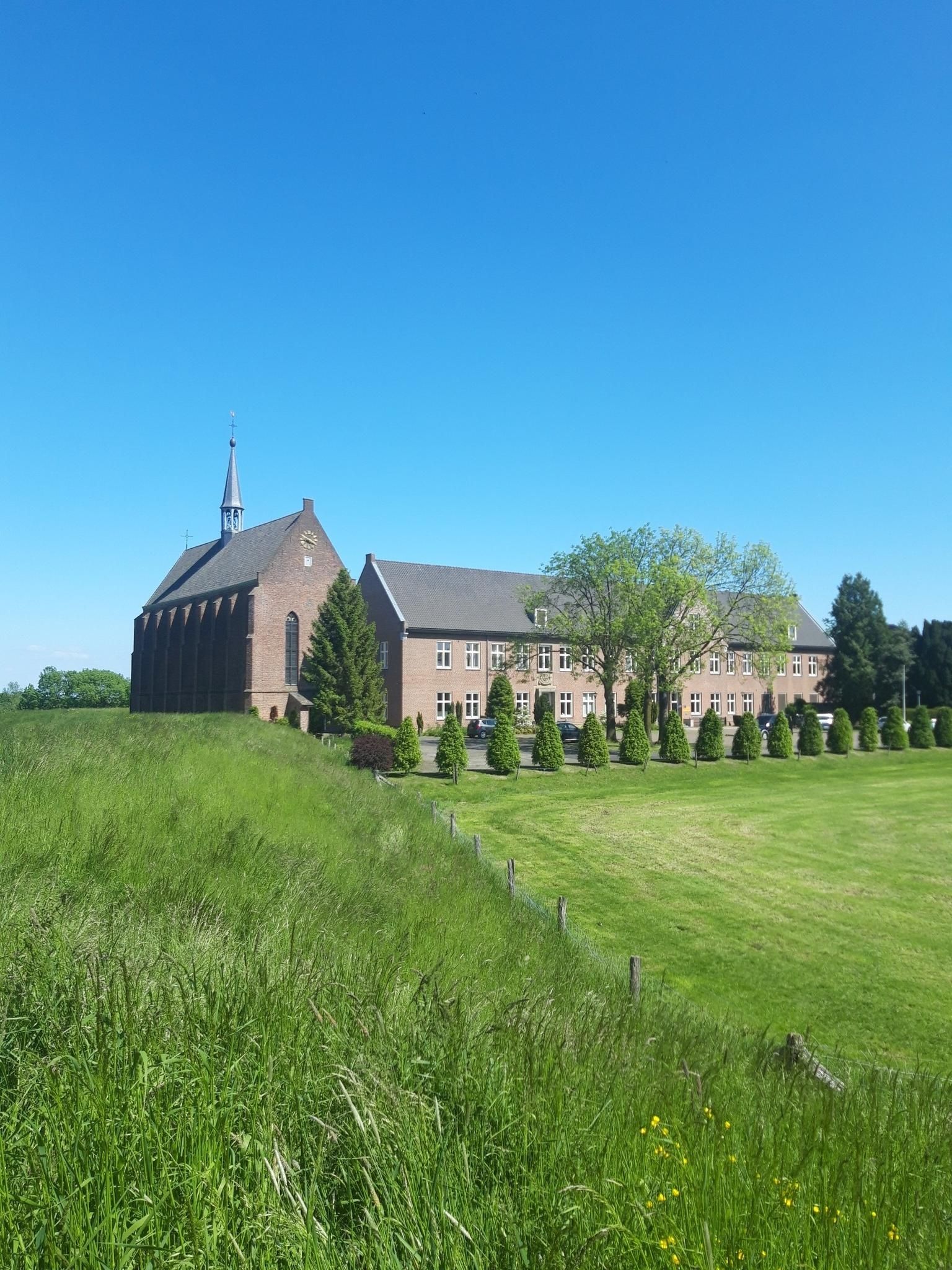
13 hikes full of peace and contemplation - Our Monastery Path
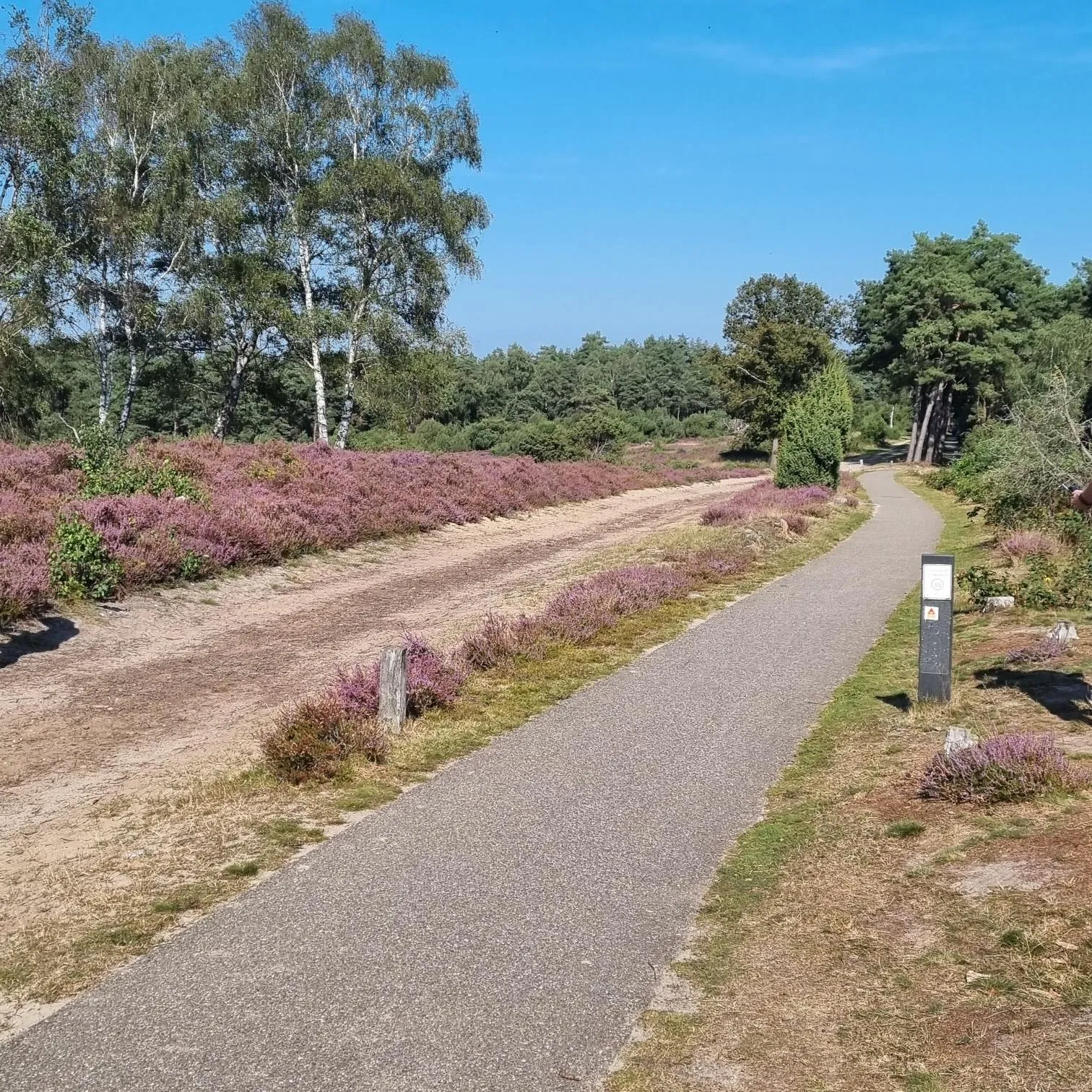
The heath in bloom — 10 purple bike rides
Along the border between the Netherlands and Belgium – the Grenslandpad
Hiking around Valkenswaard
Cycling around Valkenswaard
Road Cycling Routes around Valkenswaard
MTB Trails around Valkenswaard
Running Trails around Valkenswaard
Other adventures around Valkenswaard


Tips from the Community

Beautiful, quiet and scenic section. With a great cycle path in a wonderful forest.
3
0

From mid-August the heather is in bloom, this makes the Lommel Sahara even more beautiful than usual. Definitely worth it, many picnic spots, nice cycle path, ideal also to put the bike aside and take a walk along the water.
3
0

This 30-meter-high observation tower has three platforms that offer you a wide view of the surroundings.
11
0

Beautiful tower with accompanying views that are equally spectacular...
9
0

Beautiful nature reserve highly recommended
2
0
Beautiful nature reserve and very special walking area! Well worth a visit
6
0

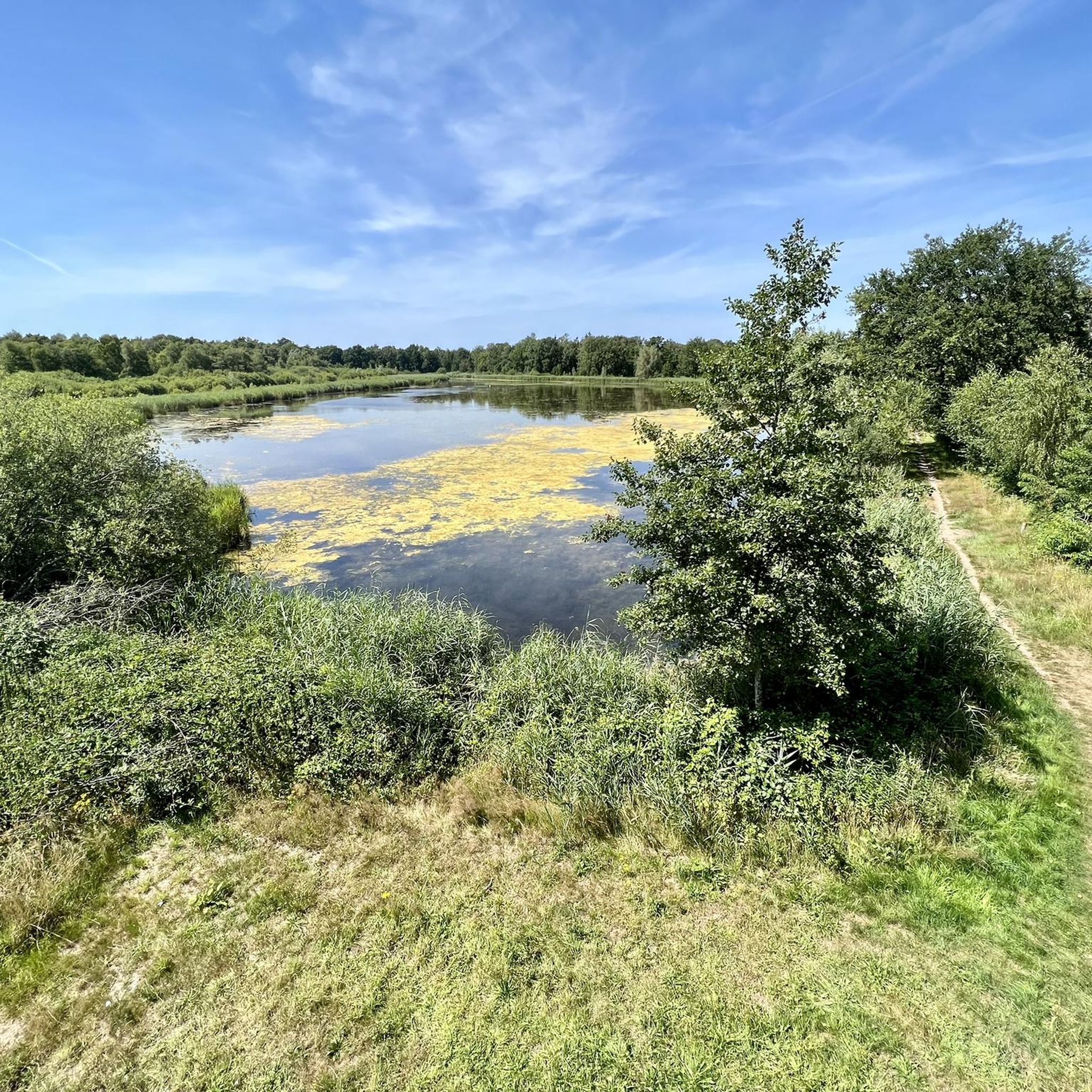
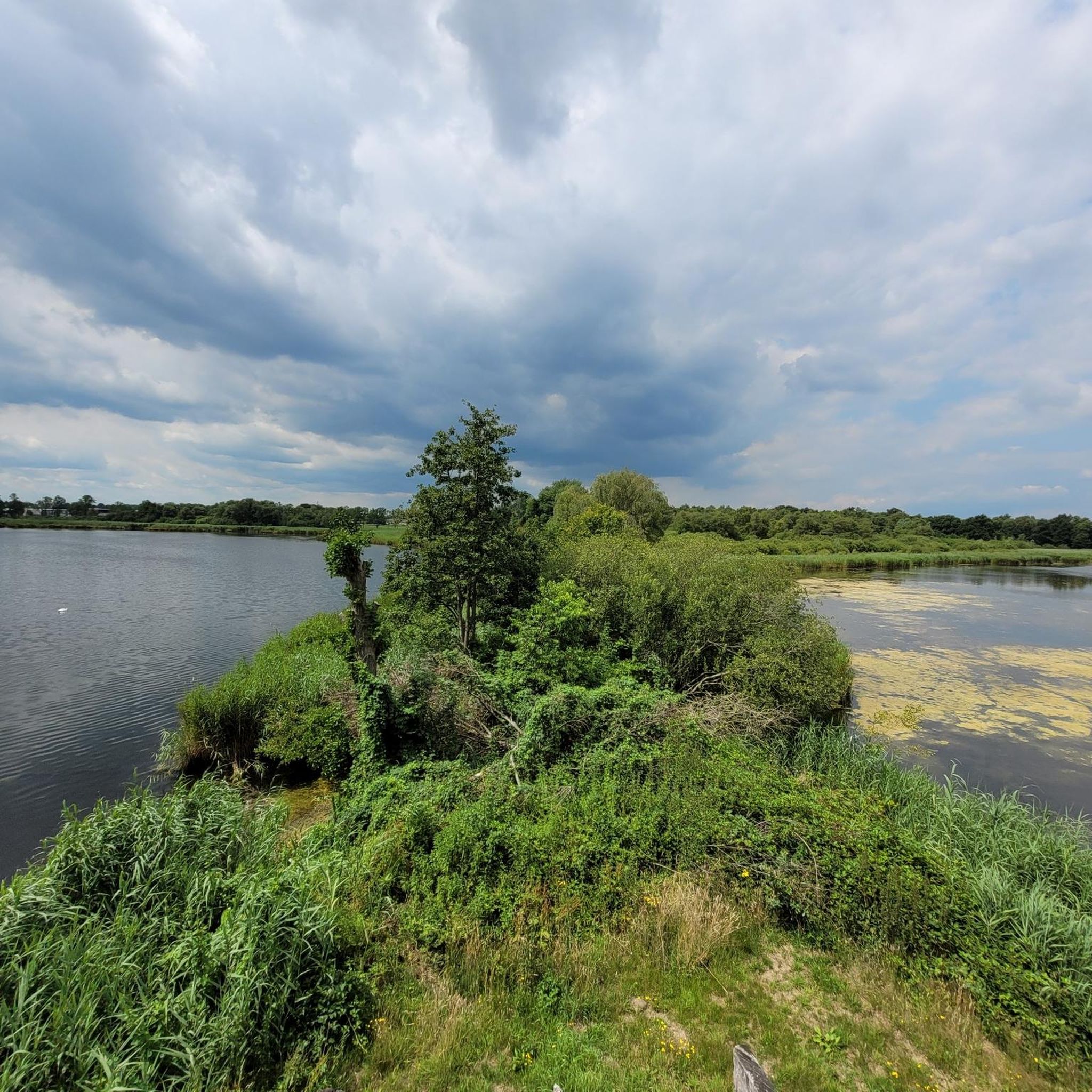
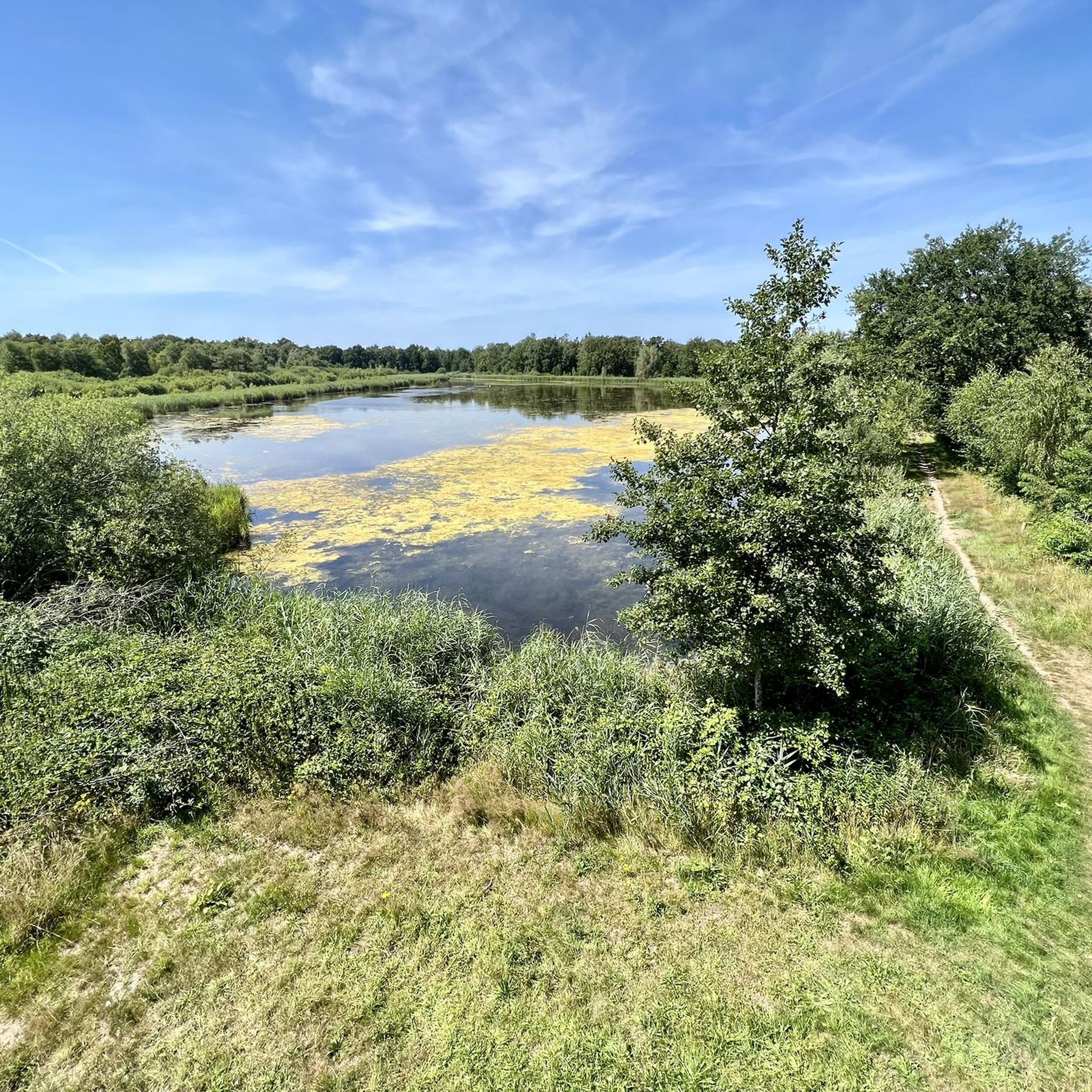
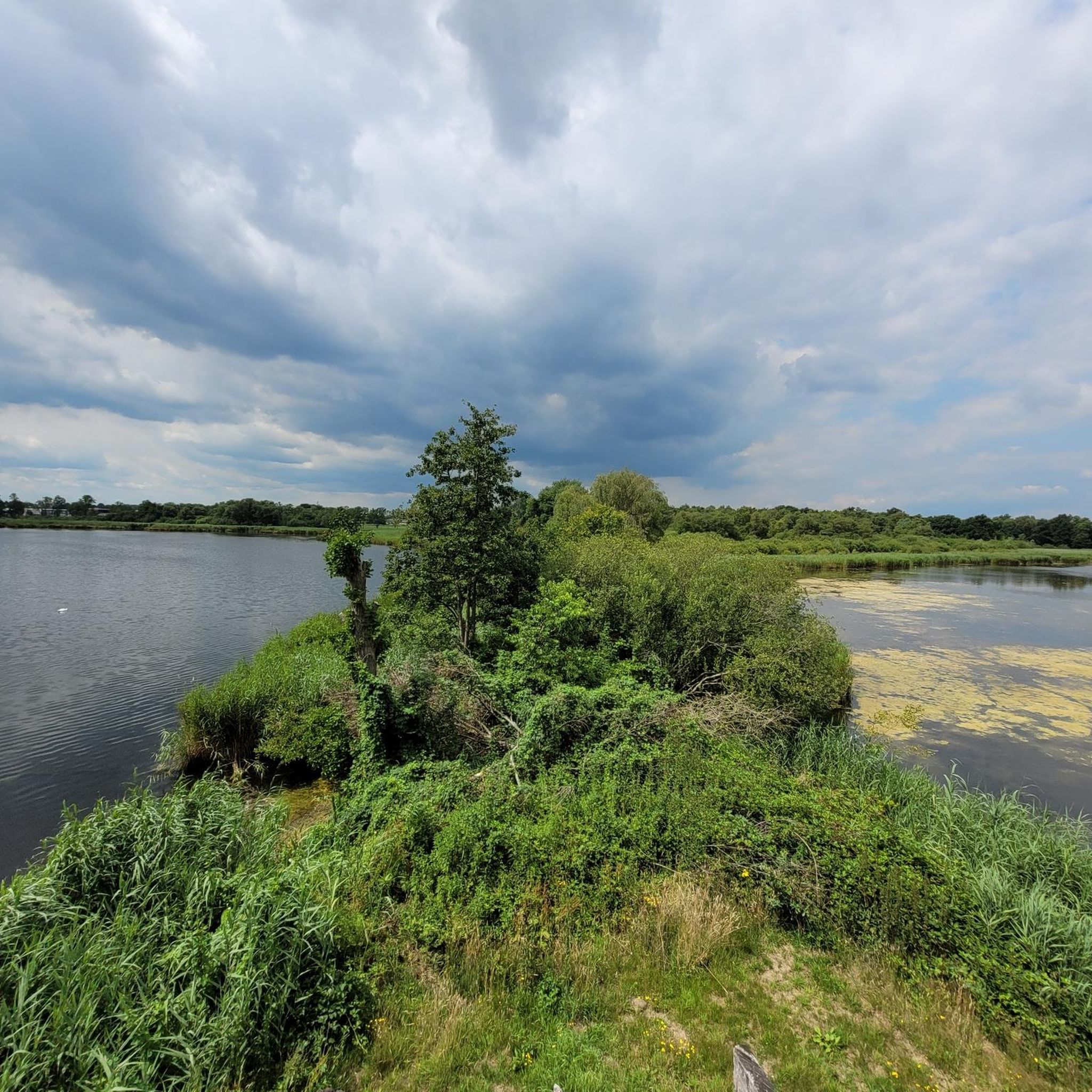
A clear blue lake, surrounded by a mini-desert and coniferous and deciduous forest in the Bosland region. The lake was created by sand extraction in the 1920s.
3
0
This nature reserve with many opportunities for walking and cycling was created by human activities. For example, the lake was created by sand extraction between 1920 and 1925 and the exhalation of the former Lommel-Werkplaatsen zinc factory caused all green plants to disappear between 1902 and 1940. The result was 350 hectares of arid landscape covered in white sand. To prevent further expansion, coniferous forestation was established after the Second World War. The process of complete silting up was prevented with the help of hedges of deadwood (so-called 'mutsaards'). As a result, the sand area was reduced in size to the current 193 hectares. Today the area is known for its countless water birds and the exotic feral black swans. The Poudreries Réunies de Belgique explosives factory previously had its testing site on the Sahara. Remnants of this can be found, such as a shelter, the place where employees hid while testing grenades. There is also the ruins of an extermination pit, a structure with a diameter of about 10 meters in which unnecessary ammunition was demolished. As well as the original concrete safety pyramids, which had to stop shrapnel and cannonballs. (Wikipedia)
13
0
Frequently Asked Questions
What kind of landscapes can I expect to see around Valkenswaard?
The natural monuments around Valkenswaard offer a diverse range of landscapes. You'll find extensive heathlands, serene fens, dense forests, and meandering rivers. Areas like De Malpie and De Groote Heide showcase this variety, from sandy soils to water-rich areas with unique plant life.
Are there good hiking trails around Valkenswaard's natural monuments?
Yes, the region is excellent for hiking. De Malpie was even recognized as the 'Hiking Municipality of the Year' in 2016. You can find attractive and varied routes through heath, fens, and forests. The Road Cycling Routes around Valkenswaard guide also features routes that pass through these scenic areas.
What cycling opportunities are there near the natural monuments?
Valkenswaard and its surroundings are very cyclist-friendly. De Groote Heide offers a vast network of bicycle tracks. You can explore routes like the 'Groot Malpieven – Achelse Kluis Abbey loop' from the Road Cycling Routes around Valkenswaard guide, or try gravel biking routes such as 'Valkenhorst Heath – Heathland Trail loop' from the Gravel biking around Valkenswaard guide.
Can I go mountain biking near these natural monuments?
Absolutely! The area provides excellent mountain biking opportunities. The MTB Trails around Valkenswaard guide features routes like the 'Aalsterhut MTB Loop' or the 'Vlasroot Pond – Mountain Bike Trail loop', allowing you to explore the diverse terrain on two wheels.
Are there any viewpoints offering panoramic views?
Yes, there are several notable viewpoints. The Lommelse Sahara Observation Tower provides a stunning 30-meter-high perspective, allowing you to see up to 25 km on a clear day, encompassing the Sahara, ponds, and forests. Another great spot is the Roof of Brabant, offering views over the Gulbergen estate.
What wildlife can I spot in the natural monuments?
The natural monuments are rich in wildlife. In De Malpie, you might encounter big-eared bats and Natterer's bats in the bat cellar, and various bird species like green and great spotted woodpeckers. The Strabrechtse Heide is home to Highland cattle, sheep, deer, and a wide array of birds around Het Beuven fen, including cormorants, bitterns, and spoonbills.
Are the natural monuments around Valkenswaard family-friendly?
Many areas are very family-friendly. For instance, the Willow huts by Will Beckers offer an adventure trail with unique braided artworks that children (and adults) can explore. The Lommelse Sahara Observation Tower and Lommel Sahara Lake are also popular with families, offering engaging experiences in nature. De Plateaux-Hageven even has wheelchair-accessible trails.
When is the best time to visit to see the heather in bloom?
To witness the stunning purple heather, the best time to visit is between mid-August and mid-September. During this period, areas like De Malpie and the Strabrechtse Heide transform into a vibrant, picturesque landscape, perfect for photography and leisurely walks.
Are there places to eat or drink near the natural monuments?
Yes, you can find options for refreshments. The Venberg Water Mill, located in De Malpie, serves as a great starting or ending point for visits, offering snacks and drinks. Additionally, the Achelse Kluis Abbey, surrounded by a natural reserve, has a brasserie where you can relax and enjoy local specialties after your outdoor activities.
Can I cross the border into Belgium while exploring these natural monuments?
Yes, several natural monuments span the Dutch-Belgian border, offering a unique cross-border experience. De Groote Heide is an expansive natural park across both countries, and De Plateaux-Hageven is a transboundary nature reserve where you can unknowingly cross the border on winding paths.
Are there any unique natural features or 'hidden gems' to discover?
Definitely! De Plateaux-Hageven features unique 19th-century water meadows, irrigated with calcareous Meuse water, leading to a rich botanical diversity including rare plants like autumn crocus and orchids. The Strabrechtse Heide also boasts Het Beuven, the largest fen in the Netherlands, supporting unique plant life and a wide array of birds.
Are there any wheelchair-accessible trails in the natural monuments?
Yes, De Plateaux-Hageven is known for having wheelchair-accessible trails, allowing a wider range of visitors to enjoy its diverse landscapes, including culturally historic water meadows, forests, and footpaths.
Most popular routes around Valkenswaard
Most popular attractions around Valkenswaard

Get inspired with the komoot mobile app


Explore more
Extend your search for the best caves by checking out these guides of the top ones around Valkenswaard:
