Top 20 Natural Monuments around Cuijk
Best natural monuments around Cuijk include diverse landscapes such as hilly forests, expansive heathlands, and unique cultural areas. The region features significant natural sites like the Duivelsberg and the UNESCO-recognized Maasheggen. These areas offer a variety of natural features, from ancient woodlands to river floodplains, providing opportunities for outdoor exploration.
Best natural monuments around Cuijk
- The most popular natural monuments is Duivelsberg (Devil's Hill), a natural monument that features hills and deciduous trees near Nijmegen. It offers a changing…
Last updated: June 23, 2026
Motte Mergelp on the Duivelsberg
Highlight • Historical Site
Translated by Google •
Tip by

Sunken Path in the Forest
Highlight • Trail
Translated by Google •
Tip by

Sign up now to discover places like this
Get recommendations on the best single tracks, peaks, & plenty of other exciting outdoor places.
Sign up for free
Duivelsberg (Devil's Hill)
Highlight • Natural Monument
Translated by Google •
Tip by

Groenewater Pond
Highlight • Lake
Translated by Google •
Tip by

The Quin Ponds in De Maasduinen National Park
Highlight • Lake
Translated by Google •
Tip by

Sign up for free to discover even more natural monuments around Cuijk.
Sign up for free
Already have an account?
Start today with a free account
Your next adventure awaits.
Login or Signup
Popular around Cuijk
On foot through Brabant in eight days – Land van Cuijkpad (SP 14)
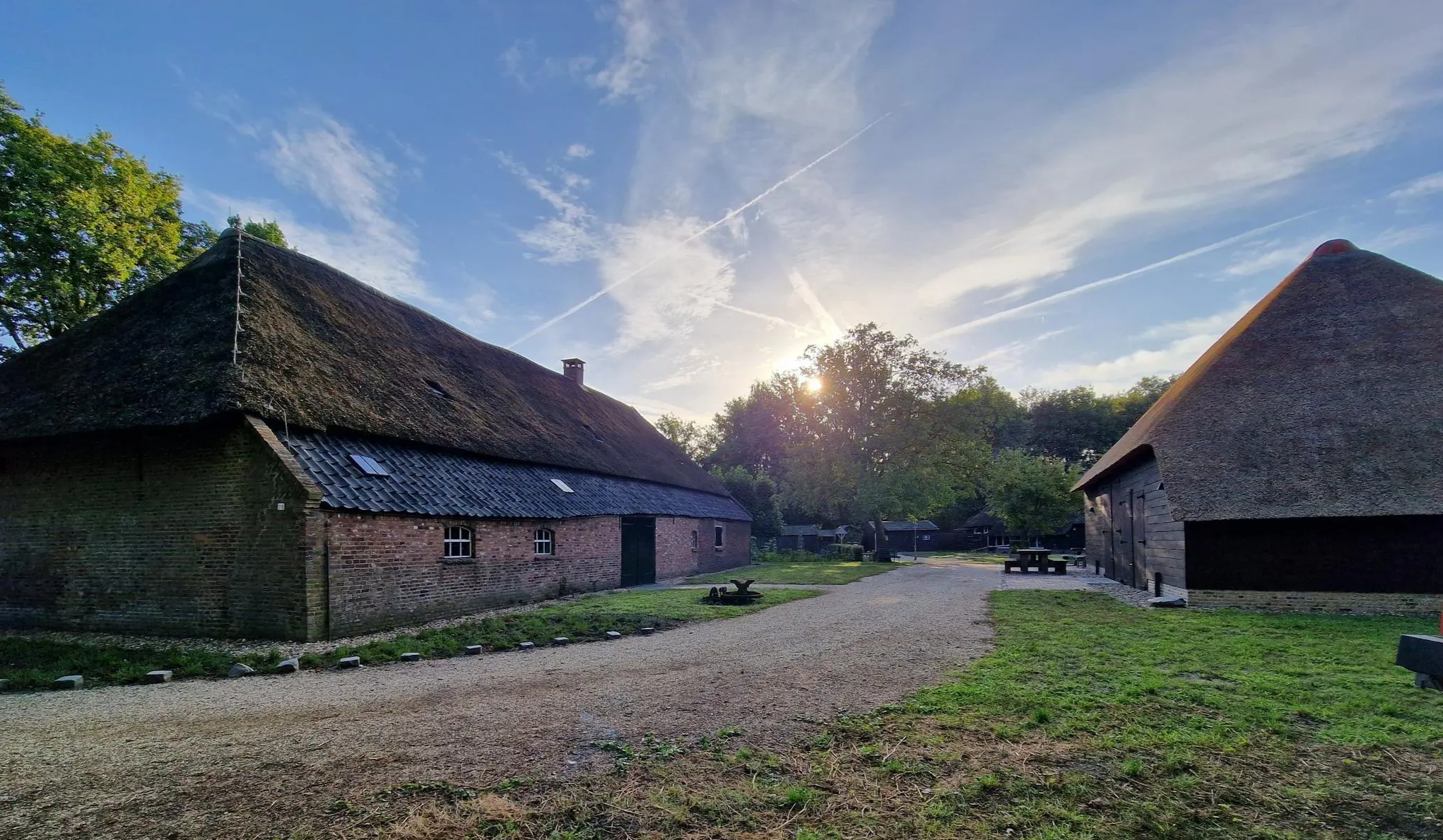
Four versatile Brabant – Nature camping route Noord-Brabant
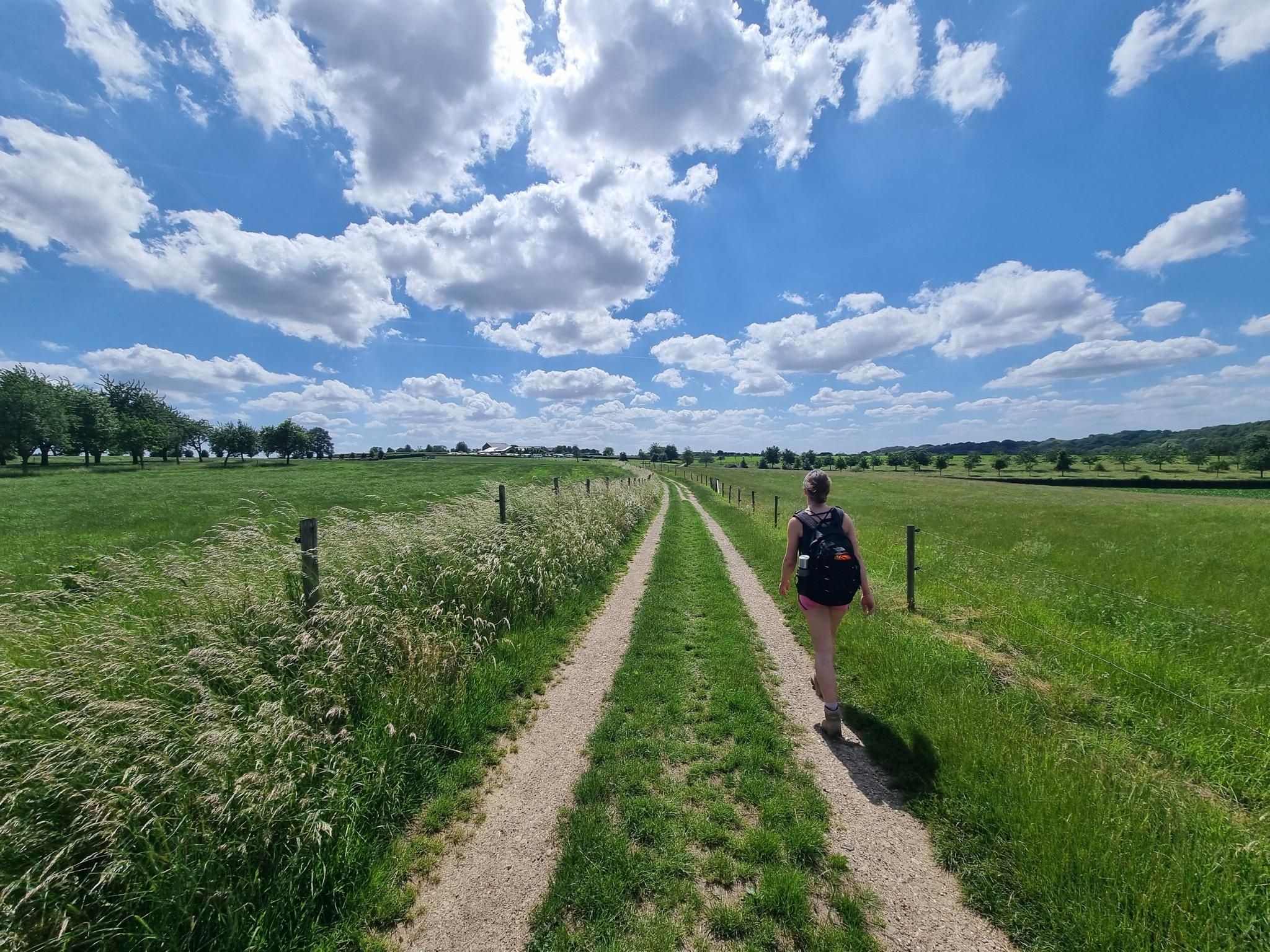
Weekend hike in the south – In two days from station to station
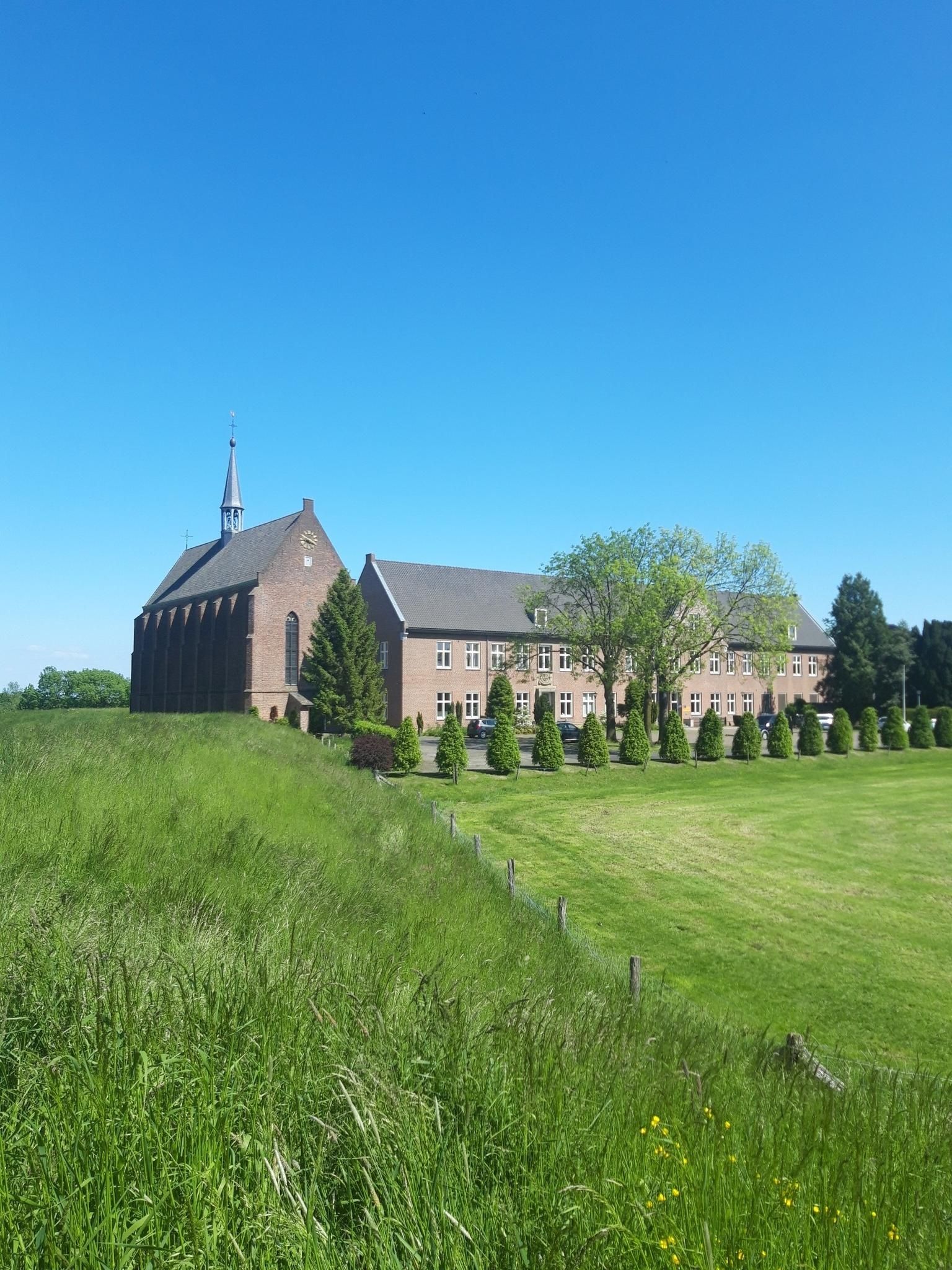
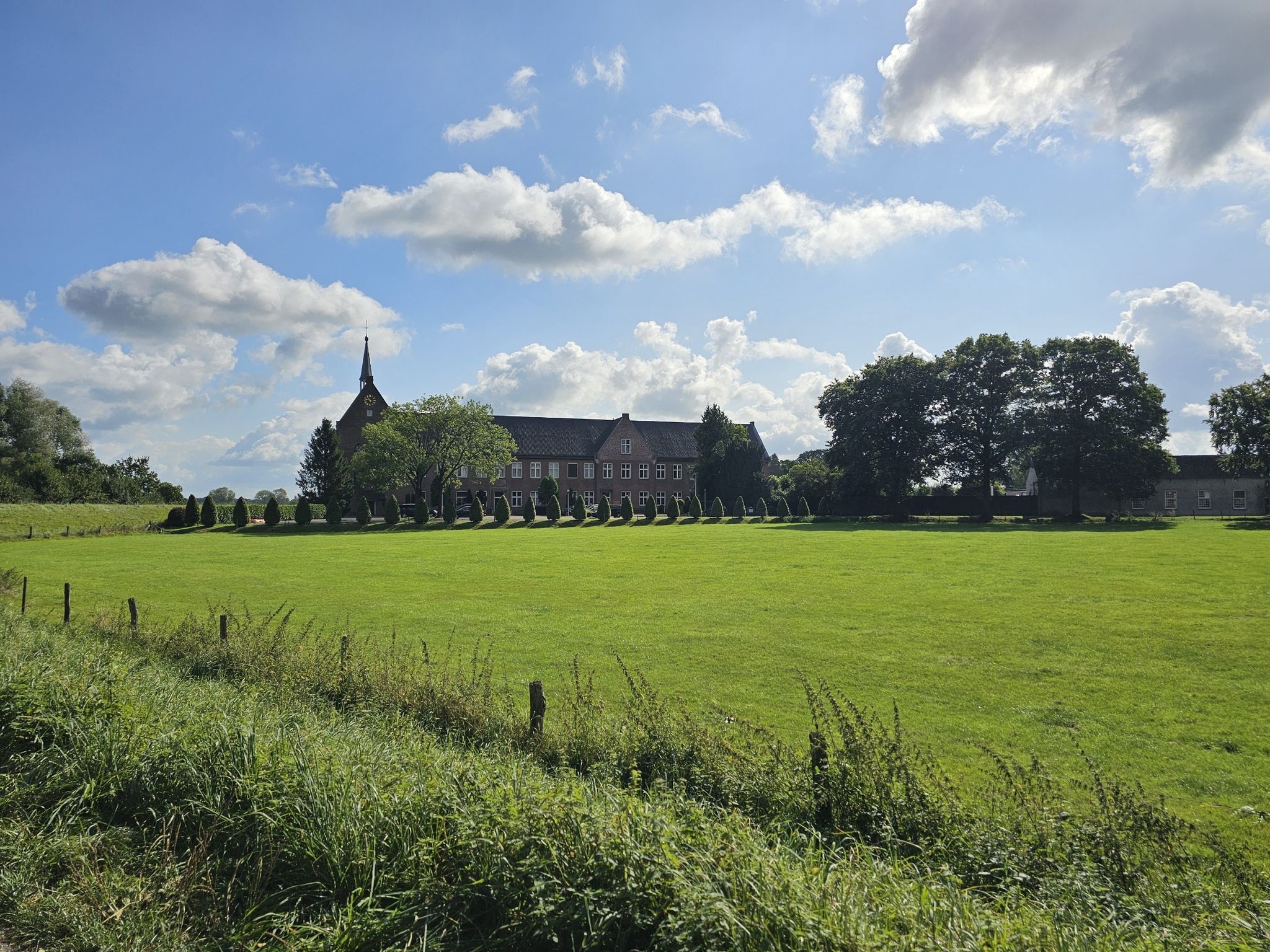
13 hikes full of peace and contemplation - Our Monastery Path
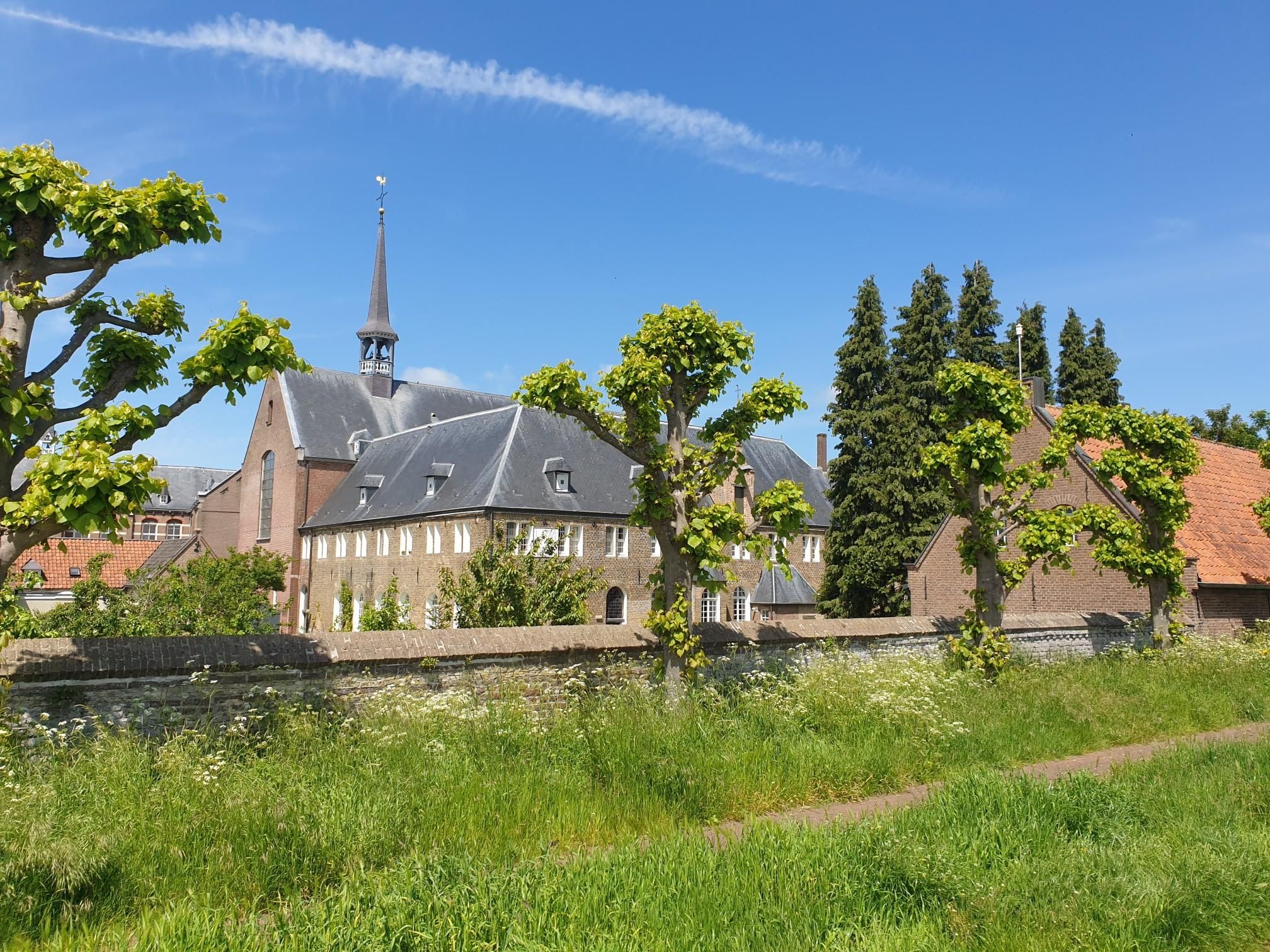
A hike full of tranquility and reflection - Our Monastery Path
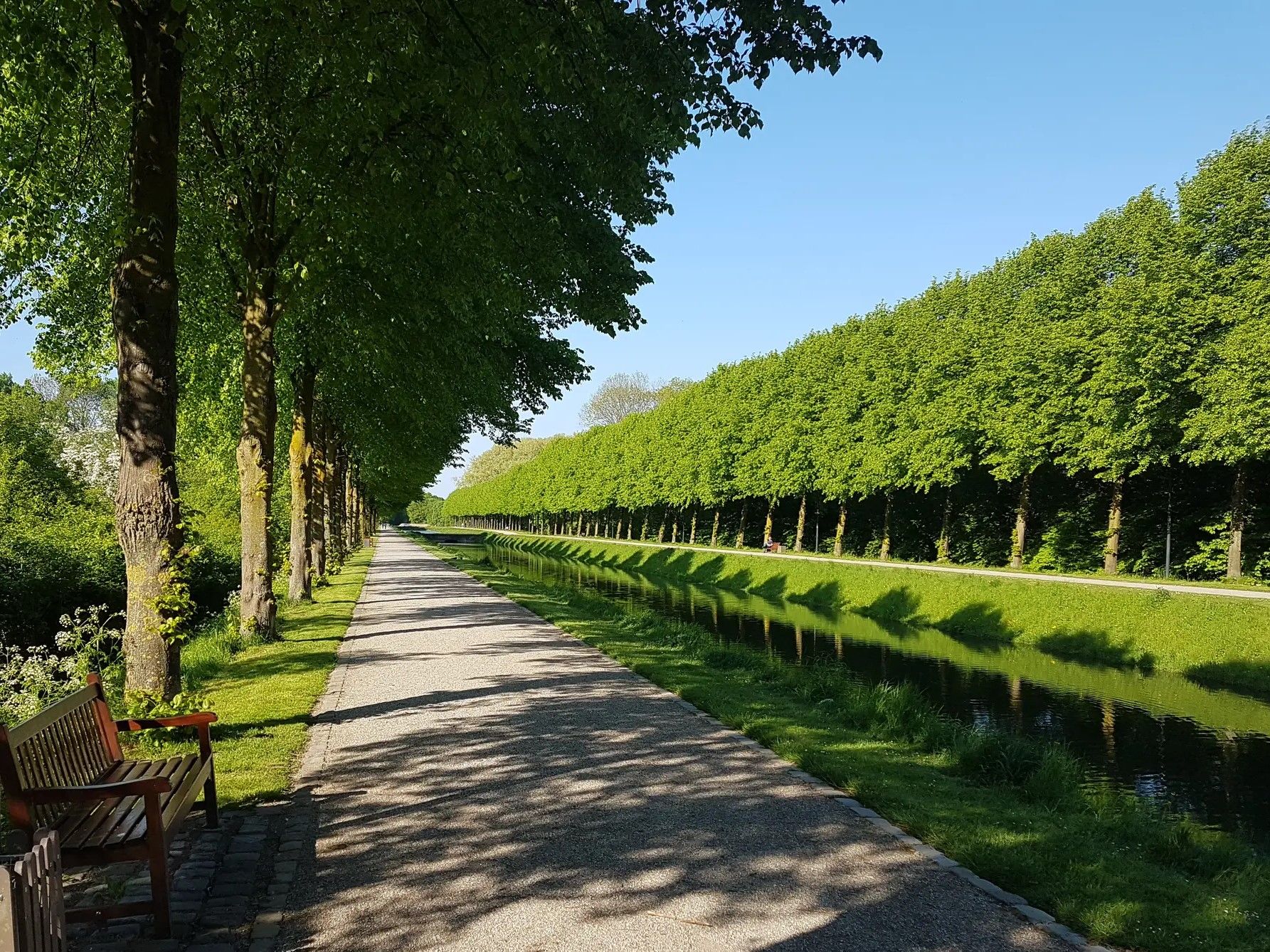
Roman history along the German-Dutch Border – cycling the Via Romana
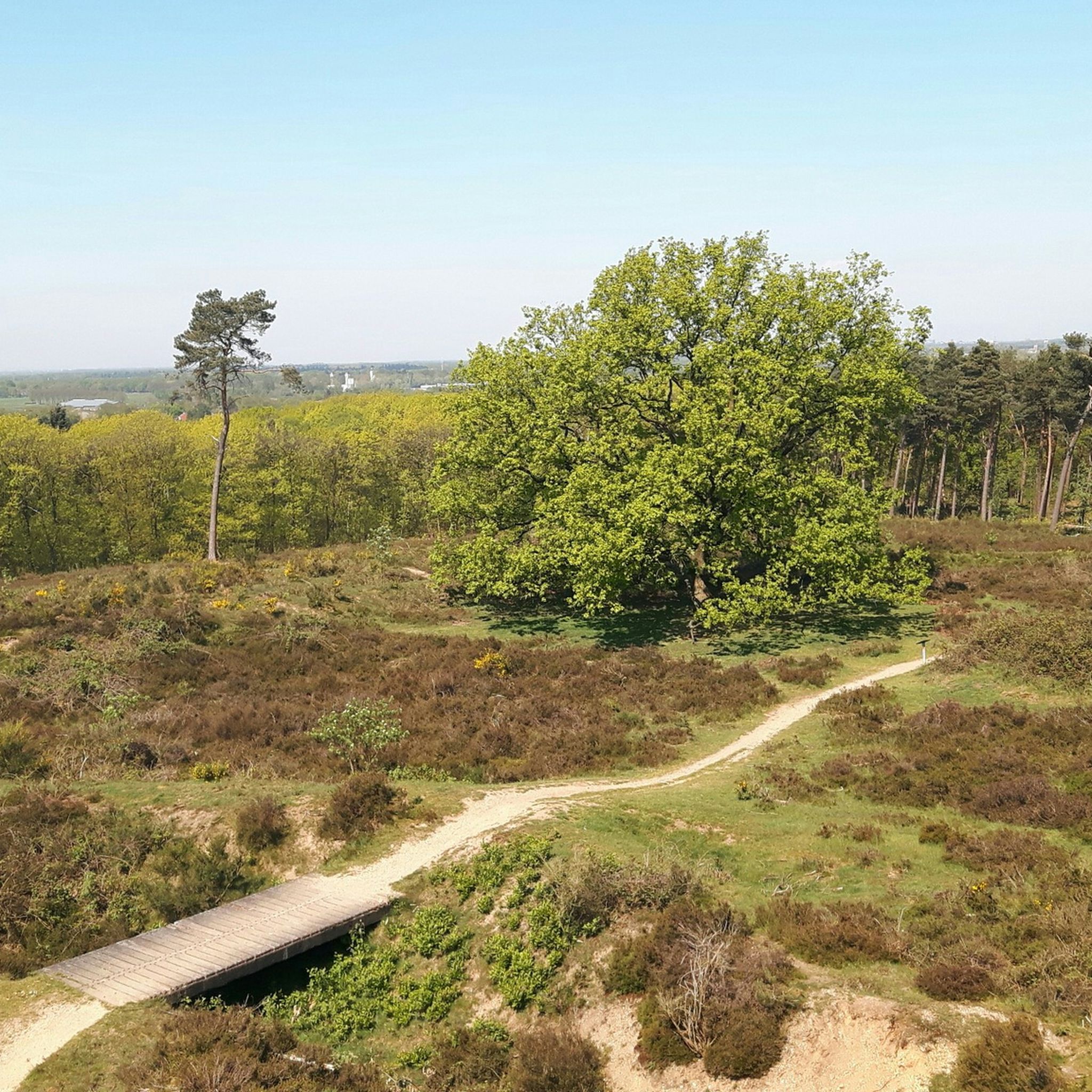
Hiking around Cuijk
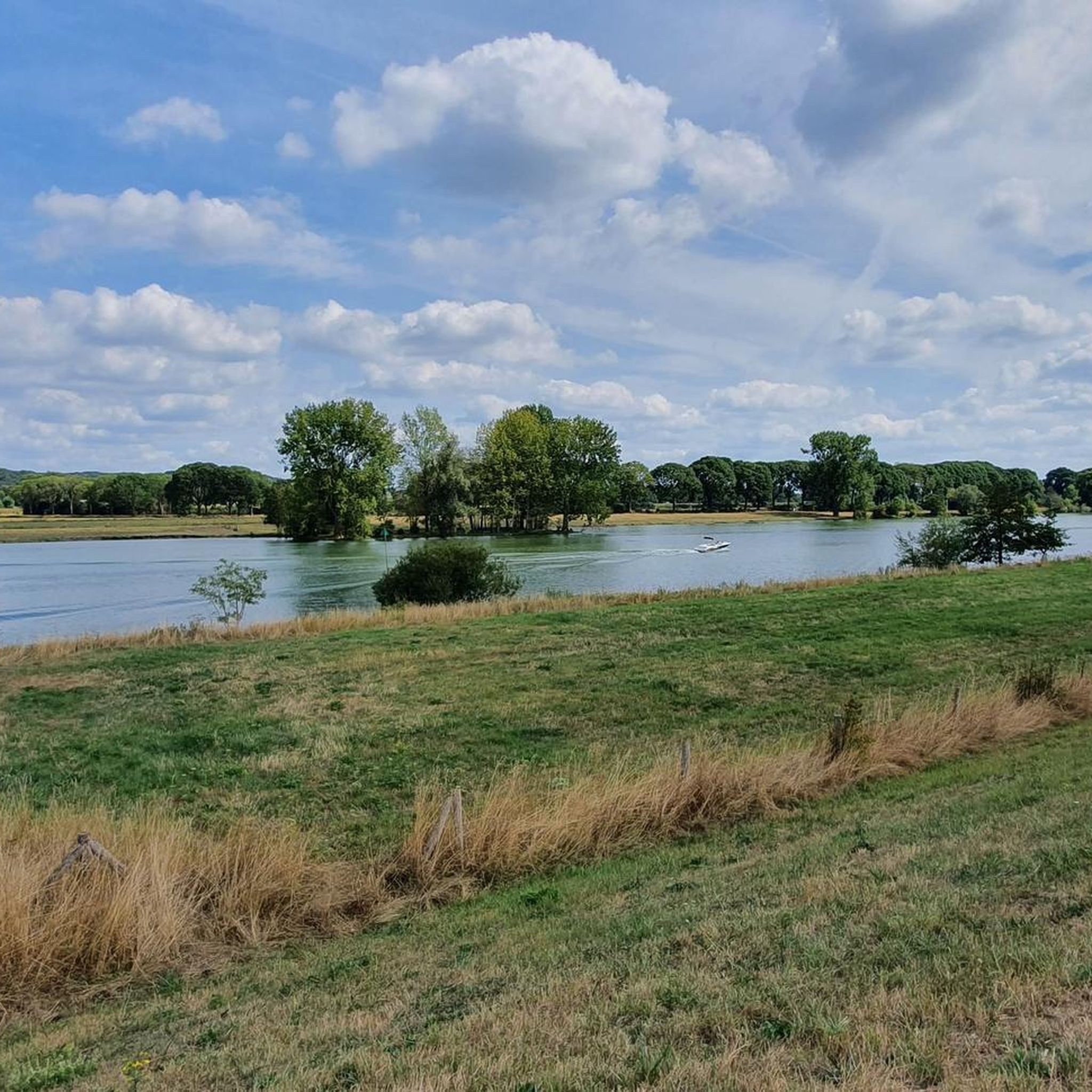
Cycling around Cuijk
Road Cycling Routes around Cuijk
Running Trails around Cuijk
Other adventures around Cuijk


Tips from the Community

It can be busy on weekends. It is a popular hiking area.
1
0

Hike on the Sint Jansberg. It goes up and down quite a bit here
3
0
At Sint Jansberg. Great hiking area
3
0

Climb the 75.9 meter high Duivelsberg and you will be rewarded with a beautiful view of the wooded area and the meadows of the floodplains below the moraine. The Duivelsberg nature reserve of the same name is approximately 125 hectares in size and is covered with deciduous trees, including a large collection of sweet chestnuts. There are many stories about the history of De Duivelsberg. For example, in the 11th century it was the strategic location of a motte (wooden) castle called Mergelp. From the first motte on the edge of De Duivelsberg it was easy to keep an eye on the surroundings. In addition, the hill has a sacred meaning for many and is still used for ceremonies. There are also stories that women who were accused of being witches, were drowned and bandaged in this place. This area originally belonged to Germany and was called Wylerberg or Teufelsberg, but was annexed after the Second World War. Unlike the other areas, the Duivelsberg was not returned, but it is still Dutch land property.
1
1

The Wylerberg or Teufelsberg (Duivelsberg in Dutch) is a hill near Nijmegen that originally belonged to the German municipality of Wyler/North Rhine-Westphalia. In 1949, the British military administration placed the mountain under Dutch contract administration on a Dutch initiative and in 1963 it finally became Dutch territory. Source and link to the full article: https://de.wikipedia.org/wiki/Wylerberg
1
0
The entire area between Duivelsberg and Beek and Berg en Dal is beautiful and it's just a joy to walk here.
1
0

Beautiful route, but with some steep height differences.
2
1

THE ORIGINAL DEVIL MOUNTAIN After Christianization, this holy place was given the name Duivelsberg and much later this name was attributed to the larger of the two motte hills. Presumably the original Duivelsberg or Zonneberg is a hill located near the pancake restaurant the Witches' Dance in the forest of Berg en Dal. This hill is visibly artificially raised. Behind the hill, a flat, open area has been created. This clearing is easily accessible from the path and today there is a huge beech in the middle. It is a beautiful place whose power and holiness are still palpable. Various shamanic and pagan groups still use this ancient sacred site for their rituals and celebrations. Source: devilsberg.nl
5
0
Frequently Asked Questions
What types of natural landscapes can I explore around Cuijk?
The region around Cuijk offers a diverse range of natural landscapes. You can find hilly forests, expansive heathlands, and unique cultural landscapes like the UNESCO-recognized Maasheggen. Areas such as the Duivelsberg (Devil's Hill) feature deciduous trees and challenging terrain, while the Mookerheide offers vast heathland and woodlands. The Maasheggen is particularly known for its ancient hedge landscape and rich biodiversity.
Are there any natural monuments with historical significance near Cuijk?
Yes, several natural areas around Cuijk are rich in history. The Motte Mergelp on the Duivelsberg, for instance, was the strategic location of an 11th-century wooden castle. The Duivelsberg itself has a sacred meaning and was historically annexed from Germany. The Maasheggen UNESCO Biosphere Reserve is recognized as the oldest cultural landscape in the Netherlands, with a history stretching back to Roman settlements and featuring the oldest still-inhabited monastery in the Netherlands, Sint Agatha. The Mookerheide also holds significance as a battlefield from the Eighty Years' War and World War II.
Where can I find the best panoramic views of the Cuijk region?
For breathtaking panoramic views, head to the Duivelsberg (Devil's Hill). Climbing its 75.9-meter summit rewards you with beautiful vistas of the wooded area and the floodplains below. Similarly, the Mookerheide offers expansive views over the entire Land van Cuijk, and from certain viewpoints, you can even see the Maas river and the church of Cuijk.
Are there family-friendly natural monuments or activities in the area?
Absolutely! The Quin Ponds in De Maasduinen National Park is a very popular family-friendly spot, featuring a lake, rolling landscapes, and beautiful heathland. The Mookerplas, part of the Mookerheide area, also offers a wide sandy beach, sunbathing lawns, and playground equipment, making it ideal for families to relax and enjoy water activities.
What kind of wildlife might I encounter in these natural areas?
The diverse habitats around Cuijk support a variety of wildlife. In the Duivelsberg forest, you might spot various bird species such as Black Woodpecker, Lesser Spotted Woodpecker, and Grey Heron. The Maasheggen is a paradise for birds and badgers. On the Mookerheide, keep an eye out for sand lizards or even smooth snakes, and the forests there are home to woodpeckers and nuthatches.
What outdoor activities can I do near the natural monuments around Cuijk?
The natural monuments around Cuijk are perfect for various outdoor activities. You can enjoy extensive hiking, cycling, and running. For hiking, explore trails like the 'Circular walk monastery Sint Agatha' or 'Mountains, streams and special heath'. Cyclists can take routes such as 'Old Meuse – Ferry Bergen–Vierlingsbeek loop' or 'Kraaijenbergse Plassen'. Runners have options like 'View of De Groene Rivier loop'. You can find more routes and details on the hiking, cycling, and running guide pages for Cuijk.
Are there specific trails or paths that offer a unique experience?
Yes, for a unique hiking experience, consider the Sunken Path in the Forest. This trail adds a certain charm to a hike through the woods and is often highlighted by visitors as a memorable part of their journey. The Maasheggen also offers exceptional opportunities for cycling and walking along sandy paths, allowing you to immerse yourself in its distinctive hedge landscape.
What is the best time of year to visit the natural monuments in Cuijk?
The natural monuments around Cuijk offer a changing picture every season. Spring brings blooming wood anemones and oxlips in areas like Duivelsberg. In August, the heathlands, such as those at The Quin Ponds and Mookerheide, are particularly beautiful when the heather flowers. Autumn is ideal for searching for chestnuts in the forests of Duivelsberg, and the changing foliage creates stunning scenery. Even in winter, these areas offer a tranquil retreat.
What do visitors enjoy most about the natural monuments around Cuijk?
Visitors frequently praise the diverse and beautiful nature, often noting how the hilly landscapes, particularly at Duivelsberg, make them feel like they are abroad. The unique charm of trails like the Sunken Path in the Forest and the picturesque views from various viewpoints are also highly appreciated. The opportunity to explore historical sites within natural settings, like the Motte Mergelp, adds another layer of enjoyment for many.
Is the Maasheggen UNESCO Biosphere Reserve worth visiting?
Absolutely. The Maasheggen is a truly unique and globally important area, recognized for its UNESCO Man & Biosphere status. It's the oldest cultural landscape in the Netherlands, characterized by a mosaic of ancient hedges, meadows, and pollard willows. It offers exceptional opportunities for cycling and walking, allowing visitors to experience a distinctive natural and historically rich environment where nature and culture coexist in balance.
Are there any lakes or ponds suitable for recreation?
Yes, the region features several beautiful water bodies. The Quin Ponds in De Maasduinen National Park is a popular lake within a national park, offering a scenic rolling landscape. The Mookerplas, near the Mookerheide, is another excellent choice with a wide sandy beach, sunbathing lawns, and facilities for water sports. Additionally, the Groenewater Pond provides an idyllic and picturesque spot within the forest, perfect for photography.
Most popular routes around Cuijk
Most popular attractions around Cuijk

Get inspired with the komoot mobile app


Explore more
Extend your search for the best caves by checking out these guides of the top ones around Cuijk:
