Top 20 Natural Monuments around Eemsmond
Best natural monuments around Eemsmond are primarily defined by the UNESCO World Heritage Site Wadden Sea, located in the north of the province of Groningen, Netherlands. This region features a vast intertidal zone, including the Ems-Dollard estuary and uninhabited islands, recognized for its unique geological and ecological value. The dynamic landscape is constantly shaped by water, sediment, and tides, supporting high biological diversity. It offers opportunities to experience untouched nature and observe diverse wildlife.
Best natural monuments around Eemsmond
- The…
Last updated: August 16, 2026
Lower Saxony Wadden Sea National Park – Upleward Tidal Flats
Highlight • Natural Monument
Translated by Google •
Tip by

Greune Stee Nature Reserve
Highlight • Forest
Translated by Google •
Tip by

Sign up now to discover places like this
Get recommendations on the best single tracks, peaks, & plenty of other exciting outdoor places.
Sign up for free
Northwesternmost Point of Germany
Highlight • Monument
Translated by Google •
Tip by

Greune Stee Lowland Forest
Highlight • Forest
In the summer it is essential to smear Autan there are many mosquitos
Translated by Google •
Tip by

De Hemelpoort – Northernmost Point of the Netherlands
Highlight • Monument
Translated by Google •
Tip by

Sign up for free to discover even more natural monuments around Eemsmond.
Sign up for free
Already have an account?
Start today with a free account
Your next adventure awaits.
Login or Signup
Popular around Eemsmond
Tour of Groningen – 350 kilometers around the province
Trans Netherlands MTB Route – The ultimate off-road adventure
The North Sea Coast Cycle Route — Netherlands and Belgium
Cycling in Groningen – eight routes off the beaten track
Cycle back in time – 15 prehistoric routes in the Netherlands
Celebrate spring – colourful walks through Dutch tulip fields
Along the Wadden Sea — part 3: Dutch Coastal Path
Cycling around Eemsmond
Hiking around Eemsmond
Road Cycling Routes around Eemsmond
Other adventures around Eemsmond


Tips from the Community

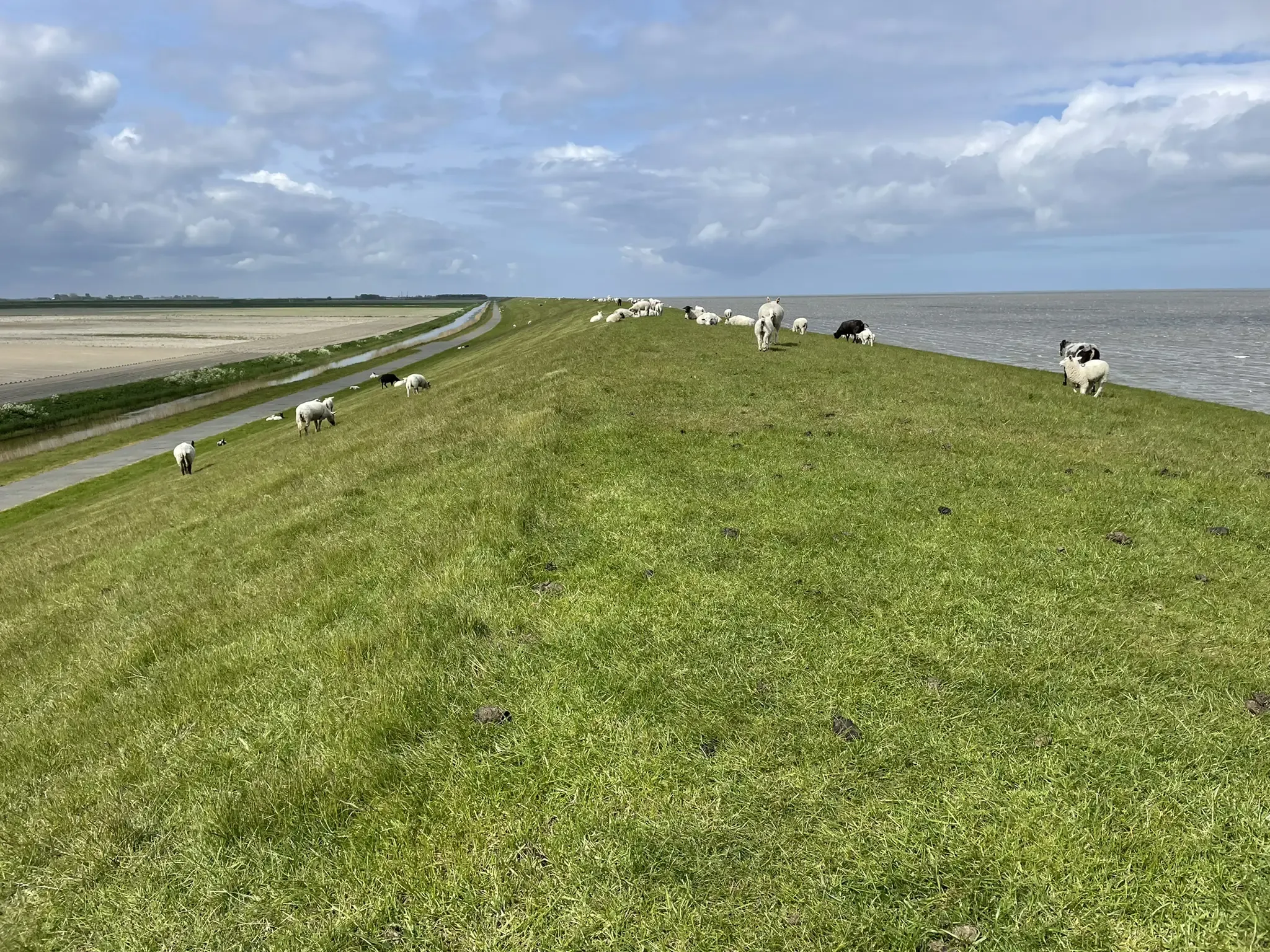
Noordkaap is the northernmost point of mainland Netherlands. The Noordkaap is located on the north side of the Emmapolder, on the edge of the municipality of Het Hogeland in the province of Groningen. The last stretch to the Noordkaap (up the dike) can only be reached on foot or by bicycle. To mark the spot and thus (by analogy with the Drielandenpunt) attract more tourists, the then municipality of Eemsmond had the artwork ‘De Hemelpoort’ or ‘Poort Kaap Noord’ (created in 2001) by artist René de Boer placed in 2002. The name ‘Noordkaap’ was conceived at the same time as the artwork was placed. The spot itself is not recognizable as an ‘extreme point’, because the sea dike has a slightly curved route at this point.
1
0

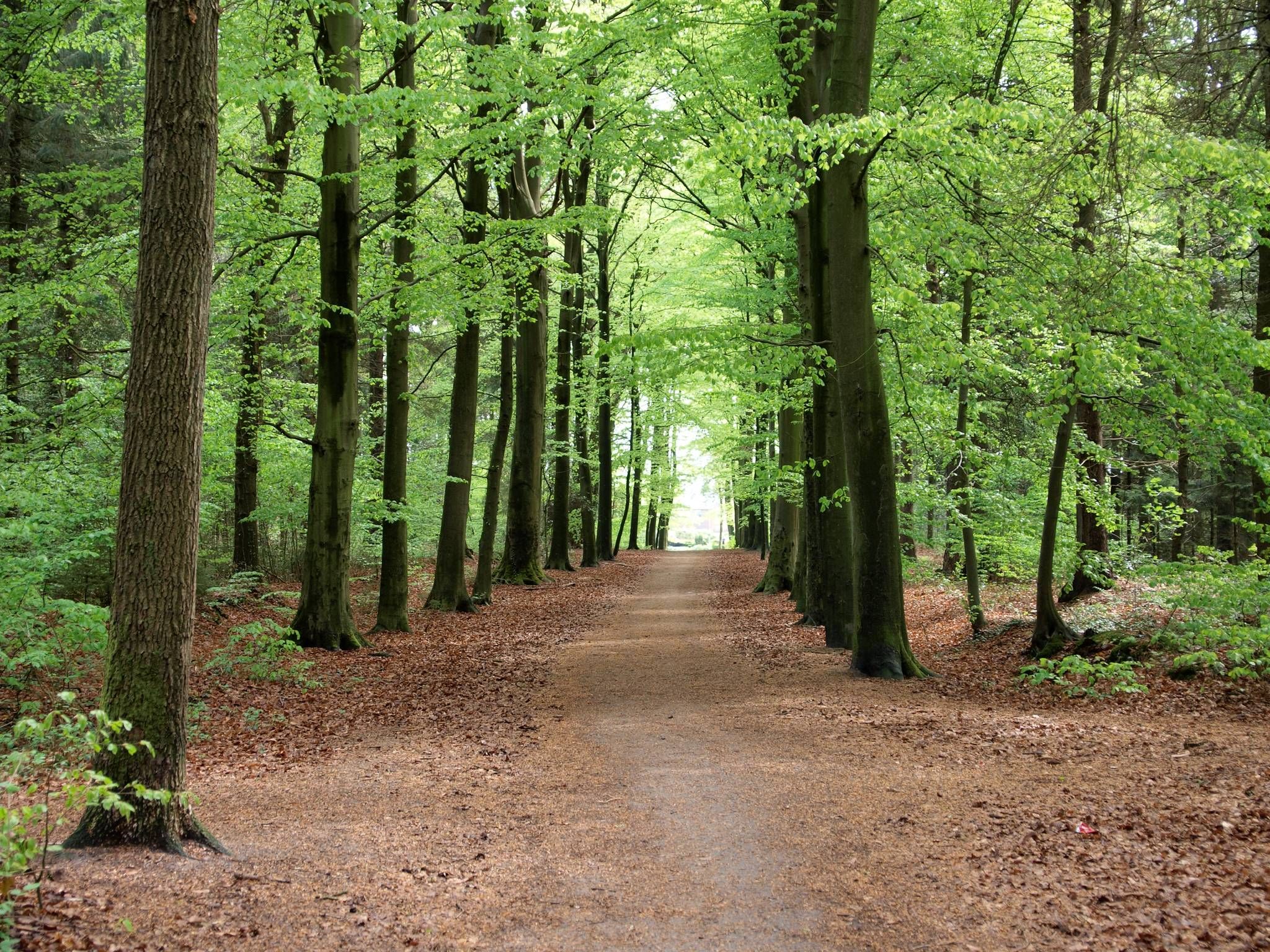
Low German for "Green Place" - part of an old dune landscape on Borkum. The Greune Stee is a transitional area between dunes, forest, and heath. It is considered one of the few areas on the East Frisian Islands where natural dune forest has developed. Typical features include: • Dune landscape with partially vegetated sand dunes • Deciduous and coniferous forest (e.g., birch, pine, oak) • Heath and grassland areas • Protected habitats for numerous bird species and insects When using the area, especially the paved paths, please be mindful of the many slow walkers, some with dogs. You should slow down. Best viewpoint: Herrmannshöhe at the corner of Greune Stee Weg and Jakob van Dyken Weg.
2
0

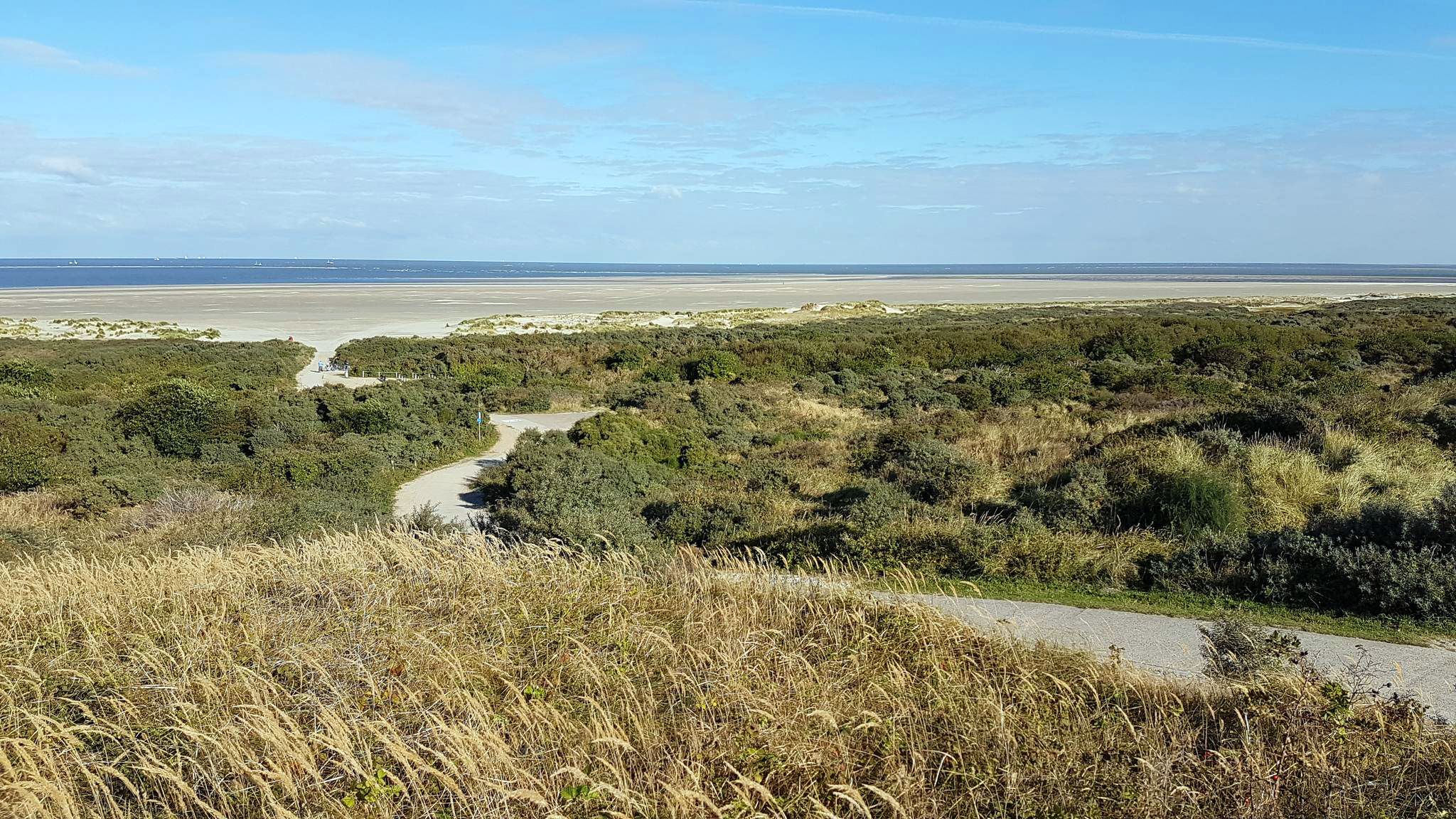
An iconic spot on the coast overlooking the Wadden Sea.
0
0

Idyllic paths through the rarely visited "jungle" of Borkum. Beeches, birches, wet hollows with lilies, heather... currently, the brilliant gorse, simply beautiful 🤩👍
1
0

A beautiful piece of land, left to nature and criss-crossed with a few cycling and hiking trails, a place of peace.
1
0

Unique! The most beautiful island forest in the North Sea!
1
0

The natural landscape of Greune Stee is unique on the East Frisian Islands. It lies south of the island and is criss-crossed with numerous cycling and hiking trails. Many dunes and valleys characterize the landscape, as does the large marsh forest with its damp valleys, which in some places looks as if it were an enchanted moor. Forests are not normally native to the East Frisian Islands. It is all the more astonishing that there is a forest area of around 80 hectares on the southern part of Borkum. In the 1870s there was a depression at this point that was very wet due to groundwater. The good conditions meant that a lot of lush grass grew. For this reason, the farmers and herders called this place "Greune Stee", which means "green place".
8
1

The dune landscape of the island of Borkum is repeatedly interrupted by small mixed forests. The largest forest on the island is the "Greune Stee" (green spot). This is a typical stunted forest.
9
1
Frequently Asked Questions
What unique natural features can I explore in Eemsmond?
Eemsmond is primarily known for the Wadden Sea, a UNESCO World Heritage Site. This vast intertidal zone features dynamic landscapes of sand and mud flats, tidal channels, sea-grass meadows, and salt marshes. You can also explore the Ems-Dollard Estuary, a rare open estuary where fresh and saltwater converge, creating a unique habitat. Additionally, the region includes uninhabited islands like Rottumeroog and Rottumerplaat, which are vital natural reserves.
Are there opportunities for wildlife observation in Eemsmond's natural monuments?
Yes, the natural monuments in Eemsmond are rich in wildlife. The Wadden Sea is a crucial area for millions of breeding and migratory birds, and you can often spot marine mammals like harbor seals, grey seals, and harbor porpoises. The uninhabited islands of Rottumeroog and Rottumerplaat are particularly important for birdlife and seal colonies. Moving quietly through areas like Greune Stee Lowland Forest might even allow you to spot deer.
What activities can I do at the Wadden Sea in Eemsmond?
The Wadden Sea offers unique activities such as "wadlopen" (mudflat hiking) during low tide, which provides an intimate connection with the area's biodiversity. Birdwatching is also a major draw, with numerous observation huts available, including the Kiekkaaste. Seal spotting boat trips are popular, and the region's Dark Sky Parks offer magnificent views of the night sky.
Are there family-friendly natural monuments to visit in Eemsmond?
Absolutely. Several natural monuments in Eemsmond are suitable for families. Greune Stee Lowland Forest offers beautiful hiking trails that are enjoyable for all ages. The De Hemelpoort – Northernmost Point of the Netherlands is a viewpoint with unobstructed views that families can appreciate. The Northwesternmost Point of Germany, while technically just outside Eemsmond, is also family-friendly with benches and a path to the beach.
What is the best time of year to visit the natural monuments in Eemsmond?
The best time to visit Eemsmond's natural monuments largely depends on your interests. Spring and autumn are ideal for birdwatching due to migratory patterns. Summer offers pleasant weather for mudflat hiking and exploring the coastal areas. The Wadden Sea's dynamic landscape is captivating year-round, but always check local tide schedules if planning activities like mudflat hiking.
Can I go hiking or cycling near the natural monuments in Eemsmond?
Yes, Eemsmond offers various outdoor activities. You can find numerous hiking trails, such as those in Greune Stee Lowland Forest. For cycling, there are many routes available, including MTB trails and road cycling routes. You can explore options like the "Bike path along the Reitdiep" or "St. Peter's Church, Usquert" routes. For more detailed information on routes, you can check the MTB Trails around Eemsmond or Road Cycling Routes around Eemsmond guides.
What is the significance of the Ems-Dollard Estuary?
The Ems-Dollard Estuary is a rare natural area located on the border between the Netherlands and Germany. It's one of only two remaining open estuaries in the Netherlands, where the Ems River meets the Wadden Sea. This unique convergence of fresh and saltwater creates a special habitat for various plants and animals, including fish species that transition between fresh and saltwater, and a high diversity of birds that use its intertidal areas and salt marshes for food and nesting.
Are there any viewpoints to get a good overview of the natural landscapes?
Yes, Eemsmond offers several excellent viewpoints. The De Hemelpoort – Northernmost Point of the Netherlands provides unobstructed views of the water and the Wadden Sea. Another great spot is the Lower Saxony Wadden Sea National Park – Upleward Tidal Flats, which is part of the UNESCO World Heritage Site and offers expansive views of the tidal flats.
What do visitors enjoy most about the natural monuments in Eemsmond?
Visitors frequently appreciate the pristine wilderness and wide-open spaces offered by the Wadden Sea, finding it ideal for nature enthusiasts and those seeking tranquility. The unique experience of mudflat hiking and the rich birdlife are often highlighted. The peaceful and idyllic trails, such as those in Greune Stee Lowland Forest, are also highly recommended for their beauty and opportunities for quiet observation.
Are there any specific regulations or permits needed for visiting the uninhabited islands?
The uninhabited islands of Rottumeroog, Rottumerplaat, and Zuiderduintjes are part of a delicate natural reserve. General access to these islands is prohibited to protect their ecosystems. However, special expeditions are occasionally allowed, offering a unique opportunity to witness the rich birdlife and seal colonies. It's advisable to check with local conservation authorities for information on any permitted access or guided tours.
What should I wear when visiting the natural monuments, especially for activities like mudflat hiking?
For activities like mudflat hiking, it's essential to wear appropriate footwear that can get wet and muddy, such as old sneakers or special mudflat shoes. Dress in layers, as weather conditions can change quickly, especially near the coast. Sun protection (hat, sunscreen) is also recommended, as the open landscape offers little shade. For forest walks, comfortable hiking shoes are sufficient.
Are there running trails available near Eemsmond's natural monuments?
Yes, there are several running trails in the Eemsmond area. You can find various routes suitable for jogging, such as the "Sebastiaankerk Warffum loop" or the "Menkemaborg Castle loop." These trails offer a great way to experience the natural surroundings while staying active. For more options, refer to the Running Trails around Eemsmond guide.
Most popular attractions around Eemsmond

Get inspired with the komoot mobile app


Explore more
Extend your search for the best caves by checking out these guides of the top ones around Eemsmond:
