Top 17 Natural Monuments around Dantumadeel
Best natural monuments around Dantumadeel offer diverse landscapes and recreational opportunities within this municipality. The region features open nature, woodlands, and significant water bodies, contributing to its varied natural appeal. Areas like Het Bûtenfjild are recognized for their ecological significance and protected status. Dantumadeel provides numerous possibilities for outdoor exploration, making its natural sites accessible for visitors.
Best natural monuments around Dantumadeel
- The most popular natural monuments is Lauwersmeer National Park, a natural monument that features a large lake,…
Last updated: August 16, 2026
Lauwersmeer National Park
Highlight • Natural Monument
The Lauwerszee, an inlet named after the river Lauwers, used to be open to the Wadden Sea. After the storm surge of 1953, fears of flooding led to plans …
Translated by Google •
Tip by

Paesens Nature Reserve
Highlight • Natural
Translated by Google •
Tip by

Sign up now to discover places like this
Get recommendations on the best single tracks, peaks, & plenty of other exciting outdoor places.
Sign up for free
Bonifacius fountain
Highlight • Natural Monument
Translated by Google •
Tip by

Lauwersmeer viewing platform
Highlight • Viewpoint
Translated by Google •
Tip by

Peazemerlannen Nature Reserve
Highlight • Natural
Translated by Google •
Tip by

Sign up for free to discover even more natural monuments around Dantumadeel.
Sign up for free
Already have an account?
Start today with a free account
Your next adventure awaits.
Login or Signup
Popular around Dantumadeel

Tips from the Community

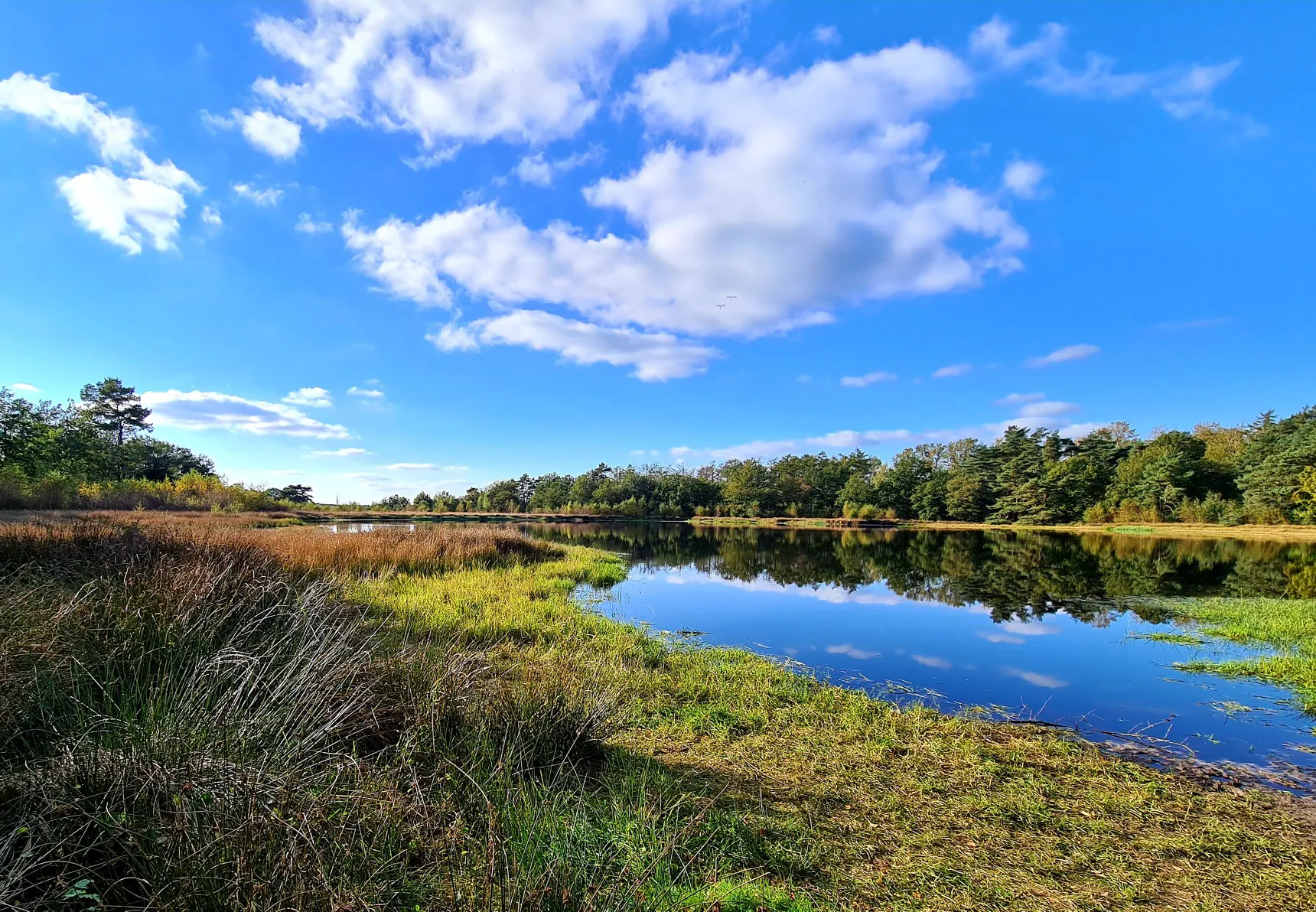
Located in the north of the Netherlands in the provinces of Groningen and Friesland, declared National Park Lauwersmeer in November 2003. Named DARK SKY PARK in 2016 and so far the 2nd place in the Netherlands to receive this recognition. Besides hiking and cycling trails, there are also publicly accessible areas of the park for water sports activities & of course the best places for bird watching.
0
0

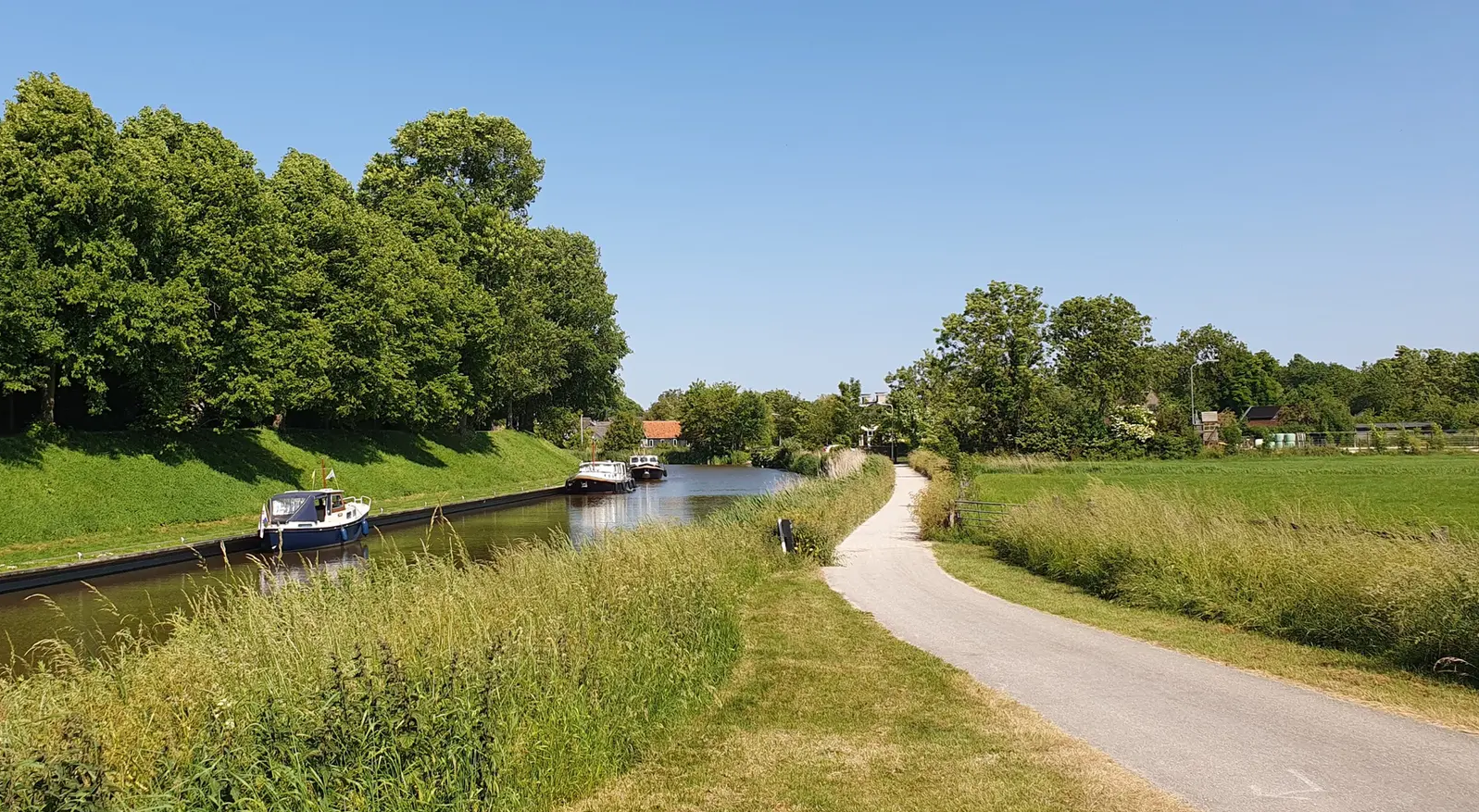
Very beautiful and impressive fountain from 1884.
1
0

The Zomerhuisbos viewpoint offers a great view of the Lauwersmeer lake landscape.
1
0

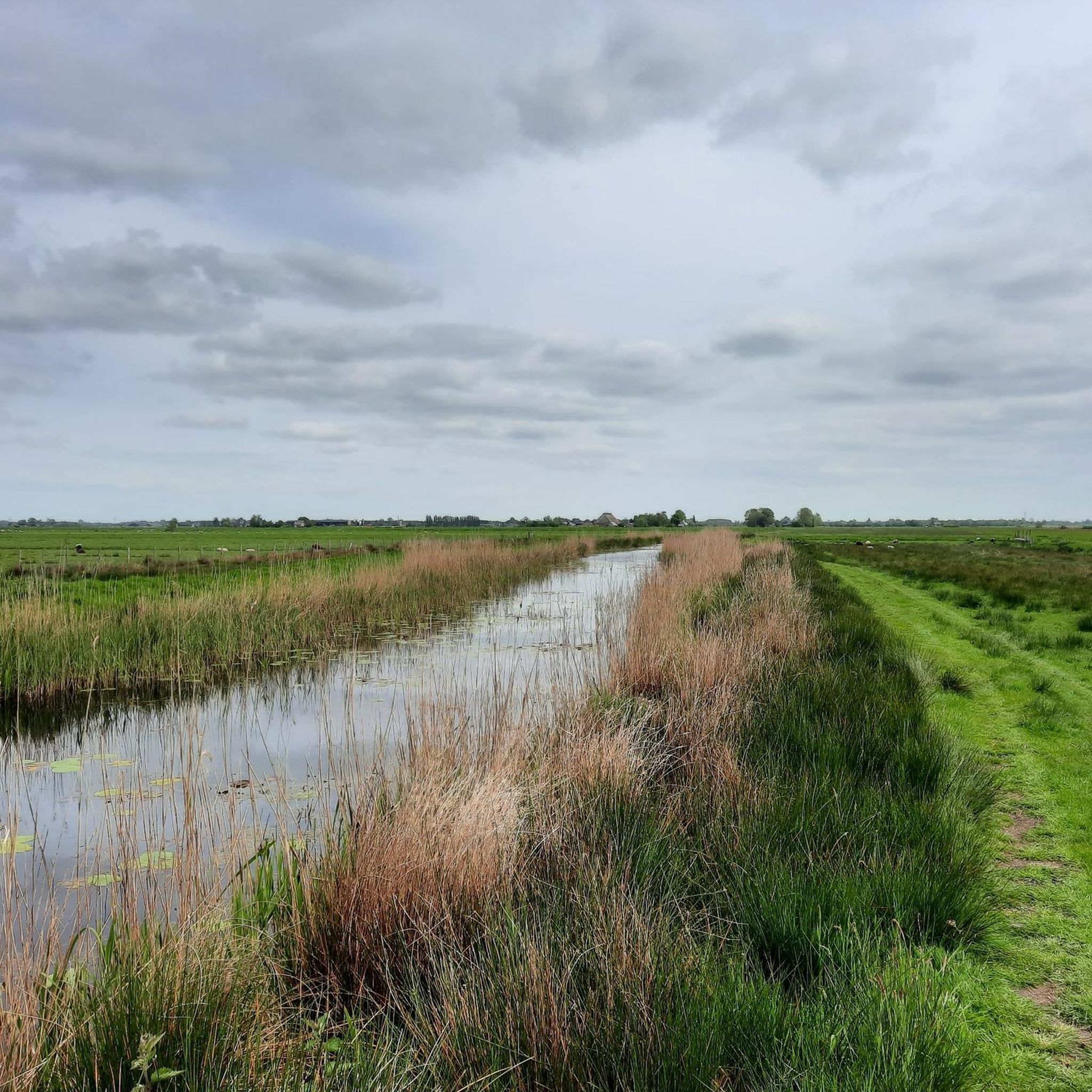
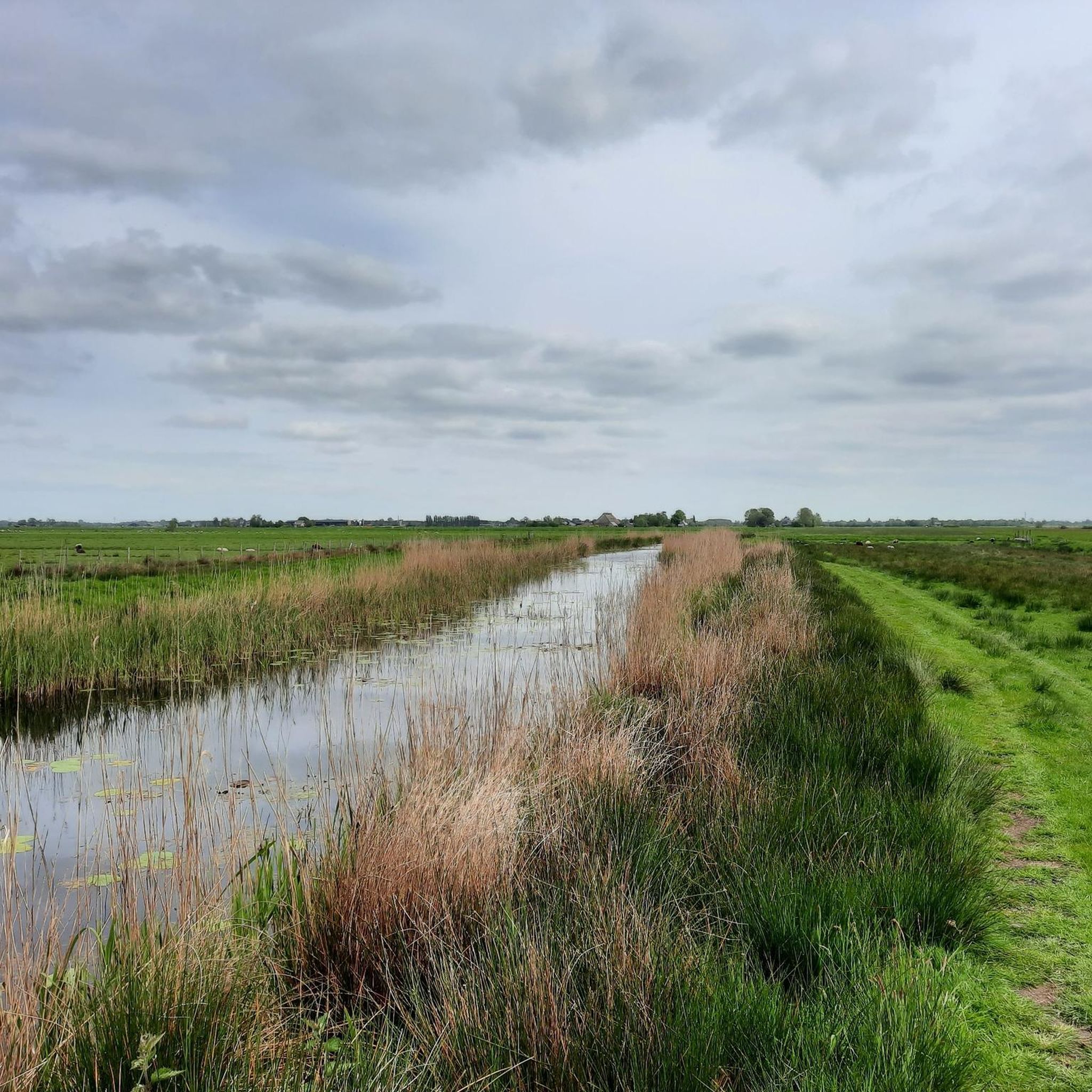
The vast landscape and the changing tides characterize the area.
0
0


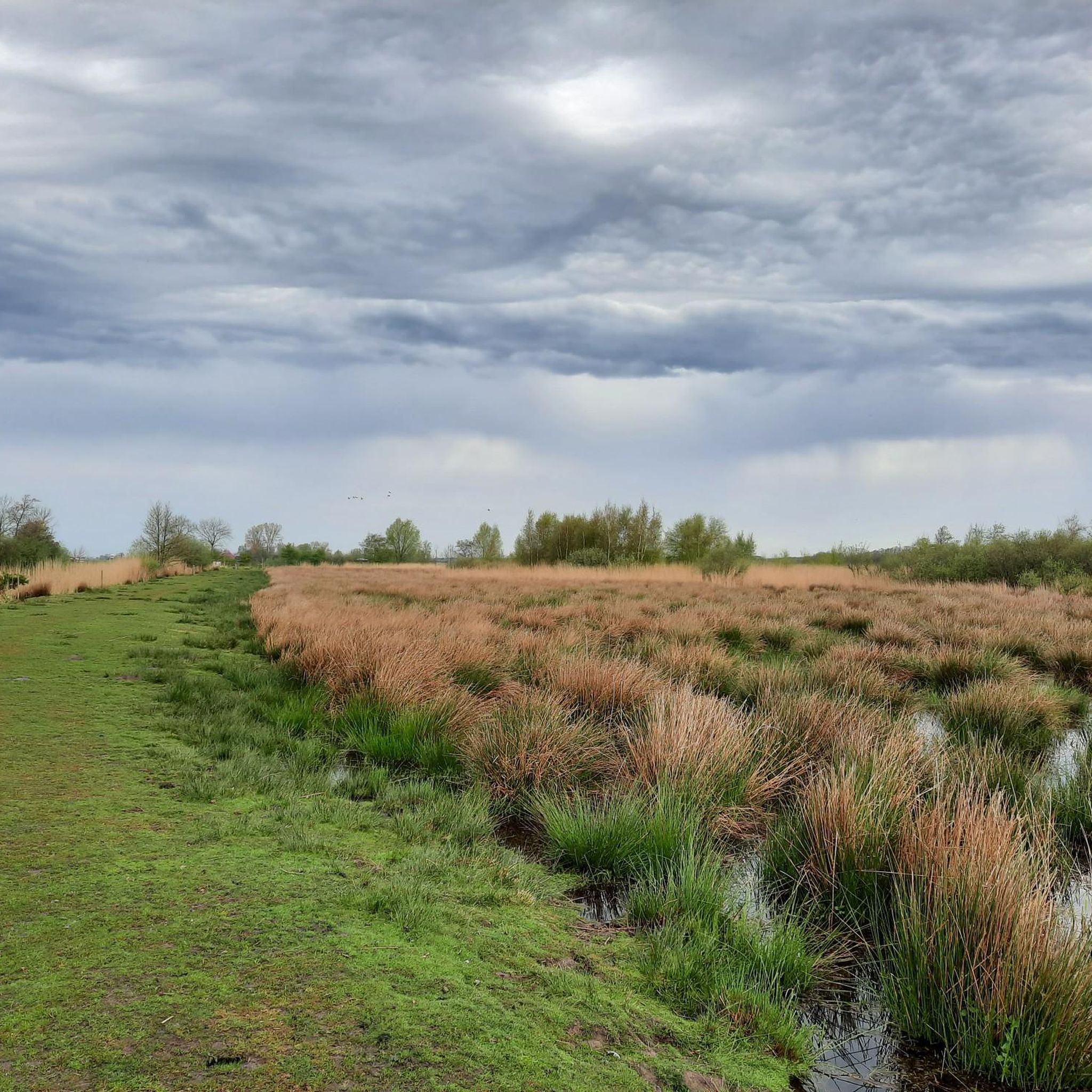
The Peazemerlannen is a 485 hectare nature reserve near Paesens and Moddergat in northern Friesland. This area outside the dike is part of the Wadden Sea World Heritage Site and is a transition area between the sea dike and the Wadden Sea mudflats. In 1973, an extremely heavy storm tore a hole in the dike with the Wadden Sea. Repairing the dike was deemed too expensive, which left the Wadden Sea free to flow in the northern part of the polder. The salt marsh landscape that later emerged includes a summer polder, a salt marsh and salt marsh works. The area is frequently visited by bird species such as the Brent Goose, Barnacle Goose and Avocet. There are large colonies of gulls and terns on the salt marshes. Silver plovers, common sandpipers and greenshanks are common in the mudflats. Oystercatchers, lapwings, redshanks and avocets breed in the summer polders. The beaches created by the breach of the dike provide breeding grounds for several pairs of little ringed plover and ringed plover. As the salt marshes rose higher due to silting, the area became rougher. Very beautiful nature.
1
0

Boniface was important for the development of the church, especially in a large part of Germany and the Netherlands. In Fulda, where his grave is, he founded a monastery. Under the supervision of followers and security, he demolished pagan objects and if there were no consequences (revenge of the gods) many converted. His conversion activities were mainly in Germany. His interest in converting Friesland, with the support of the Frankish authorities, arose from a political struggle for the influence of the Bishopric of Utrecht between Cologne and Rome. The influence of the Frankish nobility on the church was a thorn in Boniface's side. In his third journey to Friesland he and many of his followers were killed. The revenge actions subsequently cost the lives of many Frisians. Later, the position of Bishop of Utrecht also became a political position for which various families fought over the centuries. The Frankish influence in the Netherlands and Northern Germany also remained great. In the North of the Netherlands, it is mainly noble families from Westphalia. The source is mentioned in a miracle in which a horse stumbles just after the death of Boniface and a sweet source is created on a mound at that location. This source, with good water quality, has always been used, for example to brew beer, for water in Dokkum. It is water that comes from the higher area with sand/boulder clay.
0
0
Frequently Asked Questions
What natural features can I expect to see in Dantumadeel's natural monuments?
Dantumadeel's natural monuments offer a diverse range of features. You can explore vast open landscapes, significant water bodies like the Lauwersmeer National Park, woodlands such as De Houtwiel, and unique coastal areas with salt marshes and mudflats at reserves like Noard-Fryslân Bûtendyks Nature Reserve. The region is characterized by its open nature and abundant water.
Where can I go birdwatching in Dantumadeel?
Dantumadeel is an excellent destination for birdwatching. The Lauwersmeer National Park is an important resting place for migratory birds, and you might spot kingfishers, sea eagles, or peregrine falcons. The Noard-Fryslân Bûtendyks Nature Reserve attracts over a million birds annually, including countless wading birds. The Ottema Wiersmareservaat is also highlighted as a beautiful bird sanctuary, and Peazemerlannen Nature Reserve is known for species like Brent Geese, Barnacle Geese, and Avocets.
Are there any historical natural monuments in Dantumadeel?
Yes, the Bonifacius fountain is a significant natural monument with historical importance. Dating from 1884, this impressive fountain is traditionally associated with the Anglo-Saxon missionary Boniface and serves as a Catholic pilgrimage site.
What unique wildlife can be observed in Dantumadeel's natural monuments?
In Lauwersmeer National Park, you can observe Scottish Highland cattle and Konik horses grazing in the open areas. The park is also home to diverse flora, including orchids and marsh marigolds. Coastal reserves like Noard-Fryslân Bûtendyks Nature Reserve and Peazemerlannen Nature Reserve are crucial for various bird species and unique salt marsh plants like samphire.
Are the natural monuments around Dantumadeel suitable for families?
Many natural monuments in Dantumadeel are family-friendly. Lauwersmeer National Park, Paesens Nature Reserve, Bonifacius fountain, and Noard-Fryslân Bûtendyks Nature Reserve are all noted as suitable for families, offering opportunities for exploration and enjoying nature together.
What are the options for hiking near Dantumadeel's natural monuments?
Dantumadeel offers various hiking opportunities near its natural monuments. You can find routes like the 'Observation Tower – Tjasker Veenwouden loop' or the 'Wâlster Muzeryd – Ottema-Wiersma Nature Reserve loop'. For more detailed information and a wider selection of trails, explore the Hiking around Dantumadeel guide.
Can I bring my dog to the natural monuments in Dantumadeel?
While many natural areas in Dantumadeel are welcoming, specific regulations for dogs can vary by reserve, especially in protected areas with sensitive wildlife or grazing animals. For instance, in Paesens Nature Reserve, sheep roam freely, so dogs should be kept on a leash. It's always best to check local signage or specific reserve guidelines before visiting with your dog.
What is the best time of year to visit Dantumadeel's natural monuments?
The best time to visit Dantumadeel's natural monuments largely depends on your interests. Spring and autumn are ideal for birdwatching, as migratory birds use the region as a resting place. Spring also brings blooming wildflowers. Summer offers pleasant weather for walking and water-based activities like canoeing in areas like De Houtwiel. Even winter can offer unique, tranquil landscapes, though some areas might be less accessible.
Are there opportunities for cycling near Dantumadeel's natural monuments?
Yes, Dantumadeel provides excellent opportunities for cycling. You can find various routes for road cycling and gravel biking that pass through or near natural areas. For example, there are road cycling routes like 'Wergea – View of the River at Sunset loop' and gravel biking routes such as 'De Alde Feanen National Park – Lange Sleatten Cycle Path loop'. Discover more options in the Road Cycling Routes around Dantumadeel and Gravel biking around Dantumadeel guides.
What are some of the most scenic viewpoints in Dantumadeel's natural areas?
Dantumadeel offers several scenic viewpoints, particularly in its nature reserves. Paesens Nature Reserve and Noard-Fryslân Bûtendyks Nature Reserve provide vast landscapes and opportunities to observe the Wadden Sea. The Peazemerlannen Nature Reserve also offers beautiful views of the transition area between the dike and the Wadden Sea mudflats.
Are there any specific water-based activities available in Dantumadeel's natural monuments?
Yes, the region's abundant water offers opportunities for water-based activities. In areas like De Houtwiel, you can enjoy canoeing and whisper boat tours from Veenwoudsterwal to explore adjacent natural areas. The Lauwersmeer National Park also has deeper areas open to boats, allowing for exploration of the lake.
What do visitors enjoy most about Dantumadeel's natural monuments?
Visitors particularly appreciate the tranquility, vastness, and rugged nature of Dantumadeel's natural monuments. The opportunity to observe diverse flora and fauna, including migratory birds and grazing animals, is a major draw. The unique landscapes, from open fields and woodlands to coastal mudflats and salt marshes, also contribute to a memorable outdoor experience.
Most popular attractions around Dantumadeel

Get inspired with the komoot mobile app


Explore more
Extend your search for the best caves by checking out these guides of the top ones around Dantumadeel:
