Top 14 Natural Monuments around Azambuja
Best natural monuments around Azambuja showcase the region's diverse landscapes and ecological richness within the Lisbon District of Portugal. This area features a blend of natural heritage, from river valleys to elevated viewpoints. The landscape is characterized by its varied ecosystems, including woodlands and wetlands, alongside unique geological formations. These sites offer opportunities to explore the natural environment and observe local flora and fauna.
Best natural monuments around Azambuja
- The most popular natural monuments is Serra de Montejunto Watchtower,…
Last updated: June 23, 2026
Paúl de Manique do Intendente.
Highlight • Lake
Translated by Google •
Tip by

Serra de Montejunto Watchtower
Highlight • Viewpoint
Translated by Google •
Tip by

Sign up now to discover places like this
Get recommendations on the best single tracks, peaks, & plenty of other exciting outdoor places.
Sign up for free
Gravel Bend
Highlight • Natural Monument
Translated by Google •
Tip by
Ota River
Highlight • River
Translated by Google •
Tip by
Windmills of Serra de Montejunto
Highlight • Monument
The trail has small sections with very steep slopes, so the easiest way to do it is …
Translated by Google •
Tip by
Sign up for free to discover even more natural monuments around Azambuja.
Sign up for free
Already have an account?
Start today with a free account
Your next adventure awaits.
Login or Signup
Tips from the Community

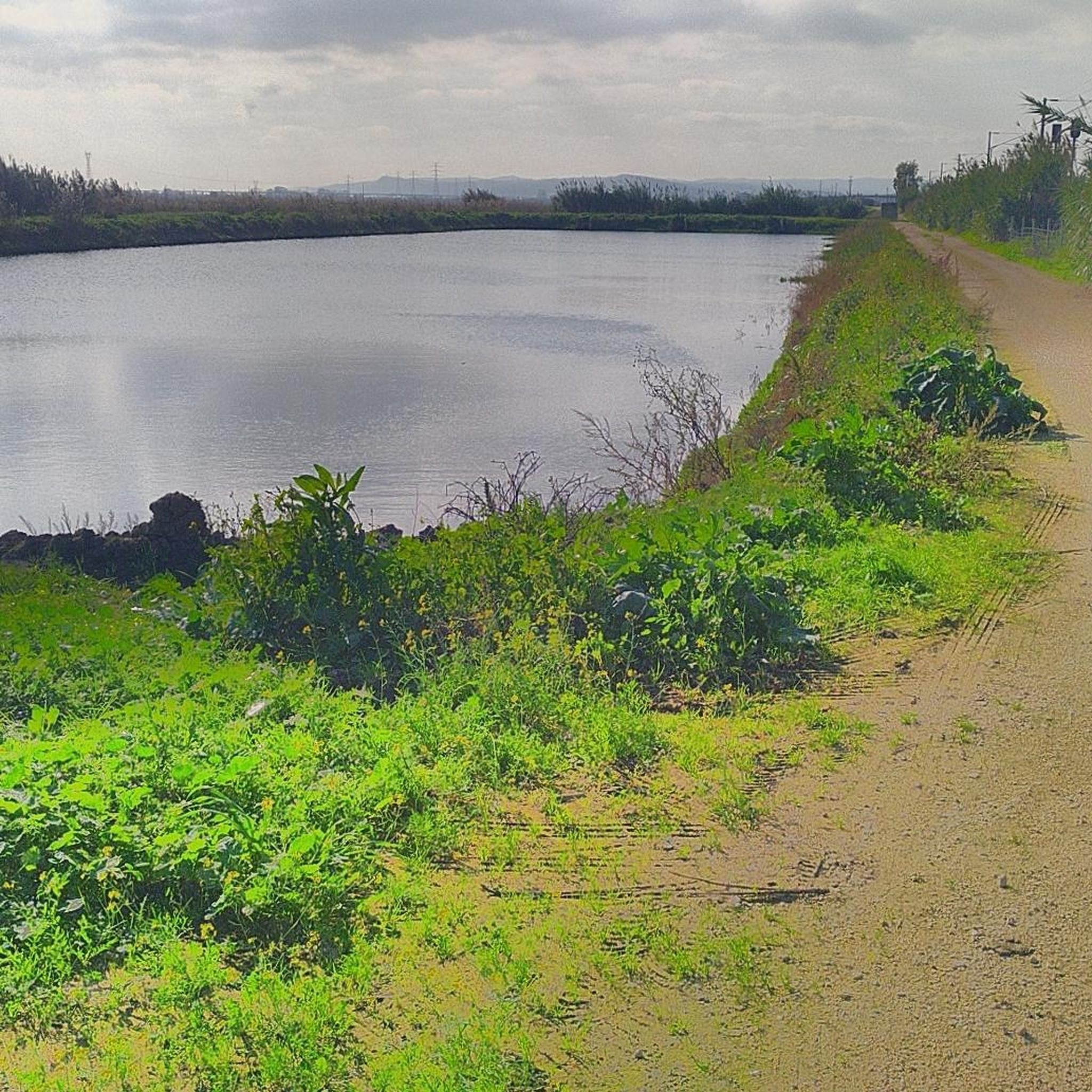
The area of the springs, on the Ota River, was once a leisure area for the local population, including the local bathing area in the summer. This site remained natural for a long time after the EPAL was installed, but at a certain point, the intensification of agriculture with the use of chemical fertilizers and pesticides, intensive livestock farming, and urban sewage made the flow from upstream a polluting threat to EPAL's water intakes, and EPAL paved several dozen meters of the river course near the site where it is installed with reinforced concrete.
1
0

The Ota River has its source in the Montejunto mountain range. It flows through the Ota area and empties into the Alenquer River, which in turn meets the Tagus River near Vila Nova da Rainha. At this point the river is close to the village of the same name, Ota.
1
0
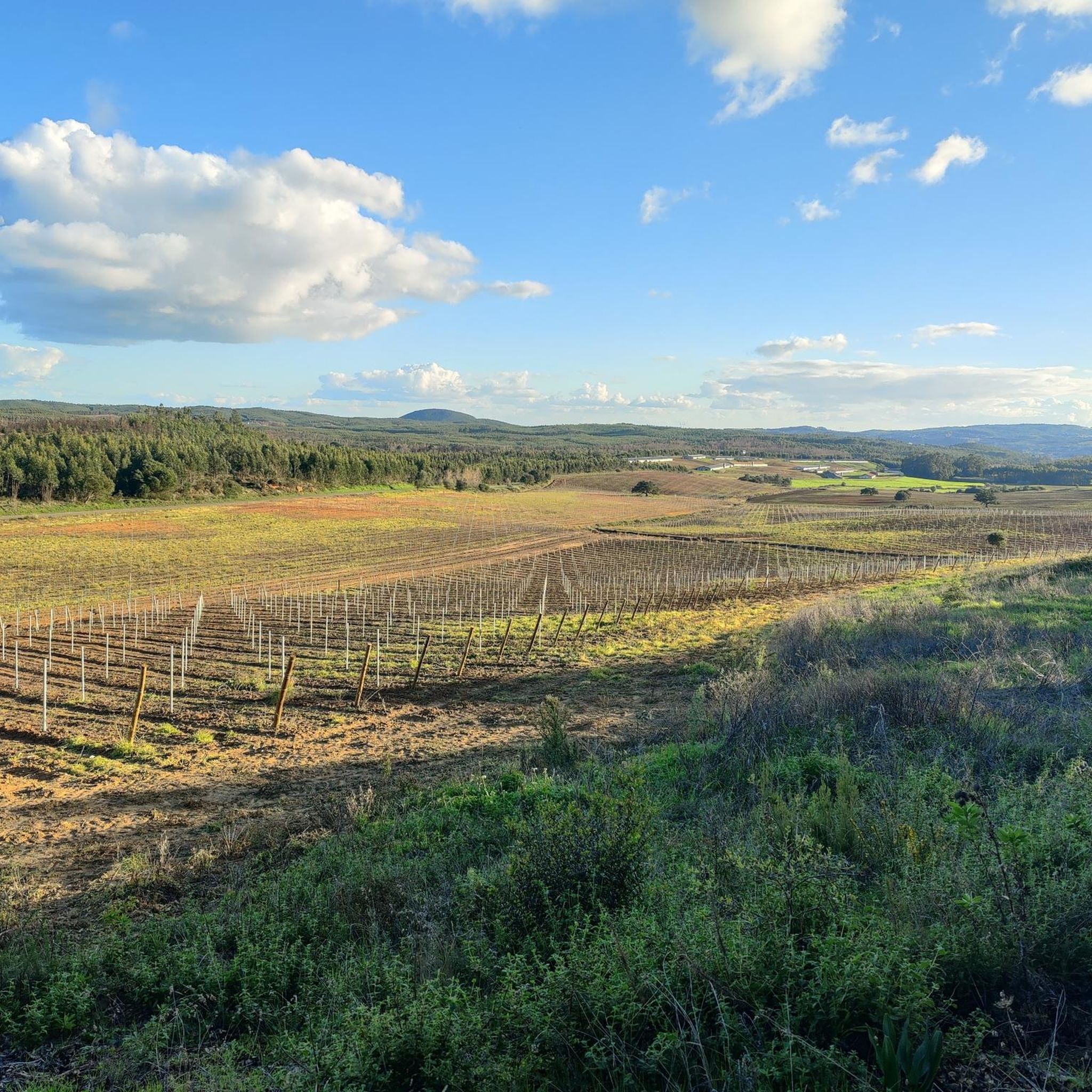
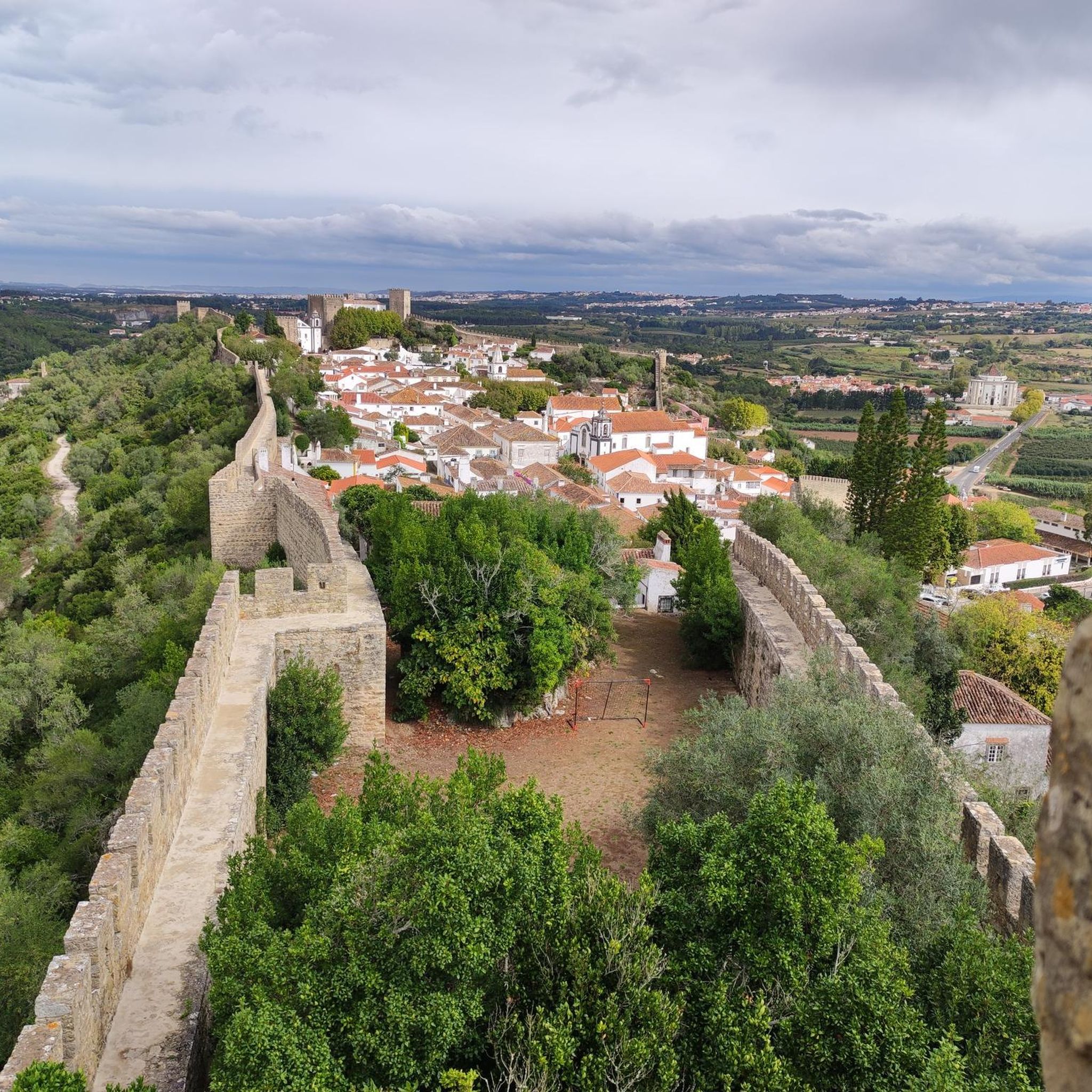
The Serra de Montejunto Forest Watch Station can be accessed via a pastoral trail from the picnic park. It offers a beautiful panorama of the region north of the Serra.
3
0
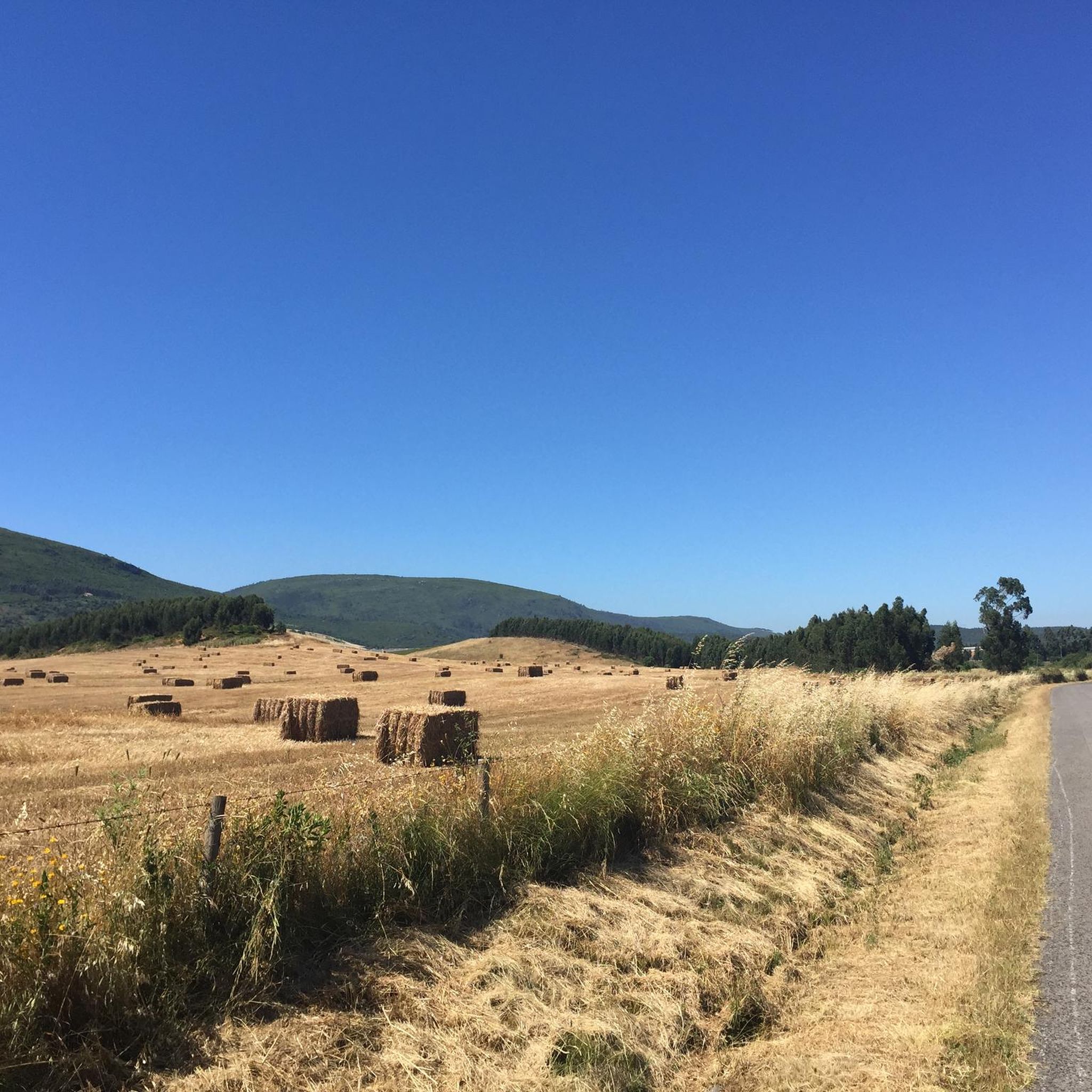
The karst landscape of Montejunto constitutes the extreme southwest of the Estremenho Limestone Massif. Deep valleys, lakes, gravel pits and lapiás are some of the formations found here, testimonies of various geological eras. Water has been the protagonist in erosion phenomena over time. Several deposits of gravel pits result from the cracking of the outcrops caused by the expansion of the water which, when freezing, breaks the rock into small parts. Source: https://montejunto.pt/natureza/paisagens/
3
0
Interesting trail, which passes right next to several windmills, some of them recovered. The trail has small sections with very steep slopes, so the easiest way to do it is downhill, that is, towards Serra de Montejunto, Vila Verde dos Francos. For those who are in Vila Verde dos Francos, it is preferable to go up the Estrada de Montejunto (N-115) to the sign that says Caminho dos Moinhos, and then turn right.
1
0
“Paul Natura”, Manique do Intendente https://www.youtube.com/watch?v=9nKhlLvOrJw
3
0
Paúl de Manique do Intendente is an area of around 97,000 square meters that constitutes a very rich natural heritage of great importance in terms of biodiversity, namely in terms of avifauna, already recognized at national level. It is an ecosystem composed of more than 180 species, where you can find 5 "simply unique" species such as the striped tortoise, the common caiman, the otter, the black stork and the reed. The municipality has been focusing on promoting this space, having recently advanced with the installation of an infrastructure for the observation of the fauna and flora of Pául, which aims to promote knowledge, protection and preservation of this unique and so rich ecosystem for the Municipality of Azambuja and for the entire region.
5
0

very pleasant landscape, it is recommended
1
0
Frequently Asked Questions
What natural features can I explore around Azambuja?
Azambuja offers a diverse range of natural features. You can discover unique geological formations like the karst landscape at Gravel Bend, which features deep valleys and lapiás. The region also boasts significant wetlands, such as Paúl de Manique do Intendente., known for its rich biodiversity and avifauna. Additionally, the Ota River presents a notable river valley with unique geomorphological characteristics.
Are there any family-friendly natural monuments in Azambuja?
Yes, Paúl de Manique do Intendente. is considered family-friendly. This nationally recognized natural heritage site is ideal for observing diverse flora and fauna, making it an engaging experience for all ages. The municipality has even installed an infrastructure for observing wildlife, enhancing the educational aspect for families.
Where can I find panoramic views of the Azambuja region?
For stunning panoramic views, head to the Serra de Montejunto Watchtower. This viewpoint offers extensive vistas of the region north of the Serra. Another excellent spot is the Serra de Montejunto Natural Park, where Pico do Montejunto provides breathtaking scenery.
What kind of wildlife can I expect to see in Azambuja's natural areas?
Azambuja is rich in biodiversity, especially at sites like Paúl de Manique do Intendente.. This ecosystem supports over 180 species, including unique ones like the striped tortoise, common caiman, otter, black stork, and various reed species. Santarem Natural Park is also a haven for wildlife enthusiasts, particularly birdlife.
Are there hiking opportunities near the natural monuments?
Absolutely. The Serra de Montejunto Natural Park features several well-marked trails suitable for various skill levels, from easy walks to more strenuous treks. You can also find interesting trails near the Windmills of Serra de Montejunto. For more detailed hiking routes, explore the Natural Monuments around Azambuja guide.
What outdoor activities can I do near these natural monuments?
Beyond hiking, the Azambuja area offers various outdoor activities. You can find numerous cycling opportunities, including road cycling and touring bicycle routes. For mountain biking enthusiasts, there are challenging MTB trails available. Discover more about these activities and specific routes in the MTB Trails around Azambuja, Road Cycling Routes around Azambuja, and Cycling around Azambuja guides.
Are there any unique geological sites to visit?
Yes, the Cabeço de Meca Quarry Lake (Cabeço de Santa Quitéria) is a unique geological site. It's a former volcanic chimney with a lake at the center of its crater, formed by past basalt extraction. This site offers impressive views and is fascinating for those interested in geology.
What is the best time of year to visit Azambuja's natural monuments?
The best time to visit Azambuja's natural monuments is generally during spring (March to May) and autumn (September to November). During these seasons, the weather is milder and more pleasant for outdoor activities like hiking and wildlife observation, and the landscapes are often at their most vibrant.
Can I find historical elements within the natural landscapes?
Yes, the Serra de Montejunto Natural Park not only offers stunning natural beauty but also contains historical elements. Within its natural landscape, you can find the ruins of the first Dominican Convent in Portugal and the Royal Ice Factory, blending nature with history.
Where can I experience a blend of traditional rural landscape and native flora?
The Alomoster River Valley is an excellent place to experience this. It's a well-preserved area showcasing a harmonious blend of traditional human activity, such as vegetable gardens and vineyards, with native flora. It supports considerable biodiversity, with singing birds and various species of trees and bushes like the hawthorn.
What do visitors enjoy most about the natural monuments around Azambuja?
Visitors particularly appreciate the diverse landscapes and ecological richness. The panoramic views from elevated points like the Serra de Montejunto Watchtower are highly rated, as is the opportunity for wildlife spotting at biodiversity hotspots such as Paúl de Manique do Intendente.. The unique geological formations and the peacefulness of the river valleys also contribute to a memorable experience.
Most popular attractions around Azambuja

Get inspired with the komoot mobile app


Explore more
Extend your search for the best caves by checking out these guides of the top ones around Azambuja:
