Top 20 Natural Monuments around Grândola
Best natural monuments around Grândola include a diverse natural landscape within the Setúbal district of Portugal. The region features the Serra de Grândola, characterized by cork oak forests and hilly terrain, alongside the Melides Lagoon, known for its biodiversity. Grândola's coastline offers extensive beaches, while the Sado River estuary is recognized for its diverse bird species and unique ecosystem. These areas provide varied opportunities for outdoor activities and nature observation.
Best natural monuments around Grândola
- The most popular natural monuments…
Last updated: July 6, 2026
Formosinho Peak
Highlight • Summit
A very tough climb, an even tougher descent... Not accessible to everyone...
Translated by Google •
Tip by

Lapa de Santa Margarida Cave and Chapel
Highlight • Cave
Tip by

Sign up now to discover places like this
Get recommendations on the best single tracks, peaks, & plenty of other exciting outdoor places.
Sign up for free
Panoramic View over the Arrábida
Highlight • Viewpoint
Translated by Google •
Tip by
Carrasqueira Palafitic Pier
Highlight • Monument
Translated by Google •
Tip by
São Luís Lookout
Highlight • Viewpoint
Tip by

Sign up for free to discover even more natural monuments around Grândola.
Sign up for free
Already have an account?
Start today with a free account
Your next adventure awaits.
Login or Signup



Tips from the Community


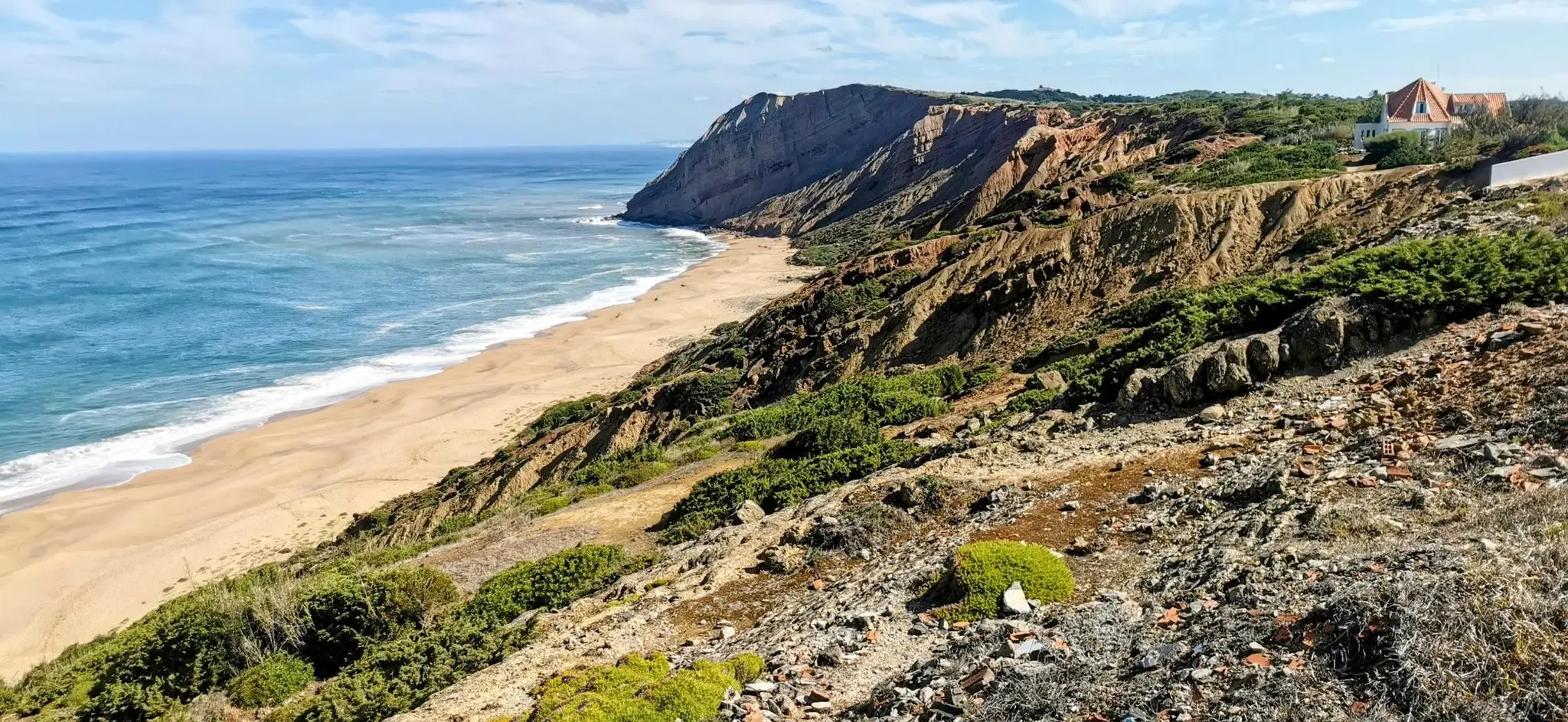
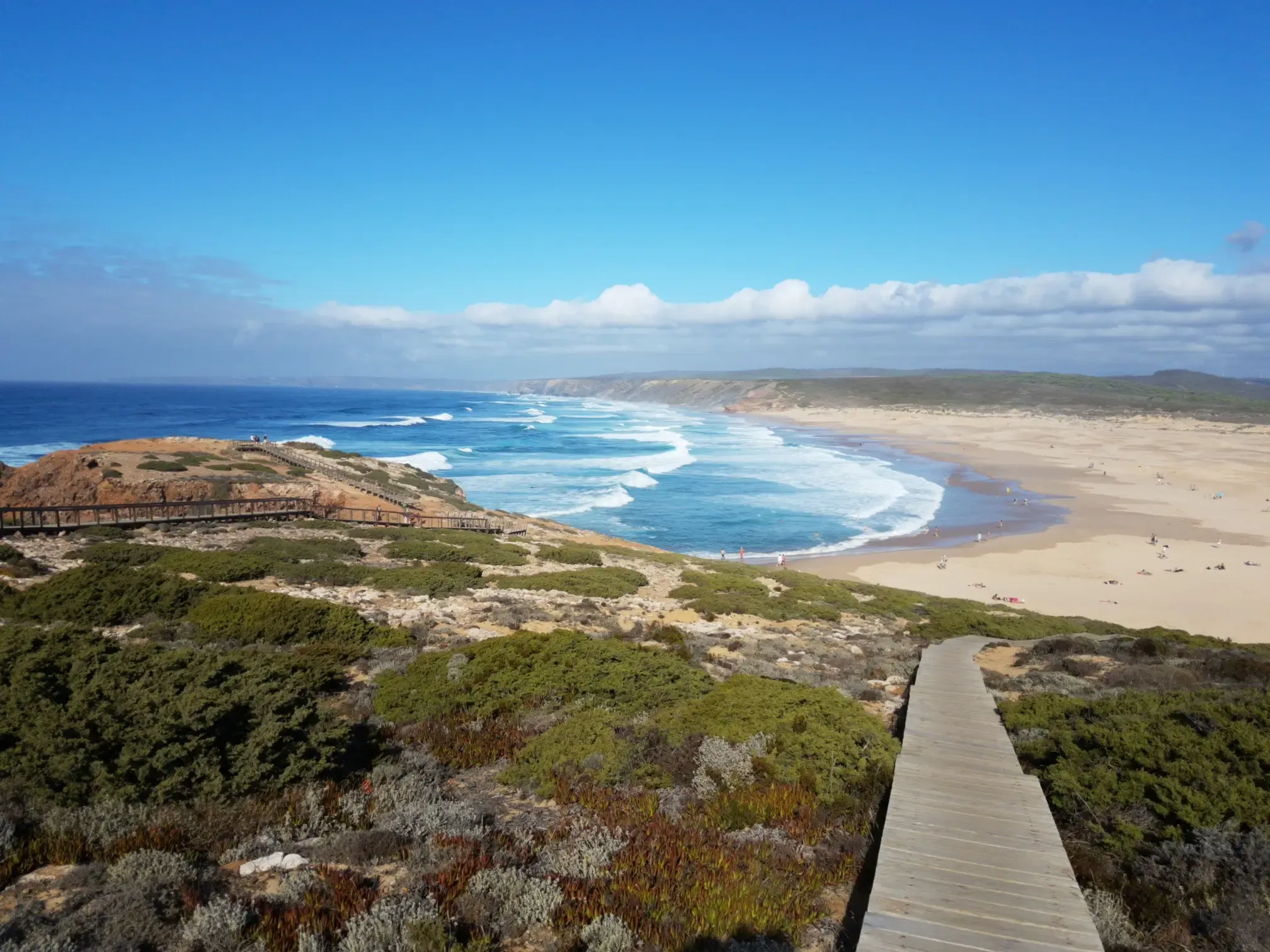
On foot or by bike, Arrábida is always a privilege of nature.👍🇵🇹
0
0

Don't miss the opportunity to sign the summit book. The summit book is located in the small plastic container with the green lid, covered with a stone.
2
0

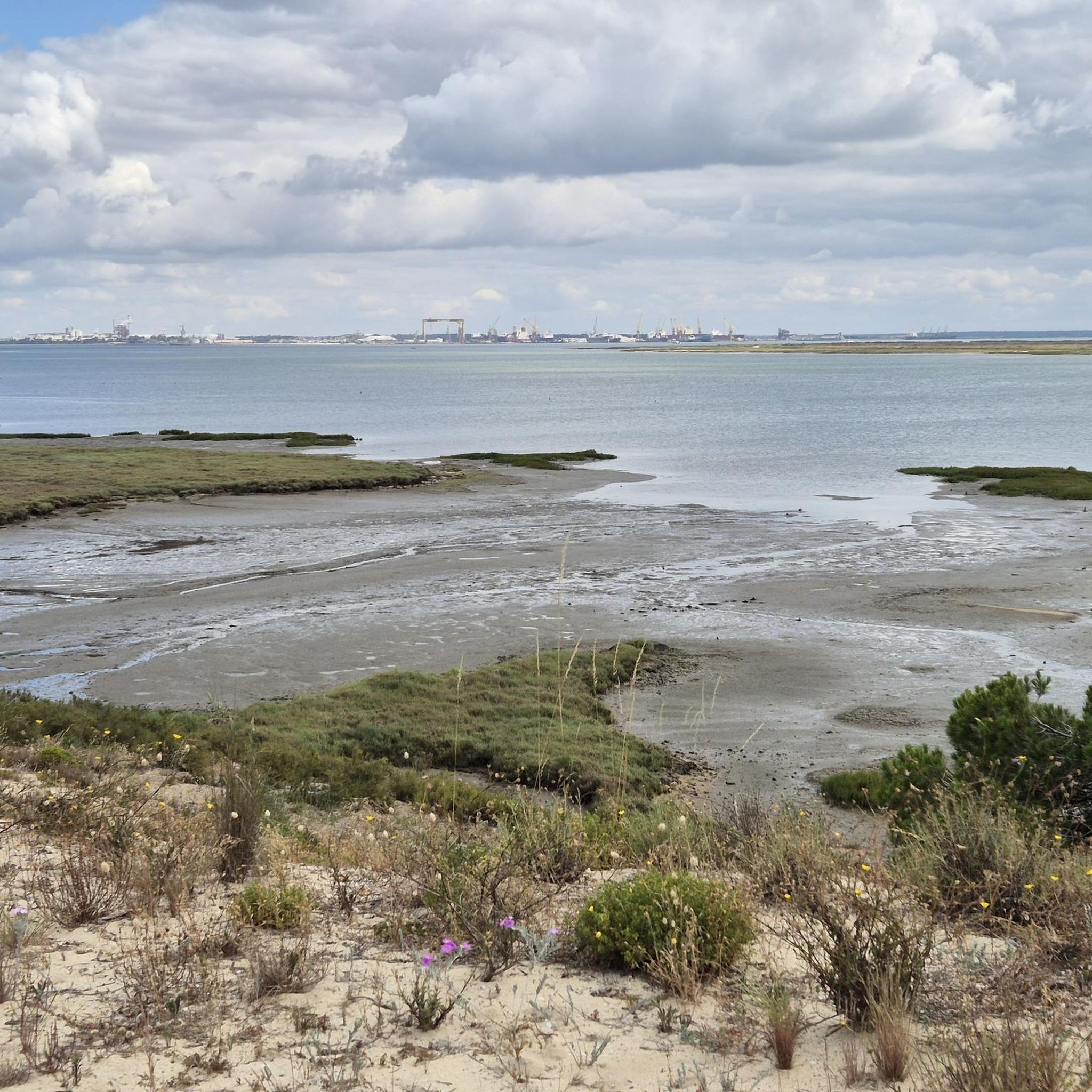
Carrasqueira is probably the most traditional of the small villages in Comporta. It is located 1:15 from Lisbon, on the banks of the mouth of the Sado River, opposite Setùbal. It is famous for its port on stilts, with old wooden mooring lines for the local fishing boats. Carrasqueira in Comporta also houses original fishing huts. Carrasqueira’s farmlands and estuary have been exploited by migrant workers who have settled in the traditional fishermen’s huts over the years. They have been preserved and used in this way for decades. They are also known as “Comporta cabanas” and are the inspiration for more recent constructions in the region that combine wood, traditional masonry and thatched roofs. These fishing huts are now protected and are part of Comporta’s historical heritage. The village of Carrasqueira has a large main street where most commercial activities are located. This includes restaurants, bars, cafes and some small general stores and supermarkets.
6
1
The chapel was probably built in the 17th or perhaps 18th century, as a place of Christian worship that, most likely, succeeded other previous cults, namely those related to water or even initiation rites linked to the idea of the rebirth of the soul.
4
0
Lapa de Santa Margarida is a natural grout at the base of Arrábida Mountain, where a small altar was erected. The access is done by a narrow path, with over 200 steps, until the sea level. Inside there is a Christian altar with some images and candles. The image of Saint Margaret was initially in this chapel, thus having given her name to this place.
4
0
This linear route runs along the northern and southern slopes of the Serra da Arrábida up to Portinho da Arrábida, passing through the highest point of the mountain range, Alto do Formosinho, marked with a geodesic marker at 501 metres. This route, which is of the highest level of difficulty, is the closest to mountaineering conditions, due to the steep incline and the characteristics of the terrain. It is one of the most charismatic routes in the region, due to its connection to the first settlements of Arrábida (Castelo dos Mouros rock formation) and the ancient pilgrimage candles of devotion to Our Lady of Arrábida, which are still maintained, due to the challenge of reaching the peak, through dense vegetation, areas of gravel and rock climbing, and also through the endless landscapes that connect the Sado estuary to the Tagus and the border between Finisterra and the ocean.
3
0
It is the highest point of the Serra da Arrábida and it is not easy to get up there!...
3
0
Frequently Asked Questions
What types of natural monuments can I explore in Grândola?
Grândola offers a diverse range of natural monuments, including challenging summits like Formosinho Peak, unique caves such as Lapa de Santa Margarida Cave and Chapel, and various viewpoints offering extensive vistas. You can also discover significant nature reserves like the Sado Estuary Nature Reserve, known for its rich biodiversity.
Where can I find the best panoramic views of the region?
For breathtaking panoramic views, visit São Luís Lookout, which offers extensive views of the Setúbal bay, Tróia, and the northern Arrábida hills. Another excellent spot is the Panoramic View over the Arrábida, providing stunning vistas over the Arrábida Natural Park and its surrounding historic villages.
Are there any natural monuments with historical or cultural significance?
Yes, the Lapa de Santa Margarida Cave and Chapel is a natural cave at the base of Arrábida Mountain with a small altar, representing a historical site of Christian worship. Access involves a path with over 200 steps, leading to this unique blend of natural and cultural heritage.
What outdoor activities can I do near the natural monuments in Grândola?
The Grândola region is ideal for various outdoor activities. You can explore numerous hiking trails, enjoy road cycling routes, or go for a run. For detailed routes and guides, check out the Hiking around Grândola, Road Cycling Routes around Grândola, and Running Trails around Grândola guides.
Where can I observe wildlife and unique ecosystems?
The Sado Estuary Nature Reserve is a significant natural heritage site known for its diverse bird species and unique estuarine ecosystem, offering excellent opportunities for wildlife observation. Additionally, the Melides Lagoon, with its small islands and rich biodiversity, is another important site for nature enthusiasts.
Are there challenging natural monuments for experienced adventurers?
Absolutely. Formosinho Peak, the highest point in the Serra da Arrábida at 501 meters, offers a very tough climb and an even tougher descent, making it a challenging experience for those seeking a high level of difficulty. The route involves dense vegetation, gravel, and rock climbing sections.
What is special about the Serra de Grândola?
The Serra de Grândola is characterized by vast cork oak forests, which are among the largest in the Alentejo region, boasting high ecological value and considerable biodiversity. It offers fantastic walking paths, opportunities for bird and butterfly observation, and hilly terrain with high vantage points. The Serra de Grândola tour is notable as the oldest marked short-route footpath in Portugal.
Can I find beaches or coastal natural areas in Grândola?
Yes, the Grândola region is renowned for its extensive and beautiful coastline, home to what is considered the largest stretch of beach in Portugal. Notable beaches and coastal areas include the Tróia Peninsula, Pego, Comporta, and Carvalhal, all popular for relaxation and seaside activities. The sand dunes at Tróia are particularly beautiful.
What do visitors enjoy most about the natural monuments around Grândola?
Visitors frequently praise the stunning views, especially from spots like São Luís Lookout, and the unique blend of nature and history found at sites like Lapa de Santa Margarida Cave and Chapel. The opportunity to experience diverse landscapes, from challenging peaks to serene estuaries and ancient forests, is also highly valued.
Is the Arrábida Natural Park accessible from Grândola's natural monuments?
Many of Grândola's natural monuments are located within or offer views of the Arrábida Natural Park. For instance, Formosinho Peak is the highest point in the Serra da Arrábida, and the Panoramic View over the Arrábida highlights the park's beauty and its surrounding historic villages like Azeitão.
What is the best time to visit the natural monuments in Grândola?
The best time to visit Grândola's natural monuments generally depends on your preferred activities. Spring (March to May) and autumn (September to November) offer pleasant temperatures for hiking and exploring the cork oak forests and hills. Summer is ideal for enjoying the extensive coastline and beaches, though it can be hot for strenuous inland activities.
Most popular attractions around Grândola

Get inspired with the komoot mobile app


Explore more
Extend your search for the best caves by checking out these guides of the top ones around Grândola:
