Top 9 Natural Monuments around Santa Maria Da Feira
Best natural monuments around Santa Maria Da Feira offer diverse landscapes, from coastal features to inland reserves. This region in northern Portugal provides opportunities to explore unique geological formations and serene natural areas. Visitors can experience a blend of historical context and preserved ecosystems, making it a compelling destination for outdoor appreciation. The area's natural attractions are well-suited for those seeking to connect with nature and engage in outdoor activities.
Best natural monuments around Santa Maria Da Feira
- The most…
Last updated: July 6, 2026
Chapel of Senhor da Pedra (Chapel of the Lord of the Rock)
Highlight • Religious Site
Translated by Google •
Tip by

Senhor da Pedra Chapel
Highlight • Religious Site
Translated by Google •
Tip by

Sign up now to discover places like this
Get recommendations on the best single tracks, peaks, & plenty of other exciting outdoor places.
Sign up for free
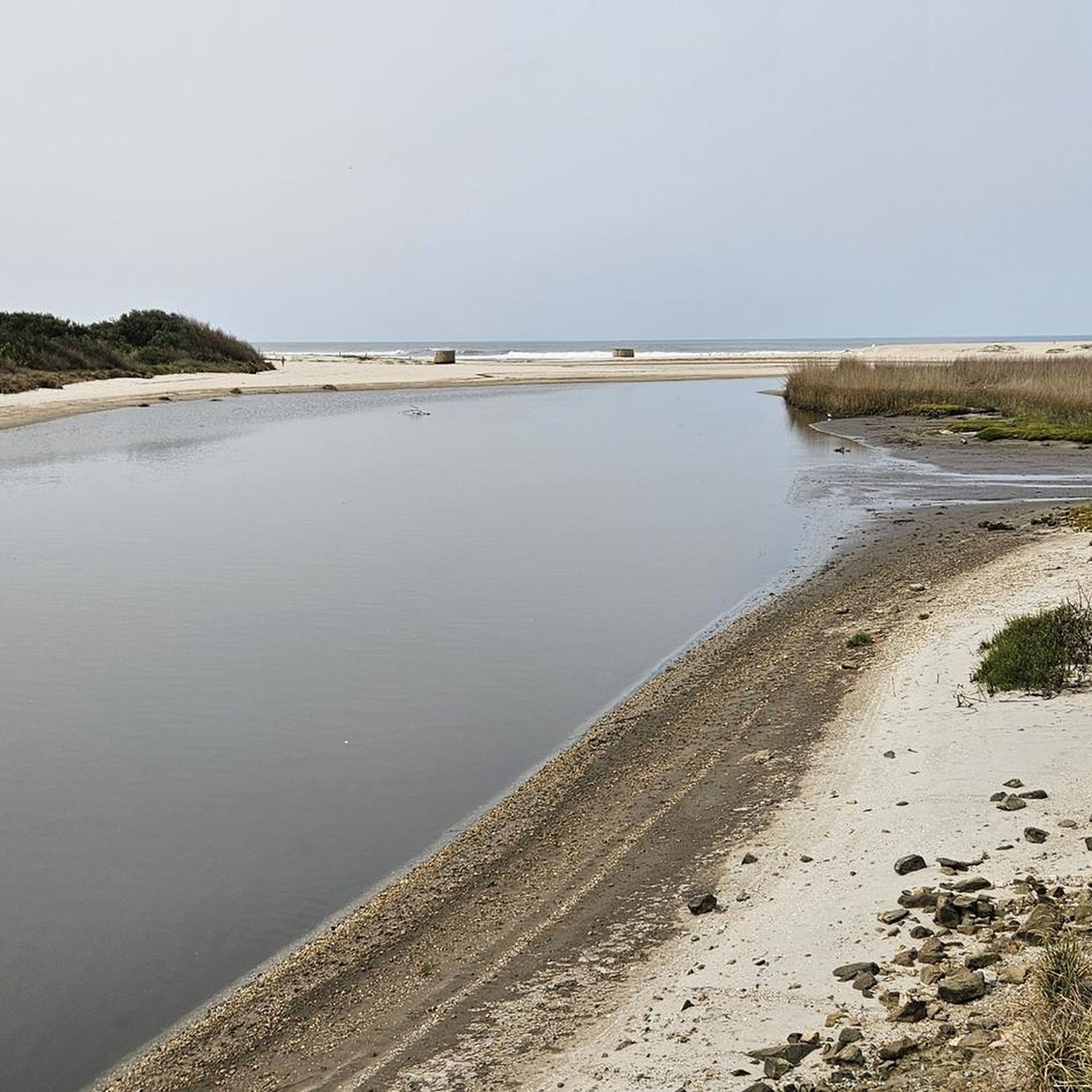
Ovar Canal 🌊 Aveiro Lagoon
Highlight • Lake
Translated by Google •
Tip by

Barrinha de Esmoriz Nature Reserve
Highlight • Lake
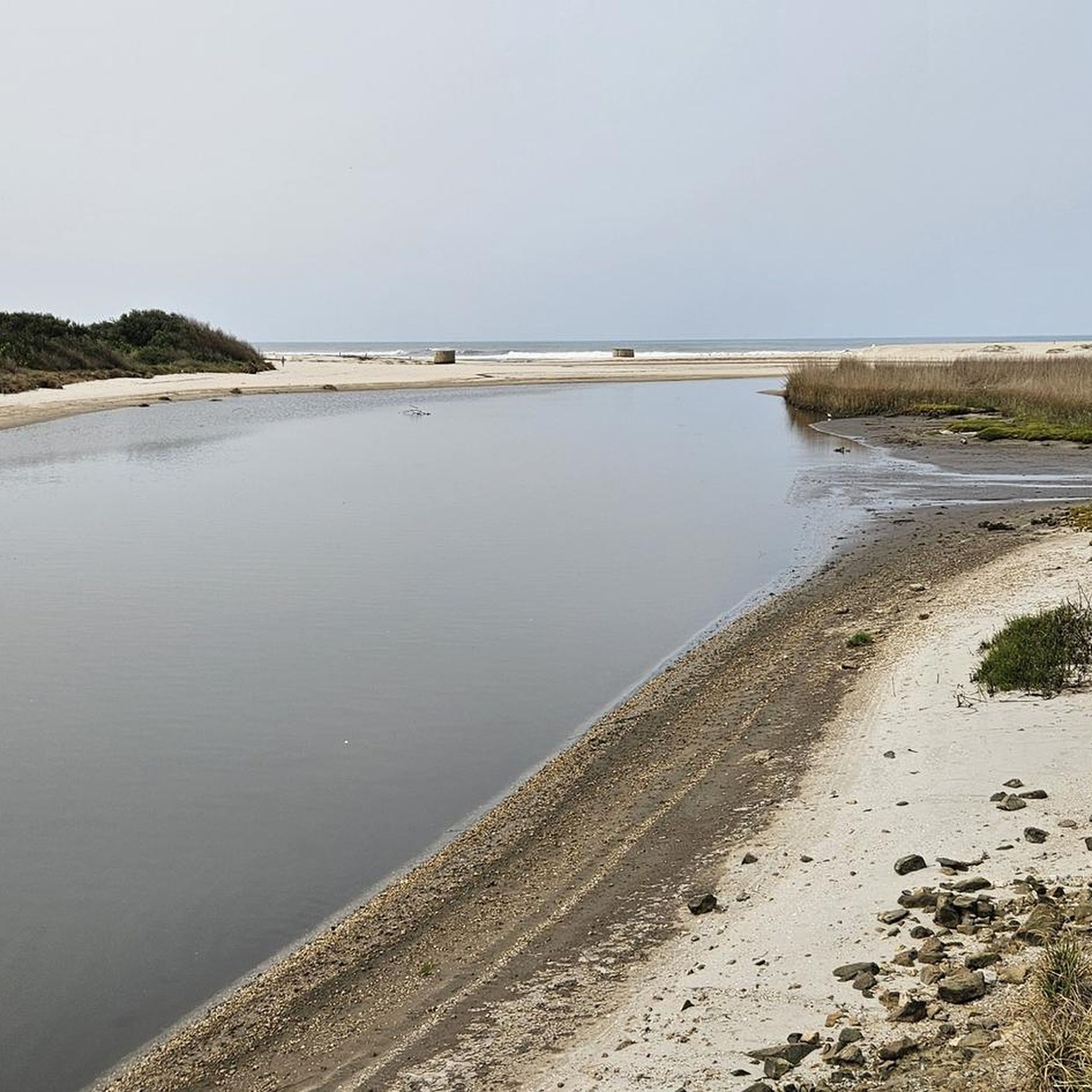
Wonderful circuit; to drive well with children. With beach access.
Translated by Google •
Tip by

Aguda Dunes Park
Highlight • Beach
Translated by Google •
Tip by

Sign up for free to discover even more natural monuments around Santa Maria Da Feira.
Sign up for free
Already have an account?
Start today with a free account
Your next adventure awaits.
Login or Signup
Tips from the Community

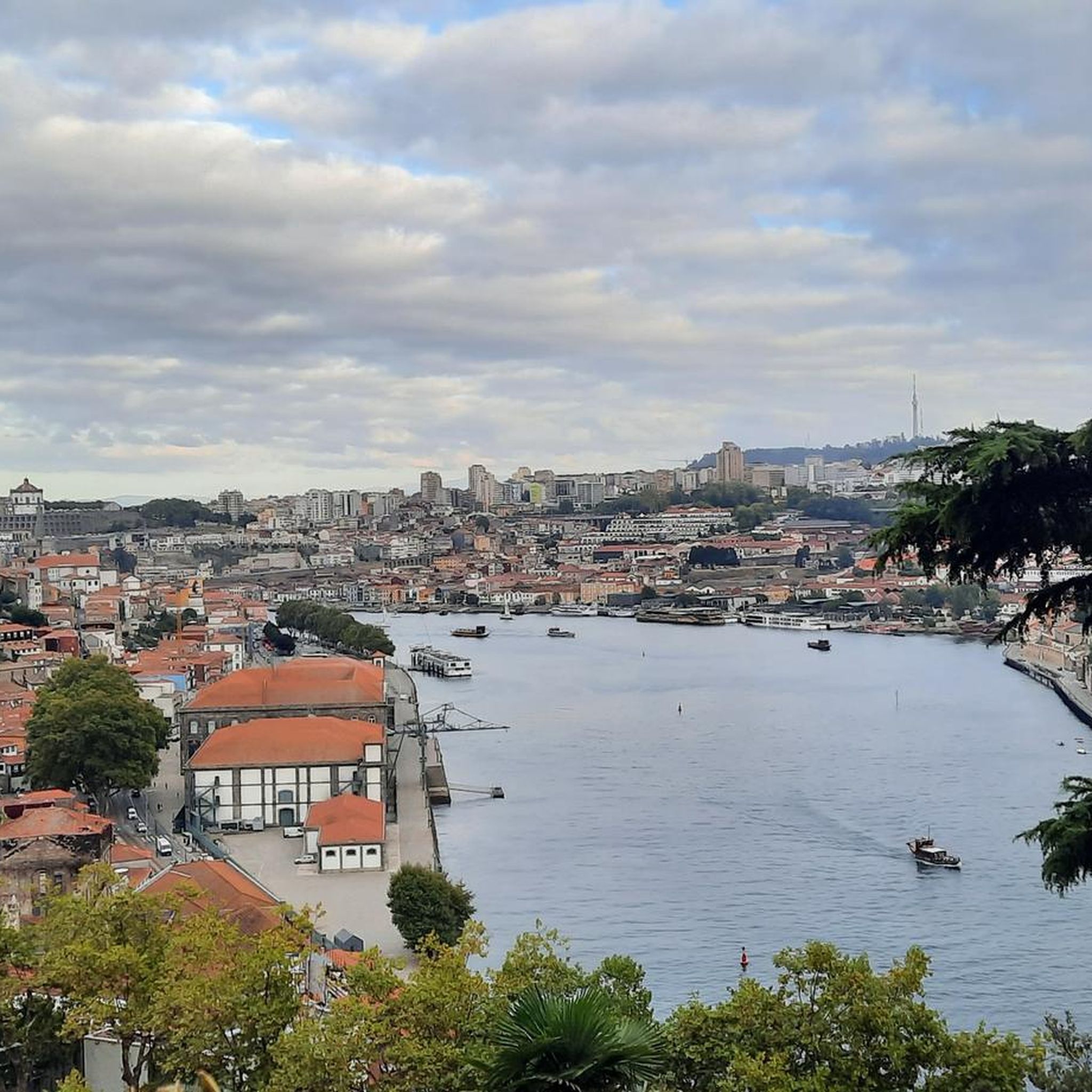
Cool view of a beautiful house
1
0

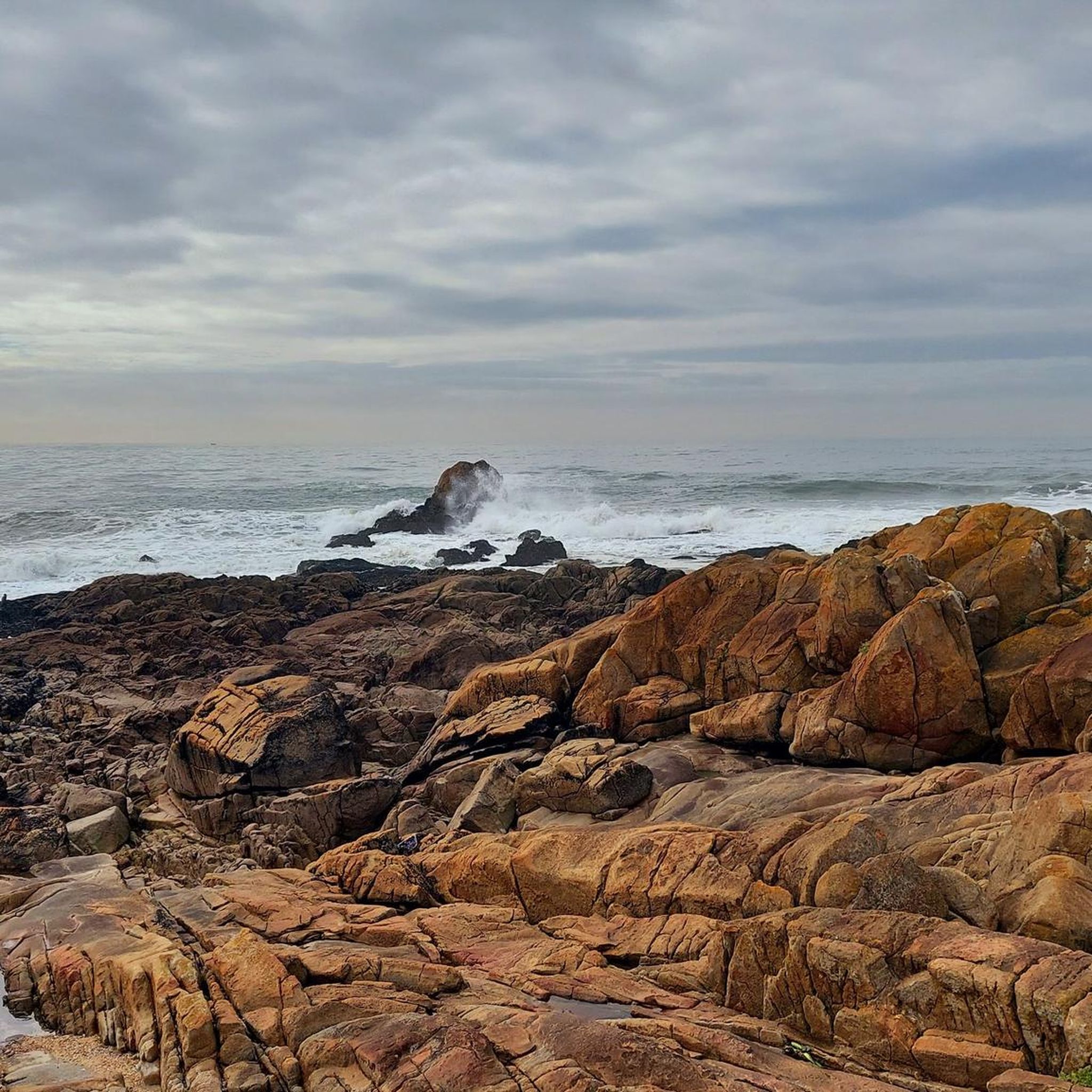
The Capela do Senhor da Pedra is one of Portugal's most iconic and photogenic chapels, located on a rocky promontory on Miramar Beach in Vila Nova de Gaia, about a 20-minute drive from downtown Porto.
1
0

I recommend it very beautiful
1
0

Stunning chapel on the beach – what is often overlooked is that this rock was a sacred place for worship for generations before christianity / catholicism built here. There is a real presence and energy about this place. Visit in the early morning to avoid the crowds, and enjoy a moment of quiet. Sunset is pretty much always busy here.
1
1

In the coastal village of Miramar, in Gulpilhares, Vila Nova de Gaia, stands a small chapel built on top of a rock, facing away from the sea. Small but monumental, fragile but strong, unreal and yet true, that is the beautiful Capela do Senhor da Pedra. Looking from afar, it seems as if the Atlantic will swallow it up on the first stormy night, but three centuries have passed since its construction, and it remains standing firm. Perhaps it is because of the rock on which it stands - a place of worship for over two thousand years. As the inscription on the tile mosaic framed at the entrance to the chapel attests, the giant stone originally housed a pagan temple, possibly Celtic. When Christianity arrived in Portugal, efforts were made to Christianise the territory and free it from its pagan roots. The site where the Capela do Senhor da Pedra now stands was then chosen to "reclaim" the land from heretics, but despite the conversion to the Christian faith, secret ceremonies linked to pagan worship still take place on full moon nights. It is said that it is common to find melted candles left by neo-pagan worshippers on the rocks and sand next to the chapel, but I did not see any.
0
0
The Chapel of Senhor da Pedra is located on Praia do Senhor da Pedra, in Gulpilhares, in the current parish of Gulpilhares and Valadares, in the Municipality of Vila Nova de Gaia, Porto District, in Portugal. The Chapel of Senhor da Pedra, built on a rocky massif, on the sands of Gulpilhares beach, was built on a rock by the sea in June 1763. It is believed that the origin of the cult at the Chapel of Senhor da Pedra may have its origins in an ancient pagan cult, of a naturalist nature, of pre-Christian peoples, whose deities were venerated in the midst of nature, having later been converted to Christianity.
1
0

The chapel was built later in 1673, causing the original nature cult to be eradicated by Christianity
8
0
It is believed that the origin of the cult in the Capela do Senhor da Pedra can have its origins in an ancient pagan cult, of a naturalistic nature, of pre-Christian people, whose gods were worshiped in full nature, after they were later converted to Christianity . Source Wikipedia
9
0
Frequently Asked Questions
What are some of the most unique natural monuments to visit near Santa Maria da Feira?
Beyond the coastal attractions, you can explore the unique geological formations in the Serra da Freita, part of the Arouca Geopark. Highlights include the Chapel of Senhor da Pedra, a chapel built on rocks in the sea, and the Pedras Boroas do Junqueiro, granite blocks with distinctive polygonal cracking resembling cornbread. The majestic Frecha da Mizarela Waterfall, one of Europe's largest, is also a must-see.
Are there family-friendly natural attractions around Santa Maria da Feira?
Yes, several natural monuments are suitable for families. The Barrinha de Esmoriz Nature Reserve offers wooden plank paths perfect for walks and bicycle rides, and it's an excellent spot for birdwatching. The Aguda Dunes Park also features accessible trails along the beach and inland, providing a fun environment for children to explore coastal ecosystems.
What kind of outdoor activities can I do near these natural monuments?
The region offers a variety of outdoor activities. You can enjoy hiking and running on trails that wind through diverse landscapes. For example, there are numerous hiking routes, including easy loops like the Amália Park trail, and running trails around areas like Lago da Quinta do Castelo. Mountain biking is also popular, with MTB trails connecting coastal parks and the Castle of Santa Maria da Feira.
What is the best time of year to visit the natural monuments near Santa Maria da Feira?
The best time to visit is generally during the spring (April to June) and early autumn (September to October) when the weather is mild and pleasant for outdoor activities. Summer can be warm, especially inland, but is ideal for enjoying coastal areas like Chapel of Senhor da Pedra and Praia Fluvial da Mâmoa. Winter offers a quieter experience, though some trails might be wet.
Are there any dog-friendly trails or natural areas in Santa Maria da Feira?
Many natural areas around Santa Maria da Feira are generally dog-friendly, especially those with open trails. For instance, the Parque das Ribeiras do Uíma offers riverside paths suitable for walks with your dog. When visiting, always ensure your dog is on a leash and that you clean up after them to preserve the natural environment for everyone.
Where can I find parking for natural monuments like Parque das Ribeiras do Uíma?
Parking availability varies by location. For popular spots like Parque das Ribeiras do Uíma, designated parking areas are usually available near main entrances or access points. For more remote natural monuments, roadside parking might be an option, but it's always advisable to check local signage and regulations.
What are the difficulty levels of hiking trails near Santa Maria da Feira's natural monuments?
Hiking trails range from easy to difficult. You can find easy, short loops suitable for families, such as the Amália Park trail (around 6 km). Moderate trails like the Pedestrian Bridge – Entrance to Parque da Chã loop (around 10 km) offer a bit more challenge. For experienced hikers, there are difficult routes, including longer running and MTB trails that explore more rugged terrain.
Can I reach natural monuments around Santa Maria da Feira using public transport?
While some natural monuments, especially those closer to urban centers or coastal towns, might be accessible via local bus routes, many of the more remote natural areas, particularly within the Serra da Freita, are best reached by car. It's recommended to check local bus schedules for specific destinations like Parque das Ribeiras do Uíma or coastal areas.
What kind of wildlife can I expect to see in the natural monuments of Santa Maria da Feira?
The diverse ecosystems support various wildlife. In coastal areas like the Barrinha de Esmoriz Nature Reserve, you can observe numerous bird species, as it's recognized as an Important Area for the Preservation of Birds. Inland, particularly in the Serra da Freita, you might encounter diverse flora and fauna, including rare peat bogs, various dragonfly species, and the Iberian frog.
Are there any cafes or restaurants near the natural monuments for refreshments?
Near more accessible natural monuments and parks, such as Parque das Ribeiras do Uíma or coastal areas like Aguda, you can often find cafes, restaurants, or small eateries. For natural monuments located in more remote or protected areas, especially within the Serra da Freita, amenities might be limited, so it's advisable to bring your own refreshments.
What do visitors enjoy most about the natural monuments around Santa Maria da Feira?
Visitors particularly appreciate the unique blend of natural beauty and historical context. The Chapel of Senhor da Pedra, with its extraordinary setting, is often highlighted. The extensive coastal natural parks like Aguda Dunes Park and the tranquil Barrinha de Esmoriz Nature Reserve are also highly rated for their scenic trails and opportunities for relaxation and birdwatching.
Are there any natural monuments with viewpoints offering panoramic views?
Yes, several natural monuments provide excellent viewpoints. The Chapel of Senhor da Pedra offers spectacular views of the Atlantic coast. Within the Serra da Freita, areas around the Frecha da Mizarela Waterfall provide dramatic vistas of the plunging cascade and the surrounding mountainous landscape.
What are the 'Pedras Parideiras' and where can I find them?
The Pedras Parideiras, or 'birthing stones,' are unique geological formations where small biotite schist nodules detach from a granitic rock, giving the impression of new stones being 'birthed.' While not directly within Santa Maria da Feira, they are a significant regional natural monument located in the Serra da Freita, within the Arouca Geopark, making them an interesting geological site to visit nearby.
Most popular routes around Santa Maria Da Feira
Most popular attractions around Santa Maria Da Feira

Get inspired with the komoot mobile app


Explore more
Extend your search for the best caves by checking out these guides of the top ones around Santa Maria Da Feira:
