Top 12 Natural Monuments around Malmö
Best natural monuments around Malmö include diverse natural areas and green spaces. The region is characterized by varied landscapes, from coastal marine reserves to inland forests and urban parks. These locations offer opportunities to experience local flora, fauna, and geological features. Malmö provides access to both managed parklands and ecologically significant natural reserves.
Best natural monuments around Malmö
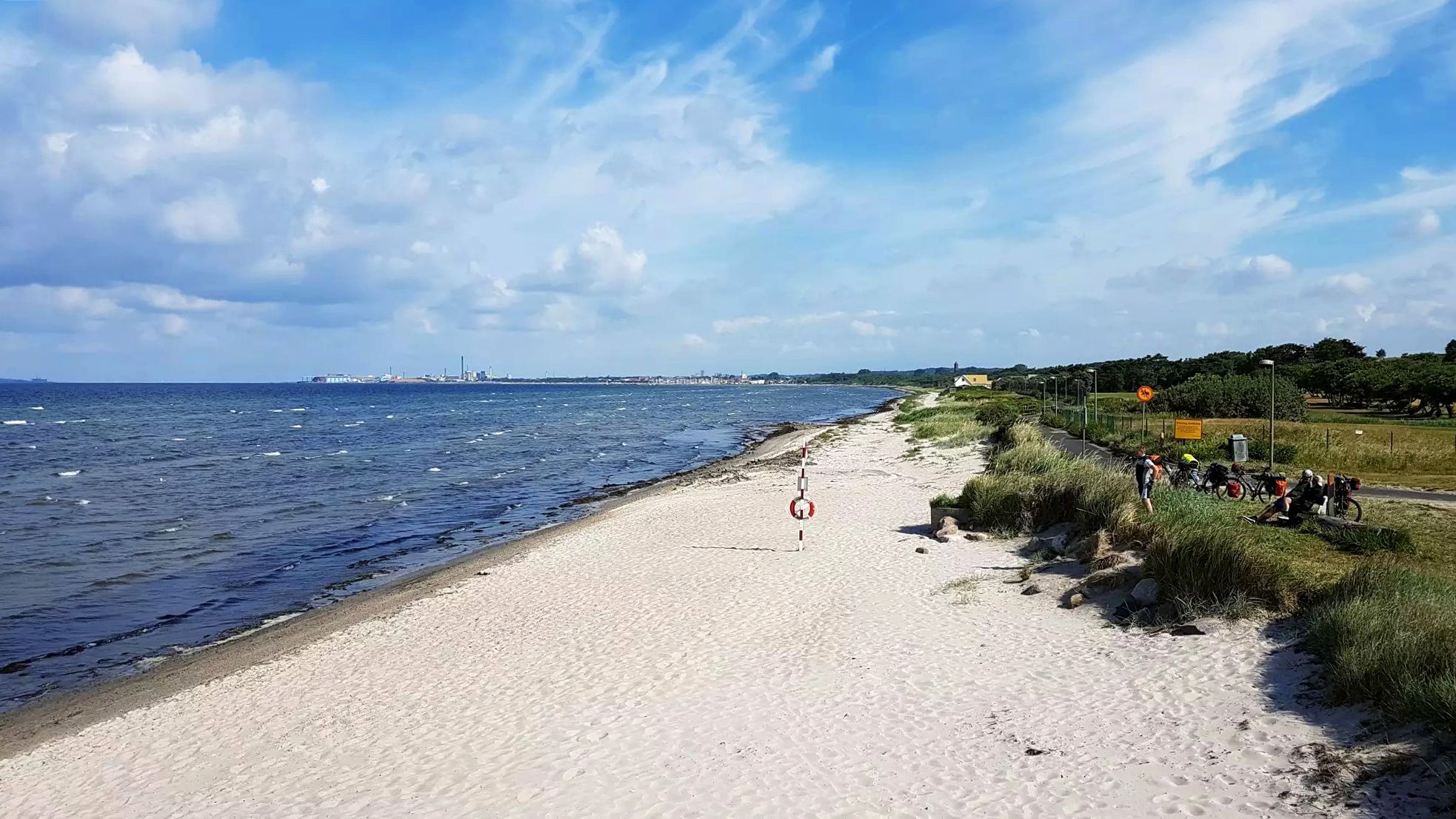
- The most popular natural monuments is Strandhusens Revlar Nature Reserve, a natural monument that protects shallow seabed and extensive seagrass beds…
Last updated: October 9, 2026
Strandhusens Revlar Nature Reserve
Highlight • Natural Monument
The sandy reefs along the Lomma coast are popular feeding and resting places for both migrating and resident seabirds. The shallow seabed is also an important nursery …
Translated by Google •
Tip by

Rinnebäcksravinen Nature Reserve
Highlight • Gorge
Rinnebäck ravine
Translated by Google •
Tip by

Sign up now to discover places like this
Get recommendations on the best single tracks, peaks, & plenty of other exciting outdoor places.
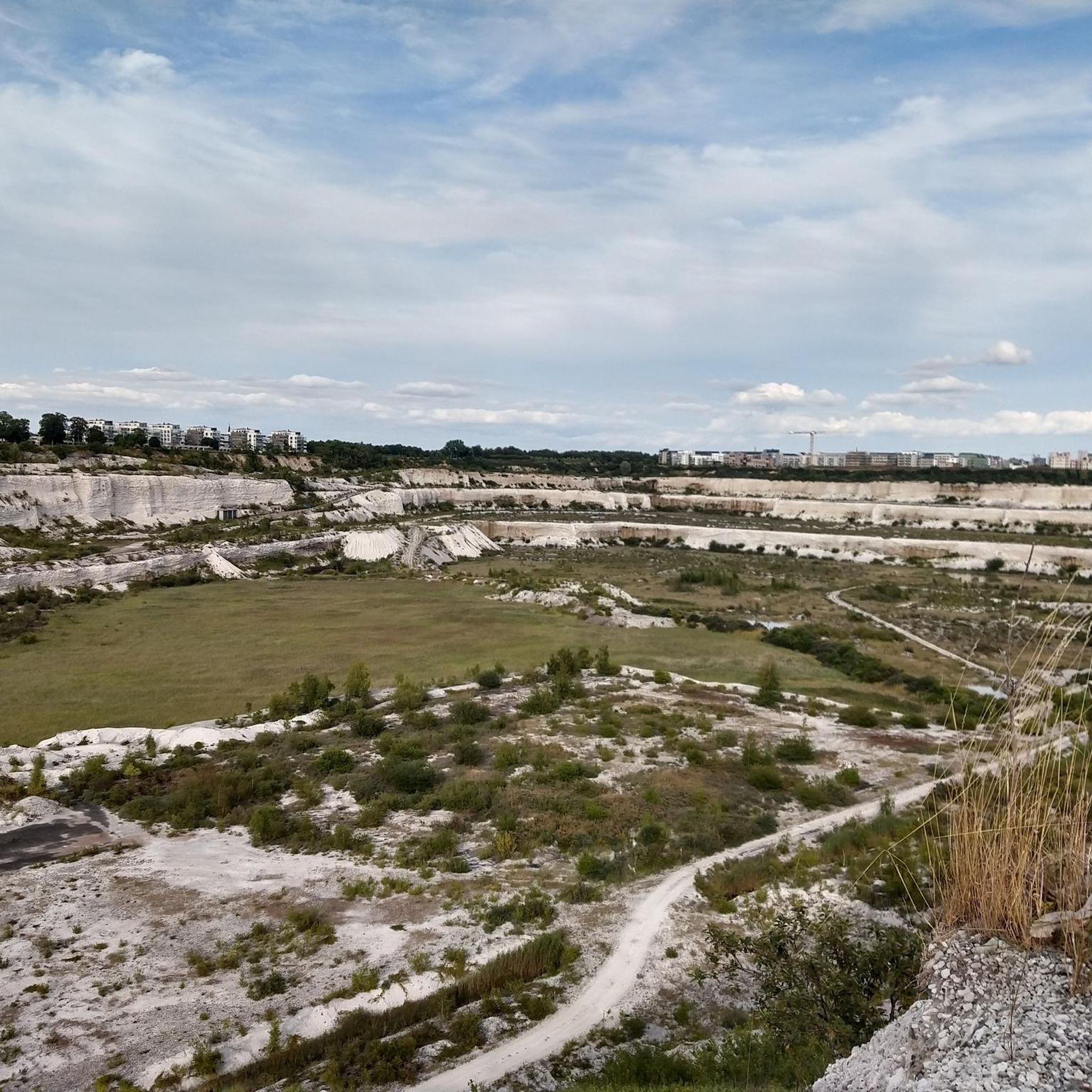
Limhamn Limestone Quarry
Highlight • Natural Monument
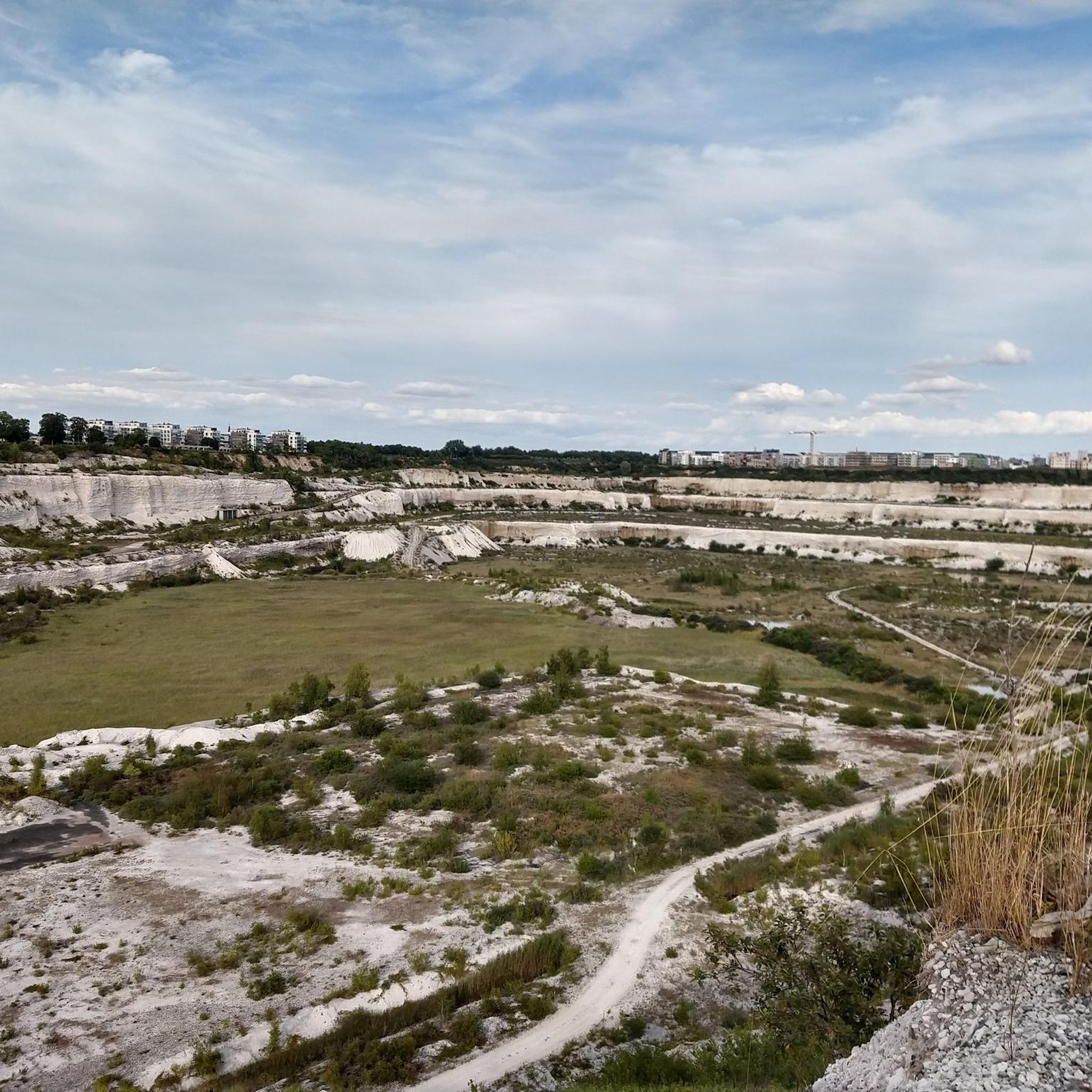
The quarry was opened in 1866, and it is one of the largest open-pit mines in Northern Europe, measuring …
Tip by

Grotto in Kungsparken
Highlight • Cave
guidebook-sweden.com/de/reisefuehrer/reiseziel/kungsparken-park-in-malmoe
Translated by Google •
Tip by

Öresund Fountain
Highlight • Monument
Translated by Google •
Tip by

Sign up for free to discover even more natural monuments around Malmö.
Already have an account?
Start today with a free account
Your next adventure awaits.

Other adventures around Malmö

Tips from the Community

Separated from the Schlosspark by the canal, here in the Königspark lies the entrance to the grotto. A beautiful green corner in the middle of the big city.
0
0

Can only run inside on the official event, but running around it or bike with gravel is nice.
0
0

Among other things, rock for the Jesus statue from Rio de Janeiro was mined from this pit.
0
0

Strandhusens revlar (en) The sandy reefs along the Lomma coast are popular feeding and resting places for both migrating and resident seabirds. The shallow seabed is also an important nursery for many flatfish and life thrives in the extensive seagrass beds. The Strandhusens Revlar marine reserve protects the shallow seabed and water including extensive beds of seagrass that grow along the coast. The water in Lommabukten is a typically brackish environment with a mix of salt and fresh water. The seagrass meadows grow at a depth of 1-12 meters and are a globally threatened habitat. They are important to a variety of species that forage here. The meadow area in particular is a tree nursery for several species. Life thrives here: beachhoppers (amphioda), lots of small laver scallops and Baltic woodlice. You can also find fry of small fish, sand gobies, fish of the Gobiidae family, garfish, as well as common shrimp. Cod and trout hunt in the upper layers of seagrass and closer to the bottom live cod, eel and Atlantic herring. The broad-nosed needle, which is a close relative of the seahorse, hides in the sea grass. Flatfish thrive on the bare mosaic sandbars surrounded by the seagrass stands. Beach crabs search for food and take cover under rocks. Several species of seabirds use the seagrass beds to forage. The seagrass mitigates erosion by binding sand and bottom sediment with its roots, while the leaf mass reduces wave energy reaching the beach. Vegetation absorbs nutrients and carbon dioxide from the water, mitigating the effects of eutrophication and climate change. Another important effect of the seagrass meadows is the stabilization of the bottom sediment, resulting in even clearer water. The purpose of the reserve is to protect and care for the valuable natural environment of the area and its biodiversity. It is important to ensure the survival of the seagrass beds and shallow seabed so that they can continue to support rich marine life.
1
0

Sculpture created in 1934 by Danish artist Gerhard Henning
5
4

The monuments tell the story of the town and there are several
4
1

Granite and bronze fountain by Gerhard Henning from 1934.
7
5
In Kungsparken you will find an old grotto, which was once the main attraction in the park. https://www.guidebook-sweden.com/de/reisefuehrer/reiseziel/kungsparken-park-in-malmoe
4
2
Frequently Asked Questions
What types of natural features can I explore around Malmö?
Malmö offers a diverse range of natural features. You can find coastal marine reserves with extensive seagrass beds, such as Strandhusens Revlar Nature Reserve, as well as inland forests like Bokskogen in Torup. The region also features unique geological formations, such as the gorge at Rinnebäcksravinen Nature Reserve, and former quarries like Limhamn Limestone Quarry that have transformed into natural areas.
Are there family-friendly natural areas to visit in Malmö?
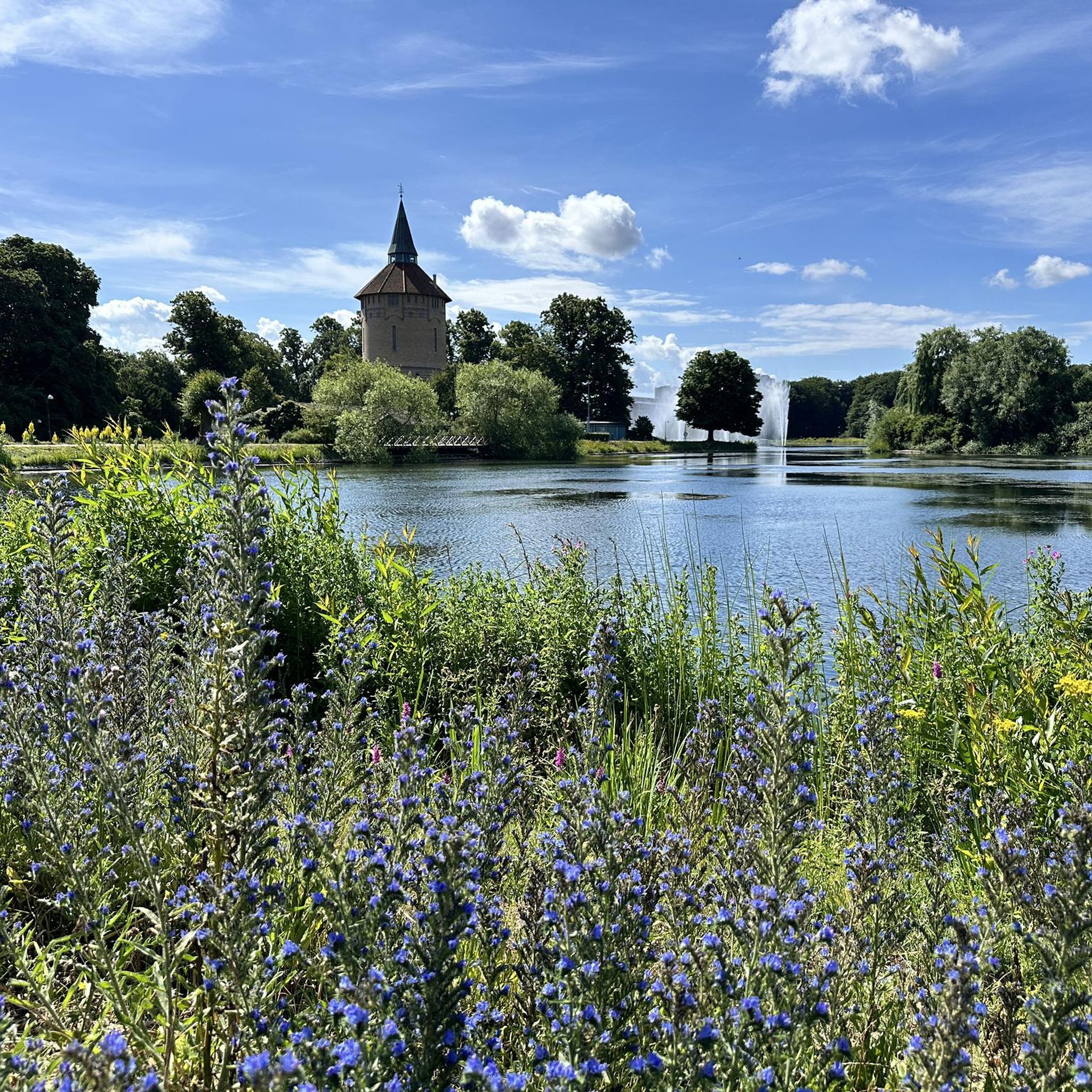
Yes, several natural areas around Malmö are great for families. Pildammsparken and Kungsparken are large urban parks with plenty of space for walks, picnics, and enjoying nature. Rinnebäcksravinen Nature Reserve is also considered family-friendly, offering an exciting geological landscape. The Arriesjön Recreation Area, with its short hiking trails and barbecue facilities, is another excellent choice for a family day out.
Where can I find good hiking trails near Malmö's natural monuments?
For hiking, Bokskogen (The Beech Forest) in Torup offers numerous scenic trails, some of which connect to the larger Skåneleden trail for extended exploration. The Rinnebäcksravinen Nature Reserve also has good walking and cycling routes around its unique gorge. Additionally, the Arriesjön Recreation Area provides shorter, accessible hiking paths.
What historical or cultural sites are integrated with Malmö's natural monuments?
The Limhamn Limestone Quarry is a significant historical site, once one of Northern Europe's largest open-pit mines, now a nature reserve. Kungsparken, an English-style park, is situated around Malmöhus Castle and features an old grotto, Grotto in Kungsparken, that was once a main attraction. Outside Malmö, Bokskogen is near the 16th-century Torup Castle and the Statarmuseet (museum), offering a blend of nature and history.
Are there any natural monuments around Malmö that are wheelchair accessible?
The Arriesjön Recreation Area, located about ten kilometers from Malmö, offers wheelchair-friendly paths, making it a good option for accessible nature experiences. Many urban parks like Pildammsparken and Kungsparken also feature paved paths suitable for wheelchairs.
What outdoor activities can I do near these natural monuments?
Beyond hiking, Malmö's natural surroundings are excellent for various outdoor activities. You can enjoy cycling through parks and along coastal paths, explore gravel biking routes, or tackle MTB trails. Pildammsparken is popular for jogging, while Dania Park offers a strong connection to the sea for waterfront activities and views. Arriesjön Recreation Area also provides fishing spots.
Which natural monuments offer the best views around Malmö?
While specific viewpoints are not always highlighted, areas like Dania Park offer beautiful landscapes and direct views of the waterfront. The hilly areas within the Arriesjön Recreation Area might also provide elevated perspectives. The Limhamn Limestone Quarry offers a unique visual experience with its vast depth and geological formations.
What is the best time of year to visit Malmö's natural monuments?
The warmer months, typically from spring to early autumn (May to September), are ideal for visiting Malmö's natural monuments. During this time, the parks are lush, and outdoor events are common in places like Pildammsparken. The extensive seagrass beds at Strandhusens Revlar Nature Reserve are vibrant, and the weather is pleasant for hiking and exploring.
Are there any dog-friendly natural areas or walks near Malmö?
Many of Malmö's parks and natural areas are dog-friendly, provided dogs are kept on a leash. The Rinnebäcksravinen Nature Reserve is frequented by dog owners. Bokskogen in Torup also offers extensive trails suitable for walks with dogs. Always check local regulations for specific areas.
What makes <a href="https://www.komoot.com/highlight/5028861" target="_blank" rel="noopener">Strandhusens Revlar Nature Reserve</a> unique?
Strandhusens Revlar Nature Reserve is a marine reserve protecting shallow seabed and extensive seagrass beds along the Lomma coast. It's crucial for migrating and resident seabirds and serves as an important nursery for various marine life, including flatfish. This globally threatened habitat plays a vital role in mitigating erosion and absorbing nutrients.
How can I reach natural attractions near Malmö using public transport?
Many urban parks like Pildammsparken and Kungsparken are easily accessible within Malmö by public transport. For Rinnebäcksravinen Nature Reserve, there is a bus connection in Värpinge By, making it convenient to reach. For areas slightly further out, like Bokskogen or Arriesjön, local bus services are often available, though checking specific routes and schedules is recommended.
What do visitors enjoy most about Malmö's natural monuments?
Visitors appreciate the tranquility and natural beauty offered by Malmö's green spaces. The opportunity for relaxation, walks, and enjoying diverse flora and fauna in places like Pildammsparken and Kungsparken is highly valued. The unique geological features of Rinnebäcksravinen Nature Reserve and the historical significance of Limhamn Limestone Quarry also draw significant interest. The komoot community has shared more than 8 photos and given over 125 upvotes, highlighting the appeal of these areas.
Most popular attractions around Malmö

Get inspired with the komoot mobile app


Explore more
Extend your search for the best caves by checking out these guides of the top ones around Malmö:
