Top 20 Natural Monuments around Gotland
Best natural monuments around Gotland are primarily shaped by its Silurian limestone bedrock, a geological history stretching back millions of years. Gotland, Sweden's largest island, features unique natural monuments, including iconic sea stacks and diverse ecosystems. The island boasts over 100 nature reserves, showcasing landscapes from barren sea stack fields to lush forests. These geological formations offer compelling reasons to explore the island's natural beauty.
Best natural monuments around Gotland
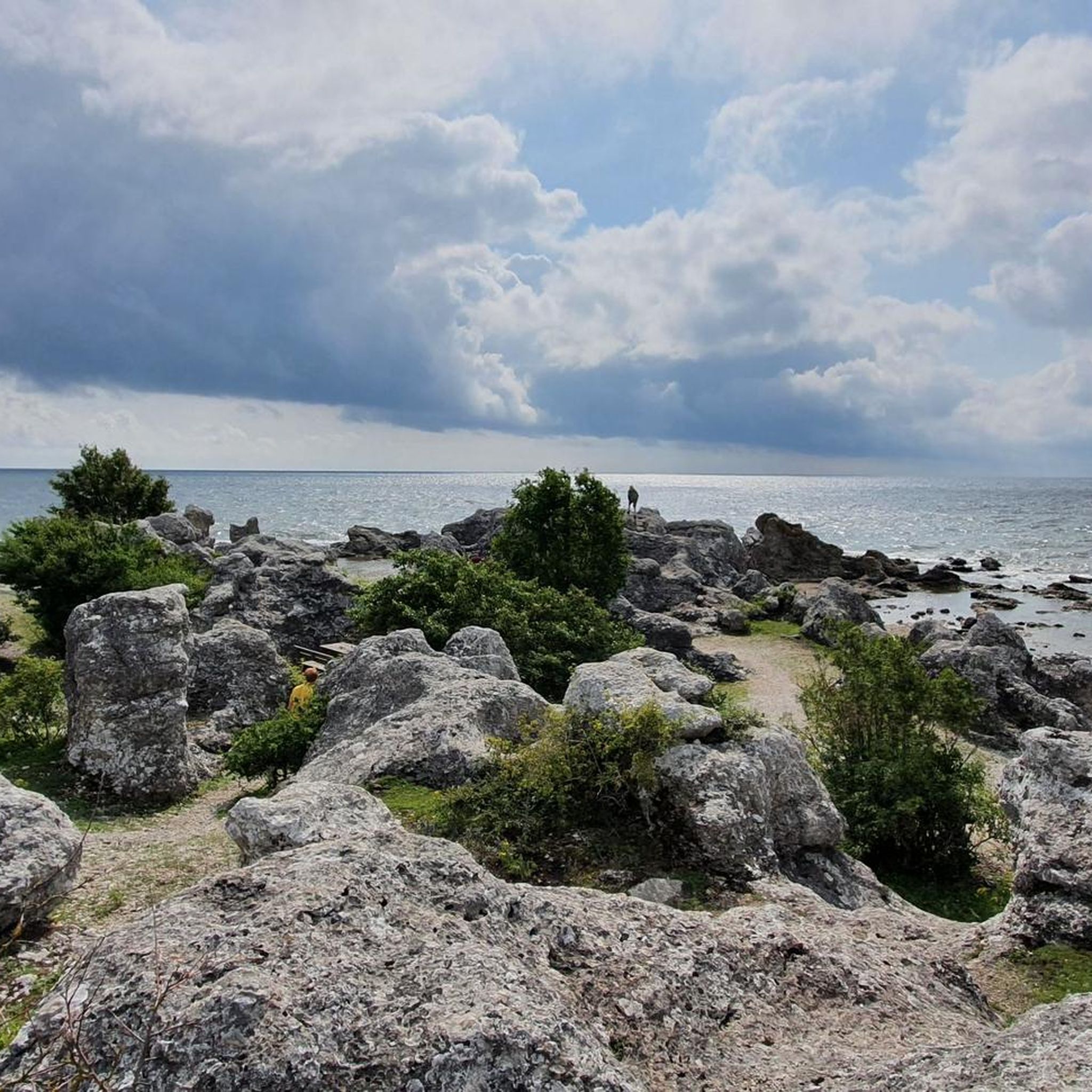
- The most popular natural monuments is Langhammars Sea Stacks, a natural monument home to around 50 free-standing limestone pillars. These formations, sculpted by natural erosion, reach heights of eight to ten meters along a pebble beach.
- Another must-see spot is The Dog Raukar (Hundrauken), a natural monument featuring rock formations that originated in the tropical climate of the Silurian period. These impressive structures are evidence of Gotland's unique geological past.
- Visitors also love Hoburgsgubben Rock Formation, a natural monument located at the southernmost tip of Gotland. This famous rauk is known for its resemblance to a man's head from a specific viewpoint.
- Gotland is known for its rauks (sea stacks), caves, and bird sanctuaries. The island offers a variety of natural monuments to see and explore, from towering limestone formations to rich habitats.
- The natural monuments around Gotland are appreciated by the komoot community, with 73 upvotes and 72 photos shared by visitors.
Last updated: August 16, 2026
Langhammars Sea Stacks
Highlight • Natural Monument
With a size of 479 hectares, Langhammar's nature reserve protects not only the rocket area but also the overall special landscape of the peninsula, which shows several different natural forms in a relatively limited space. These include the vegetationless and up to 300 meters wide fossil pebble beaches and beach ridges along the coast, as well as the interior of the peninsula, whose treeless vegetation is characterized by centuries of grazing with sheep.
Translated by Google •
Tip by

The Dog Raukar (Hundrauken)
Highlight • Natural Monument
There is something mystical about the rock formations, which originated in the tropical climate of the Silurian period 400 million years ago. The coral reefs of that time gave rise to a limestone plateau, which gave Gotland a unique landscape and flora. Last but not least, the Raukensteine are impressive evidence of the fact that Gotland's nature is still very different from that of Sweden today.
The Raukar were formed by the washing out and erosion of soft rock layers over millions of years. The elements raged particularly along the coastal areas and literally rubbed the stone away. What remained are hard pieces of limestone that form bizarre shapes and figures. In various areas of Gotland, entire "raukar fields" invite you to take a walk through the history of the earth. The raukar, which can be up to ten meters high, are not only found on the border between land and sea - remarkable stone colossi can also be discovered further inland.
Because people have always viewed the raukar with imagination and superstition, many of the stone formations have been "baptized". For example, "the dog", "the maiden", "the old man" and "the gate" can be found scattered across the islands. Even the botanist Carl von Linné saw "ghosts and devils" in the stone steles by the sea in the 18th century.
schwedenstube.de/mystisch-und-bizarr-die-raukar-auf-gotland
Translated by Google •
Tip by

Sign up now to discover places like this
Get recommendations on the best single tracks, peaks, & plenty of other exciting outdoor places.
Sign up for free
Hoburgsgubben Rock Formation
Highlight • Natural Monument
Translated by Google •
Tip by

Linné's Cave
Highlight • Cave
Tip by

Närsholmen Lighthouse
Highlight • Monument
Närsholmen has a unique environment and you can experience that you are at completely different latitudes than on Goland. Peaceful and with a rich bird life. The smell of the sea and the sound of the waves crashing against the edge of the stand.
Närs lighthouse is located on the peninsula. It is a place with a peculiar character, savannah-like nature and interesting history of life in the 19th century.
När lighthouse is a very well-preserved 19th century environment in special surroundings. Närsholmen became a nature reserve in 1986 and the lighthouse is a state monument since 2008. There are several unusual plants and many different bird species nest on the site, some parts of the island are bird protection areas and may not be walked between March 15 and July 15.
The lighthouse is being built on Närsholmen. A couple of hundred years ago, Närsholmen's southernmost cape was an island. On that cape there was then a beacon, a kind of beacon that in the 19th century was updated to a pole, another beacon. During the summer of 1872, the lighthouse, a couple of dwelling houses for the lighthouse people and some outbuildings were built. The tower was designed by four engineers G E Höjer and A T Gellerstedt. Engineer John Höjer was the construction manager. The lighthouse came from France and was powered by a large plumb line that had to be pulled up at regular intervals. In 1874, the cold-walled (without mortar) stone wall around the lighthouse was built by a farmer in the area.
In 1961, the lighthouse was automated with electric / valley lights. 90 years of lighthouse keeping on When was to end.
Tip by

Sign up for free to discover even more natural monuments around Gotland.
Sign up for free
Already have an account?
Start today with a free account
Your next adventure awaits.
Login or Signup

Other adventures around Gotland

Tips from the Community

Superb view of the cliffs. It's bearable here.
1
0


Linné's cave, one of several caves on the northwest side of Torsburgen's inland cliff, measures twelve meters in height and five meters in depth, accessible via a staircase along the cliff wall. The cave's name and the origin of the term "rind hole" for its roof opening remain unclear, despite Linnaeus visiting Torsburgen in 1741. During his visit, Linnaeus observed that the plateau was nearly devoid of forest due to a great fire in 1655, but it's uncertain whether he actually explored the cave named after him.
1
0

A true natural spectacle can be seen on the islands of Gotland and Fårö. The Raukar - or Raukensteine - delight naturalists and geologists, but also inspire artists such as Ingmar Bergman, who made his home on the Swedish Baltic islands. There is something mystical about the rock formations, which originated in the tropical climate of the Silurian period 400 million years ago. The coral reefs of that time gave rise to a limestone plateau, which gave Gotland a unique landscape and flora. Last but not least, the Raukensteine are impressive evidence of the fact that Gotland's nature is still very different from that of Sweden today. The Raukar were formed by the washing out and erosion of soft rock layers over millions of years. The elements raged particularly along the coastal areas and literally rubbed the stone away. What remained are hard pieces of limestone that form bizarre shapes and figures. In various areas of Gotland, entire "raukar fields" invite you to take a walk through the history of the earth. The raukar, which can be up to ten meters high, are not only found on the border between land and sea - remarkable stone colossi can also be discovered further inland. Because people have always viewed the raukar with imagination and superstition, many of the stone formations have been "baptized". For example, "the dog", "the maiden", "the old man" and "the gate" can be found scattered across the islands. Even the botanist Carl von Linné saw "ghosts and devils" in the stone steles by the sea in the 18th century. https://schwedenstube.de/mystisch-und-bizarr-die-raukar-auf-gotland/
2
0

One of the main destinations on Fårö.
1
2
One of the classic destinations on Fårö: the “Dog” rock formation/rock.
1
0

Hoburgen is a rauk (sea stack) area on the Storsudret peninsula in Sundre socken on the southern tip of Gotland, Sweden. Hoburgsgubben ("Old Man Hoburg") a noted sea stack formation in the southernmost part of Hoburgen, Gotland. The area contains one of Gotland's most noted rauks, the Hoburgsgubben ("Old Man Hoburg").[1] One of the asteroids in the asteroid belt, 10104 Hoburgsgubben, is named after it.[2] South of Hoburgen is the Hoburg Shoal bird reserve.[3] Hoburgen is also one of the permanent weather stations along the Swedish coast. It is reported from daily in the Swedish Shipping Forecast.
0
0
A mystical place with amazing rock formations, I've never seen anything like it before 🤙
1
0
Frequently Asked Questions
What are the most iconic natural monuments to see in Gotland?
Gotland is famous for its unique geological formations. Among the most iconic are the Langhammars Sea Stacks on Fårö, known for their dramatic limestone pillars sculpted by erosion. Another must-see is the Hoburgsgubben Rock Formation at the island's southern tip, famous for its resemblance to a man's head from a specific viewpoint. These rauks offer a glimpse into Gotland's ancient marine past.
Are there any family-friendly natural monuments in Gotland?
Yes, several natural monuments in Gotland are suitable for families. The Dog Raukar (Hundrauken) is a great spot, where children can enjoy identifying the animal-like rock formations. The Lummelunda Cave, north of Visby, offers guided tours through its impressive chambers, providing an exciting and educational experience for all ages. Additionally, the open landscapes of Närsholmen are perfect for easy walks and birdwatching.
What unique geological features can I explore in Gotland?
Gotland's geology is truly unique, primarily shaped by its Silurian limestone bedrock. You can explore the iconic rauks, which are limestone sea stacks formed by millennia of erosion. Beyond the rauks, the island features extensive cave systems like Lummelunda Cave and Linné's Cave, carved by underground streams. These formations often contain abundant fossils, offering a fascinating look into the island's ancient tropical past.
What is the best time of year to visit Gotland's natural monuments?
The best time to visit Gotland's natural monuments is generally during the warmer months, from late spring to early autumn (May to September). During this period, the weather is pleasant for exploring coastal areas, hiking, and visiting attractions like Stora Karlsö. The island's unique flora, including rare orchids, is also in bloom during spring and early summer, adding to the natural beauty.
Are there opportunities for hiking or walking near these natural monuments?
Absolutely! Gotland offers numerous hiking and walking opportunities near its natural monuments. For instance, you can find easy trails around the rauk fields like Langhammars and Folhammar. The Ekstakusten nature reserve provides beautiful coastal walks with views of the Karlsöarna islands. For more options, explore the Hiking around Gotland guide, which includes routes like the easy Närsholmen Naturreservat trail.
What kind of wildlife or birdwatching opportunities are available?
Gotland is a haven for wildlife, especially birds. Stora Karlsö, a limestone island southwest of Gotland, is one of the Baltic Sea's most important bird sanctuaries, home to thousands of nesting seabirds. Närsholmen, with its savanna-like landscape, is also a significant bird habitat. Both locations offer excellent birdwatching opportunities, particularly during migration seasons.
Can I find any historical or cultural sites alongside the natural monuments?
Yes, Gotland's natural landscapes often intertwine with its rich history. Stora Karlsö, for example, is not only a bird sanctuary but also has a history dating back to the Stone Age and features a historic lighthouse. The Torsburgen area, near Linné's Cave, hosts one of the largest ancient castles in the Nordic region, offering a blend of natural and historical exploration.
What are some lesser-known natural monuments or 'hidden gems' in Gotland?
While Langhammars and Hoburgsgubben are well-known, consider visiting Folhammar on the east coast for equally impressive sea stacks that emerge directly from the land and water. The Jungfrun Nature Reserve is another excellent choice, known for having some of the tallest sea stacks in Gotland. These spots offer a slightly quieter experience while showcasing the island's distinctive geology.
Are there cycling routes that pass by Gotland's natural monuments?
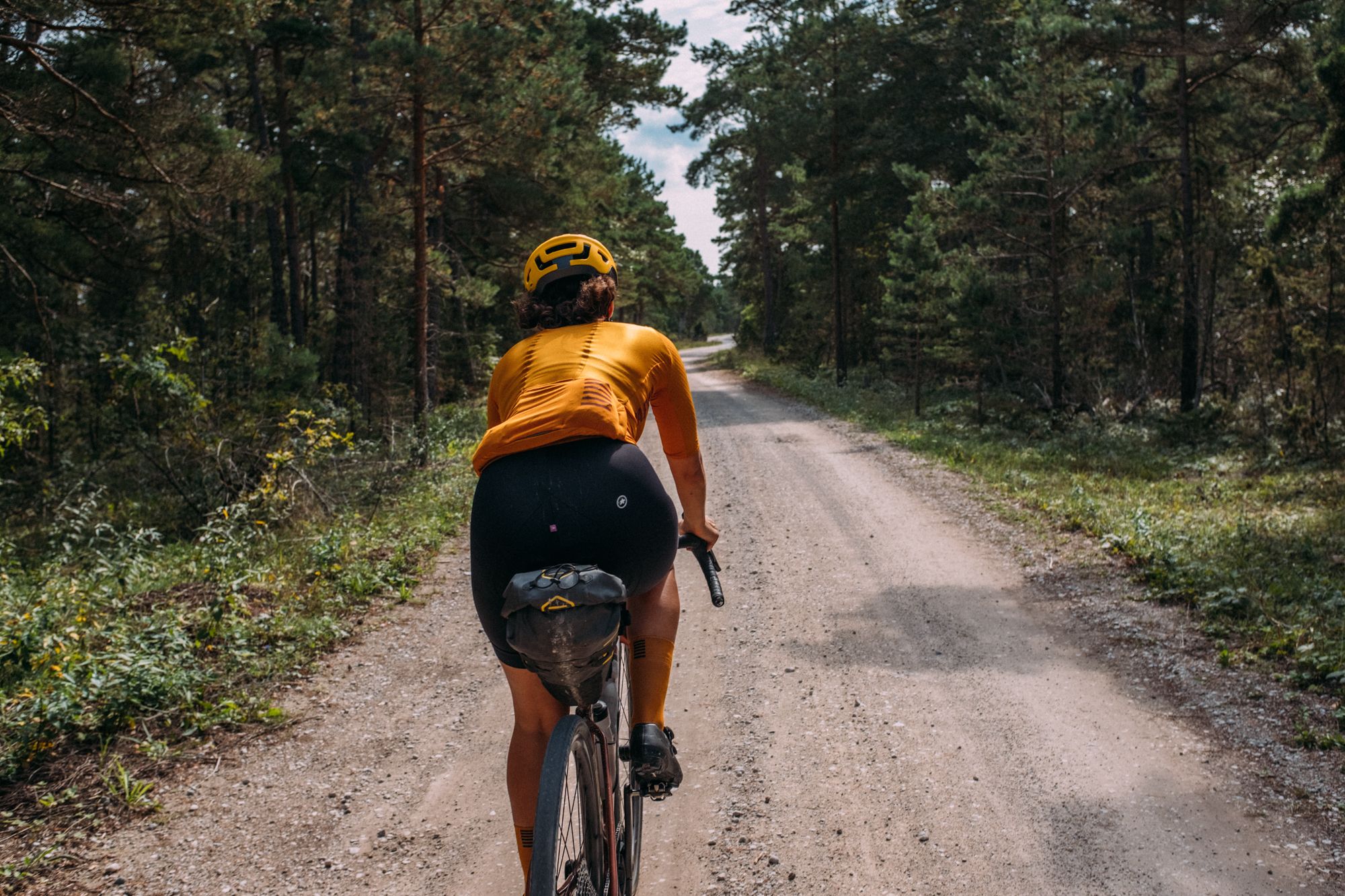
Yes, Gotland is great for cycling, with routes that take you past many natural attractions. You can find gravel biking routes that explore coastal areas and natural reserves. For example, the Gravel biking around Gotland guide features routes like the 'Cliffs of Gotland – Fishermen's Village of Gotland loop' which offers scenic views and access to the island's unique landscapes.
What do visitors typically enjoy most about Gotland's natural monuments?
Visitors are often captivated by the mystical and bizarre rock formations, especially the rauks, which evoke a sense of ancient history and natural artistry. Many appreciate the spectacular photographic opportunities, particularly at dawn and dusk. The diverse landscapes, from barren sea stack fields to lush forests and unique ecosystems, also provide a profound connection to nature and a chance to witness the powerful forces of erosion at work.
How were Gotland's unique rauks and caves formed?
Gotland's rauks (sea stacks) and caves are primarily formed from Silurian limestone, which originated over 400 million years ago when the island was a coral reef in a tropical sea. The rauks were sculpted by natural erosion from wind and waves over thousands of years, particularly after the last Ice Age, as softer rock layers were worn away, leaving behind the harder limestone pillars. Caves like Lummelunda were carved by underground streams dissolving the limestone over geological time.
Most popular routes around Gotland
Most popular attractions around Gotland

Get inspired with the komoot mobile app


