Top 6 Natural Monuments around Saint-Geniez-D'Olt-Et-D'Aubrac
Best natural monuments around Saint-Geniez-D'Olt-Et-D'Aubrac are found where the Lot Valley meets the Aubrac plateau. This region offers access to a rich natural heritage, showcasing diverse geological formations and serene landscapes. The area is characterized by high-altitude pastures, wild moorlands, and granite-strewn soils, providing extensive panoramas. It is part of the Aubrac Natural Regional Park, highlighting its preserved environment.
Best natural monuments around Saint-Geniez-D'Olt-Et-D'Aubrac
- The most popular natural monument is Cascade du Déroc, a waterfall where the Ganbaïse stream…
Last updated: July 6, 2026
Cascade du Déroc
Highlight • Waterfall
Translated by Google •
Tip by

Basalt Columns of the Ruisseau des Plèches
Highlight • Natural Monument
Translated by Google •
Tip by

Sign up now to discover places like this
Get recommendations on the best single tracks, peaks, & plenty of other exciting outdoor places.
Sign up for free
Signal de Mailhebiau
Highlight • Summit
Translated by Google •
Tip by
Climb up to Croix de la Roda
Highlight (Segment) • Climb
Tip by

Touzes Waterfall
Highlight • Waterfall
Translated by Google •
Tip by

Sign up for free to discover even more natural monuments around Saint-Geniez-D'Olt-Et-D'Aubrac.
Sign up for free
Already have an account?
Start today with a free account
Your next adventure awaits.
Login or Signup
Popular around Saint-Geniez-D'Olt-Et-D'Aubrac
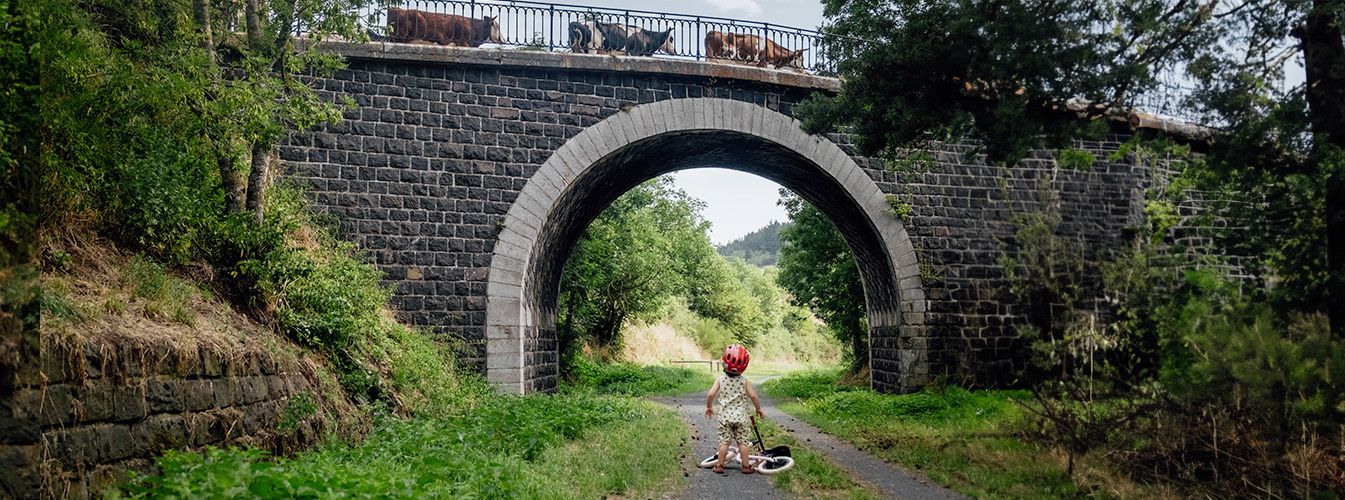
‘La Joyeuse Vadrouille’ – two months cycling with the family
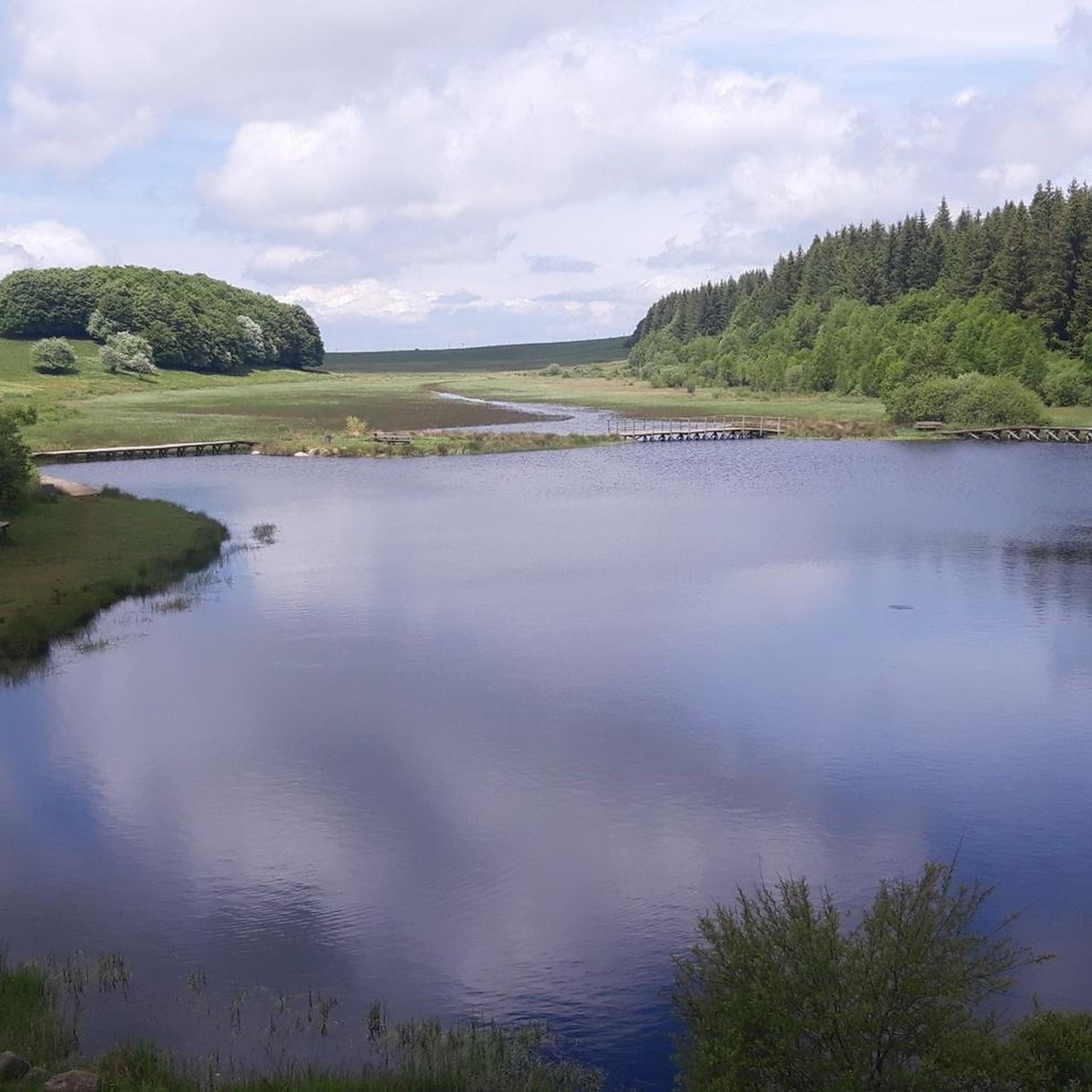
Hiking around Saint-Geniez-D'Olt-Et-D'Aubrac
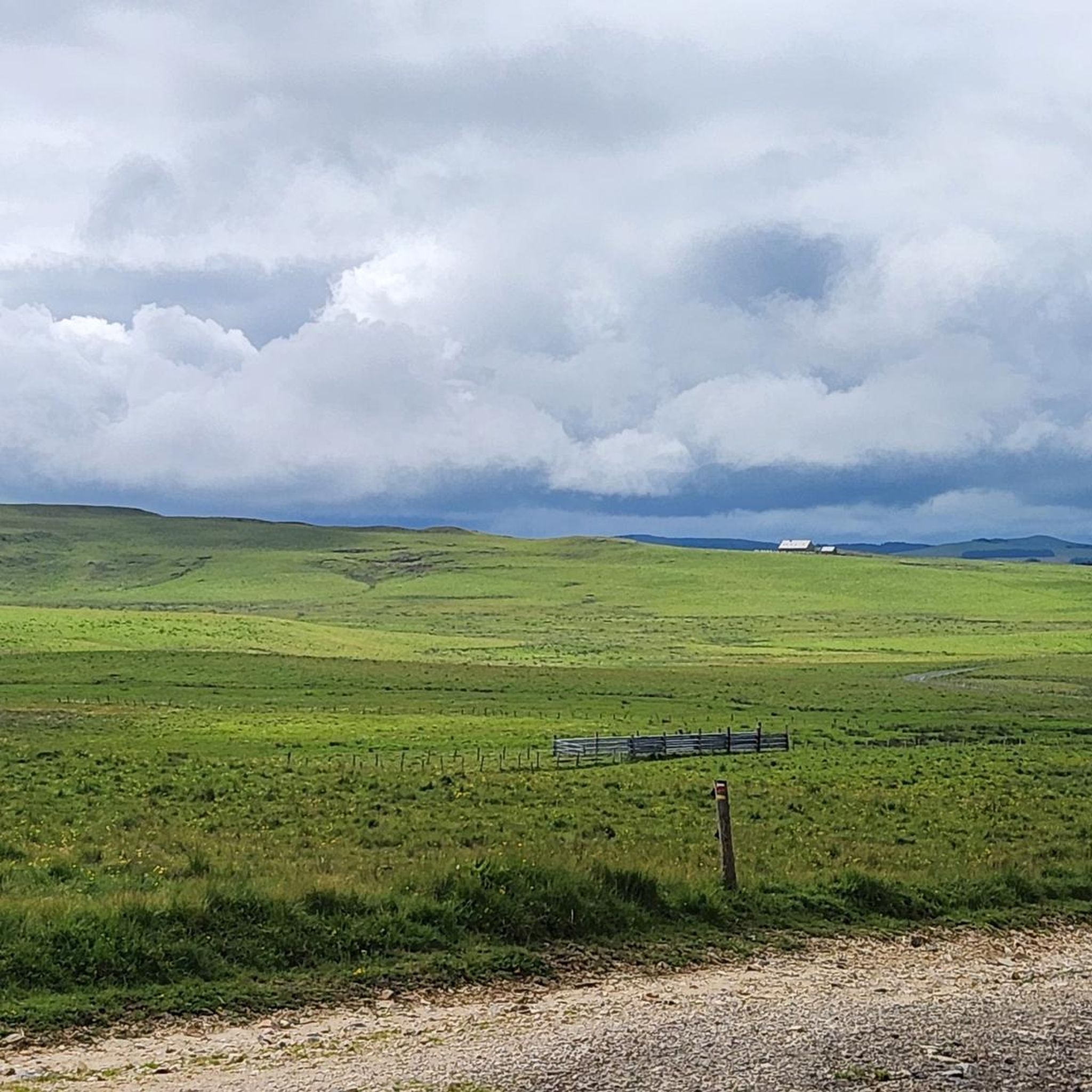
Road Cycling Routes around Saint-Geniez-D'Olt-Et-D'Aubrac
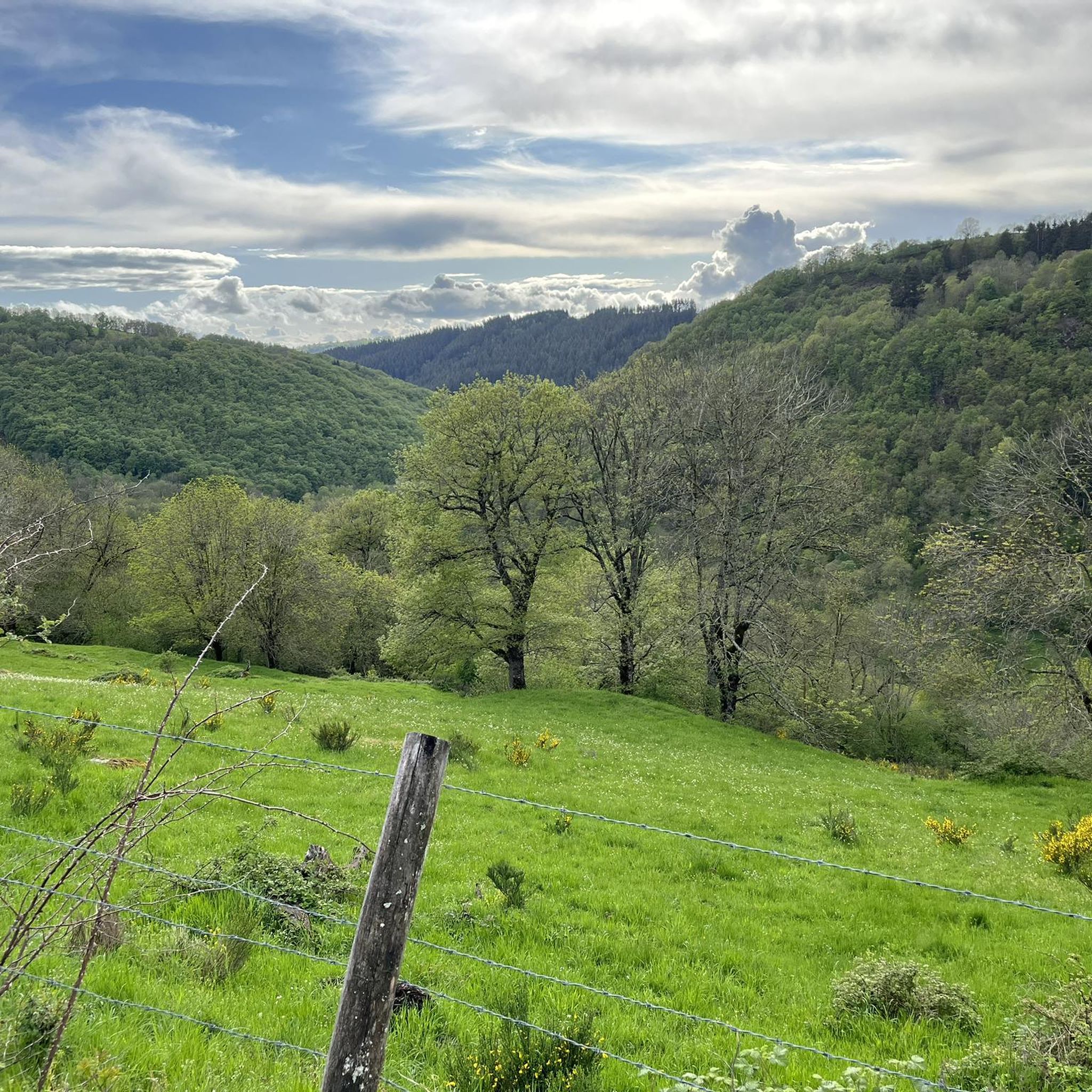
Running Trails around Saint-Geniez-D'Olt-Et-D'Aubrac
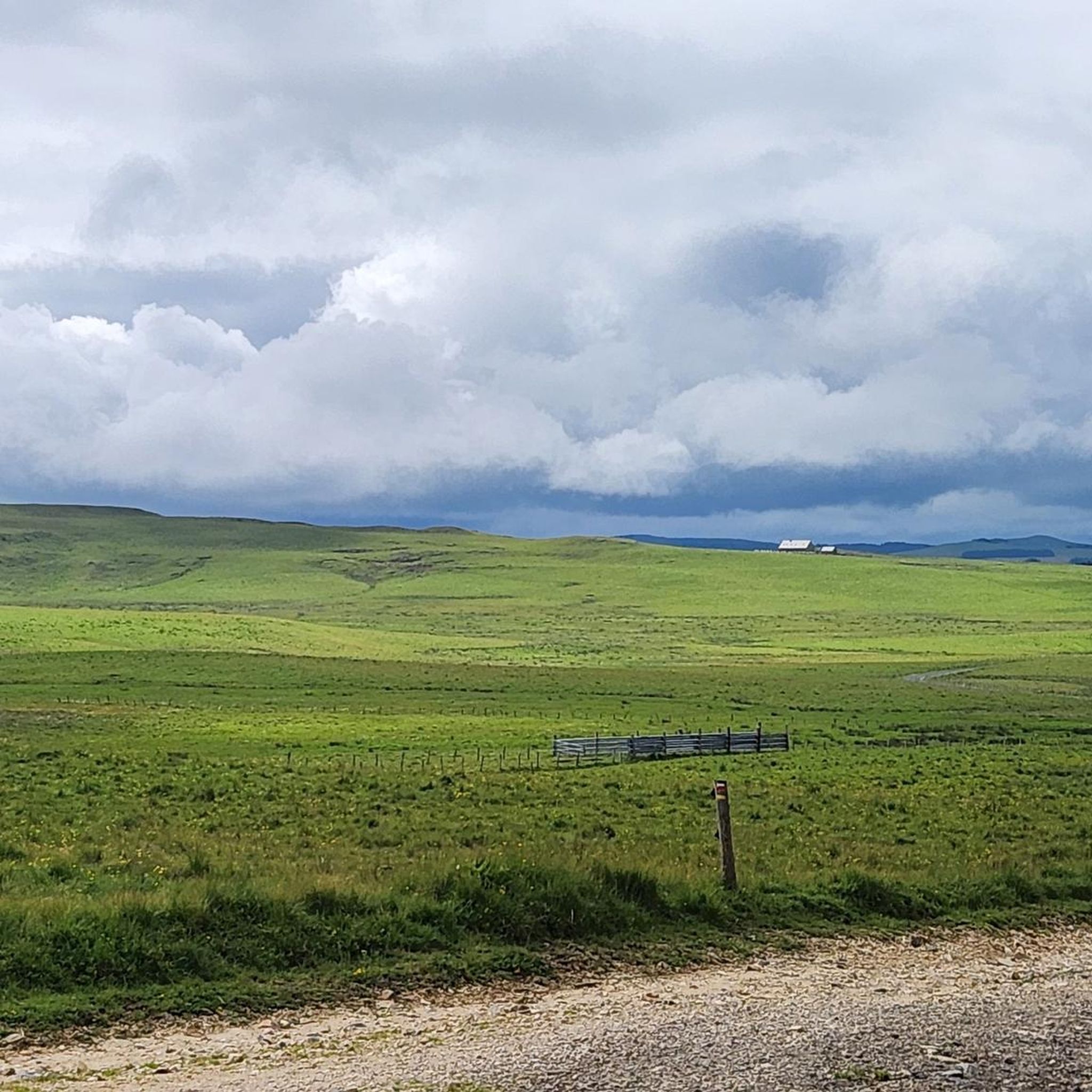
Cycling around Saint-Geniez-D'Olt-Et-D'Aubrac
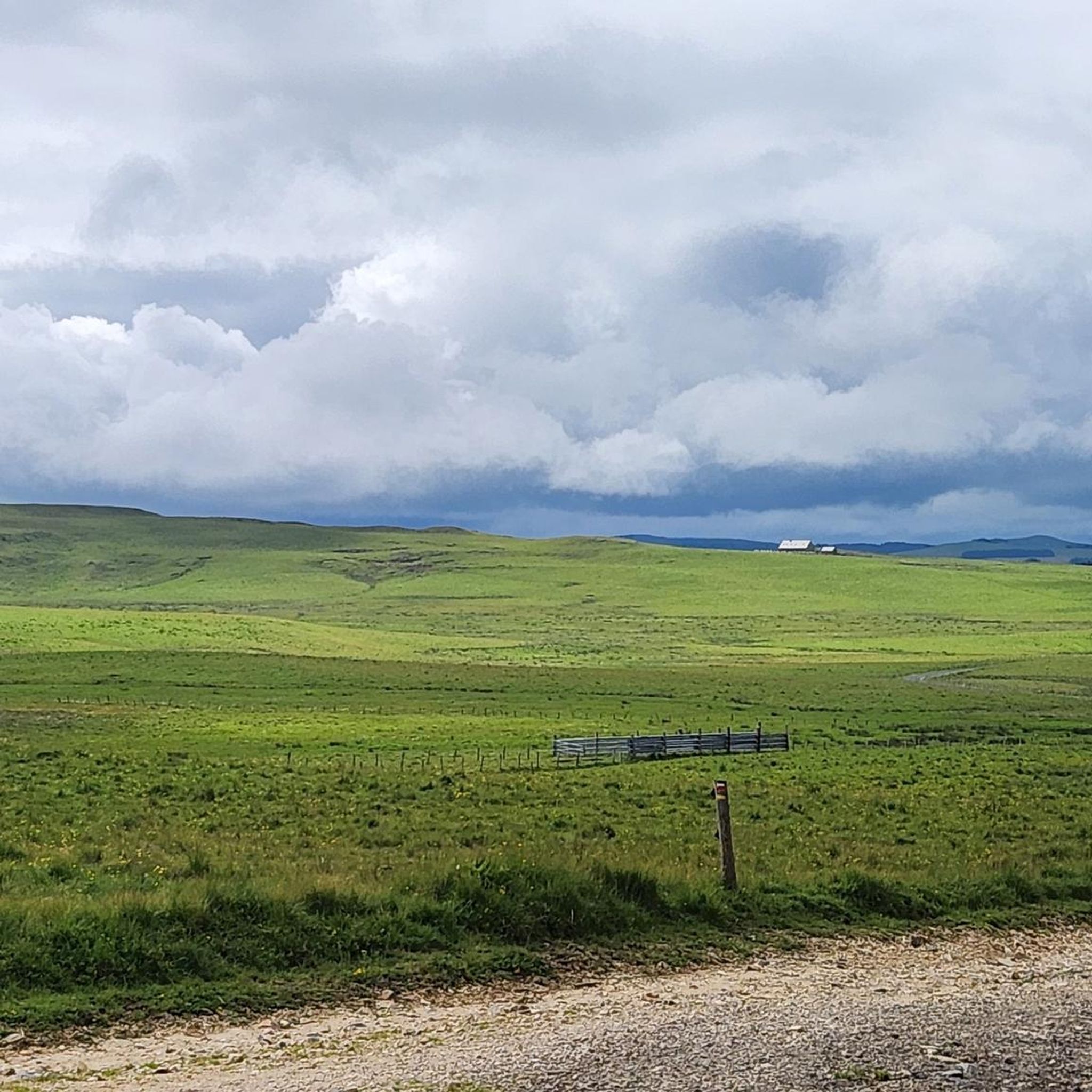
MTB Trails around Saint-Geniez-D'Olt-Et-D'Aubrac

Gravel biking around Saint-Geniez-D'Olt-Et-D'Aubrac
Other adventures around Saint-Geniez-D'Olt-Et-D'Aubrac

Tips from the Community

La croix de la rode, a very particular cross with its circle around it!
0
0

We passed and enjoyed this during our Camino trip in 2025: https://youtu.be/iWACUDABfUc
0
0


The trail is just to the right after the bridge
0
0

At the level of the Negro Bridge which passes over the Stream of Arrows, you can observe superb geological formations. In this case, they are basalt organs.
1
0

Magnificent and practicable place for all types of walkers.
0
0


Located in the Touzes canyon, this waterfall offers an enchanting setting. The water flows over the black rocks covered with moss and promotes the emergence of lush vegetation.
0
0
Frequently Asked Questions
What unique geological features can I observe around Saint-Geniez-d'Olt-et-d'Aubrac?
The region is rich in geological wonders. You can see the spectacular basaltic organ formations at the Cascade du Déroc, where the Ganbaïse stream plunges over a 30-meter basalt cliff. Another notable site is the Basalt Columns of the Ruisseau des Plèches, offering superb geological formations and an arid mountainous landscape. The Rocher du Cheylaret, an ancient lava lake, also showcases the area's volcanic past.
Are there any impressive waterfalls to visit in the area?
Yes, two prominent waterfalls are worth visiting. The Cascade du Déroc is considered one of the most spectacular natural sites in Aubrac, featuring a grotto with unique basaltic columns. The Touzes Waterfall, located in the Touzes canyon, offers an enchanting setting with water flowing over moss-covered black rocks amidst lush vegetation.
Where can I find the best panoramic views of the Aubrac region?
For breathtaking panoramic views, head to Signal de Mailhebiau, the highest point in Aubrac at 1,469 meters, offering a magnificent 360° vista. The scenic Route des Lacs also provides stunning views of the vast, wild expanses and diverse natural settings of the Aubrac plateau. Additionally, the Gorges du Tarn, though a bit further, offer dramatic landscapes from viewpoints like Point Sublime.
What outdoor activities can I do near these natural monuments?
The area around Saint-Geniez-d'Olt-et-d'Aubrac is ideal for various outdoor activities. You can explore numerous hiking trails, with options ranging from moderate to difficult, such as 'The Pierrefiche trail' or 'Les Pessoles'. Cycling is also popular, with routes like the 'Lot Valley Cycle Route Loop' or the 'Aubrac Pass' for road cyclists. For more details on routes, you can check the hiking guide or the cycling guide for the region.
Are there family-friendly natural monuments or activities in the area?
Many natural monuments offer accessible experiences for families. The Cascade du Déroc is generally considered easily accessible and a popular spot for nature lovers of all ages. Exploring the scenic Route des Lacs by car or with short walks can also be a pleasant family activity, offering diverse landscapes without strenuous effort. Always check specific trail conditions for younger children.
What is the best time of year to visit the natural monuments around Saint-Geniez-d'Olt-et-d'Aubrac?
The best time to visit is typically from spring to autumn. Spring brings vibrant wildflowers and pleasant temperatures, while summer offers warm weather ideal for outdoor activities. Autumn showcases beautiful fall foliage. Winter can be challenging due to snow and colder temperatures, especially at higher altitudes like Signal de Mailhebiau, but can offer unique snowy landscapes for those prepared.
Are the natural monuments easily accessible by car, and is parking available?
Many natural monuments, such as the Cascade du Déroc and viewpoints along the Route des Lacs, are generally accessible by car with nearby parking facilities. For specific trailheads or more remote sites like the Climb up to Croix de la Roda, parking information is usually available at the starting points of hikes. Public transport options are limited, so a car is often recommended for exploring the wider region.
Can I bring my dog to the natural monuments and on hiking trails?
Generally, dogs are welcome on most hiking trails and at natural sites in the Aubrac region, provided they are kept on a leash and owners clean up after them. However, specific rules may apply in certain protected areas or nature reserves. It's always best to check local signage or park regulations for each specific monument or trail you plan to visit to ensure a pleasant experience for everyone.
What do visitors enjoy most about the natural monuments in this area?
Visitors frequently praise the stunning natural beauty and the preserved environment. The Cascade du Déroc is often described as 'truly idyllic' and a 'magical place' due to its unique basalt formations. The panoramic 360° views from Signal de Mailhebiau are also highly appreciated, as are the 'superb geological formations' of the Basalt Columns of the Ruisseau des Plèches. The region's wild moorlands and high-altitude pastures offer a sense of escape and natural wonder.
Are there any challenging natural monuments for experienced hikers?
Yes, for experienced hikers seeking a challenge, the Climb up to Croix de la Roda offers a rugged and wild ascent over a 1,400-meter peak. This section is known for being stunning but exposed to the elements, requiring proper preparation. The overall terrain in the Aubrac plateau, with its high-altitude pastures and granite-strewn soils, provides ample opportunities for demanding hikes.
What is the Aubrac Natural Regional Park, and how does it relate to these monuments?
Saint-Geniez-d'Olt-et-d'Aubrac is part of the Aubrac Natural Regional Park, which is dedicated to preserving the exceptional natural and cultural heritage of the Aubrac plateau. This park encompasses many of the natural monuments mentioned, ensuring their protection and promoting sustainable tourism. The park's commitment highlights the significance of sites like the Cascade du Déroc and Signal de Mailhebiau within a broader conservation effort.
Are there any natural monuments that are particularly good for photography?
Absolutely. The Cascade du Déroc, with its dramatic basalt cliff and grotto, is a highly photogenic spot. The panoramic views from Signal de Mailhebiau offer incredible landscape photography opportunities, especially at sunrise or sunset. The Touzes Waterfall, with its moss-covered rocks and lush vegetation, provides an enchanting subject for close-up nature shots.
Most popular routes around Saint-Geniez-D'Olt-Et-D'Aubrac
Most popular attractions around Saint-Geniez-D'Olt-Et-D'Aubrac

Get inspired with the komoot mobile app


Explore more
Extend your search for the best caves by checking out these guides of the top ones around Saint-Geniez-D'Olt-Et-D'Aubrac:
