Top 2 Natural Monuments around Allas-Les-Mines
Best natural monuments around Allas-Les-Mines are found within the surrounding Périgord Noir region, known for its prehistoric caves and geological formations. The area is characterized by the Dordogne River and the Vézère Valley, a UNESCO World Heritage site rich in ancient human history. These natural features include impressive cliff faces, river valleys, and numerous caves, offering insights into both geology and prehistory. The region provides a diverse natural landscape for exploration.
Best natural monuments around Allas-Les-Mines
- The most popular natural…
Last updated: August 29, 2026
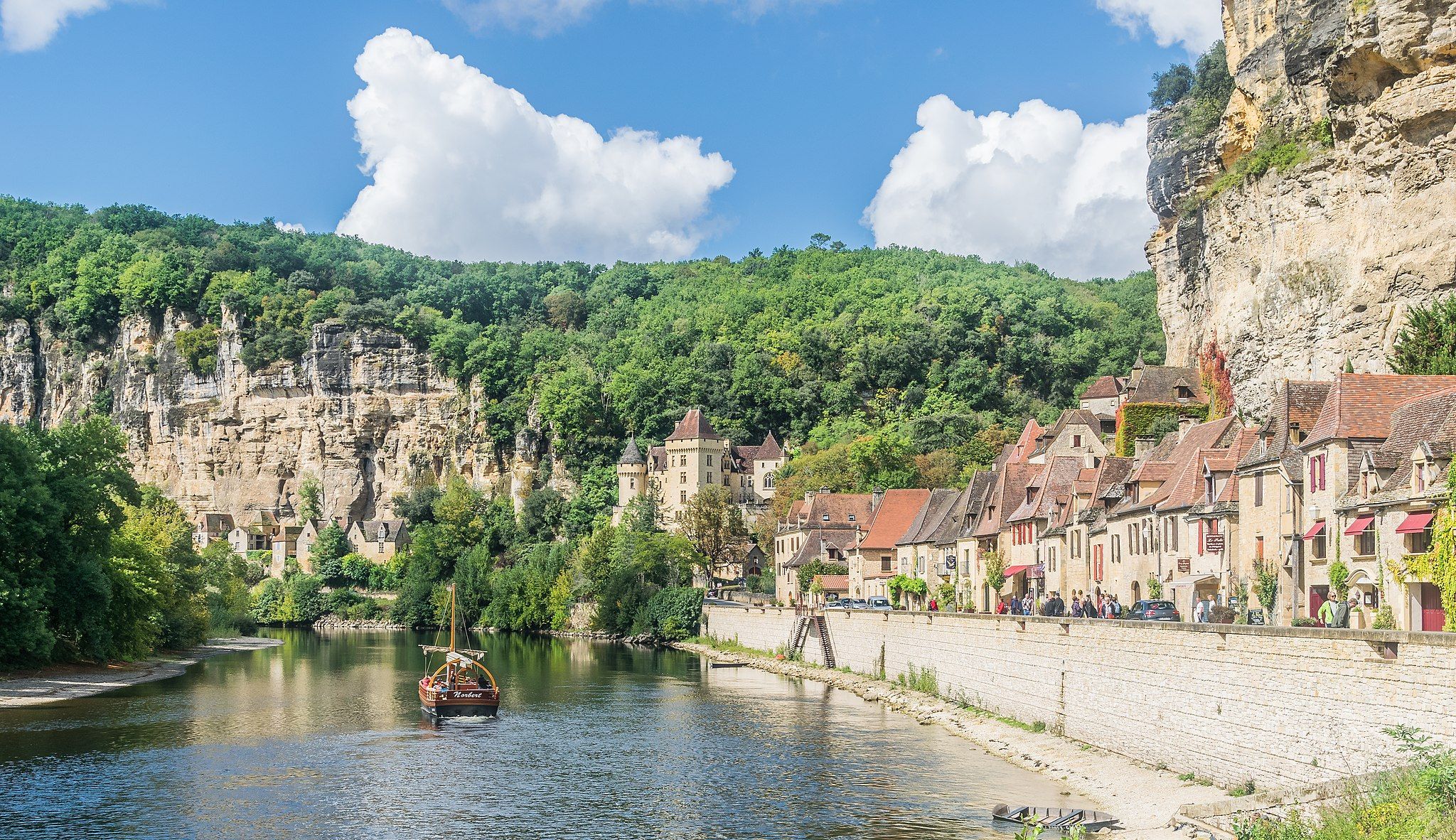
La Roque-Gageac
Highlight • Settlement
Translated by Google •
Tip by

Marqueyssac Gardens
Highlight • Historical Site
Translated by Google •
Tip by

Sign up now to discover places like this
Get recommendations on the best single tracks, peaks, & plenty of other exciting outdoor places.
Sign up for free
Castelnaud Caves and Climbing Site
Highlight • Cave
Translated by Google •
Tip by

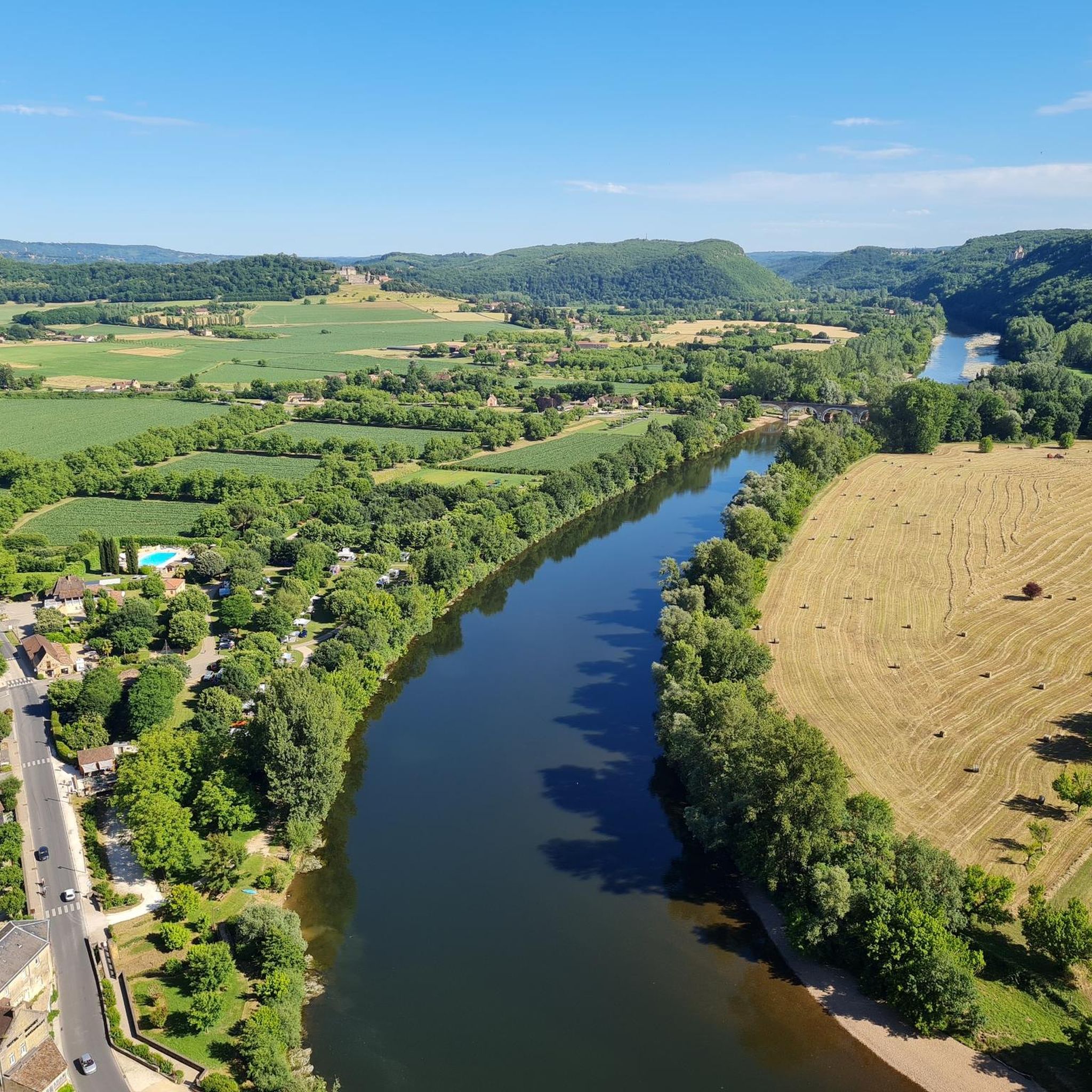
View of the Dordogne Valley from the Marqueyssac Gardens
Highlight • Viewpoint
Translated by Google •
Tip by

Start today with a free account
Your next adventure awaits.
Login or Signup

Other adventures around Allas-Les-Mines

Tips from the Community


Great bike parking and also somewhere to leave bags though we didn’t need to. Restaurant and crepes cafe. Ice cream stand!
0
0

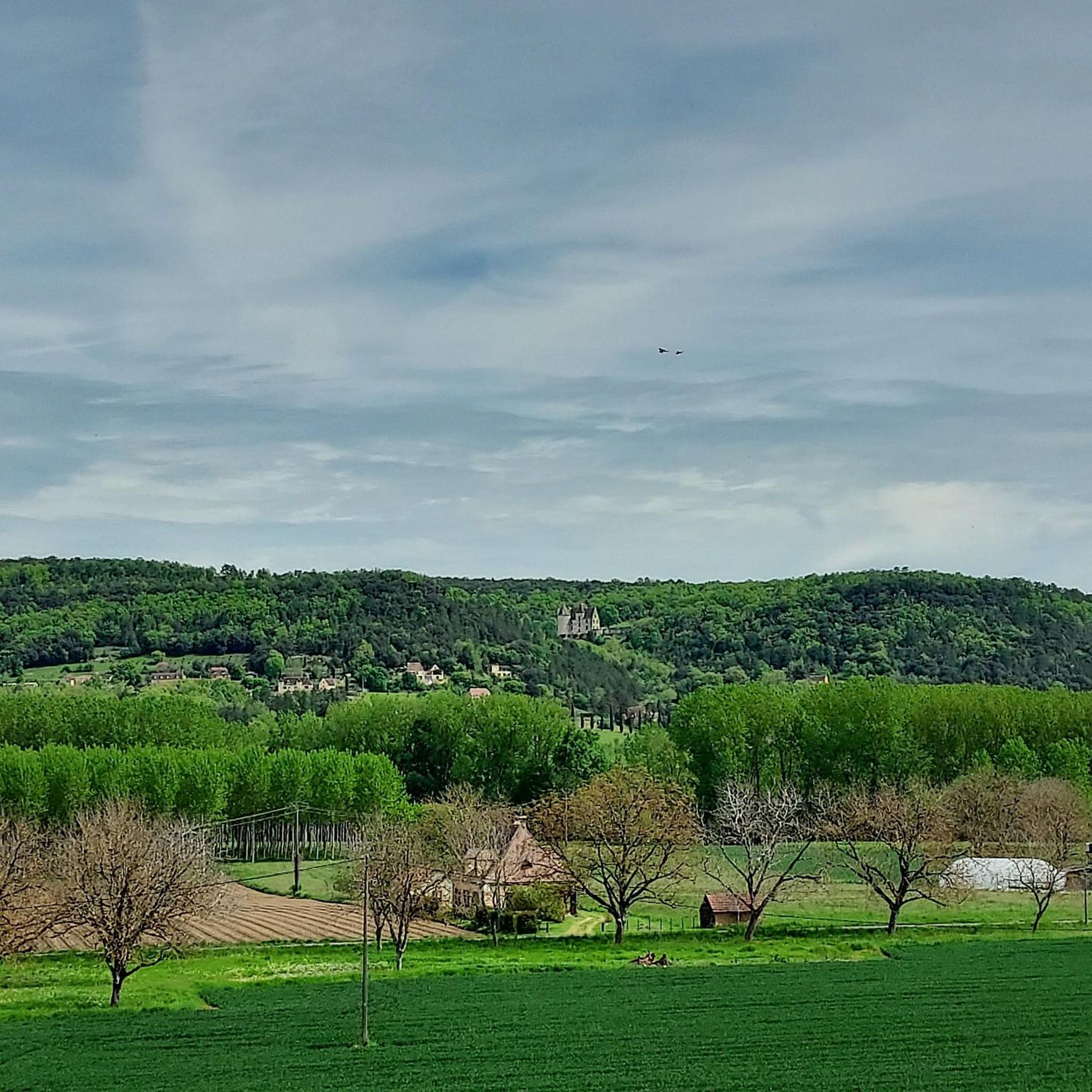
Near Castelnaud, the place invites you to take a journey through the rock by exploring the different caves that line the path. Climbing enthusiasts can also indulge in their passion.
1
0

Nice place below a steep wall and right on the Dordogne.
4
0
Beautiful, small place right on the Dordogne with some small shops and restaurants. Many canoeists pass here and enjoy the view of the picturesque place on the rock face.
3
0

From La Roque-Gageac, you can take the famous barges, these boats that were once used to transport wood. You can also take a walk in this pretty village on the edge of the Dordogne, stroll through its charming streets and finish with a visit to the castle.
1
0

Absolutely worth seeing city, built into the rock, here you can make boat trips as well as rent canoes.
2
0
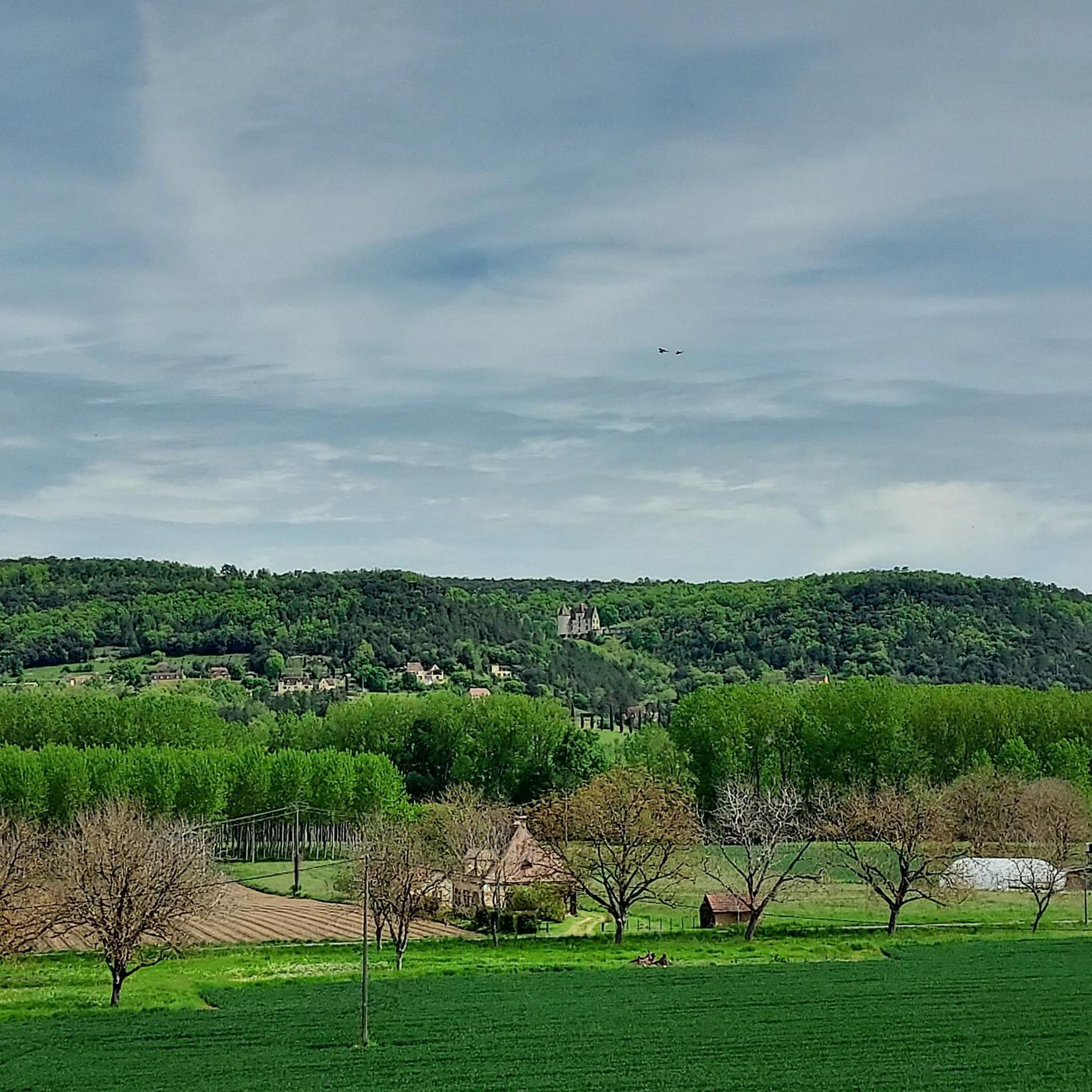
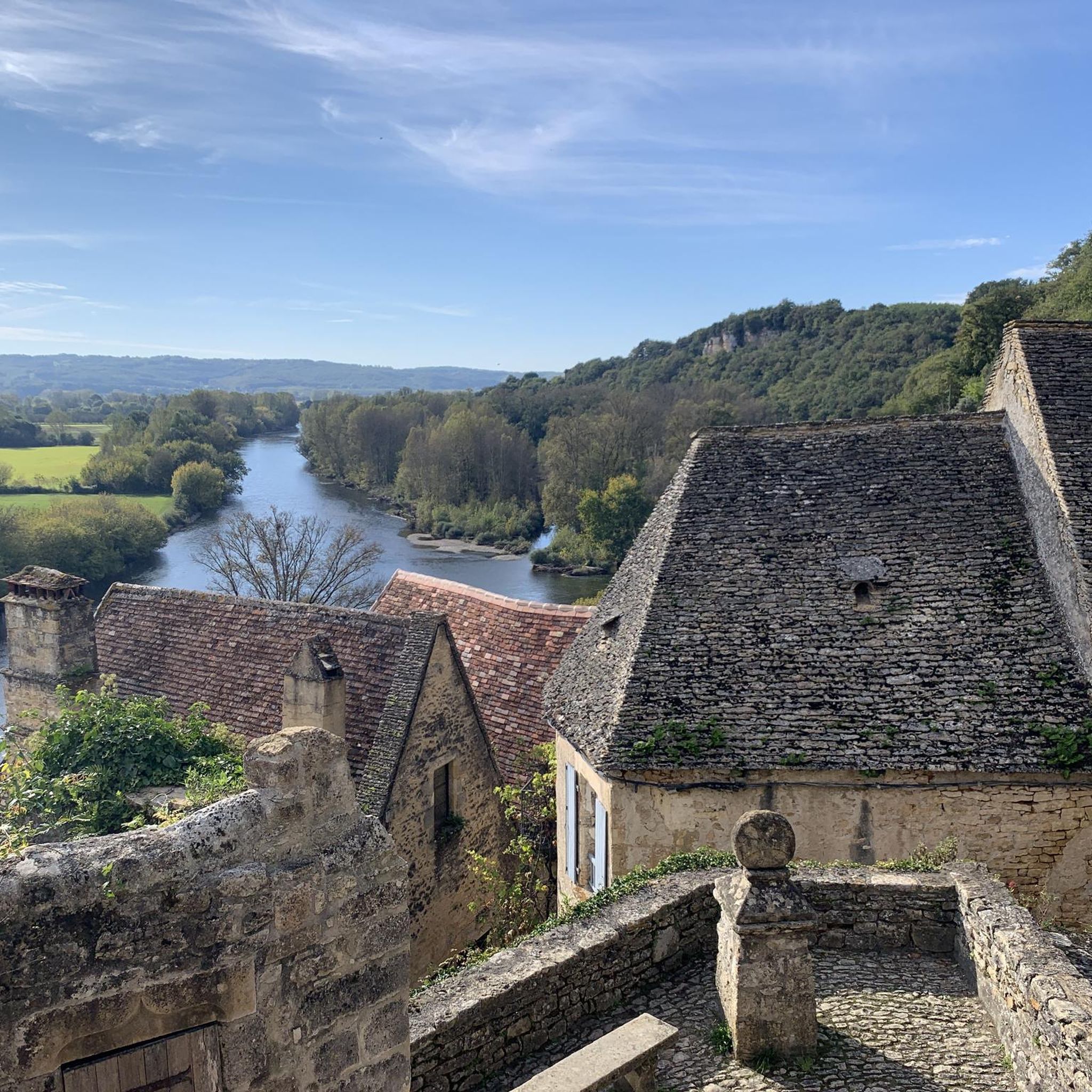
A dream of an extensive garden landscape, here you can stroll for several hours, stroll and be amazed with a great view of the Dordogne and a beautiful little castle. Snack on site.
0
0
Frequently Asked Questions
What are some of the most significant natural monuments to visit near Allas-les-Mines?
The Périgord Noir region, easily accessible from Allas-les-Mines, is rich in natural monuments, particularly prehistoric caves and impressive geological formations. Key sites include the UNESCO World Heritage listed Castelnaud Caves, the famous Font-de-Gaume Cave, and the immersive Lascaux IV (International Centre for Cave Art). Other notable natural wonders are the Grand Roc Cave with its unique crystallizations, and the vast Rouffignac Cave, known for its mammoth engravings.
Which natural monuments offer insights into prehistoric times and ancient human history?
The Vézère Valley, often called the "Valley of Man," is a UNESCO World Heritage site and a prime location for prehistoric natural monuments. You can explore the original polychrome art at Font-de-Gaume Cave, experience the faithful replica of ancient paintings at Lascaux IV, or discover the extensive engravings in Rouffignac Cave. Additionally, La Roque-Gageac and La Roque Saint-Christophe offer insights into how natural rock formations were adapted for human habitation over millennia.
Are there family-friendly natural monuments around Allas-les-Mines?
Yes, several natural monuments are suitable for families. Lascaux IV offers an engaging and educational experience for all ages with its immersive cave art replica. The Marqueyssac Gardens provide beautiful views and space to explore, while the village of La Roque-Gageac, nestled against a cliff by the Dordogne, is charming for a family stroll and offers boat trips. Many caves, like Grand Roc, are also accessible with guided tours that captivate children.
What unique geological features can I explore in the natural monuments of the region?
The region is renowned for its spectacular geological formations, primarily caves. The Grand Roc Cave is famous for its dense and delicate "mineral forest" of stalactites, stalagmites, and eccentric crystallizations. The Castelnaud Caves also offer a journey through impressive rock formations. Beyond caves, the towering cliffs that shelter villages like La Roque-Gageac and La Roque Saint-Christophe are natural monuments in themselves, showcasing millennia of erosion and geological history.
What outdoor activities can I do near these natural monuments?
The natural landscape around Allas-les-Mines and its monuments is perfect for various outdoor activities. You can enjoy packrafting on the Dordogne River, or explore the area on two wheels. There are numerous routes for gravel biking, mountain biking, and road cycling, often passing by or offering views of these natural wonders. Some sites, like the Castelnaud Caves, even have climbing opportunities nearby.
When is the best time to visit the natural monuments around Allas-les-Mines?
The natural monuments, especially the caves, maintain a relatively constant cool temperature year-round, making them suitable for visits in any season. However, for enjoying the surrounding landscapes and outdoor activities, spring (April-June) and autumn (September-October) offer pleasant weather and fewer crowds. Summer (July-August) is popular but can be very busy, especially at major sites like Lascaux IV and Font-de-Gaume.
Where can I find the best views of the Dordogne Valley?
For breathtaking panoramas of the Dordogne Valley, the Marqueyssac Gardens are highly recommended. From here, you get expansive views over the river, including the picturesque village of La Roque-Gageac and Castelnaud. There are also specific viewpoints like the View of La Roque-Gageac and the Dordogne cliffs that offer stunning perspectives of the river and its dramatic surroundings.
Are the natural monuments around Allas-les-Mines dog-friendly?
While outdoor areas and some trails around the natural monuments might be dog-friendly, access to the caves themselves is generally restricted for pets due to conservation and safety reasons. It's always best to check the specific rules of each site before planning your visit with a dog. For example, the Marqueyssac Gardens typically allow dogs on a leash in certain areas.
What should I pack for visiting natural monuments in the region?
When visiting the natural monuments, especially the caves, it's advisable to bring a light jacket or sweater as temperatures inside remain cool, often around 13-14°C (55-57°F), even in summer. Comfortable walking shoes are essential, as many sites involve walking on uneven terrain or within extensive cave systems. If you plan outdoor activities, consider appropriate gear for hiking or cycling, and always carry water, especially during warmer months.
Are any natural monuments around Allas-les-Mines wheelchair accessible?
Accessibility varies significantly between sites. While some modern visitor centers, like Lascaux IV, are designed with accessibility in mind, many of the original prehistoric caves and natural rock shelters have challenging terrain, narrow passages, or steps that may limit wheelchair access. It is recommended to contact individual sites directly for detailed information on their specific accessibility features and any accommodations they might offer.
How long should I plan for a visit to these natural monuments?
The duration of a visit can vary. For major sites like Lascaux IV or Rouffignac Cave, you should allocate at least 1.5 to 2 hours for the tour and exploration of the visitor center. Smaller caves like Font-de-Gaume or Grand Roc might take 1 hour. Exploring a village like La Roque-Gageac or the Marqueyssac Gardens could easily fill 2-3 hours or more, especially if you include a meal or boat trip. Planning for half a day per major site or combining a few smaller ones in a full day is a good approach.
Most popular routes around Allas-Les-Mines
Most popular attractions around Allas-Les-Mines

Get inspired with the komoot mobile app


Explore more
Extend your search for the best caves by checking out these guides of the top ones around Allas-Les-Mines:
