Rouffignac-Saint-Cernin-De-Reilhac
Rouffignac-Saint-Cernin-De-Reilhac
Top 8 Natural Monuments around Rouffignac-Saint-Cernin-De-Reilhac
Best natural monuments around Rouffignac-Saint-Cernin-De-Reilhac include the Grotte de Rouffignac, a prominent natural monument known for its prehistoric art and geological significance. This area is situated within the Périgord Noir region, which is rich in natural beauty and prehistoric sites, particularly in the Vézère Valley. The landscape features densely wooded areas, limestone formations, and a network of trails for exploration. The region offers diverse natural settings, from river valleys to forests.
Best natural monuments around Rouffignac-Saint-Cernin-De-Reilhac
- The most popular natural…
Last updated: July 6, 2026
La Roque Saint-Christophe
Highlight • Historical Site
Translated by Google •
Tip by

Les Eyzies-de-Tayac
Highlight • Historical Site
Translated by Google •
Tip by
Sign up now to discover places like this
Get recommendations on the best single tracks, peaks, & plenty of other exciting outdoor places.
Sign up for free
Abri de La Madeleine
Highlight • Cave
Translated by Google •
Tip by

The Rock Shelters of the Vézère Valley
Highlight • Cave
Translated by Google •
Tip by

Font de Gaume Cave
Highlight • Cave
You must book in advance to be able to visit it.
Translated by Google •
Tip by
Sign up for free to discover even more natural monuments around Rouffignac-Saint-Cernin-De-Reilhac.
Sign up for free
Already have an account?
Start today with a free account
Your next adventure awaits.
Login or Signup
Popular around Rouffignac-Saint-Cernin-De-Reilhac
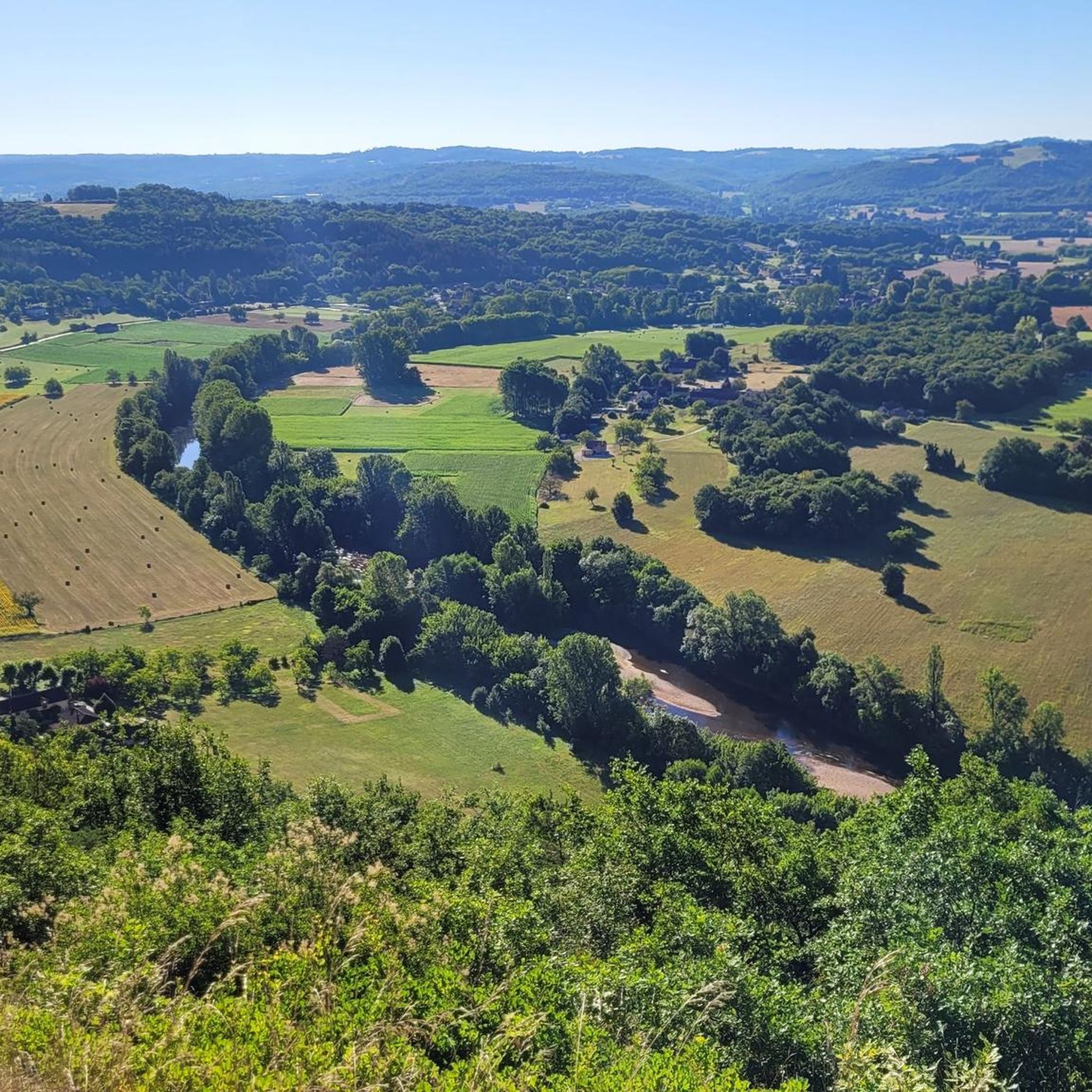
MTB Trails around Rouffignac-Saint-Cernin-De-Reilhac
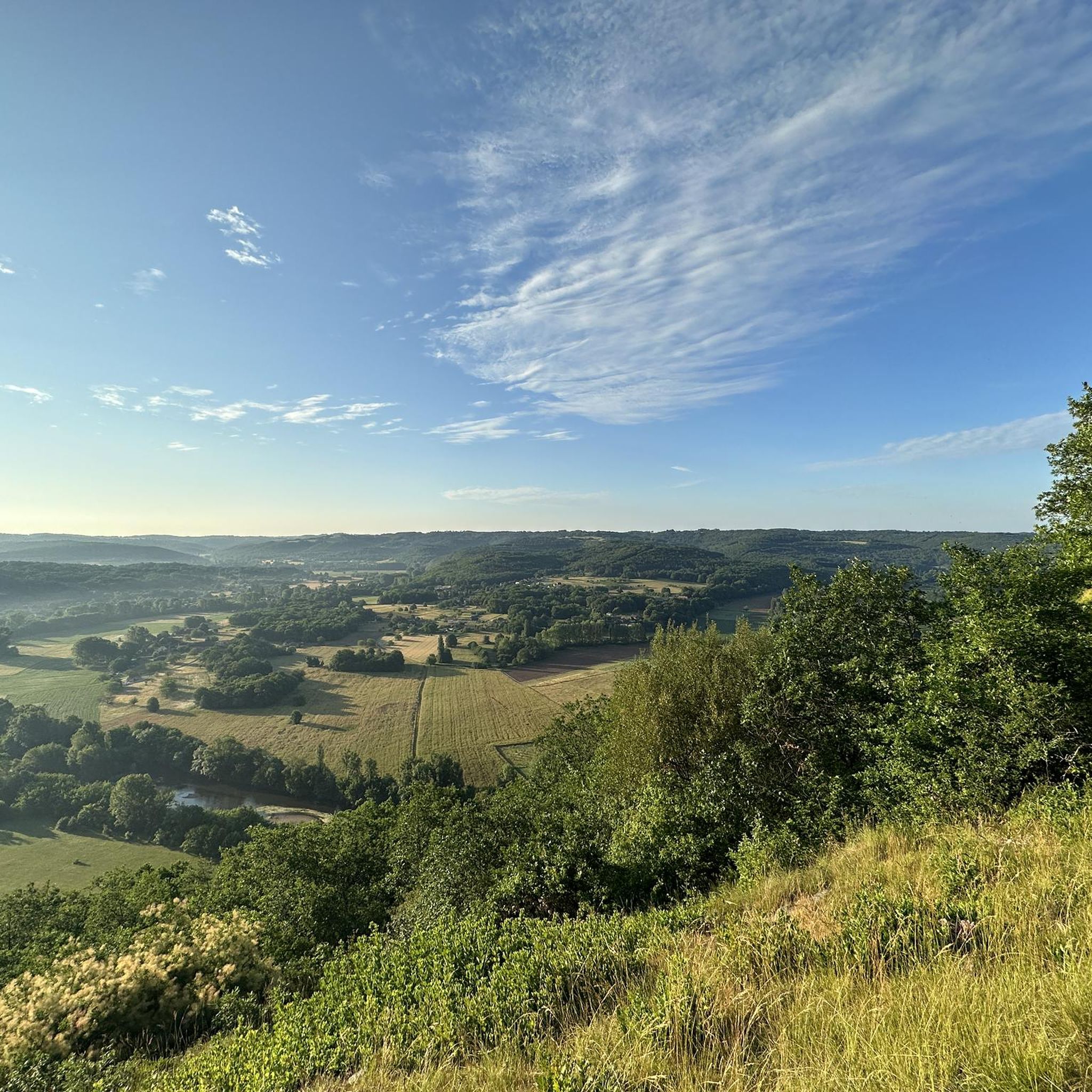
Hiking around Rouffignac-Saint-Cernin-De-Reilhac
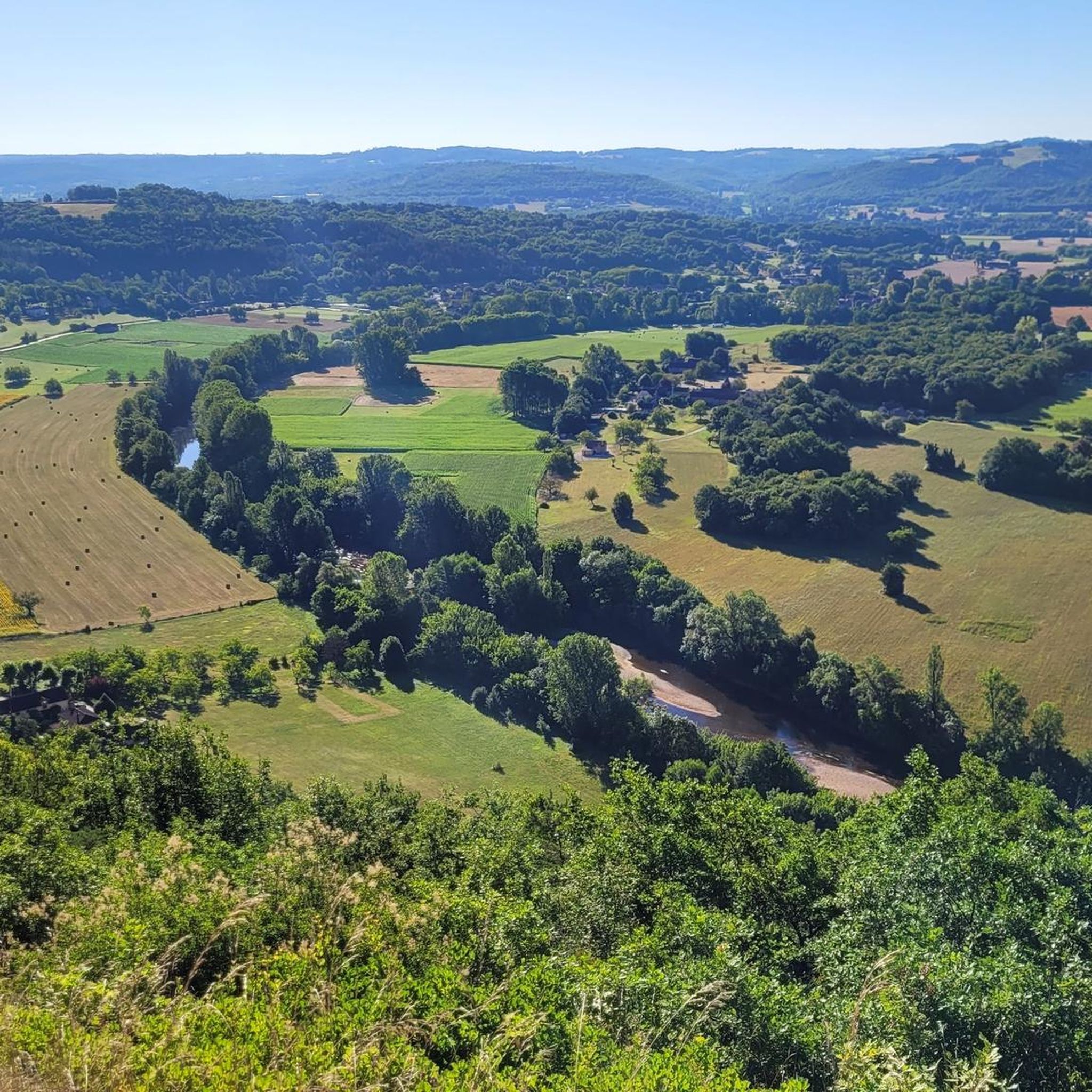
Road Cycling Routes around Rouffignac-Saint-Cernin-De-Reilhac
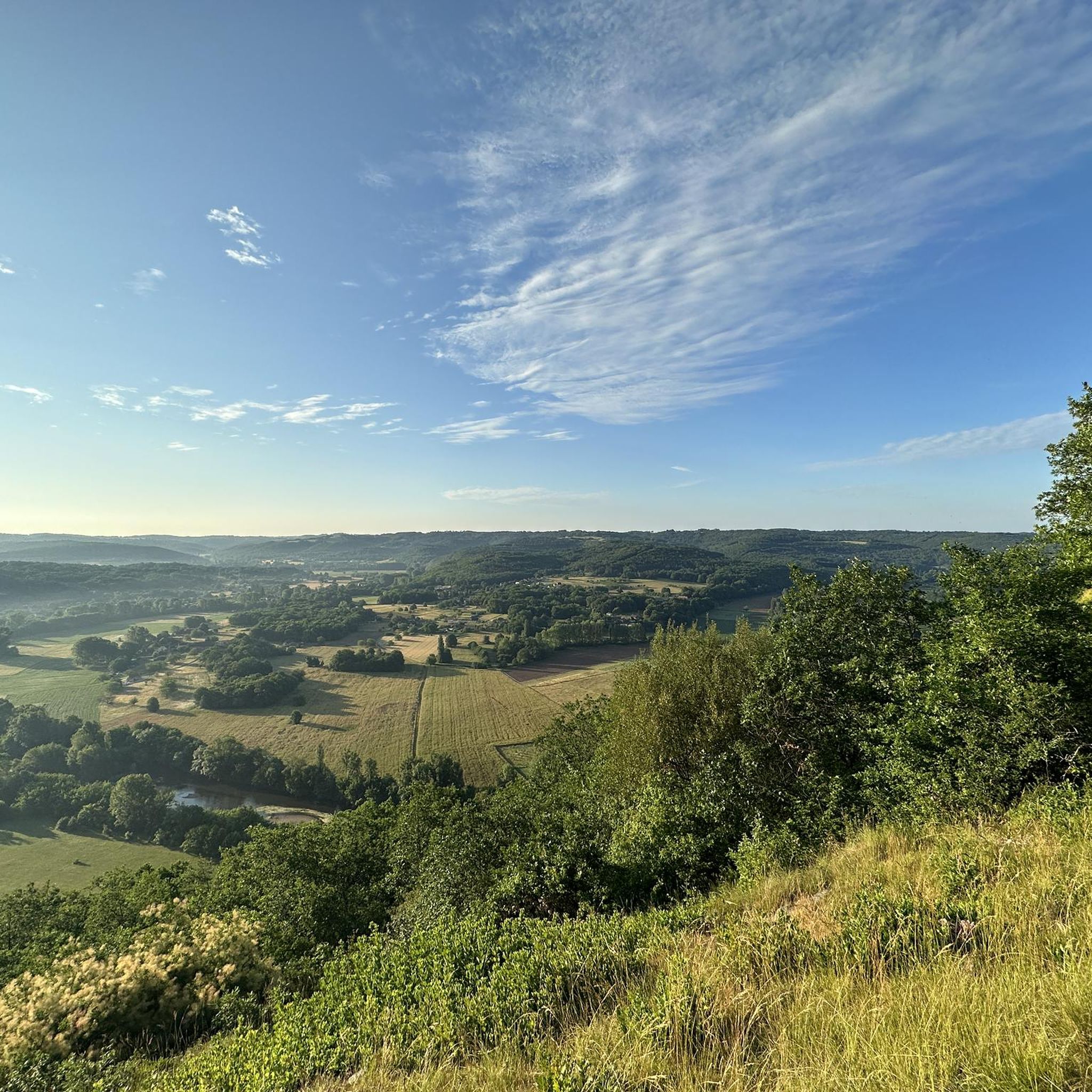
Cycling around Rouffignac-Saint-Cernin-De-Reilhac
Running Trails around Rouffignac-Saint-Cernin-De-Reilhac
Gravel biking around Rouffignac-Saint-Cernin-De-Reilhac
Tips from the Community

This museum is certainly interesting, unfortunately we didn't have enough time
0
0
Impressive are the dwellings in the rocks and the houses from the rocks
0
0

This real limestone wall, one kilometer long and eighty meters high, constantly undermined by the river and the frost, has been hollowed out with a hundred rock shelters and long aerial terraces; these natural cavities were occupied by prehistoric man and then modified to become a fort and a city from the Middle Ages until the beginning of the Renaissance.
2
0

Here we have the situation – previously completely unknown to me and therefore surprising – that MADELEINE, a Christian saint (the name is derived from the biblical "Mary Magdalene"), has become the namesake of an era from the proverbial "dim prehistory" (one to one and a half dozen millennia before the beginning of our era). To paraphrase it from Wikipedia, which can explain it better than I can: "The Magdalenian is an archaeological cultural stage in the younger part of the Upper Paleolithic in Central and Western Europe at the end of the last Ice Age. The Magdalenian was named in 1869 by Gabriel de Mortillet after the semi-cave La Madeleine in the Dordogne department. It spanned an approximate period from approximately 18,000 to 12,000 BC."
2
0

Welcome to the capital of prehistory! This is the nickname given to this modest village which follows the course of the Vézère. It must be said that the extraordinary sites that you can visit are numerous. In addition to the very richly supplied national museum, I encourage you to go to the Pôle de la préhistoire. Building entirely dedicated to this science and free. Find out about all the prehistoric marvels that can be admired in and around the town. They are not missing. It is not without reason that the Vézère valley has been nicknamed the valley of man.
2
1

Really incredibly impressive place - 50,000 years of human history on a rock face. Europe's largest settlement of this kind and also almost unique in the world - UNESCO World Heritage Site. Not to be missed! Ideal in the off-season when only a few people are out and about here.
1
0
La Madeleine is a settlement site in present-day France that was used for thousands of years up until the early modern period. It was laid out about 5 km north-east of Les Eyzies-de-Tayac-Sireuil on a narrow loop of the Vézère. For the Upper Palaeolithic period of the Magdalenian period, this important find site acts as a type locality. It is located in the lower abri (rock overhang) below the chapel dedicated to Saint Magdalene of the troglodyte village. Around 17,000 years ago, Cro-Magnon people settled in the rock shelters beneath the south-facing cliffs of La Madeleine near the River Vézère. These offered natural protection against the effects of the weather, and the southern orientation warmed the settlement site. The emergence of the troglodytic settlements on the cliffs of La Madeleine in the 8th century has been proven. (Wikipedia)
2
0

Absolutely worth seeing rock formation with houses that were built into the rock.
0
0
Frequently Asked Questions
What are the most prominent natural monuments to explore in Rouffignac-Saint-Cernin-De-Reilhac?
Beyond the well-known Grotte de Rouffignac, you can explore significant sites like La Roque Saint-Christophe, a historical site where natural cavities were inhabited since prehistoric times and later fortified. Another key location is Les Eyzies-de-Tayac, often called the 'capital of prehistory,' offering numerous Paleolithic sites and caves.
What historical significance do the natural monuments in this region hold?
The natural monuments in this region are deeply intertwined with human history, particularly prehistory. Sites like La Roque Saint-Christophe and The Rock Shelters of the Vézère Valley showcase natural cavities used by prehistoric humans, later adapted into fortresses and settlements during the Middle Ages. The entire Vézère Valley is recognized as a UNESCO World Heritage Site for its rich collection of prehistoric sites and decorated caves.
Are there any caves with prehistoric art in the area?
Yes, the region is renowned for its prehistoric art. The Grotte de Rouffignac, for instance, features over 250 engravings and drawings, notably 160 mammoths, dating back over 13,000 years. Another significant site is the Font de Gaume Cave, known for its rare polychrome paintings of bison.
What kind of geological features can I expect to see around Rouffignac-Saint-Cernin-De-Reilhac?
The area is characterized by impressive limestone formations, which have been carved by underground rivers over millions of years, creating extensive cave systems like the Grotte de Rouffignac. You'll also find numerous rock shelters and cliffs, particularly along the Vézère Valley, which provided natural protection and habitation for early humans.
Are there family-friendly natural monuments or activities in the region?
Visiting the Grotte de Rouffignac is a unique family experience, as you explore the cave's prehistoric art via an electric train. The historical sites like La Roque Saint-Christophe also offer an engaging way for families to learn about ancient civilizations and natural history.
What outdoor activities can I do near these natural monuments?
The region offers a variety of outdoor activities. You can find numerous hiking trails, mountain biking routes, and road cycling paths that wind through the densely wooded landscapes and along river valleys. For specific routes, you can explore the Hiking around Rouffignac-Saint-Cernin-De-Reilhac guide, the MTB Trails around Rouffignac-Saint-Cernin-De-Reilhac guide, or the Road Cycling Routes around Rouffignac-Saint-Cernin-De-Reilhac guide.
Are there hiking trails near the natural monuments?
Yes, the area is rich with hiking opportunities. For example, you can find trails that lead to or offer views of sites like La Roque Saint-Christophe, often along the Vézère River. The broader Périgord Noir region and the Barade forest also provide extensive networks of marked footpaths. Check the Hiking around Rouffignac-Saint-Cernin-De-Reilhac guide for detailed routes.
What is the best time to visit the natural monuments in Rouffignac-Saint-Cernin-De-Reilhac?
The Grotte de Rouffignac is open to the public from April 1st to November 1st. Generally, spring and autumn offer pleasant weather for exploring the outdoor sites and trails, with fewer crowds than the peak summer months. Summer is also popular, but some sites might have restricted visitor numbers to preserve them.
How can I access the Grotte de Rouffignac?
Visits to the Grotte de Rouffignac are conducted via an electric train, which takes you deep into the cave to view the ancient artwork. This method helps protect the fragile prehistoric art and the cave environment. It's advisable to check opening hours and consider booking in advance, especially during peak season.
Is advance booking required for any of the natural monuments?
Yes, for certain popular sites, advance booking is highly recommended or even required. For instance, to visit the Font de Gaume Cave, you must book in advance due to limited visitor numbers. It's always a good idea to check the official websites for specific monuments before your visit.
What makes the Vézère Valley important in this region?
The Vézère Valley, often called the 'Valley of Man,' is exceptionally important due to its high concentration of Paleolithic sites, caves, and rock shelters. It's a UNESCO World Heritage Site, home to numerous natural monuments like The Rock Shelters of the Vézère Valley and Les Eyzies-de-Tayac, which provide unparalleled insights into prehistoric human life and art.
Can I find traces of ancient animals in the caves?
Yes, particularly in the Grotte de Rouffignac, you can observe numerous claw marks on the walls and 'bauges' – rounded, hollow areas – left by cave bears that frequented the cave before human occupation. The prehistoric art within the cave also prominently features animals, most notably mammoths.
Most popular routes around Rouffignac-Saint-Cernin-De-Reilhac
Most popular attractions around Rouffignac-Saint-Cernin-De-Reilhac

Get inspired with the komoot mobile app


Explore more
Extend your search for the best caves by checking out these guides of the top ones around Rouffignac-Saint-Cernin-De-Reilhac:
