Top 9 Natural Monuments around Allègre-Les-Fumades
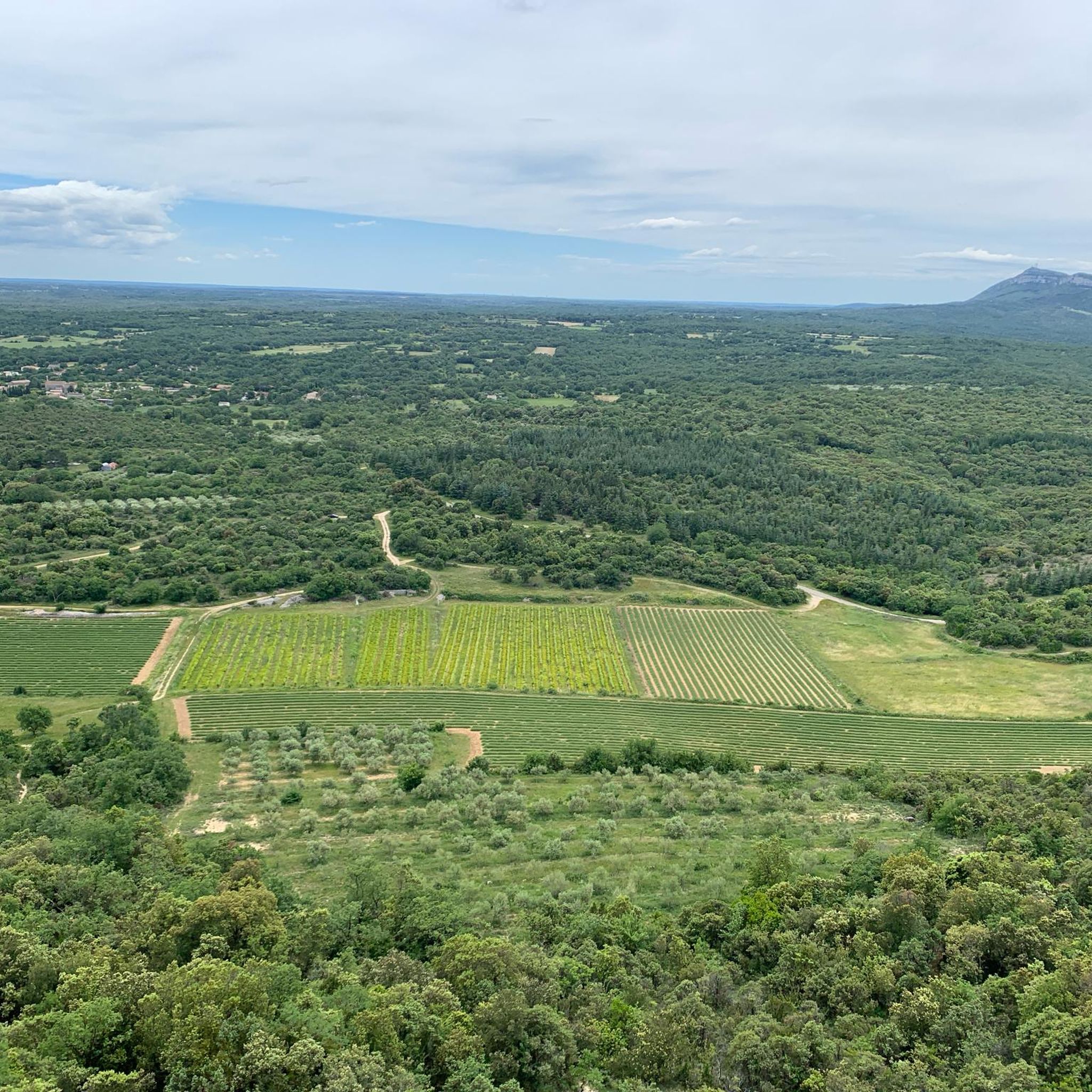
Natural monuments around Allègre-Les-Fumades showcase a diverse natural heritage, characterized by gorges, unique geological formations, and varied ecosystems. The region features a landscape shaped by water and erosion, providing insights into its geological history. Visitors can explore a range of natural sites, from deep canyons to elevated viewpoints. This area offers opportunities to experience the distinctive Mediterranean flora and significant geological features.
Best natural monuments around Allègre-Les-Fumades
- The most popular natural monuments is Les Concluses Viewpoint, a gorge that…
Last updated: July 6, 2026
Les Concluses Viewpoint
Highlight • Gorge
Outside the summer months and …
Translated by Google •
Tip by

Les Concluses de Lussan
Highlight • Gorge
Translated by Google •
Tip by

Sign up now to discover places like this
Get recommendations on the best single tracks, peaks, & plenty of other exciting outdoor places.
Sign up for free
The Little Aiguières
Highlight • Gorge
Translated by Google •
Tip by

Peyre-Haute Cave
Highlight • Gorge
Translated by Google •
Tip by

Dolmen of the Baume des Fades
Highlight • Historical Site
Meet the "fades", the mischievous little fairies that inhabit the scrubland, and in …
Translated by Google •
Tip by

Sign up for free to discover even more natural monuments around Allègre-Les-Fumades.
Sign up for free
Already have an account?
Start today with a free account
Your next adventure awaits.
Login or Signup

Tips from the Community

A majestic site that deserves respect (like everything else, for that matter). After a path and a narrower trail, you can glimpse the cave entrance, which opens almost directly onto you, just a few meters from the main path. It's fenced off. Simply continue along this path, and you'll easily find yourself in front of the cave entrance, where you'll need to crouch briefly before the cave opens up to you, revealing its shaft of light. A few very narrow passages lead to a short continuation. Full trip report, with photos, at mickaelfr.eu
0
0

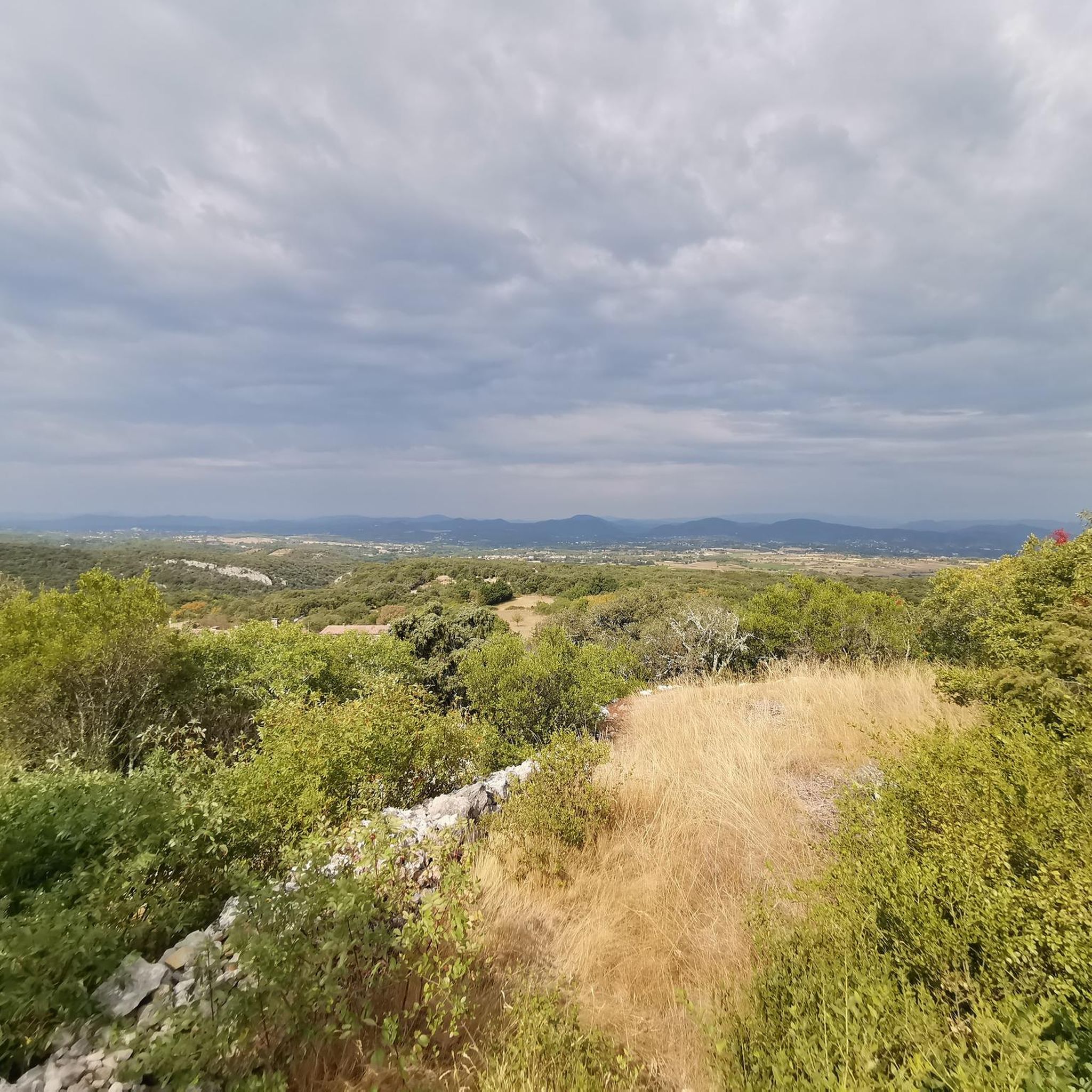
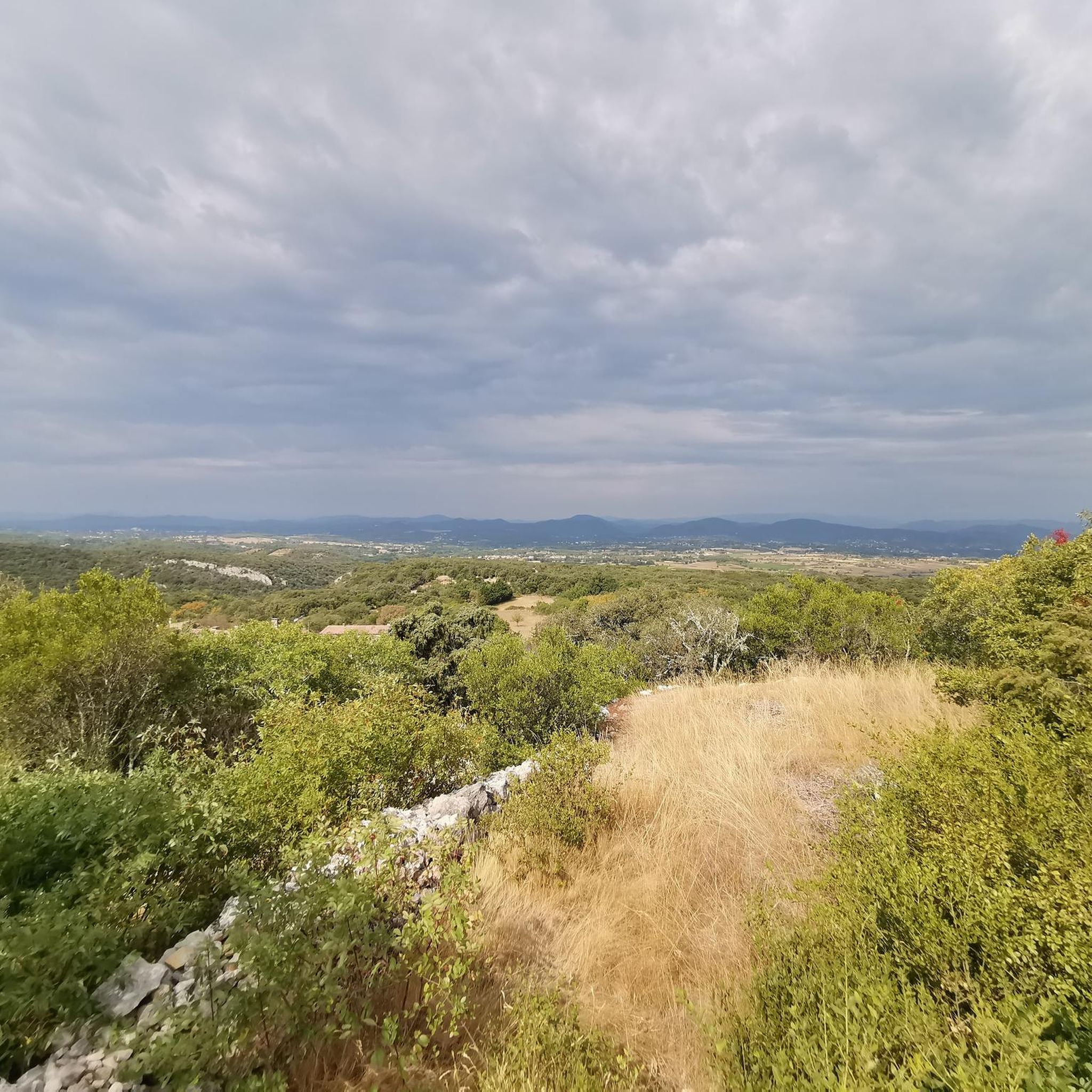
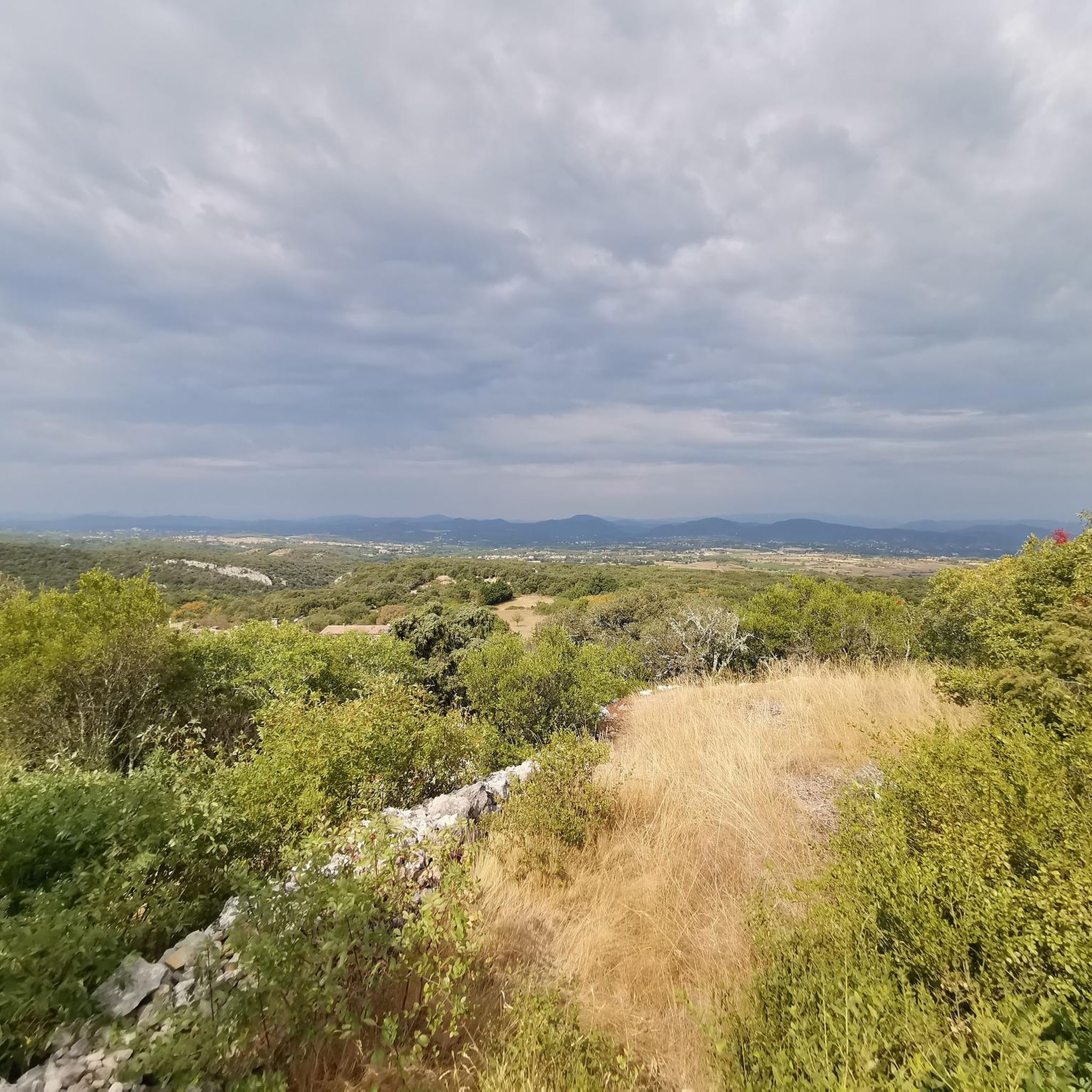
very beautiful view with ford at the bottom of the conclusions, route without major difficulty, parking nearby
0
0

Do not do this in very hot weather...the limestone retransmits the heat...it is a furnace.
0
1

This gorge, which is ideal for hiking, can only be reached on foot. Hiking trips must be made dependent on the water level. In spring and autumn, the Aiguillon usually turns into a raging river, while the riverbed is usually dry in summer. Visitors should also avoid walking through the gorge when it is raining. The reason: the water rises very quickly.
0
1
The Concluses de Lussan is a nature reserve that is popular with hikers. Hikers can expect an adventurous gorge landscape and can learn how this natural pearl came into being on an educational trail.
0
1

A cave to visit and easy to access. In front of the entrance, you have to go to the bottom of the cave, there is a small safe passage which allows you to pass into a huge room with a hole high up which floods this cave with light. Walk and interesting visit to do with children.
0
0

Frequently Asked Questions
What unique geological features can I explore around Allègre-Les-Fumades?
The region is rich in geological wonders. You can explore the impressive Les Concluses Viewpoint, a spectacular gorge with overhanging rocks and natural arches sculpted by erosion. Another fascinating site is Peyre-Haute Cave, an 'aven' with a 25-meter open-air opening and historical significance. Don't miss The Three Arches of the Cèze Gorges, a remarkable natural ensemble of rock arches.
Are there opportunities for wild swimming or cooling off in natural pools?
Yes, the area offers several spots for cooling off. The Little Aiguières is a gorge known for its clear water and natural pools, ideal for bathing. Similarly, the Grandes Aiguières Waterfalls and Pools provide a magnificent site with turquoise waters, perfect for a refreshing dip, though be aware that riverbeds can dry up during drought periods.
What is the best time of year to visit the natural monuments in this region?
The best time to visit depends on your preferred activity. For exploring riverbeds on foot, such as in Les Concluses Viewpoint, the summer months (typically from mid-June) are ideal as the Aiguillon river often dries up. For enjoying waterfalls and lush scenery, spring or early summer after rainfall would be more suitable. The region's Mediterranean climate generally offers pleasant conditions for outdoor activities from spring through autumn.
Are there family-friendly natural monuments or activities suitable for children?
Absolutely. Peyre-Haute Cave is considered easy to access and offers an interesting visit for children, allowing them to explore a huge, naturally lit room. Walking along the dried riverbed in Les Concluses Viewpoint during summer can also be an adventurous experience for families.
What kind of outdoor activities can I do near these natural monuments?
The region around Allègre-Les-Fumades is excellent for various outdoor activities. You can find numerous routes for road cycling, mountain biking, and running. For example, explore the Road Cycling Routes around Allègre-Les-Fumades, tackle the MTB Trails around Allègre-Les-Fumades, or enjoy the Running Trails around Allègre-Les-Fumades. Many of these routes pass through or near the natural monuments, offering scenic views and diverse terrain.
What is the significance of the Garrigues de Lussan?
The Garrigues de Lussan is a vast limestone plateau recognized as a Natura 2000 site, highlighting its ecological importance. It features extensive wooded garrigues, dry valleys, and deep canyons, dominated by green and downy oaks. This environment supports rich biodiversity, including typical Mediterranean flora like kermes oak, cistus, rosemary, and thyme. Historically, it has also been a nesting ground for notable birds such as Bonelli's Eagle and Lesser Kestrel.
Can I find panoramic viewpoints in the area?
Yes, Mont Bouquet is a prominent limestone promontory rising to 629 meters at Guidon du Bouquet. From its summit, you can enjoy expansive panoramic views encompassing the Cévennes mountains, the Alès basin, the Rhône valley, Mont Ventoux, and the garrigues to the south. It offers excellent opportunities for hiking and enjoying stunning vistas across the diverse landscapes of the Gard department.
Are there any historical aspects associated with the natural monuments?
Yes, some natural monuments have historical connections. Peyre-Haute Cave, for instance, is believed to have been used as a shelter for humans or a sheepfold until the Middle Ages. Within Les Concluses, features like 'la grotte des camisards' (the Camisards' cave) hint at historical uses and events in the region.
What kind of flora and fauna can I expect to see?
The region's diverse ecosystems, particularly in areas like the Garrigues de Lussan, are home to typical Mediterranean flora. You'll find green oaks, downy oaks, kermes oak, cistus, arbutus, rosemary, and thyme. The area also supports rich biodiversity, with notable bird species such as Bonelli's Eagle and Lesser Kestrel historically nesting there.
How challenging are the trails to reach these natural monuments?
The difficulty varies. Some highlights like Les Concluses Viewpoint can involve scrambling along a riverbed, which can be challenging. The Little Aiguières is described as a strenuous but beautiful hike with very rocky scree paths. However, Peyre-Haute Cave is noted as easy to access. Always check specific route details for difficulty ratings.
What should I wear when visiting the natural monuments?
Given the varied terrain, including rocky paths and potential riverbed exploration, it's advisable to wear sturdy hiking shoes or boots. Layers of clothing are recommended to adapt to changing weather conditions, especially if you plan to hike to viewpoints or explore caves. Sun protection, such as a hat and sunscreen, is also important, particularly during warmer months.
Are there any hidden gems or less-known natural sites worth exploring?
While the main highlights are well-known, places like The Little Aiguières are sometimes considered an 'insider tip' by visitors, offering a secluded idyll with clear, cold water. Exploring the extensive Garrigues de Lussan can also lead to discovering less-traveled paths and unique Mediterranean landscapes away from the main tourist spots.
Most popular routes around Allègre-Les-Fumades
Most popular attractions around Allègre-Les-Fumades

Get inspired with the komoot mobile app


Explore more
Extend your search for the best caves by checking out these guides of the top ones around Allègre-Les-Fumades:
