Top 6 Natural Monuments around Berbiguières
Best natural monuments around Berbiguières are found in the heart of the Périgord Noir region. This area is characterized by significant natural features, including the Dordogne and Vézère Valleys, both recognized for their beauty and rich heritage. The landscape offers a mix of unspoiled scenery, limestone cliffs, and a high concentration of prehistoric sites. This makes the region a notable destination for exploring natural formations and historical significance.
Best natural monuments around Berbiguières
- The most popular natural monuments is Castelnaud…
Last updated: October 9, 2026
Les Eyzies-de-Tayac
Highlight • Historical Site
Translated by Google •
Tip by

Marqueyssac Gardens
Highlight • Historical Site
Translated by Google •
Tip by

Sign up now to discover places like this
Get recommendations on the best single tracks, peaks, & plenty of other exciting outdoor places.
Castelnaud Caves and Climbing Site
Highlight • Cave
Translated by Google •
Tip by

Cluzeaux de Campagne
Highlight • Cave
Translated by Google •
Tip by

Font de Gaume Cave
Highlight • Cave
You must book in advance to be able to visit it.
Translated by Google •
Tip by
Sign up for free to discover even more natural monuments around Berbiguières.
Already have an account?
Start today with a free account
Your next adventure awaits.

Other adventures around Berbiguières

Tips from the Community


This museum is certainly interesting, unfortunately we didn't have enough time
0
0
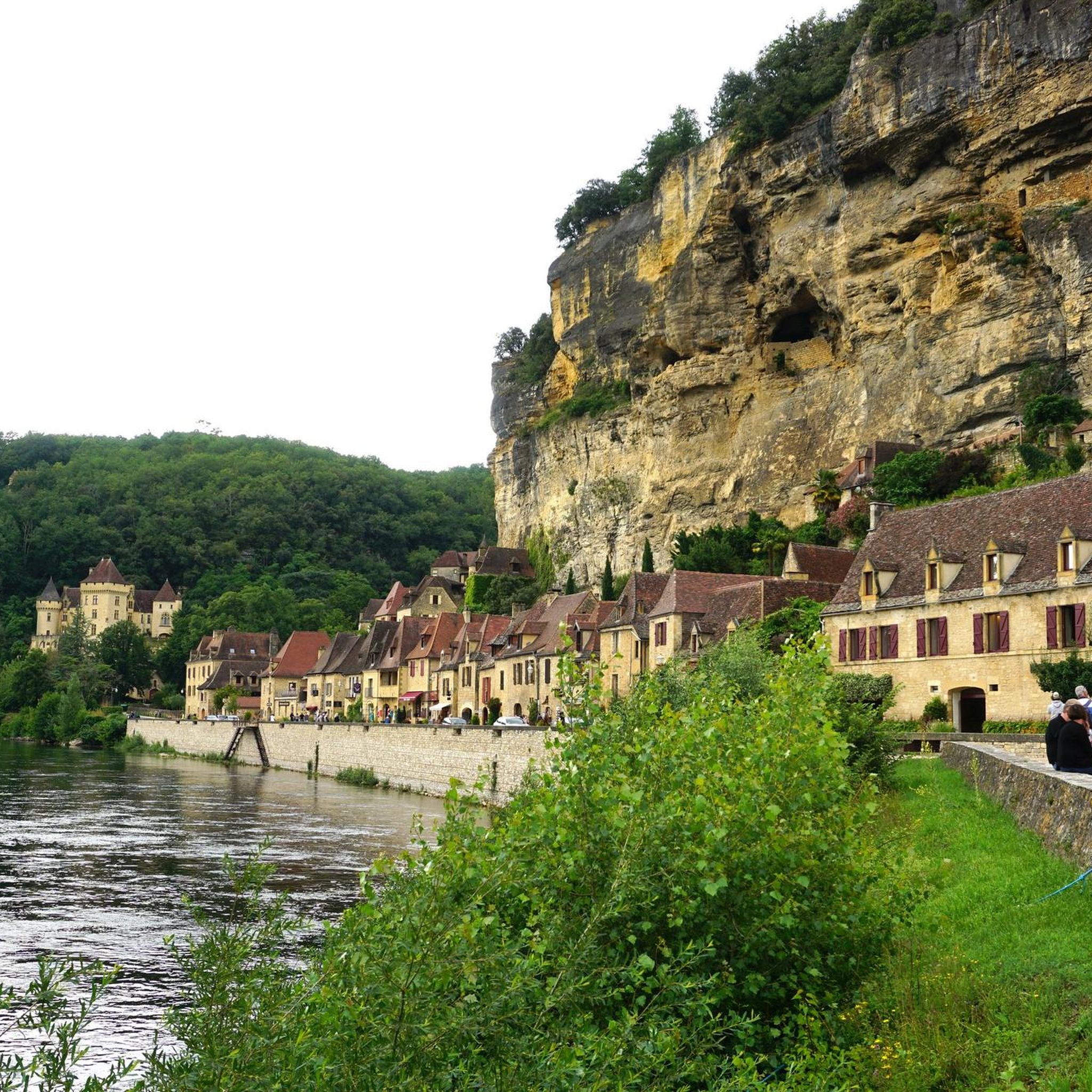
Impressive are the dwellings in the rocks and the houses from the rocks
0
0

Great bike parking and also somewhere to leave bags though we didn’t need to. Restaurant and crepes cafe. Ice cream stand!
0
0

Near Castelnaud, the place invites you to take a journey through the rock by exploring the different caves that line the path. Climbing enthusiasts can also indulge in their passion.
1
0

Welcome to the capital of prehistory! This is the nickname given to this modest village which follows the course of the Vézère. It must be said that the extraordinary sites that you can visit are numerous. In addition to the very richly supplied national museum, I encourage you to go to the Pôle de la préhistoire. Building entirely dedicated to this science and free. Find out about all the prehistoric marvels that can be admired in and around the town. They are not missing. It is not without reason that the Vézère valley has been nicknamed the valley of man.
2
1

Near the grounds of the Château de Campagne, in the extension of the Ladies' Staircase, are the Cluzeaux. Dating back to the early Middle Ages, their exact purpose remains a mystery...food storage or housing?
1
0

A dream of an extensive garden landscape, here you can stroll for several hours, stroll and be amazed with a great view of the Dordogne and a beautiful little castle. Snack on site.
0
0
Frequently Asked Questions
What are some of the most unique natural monuments to explore near Berbiguières?
Beyond the well-known sites, you can discover the fascinating Cluzeaux de Campagne, ancient cave dwellings near the Château de Campagne whose exact purpose remains a mystery. Another unique experience is the Font de Gaume Cave, renowned for its rare polychrome paintings of bison, offering a glimpse into prehistoric art.
Are there natural monuments around Berbiguières that are particularly family-friendly?
Yes, several natural sites are great for families. The Marqueyssac Gardens, with their intricate boxwood mazes and peacocks, offer a whimsical experience for all ages. Exploring the Dordogne River Valley provides opportunities for canoeing, swimming, and gentle walks, perfect for family outings. The Gouffre de la Fage also offers educational mini-caving activities and the chance to see a large bat colony.
What kind of geological features can I expect to see in the natural monuments near Berbiguières?
The region is rich in diverse geological formations. You'll encounter impressive limestone cliffs along the Dordogne and Vézère Valleys. Subterranean wonders include the incredible crystallizations of the Grotte du Grand Roc, featuring stalactites, stalagmites, columns, and unique 'eccentrics' that defy gravity. The Castelnaud Caves also invite exploration through various rock formations.
What outdoor activities can I do near these natural monuments?
The area around Berbiguières is ideal for various outdoor activities. You can enjoy hiking on trails like the 'Berbiguières Loop Trail' or explore the wider region with routes found in the Hiking around Berbiguières guide. The Dordogne River offers excellent opportunities for canoeing, kayaking, and swimming. For cycling enthusiasts, there are numerous MTB Trails and Gravel biking routes that allow you to explore the scenic landscapes.
When is the best time of year to visit the natural monuments around Berbiguières?
The spring (April-June) and autumn (September-October) offer pleasant temperatures for exploring, with fewer crowds and vibrant natural colors. Summer (July-August) is popular for river activities on the Dordogne, but sites can be busier. Caves like the Grotte du Grand Roc and Gouffre de la Fage maintain a consistent cool temperature year-round, making them good options even on hot days.
Are there any less crowded natural sites to visit near Berbiguières?
While popular sites can draw crowds, exploring the extensive network of trails along the Dordogne River and Valley or the Vézère Valley can lead you to quieter spots, especially outside peak season. The Cluzeaux de Campagne might also offer a more tranquil experience compared to larger, more commercialized caves.
What historical or cultural sites are integrated with the natural monuments in this region?
The Périgord Noir region is famously known as the 'Valley of Man' due to its rich prehistoric heritage. Les Eyzies-de-Tayac, often called the capital of prehistory, is a prime example, featuring numerous prehistoric sites and museums within a naturally beautiful setting. The Vézère Valley itself is a UNESCO World Heritage site, combining stunning natural formations with evidence of human occupation dating back millennia. Many caves, like the Font de Gaume Cave, house ancient art.
What do visitors enjoy most about the natural monuments around Berbiguières?
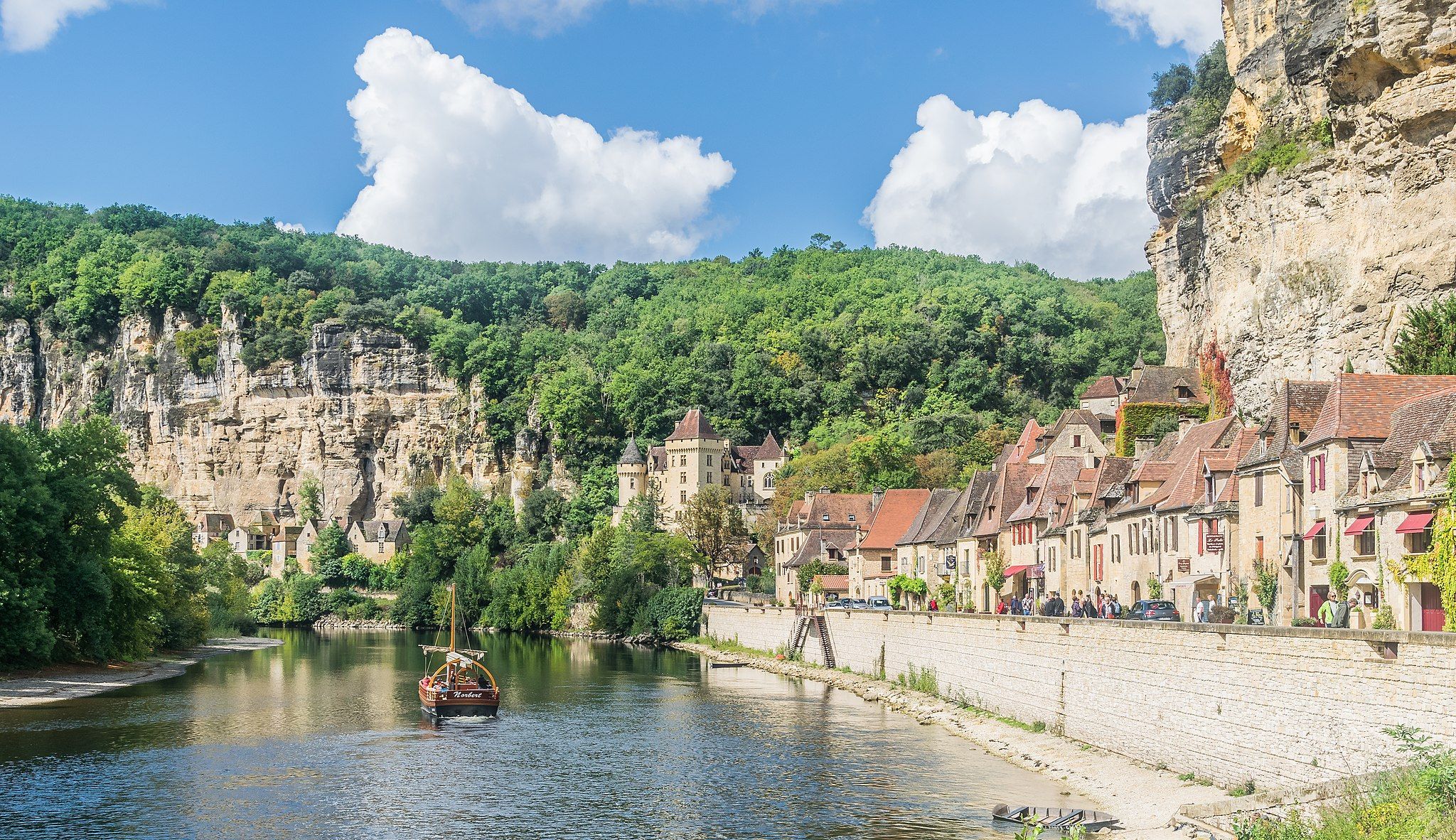
Visitors frequently praise the breathtaking panoramic views, such as those from the View of La Roque-Gageac and the Dordogne cliffs. The unique geological formations within the caves, like the 'mineral forest' of the Grotte du Grand Roc, are also highly appreciated. Many enjoy the blend of natural beauty with rich history, particularly in the Vézère Valley, and the opportunities for outdoor activities like hiking and canoeing.
Are there any natural monuments that are accessible for visitors with limited mobility or wheelchairs?
While many natural sites in this rugged region involve uneven terrain or steps, some areas offer better accessibility. The Marqueyssac Gardens have well-maintained paths, and while some areas are steep, main routes are generally accessible. For specific accessibility details, it's always recommended to check directly with the individual site before your visit, as conditions can vary.
Can I find cafes or refreshments near the natural monuments?
Yes, many of the more popular natural monuments and nearby villages offer options for refreshments. For instance, the village of La Roque-Gageac, visible from the View of La Roque-Gageac and the Dordogne cliffs, has food and drink options. Larger sites like the Marqueyssac Gardens often have on-site cafes or picnic areas. In towns like Les Eyzies-de-Tayac, you'll find various cafes and restaurants.
What should I bring when visiting natural monuments and going hiking in the Berbiguières area?
When exploring the natural monuments and trails, it's advisable to bring comfortable walking shoes, water, and sun protection (hat, sunscreen) especially during warmer months. For cave visits, a light jacket might be useful as temperatures underground are consistently cool. If you plan on hiking, consider bringing a map or using a navigation app like komoot, and pack snacks. Binoculars can enhance wildlife spotting or distant views.
Most popular routes around Berbiguières
Most popular attractions around Berbiguières

Get inspired with the komoot mobile app


Explore more
Extend your search for the best caves by checking out these guides of the top ones around Berbiguières:
