Top 6 Natural Monuments around Pigna
Best natural monuments around Pigna offer diverse natural features within the Ligurian hinterland of Italy. This region is characterized by its mountainous terrain, including the Ligurian Alps, and its proximity to the coast. The area provides opportunities to explore geological formations, mountain peaks, and coastal landscapes.
Best natural monuments around Pigna
- The most popular natural monuments is View of La Pietra Island, a viewpoint that offers views of the red porphyry rocks from which L’Île-Rousse gets its name. This…
Last updated: June 22, 2026
Peace Sculpture
Highlight • Monument
Erected at an altitude of 1100 meters between the Col de Battaglia and the Col de Croce Dolu, the Peace Sculpture, inaugurated on August 14, …
Translated by Google •
Tip by

View of La Pietra Island
Highlight • Viewpoint
Translated by Google •
Tip by

Sign up now to discover places like this
Get recommendations on the best single tracks, peaks, & plenty of other exciting outdoor places.
Sign up for free
Rock Formations of Roccapina
Highlight • Natural Monument
Translated by Google •
Tip by

La Punta Spano (La Punta Spanu)
Highlight • Natural Monument
Translated by Google •
Tip by

San Parteo Summit
Highlight • Summit
Translated by Google •
Tip by

Sign up for free to discover even more natural monuments around Pigna.
Sign up for free
Already have an account?
Start today with a free account
Your next adventure awaits.
Login or Signup
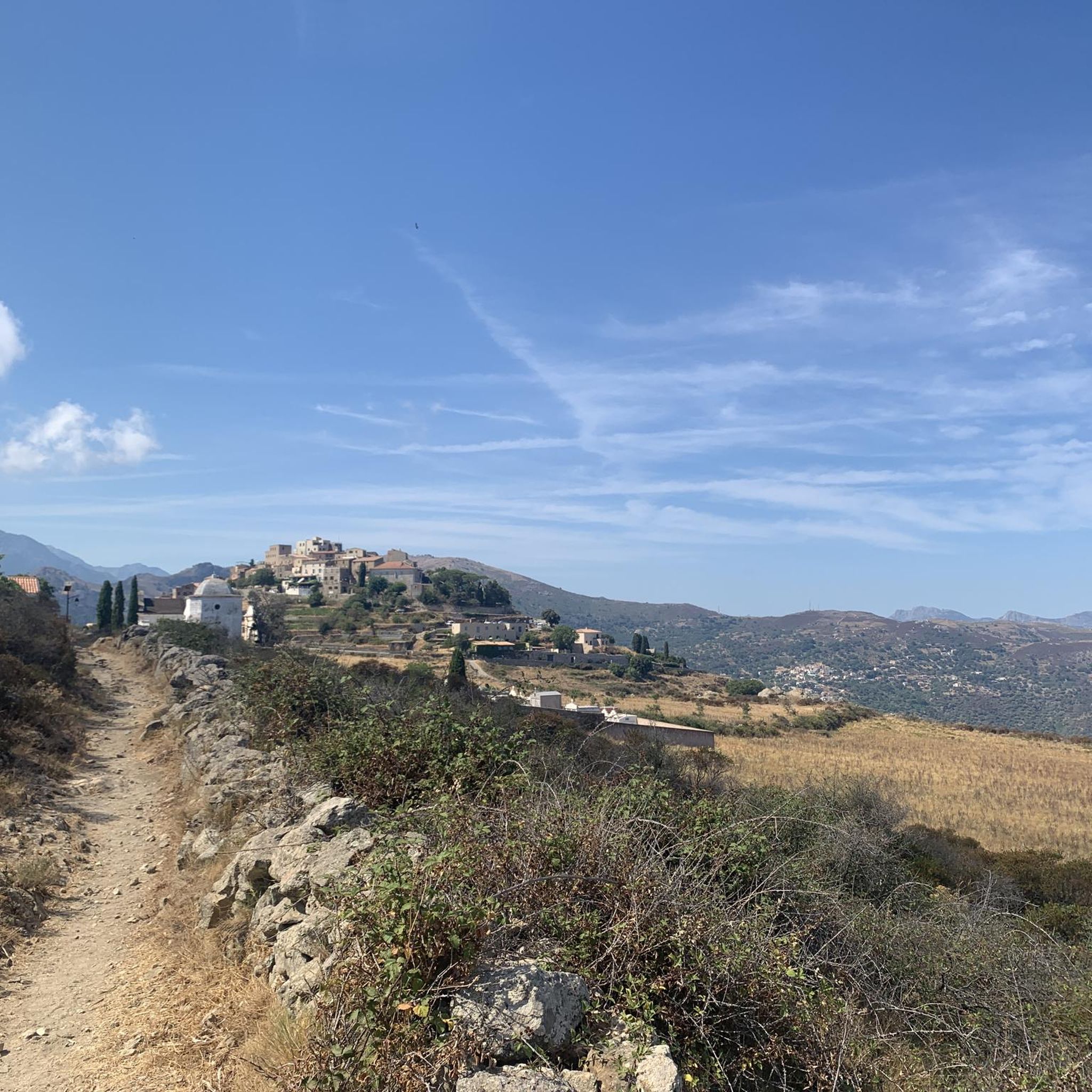
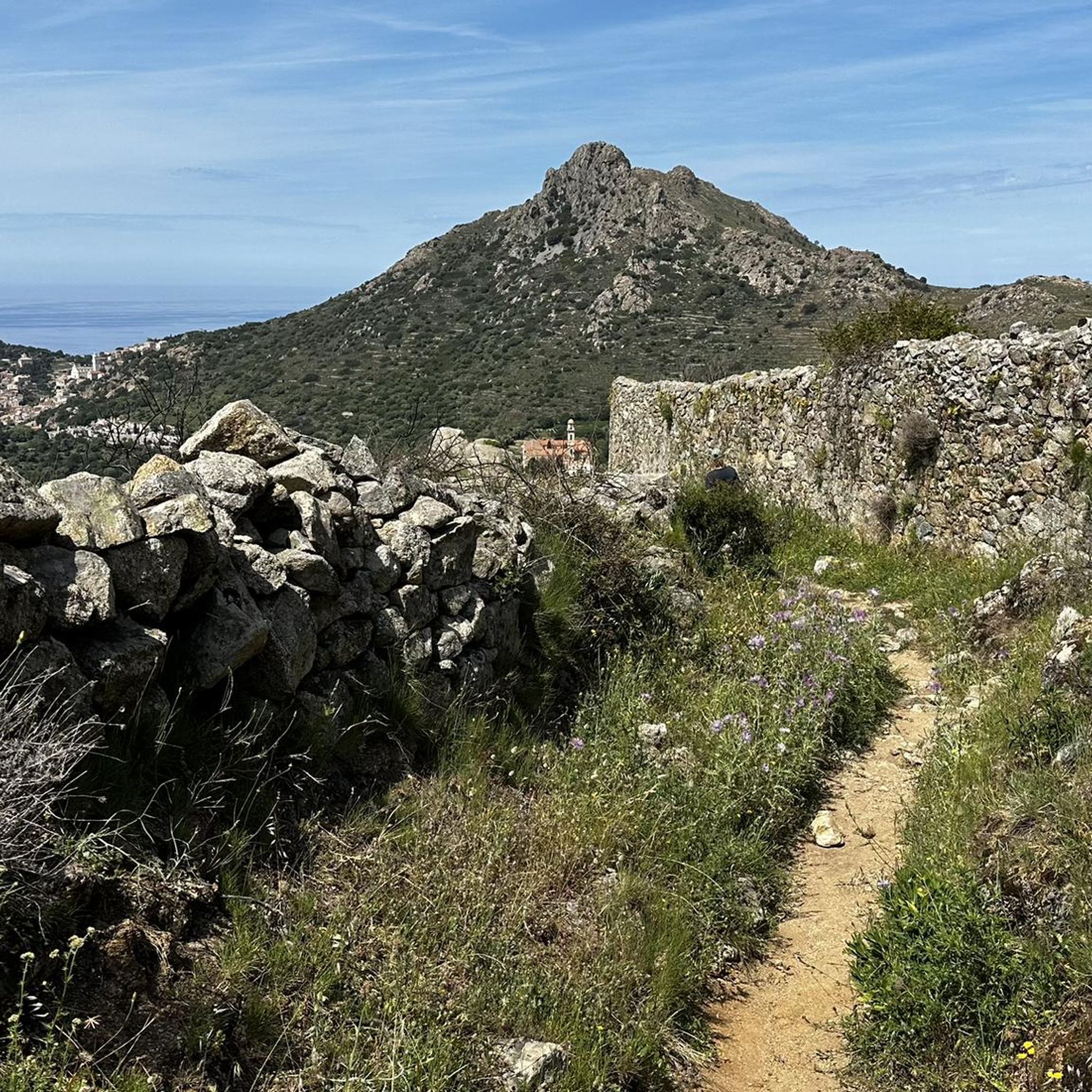
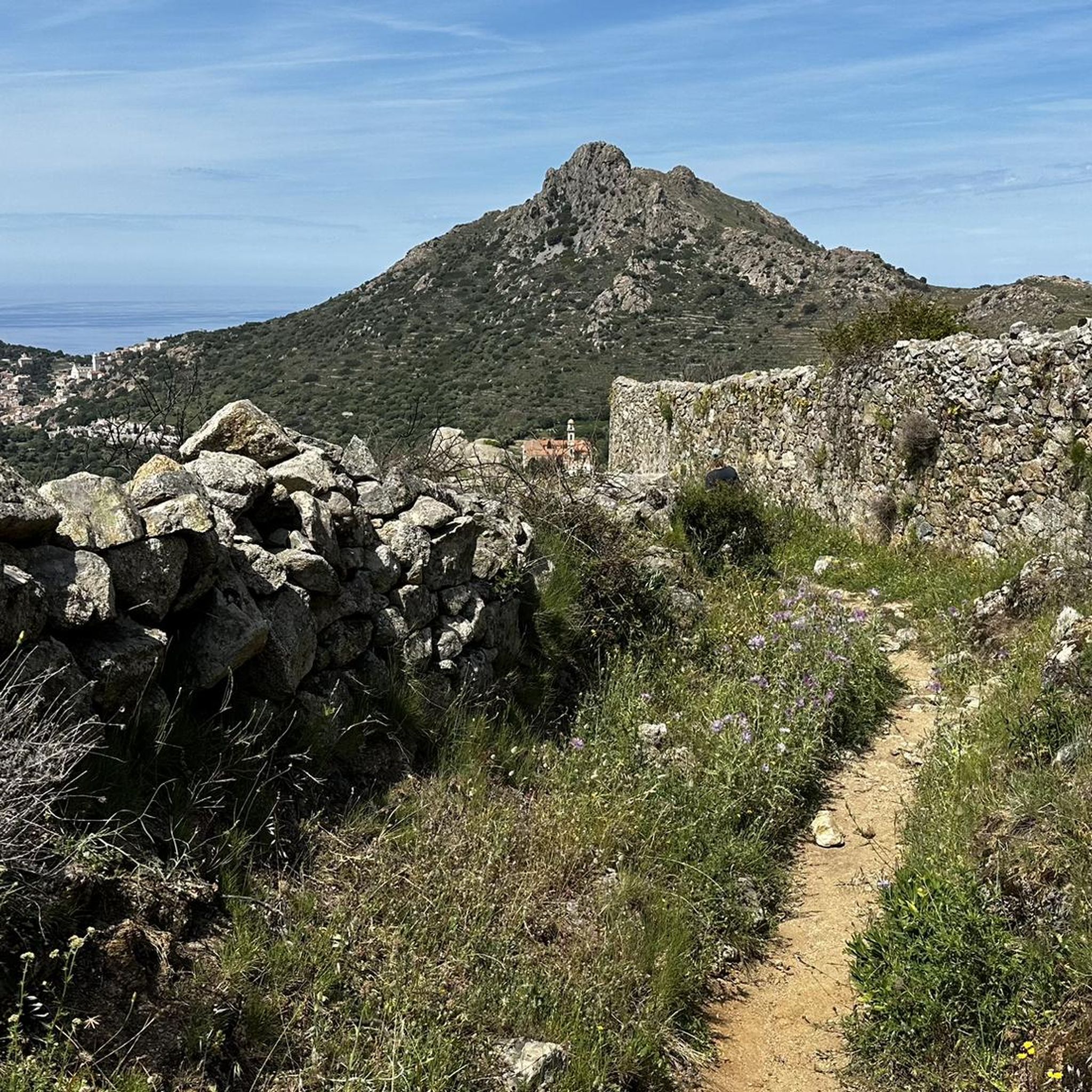
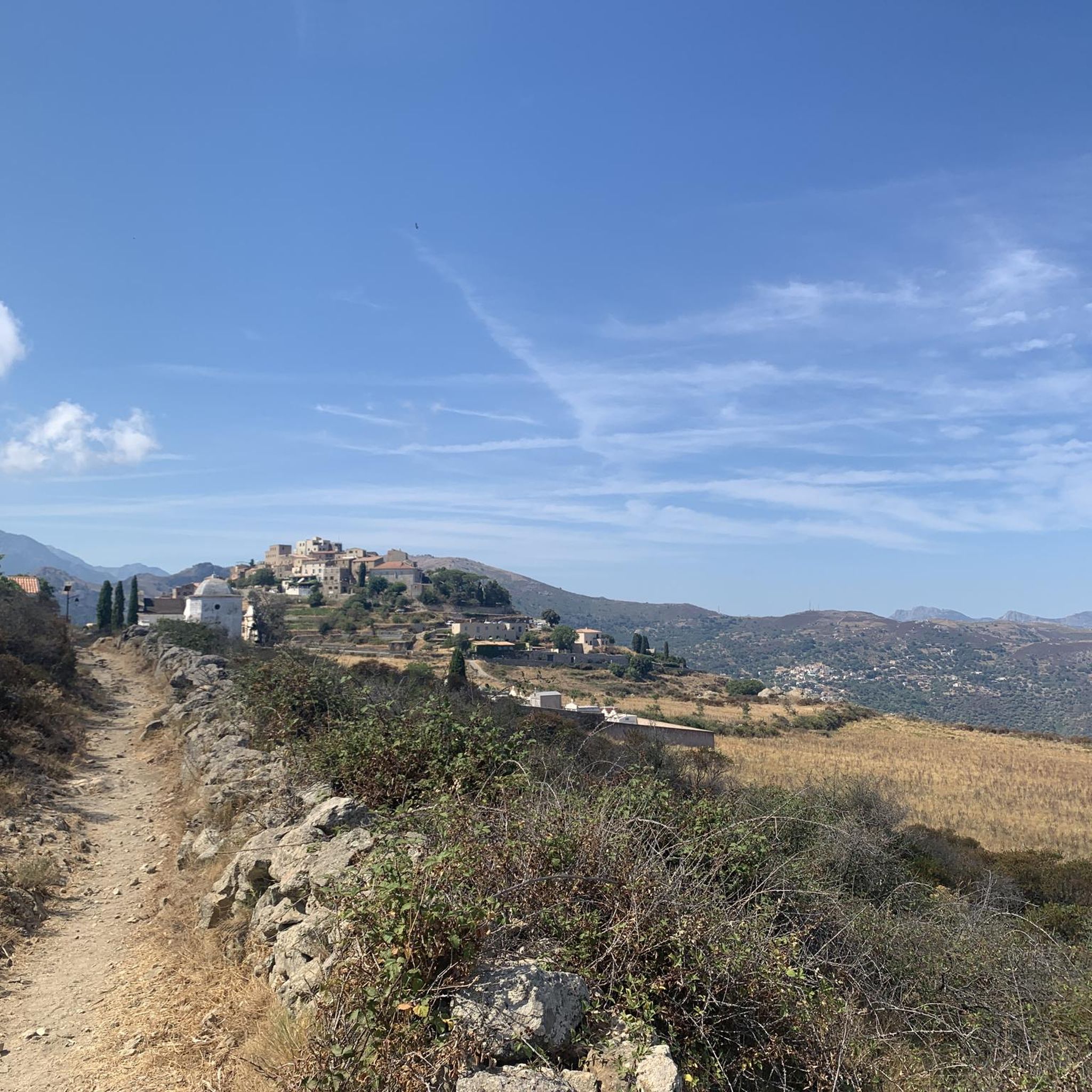

Tips from the Community

mega super beautiful here. is worth a visit.
0
0

Nice hike, however not recommended for anyone who has difficulty walking, some small passages a little difficult on the rocks.
0
0

The former fishing village was expanded into a trading port with city fortifications by Pascal Paoli in 1759 during the Corsican Republic in order to have a Corsican port opposite Calvi, which was still Genoese at the time. The late founding of the town is still clearly visible due to the division of the town area into regular street squares. The official language was Italian until 1848.
1
1
The region has been inhabited since the 5th to 3rd millennium BC. Around 1000 BC, the town of Agila existed there, which was dependent on the city of Tyros (Phoenicia). The Romans maintained a base called Rubico Rocega at this location during their rule over Corsica until the 4th century AD. After that, the current urban area was almost uninhabited except for a few fishermen and farmers due to its proximity to the coast and the resulting vulnerability to enemy attacks. It was not until the 16th century that residents of the nearby town of Santa-Reparata-di-Balagna opened the first shops near the coast for trade with neighboring communities by sea.
1
0
L’Île-Rousse got its name from the red porphyry rocks in front of the harbor entrance – the Île de la Pietra. This island is now connected to the island of Corsica by a causeway.
1
0
L’Île-Rousse is an attractive town with buildings full of charm, but above all because of the Pietra Islands. These colorful rocky islands seem to guide the boats to the coast. Here are all our tips on how to get to the La Pietra peninsula (now that there is a road) and climb up to the Genoese tower and the La Pietra lighthouse.
1
1

Magnificent rock formations
0
0
Frequently Asked Questions
What are the most popular natural monuments around Pigna?
Visitors to Pigna often enjoy the unique geological formations and scenic viewpoints. Among the most appreciated are the View of La Pietra Island, known for its red porphyry rocks, and the Rock Formations of Roccapina, which offer a distinctive geological landscape. The San Parteo Summit is also highly regarded for its magnificent views of the north coast of Corsica.
Are there family-friendly natural monuments to visit near Pigna?
Yes, several natural monuments around Pigna are suitable for families. The View of La Pietra Island is categorized as family-friendly, offering an accessible and interesting site. Additionally, the natural pools and waterfalls along the Nervia stream, such as Lago Pigo, provide refreshing and easy-to-access spots for a short walk and relaxation, especially during summer.
What kind of hiking trails can I find near Pigna's natural monuments?
Pigna, nestled within the Ligurian Alps Regional Nature Park, offers a variety of hiking trails. You can find spectacular trails leading to mountain peaks like Mount Saccarello, the highest in Liguria, known for its rhododendron blooms. For more structured routes, you can explore options like the 'Pigna – Church of the Trinity of Aregno loop' which is a moderate MTB trail, or various road cycling routes that pass through scenic areas. For detailed routes, check out the MTB Trails around Pigna or Road Cycling Routes around Pigna guides.
Are there any historical or cultural sites integrated with the natural monuments?
Yes, some natural monuments in the area also hold historical significance. For instance, the View of La Pietra Island is not only a natural landmark but also has a history dating back to the 5th to 3rd millennium BC, with Roman bases and early settlements. Similarly, La Punta Spano features a Genoese tower amidst its rocky coastline, blending natural beauty with historical architecture.
What are the unique geological formations to see in the Pigna region?
The Pigna region is rich in fascinating geological features. The Rock Formations of Roccapina are a prime example, offering a unique landscape for exploration. Additionally, the Rugli Caves, located beneath Mount Toraggio, provide an underground adventure where visitors can observe millennia-old stalactites and stalagmites, showcasing the region's geological processes.
Can I find thermal springs or wellness activities near Pigna's natural monuments?
Yes, just outside Pigna, you can find natural thermal springs known for their therapeutic properties since Roman times. Modern spa facilities utilize these hot springs, offering a relaxing contrast to the rugged mountain surroundings. This provides an excellent opportunity for wellness and relaxation after exploring the natural monuments.
What kind of wildlife and flora can I expect to see in the Ligurian Alps Regional Nature Park?
The Ligurian Alps Regional Nature Park, which encompasses Pigna, is a protected area vital for environmental conservation. It houses Special Areas of Conservation (SACs) and Special Protection Areas (SPAs), safeguarding valuable habitats. Visitors can observe unique flora, such as the rhododendron blooms on Mount Saccarello, and various wildlife species within this diverse ecosystem.
Are there opportunities for mountain climbing or challenging hikes around Pigna?
Absolutely. The Pigna area offers access to spectacular hiking trails leading to prominent mountain peaks like Mount Grai, Toraggio, Pietra Vecchia, and Mount Saccarello. These are often referred to as the 'little Dolomites of Liguria' and provide challenging routes for experienced hikers, offering stunning mountain landscapes and significant elevation gains.
What are the best viewpoints to capture scenic landscapes near Pigna?
For breathtaking views, the San Parteo Summit offers magnificent panoramas of the north coast of Corsica, and on clear days, even the east coast. Another excellent spot is the View of La Pietra Island, which provides picturesque vistas of the red porphyry rocks and the sea.
What outdoor activities, besides hiking, are available near Pigna's natural monuments?
Beyond hiking, the area around Pigna offers various outdoor activities. You can find numerous routes for gravel biking and mountain biking. For example, the 'Montemaggiore - Col de Salvi - Cateri – Montemaggiore loop' is a difficult gravel biking route, and there are several moderate MTB trails like the 'Pigna – Church of the Trinity of Aregno loop'. Road cycling is also popular, with routes such as the 'Bocca di Battaglia (1010 m) – Descent of Col de Battaglia loop'. You can find more details in the Gravel biking around Pigna, MTB Trails around Pigna, and Road Cycling Routes around Pigna guides.
Are there any underground natural attractions in the Pigna area?
Yes, the Rugli Caves (Grotte di Rugli) are a captivating underground natural attraction near Pigna. Located beneath Mount Toraggio, these caves offer an opportunity for spelunking enthusiasts to explore fascinating rock formations like stalactites and stalagmites, providing a unique insight into the region's geological history. They are easily accessible, about a 15-minute walk from Pigna.
What is the best time to visit Pigna for exploring its natural monuments?
While the guide doesn't specify a single 'best' time, the region offers diverse experiences throughout the year. Summer is ideal for enjoying refreshing natural pools like Lago Pigo. Spring brings vibrant rhododendron blooms to Mount Saccarello. The mild climate of Liguria generally makes it pleasant for hiking and exploring the natural monuments for much of the year, though specific trail conditions may vary by season, especially in higher elevations during winter.
Most popular attractions around Pigna

Get inspired with the komoot mobile app


Explore more
Extend your search for the best caves by checking out these guides of the top ones around Pigna:
