Top 7 Natural Monuments around Taillet
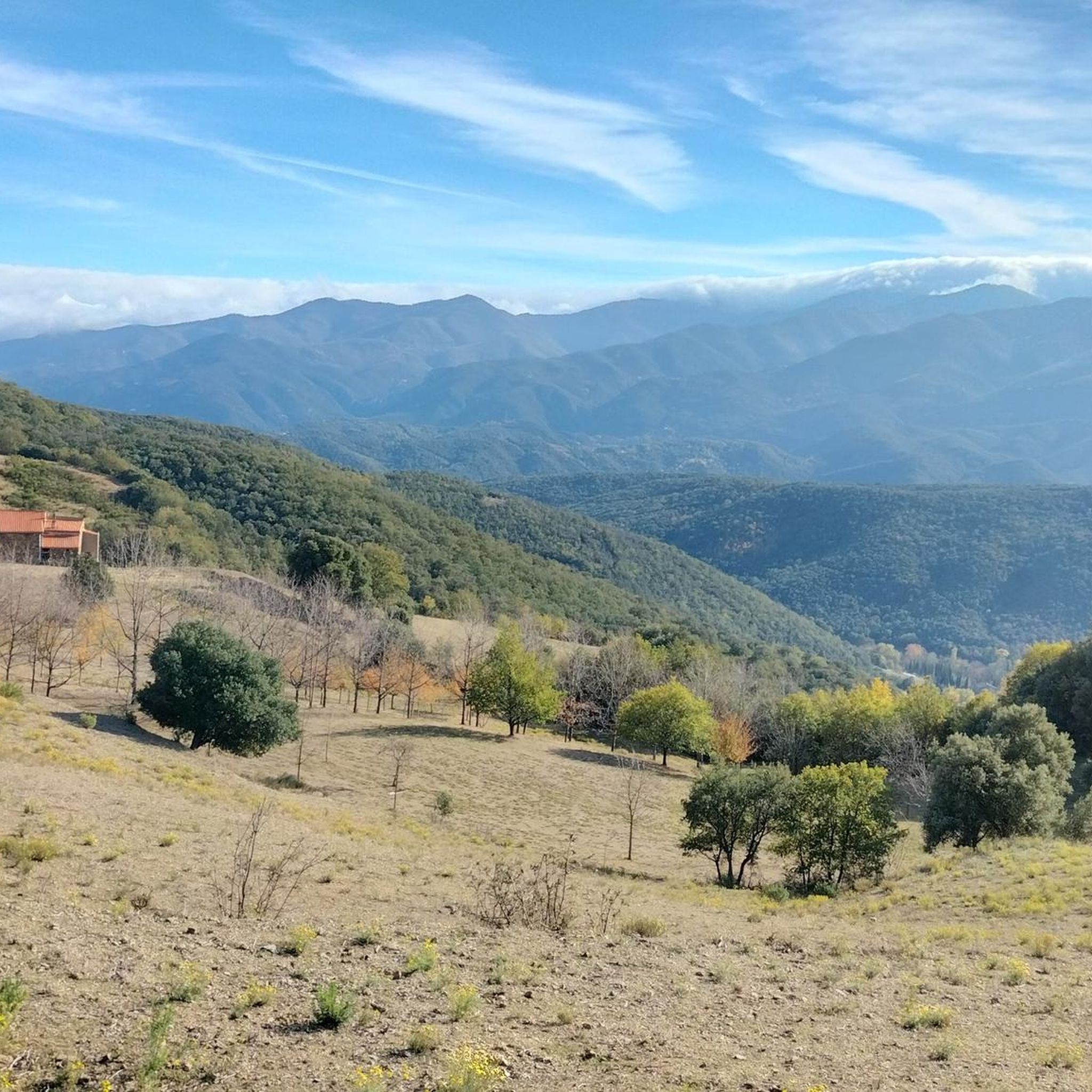
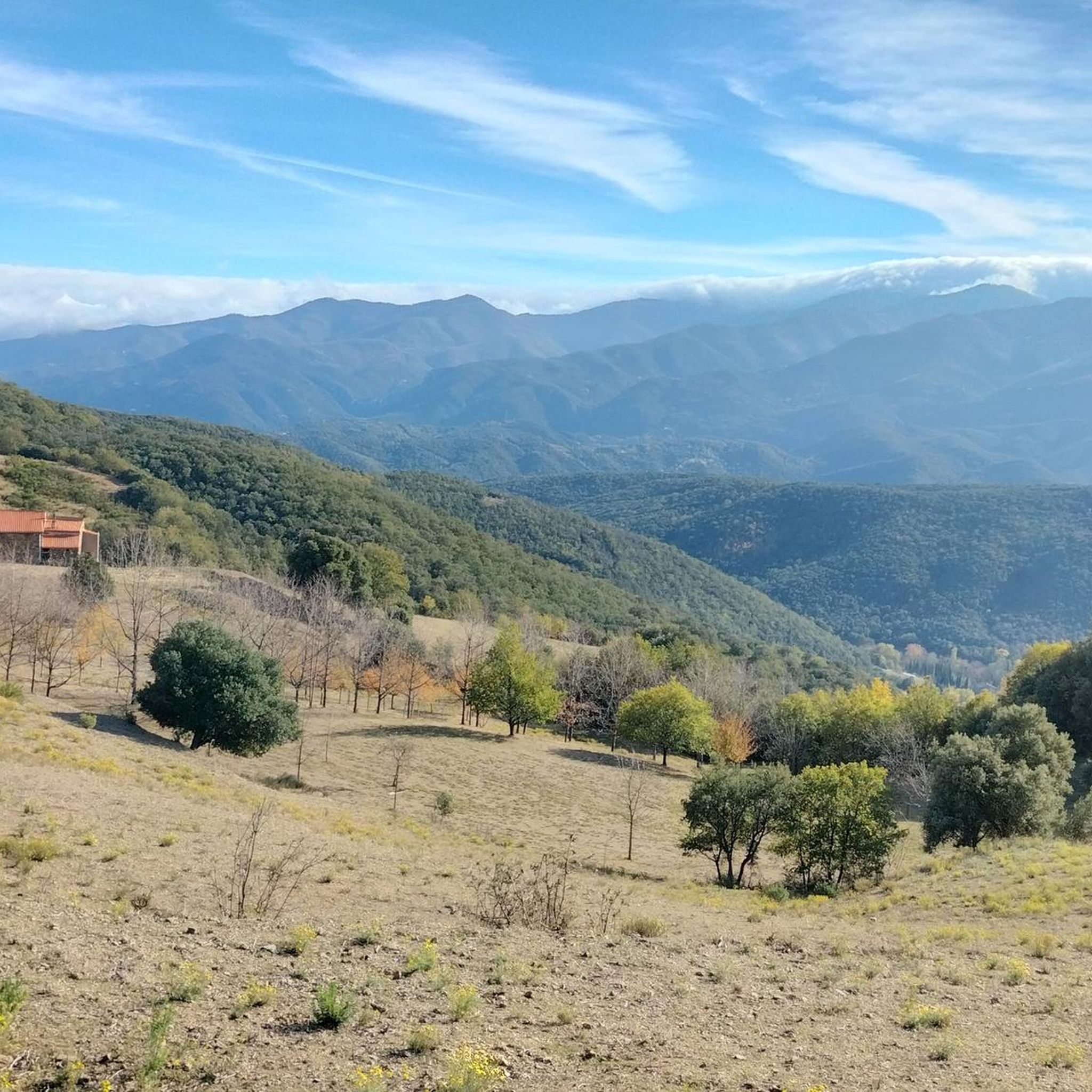
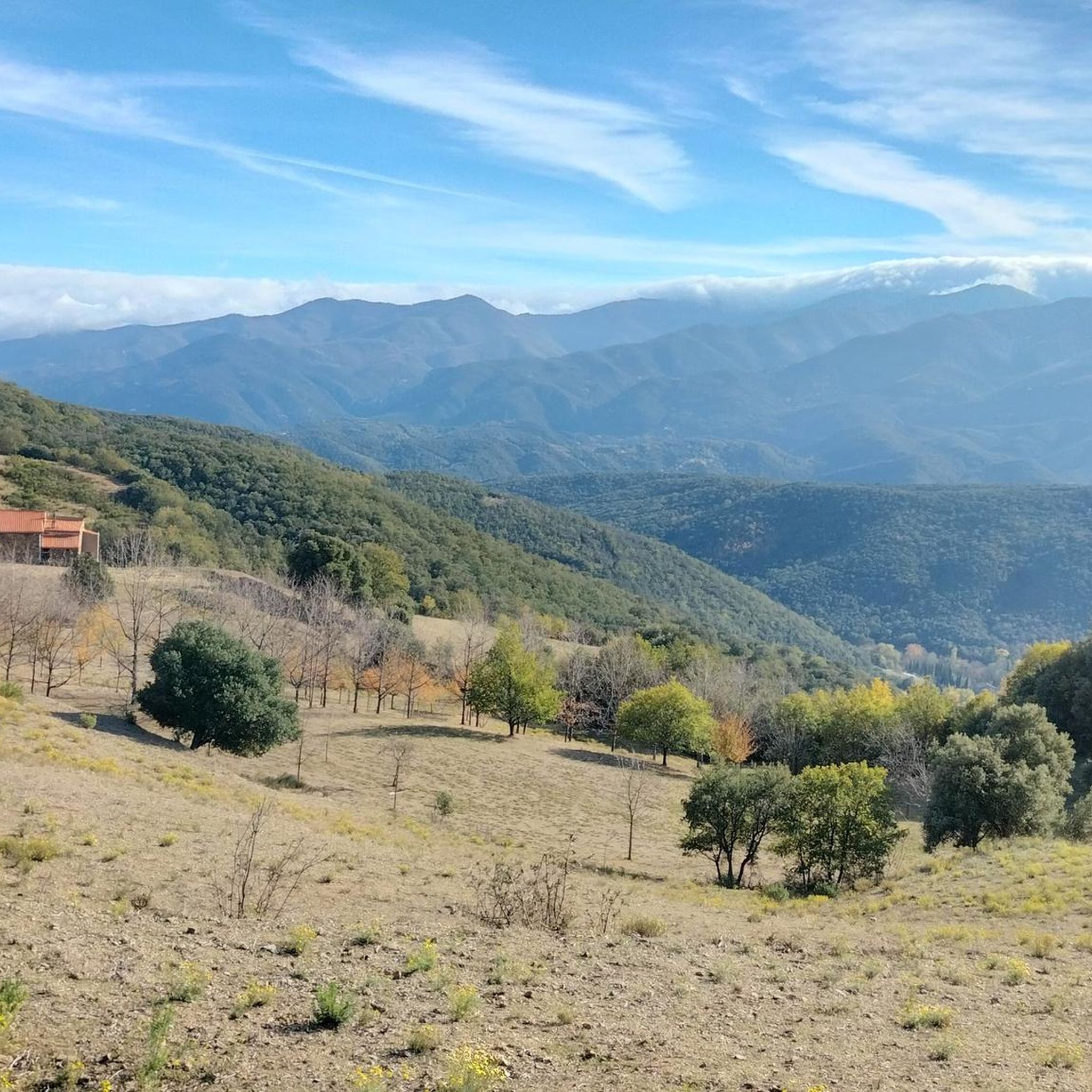
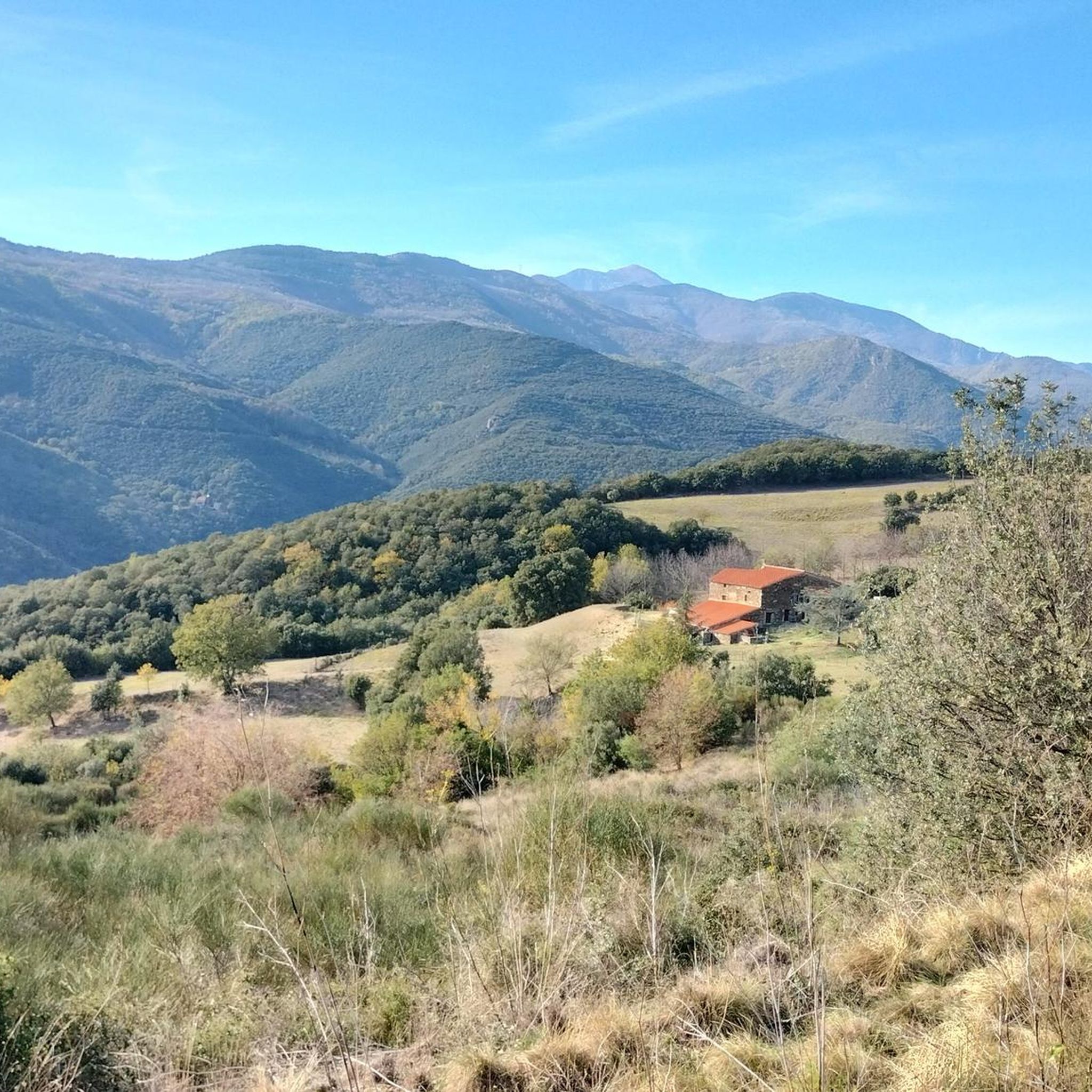
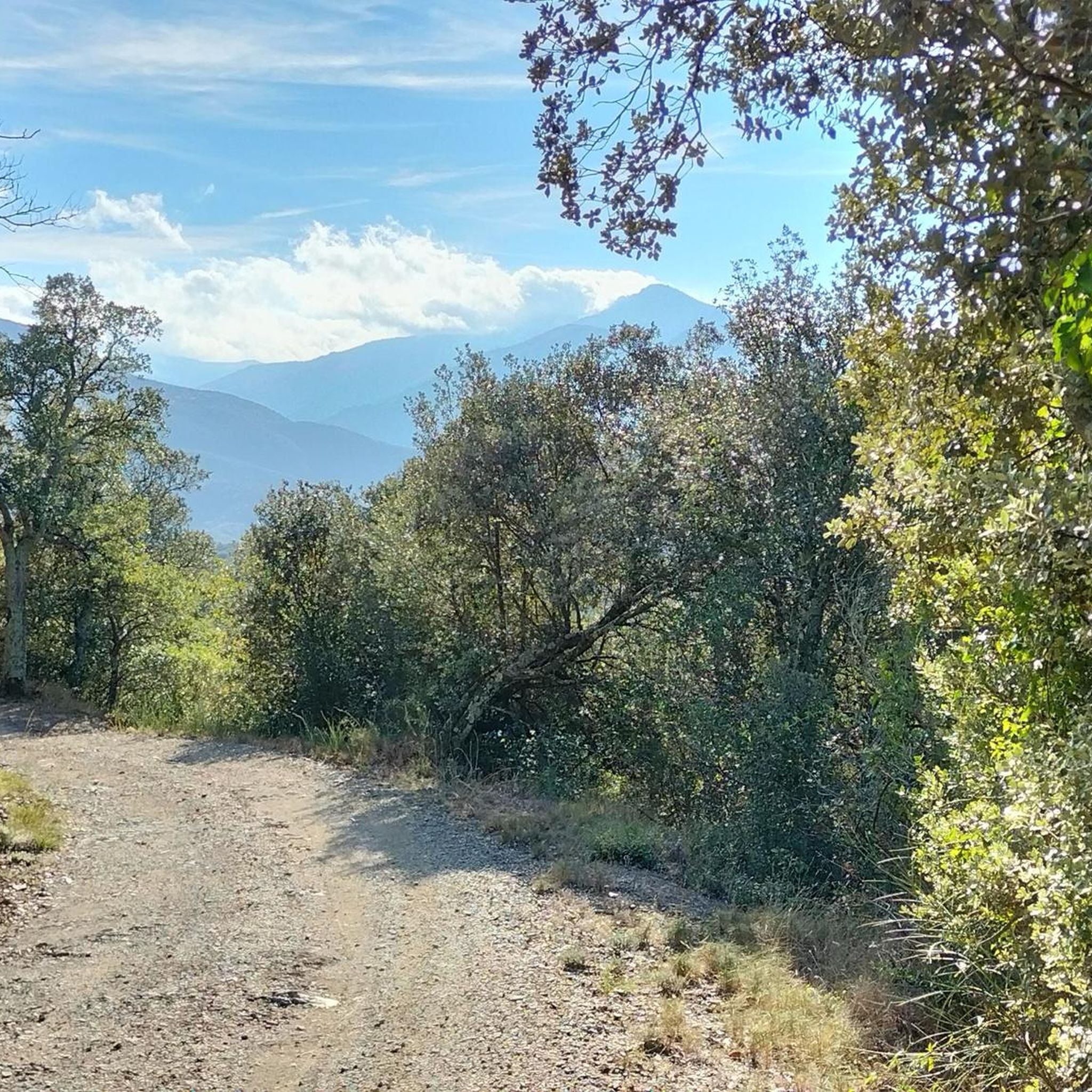
Best natural monuments around Taillet are found in the Pyrénées-Orientales department of southern France, at the foot of the eastern Pyrenees mountains. The area is characterized by lush forestland, grazing areas, and croplands. While Taillet itself does not host officially designated natural monuments, its geographical position provides access to notable natural attractions. The surrounding region offers diverse landscapes and opportunities for outdoor activities.
Best natural monuments around Taillet
- The most popular natural monuments is Pou de la Neu Pass,…
Last updated: October 9, 2026
Pou de la Neu Pass
Highlight • Mountain Pass
Translated by Google •
Tip by

Cork Oak Trees
Highlight • Forest
The cork oak is a tree found mainly in the western Mediterranean and is known for its bark, which …
Translated by Google •
Tip by

Sign up now to discover places like this
Get recommendations on the best single tracks, peaks, & plenty of other exciting outdoor places.
Salt de Baoussous Waterfall
Highlight • Waterfall
Translated by Google •
Tip by

El Moixer Peak
Highlight • Summit
Translated by Google •
Tip by
Roc de Frausa
Highlight • Summit
Translated by Google •
Tip by
Sign up for free to discover even more natural monuments around Taillet.
Already have an account?
Start today with a free account
Your next adventure awaits.

Tips from the Community

We completed this route on August 29, 2025, and upon reaching the dolmen, we were unable to continue because the trail was closed. We had to return along the same path we had taken. The return trail was closed because it crossed private property.
0
0

This pass was important as a passage between regions, especially in activities such as transhumance or the transport of goods. The snow wells that give the place its name were also key elements in the economy of the mountainous areas. The term "Pou de la Neu" refers to the snow or ice wells that were traditionally used to store snow during the winter. These structures, dug into the ground or built with stones, served to preserve ice that was later transported to the lower areas for use in food, medicine or food preservation.
1
0

The name of the place is called "Salt de Baoussous"
1
0

This hiking pass is a real hub of hiking trails that go to both France and Spain. The views there are magnificent.
3
1
This summit follows the ridge line which forms the Franco-Spanish border. To get there, you cross the imaginary line that separates the two countries and you leave the GR 10 for a few hundred meters. It is characterized by impressive rock formations.
1
0
This rocky promontory, also called Roc de France, is part of a series of “rocks” which crown the Salines massif. Together they form part of the Franco-Spanish border.
0
0

‼️⚠️ As with all bathing pools in river valleys, only get in when the weather is absolutely stable. When it rains, the water level can rise quickly!
1
0
2023: Due to the extreme drought and the poor water quality, swimming is no longer allowed in most of the pools. Here it goes ....
1
2
Frequently Asked Questions
What kinds of natural monuments can I explore near Taillet?
The area around Taillet offers a variety of natural monuments, including mountain passes like Pou de la Neu Pass, impressive waterfalls such as Salt de Baoussous Waterfall, and challenging peaks like El Moixer Peak. You can also find unique forest areas with Cork Oak Trees.
Are there any family-friendly natural monuments or walks near Taillet?
Yes, the area with the Cork Oak Trees is noted as family-friendly. Exploring these unique trees offers an educational and enjoyable experience for all ages.
Where can I find the best viewpoints of the natural landscape around Taillet?
For expansive views, head to Pou de la Neu Pass, which offers magnificent vistas of the surrounding landscape. El Moixer Peak and Roc de Frausa also provide excellent viewpoints from their summits.
What outdoor activities can I do near these natural monuments?
Beyond exploring the natural monuments themselves, the region around Taillet is excellent for various outdoor activities. You can find numerous running trails, mountain biking routes, and gravel biking paths that allow you to discover the diverse landscapes.
Are there challenging hikes to natural monuments in the area?
Yes, if you're looking for a challenge, consider hiking to El Moixer Peak. This summit follows the ridge line forming the Franco-Spanish border and is characterized by impressive rock formations, making it a demanding but rewarding ascent.
What should I know before visiting Salt de Baoussous Waterfall?
The Salt de Baoussous Waterfall is located within a gorge and offers a unique view of geological formations. It's important to note that, as with all bathing pools in river valleys, you should only enter the water when the weather is absolutely stable, as water levels can rise quickly during rain.
Can I find natural monuments that are also historically significant?
While not explicitly historical sites, mountain passes like Pou de la Neu Pass have historically served as important hubs for trails connecting France and Spain. Peaks such as El Moixer Peak and Roc de Frausa also mark the Franco-Spanish border, adding a geographical and historical dimension to their natural beauty.
What makes the Cork Oak Trees a special natural monument?
The Cork Oak Trees are special because they are a symbol of sustainability and environmental protection. These trees, found mainly in the western Mediterranean, are known for their bark which is harvested for cork every nine to twelve years. The bark grows back, making it a renewable resource, and the trees themselves can live up to 250 years.
What is the best time of year to visit the natural monuments around Taillet?
While specific data isn't available, the Pyrénées-Orientales region generally offers pleasant conditions for outdoor activities from spring through autumn. Spring brings blooming flora, summer is ideal for longer days, and autumn provides comfortable temperatures and beautiful fall colors. Winter might offer a different, more rugged experience, especially at higher elevations.
What do visitors enjoy most about the natural monuments in this region?
Visitors particularly appreciate the diverse natural features, from the expansive views at mountain passes to the unique geological formations in gorges and the impressive rock formations on peaks. The opportunity to explore trails that cross international borders and discover unique flora like the cork oak trees also adds to the appeal.
Are there any natural monuments near Taillet that are located on the Franco-Spanish border?
Yes, both El Moixer Peak and Roc de Frausa are summits that follow the ridge line forming the Franco-Spanish border. Visiting these sites allows you to literally cross the imaginary line separating the two countries.
Most popular routes around Taillet
Most popular attractions around Taillet

Get inspired with the komoot mobile app


Explore more
Extend your search for the best caves by checking out these guides of the top ones around Taillet:
