Top 20 Natural Monuments around Marignana
Best natural monuments around Marignana are found in a region characterized by dramatic coastal formations and rugged inland landscapes. This area features striking red rock calanques, deep gorges, and high mountain passes. It is a destination known for its unique geological features and diverse natural environments. The region offers opportunities to explore protected natural heritage sites and panoramic viewpoints.
Best natural monuments around Marignana
- The most popular natural monuments is View of the Calanques de Piana, a viewpoint that…
Last updated: October 9, 2026
Piana Calanques via the Old Mule Track
Highlight (Segment) • Gorge
Translated by Google •
Tip by

Spelunca gorges
Highlight • Gorge
Translated by Google •
Tip by

Sign up now to discover places like this
Get recommendations on the best single tracks, peaks, & plenty of other exciting outdoor places.
Vergio Pass
Highlight • Mountain Pass
Translated by Google •
Tip by

View of the Calanques de Piana
Highlight • Viewpoint
Translated by Google •
Tip by

Path to Capu Rossu
Highlight • Trail
Translated by Google •
Tip by

Sign up for free to discover even more natural monuments around Marignana.
Already have an account?
Start today with a free account
Your next adventure awaits.
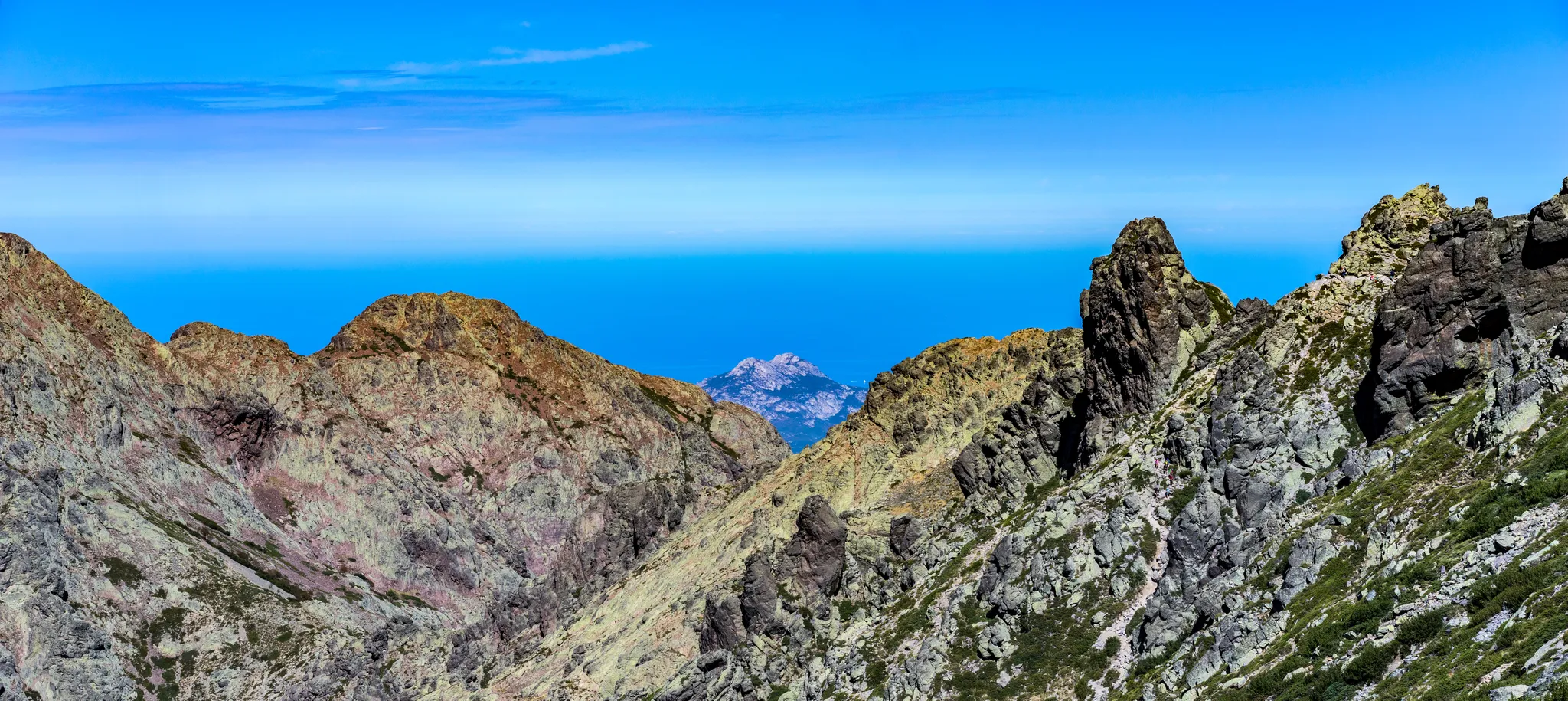
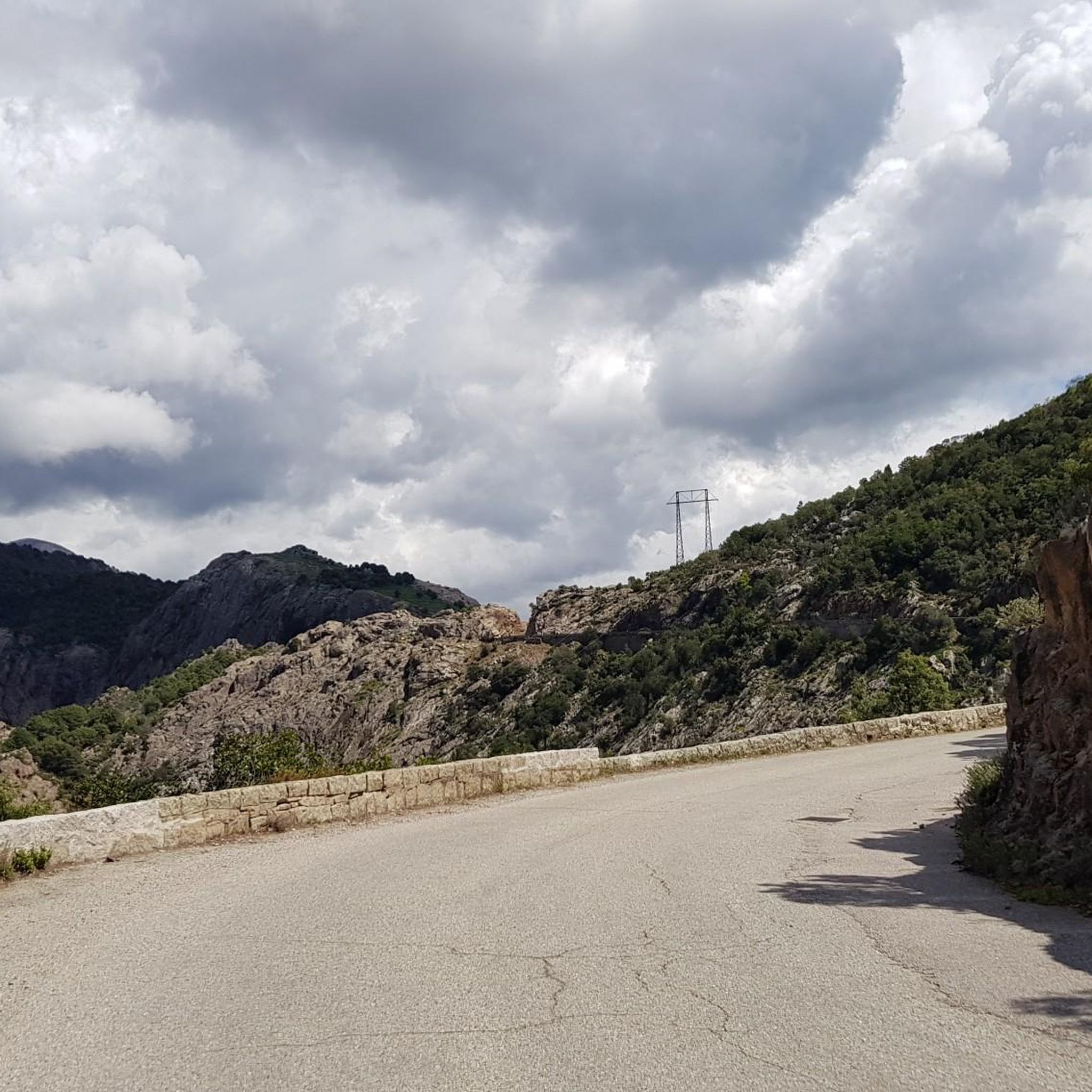
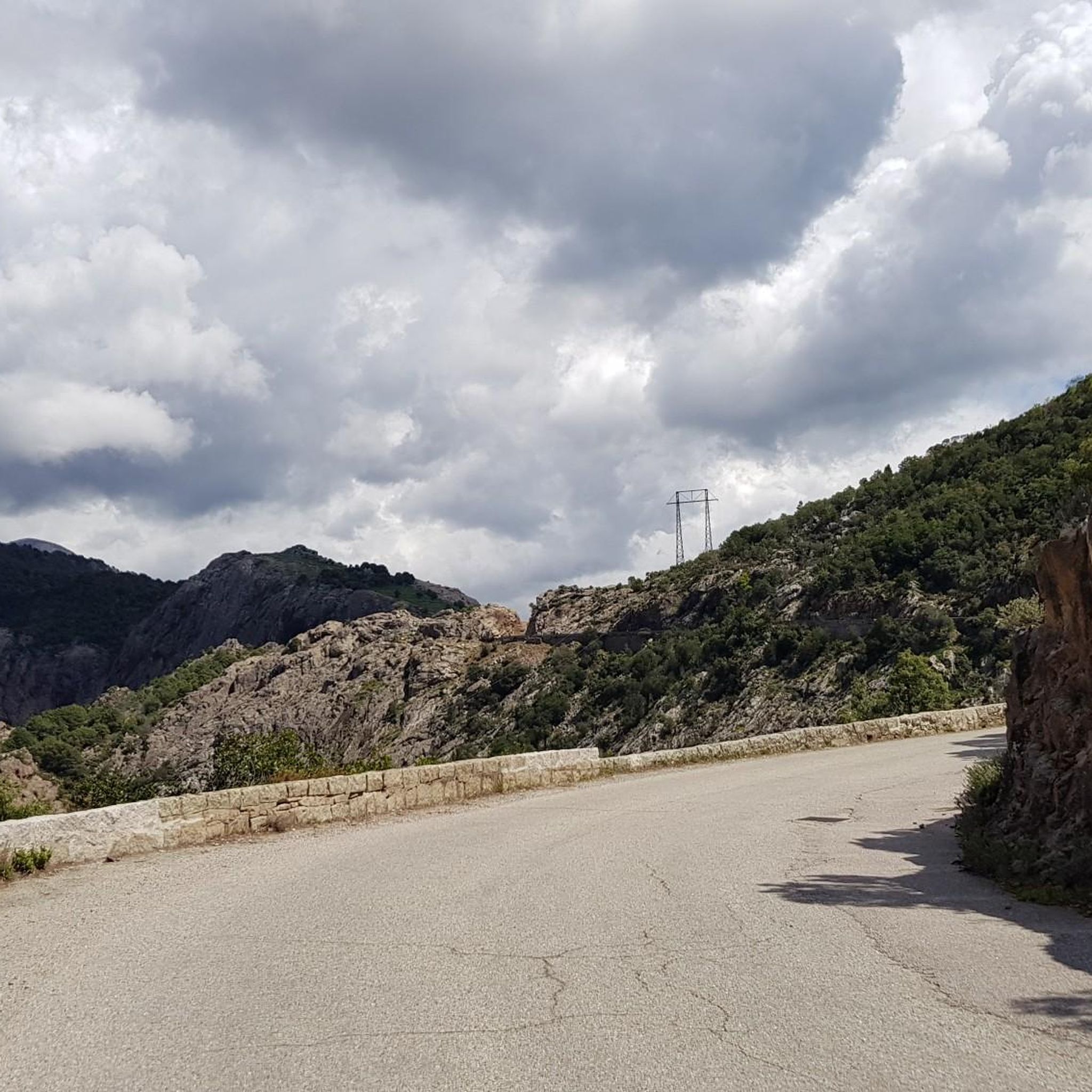
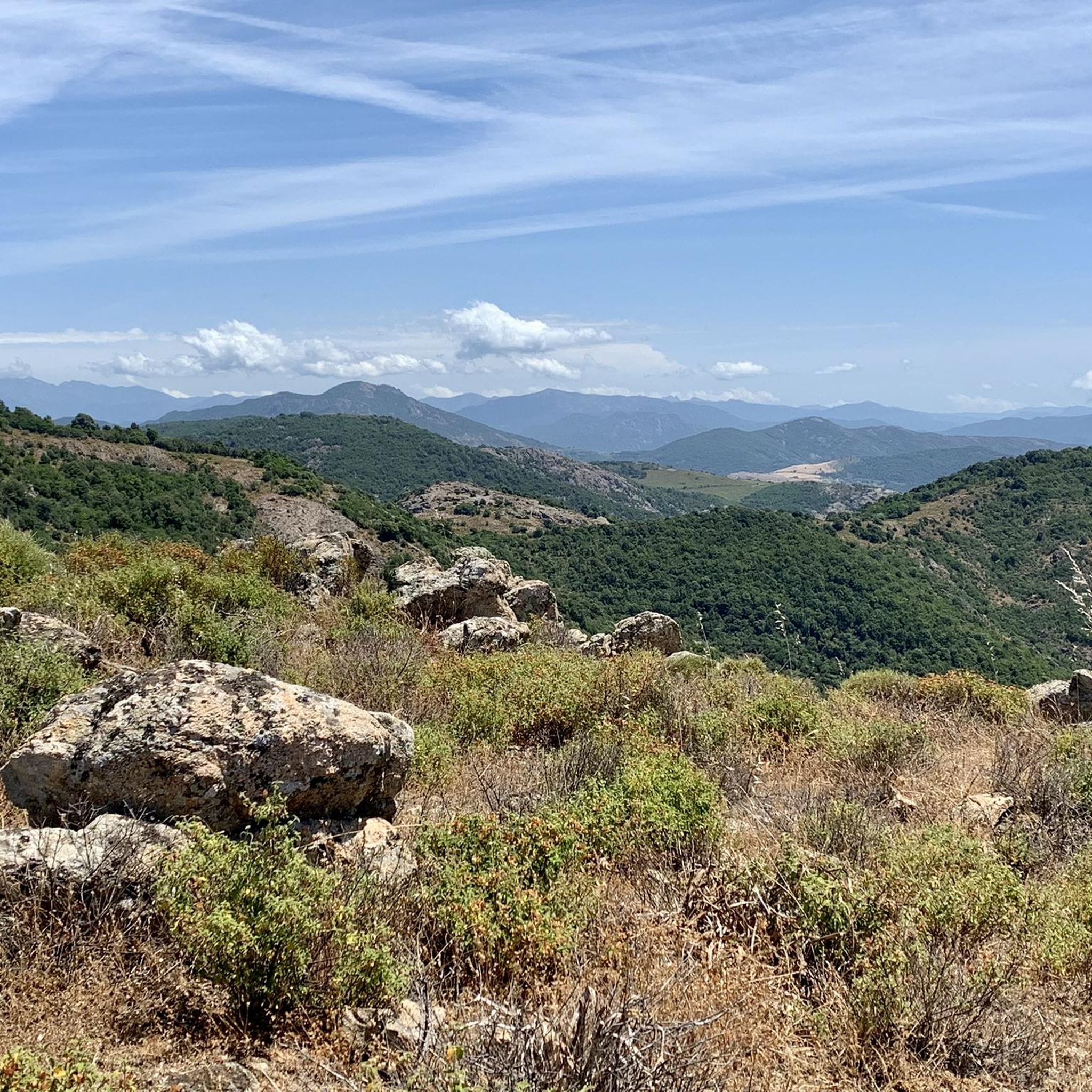


Other adventures around Marignana

Tips from the Community


The Vergio Pass culminates at 1,467 meters above sea level. It connects Haute-Corse and Corse-du-Sud, as well as the two sides of the island, from the interior. It is one of the meeting points between the GR 20 and the GT 20.
1
1

Thank you for the tip, it saves us some pain.
1
0

The gorges of the Spelunca are crossed by the stream of Tavulella which takes the name of Porto port in the Corsican language at the exit of the gorges. In its crossing, the Tavulella is fed by the waters of the Aïtone stream, the point of confluence being located downstream of the Genoese bridge of Zaglia. The gorges offer vertiginous landscapes, dominated by a huge rock at the top of which is said to have existed in the place called U Castellu, the Leca castle destroyed in the 17th century according to local legend.
9
1
We know with what fervor Mary has been venerated in Corsica since the 4th century, according to historians, and much earlier than in the rest of the Christian world. She is officially the protector of the island. The Cunsulta de Corte on January 30, 1735 decreed a national holiday on September 8, the day of the Immaculate Conception.
7
0

Very beautiful landscapes and paths with places to resume. (fortunately) I made three quarters of the way there. But what sumptuous views. Some site mentions intermediary I consider it as an expert. Allow at least 1 liter per person.
0
1

A hike to Capu Rossu in Corsica is undoubtedly an unforgettable experience. Rising majestically above the deep blue Mediterranean Sea, the imposing cape offers a breathtaking backdrop that captivates hikers. On the way there you cross rugged coastlines, wild cliffs and picturesque bays. The diverse flora and fauna inspires nature lovers and offers numerous photo opportunities. The view from the top of Capu Rossu is simply spectacular - admiring the azure sea, the rugged coastline and the surrounding islands.
0
1

The gorges of Spelunca (Spilonca in Corsica) extend between the villages of Ota and Evisa. The path that runs along the impressive and deep canyon follows an old mule track. This place is very popular, therefore very busy, but its beauty totally justifies this craze.
4
2
Frequently Asked Questions
What are some of the most striking natural monuments to visit around Marignana?
The region around Marignana, particularly in Corsica, is renowned for its dramatic landscapes. Must-see natural monuments include the View of the Calanques de Piana, offering panoramic vistas of the pink rock massif and deep blue water. Another highlight is the Piana Calanques via the Old Mule Track, a World Natural Heritage site with bizarre rocky landscapes. The Spelunca gorges also offer vertiginous views and an impressive deep canyon.
Are there any easy-to-access natural monuments suitable for a relaxed visit?
While many natural monuments in the region involve hiking, some offer easier access for enjoying the scenery. The View of the Calanques de Piana is primarily a viewpoint accessible by road, allowing visitors to appreciate the stunning coastal formations without extensive hiking. However, even short walks to viewpoints can involve some uphill sections, so comfortable shoes are always recommended.
What kind of hiking experiences can I find near these natural monuments?
The natural monuments around Marignana are excellent for hiking. You can explore the Piana Calanques via the Old Mule Track, which is an intermediate trail through a World Natural Heritage site. The Spelunca gorges also feature an old mule track, offering impressive views and a chance to see a medieval Genoese bridge. For more options, you can find various hiking routes, including moderate loops like the "Historic bridge – Spelunca gorges loop from Ota" on the Hiking around Marignana guide.
Are there opportunities for cycling or mountain biking near the natural monuments?
Yes, the region offers challenging routes for cyclists. For instance, you can find difficult cycling tours like the "Calanques de Piana – Calanques of Piana loop from Accueil camping" or the "Sea view – Vergio Pass loop from Ota" on the Cycling around Marignana guide. These routes often pass by or offer views of the natural monuments, providing a scenic and active way to explore the area.
What unique geological features can be observed in the area?
The region is famous for its unique geological formations. The Calanques of Piana are characterized by dramatic red rock formations sculpted by nature, creating bizarre and impressive landscapes. The Spelunca gorges showcase a deep canyon with vertiginous rock faces. The Vergio Pass, the highest road pass in Corsica, also offers unique mountain scenery and is home to a distinctive 25-ton pink granite statue.
What do visitors particularly enjoy about the natural monuments around Marignana?
Visitors frequently praise the breathtaking panoramic views, especially from spots like the View of the Calanques de Piana, where the contrast between the pink rock massif and the dark blue water creates stunning photo opportunities. The unique, bizarre rocky landscapes of the Piana Calanques via the Old Mule Track are also a major draw, offering exclusive views of the deep blue sea.
Is the region around Marignana suitable for mountain hiking?
Absolutely. The area provides challenging mountain hiking experiences. For example, the Vergio Pass is a meeting point for famous trails like the GR20 and GR Mare à Mare. You can find difficult mountain routes such as the "Capo Rosso – View of the Tour de Turghiu loop from Capo Rosso" on the Mountain Hikes around Marignana guide, offering demanding terrain and spectacular views.
What is the best time of year to visit the natural monuments?
The best time to visit the natural monuments in this region of Corsica is generally during the spring (April to June) and autumn (September to October). During these periods, the weather is pleasant for hiking and outdoor activities, and the crowds are typically smaller than in the peak summer months. Summers can be very hot, especially for strenuous hikes, so if visiting then, it's advisable to start early and carry plenty of water.
Are there any historical or cultural elements integrated with the natural monuments?
Yes, some natural monuments also feature historical elements. The Spelunca gorges, for instance, are traversed by an old mule track and feature the impressive medieval Genoese bridge "Ponte a Zaglia," which is an architectural attraction accessible on foot. The Vergio Pass also has a unique 25-ton statue of Christ the King made of pink granite.
What should I wear or bring for a hike to these natural monuments?
For hiking in the natural monuments around Marignana, especially in the Calanques or gorges, it's crucial to wear sturdy, comfortable hiking shoes due to the rocky and uneven paths. Bring plenty of water, as shade can be limited, particularly in summer. Sun protection (hat, sunscreen) is also highly recommended. Depending on the season, layers of clothing are advisable as temperatures can change, especially at higher elevations like the Vergio Pass.
Can I spot any wildlife near the natural monuments?
While the guide data doesn't specifically detail wildlife spotting, the natural environments of Corsica, including its gorges and coastal areas, are home to diverse flora and fauna. Birdwatching is often possible, especially in less frequented areas. Keep an eye out for local bird species and other small animals that inhabit these rugged landscapes.
Most popular routes around Marignana
Most popular attractions around Marignana

Get inspired with the komoot mobile app


Explore more
Extend your search for the best caves by checking out these guides of the top ones around Marignana:
