Top 10 Natural Monuments around Hesse
Best natural monuments around Hesse offers diverse landscapes, from ancient volcanic regions to impressive rock formations. This German state provides numerous opportunities for outdoor activities, including hiking and exploration. The region is characterized by its varied topography, featuring mountains, forests, and unique geological sites. These natural areas are significant for their ecological value and geological history.
Best natural monuments around Hesse
- The most popular natural monuments is Saint-Léon Cave, a cave that is the largest natural cavity in the…
Last updated: July 5, 2026
Rocher du Calice
Highlight • Natural Monument
Translated by Google •
Tip by

Einsiedlerhütte and Troglodyte Houses of Falkenfelsen
Highlight • Historical Site
Translated by Google •
Tip by

Sign up now to discover places like this
Get recommendations on the best single tracks, peaks, & plenty of other exciting outdoor places.
Sign up for free
Falkenfels Cliffs
Highlight • Natural Monument
Translated by Google •
Tip by

Saint-Léon Cave
Highlight • Cave
Translated by Google •
Tip by

Heidenschlossberg Rock Formation
Highlight • Natural Monument
Translated by Google •
Tip by
Sign up for free to discover even more natural monuments around Hesse.
Sign up for free
Already have an account?
Start today with a free account
Your next adventure awaits.
Login or Signup
Tips from the Community

Under the very rock, which forms a rock shelter, lived for a long time the hermit known as "the Falkenfels", from 1895 until his death in 1902. There is no certainty about the origins of Edouard Hinbeer, nicknamed friendly by the population and in the archives the Waldbruder (brother of the forest). A valiant man, he looked after the pigs of the commune of Hellert. The population esteemed him, considered him a holy man and took turns bringing him their midday meals.
0
0

The literal translation "castle of the pagans" can be explained at most by a few stones which support the remains of an access staircase to its summit. Its name evokes an ancient fortress which, due to its unknown origin, was called "Heidenschloss" (pagan castle), without further details. [https://www.pays-sarrebourg.com/]
3
0

The Rocher du Chalice, located not far from the Plan Incliné in the charming town of Saint-Louis, is a natural spectacle not to be missed. Nestled in the middle of the forest, this fascinating rock is a living witness to the natural erosion that has shaped the territory over the years. Its particular shape invites visitors to give free rein to their imagination, discovering various shapes, animals, faces and engravings sculpted by natural elements. To discover it, a walk is essential. From the Luge du Plan Incliné car park, follow the yellow dot markings for a distance of 1.2 km towards the Rocher du Chalice. The approach is via a path then a steep path, offering a little adventure before even reaching the rock. And the exploration doesn't stop there. You can extend your hike through several unusual underground passages, then via the Vallée des Éclusiers and Hofmuhl, before returning to the starting point, for a total circuit of 11.4 km.
1
0

The Falkenfels is now in a year-round protected area. All paths there are forbidden and also dismantled and blocked.
0
0

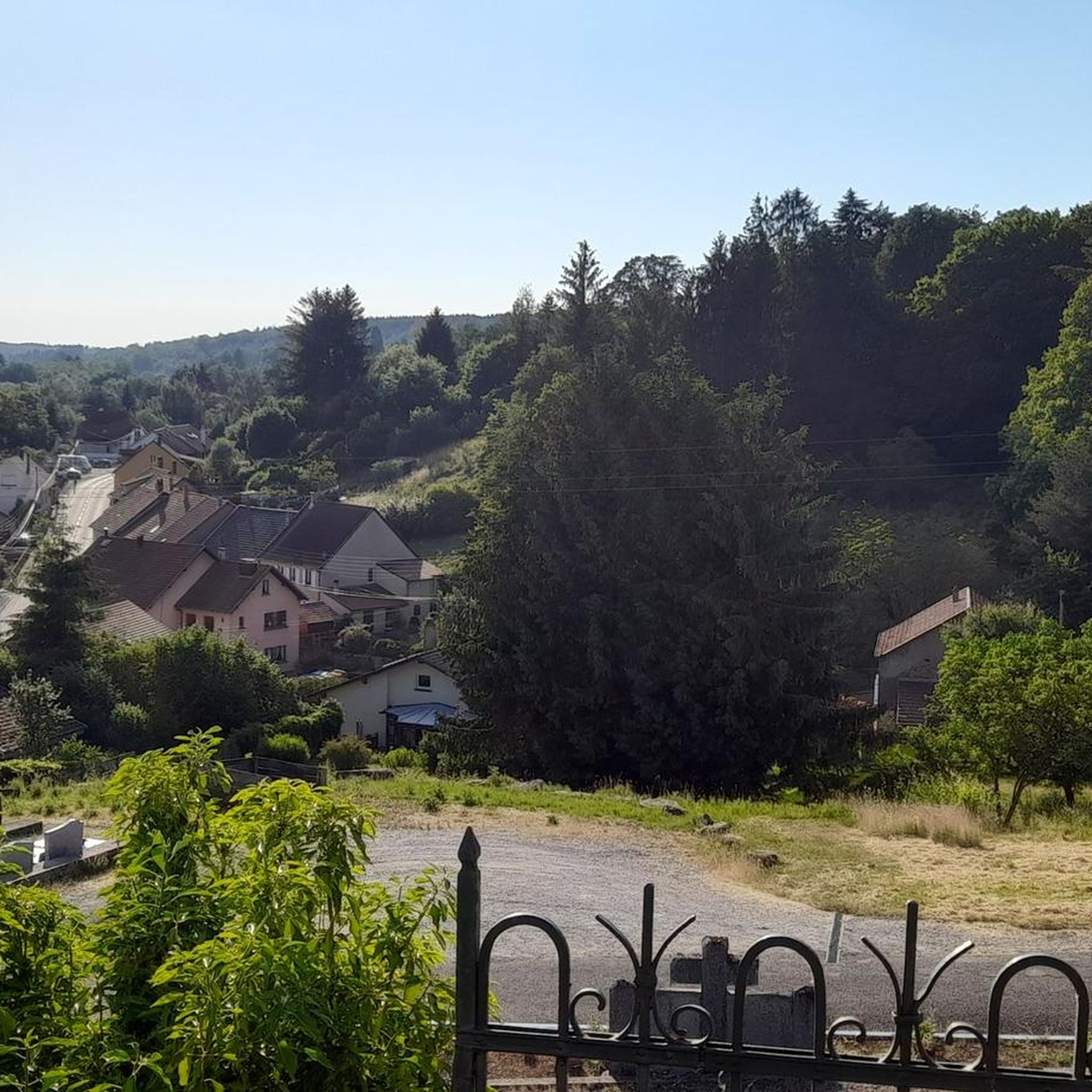
Here you can find 2 former rock houses. Also a bench with a table for a picnic. There is an information board in French at the entrance. It's about 15 minutes from the parking lot. We did a little circular walk.
0
0
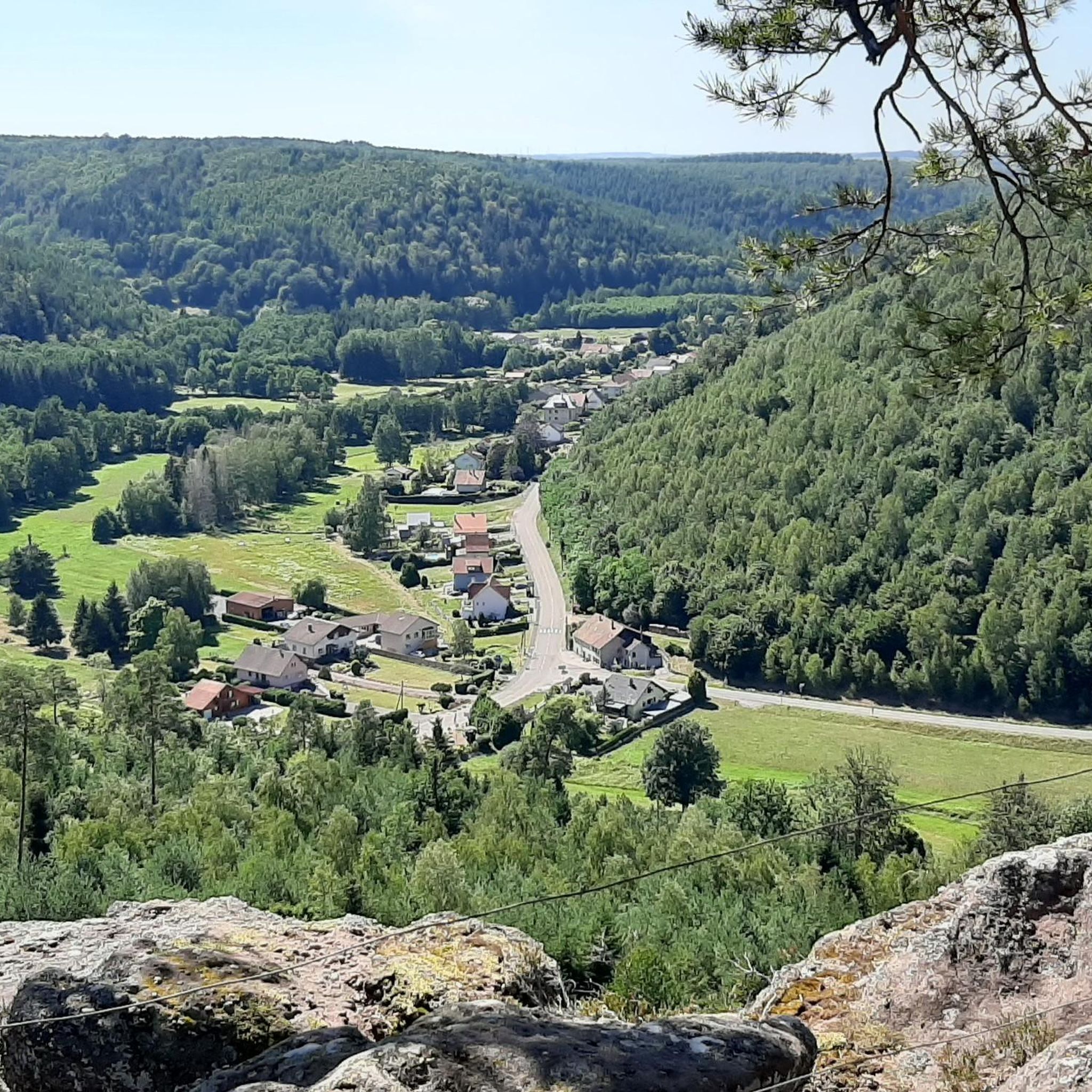
Several paths lead around the rocks. At the foot there are some cave dwellings - from the top you can enjoy a fantastic view over the valley and on the Dabo rock. Incidentally, not only falcons breed here, but according to the information sign even eagle owls.
3
0

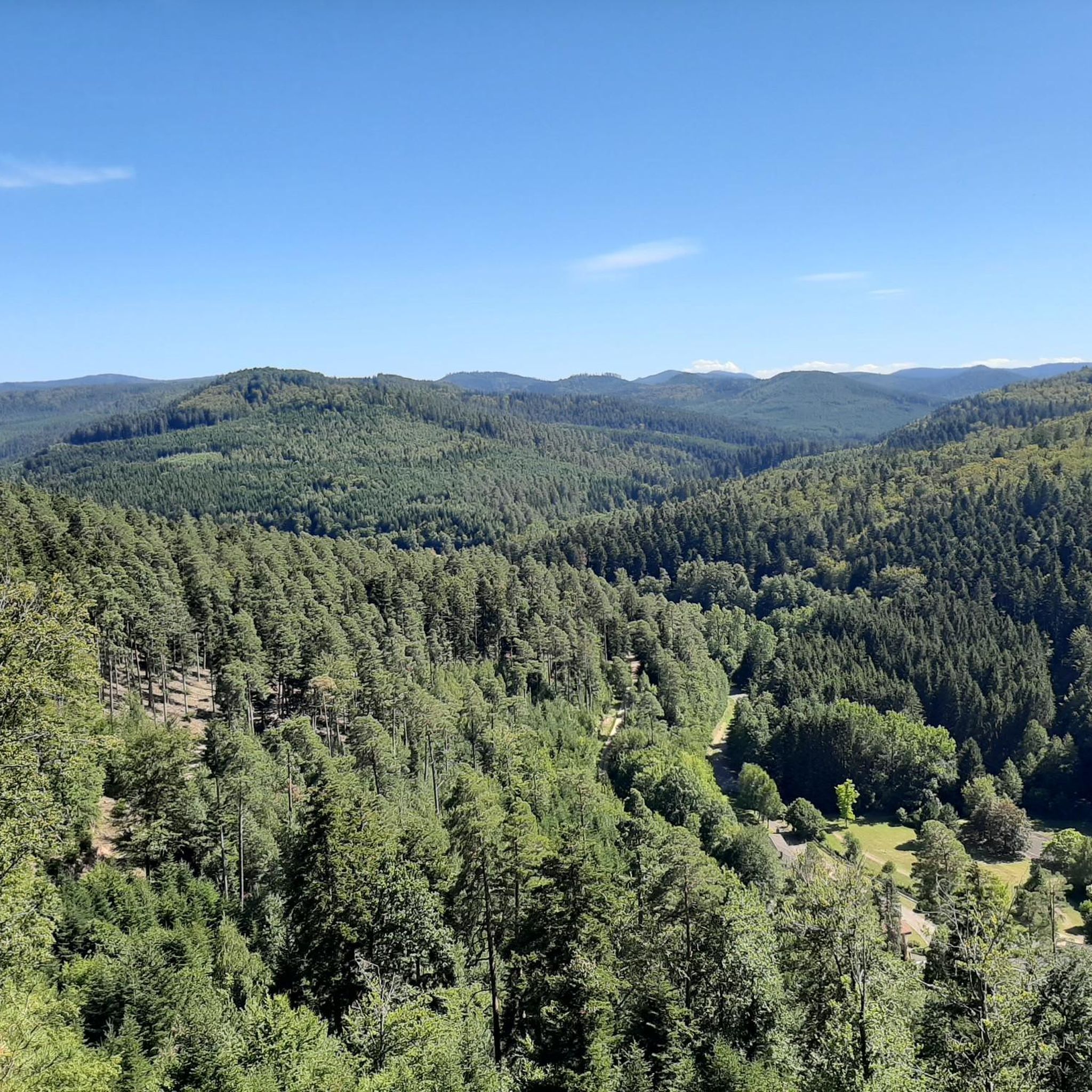
Dug into the sandstone, this cave is the largest natural cavity in the Vosges mountains. It is possible to climb above its entrance to enjoy a magnificent panorama of Walscheid and its surroundings.
1
0

Magnificent cliffs and cave houses!
2
0
Frequently Asked Questions
What unique geological features can I explore in Hesse's natural monuments?
Hesse offers a diverse range of geological wonders. The Felsenmeer (Sea of Rocks) near Lautertal is an impressive boulder field of quartz dolerite, showcasing natural erosion and ancient Roman quarrying. The Vogelsberg Mountains are Europe's largest continuous basalt area, formed by ancient volcanic activity. You can also find distinctive basalt domes at Niedensteiner Head.
Are there any natural monuments in Hesse with impressive panoramic views?
Yes, several natural monuments in Hesse offer breathtaking views. The Wasserkuppe in the Rhön Mountains, Hesse's highest peak, provides magnificent panoramic vistas over the surrounding peaks and valleys. From the Großer Feldberg in the Taunus, particularly from the Brunhildis Rock, you can enjoy stunning scenery. Niedensteiner Head also offers wide views over the North Hessian landscape, extending to the Kellerwald Edersee National Park on clear days from the Hessenturm.
Do Hesse's natural monuments have historical significance?
Many of Hesse's natural monuments are steeped in history. The Felsenmeer was used as a quarry by the Romans, with visible marks from stonemasons. Altenburg near Niedenstein features a prehistoric fortified settlement from the Bronze and Iron Ages on its flat hilltop. The Großer Feldberg is historically significant as the founding place of the Taunus Club, and even Goethe is known to have hiked there.
What outdoor activities can I enjoy at Hesse's natural monuments?
Hesse's natural monuments are ideal for various outdoor activities. Hiking and mountain biking are popular at the Großer Feldberg in the Taunus. The Vogelsberg Mountains are a well-known destination for hikers. The Wasserkuppe in the Rhön Mountains is famous as a hub for aviation, particularly gliding, in addition to offering hiking opportunities. For more hiking routes in the region, you can explore Hiking around Hesse.
Are there family-friendly natural monuments to visit in Hesse?
Many natural monuments in Hesse are suitable for families. The Felsenmeer, with its unique boulder field, can be an exciting place for children to explore. Areas like Niedensteiner Head are well-equipped with organized paths, making them accessible for walks with children. The diverse landscapes offer opportunities for exploration and discovery for all ages.
What is the best time of year to visit Hesse's natural monuments?
The best time to visit Hesse's natural monuments largely depends on the activities you plan. Spring and autumn offer pleasant temperatures for hiking and exploring, with vibrant foliage in autumn. Summer is ideal for longer outdoor excursions and enjoying the panoramic views. Even in winter, some areas like the Wasserkuppe offer unique snowy landscapes, though accessibility might vary.
Where can I find information about the natural monuments in the Habichtswald Nature Park?
Within the Habichtswald Nature Park, you can find the Altenburg near Niedenstein. This prominent solitary mountain combines natural beauty with historical intrigue, featuring ancient trees and basalt rocks. While little of the prehistoric settlement remains visible, the hill itself is a significant natural landmark in the park.
Are there any natural monuments in Hesse that are good for mountain climbing?
Helfenstein Hill in Kassel is described as an ideal spot for mountain climbing adventures. Reaching its summit rewards visitors with an integrated environmental view, particularly noted for its beautiful golden sunsets over the picturesque mountainous scenery and green plains of Hesse.
What kind of trails can I find for mountain biking near Hesse's natural monuments?
The region around Hesse offers various mountain biking trails. For example, you can find challenging routes like the 'Rocher de la Vierge – Beimbach Shelter loop' or the 'Hohwalsch Rock – Saint-Léon Cave loop'. For a comprehensive overview of mountain biking options, refer to the MTB Trails around Hesse guide.
Can I find places to eat or rest near the natural monuments?
Yes, some natural monuments are equipped with visitor amenities. Niedensteiner Head, for instance, has organized paths, sleeping huts, and restaurants, making it convenient for visitors. While exploring, you may also find benches and tables for picnics, such as near the Einsiedlerhütte and Troglodyte Houses of Falkenfelsen.
What makes the Rhön Mountains, home to Wasserkuppe, a special natural monument?
The Rhön Mountains, where the Wasserkuppe is located, are known as the 'land of endless horizons' due to their high plateaus and magnificent panoramic views. This region is not only Hesse's highest mountain but also a significant natural monument offering vast, unspoiled nature and a unique landscape that attracts hikers and nature enthusiasts alike.
Are there any natural monuments in Hesse that are part of a UNESCO Geopark?
Yes, the Felsenmeer (Sea of Rocks) near Lautertal is a designated geotope within the UNESCO Geopark Bergstraße-Odenwald. This recognition highlights its geological significance and unique natural heritage, making it a prime example of Hesse's natural wonders.
Most popular attractions around Hesse

Get inspired with the komoot mobile app


Explore more
Extend your search for the best caves by checking out these guides of the top ones around Hesse:
