Attractions and Places To See around Tillay-Le-Péneux - Top 4
Best attractions and places to see around Tillay-Le-Péneux include historical landmarks and unique engineering feats. This commune in the Eure-et-Loir department of France offers a glimpse into local heritage and past innovations. Visitors can explore various sites that reflect the region's history and cultural significance. The area provides opportunities to discover historical buildings and unusual structures.
Best attractions and places to see around Tillay-Le-Péneux
- The most popular attractions is Château de Cambray, a castle that features 17th and 18th-century…
Last updated: July 5, 2026
Château de Cambray
Highlight • Castle
Translated by Google •
Tip by

Aerotrain test track
Highlight • Other
Translated by Google •
Tip by

Sign up now to discover places like this
Get recommendations on the best single tracks, peaks, & plenty of other exciting outdoor places.
Sign up for free
Saint Peter's Church
Highlight • Other
Translated by Google •
Tip by

Artenay Mill
Highlight • Monument
Translated by Google •
Tip by

Saint-Pierre Church of Guillonville
Highlight • Religious Site
Translated by Google •
Tip by
Start today with a free account
Your next adventure awaits.
Login or Signup
Popular around Tillay-Le-Péneux

Tips from the Community

We might believe it to be a classic viaduct when we pass under this construction but it is ultimately an 18km long track, built in 1968 to carry out experiments on monorail transport, the skytrain of the French engineer Jean Bertin. A prototype set a world speed record there in 1974, with 430.4 km/h on the clock. Due to a lack of investors or customers, the tests were stopped in 1977 and the track was decommissioned. Its dismantling being estimated at 13 million euros, the viaduct remained there, in the middle of the Beauceron countryside.
3
0

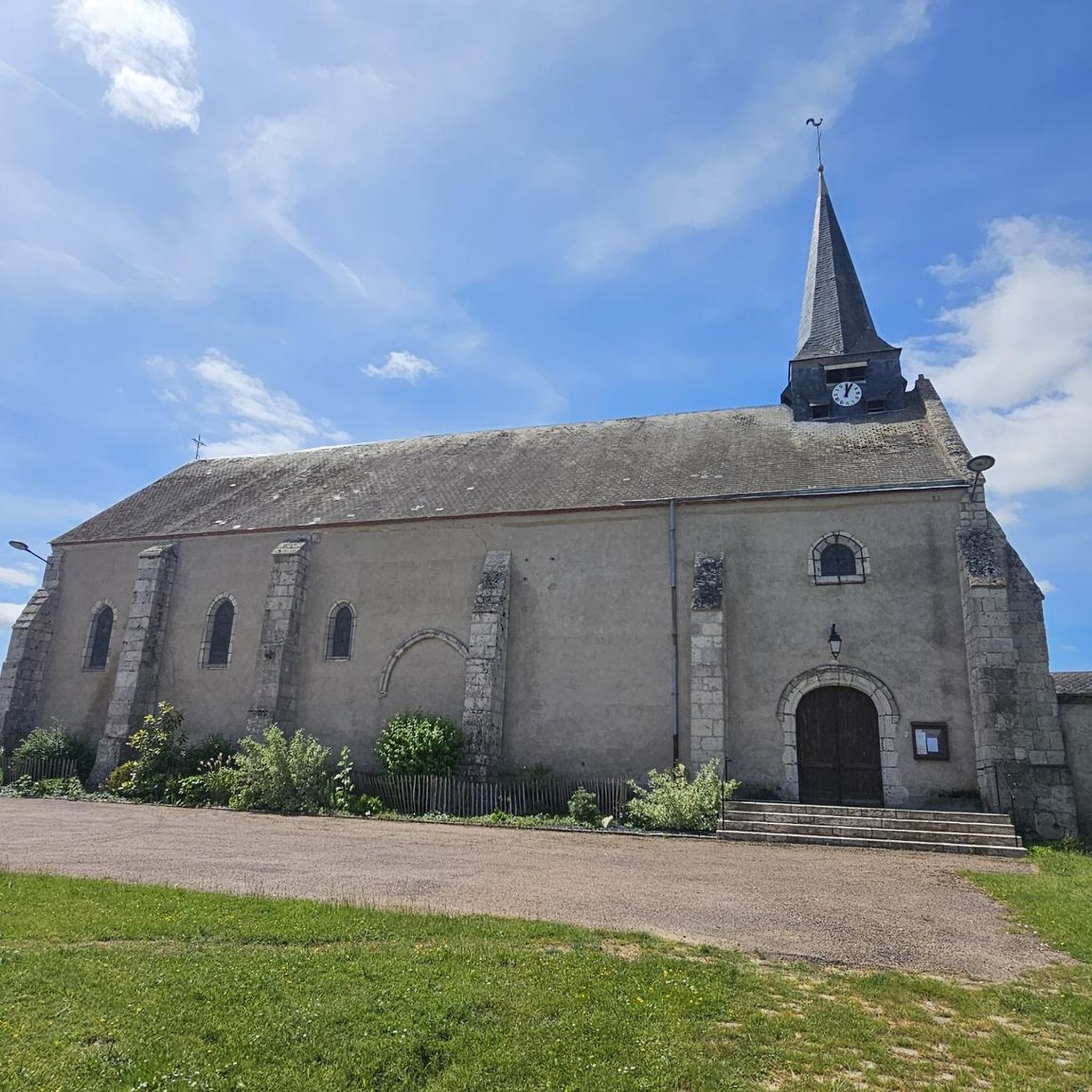
Formerly, the church was the presentation of the abbot of Bonneval because the Saint-Florentin abbey had a priory in Cormainville. A walled arcade, still visible to the south of the choir, represents an ancient communication between the church and the priory. The building was registered as a historic monument in 1927.
0
0
The church of Guillonville, in Eure et Loir, in the Center-Val de Loire, is attached to the parish of Saint Martin en Beauce, of the Deanery of Beauce, in the diocese of Chartres. The church is placed under the protection of Saint Peter.
0
0

If you are looking for a unique and historic hiking destination in the Loiret, you can visit the Moulin d'Artenay, a stone windmill dating from 1849. This impressive monument, which stands 16 meters high high and has wings 22 meters long, is one of the rare examples of this type in the Beauce region. You can visit the interior of the mill and discover its machinery, its production of fine flour and the life of the millers. You can also admire a collection of old agricultural equipment at the neighboring farm. The Moulin d'Artenay is open to the public every third Sunday of the month from April to September, from 2 p.m. to 6 p.m. Don't miss this opportunity to discover an element of local heritage.
2
0

The Cambray orangery is part of the Cambray estate acquired by François Lambert, squire and adviser to the king, auditor in his chamber of accounts, on March 28, 1575 from the nobleman of Oinville, lord of Puiset. The place called Cambray, Combarius under the Romans, was to be a camp. Combrée also means "bushy places", or Cambray is located along the Conie, bordered by reedbeds. The 2 wings of the rear facade were built at the end of the 17th century, beginning of the 18th century by Jacques Lambert, private master of water and forests of the Duchy of Orléans. We note that they were built after the other parts of the castle, with a different aspect of construction, stone on the one hand and bricks around the windows on the other.
0
0
Frequently Asked Questions
What historical sites can I visit around Tillay-Le-Péneux?
The area is rich in history. You can explore the 17th and 18th-century architecture of the Château de Cambray, which includes a notable orangery. Another significant historical landmark is the Saint Peter's Church, registered as a historic monument since 1927. Additionally, the Saint-Pierre Church of Guillonville also offers a glimpse into local religious heritage.
Are there any unique engineering marvels to see near Tillay-Le-Péneux?
Yes, you can visit the Aerotrain test track. This 18 km long track was built in 1968 for monorail transport experiments, where a prototype once set a world speed record of 430.4 km/h in 1974. It's a fascinating relic of ambitious French engineering.
What kind of natural features are there to explore in the Tillay-Le-Péneux region?
While Tillay-Le-Péneux itself is primarily known for its historical landmarks, the broader Eure-et-Loir department offers various natural sites. The Château de Villeprévost, for instance, features an elegant French-style park with trimmed boxwoods and yews, a chapel, and a centuries-old plane tree, designed by a pupil of Le Nôtre.
Can I find family-friendly attractions in the area?
Several attractions are considered family-friendly. The Aerotrain test track offers an interesting historical and engineering perspective for all ages. The Artenay Mill, a stone windmill from 1849, is also family-friendly, allowing visitors to explore its interior and learn about milling history. The Saint-Pierre Church of Guillonville is another option for a calm, educational visit.
Are there opportunities for outdoor activities like running or cycling near these attractions?
Absolutely! The region around Tillay-Le-Péneux is great for outdoor activities. You can find various running trails, including loops from Orgères-en-Beauce and Villeprevost, which you can explore on the Running Trails around Tillay-Le-Péneux guide. For cyclists, there are numerous road cycling routes and touring bicycle routes, such as the easy Château de Cambray loop from Viabon, detailed in the Road Cycling Routes and Cycling around Tillay-Le-Péneux guides.
What is the <a href="https://www.tourisme28.com/site_monument/chateau-de-villeprevost/" target="_blank" rel="noopener">Château de Villeprévost</a>, and what makes it significant?
The Château de Villeprévost is an 18th-century Beauceron manor house known for its elegant French-style park. Historically, it was the site where over 300 members of the "chauffeurs d'Orgères" bandit group were interrogated in 1798. Its park, designed by a pupil of Le Nôtre, was conceived to align with the sunset on August 15th, celebrating the owner's wife. The château's facades, roofs, and dovecote are protected as historical monuments.
What do visitors particularly enjoy about the attractions near Tillay-Le-Péneux?
Visitors appreciate the blend of history and unique structures. The Château de Cambray is noted for its beautiful architecture and historical depth. The Aerotrain test track captures interest as a fascinating piece of abandoned technological history. The historical churches, like Saint Peter's Church, are valued for their heritage and peaceful atmosphere.
Are there any traditional mills to visit in the vicinity?
Yes, you can visit the Artenay Mill. This stone windmill, dating from 1849, stands 16 meters high with 22-meter-long wings. It's one of the rare examples of its type in the Beauce region, offering insights into traditional milling and a collection of old agricultural equipment.
What is the best time of year to visit Tillay-Le-Péneux for outdoor activities?
The Eure-et-Loir department, where Tillay-Le-Péneux is located, generally experiences mild weather. Spring and early autumn are often ideal for outdoor activities like running and cycling, as the temperatures are pleasant and the landscape is vibrant. Summer can also be enjoyable, though it can get warmer.
How can I explore the area by bike?
The region offers various cycling routes for different preferences. You can find easy road bike loops from Fontenay-sur-Conie or explore longer, more challenging routes like the Forêt domaniale d'Orléans loop from Artenay. Check out the Road Cycling Routes around Tillay-Le-Péneux and Cycling around Tillay-Le-Péneux guides for detailed tour information and maps.
Are there any specific tips for visiting the <a href="https://www.komoot.com/highlight/4424605" target="_blank" rel="noopener">Château de Cambray</a>?
When visiting the Château de Cambray, pay attention to its orangery, which is part of the estate acquired in 1575. The two wings of the rear facade, built in the late 17th or early 18th century, showcase a distinct construction style with stone and bricks around the windows, differing from the older parts of the castle.
What is the historical significance of <a href="https://www.komoot.com/highlight/6319020" target="_blank" rel="noopener">Saint Peter's Church</a>?
The Saint Peter's Church has a rich history, formerly associated with the abbot of Bonneval due to the Saint-Florentin abbey having a priory in Cormainville. A walled arcade, still visible on the south side of the choir, indicates an ancient communication between the church and the priory. It was registered as a historic monument in 1927.
Most popular routes around Tillay-Le-Péneux

Get inspired with the komoot mobile app


Explore more
Still not found the Highlight you’re looking for? See guides of the top attractions in other regions:
