Top 14 Natural Monuments around Prads-Haute-Bléone
Natural monuments around Prads-Haute-Bléone are found within the Alpes-de-Haute-Provence, a region known for its diverse geological formations and mountain landscapes. The area is part of the UNESCO Géoparc de Haute-Provence, showcasing millions of years of erosion that have sculpted unique rock shapes. Visitors can explore significant paleontological sites and high mountain peaks. The Bléone River valley also features dramatic geological formations.
Best natural monuments around Prads-Haute-Bléone
- The most popular natural monuments is Lance Waterfall, a waterfall with access points…
Last updated: July 5, 2026
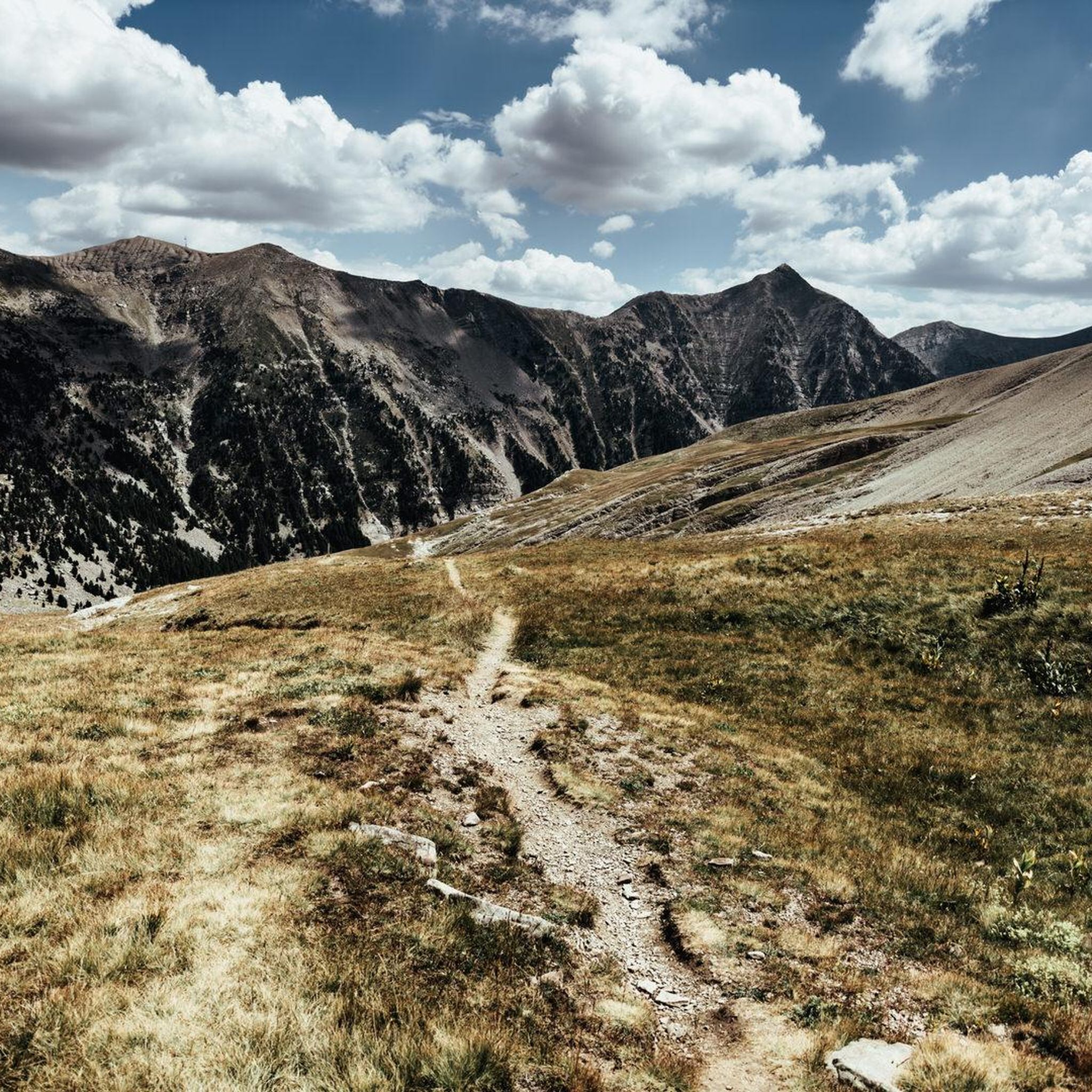
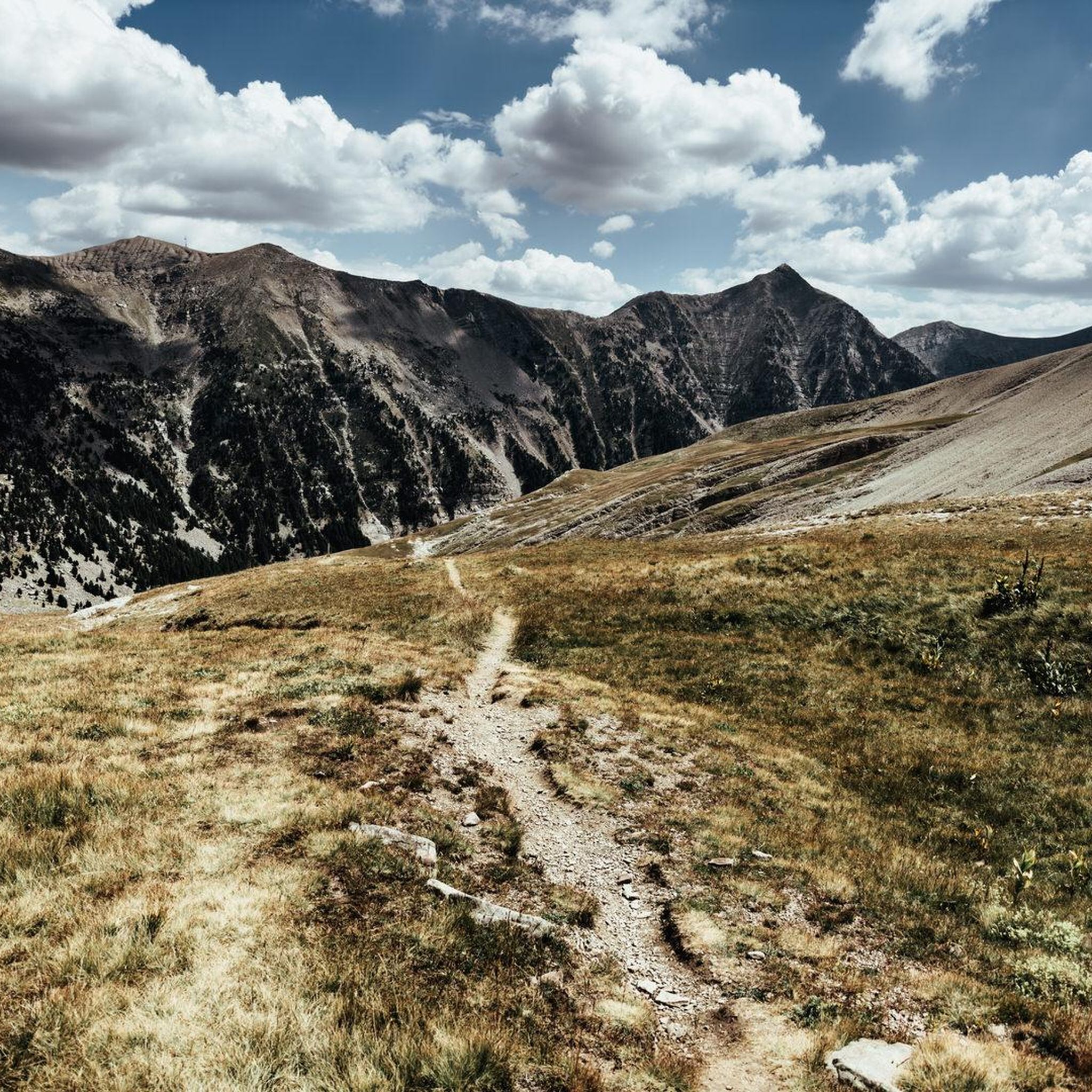
Col du Défens (1,230 m)
Highlight • Mountain Pass
Translated by Google •
Tip by

Sentinel of the Asse – Andy Goldsworthy
Highlight • Monument
Translated by Google •
Tip by

Sign up now to discover places like this
Get recommendations on the best single tracks, peaks, & plenty of other exciting outdoor places.
Sign up for free
Saut de la Pie Waterfall
Highlight • Waterfall
Translated by Google •
Tip by

Tête de la Sestrière
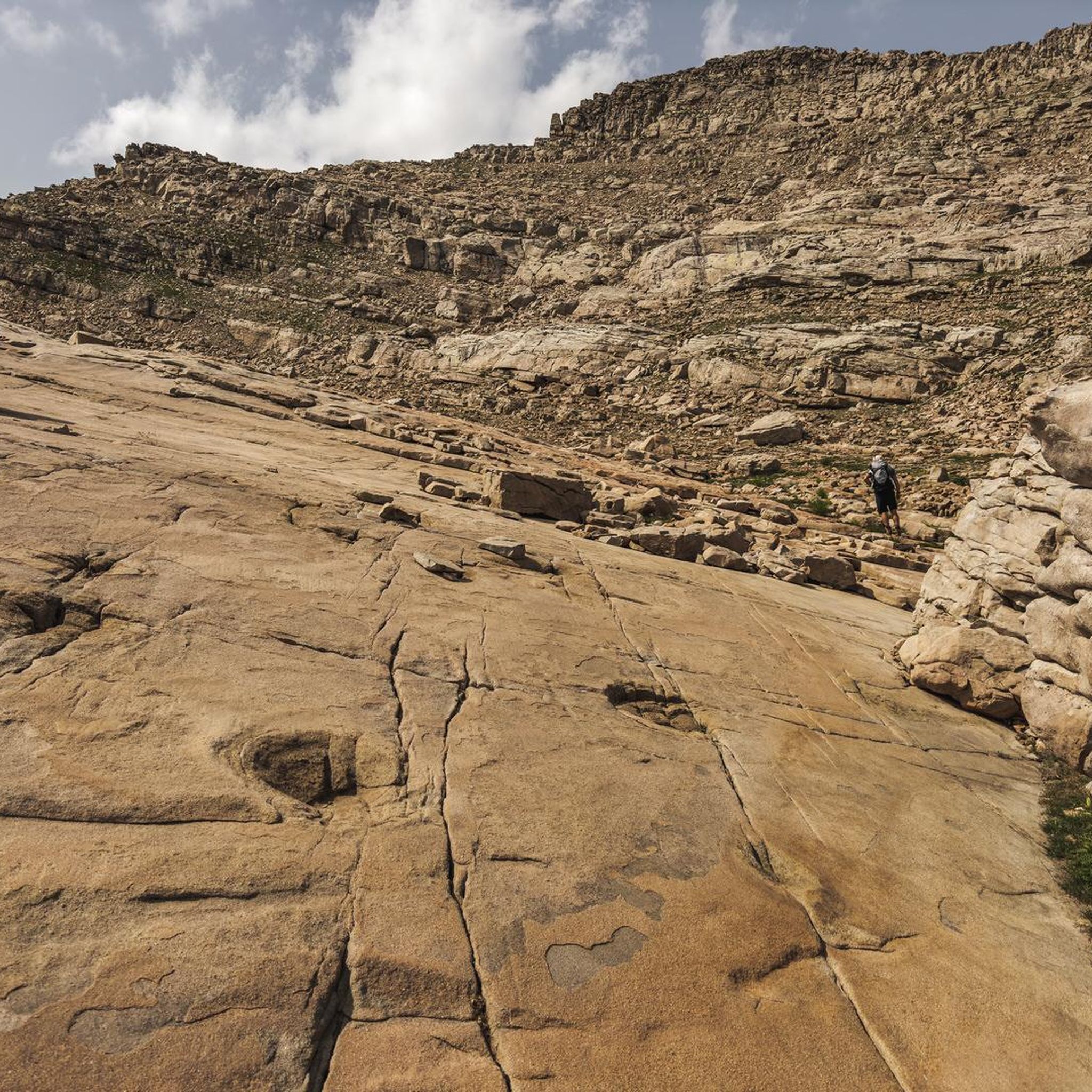
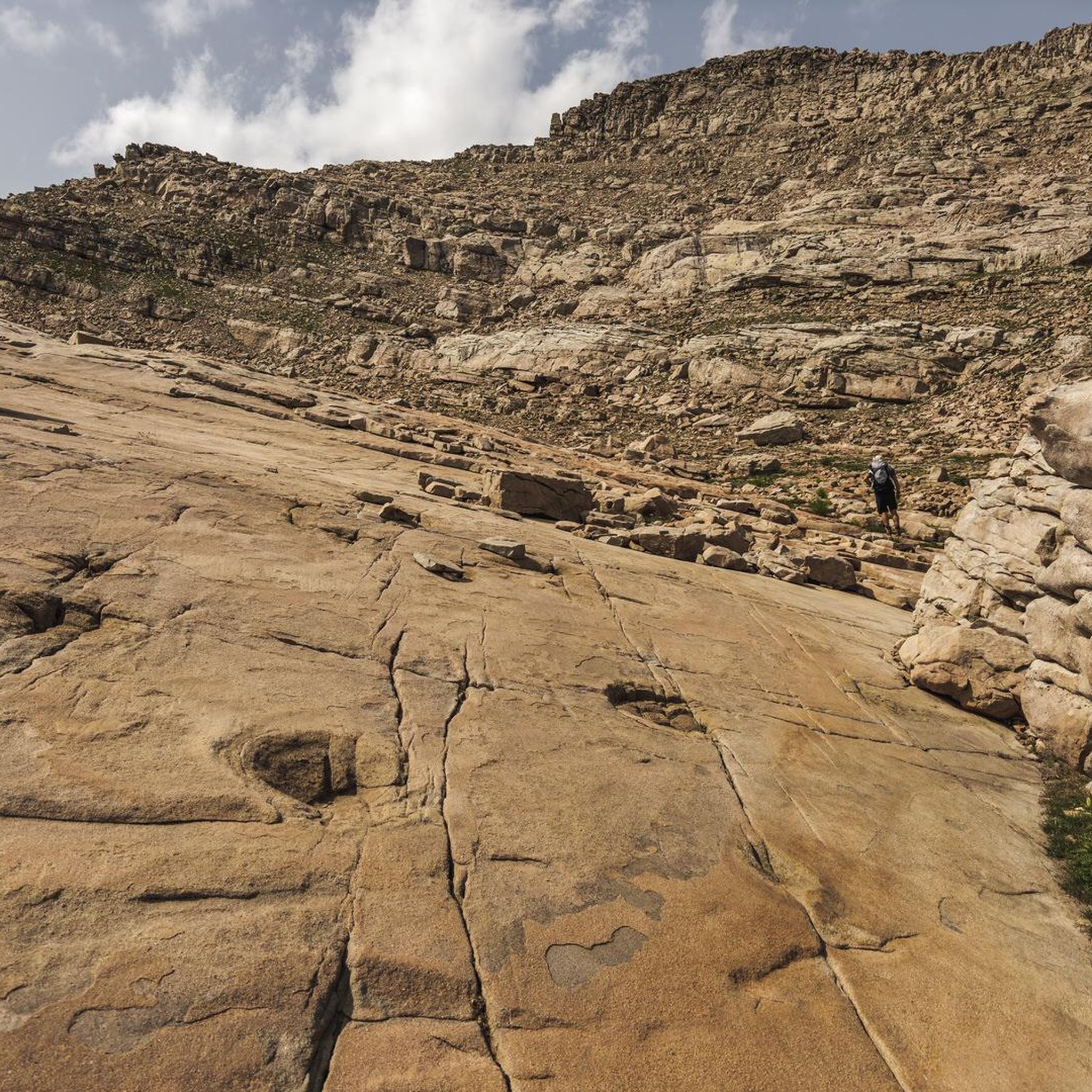
Highlight • Summit
Translated by Google •
Tip by

Lance Waterfall
Highlight • Waterfall
Translated by Google •
Tip by

Sign up for free to discover even more natural monuments around Prads-Haute-Bléone.
Sign up for free
Already have an account?
Start today with a free account
Your next adventure awaits.
Login or Signup
Tips from the Community

Very pretty waterfall just a stone's throw from Colmars. Very easy to access.
1
0

A little before the waterfall, there are access points to the river where you can swim.
1
0

Obligatory photo when you arrive at this waterfall.
11
0

Beautiful landscape, small road, only the last bends are strenuous.
3
0

At the bend of a hairpin bend, this egg is a work of Andy Goldsworthy. This is one of the three “Sentinels” of the Refuge d’Art course; it represents the Asse valley.
1
0

A wild and picturesque place and very rich in environmental terms: exceptional plants (orange lilies, goat's beard, coal, yew) colonize its inaccessible walls. The waterfall offers us, through its different lighting, and throughout the seasons, a very beautiful and always renewed spectacle. It is also an archaeological site since in 1953 workers discovered over the waterfall, under a rock, about forty ancient weapons dating from the 4th century BC. They are currently stored in the Digne les Bains museum.
1
0

On the western slope, after going up the long Asse de Clumanc Valley from Barrême, the difficulties really begin in Tartonne with a first ramp of 1.5 km at 6.5%. Then after a small flat area comes a nice final of 2.6 km where the slope will be around 7%. On this side you can see one of Andy Goldsworthy's sentinels, an ovoid-shaped cairn placed at the side of the road as part of an artistic trail created by this renowned artist practicing land art. On the eastern slope, nothing very complicated until Lambruisse with 5 km where the hardest passage will not exceed 4.5%. On the other hand, things become tougher with the final including 1.8 km at 6.5% on average, but the last 350 meters are at 8.5%. The road is very beautiful and quiet on both sides. This pass is enchanting.
2
0
This strange construction which sits in one of the bends of the Col du Défens is in reality a work by Andy Goldsworthy, a major figure in land art. It is part of the route entitled “Refuge d’art” which offers a 150 kilometer hike, imagined and created by the British artist through the National Geological Nature Reserve of Haute-Provence. This artistic itinerary, original and unique in Europe, combining contemporary art, hiking and rural heritage, includes ten works scattered throughout the Dignois region. Among them, three ovoid stone cairns, designated as “Sentinels”, one for each of the three valleys of the Haute-Provence Geological Reserve. Besides this one which represents the Asse valley, you can find another sentinel in the Clue de Barles, at the edge of the road at the foot of the cliff, representing the Bès valley, and the third in the commune of Authon in the Vançon valley. “It is the top of the cairn which brings the energy of the stone to its peak, just as it is in the keystone of an arch that all the energy is concentrated. »Andy Goldsworthy Andy Goldsworthy's work and vision were the subject of a film entitled "Rivers and tides" which you can see here: https://www.dailymotion.com/video/x15e83f?playlist=x54l1y or just the trailer: https://www.dailymotion.com/video/xjggqk?fbclid=IwAR2l_oUGJuU5sc5vLobLojCfRrBf3xa42fqjOKc-uL4DrOQomGKoypSHfWk For more information on the “Refuge d’art” route: https://www.tourisme-alpes-haute-provence.com/refuge-art-andy-goldsworthy/
3
1
Frequently Asked Questions
What are some unique natural features to explore around Prads-Haute-Bléone?
The region is part of the UNESCO Géoparc de Haute-Provence, showcasing millions of years of erosion that have sculpted unique rock shapes and dramatic geological formations. You can witness the impressive folded mountain massifs and high cliffs, particularly along the Bléone River valley. The area also features significant paleontological sites, such as the Ichthyosaure de la Mélaie, a 107-million-year-old fossilized marine reptile.
What are the most popular natural monuments around Prads-Haute-Bléone?
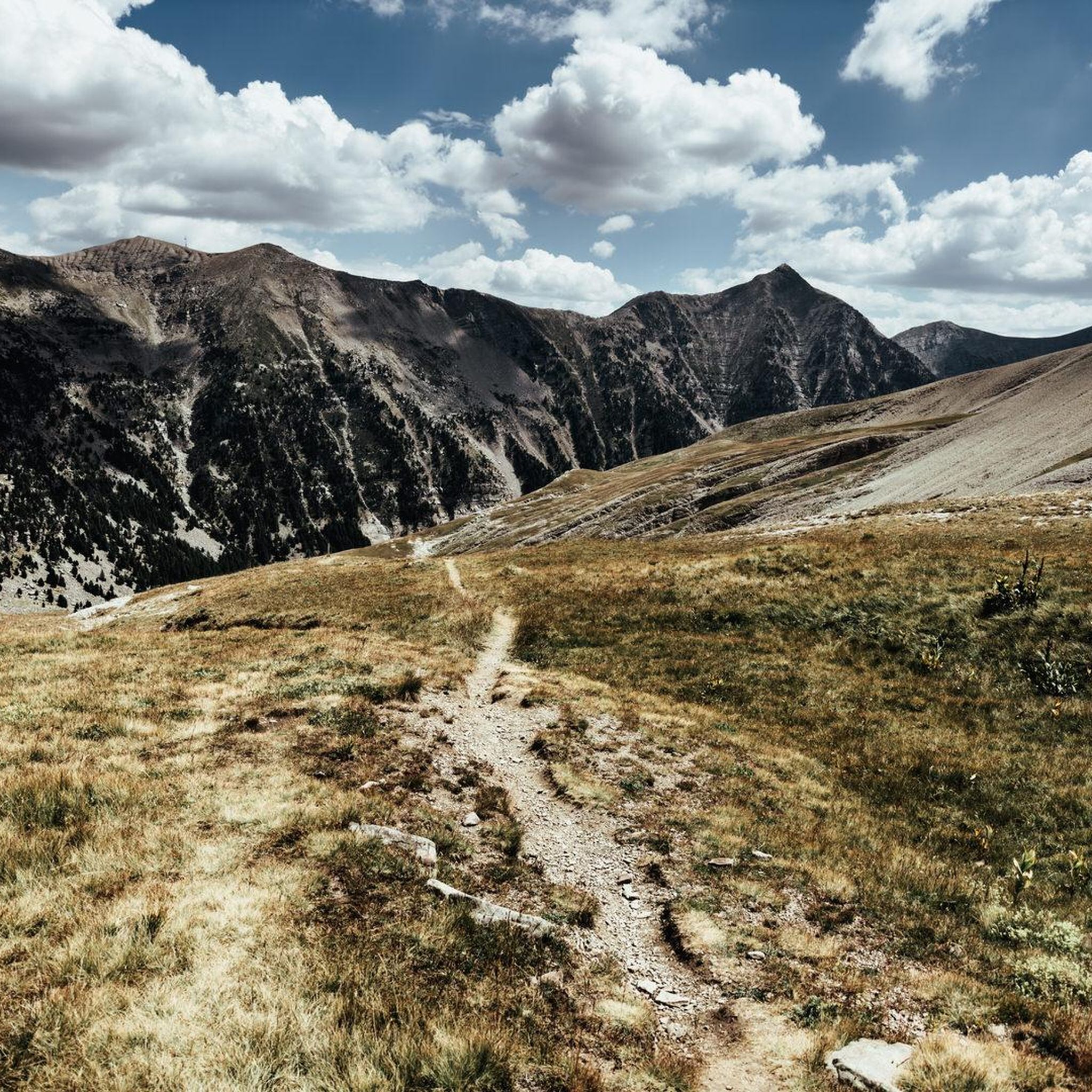
Visitors frequently enjoy the Col du Défens (1,230 m), a mountain pass known for its scenic views and an egg-shaped sculpture by Andy Goldsworthy. Another favorite is Tête de la Sestrière, offering a superb 360-degree panorama at 2,575 meters altitude.
Are there family-friendly natural monuments around Prads-Haute-Bléone?
Many natural monuments in the area can be enjoyed by families. While specific 'family-friendly' categories aren't listed for all, sites like the Lance Waterfall offer access points to the river for water activities, which can be fun for children. Exploring the Bléone River valley by car also provides scenic views without strenuous activity. For hiking, look for easier trails that wind through preserved landscapes.
Are there any historical or paleontological sites among the natural monuments?
Yes, the region is rich in both. The UNESCO Géoparc de Haute-Provence itself is a testament to 300 million years of geological history. A notable paleontological site is the Ichthyosaure de la Mélaie, accessible via a 2-3 hour round trip hike from Chanolles, where you can see the fossilized skeleton of a 107-million-year-old marine reptile. Additionally, the Saut de la Pie Waterfall is also listed as a historical site.
What outdoor activities can I do near these natural monuments?
The area offers diverse outdoor activities. You can find numerous hiking trails, such as those leading to the 'Hameau de Heyre' or 'Bois de la Julie', perfect for exploring preserved landscapes. For cycling enthusiasts, there are options for gravel biking and road cycling. The Bléone River also provides opportunities for water activities near waterfalls like Lance Waterfall.
Are there hiking trails near the natural monuments?
Absolutely. The region is crisscrossed with trails. For instance, you can embark on challenging hikes like the "Refuge de l'Estrop and the summit of la Basse loop" or the "Piche Waterfall loop from Prads." Moderate options include the "Refuge de l'Estrop – Rocky Slope Below the Summit loop" and the "Col de Mariaud loop." You can find more details on hiking around Prads-Haute-Bléone.
What do visitors enjoy most about the natural monuments in Prads-Haute-Bléone?
Visitors particularly appreciate the stunning panoramic views from high points like Tête de la Sestrière. The peaceful and wild nature of sites like Saut de la Pie Waterfall, with its rich ecology and changing seasonal beauty, is also highly valued. The good quality roads and magnificent scenery of passes like Col du Défens are also frequently praised.
Are dogs allowed on trails around the natural monuments?
While specific regulations for each trail vary, many outdoor areas in the Alpes-de-Haute-Provence are dog-friendly, especially on leash. When hiking in areas with livestock, such as near Tête de la Sestrière, it's important to be careful with dogs around herds and marmots. Always check local signage for specific restrictions in protected areas.
What is the best time to visit the natural monuments in Prads-Haute-Bléone?
The region offers varied visual experiences throughout the seasons. Spring and summer are ideal for hiking and enjoying the waterfalls and lush landscapes. Autumn brings beautiful colors to the valleys. While winter offers opportunities for snow activities, access to some higher altitude monuments might be restricted due to snow. The Saut de la Pie Waterfall, for example, provides a beautiful spectacle that is 'always renewed' through the seasons.
Where can I find accommodation or places to eat near the natural monuments?
The village of Prads-Haute-Bléone itself offers amenities. For more information on accommodation, restaurants, and cafes in the vicinity, you can consult local tourism resources. The region also has refuges, such as the Refuge de l'Estrop, which can serve as a base for exploring higher peaks like Tête de l'Estrop.
Are there any less-known natural monuments or 'hidden gems' worth visiting?
Beyond the well-known spots, the region's numerous trails, such as the 'Sentier Marcel' and paths to the 'Hameau de Heyre', lead to preserved landscapes and abandoned hamlets, offering a peaceful return to nature away from crowds. The Bléone River valley itself, with its 'tiny road' winding through majestic mountain massifs and high cliffs, is a picturesque route showcasing dramatic geological formations that might be considered a hidden gem for those seeking serene beauty.
Can I go cycling near the natural monuments?
Yes, the area is well-suited for cycling. The Col du Défens (1,230 m) is noted for its good quality road and minimal traffic, making it a pleasant climb for road cyclists. There are also dedicated guides for gravel biking and road cycling routes around Prads-Haute-Bléone, offering various loops and distances for different skill levels.
Most popular routes around Prads-Haute-Bléone
Most popular attractions around Prads-Haute-Bléone

Get inspired with the komoot mobile app


Explore more
Extend your search for the best caves by checking out these guides of the top ones around Prads-Haute-Bléone:
