Top 3 Natural Monuments around Tignac
Best natural monuments around Tignac showcase the diverse natural landscapes of the Ariège Pyrenees. This region features rugged mountainous terrain, deep gorges, high-altitude plateaus, and unique geological phenomena. The area provides numerous opportunities for outdoor exploration, from scenic drives to extensive hiking trails.
Best natural monuments around Tignac
- The most popular natural monuments is Plateau de Beille, a mountain pass that serves as a ski resort in winter and a hiking area in summer. Its altitude, exceeding 1,800 meters,…
Last updated: June 21, 2026
Gorges de la Frau
Highlight (Segment) • Gorge
Translated by Google •
Tip by

Plateau de Beille
Highlight • Mountain Pass
Translated by Google •
Tip by

Sign up now to discover places like this
Get recommendations on the best single tracks, peaks, & plenty of other exciting outdoor places.
Sign up for free
Thermal springs
Highlight • Natural Monument
More information: de.wikipedia.org/wiki/Ax-les-Thermes?wprov=sfla1
Translated by Google •
Tip by

Devil's Pond
Highlight • Lake
Translated by Google •
Tip by

Plateau du Saquet
Highlight • Viewpoint
Translated by Google •
Tip by

Start today with a free account
Your next adventure awaits.
Login or Signup

Tips from the Community

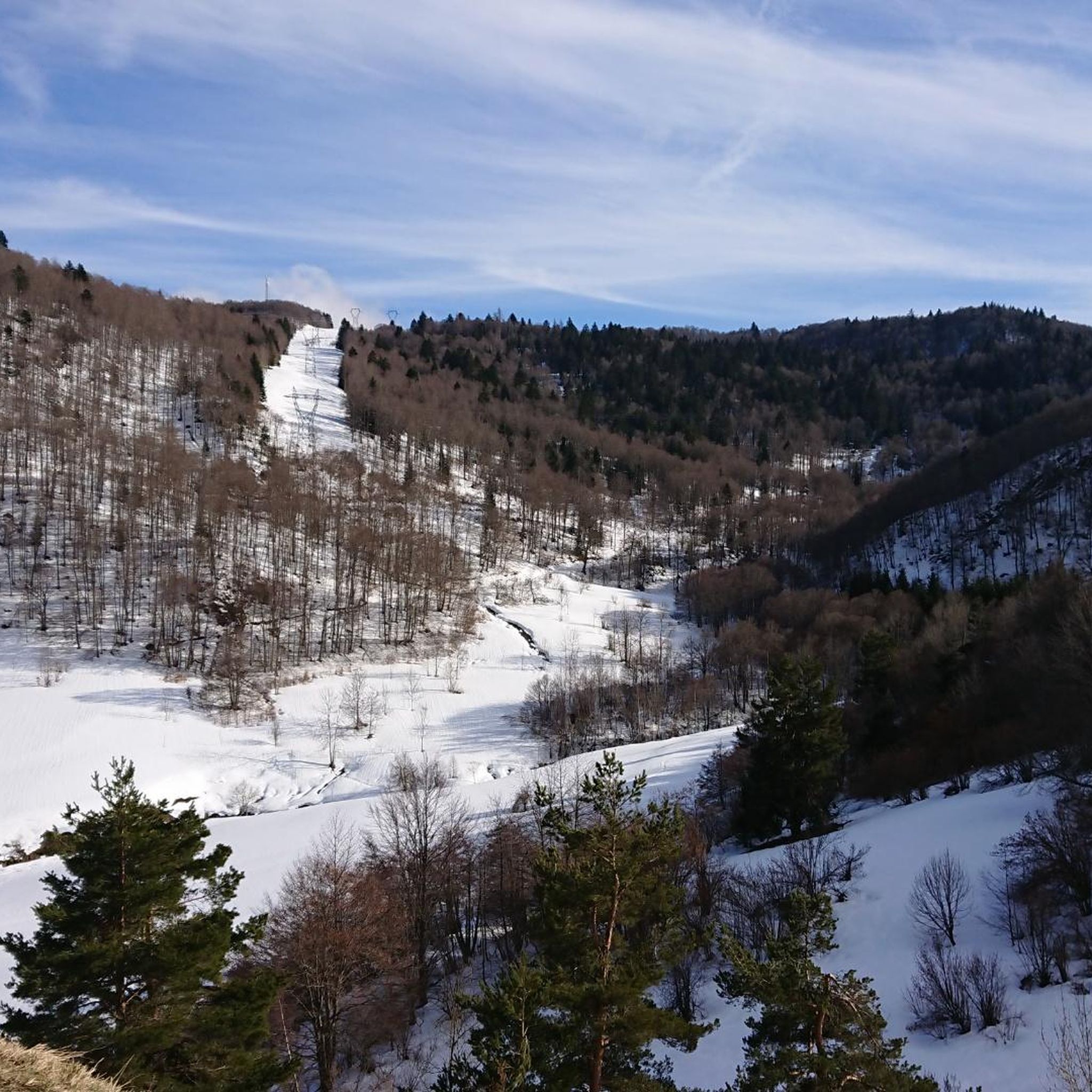
Very good place to practice skating skiing in winter!
0
0

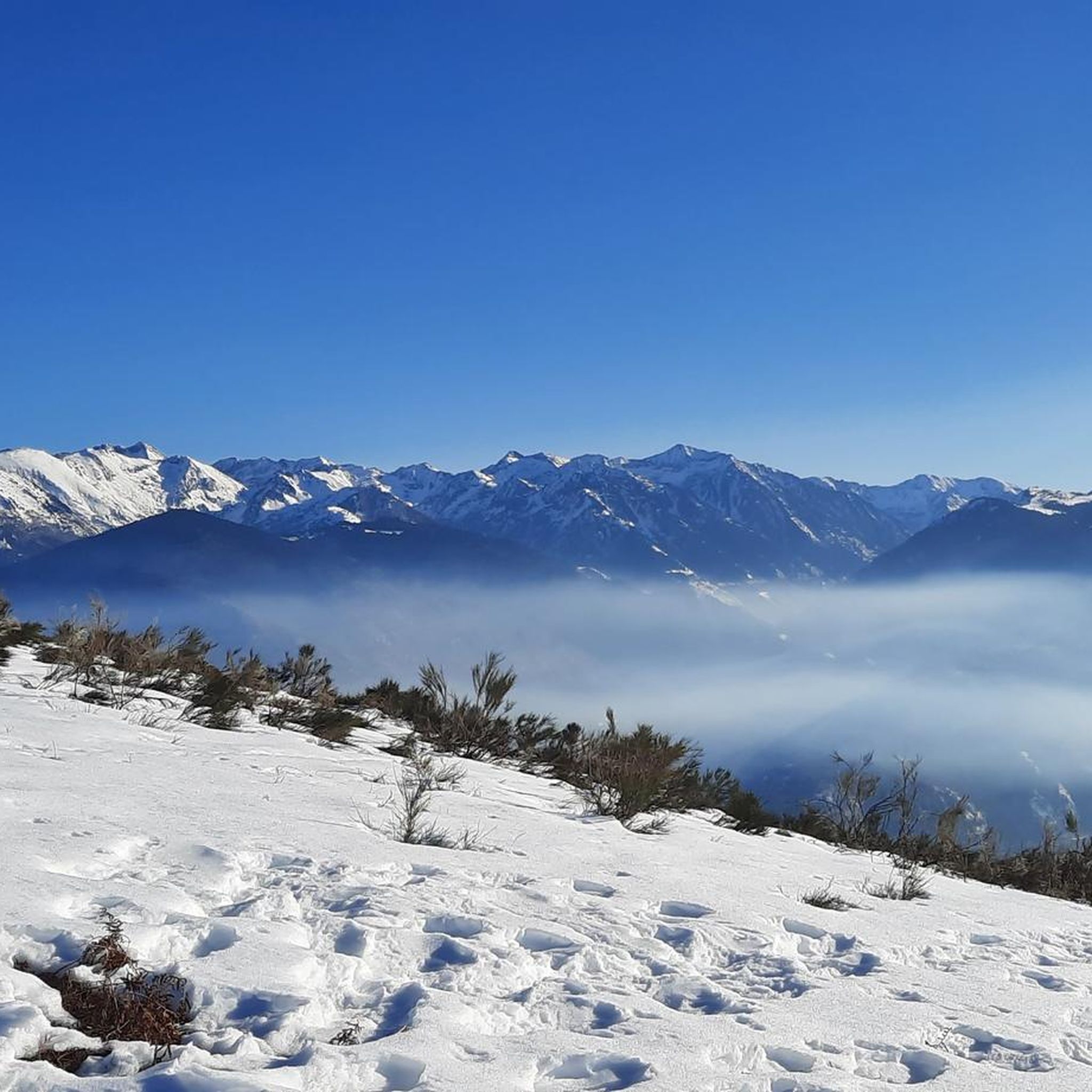
Beautiful view, the chairlift goes up here in summer
17
1
Beautiful views here and it gets even better
6
0

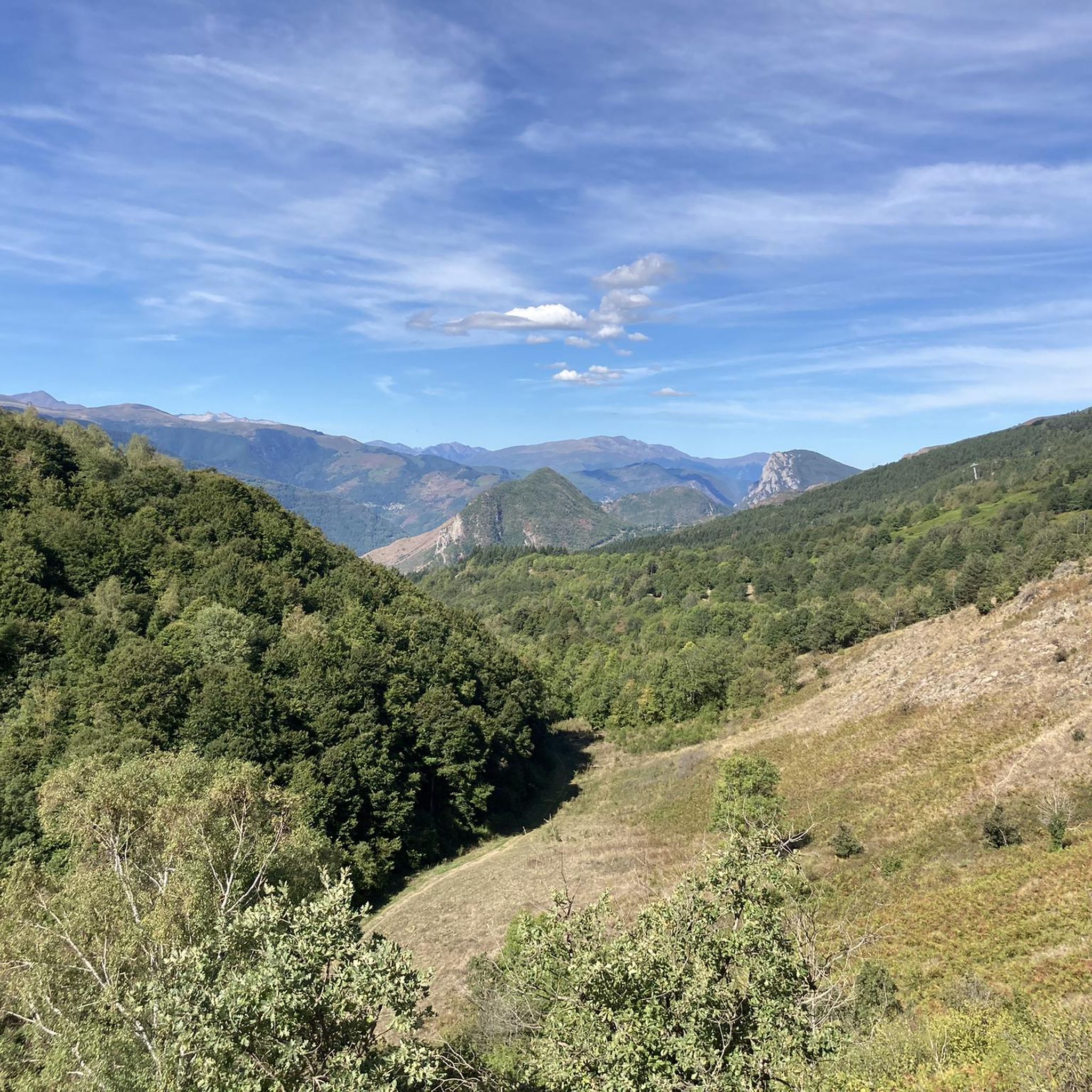
The gorge is gorgeous indeed! I was there in August. Not a drop of water. Would like to go back a different season. Descent was partially overgrown and hard to find. No views there.
0
0

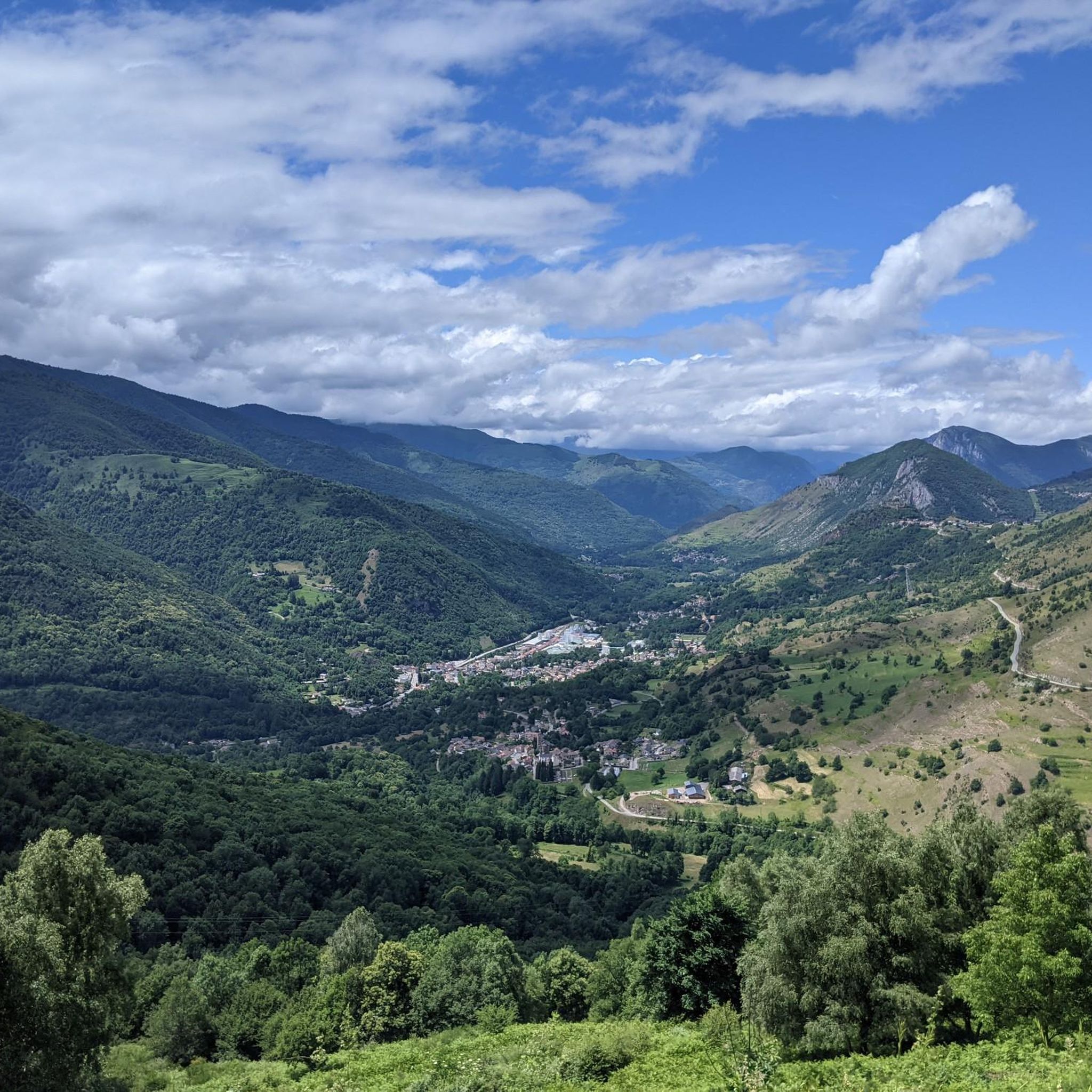
Over a length of three kilometres, the Èrç river has sculpted the rocks over thousands of years, creating a deep gorge that reaches between 300 and 400 metres deep. A place where the power of nature and the traces of erosion are clearly visible. The Gorges de la Frau are not only an impressive natural phenomenon, but also a witness to history. For centuries, they served as a natural passage between the Pyrenean valleys and thus tell stories of trade, travel and discovery. Today, this gorge is a central point of the Grand Traversée Ariège Pyrénées (GTAP) VTT, a mountain bike trail that makes the hearts of all adventurers beat faster. But whether you are on foot or on two wheels, the view of this narrow and steep gorge is breathtaking. It's almost like entering another world, where the rocks form the walls of an ancient castle and every stone, every tree, every curve has a story to tell. And although photos try to capture its beauty, they simply cannot do justice to the majestic atmosphere of the Gorges de la Frau. It is a place to be experienced, felt and breathed - an unforgettable natural wonder not to be missed on your trip through the Pyrenees.
4
0

Nice open view and plenty of parking space
1
0

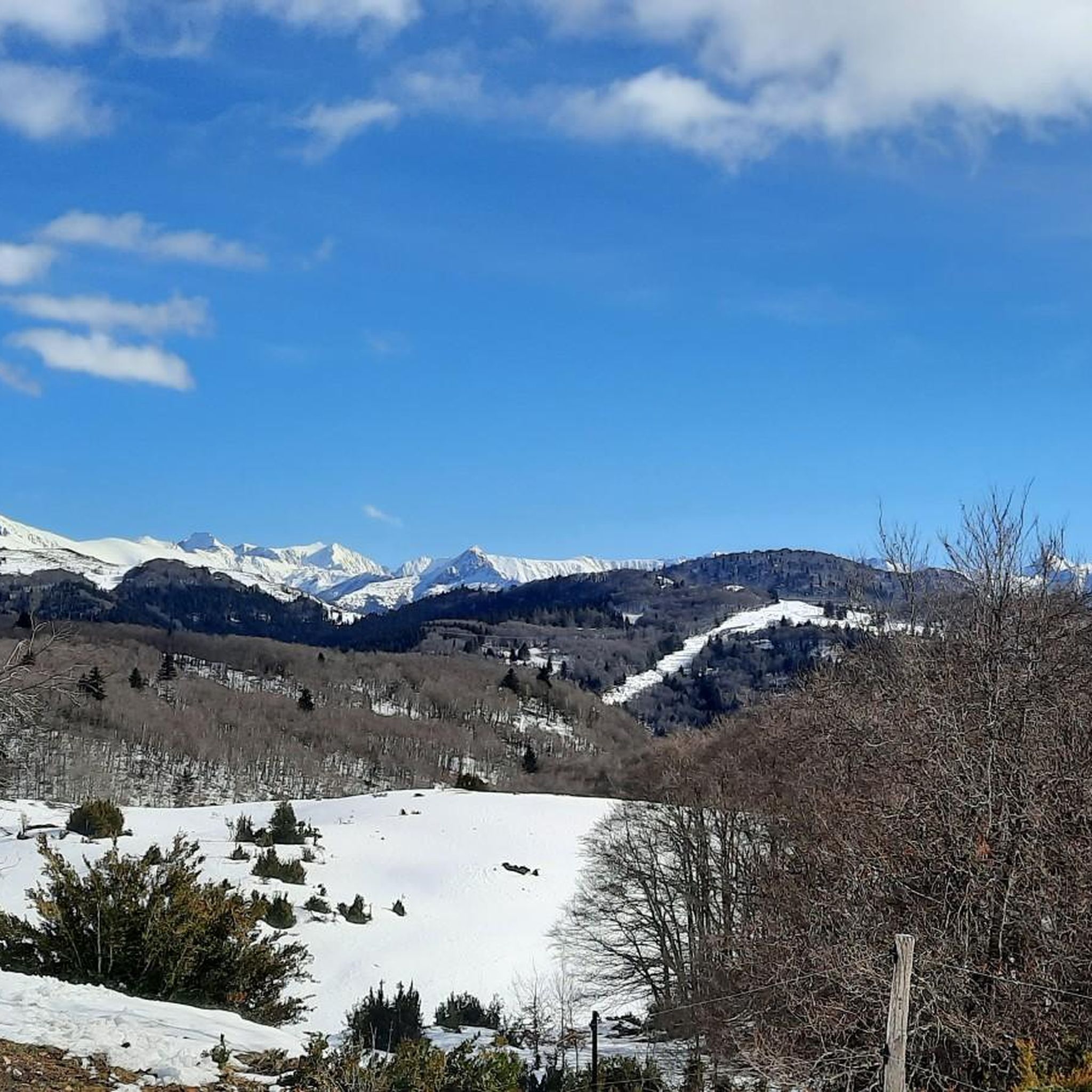
The Beille plateau is a dead end. The road ends there. Besides being a finish of the Tour de France, it is also a ski resort in winter. Its altitude, which exceeds 1,800 meters, guarantees snow cover. In summer, it's more of a paradise for ruminants and hikers.
2
1
The Beille plateau is a dead end. The road ends there. Besides being a finish of the Tour de France, it is also a ski resort in winter. Its altitude, which exceeds 1,800 meters, guarantees snow cover. In summer, it's more of a paradise for ruminants and hikers.
2
0
Frequently Asked Questions
What unique natural phenomena can I experience near Tignac?
You can witness the fascinating Fontaine Intermittente de Fontestorbes, located approximately 21 km from Tignac. This spring is famous for its intermittent flow, cascading vigorously for about 36 minutes and then significantly reducing or stopping its flow for around 32 minutes, particularly between mid-July and mid-November. During low water periods, you can even walk into the dimly lit cave.
Where can I find impressive mountain landscapes and high-altitude lakes for hiking?
The Devil's Pond offers a magnificent high-altitude lake experience, serving as a beautiful objective for hikers or a stopover towards the Pic Saint-Barthélemy. Additionally, the Lac des Bouillouses, one of the largest lakes in the French Pyrenees, is a classified natural site surrounded by stunning mountain scenery and numerous smaller lakes, making it a popular starting point for trails to Pic du Carlit.
Are there any dramatic gorges or canyons to explore in the area?
Absolutely. The Gorges de la Frau is a spectacular narrow canyon, 300 to 400 meters deep, sculpted by the Èrç river over millennia. It's an impressive natural phenomenon and part of the Grand Traversée Ariège Pyrénées (GTAP) VTT route. Further afield, the Gorges de la Pierre-Lys, about 35 km from Tignac, offers a scenic drive through dramatic cliffs rising up to 700 meters, carved by the Aude River.
What kind of outdoor activities can I do near these natural monuments?
The region around Tignac is ideal for various outdoor pursuits. You can find numerous running trails, including moderate and difficult options, as detailed in our Running Trails around Tignac guide. For cyclists, there are challenging road cycling routes like the Pailhères Pass, and traffic-free options, which you can explore in our Road Cycling Routes around Tignac and Traffic-free bike rides around Tignac guides. The Vallée de Vicdessos is also popular for canyoning in its gorges and rivers.
Are there natural monuments suitable for families?
Yes, several natural monuments cater to families. The Thermal springs in Ax-les-Thermes offer a relaxing experience where you can enjoy a foot bath. The Plateau du Saquet provides beautiful views and is accessible by chairlift in summer, making it an easy family outing. The Fontaine Intermittente de Fontestorbes also has an adventure park nearby, adding to its family appeal.
When is the best time to visit the natural monuments around Tignac?
The best time to visit largely depends on your desired activity. For hiking and general exploration of mountain areas like Lac des Bouillouses, summer and early autumn offer pleasant weather. Note that access to Lac des Bouillouses is regulated during summer, often requiring shuttle buses or chairlifts. The unique intermittent flow of the Fontaine Intermittente de Fontestorbes is most pronounced between mid-July and mid-November. Winter transforms areas like the Plateau de Beille and Vallée de Vicdessos into ski destinations.
Where can I find diverse wildlife and ecosystems?
The Réserve naturelle régionale de Nyer, spanning 2200 hectares, is an excellent choice. It encompasses diverse habitats like forests, moors, and grasslands, supporting a rich variety of fauna including isards, wild cats, deer, ermines, bats, and golden eagles, alongside over 750 plant species. It offers well-maintained hiking trails and educational exhibitions.
Are there any natural monuments that also serve as ski resorts?
Yes, the Plateau de Beille, while a paradise for hikers and ruminants in summer, transforms into a ski resort in winter. Its altitude exceeding 1,800 meters guarantees snow cover, making it a dual-purpose natural monument.
What are some good viewpoints for scenic photography?
For breathtaking vistas, the Plateau de Beille and Plateau du Saquet offer expansive open views. The dramatic cliffs of the Gorges de la Pierre-Lys also provide exceptional photographic opportunities, especially during a scenic drive. The Vallée de Vicdessos, with its grandiose glacial landscapes and high-altitude lakes, is another prime location for capturing stunning natural beauty.
What geological features are prominent in the natural monuments around Tignac?
The region showcases a variety of impressive geological features. The Fontaine Intermittente de Fontestorbes is a unique intermittent spring. The Gorges de la Frau and Gorges de la Pierre-Lys are prime examples of deep canyons carved by river erosion. The Vallée de Vicdessos and Cirque du Sisca highlight the dramatic impact of glacial activity, featuring glacial valleys and cirques with rugged mountainous terrain.
Are there any natural monuments with historical significance?
The Gorges de la Frau holds historical significance as it served for centuries as a natural passage between the Pyrenean valleys, telling stories of trade, travel, and discovery through its ancient pathways.
Most popular attractions around Tignac

Get inspired with the komoot mobile app


Explore more
Extend your search for the best caves by checking out these guides of the top ones around Tignac:
