Top 16 Natural Monuments around Ciamannacce
Best natural monuments around Ciamannacce include a significant archaeological site within the commune, offering a glimpse into Corsica's prehistoric past. The surrounding region in Corsica features a diverse natural landscape with various geological formations. Visitors can explore a range of natural features, from high-altitude lakes and impressive waterfalls to rugged mountain passes. This area provides opportunities to experience Corsica's natural heritage.
Best natural monuments around Ciamannacce
- The most popular natural monuments is Bridal Veil Waterfall, a waterfall that is…
Last updated: July 5, 2026
Buja waterfall
Highlight • Waterfall
Translated by Google •
Tip by

Lac de Bastani
Highlight • Lake
Translated by Google •
Tip by
Sign up now to discover places like this
Get recommendations on the best single tracks, peaks, & plenty of other exciting outdoor places.
Sign up for free
Bridal Veil Waterfall
Highlight • Waterfall
Translated by Google •
Tip by

Mount Formicula
Highlight • Summit
Translated by Google •
Tip by

Natural Pool in Parc Naturel Régional de Corse
Highlight • Natural
Going down the path stops before the …
Translated by Google •
Tip by

Sign up for free to discover even more natural monuments around Ciamannacce.
Sign up for free
Already have an account?
Start today with a free account
Your next adventure awaits.
Login or Signup
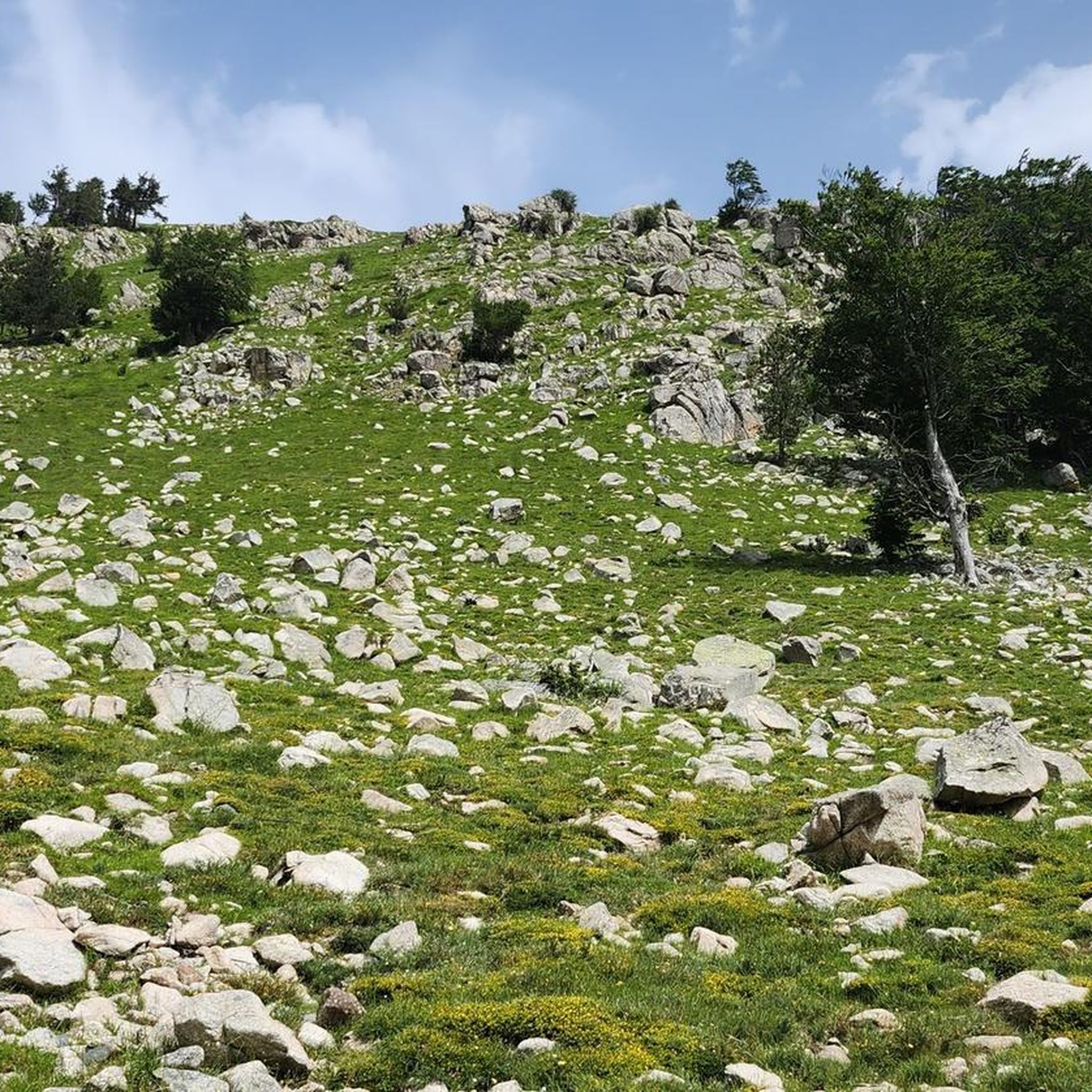
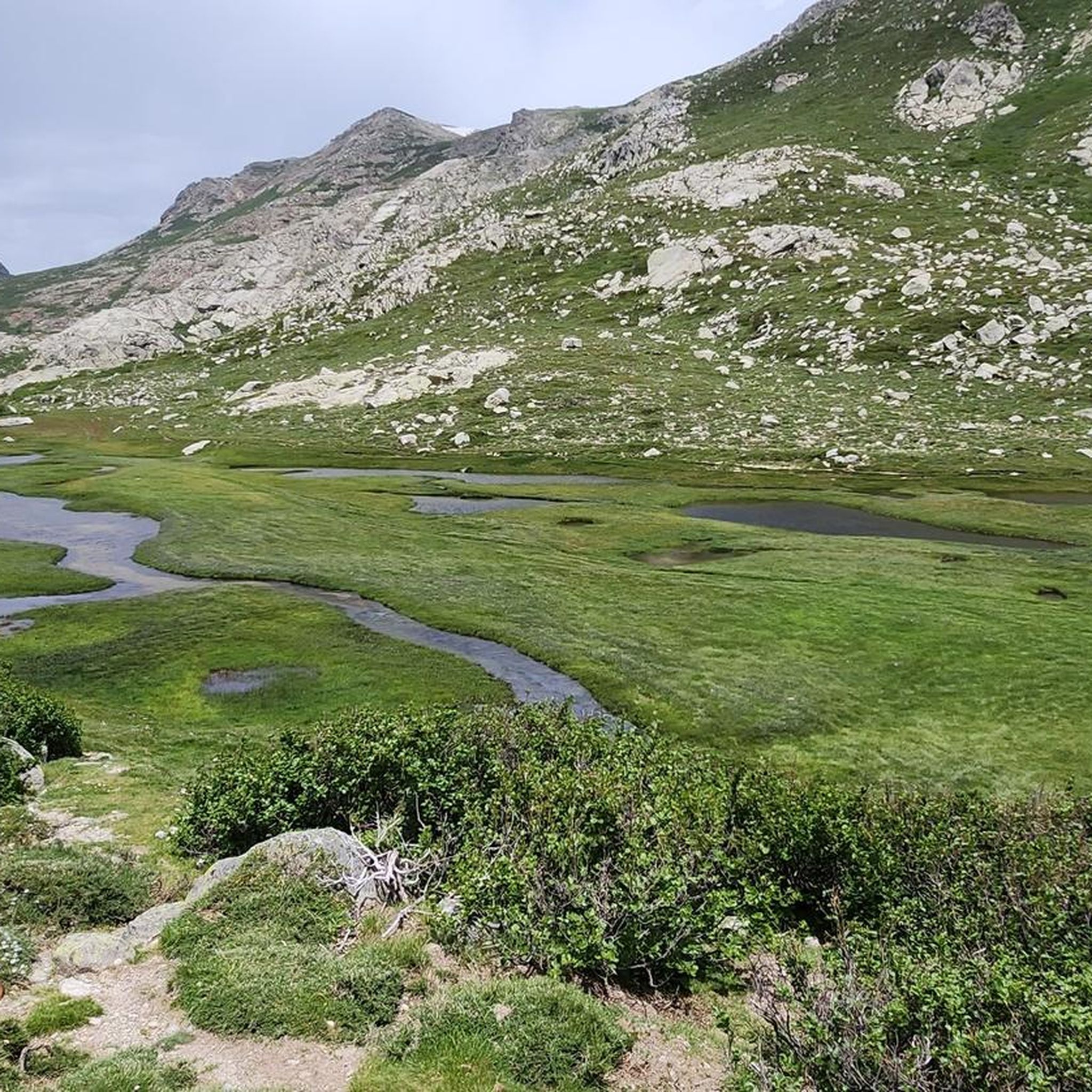
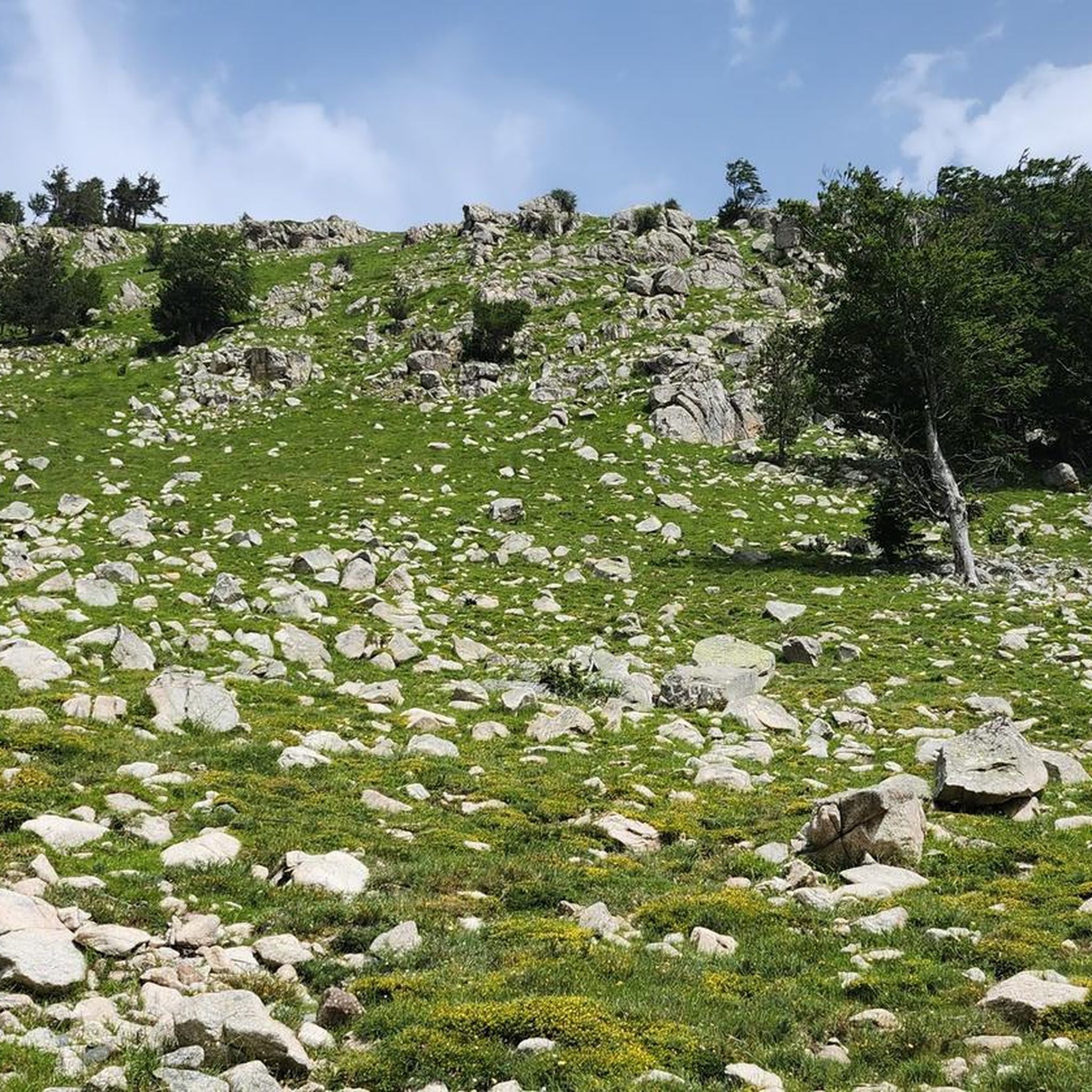
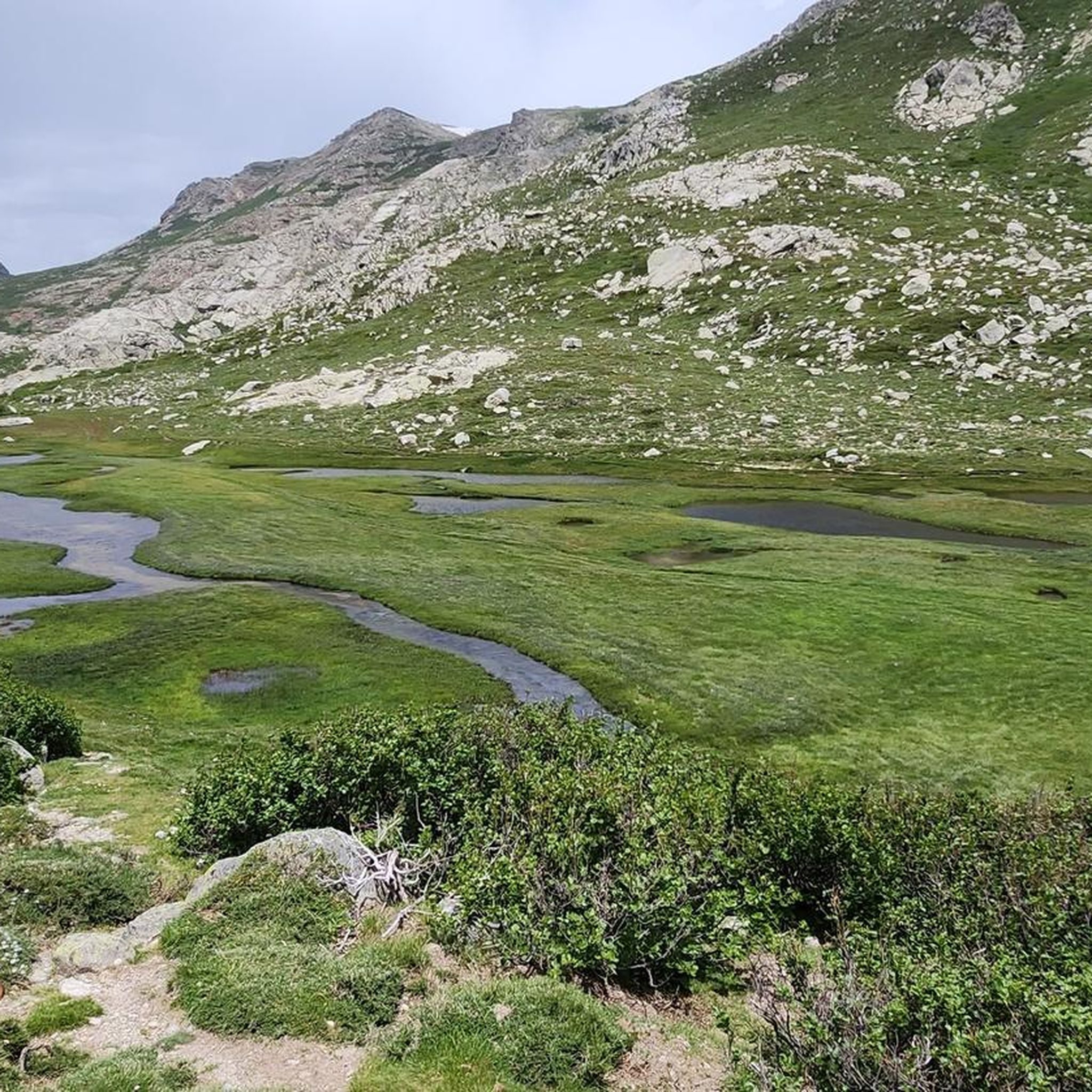
Tips from the Community

Great view of the waterfall. Magnificent and always worth a visit.
0
0

A magnificent waterfall at the end of an exciting cross-country tour. A certain amount of fitness and absolute surefootedness are absolutely essential. The waterfall and the opportunity to swim are a wonderful reward.
0
0

Be careful, the route isn't great. At point 4, between points 4 and 5, there's no longer a path and it's extremely steep, so avoid with children. It's extremely slippery! The return journey after the waterfall is all on the road. Take a path to the left that allows you to safely follow the road.
2
0

Great climb and even more beautiful view
0
0
If you are already here, you should walk the few extra meters. The view is great
0
0

The highest waterfall in Corsica simply invites you to linger.
1
0


Culminating at 1,981 meters above sea level, Monte Formicula is located on a beautiful ridge line which offers breathtaking panoramas.
1
0
Frequently Asked Questions
What are some of the most impressive natural monuments to visit around Ciamannacce?
The region around Ciamannacce offers several remarkable natural monuments. Among the most popular are the Bridal Veil Waterfall, known as the highest waterfall in Corsica, and the Buja waterfall, which flows into a natural swimming pool. For high-altitude beauty, Lac de Bastani is a stunning lake with emerald waters located above 2000 meters.
Are there any natural monuments with historical significance in Ciamannacce?
Yes, Ciamannacce is home to the Menhir du Haut-Taravo (or Menhir du Castaldu). This ancient statue-menhir, located near the Taravo river, is unique as the first and only armed statue-menhir depicting a female body without a head found in Corsica, offering a fascinating glimpse into the island's prehistoric past.
What kind of outdoor activities can I do near the natural monuments around Ciamannacce?
The area around Ciamannacce is excellent for outdoor enthusiasts. You can enjoy various activities such as hiking, mountain biking, and even mountaineering. There are numerous trails, including challenging routes like the 'Pozzi Seen – Les Pozzi de Bastelica loop' and moderate options like the 'Winter ski resort in summer loop'. For more details on routes, you can explore the Hiking around Ciamannacce and Mountain Hikes around Ciamannacce guides.
Are there family-friendly natural monuments suitable for children?
Absolutely. The Buja waterfall is a great option, with visitor tips suggesting it's accessible even with 6-year-old children. Its natural swimming pool provides a refreshing spot for families to enjoy. The Natural Pool in Parc Naturel Régional de Corse also offers a pleasant experience, though some sections might require careful navigation.
Where can I find natural swimming spots near Ciamannacce?
Several natural swimming spots are available. The Buja waterfall features a natural pool perfect for a refreshing dip. Additionally, the Natural Pool in Parc Naturel Régional de Corse is another excellent choice for enjoying the clear waters of the region.
What are the notable high-altitude natural features in the area?
The region boasts impressive high-altitude features. Lac de Bastani is one of Corsica's highest lakes, situated above 2000 meters. For panoramic views, Mount Formicula, culminating at 1,981 meters, offers breathtaking vistas along its ridge line.
What do visitors enjoy most about the natural monuments around Ciamannacce?
Visitors frequently praise the stunning natural beauty and the opportunity for refreshment. Many highlight the emerald waters of Lac de Bastani and the invigorating natural swimming pools at Buja waterfall. The dramatic landscapes and the chance to connect with nature are consistently mentioned as key attractions.
Are there any other significant natural attractions worth visiting near Ciamannacce, even if not directly in the commune?
Yes, several breathtaking natural sites are within a reasonable distance. These include the impressive rock formations of the Col de Bavella (Bavella Pass), the spectacular white-water canyon of the Gorges de la Restonica, and the unique pozzines of Lac de Nino. The dramatic red rock formations of the Calanques de Piana, a UNESCO World Heritage site, are also accessible for a day trip.
Can I find cycling routes near these natural monuments?
Yes, the area offers several cycling opportunities. You can find routes like the 'Verde Pass – Ghisoni at 700 m above sea level. loop' or the 'Zicavo Waterfalls – Col de Vaccia loop'. These routes vary in difficulty and provide a great way to explore the scenic landscapes. For more information, refer to the Cycling around Ciamannacce guide.
What kind of geological features can be observed in the natural monuments around Ciamannacce?
The region is rich in diverse geological features, primarily characterized by granite formations. You can observe dramatic granite canyons like the Gorges de Spelunca, sculpted rock formations such as those found at the Calanques de Piana, and the unique 'pozzines' (water holes in sodden peat bogs) at Lac de Nino. The waterfalls also carve impressive paths through the granite landscape.
What is the best time to visit the natural monuments around Ciamannacce?
The best time to visit largely depends on the activities you plan. Spring and early summer (May to July) are ideal for hiking and enjoying the lush greenery, wildflowers, and full waterfalls. Late summer and early autumn (August to October) offer pleasant temperatures for exploring, though some waterfalls might have reduced flow. Winter can be beautiful for snow-covered landscapes, especially in higher altitudes, but accessibility to some areas might be limited.
Most popular attractions around Ciamannacce

Get inspired with the komoot mobile app


Explore more
Extend your search for the best caves by checking out these guides of the top ones around Ciamannacce:
