Top 4 Natural Monuments around Montaure
Best natural monuments around Montaure are found in the surrounding Eure department of Normandy, France. This region features diverse natural landscapes, including extensive forests, dramatic chalk cliffs, and significant wetlands. The area offers opportunities to explore varied ecosystems and historical sites. Visitors can discover a range of natural attractions, from river valleys to ancient woodlands.
Best natural monuments around Montaure
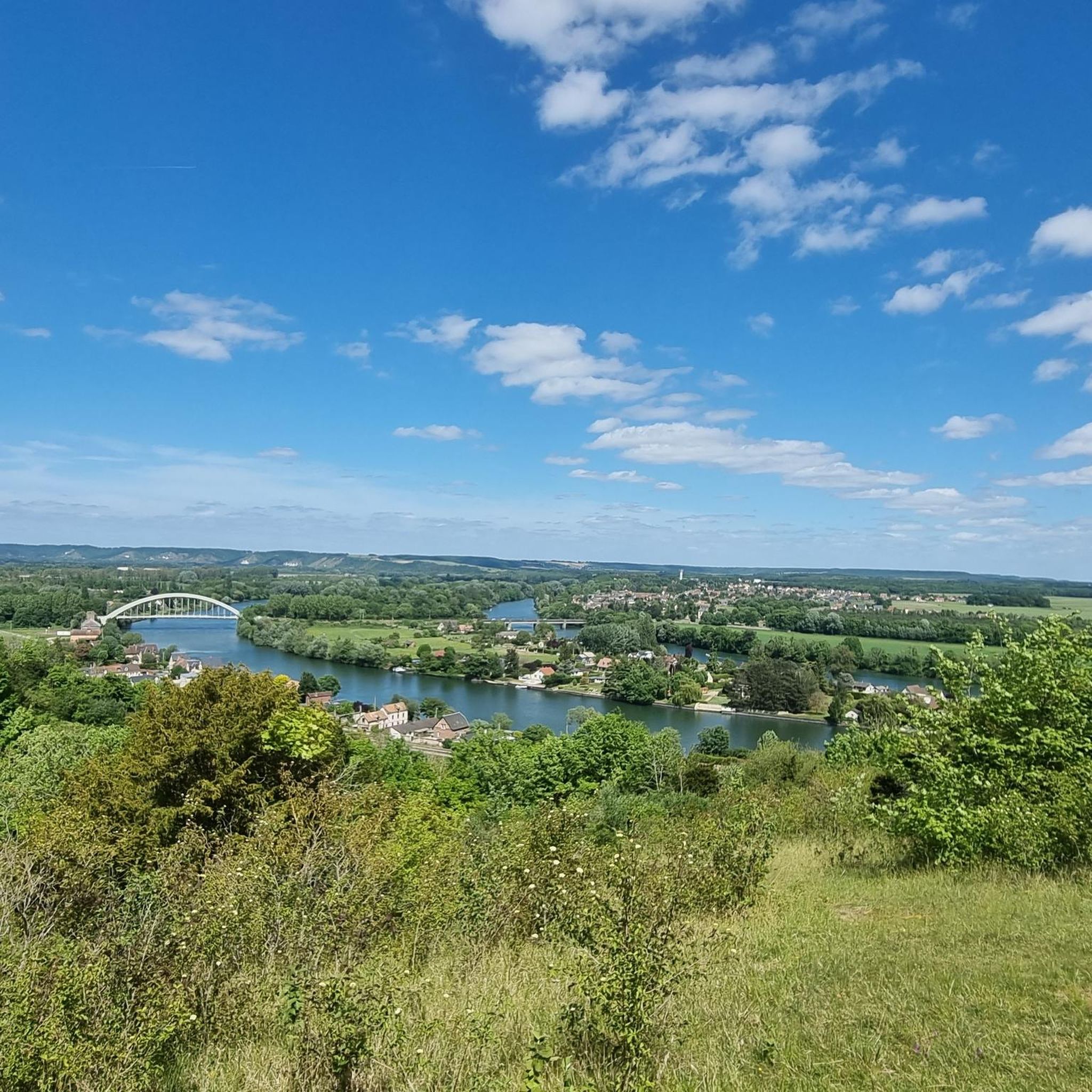
- The most popular natural monuments is White cliffs, the Roches d'Orival, a natural monument that features white chalk cliffs overlooking the Seine. It offers panoramic views of the valley and includes historical elements such as traces of a 12th-century castle.
- Another must-see spot is Route des Roches, a cycle way that runs between cliffs and the Seine. This route provides a pleasant journey with views of the natural landscape and minimal traffic.
- Visitors also love La Mare Asse, a lake situated within the Forêt de Bord-Louviers. This pond combines natural beauty with historical context, offering a peaceful setting for relaxation and wildlife observation.
- Montaure is known for its extensive forests, dramatic cliffs, and tranquil lakes. The region offers a variety of natural monuments to see and explore, from ancient woodlands to scenic river viewpoints.
- The natural monuments around Montaure are appreciated by the komoot community, with 133 upvotes and 13 photos shared across these highlights.
Last updated: July 5, 2026
White cliffs, the Roches d'Orival
Highlight • Historical Site
Translated by Google •
Tip by

Route des Roches
Highlight (Segment) • Cycleway
Translated by Google •
Tip by

Sign up now to discover places like this
Get recommendations on the best single tracks, peaks, & plenty of other exciting outdoor places.
Sign up for free
Forêt de Bord-Louviers
Highlight • Forest
Translated by Google •
Tip by
La Mare Asse
Highlight • Lake
Translated by Google •
Tip by
Start today with a free account
Your next adventure awaits.
Login or Signup

Tips from the Community

great ride
0
0


Perfect hike, good elevation changes, incredible view
0
0

The Bord-Louviers forest is a majestic forest located at the confluence of the Eure and the Seine. This forest, former property of the Dukes of Normandy and the Kings of France, covers an area of 4,568 hectares and offers a variety of landscapes and ecosystems. You can discover the pine forest on the northern terraces overlooking the Seine, the beech forest in the central plain, or even the oaks on the southern plateaus. You will also be able to admire the seven remarkable trees listed, such as the Tabouel beech, a 39 meter high beech, or the Pancarte oak, an oak which has swallowed a sign on its trunk. The forest is also home to a rich fauna: deer, wild boars, foxes and squirrels.
2
0
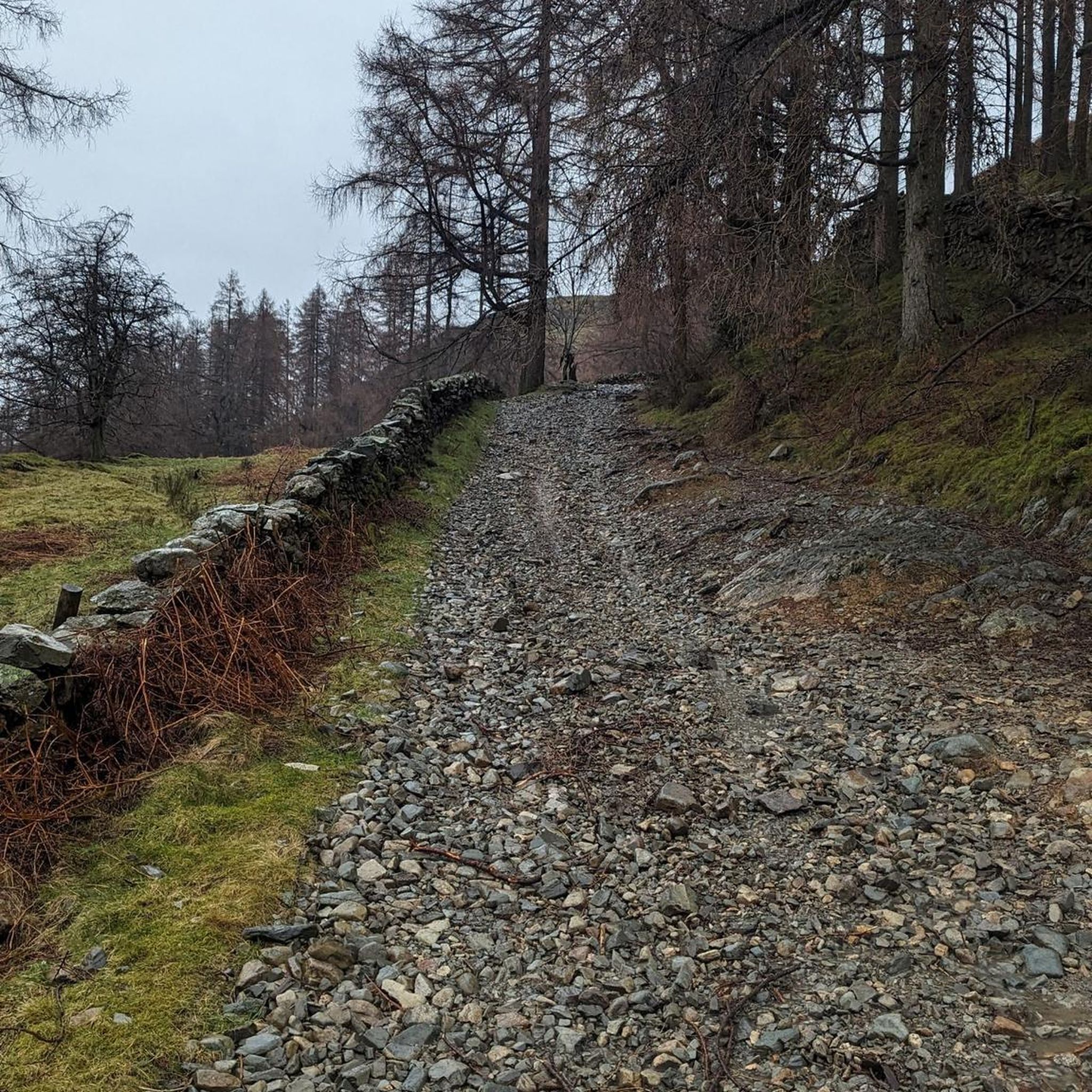
The Roches d'Orival offer a spectacular spectacle. These white chalk cliffs, sculpted by erosion, overlook the Seine and offer an exceptional panorama of the valley. You will be able to discover the richness of the natural and historical heritage of this site which dates back to the Neolithic era. You will see traces of a castle built by Richard Coeur de Lion in 1195, troglodyte dwellings from the 17th century, a fortified Roman camp, a Gallo-Roman temple, brick ovens from the 19th century. You will also discover a remarkable diversity of flora and fauna: orchids, butterflies, praying mantises and green lizards. The course has some steep and rocky sections, so be prepared for a moderate challenge.
2
0
The Roches d'Orival offer a spectacular spectacle. These white chalk cliffs, sculpted by erosion, overlook the Seine and offer an exceptional panorama of the valley. You will be able to discover the richness of the natural and historical heritage of this site which dates back to the Neolithic era. You will see the traces of a castle built by Richard Coeur de Lion in 1195, troglodyte dwellings from the 17th century, a fortified Roman camp, a Gallo-Roman temple, brick ovens from the 19th century. You will also discover a remarkable diversity of flora and fauna, including orchids, butterflies, praying mantises and green lizards. The hike has a few steep and rocky sections so be prepared for a moderate challenge.
4
0
This pond combines nature and history since it is part of the national forest of Bord-Louviers, a forest dating from the Middle Ages which extends over more than 4,000 hectares. You can enjoy the view of the pond and the surrounding forest, and maybe spot frogs, dragonflies or birds. The pond is a peaceful and refreshing place to relax.
3
1
Frequently Asked Questions
What unique natural features can I explore around Montaure?
The region around Montaure offers diverse natural features. You can discover the dramatic white chalk cliffs of Roches d'Orival, which provide exceptional panoramic views over the Seine. The Forêt de Bord-Louviers features varied ecosystems including pine, beech, and oak forests, and even remarkable trees like the Tabouel beech. Further afield, the Marais Vernier offers a unique wetland environment with wet meadows, marshes, and peat bogs, while the Lyons Beech Forest is renowned as the largest beech forest in France.
Where can I find the best panoramic views of the natural landscapes?
For breathtaking panoramic views, head to the Roches d'Orival. These white chalk cliffs, sculpted by erosion, overlook the Seine and offer an exceptional vista of the valley. Visitors consistently praise the incredible views from this spot.
Do any natural monuments near Montaure also offer historical insights?
Yes, the Roches d'Orival are particularly rich in history. Beyond their natural beauty, you can find traces of a castle built by Richard the Lionheart in 1195, 17th-century troglodyte dwellings, a fortified Roman camp, and a Gallo-Roman temple. The Forêt de Bord-Louviers also has historical significance as a former property of the Dukes of Normandy and the Kings of France.
Are there family-friendly natural monuments suitable for children?
Absolutely. The Forêt de Bord-Louviers is considered family-friendly, offering varied landscapes for walks. Within this forest, La Mare Asse is a peaceful pond where families can enjoy the view, spot frogs, dragonflies, or birds, making it a refreshing place to relax with children.
What kind of outdoor activities can I enjoy near these natural monuments?
The natural monuments around Montaure are excellent for various outdoor activities. The Forêt de Bord-Louviers is ideal for walking and cycling, with diverse ecosystems to explore. The Roches d'Orival offer hiking opportunities, though some sections can be steep and rocky. The Marais Vernier is perfect for birdwatching and exploring by foot or bike. The broader Boucles de la Seine Normande Regional Nature Park provides extensive options for hiking and cycling.
Are there cycling routes available near the natural monuments?
Yes, there are several cycling opportunities. The Route des Roches is a pleasant segment between the cliffs and the Seine, offering a secure and scenic ride. The Forêt de Bord-Louviers is also well-suited for cycling. For more detailed routes, you can explore guides like Cycling around Montaure or Traffic-free bike rides around Montaure, which feature routes like the 'Forêt de Bord-Louviers loop from Louviers'.
When is the best time of year to visit the natural monuments around Montaure?
The natural monuments can be enjoyed throughout the year, but each season offers a different experience. Spring brings blooming flora and active wildlife, especially in areas like Marais Vernier. Summer is great for longer days and outdoor activities. Autumn is particularly scenic in the forests, such as the Lyons Beech Forest and Forêt de Bord-Louviers, when the foliage displays vibrant colors. Winter can offer peaceful, crisp walks, though some paths might be muddy.
Is parking available at the natural monuments?
Parking is generally available near the main access points for popular natural monuments like the Forêt de Bord-Louviers and Roches d'Orival. Specific parking areas are usually signposted at trailheads or viewpoints. It is advisable to check local signage upon arrival for designated parking zones.
How can I reach the natural monuments using public transport?
While Montaure itself is a small commune, the surrounding natural monuments are generally more accessible by car. Public transport options directly to the heart of these natural sites might be limited. However, you can often reach nearby towns by regional buses or trains, and then potentially connect via local services or taxis. For detailed public transport information, it's best to consult local transport authority websites for the Eure department.
Are there any wheelchair-accessible natural monuments or trails?
Many natural monuments, by their very nature, feature uneven terrain, which can limit wheelchair accessibility. While specific dedicated wheelchair-accessible trails might be limited, some flatter sections or paved paths within areas like the Forêt de Bord-Louviers or along the Seine (such as parts of the Route des Roches) might be manageable. It's recommended to check specific trail conditions or contact local tourist information for the most up-to-date accessibility details.
What kind of wildlife can I expect to see?
The natural monuments around Montaure are home to diverse wildlife. In the Forêt de Bord-Louviers, you might spot deer, wild boars, foxes, and squirrels. The Roches d'Orival are known for orchids, butterflies, praying mantises, and green lizards. The Marais Vernier, an internationally important wetland, is a haven for birdwatchers, with species like storks, hawks, and harriers, as well as diverse aquatic life.
Most popular routes around Montaure
Most popular attractions around Montaure

Get inspired with the komoot mobile app


Explore more
Extend your search for the best caves by checking out these guides of the top ones around Montaure:
