Top 12 Natural Monuments around Paulhac
Best natural monuments around Paulhac are primarily found within the volcanic landscapes of the Cantal department, part of the Auvergne Volcanoes Regional Natural Park. This region offers a diverse range of natural features, including prominent summits and volcanic formations. The area is characterized by its high-altitude peaks and expansive views across valleys. This guide features 12 natural monuments, providing opportunities for exploration and appreciating the geological heritage of the Massif Central.
Best natural monuments around Paulhac
- The most popular natural…
Last updated: July 5, 2026
Plomb du Cantal
Highlight • Summit
It is located on a ridge line …
Translated by Google •
Tip by

Puy Peyre-Arse
Highlight • Summit
Tip by

Sign up now to discover places like this
Get recommendations on the best single tracks, peaks, & plenty of other exciting outdoor places.
Sign up for free
Cabre Pass
Highlight • Mountain Pass
Translated by Google •
Tip by
Puy Griou
Highlight • Summit
To do absolutely.
Translated by Google •
Tip by

Venus' Nipple
Highlight • Summit
Translated by Google •
Tip by
Sign up for free to discover even more natural monuments around Paulhac.
Sign up for free
Already have an account?
Start today with a free account
Your next adventure awaits.
Login or Signup
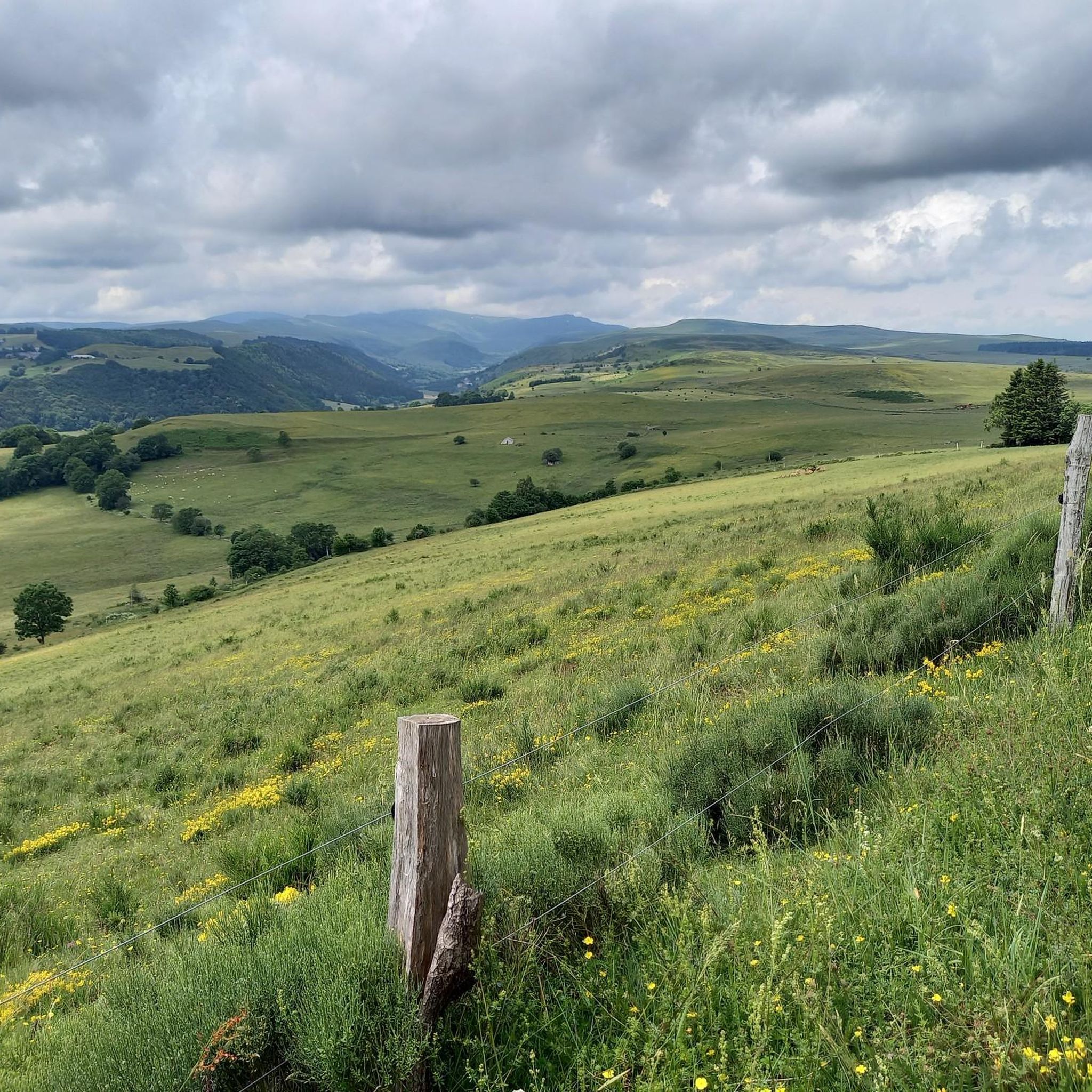
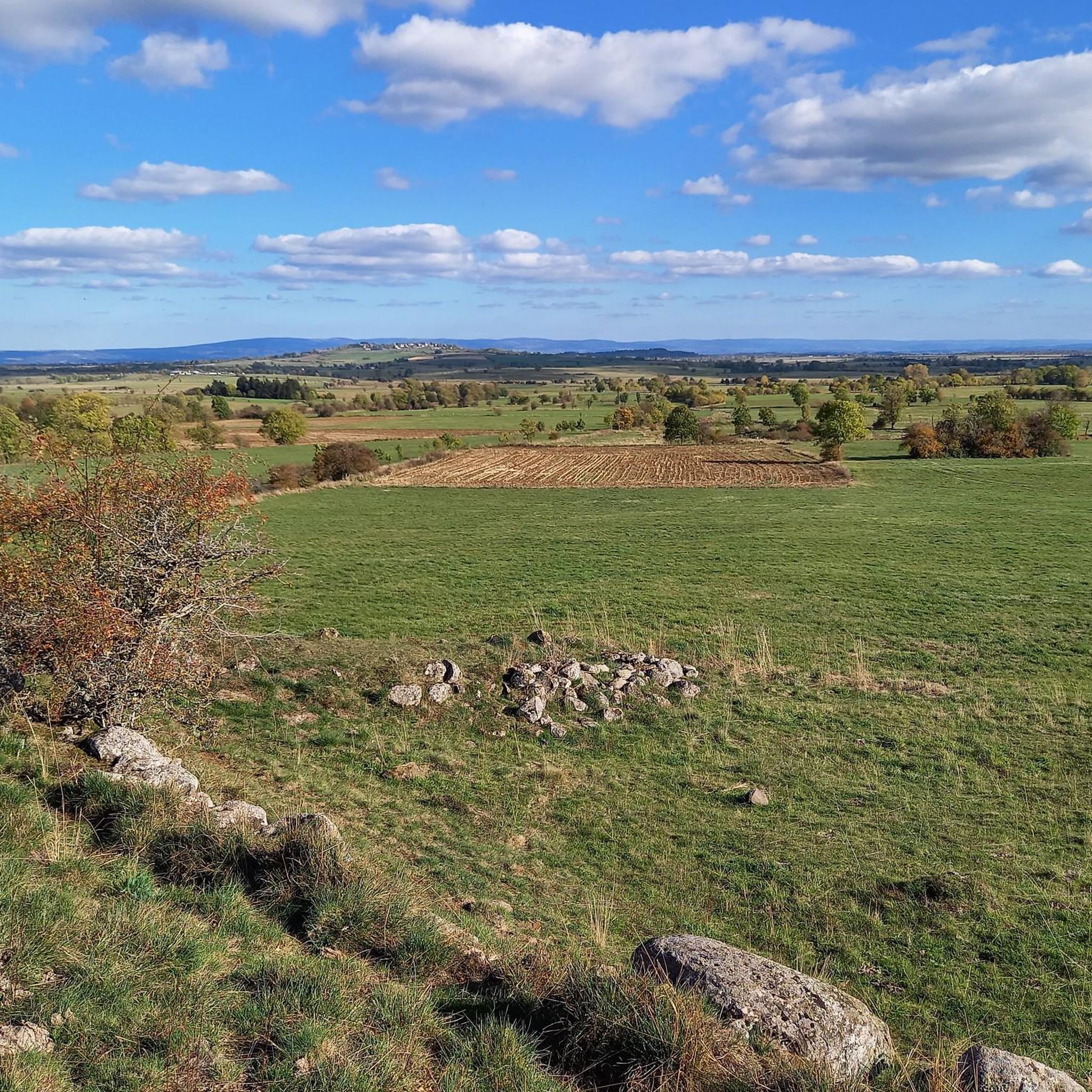
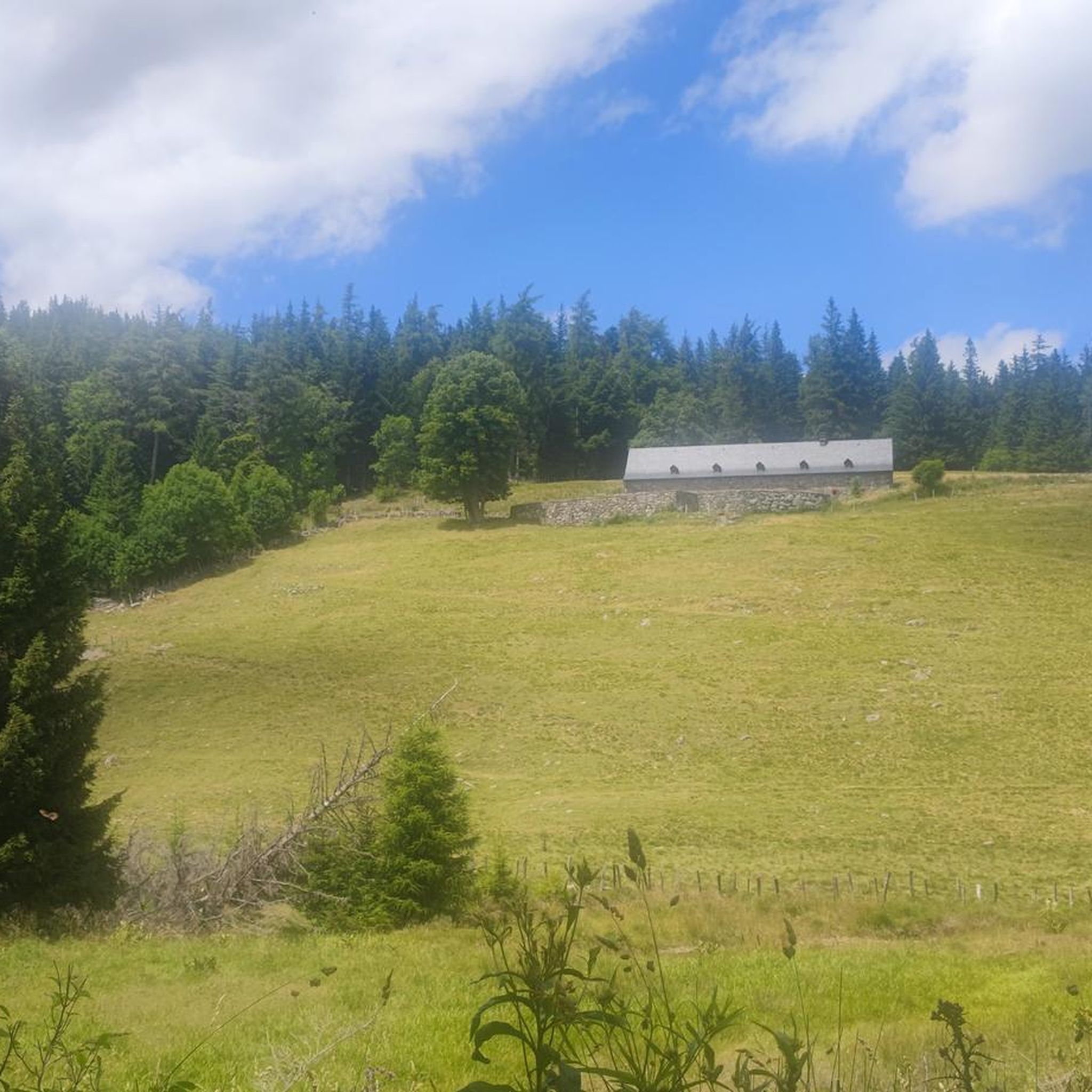
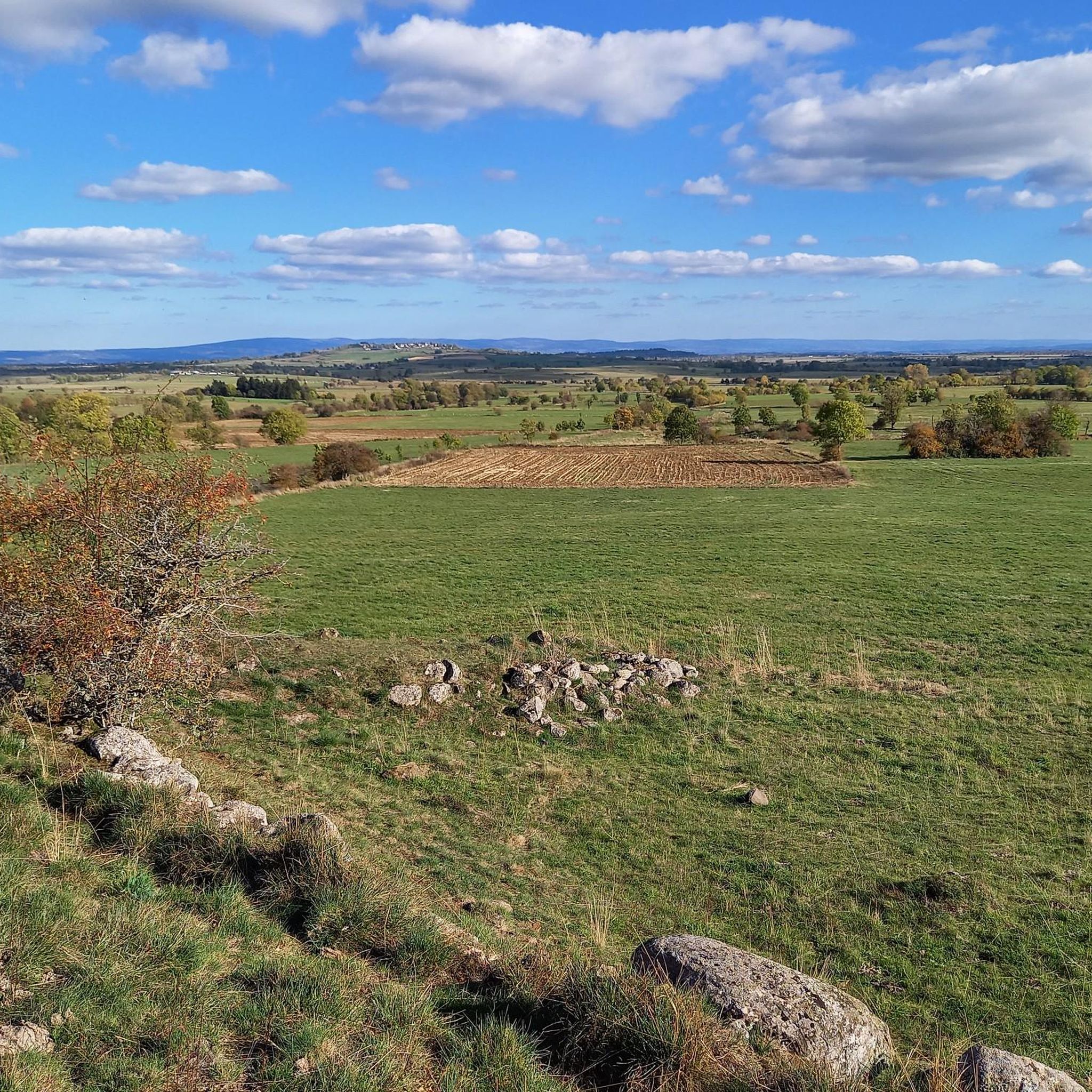
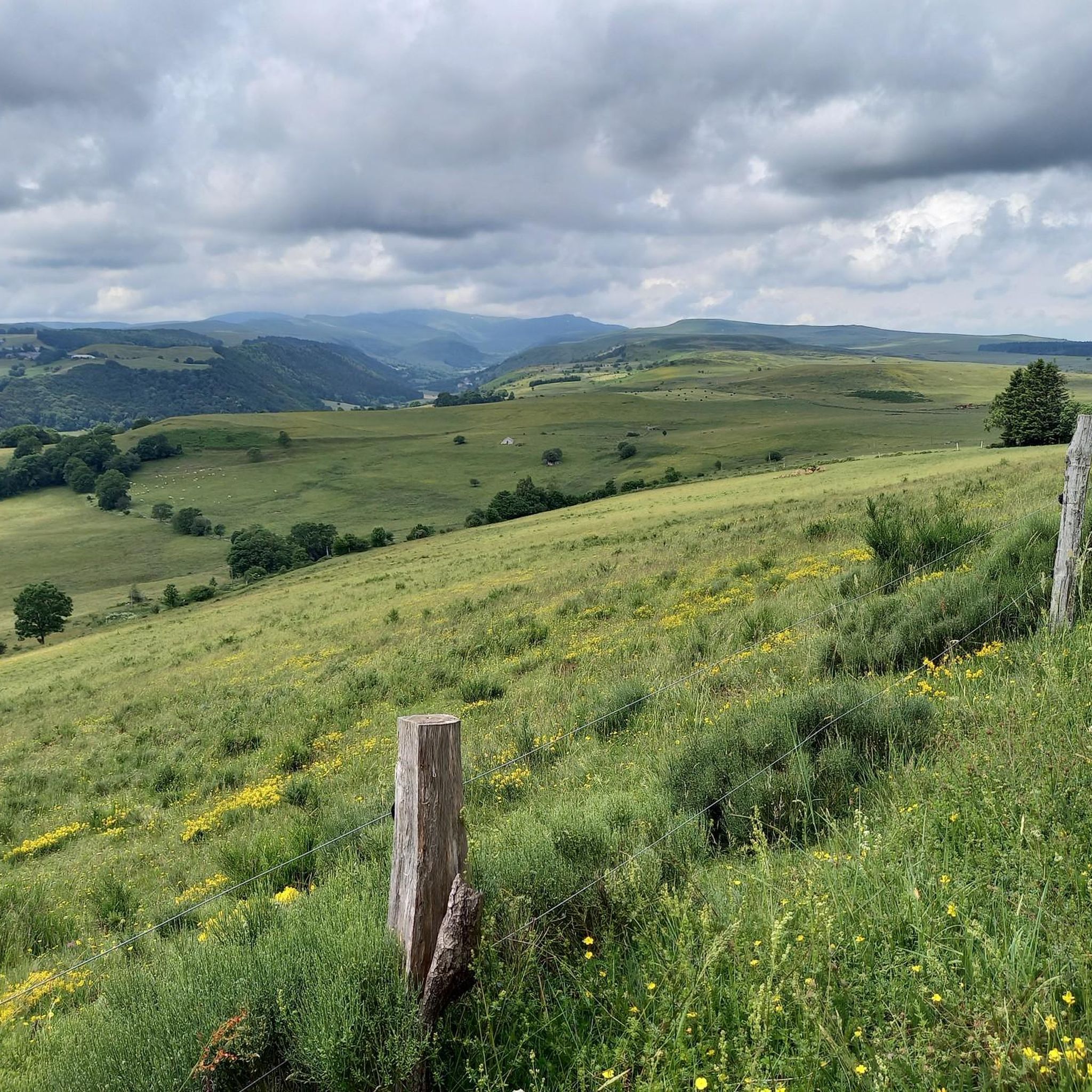
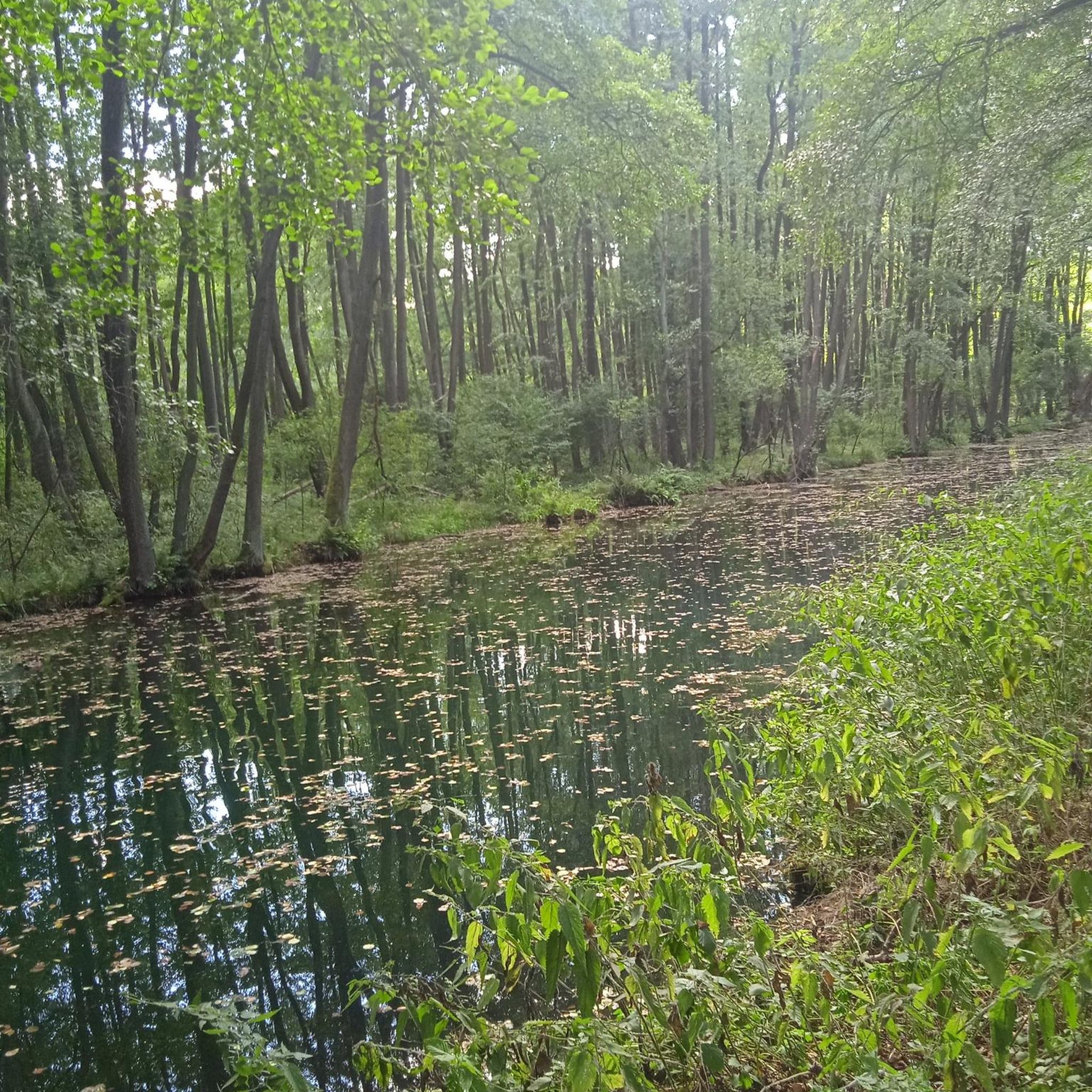
Tips from the Community

Very pretty nipple, the climb is worth it!
0
0

To be completely honest, I personally lack the imagination needed to picture the Roman goddess Venus – born of foam, who, according to ancient myths, emerges from the sea – in this beautiful mountain landscape (see, for example, the famous painting by Botticelli =>> https://de.wikipedia.org/wiki/Datei:Sandro_Botticelli_-_La_nascita_di_Venere_-_Google_Art_Project_-_edited.jpg ). Additional photos of this place can be found in the hiking highlight of the same name at =>> https://www.komoot.com/de-de/highlight/3390815
0
0

The mountain is magnificent, but not to be underestimated. There's a lot of scree, and it gets really steep at the top. There's no fixed path anymore. Everyone finds their own route. Technically, it won't be difficult. But it requires absolute surefootedness and a head for heights.
0
0


a 360° view of the Cantal, Lozère, Puy de Dôme... breathtaking
0
0

Puy de Peyre Arse has a distinctive double top. It stands out in a wide area. It can also be very windy. Nice view of the other peaks and valleys of the Cantal.
1
0

Magnificent hike with a big climb to reach the lead of Cantal (1855m altitude). It is better to take a jacket (it is very cold up there). The hike takes between 2h and 3h45 (with a break).
0
0
Frequently Asked Questions
What are some of the most prominent natural monuments to visit around Paulhac?
The region around Paulhac, primarily in the Cantal department, is rich in volcanic landscapes. Key natural monuments include Puy Peyre-Arse, known for its distinctive double top and magnificent views of the Impradine, Santoire, and Jordanne valleys. Another significant peak is Plomb du Cantal, the highest point in Cantal, offering extensive panoramic views.
What unique geological features can I discover among Paulhac's natural monuments?
The area is part of the Auvergne Volcanoes Regional Natural Park, so you'll find many volcanic formations. Puy Griou is a notable phonolite cone, providing a 360° panorama of the Cantal volcano. Additionally, the Cascade du Déroc, mentioned in regional research, features a 30-meter basalt ravine with a cave whose ceiling shows typical prisms from ancient lava flows, a true geological marvel.
Are there specific hiking trails to reach these natural monuments?
Yes, many natural monuments are accessible via hiking trails. For instance, the Cabre Pass is crossed by the GR 4 and GR 400 (Tour of the Cantal mountains), connecting to peaks like Puy de Peyre-Arse. You can find various routes, including a moderate hike to Plomb du Cantal, in the Hiking around Paulhac guide.
What is the typical difficulty level for hiking to these natural monuments?
The difficulty varies. Many trails leading to the major summits like Plomb du Cantal and Puy Peyre-Arse are rated as intermediate to difficult, often involving significant elevation gain. However, there are also easier options, such as the 'Paulhac – View of Plomb du Cantal loop from Paulhac' found in the hiking guide, which is rated easy.
What other outdoor activities can I do near Paulhac's natural monuments?
Beyond hiking, the volcanic landscapes offer excellent opportunities for mountaineering and running. You can explore various routes in the Mountain Hikes around Paulhac and Running Trails around Paulhac guides. The region's gentle way of life also makes it ideal for tranquil walks and enjoying the natural environment.
Are there any natural monuments around Paulhac that offer exceptional panoramic views?
Absolutely. Puy Griou provides a stunning 360° panorama of the Cantal volcano. Plomb du Cantal, as the highest peak in Cantal, offers extensive views across the surrounding landscape. The Cabre Pass also boasts magnificent views of the Santoire and Jordanne valleys.
What do visitors enjoy most about the natural monuments around Paulhac?
Visitors frequently praise the magnificent and extensive views from the summits, especially when the weather permits. The unique volcanic formations and the sense of being in Europe's largest volcano are also highly appreciated. Many enjoy the challenging yet rewarding hikes and the serene beauty of the landscapes.
Is the area around Paulhac suitable for family-friendly outdoor activities?
While many of the high-altitude natural monuments involve intermediate to difficult hikes, the broader region offers opportunities for families. The village of Chalinargues, within the Auvergne Volcanoes Regional Natural Park, is known for its privileged environmental setting for hiking and outdoor activities, suggesting gentler options. For more casual walks, the regional research mentions Buzet Forest near Paulhac (Haute-Garonne) as ideal for walking, though the primary focus for natural monuments is Cantal.
What is the best time of year to visit the natural monuments around Paulhac?
The region is known for its high-altitude peaks, so late spring, summer, and early autumn generally offer the most favorable conditions for hiking and enjoying the views. During these months, the weather is typically milder, and trails are more accessible. Winter can bring snow and more challenging conditions, suitable for experienced winter hikers.
Are there any lesser-known natural monuments or hidden gems around Paulhac?
While not as widely known as Puy Mary, the Venus' Nipple (Téton de Vénus) is a striking summit dominating the Cirque de Font d'Alagnon at 1,669 meters, offering a magnificent view. The Cascade du Déroc, with its unique basalt formations, is also a beautiful natural wonder that might be considered a hidden gem compared to the major peaks.
Can I find information about parking or public transport access to these natural monuments?
For popular starting points like Pas de Peyrol, which is a common access point for Puy Peyre-Arse, there is often ample parking, though it can fill up quickly during peak times. Specific details on public transport for individual natural monuments are generally limited, and personal vehicles are often recommended for reaching trailheads in this mountainous region.
Most popular routes around Paulhac
Most popular attractions around Paulhac

Get inspired with the komoot mobile app


Explore more
Extend your search for the best caves by checking out these guides of the top ones around Paulhac:
