Top 6 Natural Monuments around Montalba-Le-Château
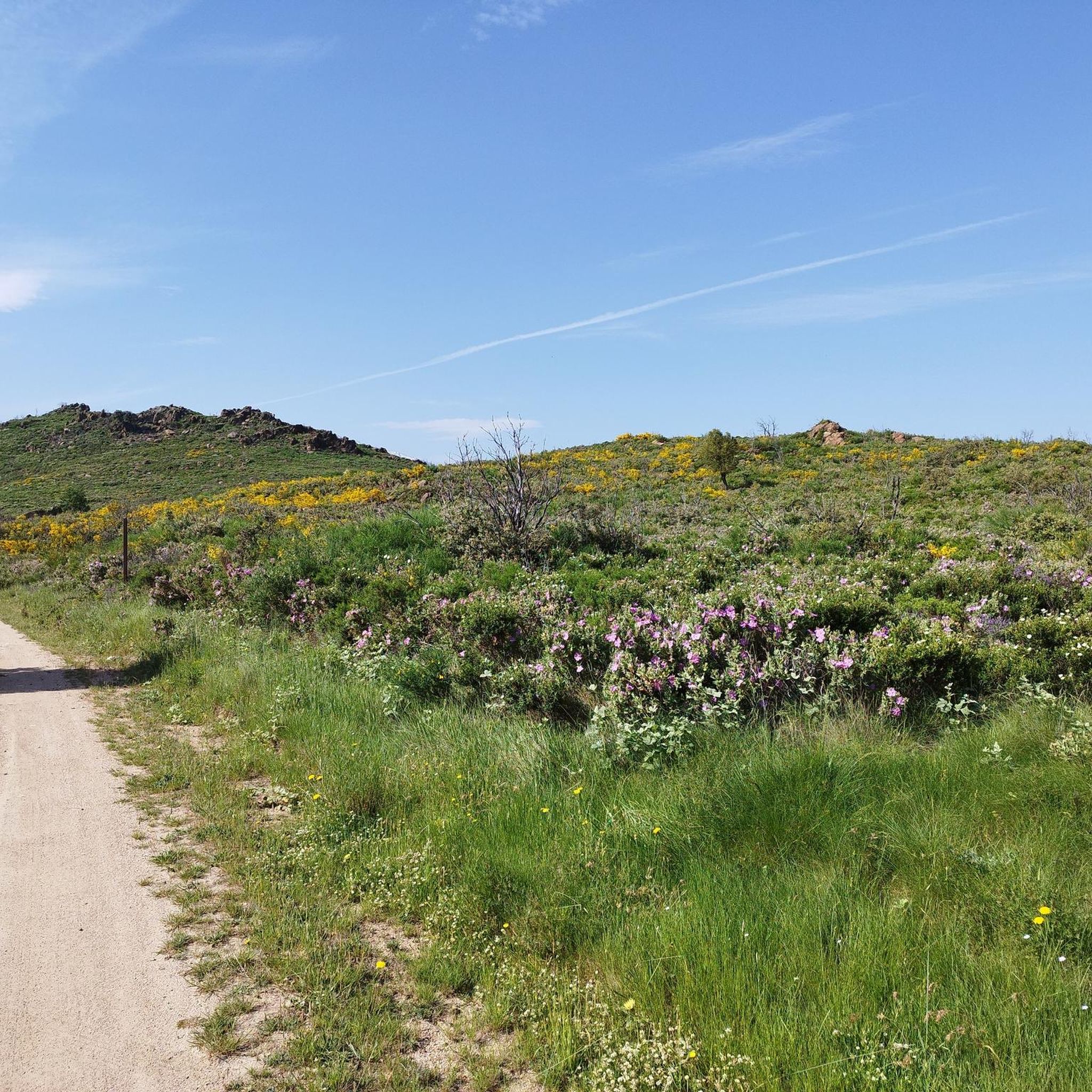
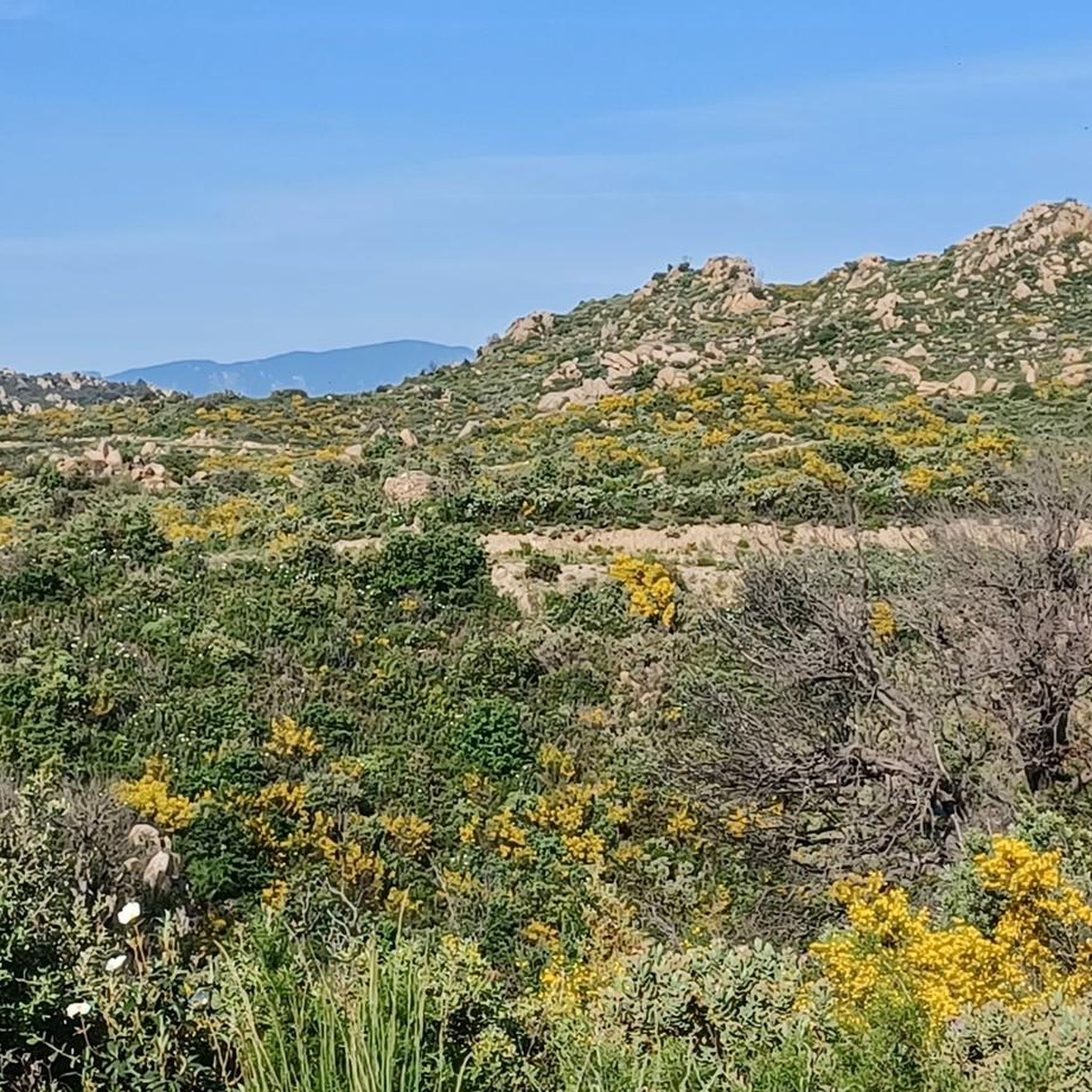
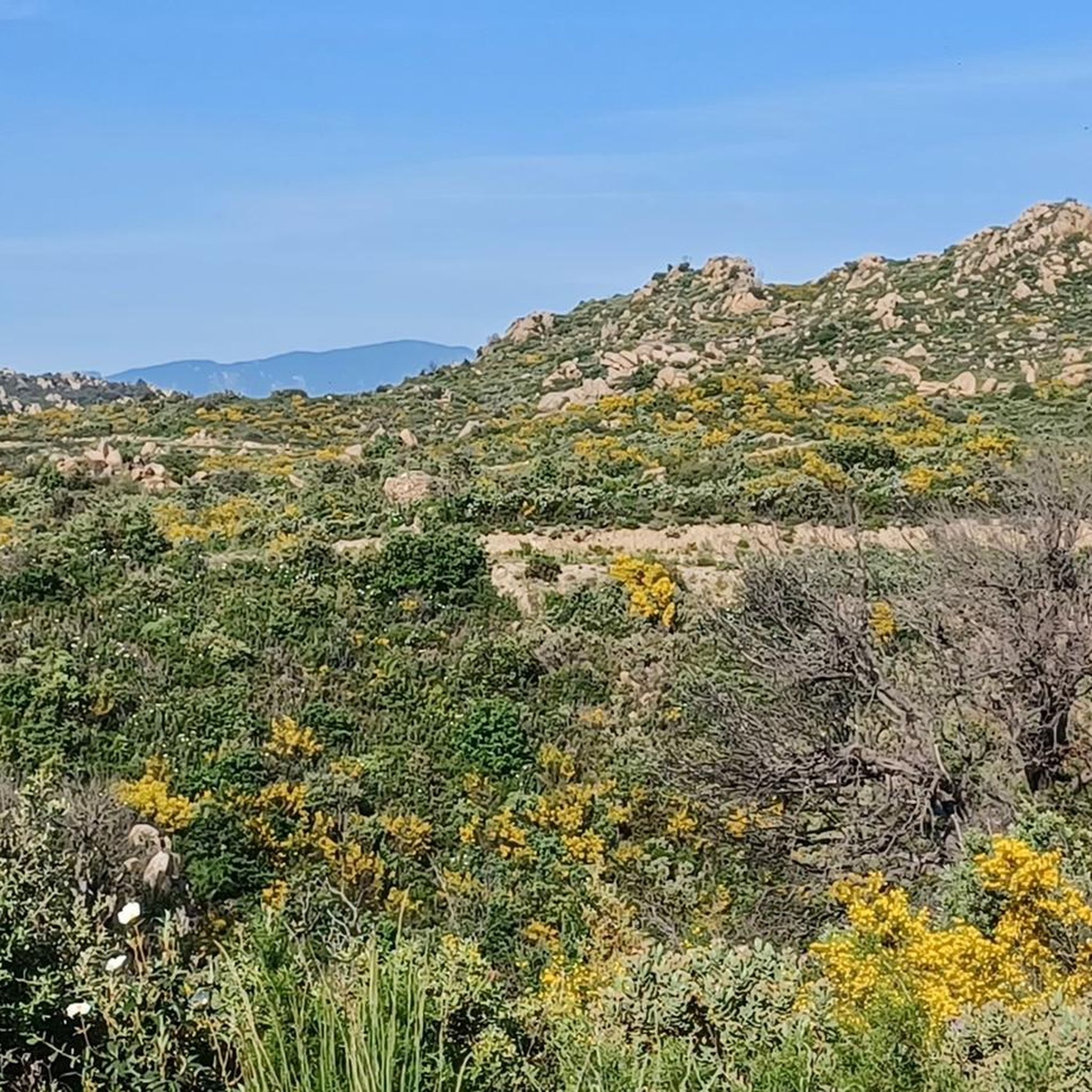
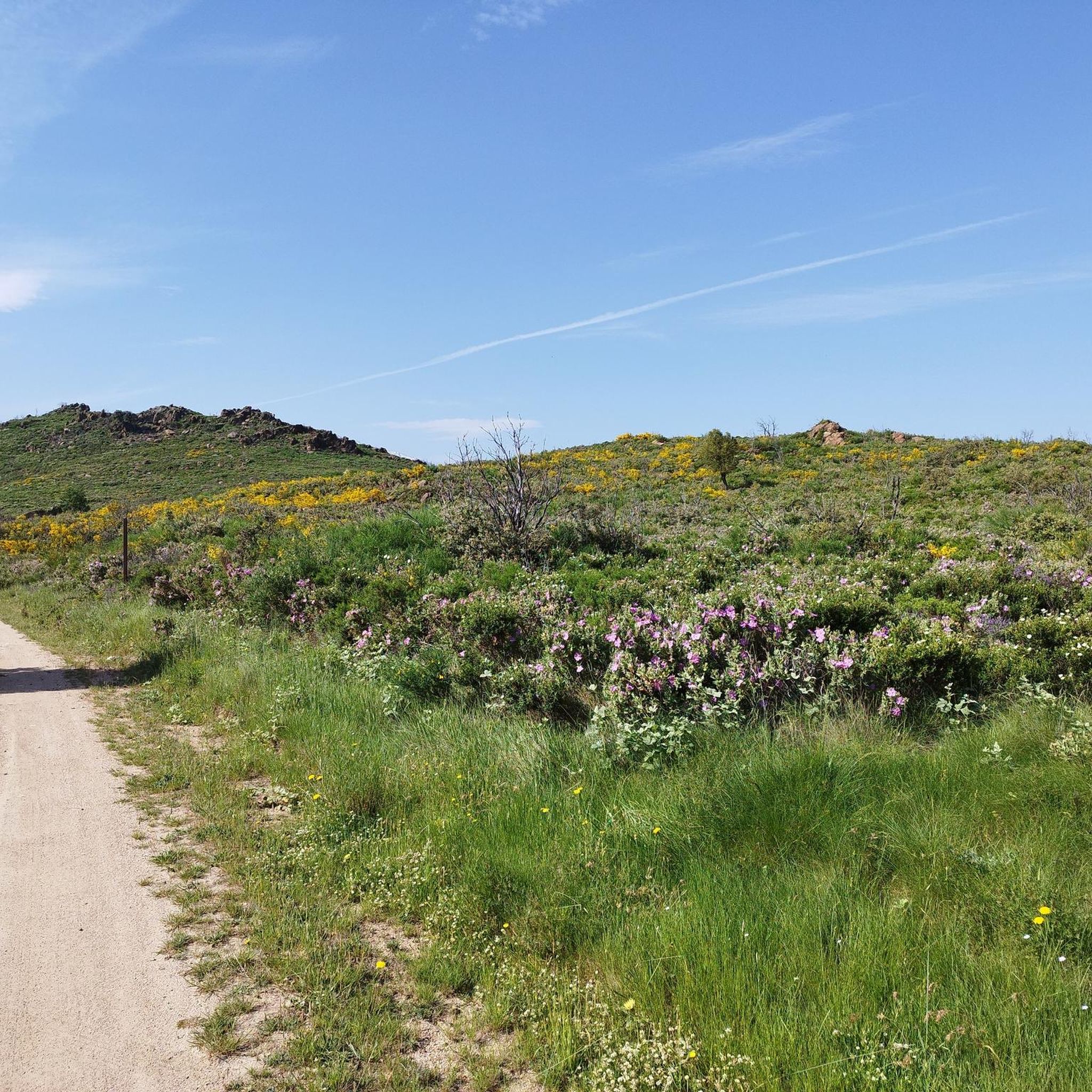
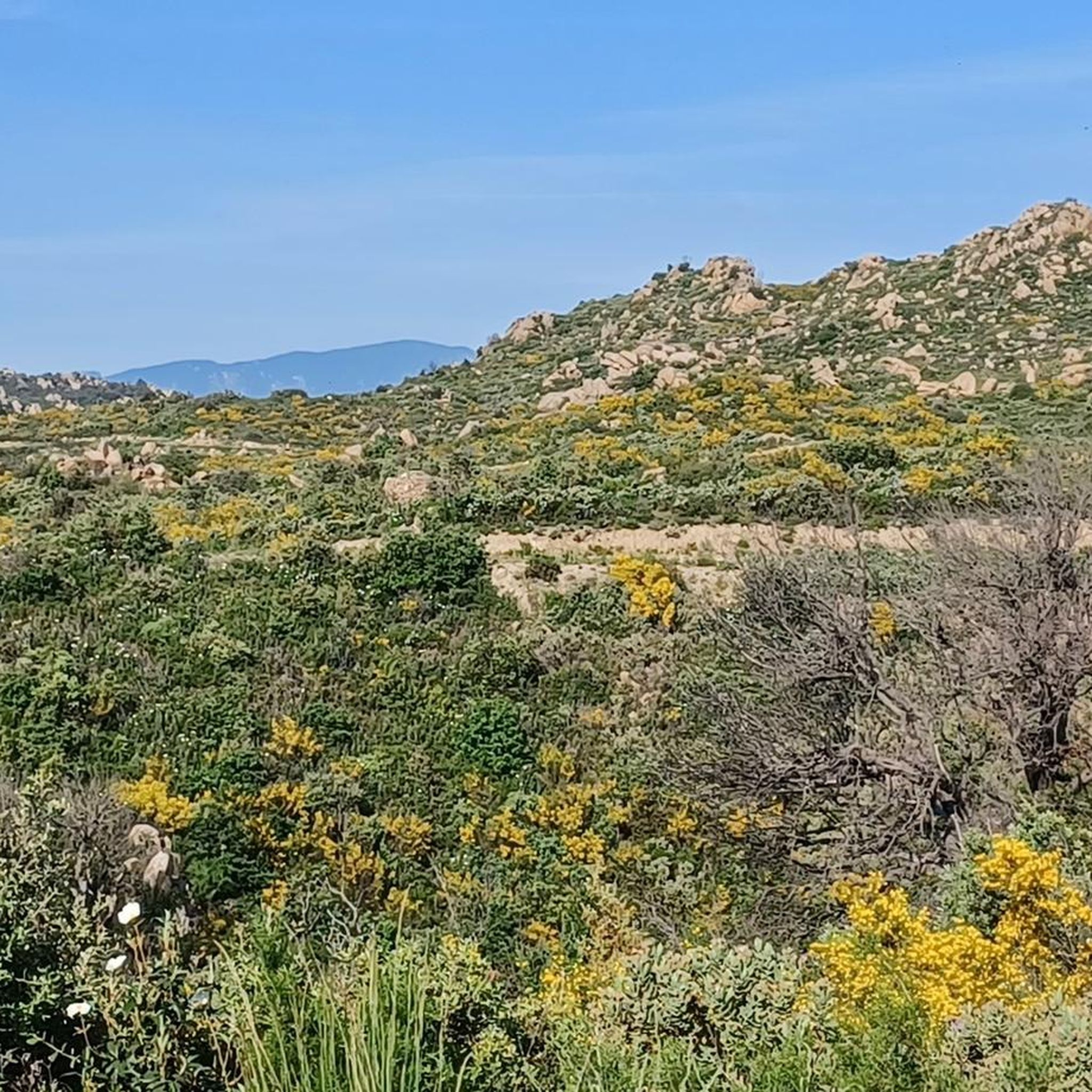
Best natural monuments around Montalba-Le-Château feature a landscape shaped by geological processes and ecological diversity. The area is characterized by a granitic plateau with rock formations resulting from erosion. Nearby, the Orgues d'Ille-sur-Tet present distinctive "fairy chimney" formations. Montalba-Le-Château also encompasses Natura 2000 sites, highlighting its ecological importance for specific flora and fauna.
Best natural monuments around Montalba-Le-Château
- The most popular natural monuments is The Organ Pipes of Ille-sur-Têt, a gorge that features astonishing natural structures known as "fairy…
Last updated: July 5, 2026
The Organ Pipes of Ille-sur-Têt
Highlight • Gorge
Translated by Google •
Tip by

Fairy Chimneys
Highlight • Natural Monument
Translated by Google •
Tip by
Sign up now to discover places like this
Get recommendations on the best single tracks, peaks, & plenty of other exciting outdoor places.
Sign up for free
Dolmen d'Udolán
Highlight • Historical Site
Translated by Google •
Tip by

360° panorama over the Roussillon
Highlight • Viewpoint
Translated by Google •
Tip by

Swimming Area
Highlight • Lake
Translated by Google •
Tip by

Start today with a free account
Your next adventure awaits.
Login or Signup
Tips from the Community

A fascinating landscape shaped by erosion, it offers magnificent views of the eastern Pyrenees with its highest peak, Canigou, at 2784 m.
2
0

There's no longer a swimming lake here; it's all overgrown. Nothing is dammed anymore. It must have been beautiful here once.
0
0

There is much to read about this landscape, formed by erosion over 50 million years, but you simply have to see it for yourself, it is so beautiful and unique.
7
0
A unique place in France, a landscape of fairy chimneys with a fragile, ephemeral beauty. It shows the cliffs of sand and clay, patiently chiseled by the rain. Erosion has worked like an artist
9
0
A unique place in France, a landscape of fairy chimneys with a fragile, ephemeral beauty. It shows cliffs of sand and clay, patiently chiseled by the rain. Erosion has worked like an artist.
6
0
Orgues offers a view of these astonishing natural structures known as "fairy chimneys." It's a unique landscape with colorful reliefs that water has sculpted in clay and sand, torn from the Pyrenees and deposited in the Tet Valley over the course of 5 million years.
9
0
Orgues offers a view of these astonishing natural structures known as "fairy chimneys." It's a unique landscape with colorful reliefs that water has sculpted in clay and sand, torn from the Pyrenees and deposited in the Tet Valley over the course of 5 million years.
7
0
Frequently Asked Questions
What are the most striking geological features around Montalba-Le-Château?
The most striking geological features are the Orgues d'Ille-sur-Têt, often called "fairy chimneys." These unique formations are sculpted by wind and water from layers of sand and clay, creating towering pillars up to 12 meters high with a distinctive striped appearance. The area also features a granitic plateau with impressive rock formations resulting from erosion.
Are there family-friendly natural monuments to visit near Montalba-Le-Château?
Yes, the Orgues d'Ille-sur-Têt are considered family-friendly and offer an engaging experience exploring a labyrinth of paths among the unique geological formations. While the Swimming Area is listed as family-friendly, be aware that it is currently overgrown and no longer suitable for swimming.
What kind of natural diversity can I expect to see in the Montalba-Le-Château area?
Beyond the dramatic rock formations, Montalba-Le-Château is part of the Natura 2000 network, protecting unique ecosystems. This includes the Mares Temporaires Méditerranéennes (Temporary Mediterranean Ponds), which host specialized flora and fauna adapted to alternating wet and dry periods. The region also supports significant bat colonies in old mines, though public access to these specific sites is limited for conservation.
How long should I plan for a visit to the natural monuments?
For a thorough exploration of the Orgues d'Ille-sur-Têt, including photography and walking the paths, you might want to allocate 2-3 hours. Other viewpoints like the 360° panorama over the Roussillon can be enjoyed in a shorter timeframe, perhaps 30 minutes to an hour, depending on how long you wish to admire the view.
What outdoor activities can I do near these natural monuments?
The rugged landscape around Montalba-Le-Château is ideal for various outdoor activities. You can find numerous MTB trails, road cycling routes, and running trails that allow you to explore the diverse scenery, including the granitic plateau and its unique rock formations.
Are there any historical natural monuments in the area?
Yes, the Dolmen d'Udolán is a notable historical site and natural monument. It's a megalithic structure that offers a glimpse into ancient human history within the natural landscape, particularly appealing to those interested in prehistoric architecture.
What is the best time of year to visit the natural monuments around Montalba-Le-Château?
Spring (March to May) is an excellent time to visit, especially if you're interested in the unique flora and fauna of the Temporary Mediterranean Ponds, as this is when they are most humid. Generally, spring and autumn offer pleasant temperatures for exploring the outdoor sites like the Orgues d'Ille-sur-Têt and hiking trails.
What do visitors enjoy most about the natural monuments in this region?
Visitors are consistently impressed by the unique and fragile beauty of the Orgues d'Ille-sur-Têt, often describing them as an otherworldly or moon-like landscape. The way nature has sculpted the sand and clay over millions of years is a major draw, making it a popular spot for photography and exploration.
Are there any viewpoints offering panoramic views of the region?
Yes, the 360° panorama over the Roussillon is a highly recommended viewpoint. From this summit, you can enjoy magnificent panoramic views of the Roussillon plain with the majestic Pyrenean peaks in the background.
Where can I find more information about the Orgues d'Ille-sur-Têt?
For more detailed information about the Orgues d'Ille-sur-Têt, including visitor details and potential booking information, you can visit the official tourism website: tourism-mediterraneanpyrenees.com.
What should I bring when visiting the natural monuments?
When visiting the natural monuments, especially for sites like the Orgues d'Ille-sur-Têt or hiking the granitic plateau, it's advisable to wear comfortable walking shoes, bring water, sun protection (hat, sunscreen), and a camera to capture the unique landscapes. Layers of clothing are also recommended, especially during spring and autumn.
Most popular routes around Montalba-Le-Château
Most popular attractions around Montalba-Le-Château

Get inspired with the komoot mobile app


Explore more
Extend your search for the best caves by checking out these guides of the top ones around Montalba-Le-Château:
