Top 4 Natural Monuments around Esmoulières
Best natural monuments around Esmoulières are found within the Plateau des Mille Étangs, a distinctive landscape shaped by glacial forces over 12,000 years ago. This area, often called "Little Finland," features a network of over 800 ponds, bogs, and forests. Medieval monks and farmers further developed this environment, creating many ponds through peat extraction. The plateau is recognized as a Natura 2000 site, highlighting its ecological importance and rich biodiversity.
Best natural monuments around Esmoulières
- The most popular natural monuments…
Last updated: July 5, 2026
Géhard Waterfall
Highlight • Waterfall
Tip by

Villerain Pond
Highlight • Lake
Translated by Google •
Tip by

Sign up now to discover places like this
Get recommendations on the best single tracks, peaks, & plenty of other exciting outdoor places.
Sign up for free
Waterfall - Saut de l'Ognon
Highlight • Natural Monument
Translated by Google •
Tip by

Ascent of the Ballon de Servance from Le Thillot
Highlight (Segment) • Climb
Translated by Google •
Tip by
Saint-Colomban Chapel
Highlight • Religious Site
Translated by Google •
Tip by

Start today with a free account
Your next adventure awaits.
Login or Signup

Tips from the Community

Easy access with nearby parking and a picnic table. There's an information panel. The waterfall itself isn't particularly impressive, but the site offers marked hiking trails along the stream (very pretty with its rocks forming small waterfalls), for example. Note that in wet and rainy weather, the surrounding area can be slippery (moss, grass, leaves, and rocks). So keep a close eye on children!
0
0

Among the Ballons de Comtois, the Ballon de Servance offers a beautiful climb for road cyclists. From Le Thillot, the climb is 13.6 kilometers with an average gradient of 4.9%.
0
0

Characterized by its traditional architecture and its surrounding landscapes, this chapel offers a space for contemplation. It is here that Saint-Colomban liked to retire to pray. Legend has it that a bear lived in the nearby cave. As he approached, the monk asked him to withdraw, and the beast never returned. The sick used to come and take water from the miraculous spring. A place full of mystery, in the middle of an idyllic setting!
1
1

Very pretty little waterfall, easily accessible.
1
0
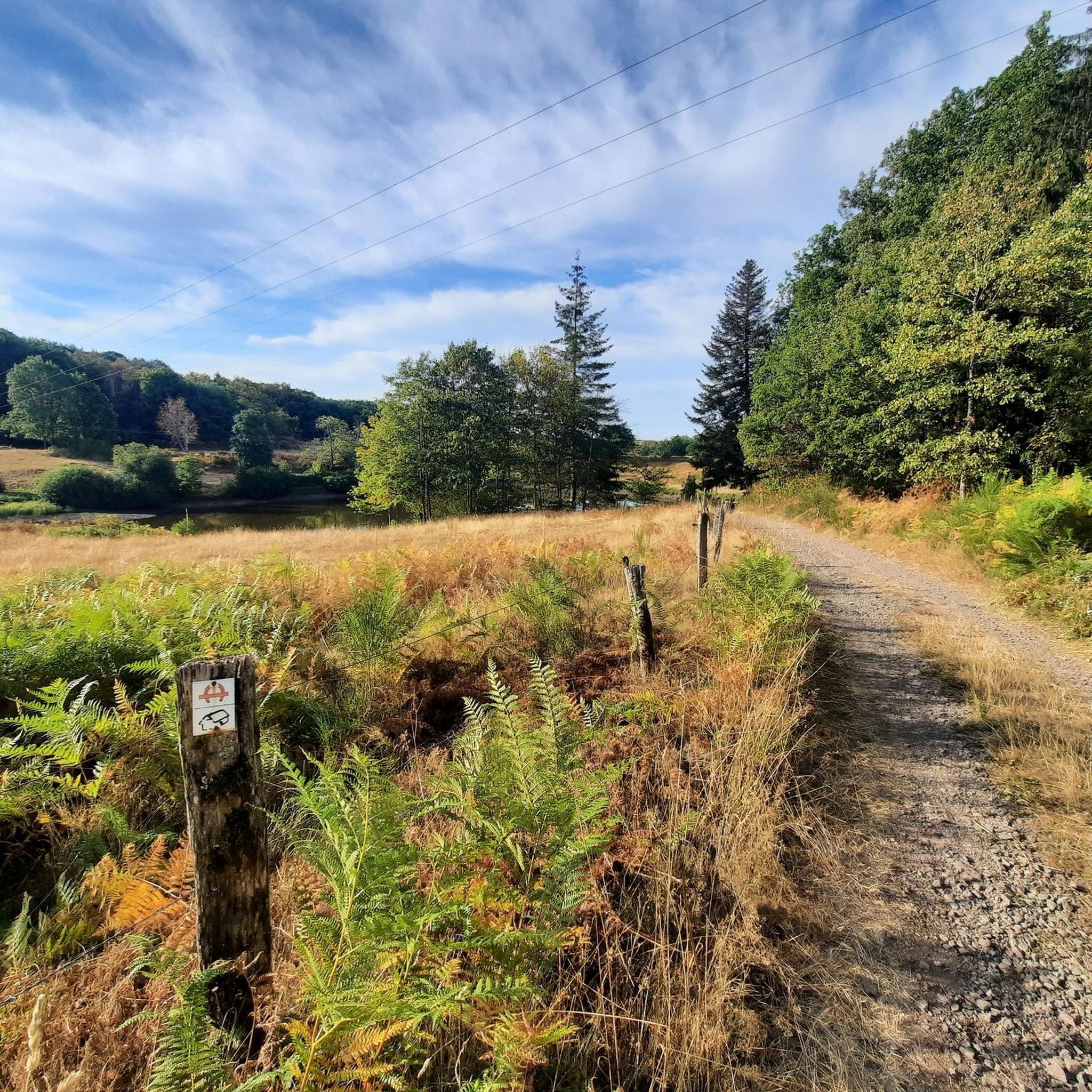
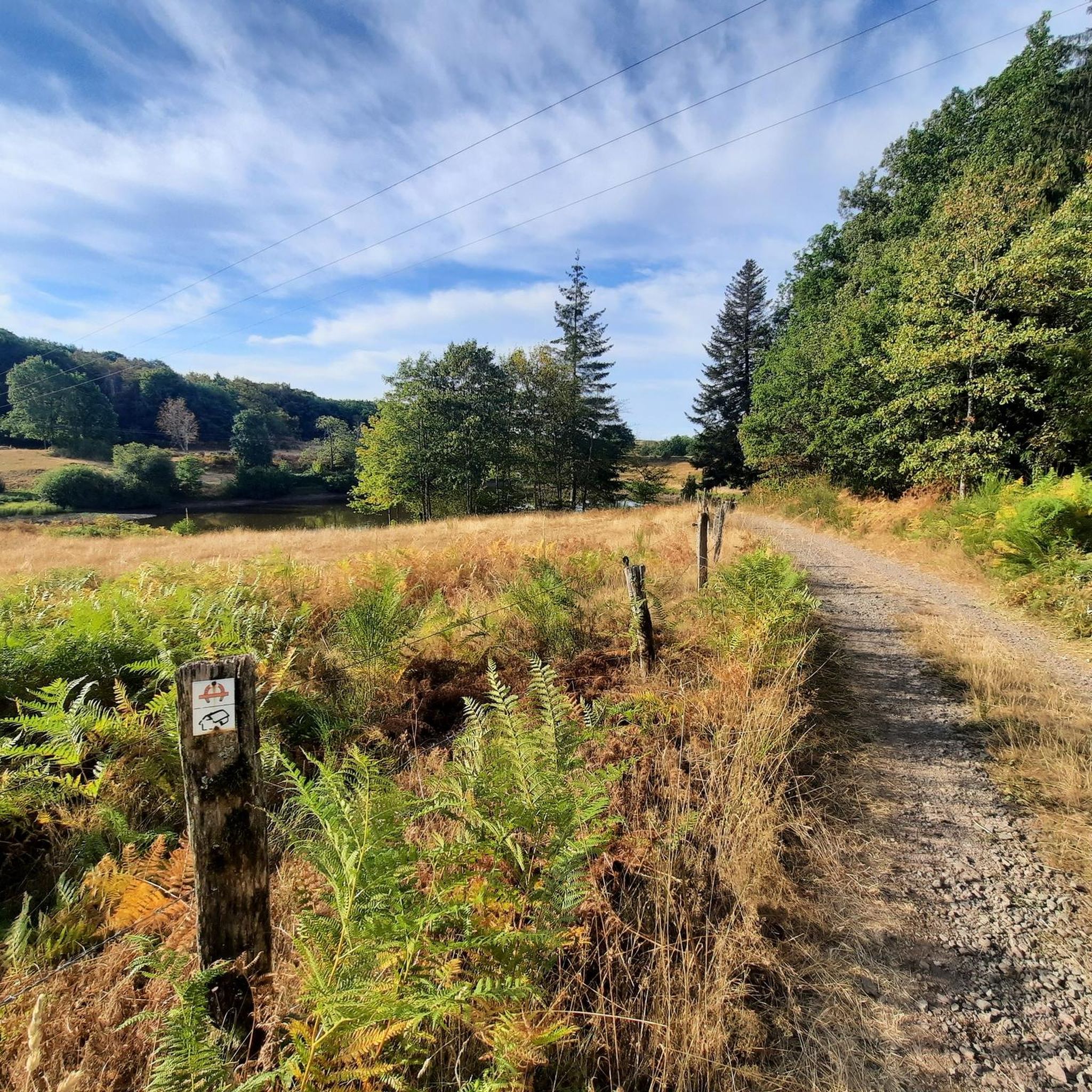
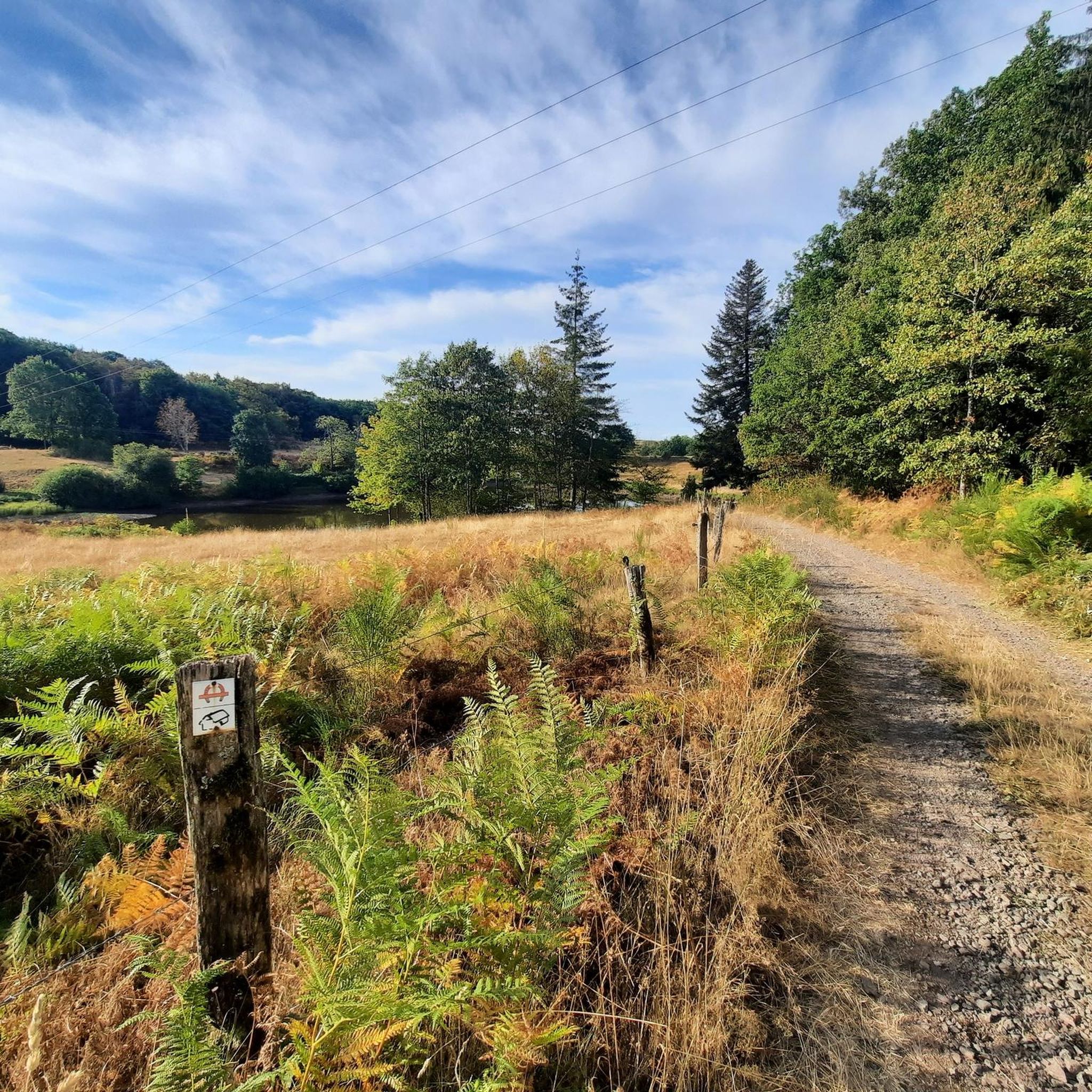
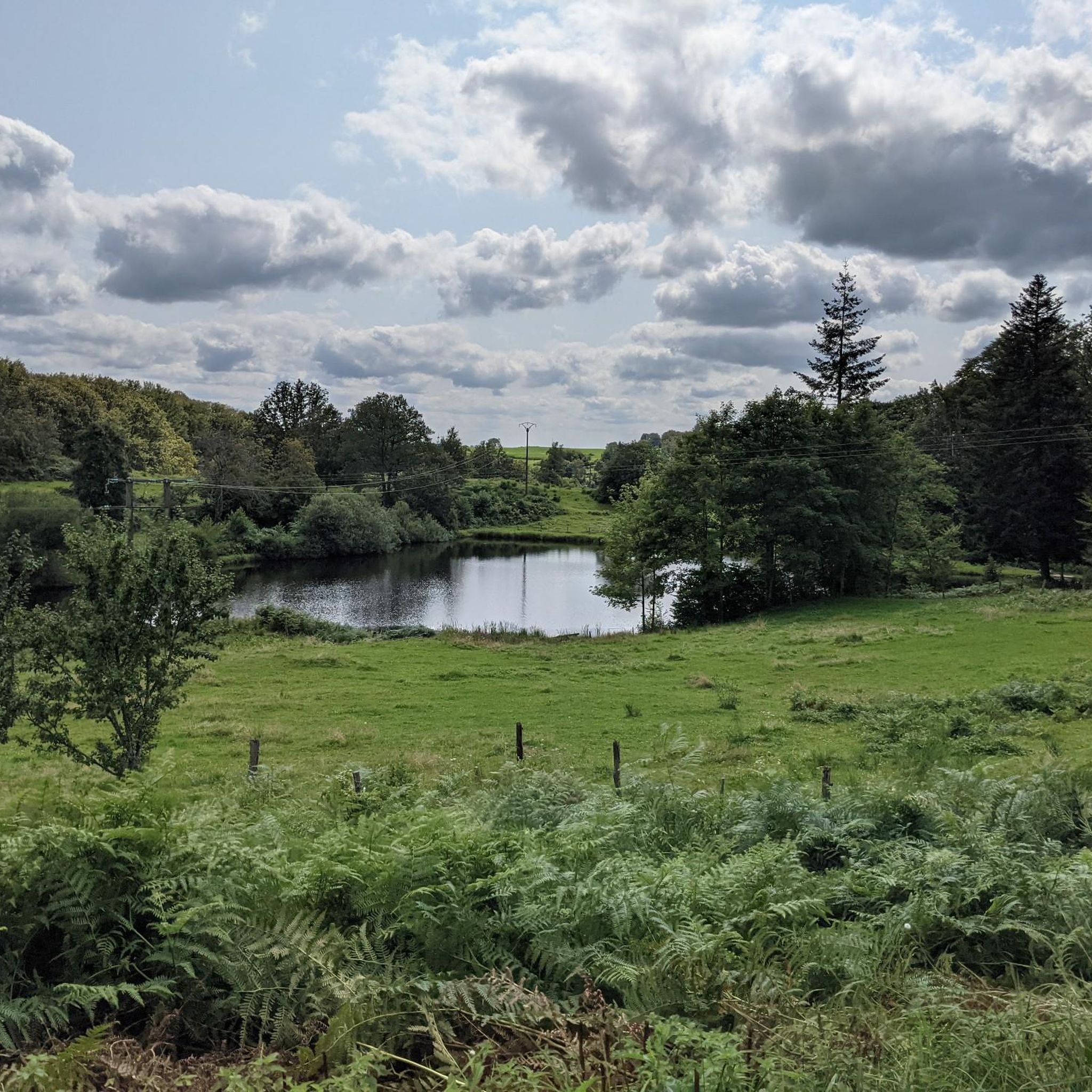
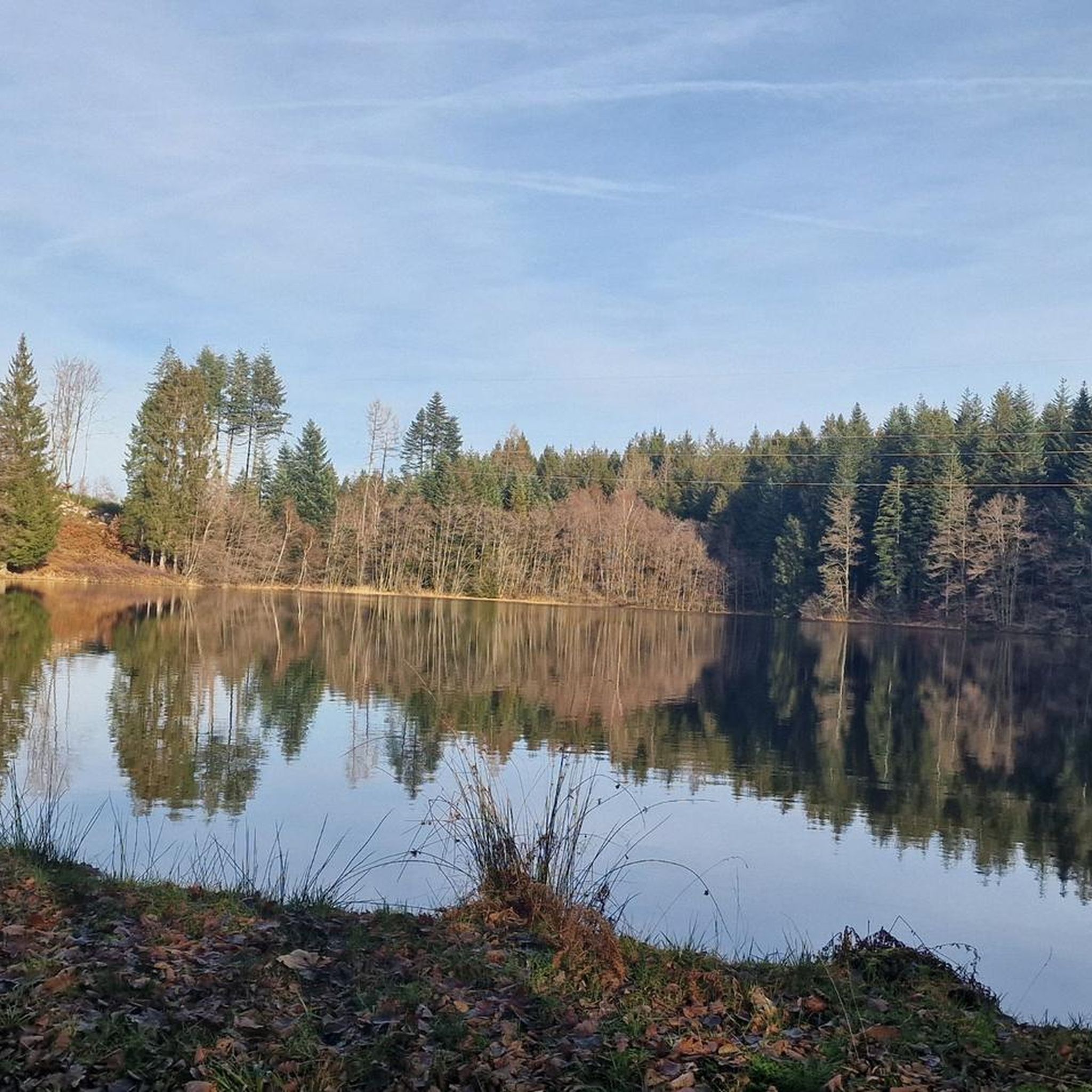
Classified as a "sensitive natural area" in 2004, this pond is open to fishing. It also has a picnic area and a nature trail all around.
3
0
Coming from Combeauté, the Géhard is a charming little stream that turns into a waterfall on the heights of Girmont-Val-d'Ajol.
3
1

Approx. 300 m from the parking lot, the waterfall can be reached on a path, in summer there is less water, in spring with a lot of water it is a great sight
1
0

Going down by mountain bike is technically possible, going back up is more difficult but some people do.
0
0
Frequently Asked Questions
What makes the natural monuments around Esmoulières unique?
The natural monuments around Esmoulières are primarily found within the Plateau des Mille Étangs, often called "Little Finland." This area is characterized by a sprawling network of approximately 850 ponds, bogs, meadows, and forests, sculpted by glaciers over 12,000 years ago and further shaped by medieval monks. It boasts a rich biodiversity and offers a serene, picturesque environment unlike many other parts of France.
Are there any notable waterfalls to visit near Esmoulières?
Yes, Esmoulières is known for its waterfalls. You can visit Géhard Waterfall, a charming cascade formed by the Géhard stream on the heights of Girmont-Val-d'Ajol. Another popular spot is Waterfall - Saut de l'Ognon, which is easily accessible via a short path from a parking lot and offers a particularly impressive sight during spring with higher water levels.
Which natural monuments are suitable for families?
For families, Villerain Pond is an excellent choice. It's classified as a "sensitive natural area" and features a picnic area and a nature trail around its perimeter, making it ideal for a leisurely outing. The Géhard Waterfall is also considered family-friendly and easily accessible.
What kind of outdoor activities can I do near these natural monuments?
The area around Esmoulières is a haven for outdoor enthusiasts. You can enjoy hiking, mountain biking, cycling, and fishing. Numerous well-marked trails allow you to explore the diverse scenery. For cycling, you can find routes in the Cycling around Esmoulières guide, or explore specific road cycling routes in the Road Cycling Routes around Esmoulières guide. Gravel biking options are also available in the Gravel biking around Esmoulières guide.
Are there any viewpoints or climbs offering panoramic views?
Yes, for elevated views, consider the Ascent of the Ballon de Servance from Le Thillot. This climb offers beautiful vistas among the Ballons des Vosges, with an average gradient of 4.9% over 13.6 kilometers, making it a rewarding challenge for cyclists and hikers alike.
What is the best time of year to visit the natural monuments in Esmoulières?
The Plateau des Mille Étangs is beautiful year-round, but spring and autumn are particularly recommended. In spring, the waterfalls like Saut de l'Ognon have higher water levels, creating a more dramatic sight. Autumn brings vibrant colors to the forests surrounding the ponds. Summer is also pleasant for outdoor activities, while winter offers a tranquil, snow-covered landscape.
Can I spot any wildlife or unique plant life in the area?
The Plateau des Mille Étangs is a Natura 2000 site, signifying its ecological importance and rich biodiversity. You can observe unique flora and fauna, especially in the protected bogs (tourbières). Specific plant life includes sundews, common cottongrass, cranberries, ferns, broom, and heather. The tranquil environment also provides opportunities for birdwatching and observing other wetland creatures.
Are there any historical or cultural sites integrated with the natural monuments?
Yes, the Saint-Colomban Chapel is a notable site. Characterized by its traditional architecture and idyllic natural setting, it's a place where Saint-Colomban is said to have retired to pray. Legends of a bear and a miraculous spring add to its mystique, offering a blend of history, spirituality, and nature.
What are the typical terrain and difficulty levels for exploring these natural monuments?
The terrain around Esmoulières, particularly within the Plateau des Mille Étangs, varies from relatively flat paths around ponds like Villerain Pond to more challenging ascents like the Ballon de Servance. Many trails are considered intermediate, suitable for those with a moderate fitness level. Waterfalls are generally easily accessible, but some paths may involve uneven ground.
Is parking available near the natural monuments?
Yes, for popular spots like the Waterfall - Saut de l'Ognon, there is a parking lot conveniently located approximately 300 meters from the waterfall itself. Parking is generally available at trailheads and near major attractions within the Plateau des Mille Étangs, though it's always advisable to check specific locations.
Are dogs allowed on trails around the natural monuments?
While specific regulations can vary, generally, dogs are welcome on many trails within the natural areas around Esmoulières, especially if kept on a leash. It's always a good idea to check local signage or park guidelines for any specific restrictions, particularly in sensitive natural areas or protected zones within the Plateau des Mille Étangs.
What kind of natural features can I expect to see besides waterfalls and ponds?
Beyond the numerous ponds and waterfalls, you'll encounter diverse ecosystems including bogs (tourbières), moors, and forests dominated by oak, beech, birch, and pine. The unique topography, shaped by glacial origins, creates a varied landscape of depressions, wetlands, and rolling hills, offering a rich tapestry of natural beauty.
Most popular routes around Esmoulières
Most popular attractions around Esmoulières

Get inspired with the komoot mobile app


Explore more
Extend your search for the best caves by checking out these guides of the top ones around Esmoulières:
