Top 5 Natural Monuments around Causse-Et-Diège
Natural monuments around Causse-Et-Diège are characterized by the region's distinctive limestone plateaus, deep gorges, and karst landscapes. This area, part of the larger Causses region in southern France, is recognized for its significant geological processes and unique landforms. The landscape features high, arid plateaus and dramatic canyons carved by rivers like the Lot, offering a display of natural erosion. The region also holds cultural significance, with prehistoric sites and traditional agricultural practices shaping the environment.
Best natural monuments around Causse-Et-Diège
…Last updated: July 5, 2026
Saut de la Mounine
Highlight • Viewpoint
Translated by Google •
Tip by

Ferrieres
Highlight • Historical Site
Quercy is the second region after Brittany to have a large number of megaliths.
Translated by Google •
Tip by

Sign up now to discover places like this
Get recommendations on the best single tracks, peaks, & plenty of other exciting outdoor places.
Sign up for free
Dolmen de Martignes
Highlight • Historical Site
Tip by

Dolmen du Cloup de Rhines
Highlight • Historical Site
Translated by Google •
Tip by

Super-Cayrou
Highlight • Natural Monument
Tip by

Start today with a free account
Your next adventure awaits.
Login or Signup

Tips from the Community

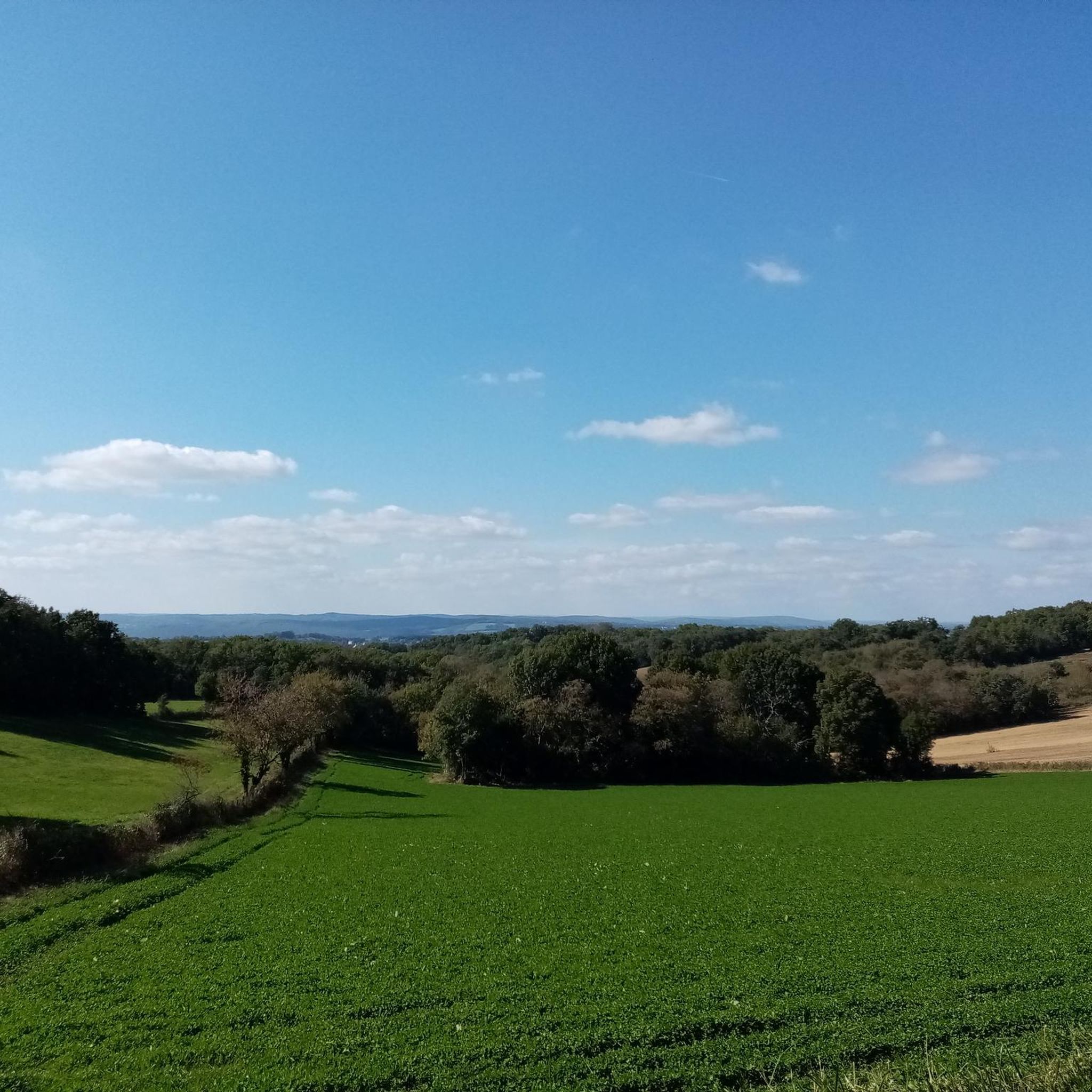
Pleasant refuge but in full sun, remember to take water if you go for a walk in the middle of the day :)
0
0


The Martignes Dolmen is one of 12 documented dolmens around the beautiful Querétaro village of Beduer. The dolmens are located along the Via Podensis, a section of the Way of St. James. They served as important landmarks for travelers departing from the nearby Abbey of Figeac.
1
0


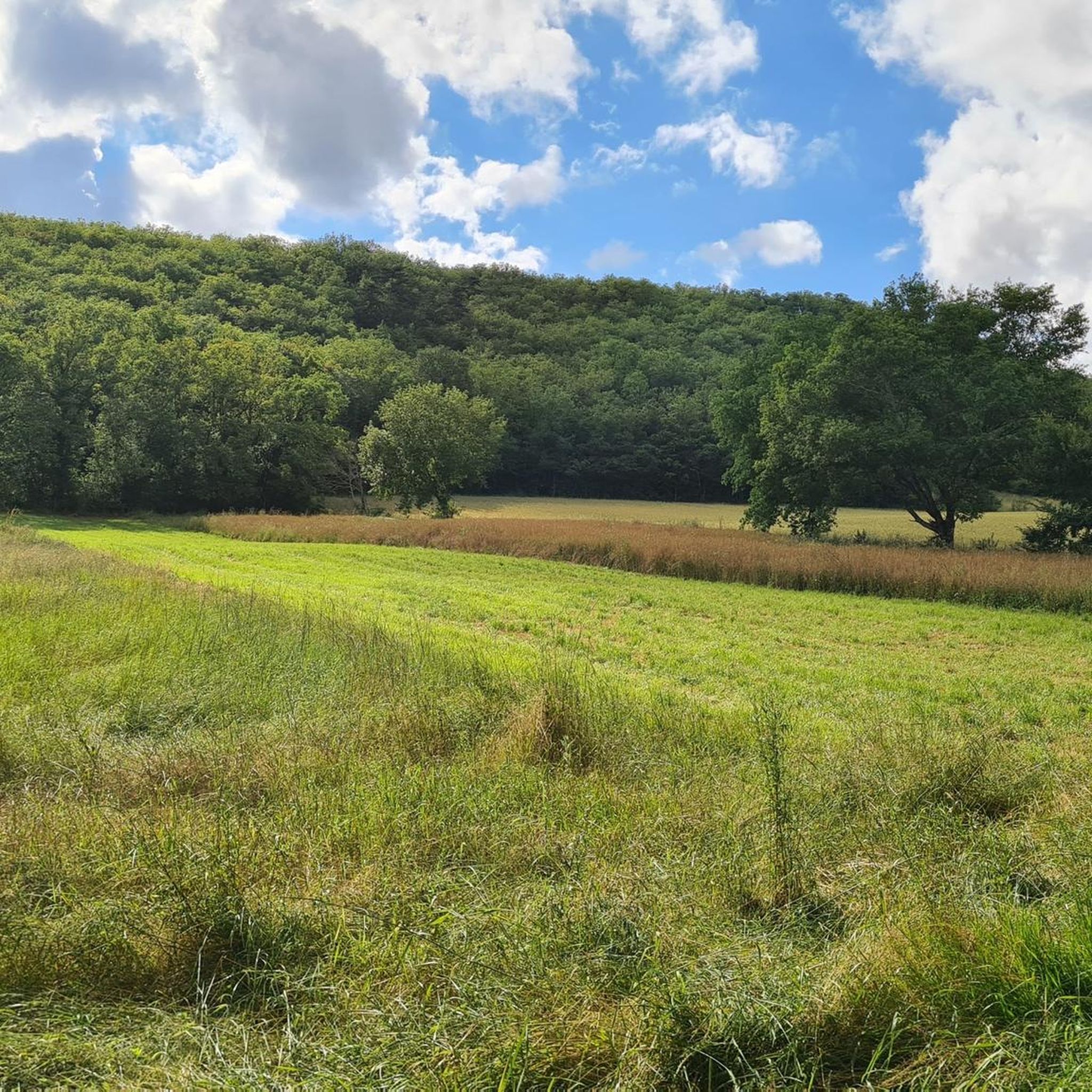
Fantastic hike. We had a bit of a hard time find the Camping Pech Ibert, but after some locals it was fine. Probably best to park at the #1 indicated on the map. The hike crosses oak forests and fields in the Parc Regional de Causses de Quercy, before descending and crossing the D19. Then it ascends to a higher, drier causse ) plateau, where it joins the GR Chemin de Compostelle. Highly recommended short 2 hour hike.
2
0


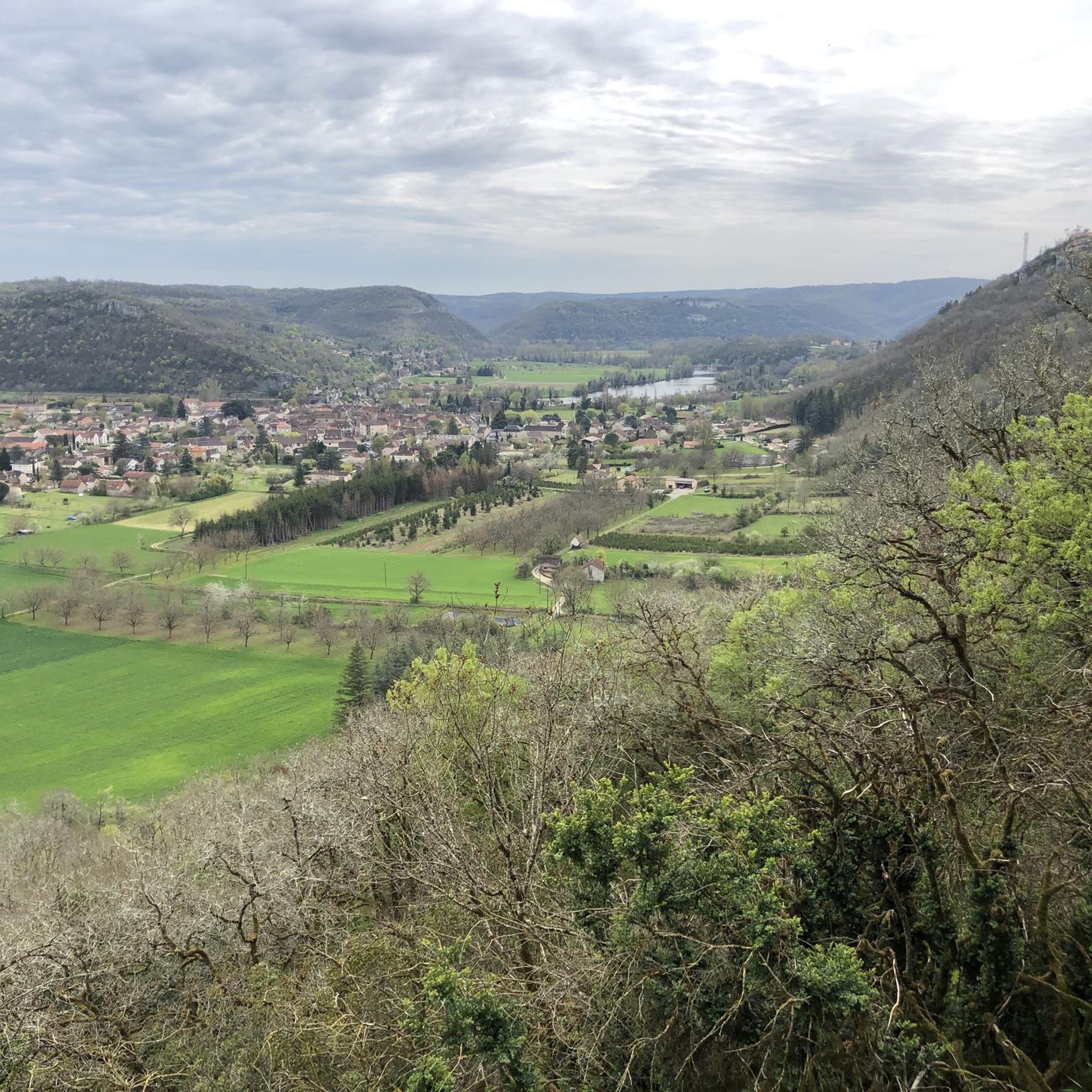
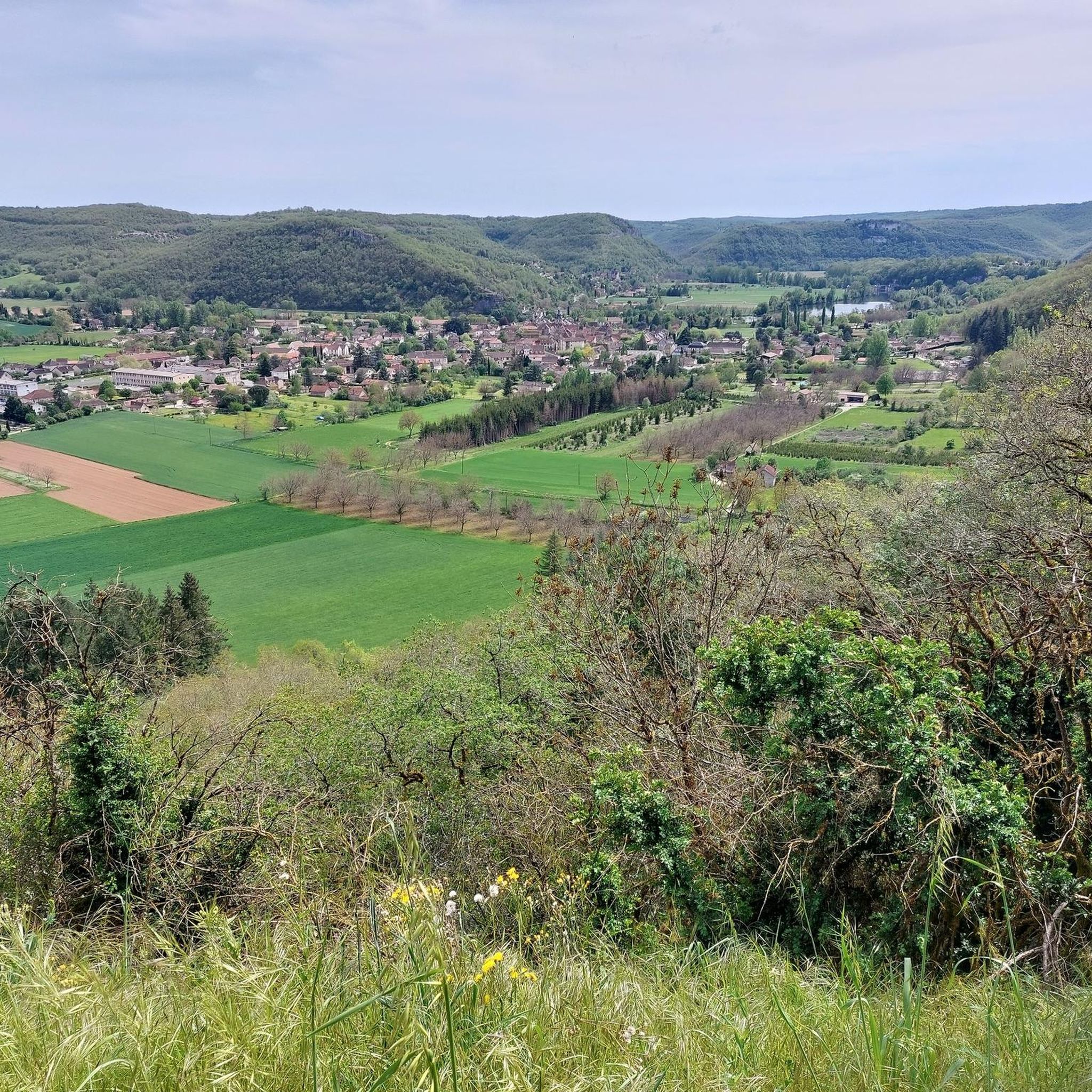
Superb view of the meanders of the Lot and its valley from this belvedere of the causse. It is perched 150 meters from the alluvial plain. From the viewpoint, you can see the village of Montbrun and its castle.
2
0

The Cloup de Rhines Dolmen and its neighbors testify to the importance of this burial site for our ancestors.
2
0
Frequently Asked Questions
What kind of natural landscapes define the Causse-et-Diège region?
The Causse-et-Diège region is characterized by its distinctive limestone plateaus, known as Causses, deep river gorges carved by rivers like the Lot, and extensive karst landscapes. These features showcase significant geological processes, creating a unique environment of arid plateaus, dramatic canyons, and fascinating underground formations.
Beyond the main highlights, what other natural features can I explore near Causse-et-Diège?
The wider Causses region, which includes Causse-et-Diège, is renowned for its impressive natural features. You can explore the dramatic canyons of the Tarn and Aveyron rivers, which offer spectacular scenery. Additionally, the Saut de la Mounine viewpoint provides superb views of the Lot river's meanders. The area also features numerous karst formations, including underground rivers and cave systems, such as the significant Foissac Prehistoric Cave located approximately 5 km away.
What are some of the most impressive viewpoints to experience the natural beauty?
For breathtaking panoramic views, visit Saut de la Mounine, a belvedere perched 150 meters above the Lot river's alluvial plain, offering a wide perspective of the valley and the village of Montbrun. Another notable spot is Super-Cayrou, which also provides excellent vistas of the surrounding natural landscape.
Are there historical or prehistoric sites among the natural monuments?
Yes, the region is rich in historical and prehistoric sites, often intertwined with its natural monuments. You can visit the Dolmen of Ferrieres, a Neolithic burial site approximately 9000 years old. Another significant megalithic structure is the Dolmen de Martignes, one of several dolmens near Beduer that served as important landmarks along the Via Podensis, a section of the Way of St. James. The Dolmen du Cloup de Rhines also testifies to the area's ancient burial practices.
What outdoor activities can I do near these natural monuments?
The diverse terrain around Causse-et-Diège is ideal for various outdoor activities. You can enjoy hiking on trails like the 'Foissac Dolmens Trail' or the 'Faycelles loop'. For cycling enthusiasts, there are options for gravel biking and mountain biking, with routes such as the 'Gelles Battle Memorial – Foissac loop' for gravel or the 'Lot Valley loop' for MTB. You can find more details on these activities and routes in the hiking guide, gravel biking guide, and MTB guide for the area.
Are there family-friendly natural monuments or activities in the area?
While specific 'family-friendly' categories are not listed for individual monuments, the general nature of the Causses region offers plenty for families. Exploring the dolmens like Ferrieres or Dolmen de Martignes can be an engaging historical adventure. Easy hiking trails, such as the 'Foissac Dolmens Trail' (5.4 km) or the 'Faycelles loop' (4.4 km), are suitable for families looking to enjoy the natural scenery and discover ancient sites together. The Foissac Prehistoric Cave, nearby, also offers an educational experience.
What is the best time of year to visit the natural monuments around Causse-et-Diège?
The Causses region generally offers pleasant conditions for exploring natural monuments from spring through autumn. Spring brings blooming wildflowers, while autumn provides comfortable temperatures and beautiful foliage. Summer can be warm, but is ideal for outdoor activities, especially in the gorges where temperatures might be slightly cooler. Winters are generally mild but can be chilly on the exposed plateaus.
Are there any easy-to-access natural monuments for beginners or those with limited mobility?
Many of the natural monuments, especially viewpoints like Saut de la Mounine, are often accessible via roads with relatively short walks to the main viewing areas. The dolmens, such as Ferrieres and Dolmen de Martignes, are typically located in open fields or near trails that can be navigated by beginners. It's advisable to check specific trail conditions if mobility is a concern.
What do visitors enjoy most about the natural monuments in Causse-et-Diège?
Visitors frequently appreciate the superb views, especially from spots like Saut de la Mounine, which offers expansive vistas of the Lot river valley. The historical significance of the Neolithic dolmens, such as Ferrieres and Dolmen de Martignes, is also a major draw, allowing visitors to connect with ancient history. The overall sense of solitude and the dramatic, unique landscapes of the Causses are highly valued.
Can I bring my dog to the natural monuments and on trails?
Generally, dogs are welcome on trails and at many outdoor natural monuments in the region, provided they are kept on a leash and owners clean up after them. Specific regulations might apply to certain protected areas or caves, so it's always best to check local signage. The open plateaus and numerous hiking trails offer great opportunities for walks with your dog.
Are there any cafes or restaurants near the natural monuments?
Causse-et-Diège is a rural commune, so amenities like cafes and restaurants are typically found in nearby villages and towns rather than directly at the natural monument sites. Foissac, for example, is a village close to the Foissac Prehistoric Cave and may offer dining options. It's recommended to plan your visit and bring provisions, especially if you're exploring more remote areas, or check for establishments in larger nearby towns like Figeac or Villeneuve d'Aveyron.
How long should I plan for a visit to the natural monuments?
The duration of your visit depends on how many sites you wish to see and what activities you plan. A single viewpoint like Saut de la Mounine or a dolmen like Ferrieres might take 30 minutes to an hour. If you plan to combine several sites with a hike, such as the 'Foissac Dolmens Trail' (5.4 km), you could spend half a day. For a more comprehensive exploration of the region's natural and historical sites, including the Foissac Prehistoric Cave and multiple dolmens, a full day or even a weekend would be ideal.
Most popular routes around Causse-Et-Diège
Most popular attractions around Causse-Et-Diège

Get inspired with the komoot mobile app


Explore more
Extend your search for the best caves by checking out these guides of the top ones around Causse-Et-Diège:
