Top 5 Natural Monuments around Chantilly
Best natural monuments around Chantilly include expansive forests, serene lakes, and historically significant gardens. The region is characterized by the vast Chantilly Forest, which forms part of the larger Parc Naturel Régional Oise-Pays de France, a significant green lung north of Paris. These areas offer a blend of natural beauty and cultural heritage, providing diverse landscapes for exploration. The grounds of the Château de Chantilly also feature distinct garden styles that are notable natural landmarks.
Best natural monuments around Chantilly
…Last updated: August 15, 2026
Étangs de Commelles
Highlight • Lake
Translated by Google •
Tip by

Butte d'Aumont
Highlight • Natural Monument
Translated by Google •
Tip by

Sign up now to discover places like this
Get recommendations on the best single tracks, peaks, & plenty of other exciting outdoor places.
Sign up for free
The Chêne des Grès
Highlight • Natural Monument
Translated by Google •
Tip by

La Pierre Longue Menhir
Highlight • Monument
Accessible by walking along the wood in the field, it is visible from the field or the woods.
Translated by Google •
Tip by

The place known as La Pierre Monconseil
Highlight (Segment) • Natural Monument
Translated by Google •
Tip by
Start today with a free account
Your next adventure awaits.
Login or Signup
Popular around Chantilly
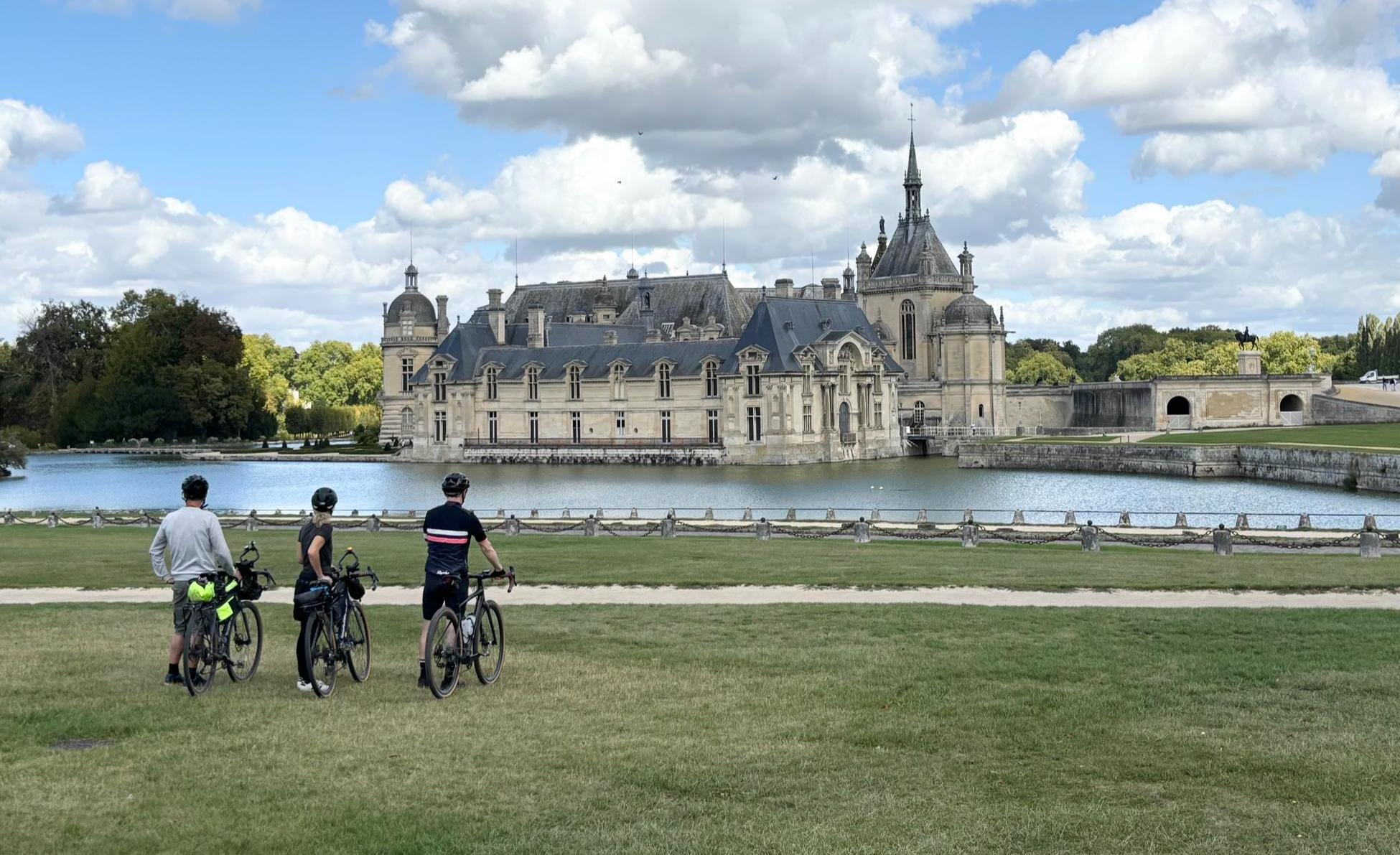
Oise Gravel Tour – station to station adventures within an hour of Paris
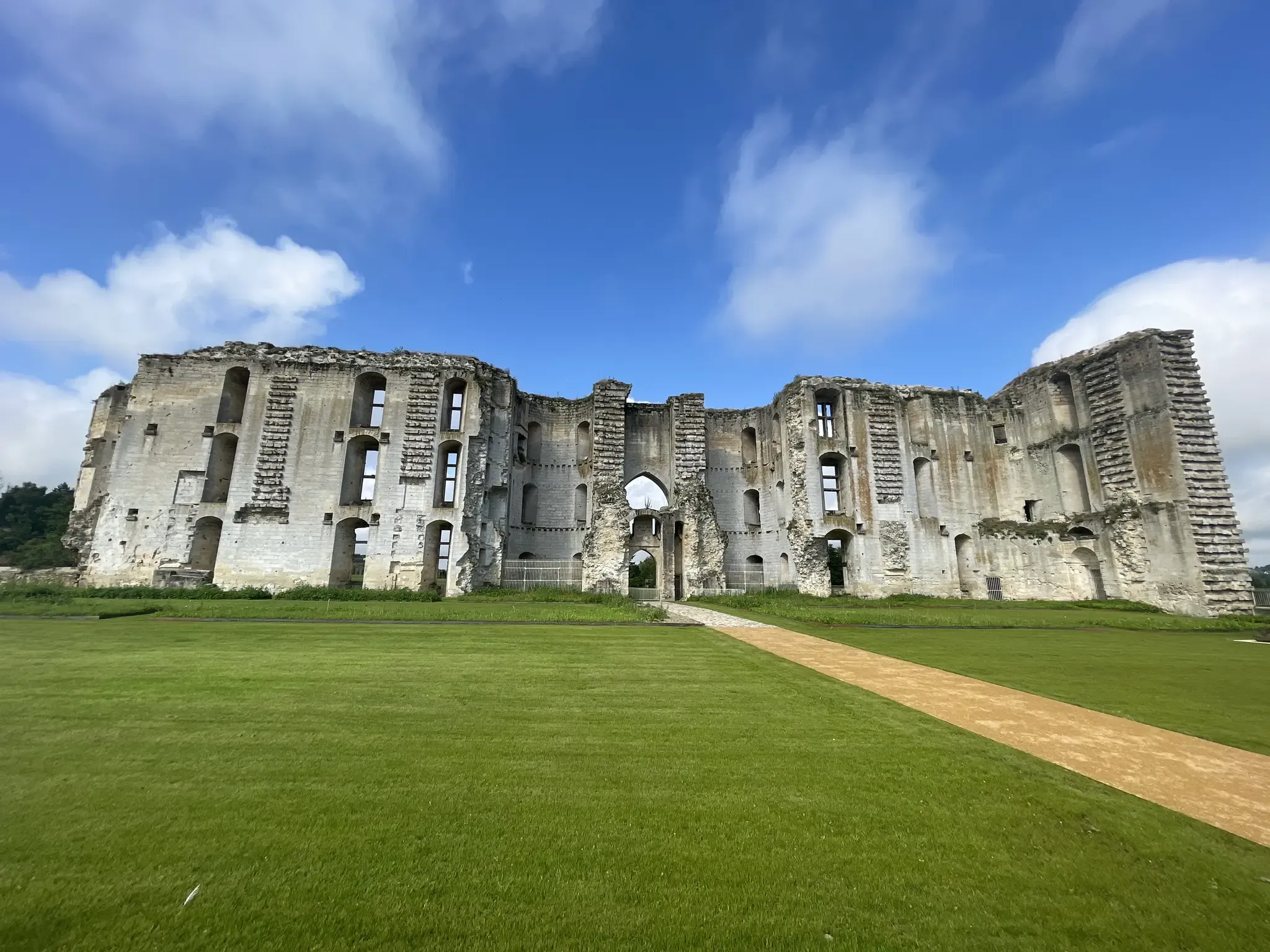
Nature and heritage around Paris – hiking the GR 11
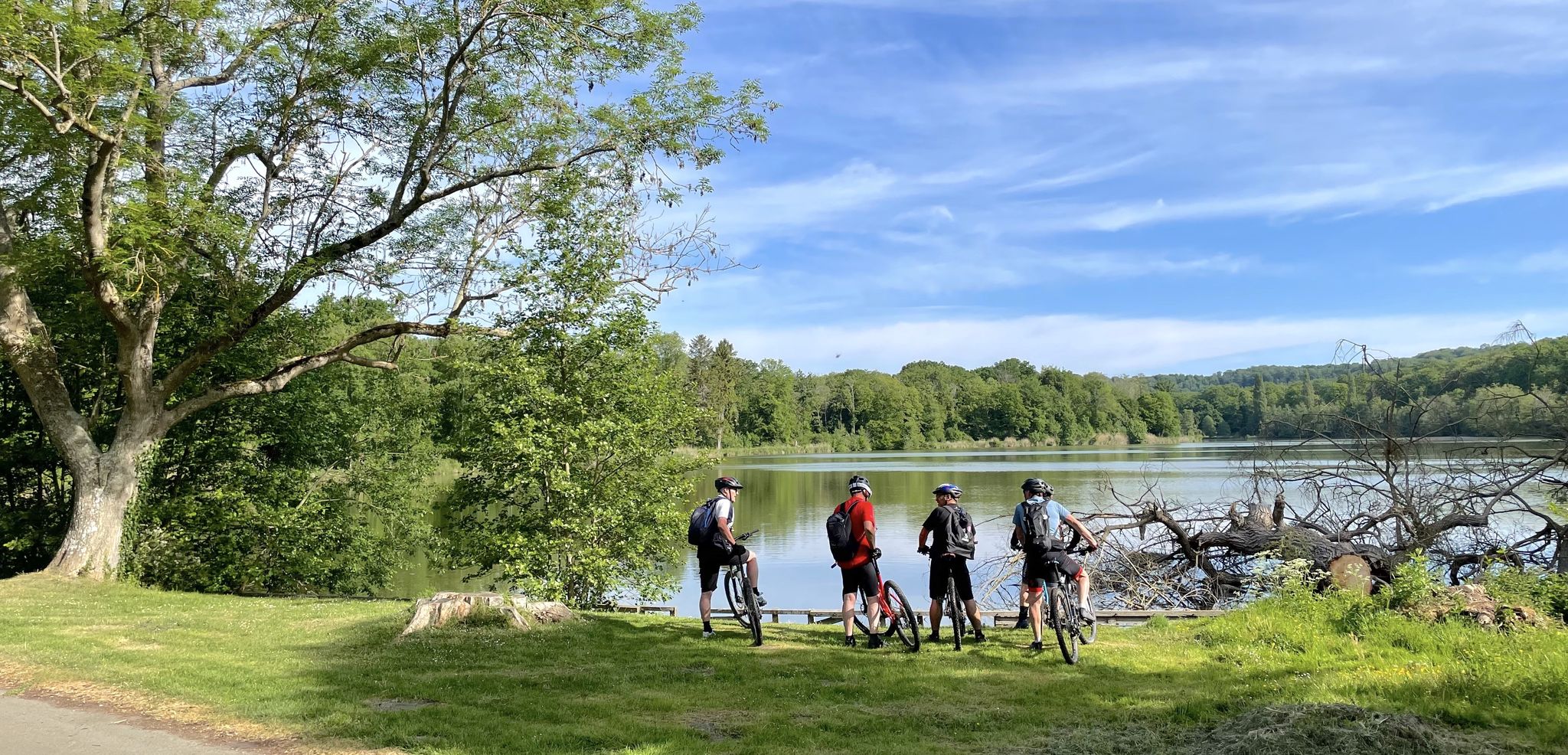
Micro-adventures in the Oise – gravel routes within an hour of Paris
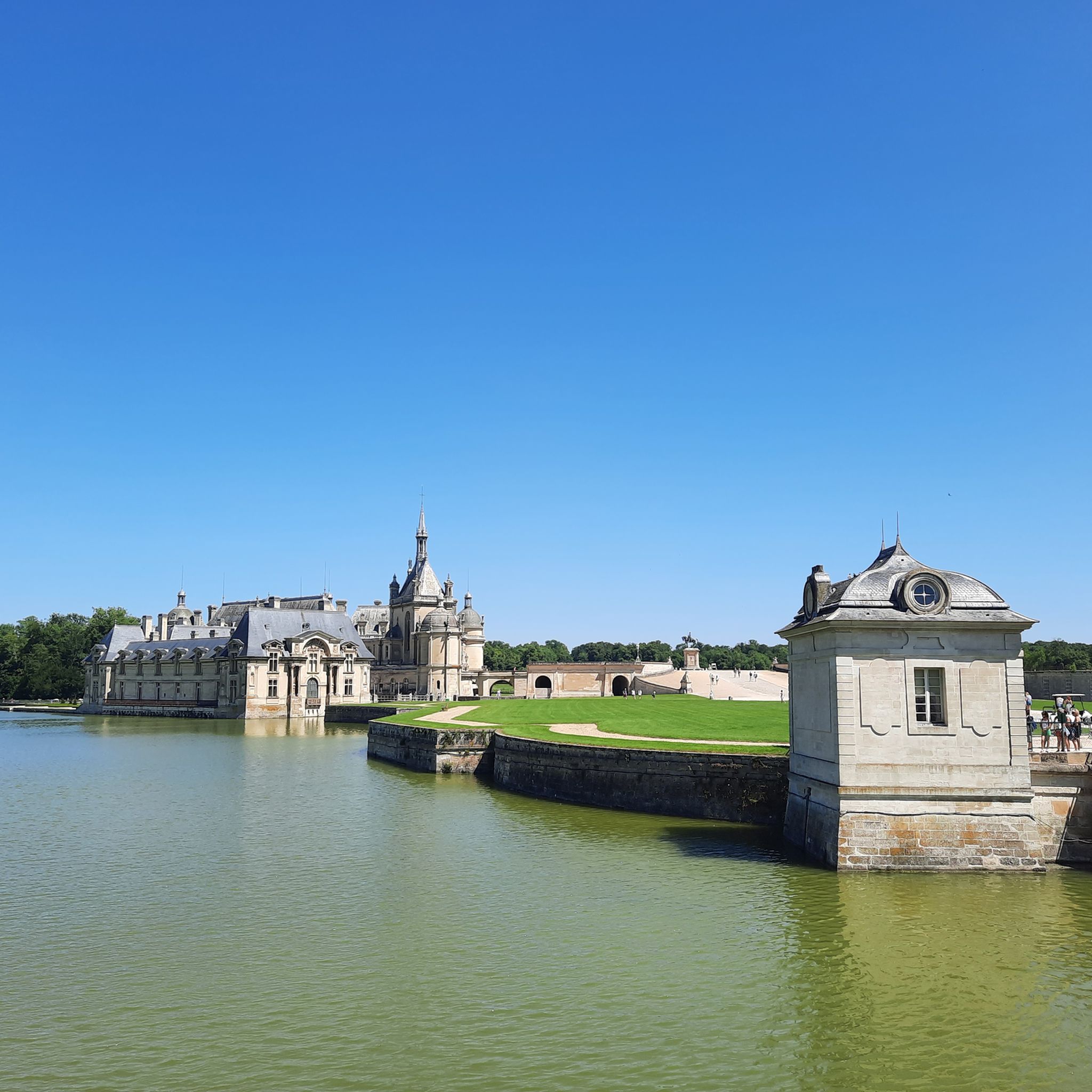
Cycling around Chantilly
Road Cycling Routes around Chantilly

Running Trails around Chantilly
Hiking around Chantilly
MTB Trails around Chantilly
Gravel biking around Chantilly
Other adventures around Chantilly


Tips from the Community

A magnificent place not to be missed
0
0

From this summit you can enjoy a panoramic view of the surrounding countryside and the Halatte forest. You can also discover the historical and cultural heritage of the region, such as the ruins of the Aumont castle and the Saint-Martin chapel.
3
0

A 3-meter-high isolated menhir, made of sandstone, with a typical shark's fin shape, suggesting that a part has been broken. Accessible by walking along the wood in the field, it is visible from the field or the woods.
0
0

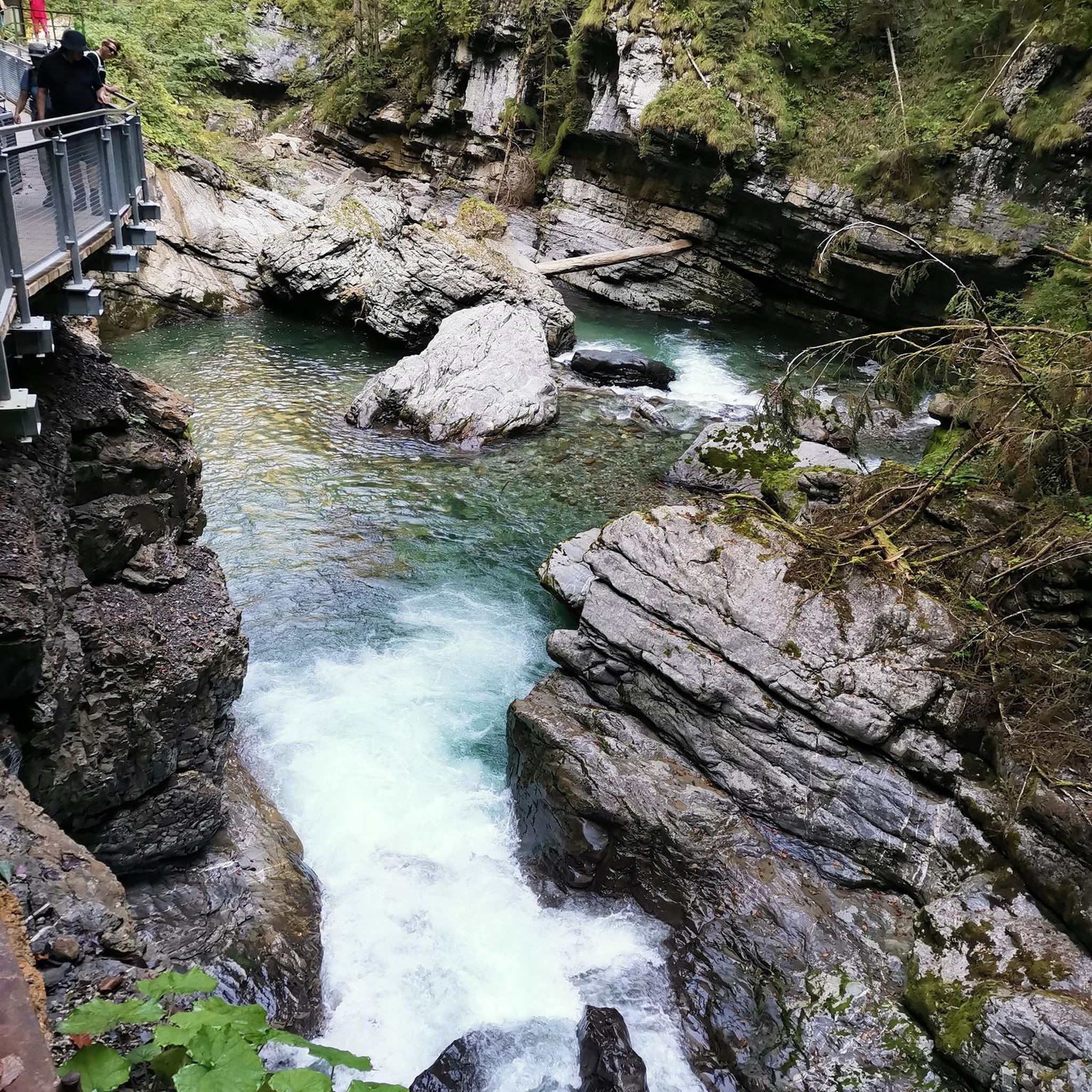
Educational trail laid out by a private owner. From geology to the Château de Vallière, you will know everything about the Bois de Morière. 1.5 km circuit which is really worth it, it feels like being in the south of France! Really exotic atmosphere and splendid nature! On the mountain bike side, the path goes up and down with two or three technical passages.
0
0

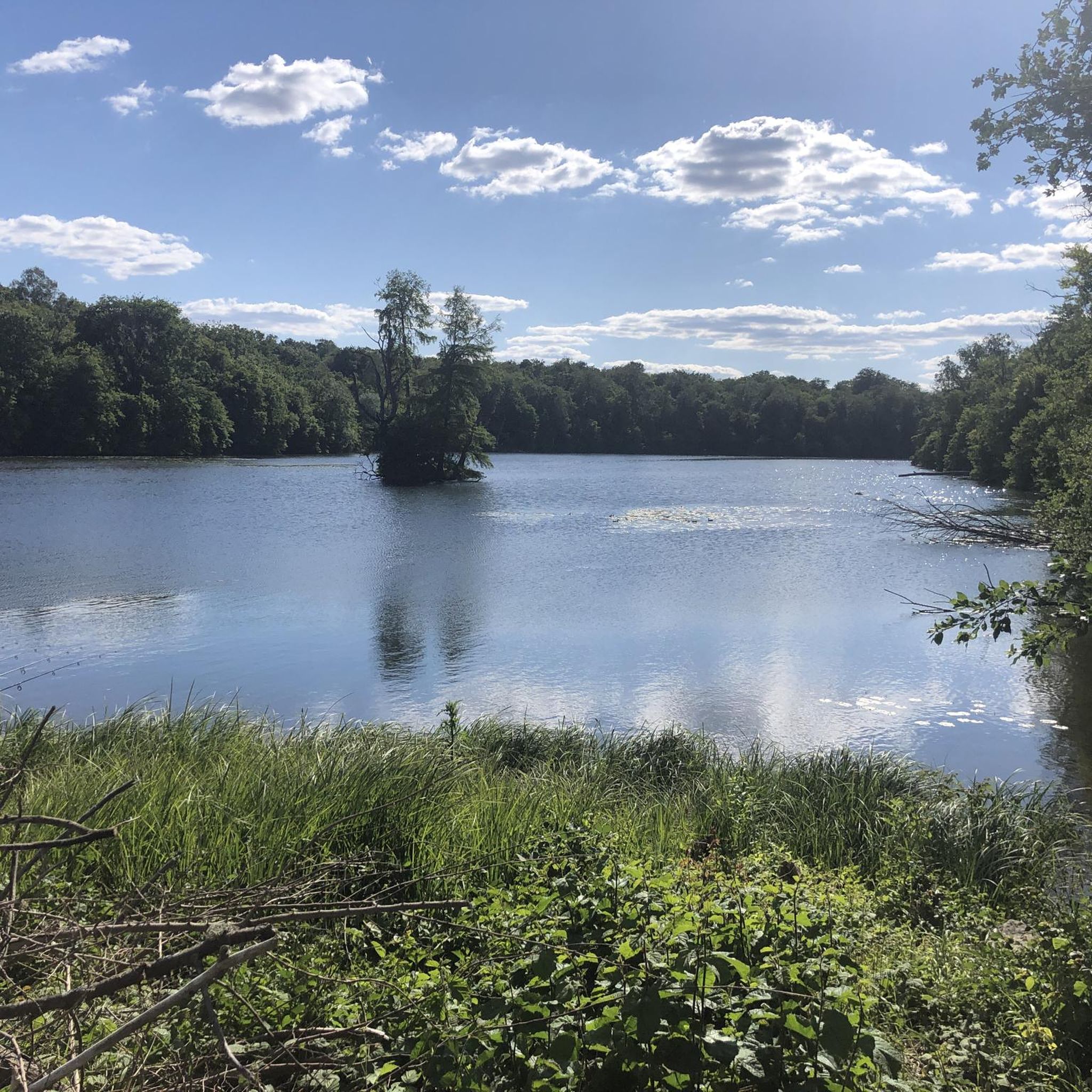
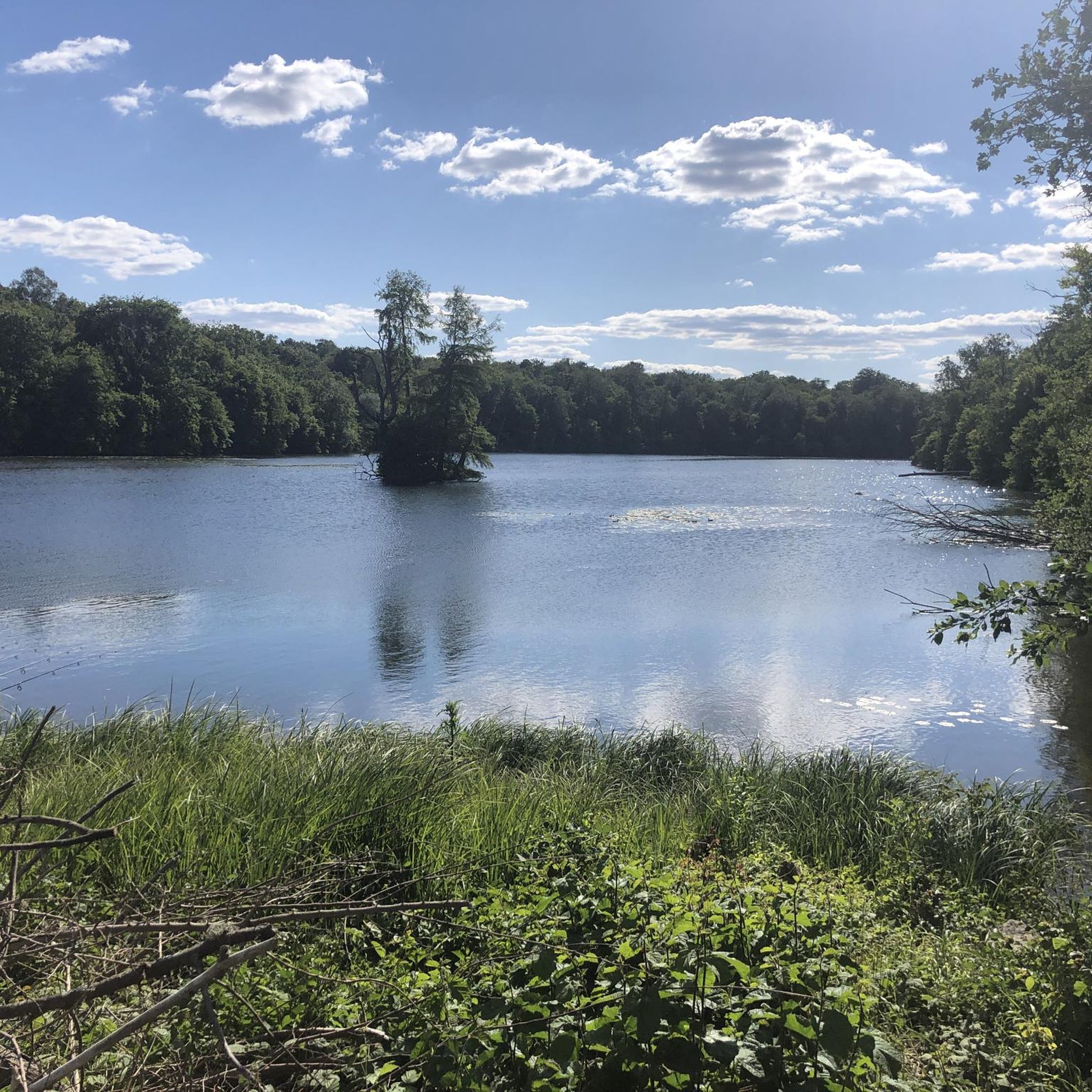
The ponds of Commelles are part of the beautiful forest of Chantilly and therefore of the Regional Natural Park Oise-Pays de France It is a protected site, rich in biodiversity, with thousands of frogs in March. In the 19th century, the ponds were frequented by romantic artists and authors such as Chateaubriand.
1
1
Here we find a quite astonishing sandy mound in the middle of the forest! A small dune of Pilat in the middle of the Halatte forest. On your mountain bikes!
0
0
Small detour for nature lovers in the forest of Pontarmé. This remarkable tree, the Chêne des Grès, is a sessile oak 23 meters high, about 300 years old. It shines in the middle of this forest and is worth a look!
1
0
Frequently Asked Questions
What are the main natural areas to explore around Chantilly?
The primary natural areas include the vast Chantilly Forest, which is part of the larger Parc Naturel Régional Oise-Pays de France. Additionally, the historic grounds of the Château de Chantilly feature exceptional gardens that are considered natural monuments in their own right, showcasing diverse design styles.
Are there any unique natural features or landmarks to discover?
Yes, you can visit Butte d'Aumont, a natural monument offering panoramic views of the surrounding countryside and the Halatte forest. It features a unique sandy mound. Another notable landmark is The Chêne des Grès, a remarkable 300-year-old sessile oak tree standing 23 meters high in the forest of Pontarmé.
What kind of outdoor activities can I do near Chantilly's natural monuments?
The region offers a wide range of outdoor activities. You can explore numerous trails for hiking, cycling, and horse riding within the Chantilly Forest. For specific routes, you can find detailed guides for hiking, mountain biking, and gravel biking around Chantilly.
Are there family-friendly natural monuments or trails in the area?
Absolutely. The Étangs de Commelles are a great family-friendly option, offering a protected site rich in biodiversity within the Chantilly Forest. Many paths in the Chantilly Forest and the Château gardens are suitable for leisurely family strolls.
What is the best time to visit the natural monuments around Chantilly?
The Chantilly Forest and its natural monuments are beautiful year-round. Spring (March-May) is ideal for witnessing the forest come alive and for seeing thousands of frogs at the Étangs de Commelles. Autumn (September-November) offers stunning foliage. Summer is perfect for longer days of exploration, while winter provides a peaceful, serene atmosphere for hiking.
Can I find viewpoints with scenic vistas?
Yes, Butte d'Aumont provides panoramic views of the surrounding countryside and the Halatte forest. Additionally, the various gardens of the Château de Chantilly offer picturesque views and diverse aesthetic experiences.
Are there any historical or cultural sites integrated with the natural monuments?
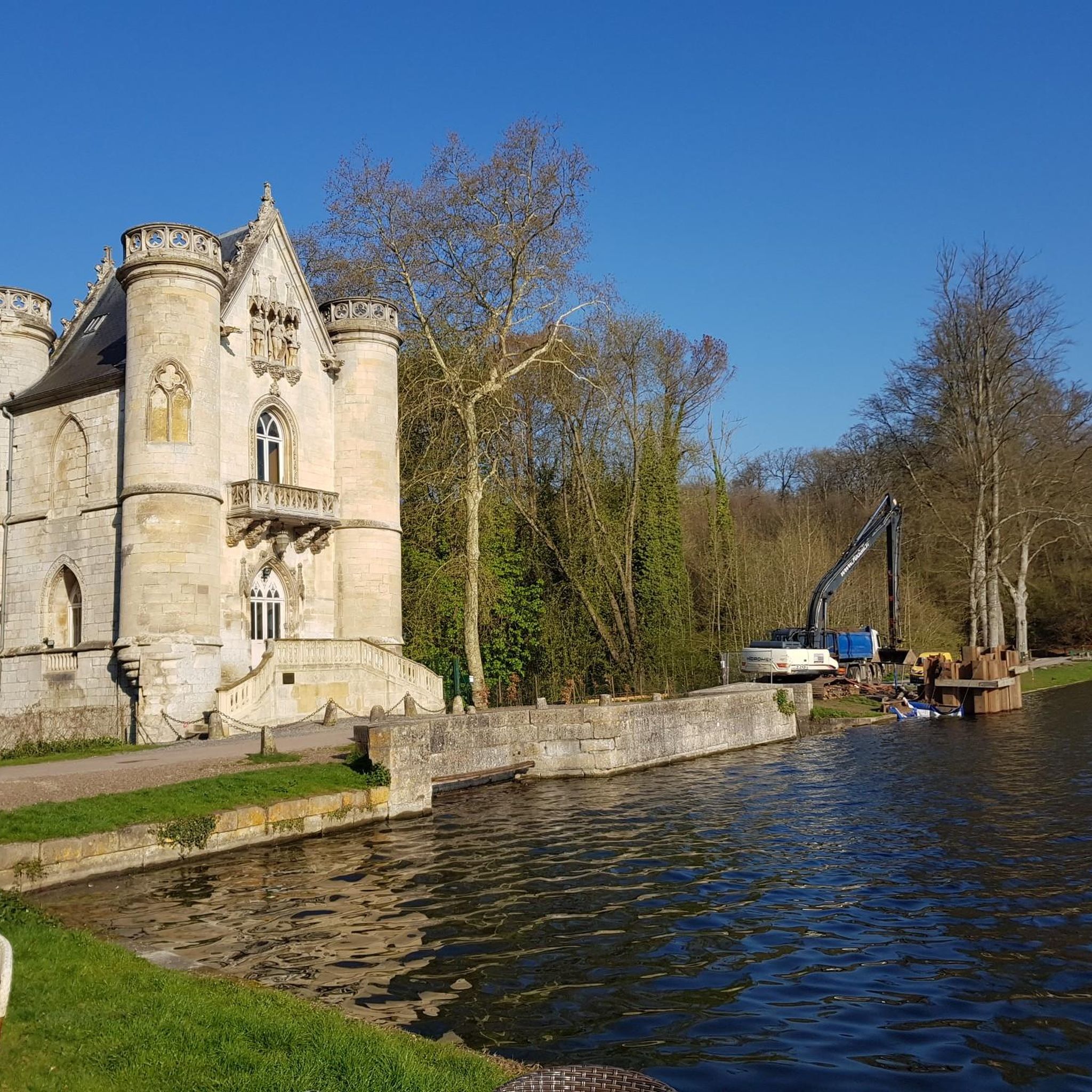
Yes, the natural monuments are often intertwined with history. At Butte d'Aumont, you can discover the ruins of the Aumont castle and the Saint-Martin chapel. The grounds of the Château de Chantilly themselves are historical, featuring 17th-century French-style gardens by Le Nôtre, 18th-century Anglo-Chinese gardens, and 19th-century English gardens, each with their own historical structures like the Hamlet or the Temple of Venus.
What is the significance of the Chantilly Forest?
The Chantilly Forest is a vast and ancient forest covering over 6,300 hectares, primarily composed of oak, Scots pine, and beech. It's a significant natural area and a jewel of French natural heritage, serving as a haven for wildlife like deer and wild boars. It's also an integral part of the Parc Naturel Régional Oise-Pays de France, dedicated to preserving natural and cultural heritage.
Are there any specific trails or routes recommended for exploring the natural monuments?
Many trails crisscross the Chantilly Forest and connect to various natural monuments. For instance, you can find routes that incorporate the Étangs de Commelles. For detailed options, refer to the hiking guide for Chantilly, which includes routes like the 'Chatêau de Chantilly — loop from Chantilly in the Oise-Pays de France Regional Natural Park'.
What is the 'Parc Naturel Régional Oise-Pays de France' and its connection to Chantilly?
The Parc Naturel Régional Oise-Pays de France is a regional natural park that includes the Chantilly Forest, along with other significant forest massifs like Halatte and Ermenonville. It acts as a vital 'green lung' north of Paris, dedicated to preserving the natural and cultural heritage of the area while promoting sustainable regional development. The Chantilly Forest is a core component of this larger protected landscape.
What can I expect to see at the Étangs de Commelles?
The Étangs de Commelles are a protected site within the Chantilly Forest, known for its rich biodiversity. In March, you can observe thousands of frogs. The ponds were historically frequented by romantic artists and authors, adding a cultural layer to their natural beauty. It's a serene spot perfect for nature observation and peaceful walks.
Is there a unique geological feature near Chantilly?
Yes, the place known as La Pierre Monconseil offers an educational trail that delves into the geology of the Bois de Morière. It features a 1.5 km circuit with an exotic atmosphere and splendid nature, making it a unique spot for those interested in geological formations and diverse landscapes.
Most popular routes around Chantilly
Most popular attractions around Chantilly

Get inspired with the komoot mobile app


Explore more
Extend your search for the best caves by checking out these guides of the top ones around Chantilly:
