Top 11 Natural Monuments around Jaujac
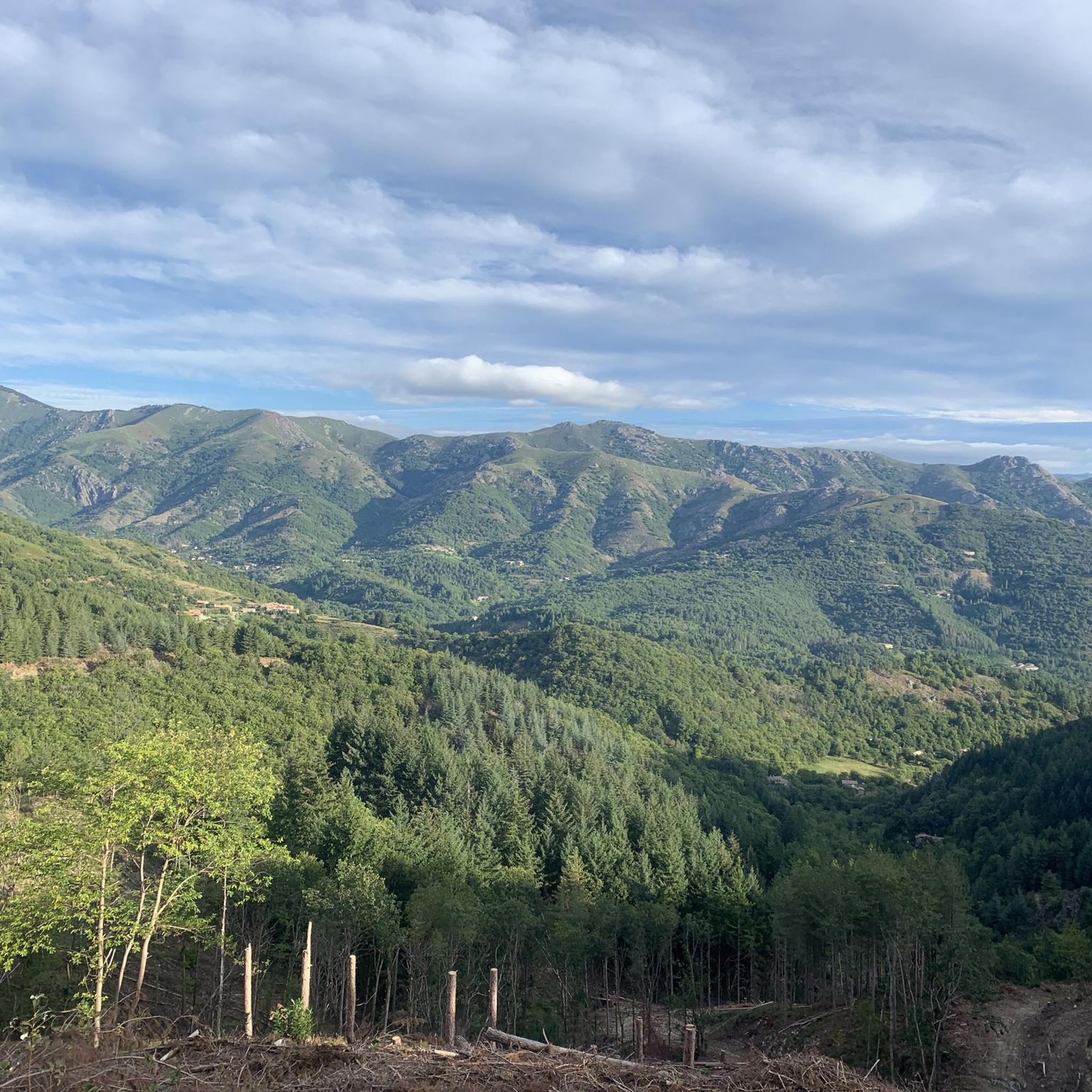
Best natural monuments around Jaujac are primarily shaped by ancient volcanic activity in the Ardèche region of France. This area features distinctive geological formations, including impressive basalt columns and well-preserved volcanic structures. These sites offer insights into geological history and provide diverse outdoor exploration opportunities. The landscape presents a range of natural features for exploration.
Best natural monuments around Jaujac
- The most popular natural monuments is Pont du Diable (Thueyts), a bridge that overlooks the Ardèche River. This stone…
Last updated: June 21, 2026
Pont du Diable (Thueyts)
Highlight • Bridge
Translated by Google •
Tip by

Queen's Ladder
Highlight • Natural Monument
Translated by Google •
Tip by

Sign up now to discover places like this
Get recommendations on the best single tracks, peaks, & plenty of other exciting outdoor places.
Sign up for free
La Drobie Valley
Highlight (Segment) • Gorge
Translated by Google •
Tip by

Rue des Géants Basalt Columns
Highlight • Natural Monument
Translated by Google •
Tip by

Peyralade Spring
Highlight • Natural Monument
Translated by Google •
Tip by

Sign up for free to discover even more natural monuments around Jaujac.
Sign up for free
Already have an account?
Start today with a free account
Your next adventure awaits.
Login or Signup

Tips from the Community

Nice climb and magnificent bridges
0
0

The Queen's Staircase is carved into the volcanic rock. A superb view of the surrounding mountains awaits you at the top of the 215 steps. The magnificent Royal Ladders circuit takes you to discover the Devil's Bridge as well as the Queen's Ladder and the King's Ladder.
2
0

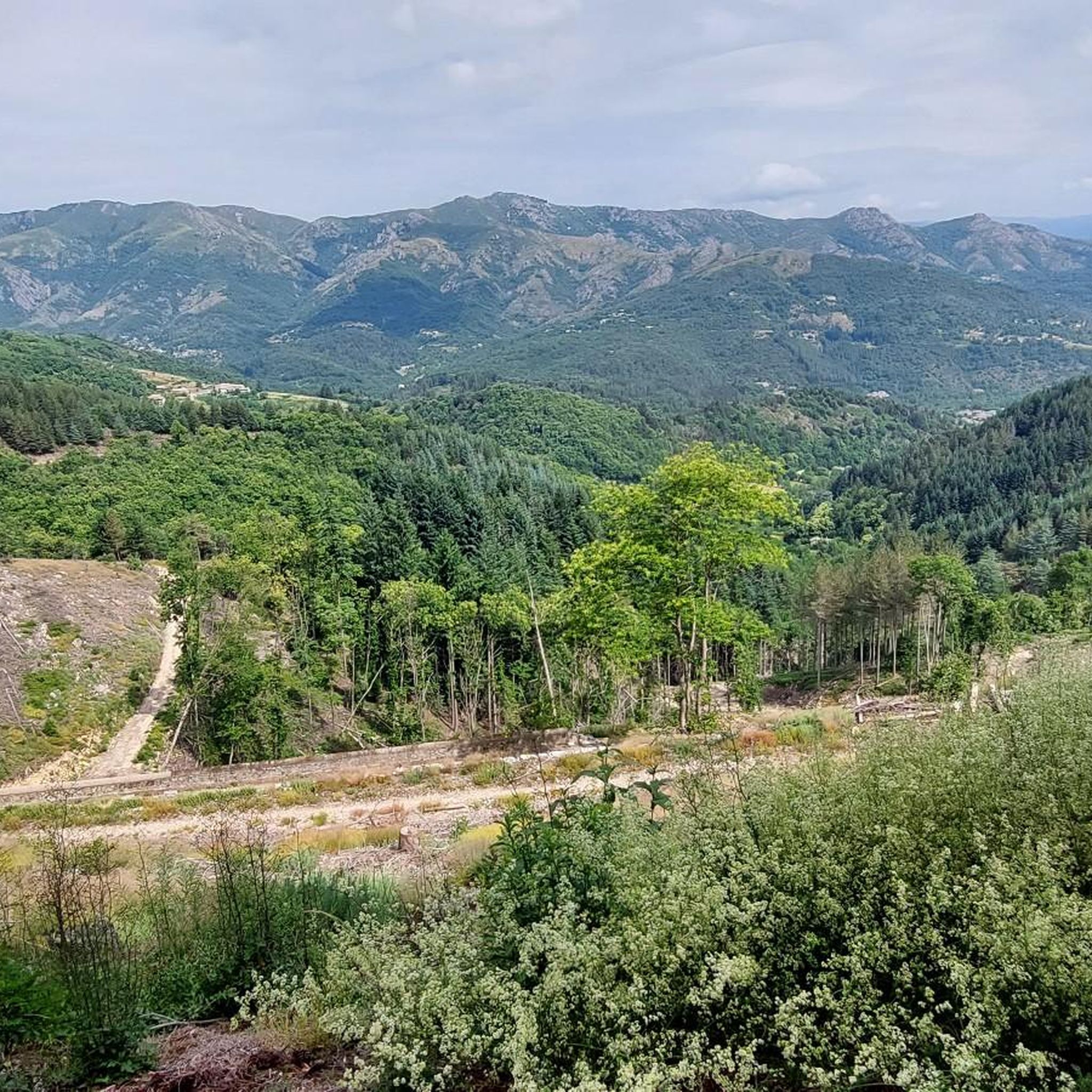
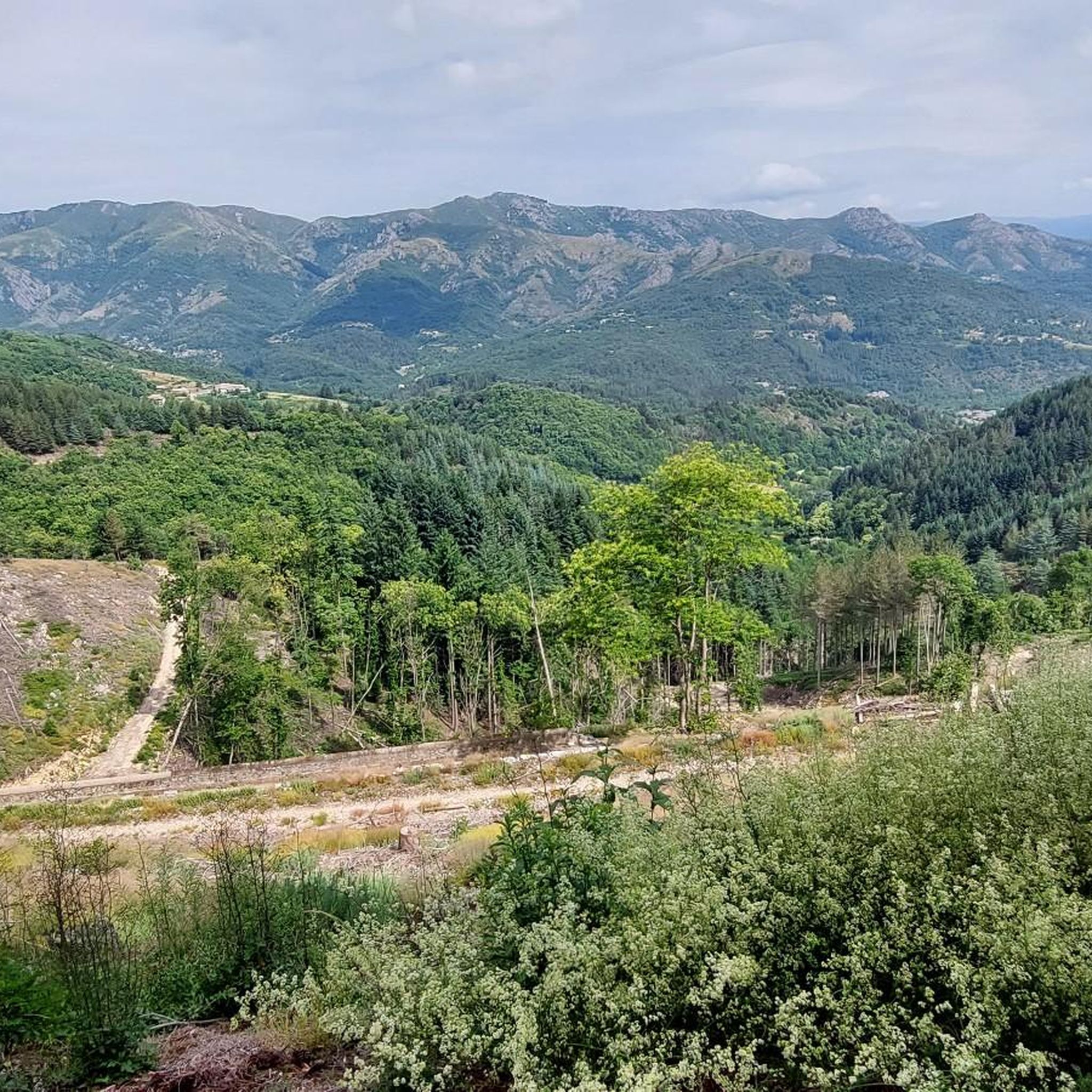
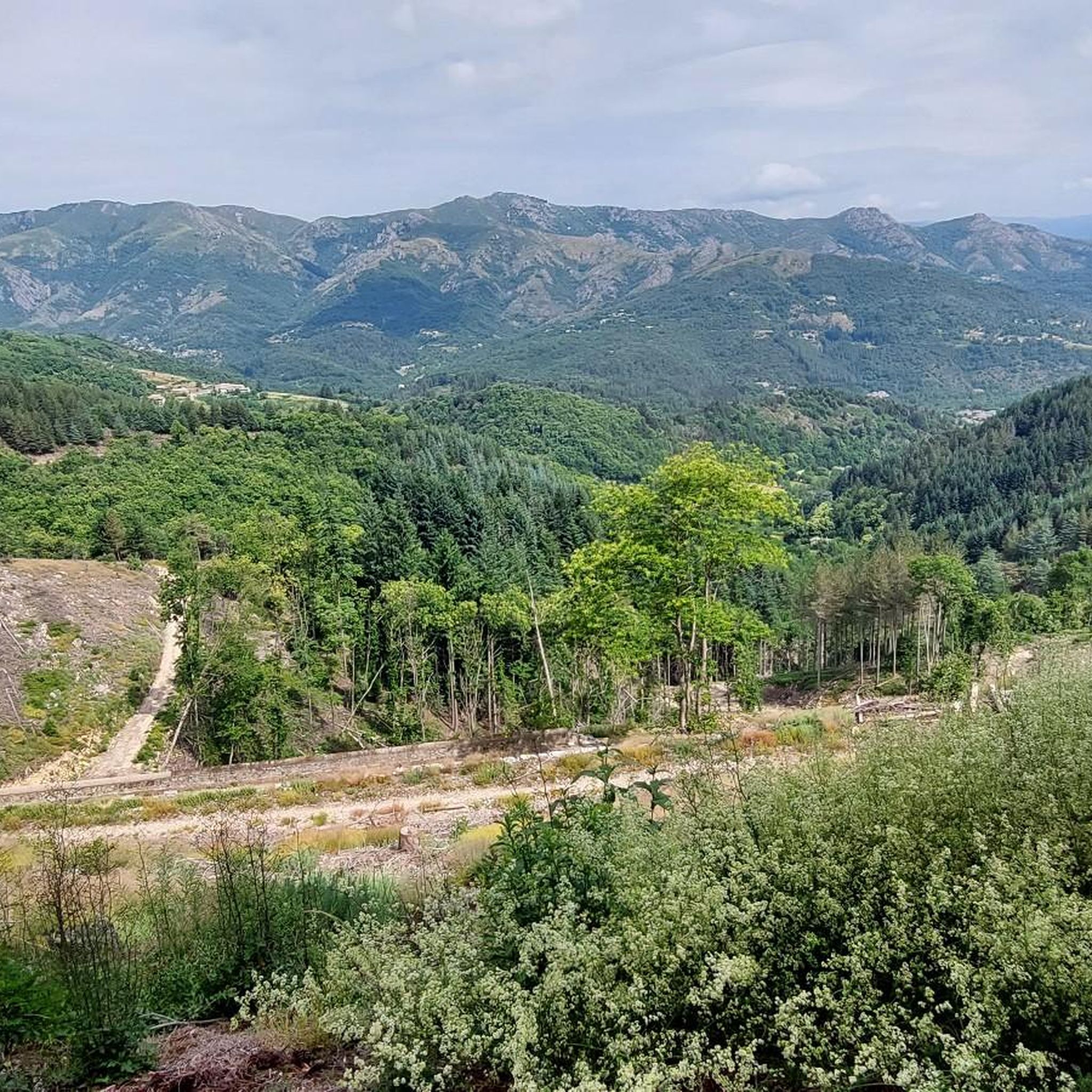
A pleasure for the eyes and the head as much as for the legs: asphalt in good condition, almost no cars and a magnificently wild, mineral and steep valley... up to the Col de l'Echelette if you feel like it, the show is worth it!
0
0

This walk starts very hard and certainly does not make it easy. Very beautiful on the other hand.
0
0

This magnificent stone bridge overlooks the Ardèche River at the foot of the village of Thueyts, 45 minutes from Vallon Pont d'Arc. 17 m high, it is an emblematic place of the Ardèche to discover. According to legend, the bridge was built under the inspiration of the devil, for the destruction of the souls of the young people of the village, who wanted to cross to the other side to hide their guilty loves, slipped into the abyss. "And on days when the river's current swells, we sometimes think we hear their desperate cries mixed with the rumbling of the water"
6
1

Source containing iron ore. Very hidden. Look carefully at the lowest point on the side path on the left. A very small pipe is the source. You can't hold a water bottle under it, just a small mug.
1
0

The water under the bridge is deep. You can jump from the rocks towards the beach. Caution cold!
6
0

There is little traffic here. Beautiful route.
0
1
Frequently Asked Questions
What are the most prominent natural monuments to visit around Jaujac?
Jaujac is renowned for its volcanic geology. Key sites include the impressive Pont du Diable (Thueyts), a 17-meter high stone bridge over the Ardèche River, and the Queen's Ladder, featuring 215 steps carved into volcanic rock offering superb views. The region is also famous for its basaltic organs, such as the Rue des Géants Basalt Columns, which showcase lava frozen in vertical formations.
What unique geological features can I expect to see in Jaujac?
Jaujac's landscape is dominated by ancient volcanic activity. You can observe spectacular basalt flows, often called 'basaltic organs,' which are hexagonal prisms formed as lava cooled. The Rue des Géants Basalt Columns are a prime example. The area also features the well-preserved Jaujac Volcano, a Strombolian type volcano with a distinctive 'cup' shape, and gorges carved by rivers through these volcanic formations.
Are there family-friendly natural monuments or activities around Jaujac?
Yes, several natural monuments offer family-friendly experiences. The basalt flow along the Lignon River, for instance, includes the 'Turbine beach,' which is ideal for walks, picnics, and swimming in season. Exploring the Queen's Ladder can be an engaging adventure for older children, with its carved steps and rewarding views. Many hiking trails in the area are suitable for families, allowing exploration of the volcanic landscapes.
What kind of outdoor activities can I do near Jaujac's natural monuments?
The region around Jaujac offers a variety of outdoor activities. You can enjoy hiking on trails that explore the volcanic landscapes, such as the 'Coeur de crate – Summit of the Jaujac Crater loop' or the 'Fargebelle Stone Bridge – Pont du Diable (Thueyts) loop'. Cycling is also popular, with routes like 'Labeaume Bridge – Col de la Croix de Bauzon loop'. For more options, explore the hiking routes around Jaujac, running trails, or cycling routes.
Are there any natural springs or unique water features in the area?
Yes, Jaujac is home to the Peschier spring, located at the foot of the Jaujac Volcano. This spring is known for its naturally sparkling and ferruginous (iron-rich) mineral water. Additionally, the Peyralade Spring is another hidden source containing iron ore, though it's quite discreet and requires careful searching to find.
What is the best time of year to visit the natural monuments around Jaujac?
The Ardèche region generally enjoys pleasant weather from spring through autumn, making these seasons ideal for exploring Jaujac's natural monuments. Spring brings lush greenery and comfortable temperatures, while autumn offers beautiful foliage. Summer is great for activities like swimming at the Turbine beach, but can be warmer. Winter hiking is possible, but some paths might be slippery or less accessible.
What makes the Basalt Flow near Jaujac so special?
The Basalt Flow in Jaujac, often called the basaltic organs, is considered one of the most beautiful in Europe. It's a UNESCO Global Geopark site due to its significant geological value. The flow, over 3 kilometers long and up to 70 meters thick, features distinctive hexagonal prisms formed by the slow cooling of lava. The Lignon River has carved impressive gorges through it, revealing different layers of these striking formations.
Can I find any historical or cultural context related to the natural monuments?
While primarily natural, some sites carry local legends. For example, the Pont du Diable (Thueyts) is steeped in local folklore, with tales of its construction being inspired by the devil. The Maison du Parc des Monts d'Ardèche, located in the Rochemure castle, also provides information and exhibitions related to the region's natural heritage, including its volcanism, offering a cultural link to the landscape.
Are there any challenging routes or climbs for experienced hikers?
Yes, some areas offer more challenging terrain. The Rue des Géants Basalt Columns, for instance, is noted for starting very hard and offering a challenging climb. The La Drobie Valley also features a magnificently wild, mineral, and steep valley, which can be extended up to the Col de l'Echelette for a more demanding experience.
What do visitors enjoy most about the natural monuments around Jaujac?
Visitors frequently appreciate the stunning geological formations, especially the basalt columns and volcanic structures. The scenic views from spots like the Queen's Ladder are highly rated. Many enjoy the tranquility and wild beauty of places like La Drobie Valley, noting the minimal traffic and well-maintained paths. The opportunity for swimming and picnicking at the Turbine beach near the basalt flow is also a highlight for many.
Are the natural monuments around Jaujac accessible for all visitors?
While many natural sites involve walking or hiking, some areas offer easier access. The basalt flow along the Lignon River, for example, is noted for its easy access, including the 'Turbine beach' which is suitable for leisurely walks. However, sites like the Queen's Ladder involve 215 steps, and the Rue des Géants Basalt Columns can be a challenging climb, so accessibility varies by specific location.
Can I find wild swimming spots near Jaujac's natural monuments?
Yes, the Lignon River, which flows through the basalt flow area, offers opportunities for wild swimming. The 'Turbine beach' is a popular spot for swimming, especially during warmer months. The water under the Pont du Diable (Thueyts) is also noted as being deep enough for jumping from rocks, though visitors should exercise caution due to potentially cold water.
Most popular attractions around Jaujac

Get inspired with the komoot mobile app


Explore more
Extend your search for the best caves by checking out these guides of the top ones around Jaujac:
